Australia

The Land Down Under
About
#Australia
#DownUnder
#AussieLife
Life Classification
Country
Life ID
EL3605177124924
Verified Name
australia
Life Type
Entity Life
Life Editor(s)
History Editorial Network (HEN)
Life Privacy
Public
Subscription
Elite
Created On
2024-07-30
Updated On
2025-12-19
Connect
Related Lives

Libya
Oasis of the Sahara

Ethiopia
Federal Democratic Republic of Ethiopia

Bosnia and Herzegovina
The Land of Golden Lilies

Haiti
The Resilient Spirit of Haiti

Saudi Arabia
A Land of Heritage and Innovation

The Prime Ministers of Italy
The President of the Council of Ministers


Armenia
Gateway to Ancient Traditions and Scenic Beauty

2026
Australia reportedly enacted additional legislation on 11/09/2026 to strengthen enforcement of its minimum social media age of 16, expanding the regulatory framework governing children's access to age-restricted platforms. The reforms are described as increasing the investigative powers of the eSafety Commissioner and strengthening penalties for companies that fail to comply. The measures build on the Online Safety Amendment (Social Media Minimum Age) Act 2024, which established requirements for designated social media platforms to take reasonable steps to prevent Australians under 16 from holding accounts, with obligations taking effect on 10/12/2025.
Australia's original restrictions placed responsibility on social media companies rather than children or parents, with civil penalties of up to A$49.5 million for certain systemic compliance failures. The eSafety Commissioner oversees implementation, including platform compliance and age-assurance practices. The framework seeks to reduce children's exposure to online risks while raising questions about privacy, age verification, and access to digital services. The precise provisions and penalties of the reported September 2026 reforms require confirmation against the enacted legislation.
View detailsIn early January 2026, large bushfires in Victoria burned vast areas of land, destroyed homes and infrastructure, cut power to thousands, and led police to confirm at least one death after human remains were found in a fire-affected area. Severe heat and fire-danger warnings were also issued across parts of New South Wales and the wider southeast.
As of January 13, 2026, the wildfire crisis in Victoria involved 12 major fires among a total of approximately 30 active blazes. These fires have scorched more than 400,000 hectares across the state.
Key fire details reported on that date include:
• Longwood: 137,000 hectares burned; located 100 km northeast of Melbourne. This fire resulted in the death of cattle farmer Max Hobson.
• Walwa: 102,000 hectares burned; situated at the northern edge of Victoria near the NSW border.
• Ravenswood: 4,100 hectares burned; located near Harcourt.
Additional Impacts:
• Structural Losses: More than 500 structures have been lost or damaged, including at least 179 homes.
• Casualties: One person has been confirmed dead due to the fires.
• Emergency Declaration: A State of Disaster was declared for 18 local government areas.
• Economic Impact: Nearly 1,400 insurance claims have been lodged, with an estimated 20,000 livestock killed.
View details
2025
On 14 December 2025, a mass shooting targeted a public Hanukkah celebration at Bondi Beach in Sydney, killing 15 people and injuring many others. Australian authorities investigated the attack as terrorism aimed at the Jewish community, and national leaders later described it as the deadliest terrorist attack on Australian soil.
Australia was shaken by an unprecedented attack on a beachfront community gathering marking the start of Hanukkah. The violence unfolded within minutes, turning a celebration into a national tragedy and triggering heightened security for Jewish sites and public events.
In the weeks that followed, the case became a focal point for broader concerns about antisemitism and extremist violence. On 8 January 2026, Prime Minister Anthony Albanese announced a Royal Commission to examine the attack and the wider environment of antisemitism and social cohesion -alongside a separate review into whether there were any preventable failures in security and intelligence.
View detailsOn 10-Dec-2025, Australia’s Social Media Minimum Age rules took effect under amendments to the Online Safety Act, requiring age-restricted social media platforms to take “reasonable steps” to prevent Australians under 16 from creating or keeping accounts.
Australia launched what it described as a world-first, hard-line shift in online safety policy: instead of penalizing children or parents, the law places the burden on platforms to remove or prevent under-16 accounts - and to prove compliance when asked.
The eSafety Commissioner’s guidance listed major platforms expected to comply, including TikTok, X, Facebook, Instagram, YouTube, Snapchat, Reddit, Threads, Kick, and Twitch. The change also drew debate over practicality and privacy, because platforms may rely on “age assurance” approaches to determine whether an account holder is under 16. Regulators highlighted privacy safeguards around how any age-assurance data must be handled, while critics argued the policy could be circumvented or push teens toward less visible corners of the internet.
Key details:
- Minimum age: 16 (accounts for under-16s must be blocked/removed)
- Who is liable: Platforms (not teens or parents)
- Enforcement: eSafety Commissioner can seek information and pursue penalties
- Max penalties: up to 150,000 penalty units (reported as ~A$49.5–50 million)
- Platforms publicly flagged as “age-restricted”: Facebook, Instagram, Kick, Reddit, Snapchat, Threads, TikTok, Twitch, X, YouTube.
View details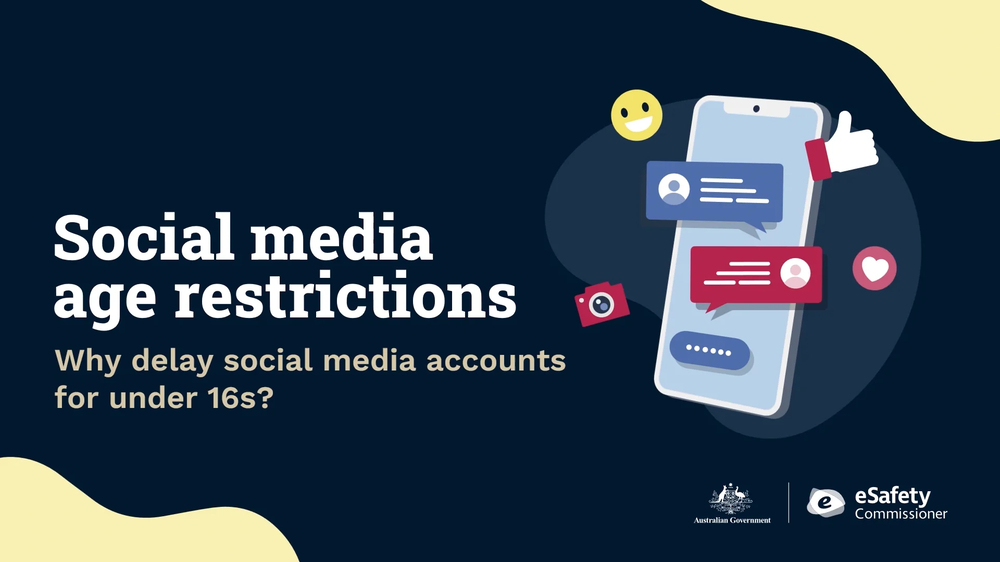
On April 25, 2024, convicted Neo-Nazi Jacob Hersant and several associates from the National Socialist Network disrupted Melbourne’s ANZAC Day dawn service at the Shrine of Remembrance. The group performed Nazi salutes, shouted “Heil Hitler” and “white power,” and unfurled a banner reading “Australia for the white man” while the official ceremony was underway. Victorian police arrested Hersant and another man, charging them with offences including knowingly performing a Nazi salute, an act banned under new state laws introduced in 2023. The incident triggered widespread condemnation.
As a direct consequence, organisers of the separate Collingwood–Essendon ANZAC Day AFL match at the MCG cancelled a planned Welcome to Country address by Wurundjeri Woi Wurrung elder Aunty Joy Murphy Wandin, citing security concerns and the need to avoid further inflame tensions. Aunty Joy described the cancellation as “deeply hurtful,” stating she felt punished for the actions of extremists and that it denied recognition of First Nations service and sacrifice. The decision drew criticism for appearing to reward far-right intimidation.
View details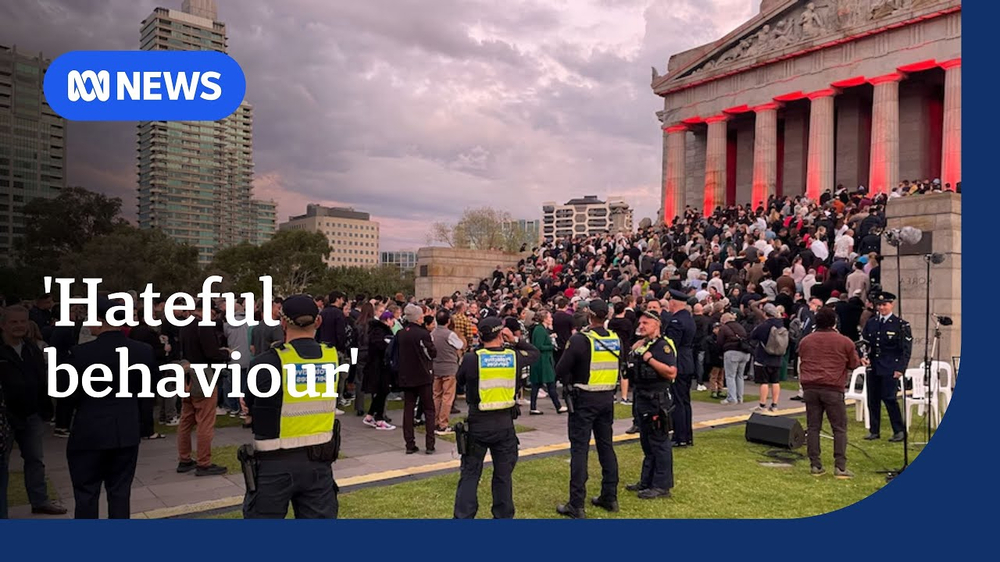
2024
Julian Assange, the founder of WikiLeaks, was released from prison and returned to Australia. Assange had spent several years in confinement, first in the Ecuadorian Embassy in London and later in a British prison. WikiLeaks, established in 2006, gained global attention by releasing classified military and diplomatic documents, leading to international debates on transparency, freedom of the press, and national security.
Assange's release came after prolonged legal battles and intense diplomatic negotiations. Various international advocacy groups and human rights organizations had campaigned for his release, arguing that his imprisonment represented a significant threat to journalistic freedom and whistleblower protections. Governments and legal experts were divided on whether his actions were justified whistleblowing or reckless endangerment of sensitive information.
Assange’s return to Australia marked a pivotal moment in his decade-long legal saga. His homecoming was met with mixed reactions. Supporters viewed it as a victory for press freedom and a step toward protecting journalists and whistleblowers, while critics expressed concerns about the implications for handling classified information and national security protocols.
Australia's political landscape saw immediate ripples as public debate intensified. Advocates of Assange argued that his actions underscored the need for more transparency from governments and corporations. In contrast, detractors maintained that his releases had endangered lives and compromised security operations. Australian officials faced domestic and international scrutiny regarding their stance on Assange's extradition and the broader issues of media freedom in the digital age.
The WikiLeaks publications had previously revealed significant international data, affecting global diplomacy and military operations. Researchers noted a surge in discussions about the balance between transparency and security in democratic societies.
#WikiLeaks #JulianAssange #PressFreedom #Whistleblower #Transparency #Australia #DigitalAge #Governance #MoofLife"
View details2023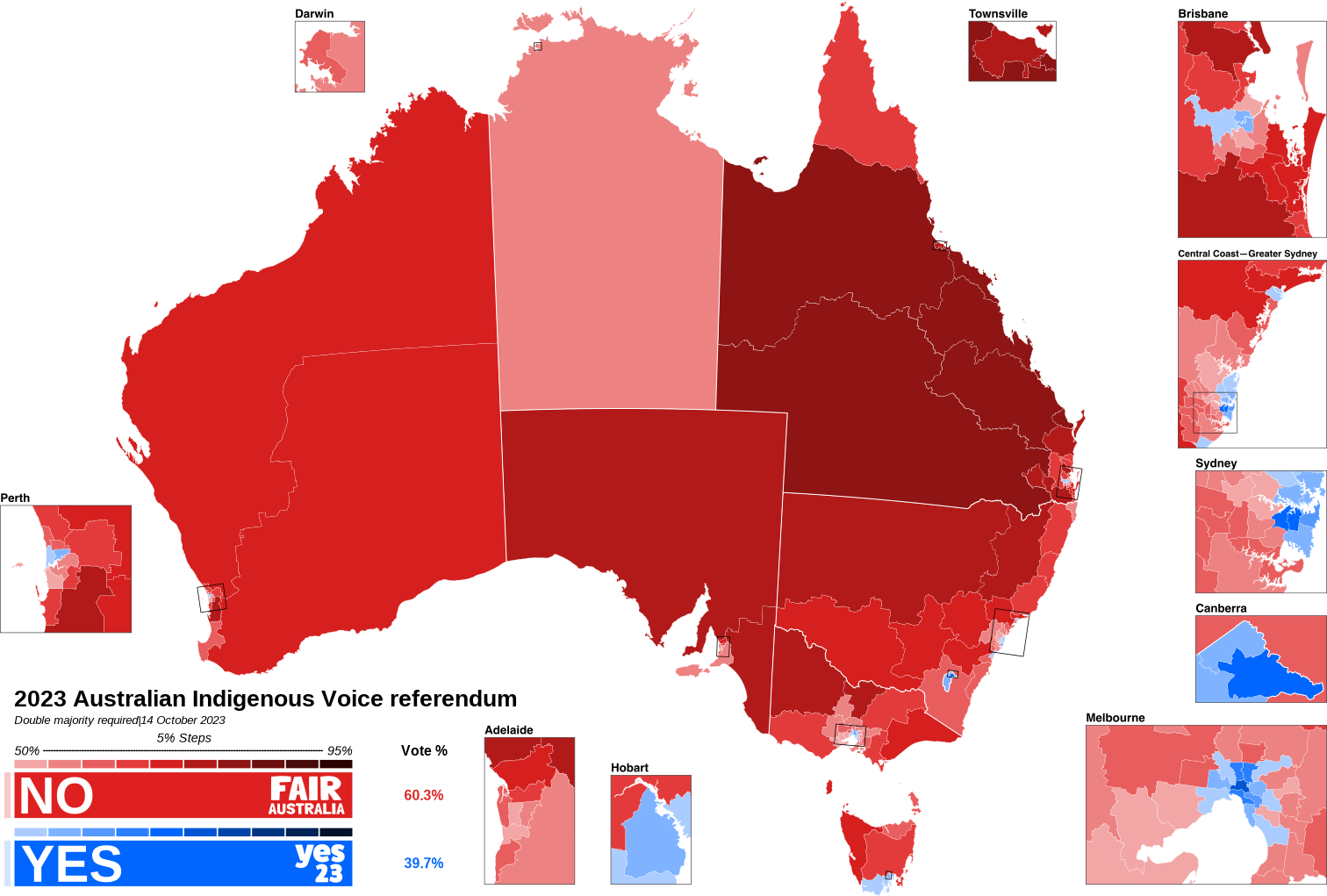
On October 14, 2023, Australia held a landmark referendum to decide on the establishment of an Indigenous Voice to Parliament. This proposed body aimed to provide Aboriginal and Torres Strait Islander peoples with a constitutionally enshrined advisory mechanism to influence laws and policies affecting their communities. Despite extensive campaigning and significant public debate, the referendum failed to pass, with 60% of Australians voting "No."
Background: The Indigenous Voice to Parliament
The idea of an Indigenous Voice to Parliament emerged from the 2017 Uluru Statement from the Heart, a historic consensus document produced by over 250 Indigenous leaders. The statement called for constitutional reforms to empower Indigenous Australians and address systemic inequalities. Central to these reforms was the establishment of a representative body to advise Parliament on issues affecting Indigenous communities.
The Proposal
The proposed Indigenous Voice to Parliament aimed to:
Provide a permanent platform for Indigenous Australians to have a say in legislative processes.
Ensure that policies impacting Indigenous communities were informed by their perspectives and experiences.
Foster greater understanding and cooperation between the Australian government and Indigenous peoples.
The government framed the referendum as an opportunity to make a meaningful step toward reconciliation and to recognize Indigenous Australians' unique position in the country's history and future.
The Campaigns
The Yes Campaign
Supporters of the Voice included a broad coalition of Indigenous leaders, human rights advocates, and many political and community organizations. The Yes campaign emphasized the need for a constitutionally protected advisory body to ensure Indigenous voices were heard and respected in policymaking. They argued that the Voice would help address longstanding issues of disadvantage and injustice faced by Indigenous Australians.
Prominent figures and organizations highlighted the symbolic and practical importance of the Voice, describing it as a path to reconciliation and a step toward acknowledging and rectifying historical wrongs.
The No Campaign
Opponents of the Voice raised concerns about the potential implications of the proposed body. Some argued that it would create division by entrenching separate political processes based on race. Others feared it could lead to legal and bureaucratic complexities, potentially disrupting the legislative process.
The No campaign included voices from various political backgrounds, including some Indigenous leaders who felt that the proposal was not the right approach to achieving equality and practical outcomes for their communities. They advocated for alternative measures to improve the lives of Indigenous Australians without constitutional changes.
The Referendum Outcome
On October 14, 2023, Australians went to the polls to cast their votes. The result was decisive, with 60% of voters rejecting the proposed constitutional amendment to establish the Indigenous Voice to Parliament.
Implications of the Result
The failure of the referendum had significant implications for Australian politics, society, and the ongoing journey toward reconciliation:
Indigenous Communities: Many Indigenous Australians expressed disappointment and frustration with the outcome, feeling that a crucial opportunity for progress had been missed. The result underscored the challenges and divisions within Australian society regarding Indigenous issues.
Political Landscape: The result prompted widespread reflection and debate among politicians and policymakers about the best way forward for addressing Indigenous disadvantage and achieving reconciliation. The outcome highlighted the need for continued dialogue and alternative approaches to improve Indigenous representation and outcomes.
National Identity: The referendum result sparked conversations about national identity, historical recognition, and the path to reconciliation. It underscored the complexities of addressing historical injustices and the diverse perspectives within the Australian population.
Moving Forward
In the wake of the referendum, there were calls from various quarters for renewed efforts to engage with Indigenous communities and develop policies that address their needs and aspirations. The focus shifted toward finding common ground and building consensus on measures that could effectively support Indigenous Australians.
#MomentsOfLife #MoofLife_Moment #MoofLife #IndigenousVoiceReferendum #AustralianHistory #IndigenousRights #Reconciliation #AustralianPolitics #NationalIdentity
View details2022
Elizabeth II, the longest-reigning Australian monarch in history, died at the age of 96 after a 70-year reign. Born into the royal family in 1926, she ascended the throne in 1952, becoming the Queen of Australia when the country was still evolving.
During her reign, Elizabeth II witnessed significant changes within Australia, from constitutional reforms to cultural shifts. She maintained a visible presence in the country, visiting numerous times and fostering positive relations with the Australian people.
Her passing marked the end of an era for Australia, as many citizens had known no other monarch in their lifetime. The nation mourned the loss of a figure who had been a steadfast symbol of continuity and tradition for seven decades.
The impact of her death was felt not only in Australia but across the Commonwealth and the world, where she had been a revered figure. Tributes poured in from global leaders and citizens, highlighting the Queen's legacy of service and dedication to her role.
As Australia navigates this period of transition, the focus turns to the future of the monarchy in the country. Discussions around the succession and potential changes in the role of the monarchy in Australia are expected to take place in the coming months.
#QueenElizabethII #AustralianMonarchy #LegacyMourned
View detailsIn the Australian federal election, Anthony Albanese of the Australian Labor Party secured victory over incumbent Scott Morrison of the Liberal-National Coalition, assuming office as the 31st Prime Minister of Australia.
Albanese, a seasoned politician with a background in infrastructure and transport portfolios, campaigned on promises of economic recovery, climate change action, and social equity. His leadership style resonated with voters looking for stability and progressive policies.
Morrison, who had been in power since 2018, faced criticism over his handling of various issues including climate change, pandemic response, and allegations of misconduct within the government. These factors contributed to a shift in public opinion towards the Labor Party.
The election outcome marked a significant change in Australia's political landscape, with Albanese heralding a new era of governance. His priorities included boosting healthcare, education, and renewable energy, while also advocating for better wages and job opportunities for all Australians.
Albanese's win not only signified a shift in government but also a shift in policy direction, with a focus on addressing pressing issues such as climate change and social welfare.
As the new Prime Minister, Albanese faced the task of uniting a divided nation and implementing his proposed reforms. His victory represented a mandate for change and reflected the electorate's desire for a more inclusive and sustainable future.
Overall, the 2022 Australian federal election marked a turning point in the country's political landscape, setting the stage for new policies and priorities under the leadership of Anthony Albanese.
#Australia #Election2022 #Albanese #Morrison #PoliticalChange #NewBeginnings
View details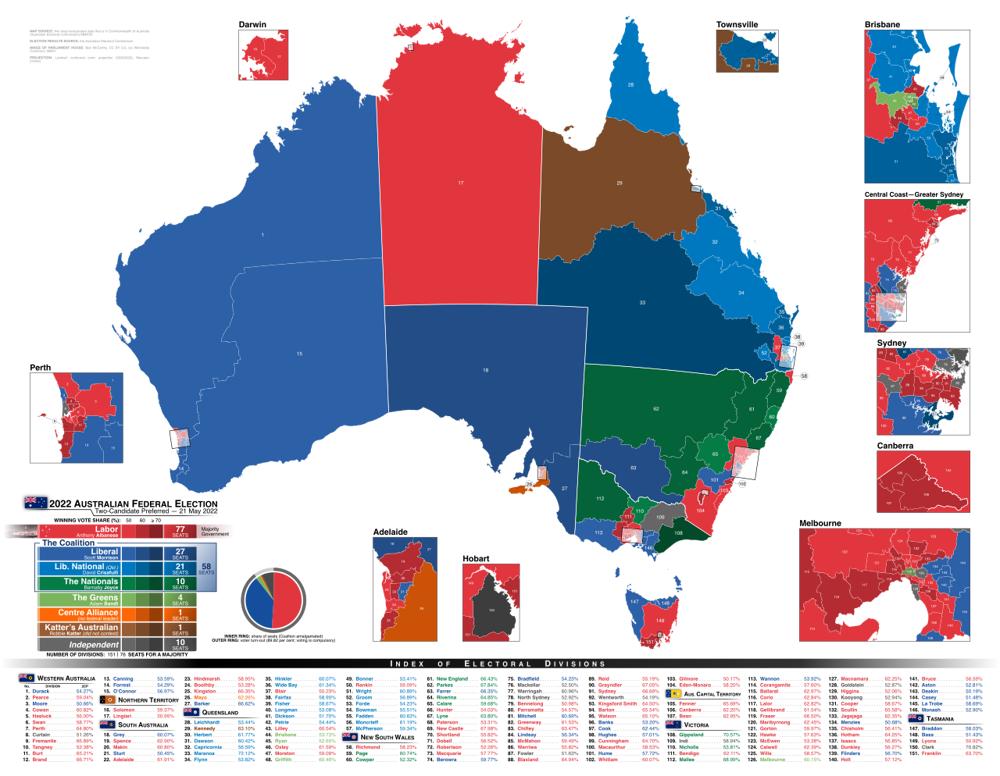
In 2022, eastern Australia experienced devastating floods, caused by heavy rainfall and overflowing rivers. The regions of New South Wales and Queensland were hit the hardest, with widespread damage to homes, infrastructure, and agricultural land. The flooding was exacerbated by already saturated grounds from previous rainfall.
Thousands of residents were forced to evacuate their homes as floodwaters rose, with emergency services conducting numerous rescues. The floods also led to the closure of major roads and highways, isolating communities and disrupting transportation networks. In addition, many livestock were lost, and crops were destroyed, impacting the livelihoods of farmers in the region.
The economic impact of the floods was significant, with damage to property and critical infrastructure costing millions of dollars. The government mobilized resources to provide aid and support to those affected, including emergency relief funds and assistance for rebuilding efforts. The floods highlighted the importance of preparedness and resilience in the face of natural disasters.
#AustraliaFloods #EasternAustralia #NaturalDisaster #EmergencyResponse #ClimateChange
View details
2020
The Australian Capital Territory (ACT) made history by becoming the first region in Australia to legalize recreational cannabis. This move marked a significant shift in drug policy within the country.
The legislation allows individuals over the age of 18 to possess up to 50 grams of dried cannabis and cultivate up to two plants per person, or four per household, for personal use. However, public consumption, as well as selling or gifting cannabis, remains illegal.
The decision to legalize recreational cannabis in the ACT followed a growing trend towards drug law reform in Australia, with an increasing focus on harm minimization strategies rather than punitive measures. Advocates of the new law believe it will help reduce the burden on the criminal justice system and allow for more effective allocation of resources towards preventing and addressing drug-related issues.
The impact of this legalization extends beyond simply allowing recreational use of cannabis. It opens up opportunities for regulating the production and distribution of cannabis, potentially creating economic benefits through taxation and the creation of new jobs within the industry. Additionally, it may lead to a shift in societal attitudes towards cannabis use, reducing stigma and promoting more open discussions around drug use and harm reduction.
Overall, the legalization of recreational cannabis in the ACT represents a progressive step towards more evidence-based drug policies in Australia and sets a precedent for other regions and the federal government to reconsider their approach to cannabis regulation.
#ACTCannabisLegalization #DrugPolicyReform #AustraliaCannabisRevolution
View detailsAmidst the global COVID-19 pandemic, Australia implemented strict lockdowns and social restrictions to curb the spread of the virus. With the initial outbreak causing alarm, the government swiftly imposed measures such as border closures, quarantine regulations, and limitations on gatherings.
The lockdowns had a profound impact on the economy, with businesses forced to close and many workers facing job insecurity. Schools shifted to remote learning, disrupting the education system. The healthcare sector faced immense pressure as hospitals worked tirelessly to manage the escalating number of cases.
Socially, individuals experienced isolation from family and friends, leading to concerns about mental health and well-being. As the restrictions prolonged, fatigue and frustration among the population grew, challenging the government's ability to maintain compliance.
Despite the challenges, the lockdowns proved effective in reducing the spread of the virus and preventing overwhelming the healthcare system. As case numbers gradually declined, restrictions were lifted in phases, allowing for a cautious reopening of businesses and resumption of social activities.
The experience of lockdowns and social restrictions during the pandemic served as a reminder of the importance of public health measures in safeguarding the community. It highlighted the resilience of the Australian people in adapting to the 'new normal' and the necessity of collective action in times of crisis.
#Australia #COVID19 #Lockdown #SocialRestrictions #PublicHealth.
View details
2019
Bushfires ravaged Australia across all states and territories, resulting in the destruction of 2600 homes and claiming the lives of 34 individuals. The fires, fueled by high temperatures, prolonged drought, and strong winds, began in September and continued for months, causing widespread devastation.
The unprecedented scale of the bushfires drew international attention and sparked debates on climate change and the country's preparedness for such natural disasters. Firefighters and volunteers from various regions and countries worked tirelessly to contain the flames, with many risking their lives to save others and protect wildlife.
The impact of the bushfires was profound, causing immense ecological damage, displacing thousands of residents, and leaving many communities in mourning. The loss of homes and lives marked a somber period in Australia's history, prompting calls for greater investment in fire prevention measures and emergency response capabilities.
In the aftermath of the bushfires, efforts were made to support those affected and aid in the recovery and rebuilding process. Donations poured in from around the world, highlighting the solidarity and compassion of the global community in times of crisis.
The bushfires of late 2019 serve as a poignant reminder of the devastating consequences of natural disasters and the importance of proactive measures to mitigate their impact. They also underscore the resilience and unity displayed in the face of adversity, as communities banded together to overcome challenges and rebuild for a better future.
#AustraliaBushfires #NaturalDisaster #CommunityResilience
View detailsIn the federal election, Scott Morrison secured a victory, retaining his position as Prime Minister of Australia. The competition was between the Liberal-National Coalition, led by Morrison, and the Australian Labor Party, with Bill Shorten as their leader.
During the campaign, both parties presented their policies on various issues such as healthcare, climate change, and taxation. Morrison's party focussed on economic stability and promised tax cuts for low and middle-income earners. On the other hand, Shorten's party campaigned for increased spending on healthcare and education, along with addressing climate change concerns.
As the results rolled in, it became evident that the Coalition was making significant gains in key battlegrounds, ultimately leading them to victory. Morrison's leadership during the campaign period, combined with voters' preference for his party's economic policies, played a crucial role in their success.
Following the election, Morrison emphasized the need for unity and promised to work for all Australians, regardless of their political beliefs. The outcome meant a continuation of the Coalition's agenda, including plans for economic growth and tax reforms.
The aftermath of the election saw the Australian Labor Party reflecting on their campaign strategies and policies, preparing for the next political cycle. The Coalition's victory provided them with a renewed mandate to govern the country and implement their proposed initiatives.
Overall, the 2019 federal election in Australia resulted in Morrison retaining his position as Prime Minister, showcasing the electorate's trust in his leadership and the policies put forth by the Coalition.
#AustralianPolitics #ElectionResults #ScottMorrison #CoalitionGovernment
View details
2018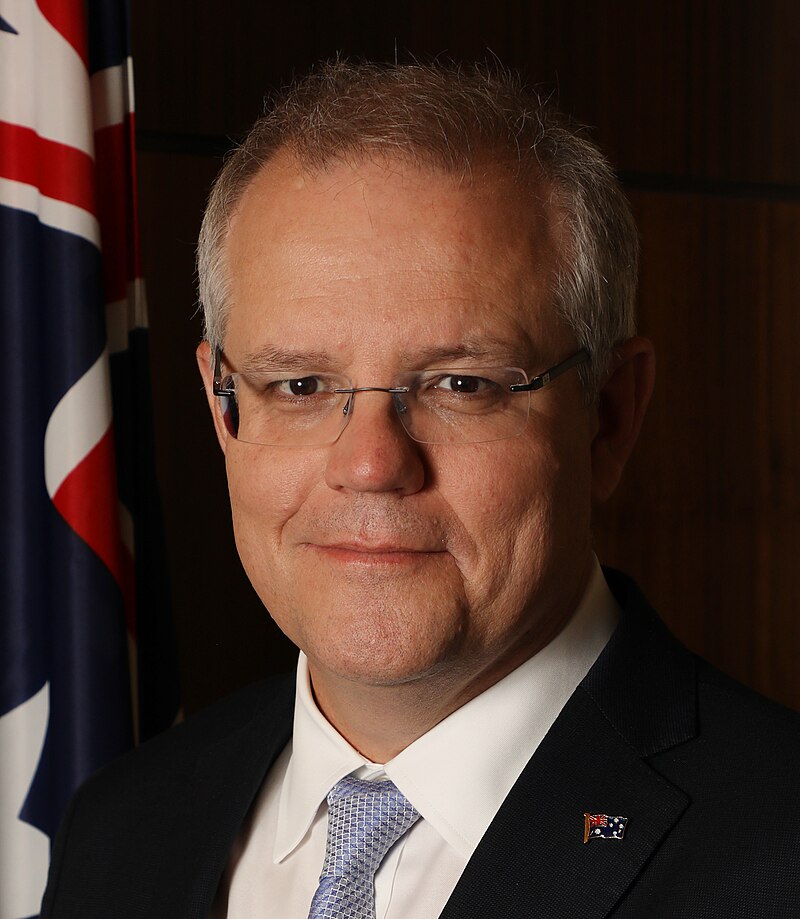
Following two leadership spills within the Liberal Party, Scott Morrison emerged as the successor to Malcolm Turnbull, taking office as the 30th Prime Minister of Australia. The leadership turmoil began with internal party conflicts over policy direction and leadership style, culminating in a challenge to Turnbull's position. After a series of political maneuvers, Morrison, the Treasurer at the time, gained the support necessary to assume leadership.
Morrison's ascent to power brought a mix of reactions from the public and political observers. Some saw him as a stabilizing force to unite the party and carry on the government's agenda, while others questioned his ability to address pressing national issues. The change in leadership also sparked debates about the state of Australian politics and the role of parties in governing the country.
As Prime Minister, Morrison faced immediate challenges, including navigating international relations, addressing economic concerns, and managing domestic policy issues. His leadership style and decision-making would shape his tenure and impact the trajectory of the Liberal Party.
The transition of power marked a significant moment in Australian political history, underscoring the dynamics of party politics and leadership changes. The outcome of the leadership spills highlighted the complexities of managing a coalition government and the importance of party unity in a volatile political landscape.
#ScottMorrison #MalcolmTurnbull #LiberalParty #Australia #LeadershipSpill #PrimeMinister
View details2017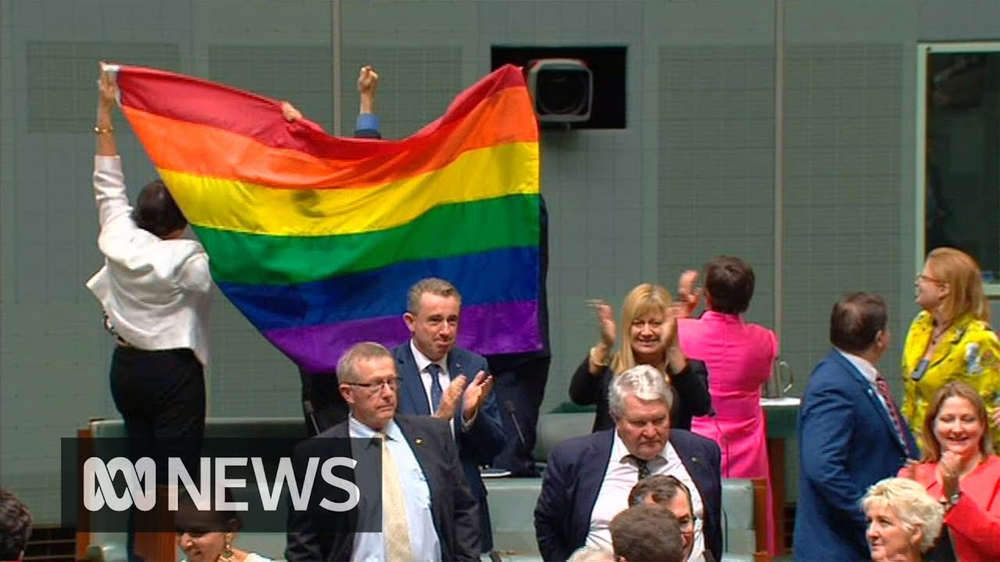
In the event, the Australian government passed the Marriage Amendment (Definition and Religious Freedoms) Act 2017, legalizing same-sex marriage. This landmark decision came after years of debate and advocacy from LGBTQ+ rights activists. The new law allowed couples of the same gender to marry and receive the same legal recognition as heterosexual couples.
The legalisation of same-sex marriage had a profound impact on the LGBTQ+ community in Australia. It marked a significant step towards equality and civil rights for all individuals, regardless of sexual orientation. Many same-sex couples who had been waiting for years to marry were finally able to do so, celebrating their love and commitment in front of their family and friends.
The passing of the Marriage Amendment Act sparked nationwide celebrations, with rainbow flags flying high and joyful couples exchanging vows in emotional ceremonies. The act also had a positive effect on society, promoting diversity, inclusivity, and acceptance of all forms of love.
The legalisation of same-sex marriage was a long-awaited victory for the LGBTQ+ community in Australia, symbolizing progress towards a more equal and tolerant society. The Marriage Amendment Act was a testament to the power of activism and advocacy in driving social change and ensuring equal rights for all individuals.
#MarriageEquality #LoveIsLove #LGBTQRights #EqualityForAll #Progress #Australia #Inclusion #Diversity
View detailsJohn Cameron, a diligent citizen, brought to light an unprecedented issue in the Australian parliamentary system. His discovery triggered a chain of events that unravelled the eligibility of several members of parliament due to their dual citizenship status. The constitution strictly prohibits individuals with dual citizenship from holding public office, as it may pose a conflict of interest.
As Cameron's findings gained momentum, a wave of resignations and disqualifications swept through the parliament. The crisis caused a stir among the public and added fuel to the ongoing debates about the integrity and transparency of the political system. The affected lawmakers faced intense scrutiny and legal battles to defend their political positions.
The crisis led to by-elections in various constituencies, causing instability within the government and raising concerns about its ability to function effectively. The events that unfolded prompted a closer examination of the eligibility criteria for holding public office, with calls for stricter regulations and transparency measures.
In the aftermath of the crisis, the Australian parliament revised its requirements for parliamentary eligibility, emphasizing the importance of upholding the constitution and ensuring that lawmakers do not have conflicting allegiances. The scandal served as a wake-up call for politicians and the public alike, highlighting the need for greater accountability and adherence to the rule of law in the country's governance.
#AustralianParliament #EligibilityCrisis #Constitution #Transparency #Accountability
View details2016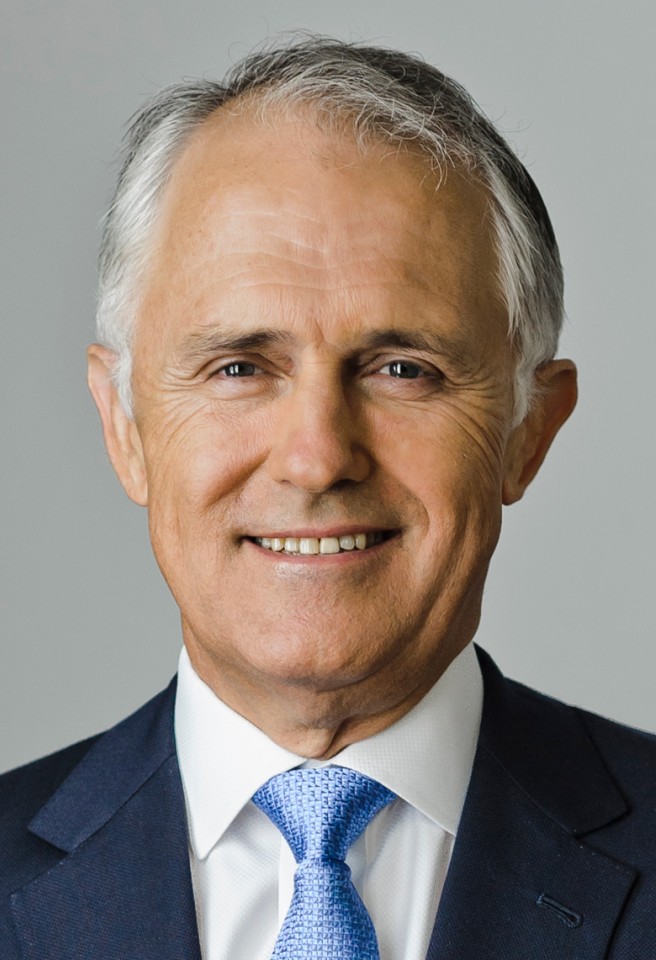
In the Australian federal election, Malcolm Turnbull managed to secure another term as the Prime Minister of Australia. The election was closely contested between the major political parties, with Turnbull's Liberal-National Coalition narrowly winning enough seats to form a government. Despite facing challenges from the opposition Labor Party, Turnbull's leadership resonated with voters who valued his economic policies and vision for the country's future.
Turnbull's campaign focused on economic stability, job creation, and national security, appealing to a wide range of voters across the country. His government emphasized the need for innovation and investment in the technology sector to drive growth and opportunities for Australians. Additionally, Turnbull's stance on foreign policy and trade agreements was well-received by voters who valued Australia's role on the global stage.
The election had significant implications for the country's direction on key issues such as climate change, immigration, and healthcare. Turnbull's victory signaled a continuation of the government's policies on these matters, including commitments to reduce carbon emissions, address border security, and improve access to healthcare services.
Overall, Turnbull's win in the federal election solidified his position as the Prime Minister and affirmed the public's trust in his leadership. As he embarked on his new term, Turnbull faced the challenge of delivering on his campaign promises and addressing the diverse needs of the Australian population.
#MalcolmTurnbull #AustralianElection #PrimeMinister #NationalSecurity #EconomicPolicies #Innovation #GlobalRole #ClimateChange #Healthcare #Leadership
View details2015
In a surprising turn of events, Malcolm Turnbull emerged victorious over Tony Abbott in a leadership spill, securing 54 votes to Abbott's 44. This led to Turnbull being sworn in as the 29th Prime Minister of Australia.
Turnbull, a former lawyer and businessman, had previously served as the Minister for Communications in Abbott's government. His victory in the leadership spill marked a shift in the Liberal Party's leadership and direction.
Abbott, who had been the Prime Minister since 2013, faced mounting criticism over his leadership style and policies, which had led to a decline in the government's popularity. Turnbull's win was seen as a response to these challenges, with many hoping that he would bring a more moderate and progressive approach to governance.
As Prime Minister, Turnbull prioritized issues such as innovation, the economy, and climate change. He also focused on improving Australia's relationships with foreign allies and addressing social issues within the country.
Turnbull's leadership was marked by both successes and challenges. While he introduced policies such as the National Innovation and Science Agenda and the same-sex marriage postal survey, he also faced internal party divisions and a narrow majority in parliament.
Overall, Turnbull's time as Prime Minister represented a period of change and transition for Australia, as the country grappled with political shifts and policy reforms.
#MalcolmTurnbull #TonyAbbott #AustralianPolitics #LeadershipChange #PrimeMinisterAustralia #LiberalParty #GovernmentTransition
View detailsMalcolm Fraser, the 22nd Prime Minister of Australia, passed away at the age of 84. Fraser, a member of the Liberal Party, served as Prime Minister from 1975 to 1983. His leadership was marked by significant economic and social reforms, as well as controversial policies such as the handling of the Vietnamese refugee crisis and the dismissal of the Whitlam government.
Fraser's political career began in 1955 when he was elected to the Australian House of Representatives. Over the years, he held various ministerial positions before becoming Prime Minister after the dismissal of Gough Whitlam's government. During his time in office, Fraser implemented key policies such as deregulating the financial system, promoting multiculturalism, and advocating for indigenous land rights.
After leaving politics, Fraser remained active in public life, focusing on issues such as human rights and international affairs. He was known for his progressive views and advocacy for social justice. Fraser's passing was met with tributes from across the political spectrum, with many acknowledging his contributions to Australian politics and society.
Fraser's legacy continues to resonate in Australian politics, with his tenure as Prime Minister shaping the country's political landscape. His commitment to principles of fairness and equality served as a guiding light for many aspiring politicians. Fraser's passing marks the end of an era in Australian politics, but his influence and contributions will be remembered for years to come.
#MalcolmFraser #AustralianPrimeMinister #PoliticalLegacy #SocialJustice #AustralianHistory
View details
In 2015, the Matagarup Refugee Camp was established in Perth as a demonstration of solidarity with Aboriginal Australians, highlighting the ongoing struggle for indigenous rights and justice. The camp was named after the traditional Noongar name for the area, emphasizing the connection to the land and its original custodians.
The camp served as a platform for activists, Aboriginal communities, and supporters to come together, raising awareness about the systemic injustices faced by Aboriginal peoples in Australia. Inspired by the spirit of resistance and resilience, the camp aimed to draw attention to the high rates of incarceration, poor health outcomes, and socio-economic disparities experienced by Aboriginal communities.
The Matagarup Refugee Camp became a symbol of resistance, challenging the status quo and demanding action to address the historical and ongoing injustices faced by Aboriginal peoples. It provided a space for cultural exchange, education, and empowerment, fostering a sense of community and solidarity among participants.
The impact of the camp reverberated beyond its physical presence, sparking national conversations about the need for reconciliation, self-determination, and respect for Aboriginal rights. It drew attention to issues such as land rights, treaty negotiations, and the calls for truth and justice through the recognition of Australia's colonial history.
The legacy of the Matagarup Refugee Camp continues to inspire ongoing activism and advocacy for Aboriginal rights in Australia, highlighting the importance of centering indigenous voices and experiences in the pursuit of social justice and equality.
#MatagarupRefugeeCamp #AboriginalRights #Solidarity #Activism #SocialJustice #Australia
View details2014
In the heart of Sydney, a hostage crisis unfolded when a lone gunman took control of the Lindt Chocolate Cafe in the central business district. The gunman, Man Haron Monis, an Iranian-born self-proclaimed cleric with a criminal record, held 17 customers and staff captive for over 16 hours.
The event shocked the nation as it played out on live television, with hostages seen holding up a flag with Arabic writing in the cafe's window. As negotiations failed to resolve the situation, tactical police forces stormed the cafe in the early hours, resulting in a flurry of gunfire. Tragically, two innocent hostages were killed in the crossfire, along with the perpetrator.
The Sydney hostage crisis had a profound impact on the community, sparking debates about national security, terrorism, and the treatment of refugees in Australia. It also highlighted vulnerabilities in the country's intelligence and emergency response systems, prompting calls for improved coordination and training.
In the aftermath, memorial services were held to honor the lives lost and support those who endured the harrowing ordeal. The incident served as a stark reminder of the unpredictability of such events and the importance of preparedness and unity in times of crisis.
The Sydney hostage crisis underscored the need for ongoing vigilance and resilience in the face of threats, while also emphasizing the resilience and strength of the Australian people in coming together during challenging times.
#SydneyHostageCrisis #LindtCafeSiege #NationalSecurity #CommunityResilience
View detailsGough Whitlam, the 21st Prime Minister of Australia, passed away at the age of 98. Whitlam's political career began in the late 1950s, and he was elected as the Australian Prime Minister in 1972. Whitlam's government introduced groundbreaking reforms in areas such as healthcare, education, and indigenous rights. His progressive policies aimed to bring social equality and modernization to Australia. However, his time in office was not without controversy, facing economic challenges and political opposition.
Whitlam's legacy is remembered for his ambitious agenda and his commitment to social change. His government implemented policies that expanded access to education, healthcare, and legal services, while also recognizing indigenous land rights. Whitlam's administration also focused on improving Australia's relationship with its Asian neighbors and advocated for a more independent foreign policy.
After being controversially dismissed by the Governor-General in 1975, Whitlam remained active in public life, advocating for progressive causes and continuing to influence Australian politics. His passing marked the end of an era in Australian politics, with many acknowledging his lasting impact on the country's political landscape.
In the days following his death, tributes poured in from across Australia, honoring Whitlam's contributions to the nation. Political leaders, activists, and everyday citizens reflected on his legacy and the enduring influence of his policies. Whitlam's passing sparked a national conversation about the ongoing relevance of his vision for a fairer and more inclusive Australia.
#GoughWhitlam #AustralianPrimeMinister #ProgressiveReforms #PoliticalLegacy #SocialEquality #NationalTributes
View details
Following a hotly contested political battle, the Australian government led by Abbott successfully repealed the carbon price legislation. This law had been enacted some years ago with the aim to curb carbon emissions by imposing a price on major polluters.
The decision to abolish the carbon price was met with mixed reactions. Supporters of the repeal argued that the tax had negative impacts on the economy, particularly on businesses and households. On the other hand, opponents expressed concerns about the environmental consequences of removing a key measure to reduce carbon emissions.
The abolition of the carbon price had direct implications for various sectors of the economy. Companies that had previously been subject to the carbon tax saw their operating costs decrease, leading to increased profitability. Conversely, environmental groups warned that the decision could result in a rise in greenhouse gas emissions, potentially exacerbating climate change.
In the aftermath of the repeal, Australia's stance on climate change mitigation came under scrutiny both domestically and internationally. The government asserted that alternative methods would be implemented to address environmental concerns, while critics questioned the commitment to sustainable policies.
The repeal of the carbon price legislation marked a significant shift in Australia's environmental and economic landscape. The decision showcased the government's priorities and approach to balancing economic growth with environmental preservation.
#Australia #CarbonPrice #EnvironmentalPolicy #EconomicImpact #ClimateChange
View details2013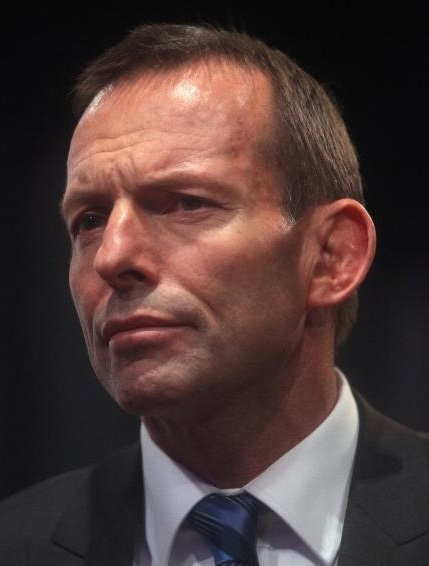
In the 2013 Australian federal election, Tony Abbott emerged victorious, securing a significant win over the incumbent Prime Minister Kevin Rudd. Abbott's victory marked a turning point in Australian politics, as he became the 28th Prime Minister of the country.
The election campaign was closely contested, with both candidates outlining their visions for the future of Australia. Abbott, representing the Liberal-National Coalition, campaigned on a platform focused on economic management, border security, and repealing the carbon pricing scheme introduced by the previous government. On the other hand, Rudd of the Australian Labor Party emphasized education, healthcare, and climate change action.
Abbott's victory was seen as a rejection of the Labor government's policies and a desire for change among the Australian electorate. His win ended the tumultuous period of leadership changes within the Labor Party, which had seen Rudd replace Julia Gillard as Prime Minister just months before the election.
As Abbott took office, he moved quickly to implement his agenda, which included repealing the carbon tax, taking a tougher stance on asylum seekers, and focusing on budget repair. His government faced challenges in implementing some of these policies, particularly in a closely divided Senate.
Abbott's tenure as Prime Minister was marked by both successes and controversies, with his government facing criticism on issues such as climate change policy, same-sex marriage, and healthcare. In 2015, Abbott was ousted from the leadership of the Liberal Party by Malcolm Turnbull.
The 2013 Australian federal election and Abbott's subsequent term as Prime Minister had a lasting impact on Australian politics, shaping the direction of the country's policies and political landscape for years to come.
#2013Election #TonyAbbott #KevinRudd #AustralianPolitics
View detailsIn a leadership ballot, Kevin Rudd secured 57 votes against Julia Gillard's 45, regaining the position of prime minister. The leadership spill marked a turning point in the turbulent period of leadership within the Australian Labor Party. Gillard, the country's first female prime minister, announced her resignation from Parliament following the defeat.
The leadership turmoil stemmed from internal party tensions and policy disagreements, with both Rudd and Gillard having previously served as prime minister during a period marked by political instability. Rudd's return to power signaled a shift in the political landscape, with many seeing it as an opportunity for the party to reconcile and regroup ahead of the upcoming election.
Rudd's reinstatement sparked a mix of reactions among the Australian public and political commentators, with some viewing it as a necessary move to unite the party and improve its electoral prospects, while others raised concerns about the ongoing leadership changes and their impact on governance.
As Rudd took office, he faced the challenge of leading the party through a divided political climate and preparing for the upcoming election. His return to power also raised questions about the direction of Australian politics and the stability of leadership within the Labor Party.
Overall, the leadership spill and Rudd's subsequent appointment as prime minister highlighted the complexities of Australian politics and the intricate dynamics within the country's major political parties.
#Australia #LeadershipSpill #KevinRudd #JuliaGillard #PoliticalTurbulence
View details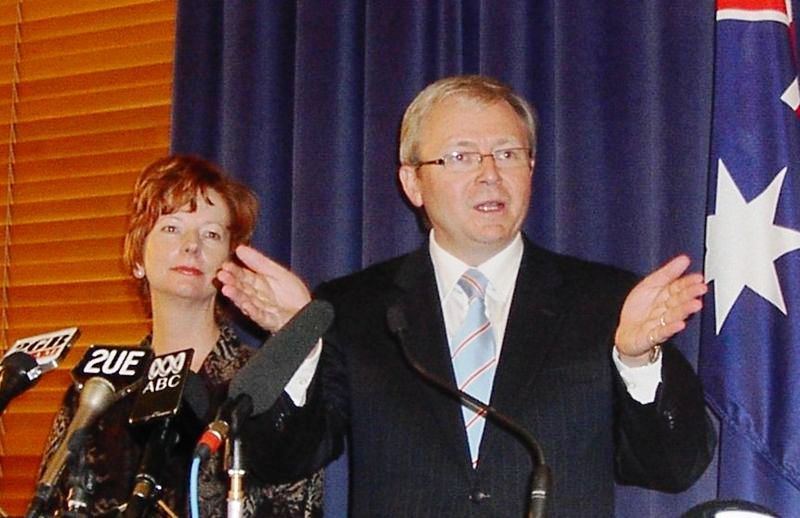
In March 2013, former Australian Prime Minister Julia Gillard issued a formal apology to the victims of forced adoption practices that occurred in the mid-20th century. These practices mainly targeted young, unwed mothers who were coerced or misled into giving up their babies for adoption.
During the 1950s to the 1970s, thousands of babies were taken away from their biological mothers, causing immense trauma and lifelong pain for both the mothers and their children. The policies of the time deemed single motherhood as shameful and unfit, leading to the forced adoptions without informed consent.
Gillard's apology was a significant step in acknowledging the historical wrongs committed by the Australian government and institutions. The apology aimed to validate the experiences of the victims, offer recognition for their suffering, and provide a sense of closure for those impacted by the forced adoption practices.
The apology by Julia Gillard was a pivotal moment that brought attention to the dark chapter in Australia's history and shed light on the lasting repercussions of forced adoptions. It also paved the way for discussions on policies and reforms to prevent such atrocities from happening again.
The event resonated deeply with the victims and their families, offering them a sense of vindication and healing. It also sparked conversations about ethics, consent, and the rights of women and children in the context of adoption practices.
#JuliaGillard #ForcedAdoptionApology #HistoricalInjustices #Acknowledgment #Healing #AustraliaGovernment
View details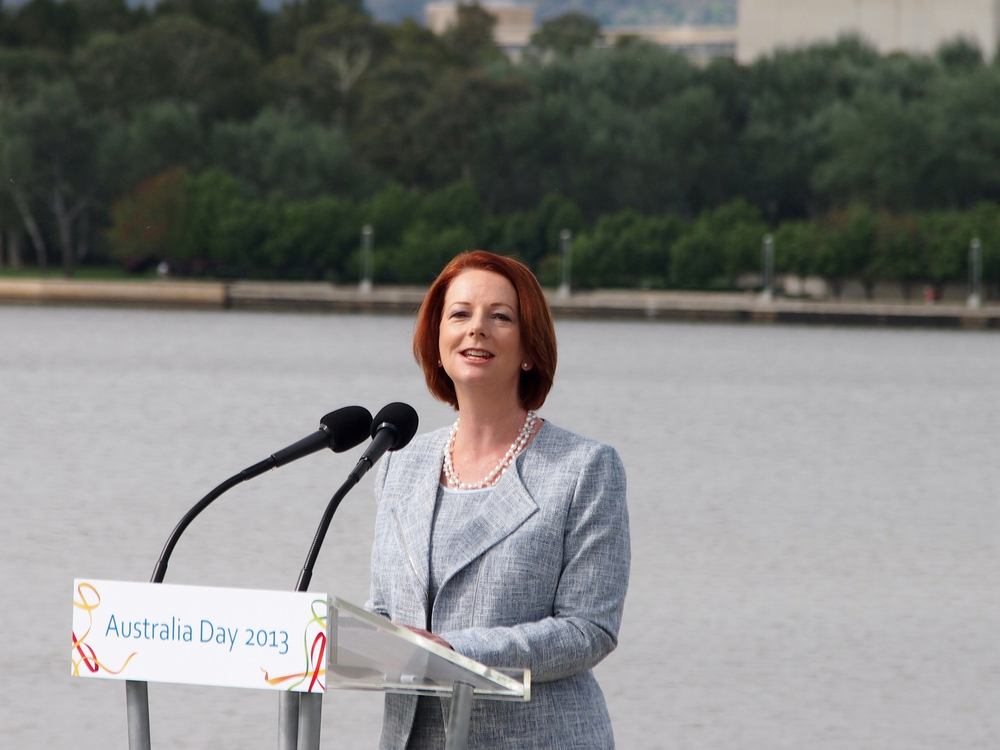
2012
During the implementation of the carbon pricing scheme by the Gillard government, it aimed to combat climate change by reducing greenhouse gas emissions. The introduction of the carbon price mechanism was a means to hold businesses accountable for their carbon pollution by requiring them to purchase permits to offset their emissions.
The impact of the carbon price was controversial, with proponents arguing it would incentivize companies to invest in cleaner technologies, thus reducing their environmental impact. On the other hand, opponents believed it would increase costs for businesses, translating to higher prices for consumers.
The scheme covered various industries like energy, waste, and transportation, impacting a wide range of businesses across the country. Some companies saw this as an opportunity to innovate and adopt more sustainable practices, while others struggled with the added financial burden.
Over time, the carbon price proved to be a divisive issue in Australian politics, leading to heated debates and even contributing to changes in government leadership. The eventual repeal of the carbon price mechanism marked a shift in climate change policy in the country.
The introduction of the carbon price by the Gillard government sparked discussions on environmental responsibility, economic consequences, and the role of government in addressing climate change. It served as a turning point in Australia's approach to sustainability and carbon emissions, shaping future policies and public discourse on environmental issues.
#carbonprice #climateaction #Australia #Gillardgovernment #environment #policyimpact #renewableenergy
View details2010
Queensland experienced severe flooding that devastated multiple regions. The widespread flooding caused extensive damage to homes, infrastructure, and agriculture across the state, displacing thousands of residents and resulting in significant economic losses. The floodwaters inundated towns, leaving behind a trail of destruction and disrupting normal life.
As the state was still reeling from the flooding, Cyclone Yasi, a powerful tropical cyclone, made landfall in North Queensland, amplifying the chaos and destruction. The cyclone brought with it destructive winds, heavy rainfall, and storm surges, compounding the damage already caused by the floods. Coastal areas bore the brunt of Cyclone Yasi's impact, with homes destroyed, power lines down, and communities cut off from essential services.
The combination of major flooding followed by Cyclone Yasi created a dual disaster scenario that tested the resilience of Queenslanders. The state government, emergency services, and volunteers worked tirelessly to provide assistance to those affected, conducting search and rescue operations, distributing essential supplies, and establishing evacuation centers for displaced individuals.
The long-term impact of the flooding and cyclone was profound, with communities facing the arduous task of rebuilding homes, businesses, and essential infrastructure. The agricultural sector suffered significant losses, affecting the state's economy and leading to increased food prices.
The events of the major flooding and Cyclone Yasi highlighted the importance of disaster preparedness, community resilience, and effective response measures in mitigating the impact of natural disasters. The spirit of solidarity and support demonstrated by Queenslanders during this challenging time showcased the strength and unity of the community in the face of adversity.
#Queensland #Floods #CycloneYasi #DisasterRecovery #CommunityResilience
View detailsMary MacKillop was canonised as Australia's first Saint of the Roman Catholic Church. Born in 1842 in Melbourne, she devoted her life to helping the poor and establishing the Sisters of Saint Joseph of the Sacred Heart. Mary MacKillop's dedication to education and social work earned her recognition not just in Australia, but around the world.
Her canonisation was a significant moment for the Catholic community in Australia, as it highlighted her impact on the country's religious landscape. The event brought together thousands of worshippers and dignitaries to celebrate her life and contributions. It served as a moment of pride for Australians, who saw one of their own elevated to sainthood.
The canonisation of Mary MacKillop sparked renewed interest in her work and legacy. Schools, hospitals, and other institutions named after her saw increased attention and support. Her story inspired many to follow in her footsteps and dedicate themselves to serving the less fortunate.
The event also had a lasting impact on the Catholic Church in Australia. Mary MacKillop became a symbol of faith and compassion, encouraging believers to emulate her virtues. The canonisation ceremony served as a reminder of the importance of charity and selflessness in the practice of the Catholic faith.
Overall, Mary MacKillop's canonisation as Australia's first Saint of the Roman Catholic Church was a momentous occasion that highlighted her enduring influence and legacy. It brought communities together, inspired individuals to continue her work, and reaffirmed the values of compassion and service in the Catholic tradition.
#MaryMacKillop #AustraliaSaint #CatholicChurch #Legacy
View details