
Australia

The Land Down Under
Related Lives









1974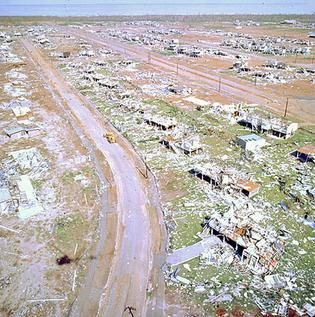
In 1974, Cyclone Tracy struck the city of Darwin, causing widespread devastation. As the cyclone approached, warnings were issued, but the severity of the storm caught many residents off guard. With wind speeds reaching up to 240 km/h, Cyclone Tracy tore through the city, destroying homes, buildings, and infrastructure.
The impact of the cyclone was catastrophic. Over 70% of Darwin's buildings were damaged or destroyed, leaving thousands of people homeless. The city's power and water supply were disrupted, adding to the chaos and making rescue and recovery efforts even more challenging. The aftermath of Cyclone Tracy left a trail of destruction that took years to rebuild and recover from.
Despite the devastation, the resilience and spirit of the people of Darwin shone through in the aftermath of Cyclone Tracy. The community came together to support each other, and emergency services worked tirelessly to provide aid and assistance. The rebuilding process was long and arduous, but ultimately Darwin rose from the ashes and emerged stronger than before.
Cyclone Tracy was a defining moment in the history of Darwin, serving as a reminder of the power of nature and the importance of being prepared for disasters. The lessons learned from this tragic event have since shaped disaster preparedness and response efforts in Australia, ensuring that future generations are better equipped to handle similar challenges.
#CycloneTracy #Darwin #DisasterRecovery #Resilience #CommunitySpirit #NaturalDisaster #Australia
View details"Advance Australia Fair" is recognized as Australia's national song, but not as the national anthem.
In 1974, "Advance Australia Fair" was recognized as Australia's national song, a significant step towards its eventual adoption as the national anthem. This decision reflected a growing sentiment in Australia for a distinct national identity separate from its colonial ties to Britain.
Background: The Search for a National Anthem
Before 1974, Australia's official national anthem was "God Save the Queen," reflecting its status as a member of the British Commonwealth. However, as Australia matured as a nation, there was an increasing desire for an anthem that resonated more with its unique identity and cultural heritage.
"Advance Australia Fair" was written by Peter Dodds McCormick in 1878. The song had been popular in various contexts for many years, often performed at public events and ceremonies. Its lyrics celebrated Australia's natural beauty, resources, and the spirit of its people, making it a strong contender for the role of a national anthem.
Recognition as the National Song
In 1974, the Whitlam government sought to formalize the status of "Advance Australia Fair" as part of a broader push towards establishing a more distinct national identity. On April 4, 1974, Prime Minister Gough Whitlam announced that "Advance Australia Fair" would be recognized as Australia's national song, although "God Save the Queen" would remain the official national anthem for certain ceremonial occasions.
This decision was influenced by the findings of a public opinion survey conducted in 1973 by the Australian Bureau of Statistics, which showed a strong preference for "Advance Australia Fair" over other contenders, including "Waltzing Matilda" and "Song of Australia."
Lyrics and Themes
The lyrics of "Advance Australia Fair" evoke a sense of pride and optimism about the country's future. Here are the original verses commonly sung:
Australians all let us rejoice,
For we are young and free;
We've golden soil and wealth for toil;
Our home is girt by sea;
Our land abounds in nature's gifts
Of beauty rich and rare;
In history's page, let every stage
Advance Australia Fair.
In joyful strains then let us sing,
Advance Australia Fair.
Beneath our radiant Southern Cross
We'll toil with hearts and hands;
To make this Commonwealth of ours
Renowned of all the lands;
For those who've come across the seas
We've boundless plains to share;
With courage let us all combine
To Advance Australia Fair.
In joyful strains then let us sing,
Advance Australia Fair.
The song's themes of unity, freedom, and the natural beauty of Australia resonated with the public and captured the spirit of the nation.
Towards Official Adoption
While "Advance Australia Fair" was widely accepted as the national song, the movement to adopt it as the official national anthem continued. In 1977, a national plebiscite was held to determine the preferred national anthem. The results showed a clear preference for "Advance Australia Fair," but it was not immediately adopted due to political and bureaucratic delays.
It was not until 1984, under the government of Prime Minister Bob Hawke, that "Advance Australia Fair" was officially proclaimed as the national anthem of Australia. This change finally provided Australia with an anthem that reflected its identity and aspirations as a modern, independent nation.
#MomentsOfLife #MoofLife_Moment #MoofLife #AdvanceAustraliaFair #AustralianNationalAnthem #AustralianHistory #NationalIdentity #GoughWhitlam #BobHawke
View details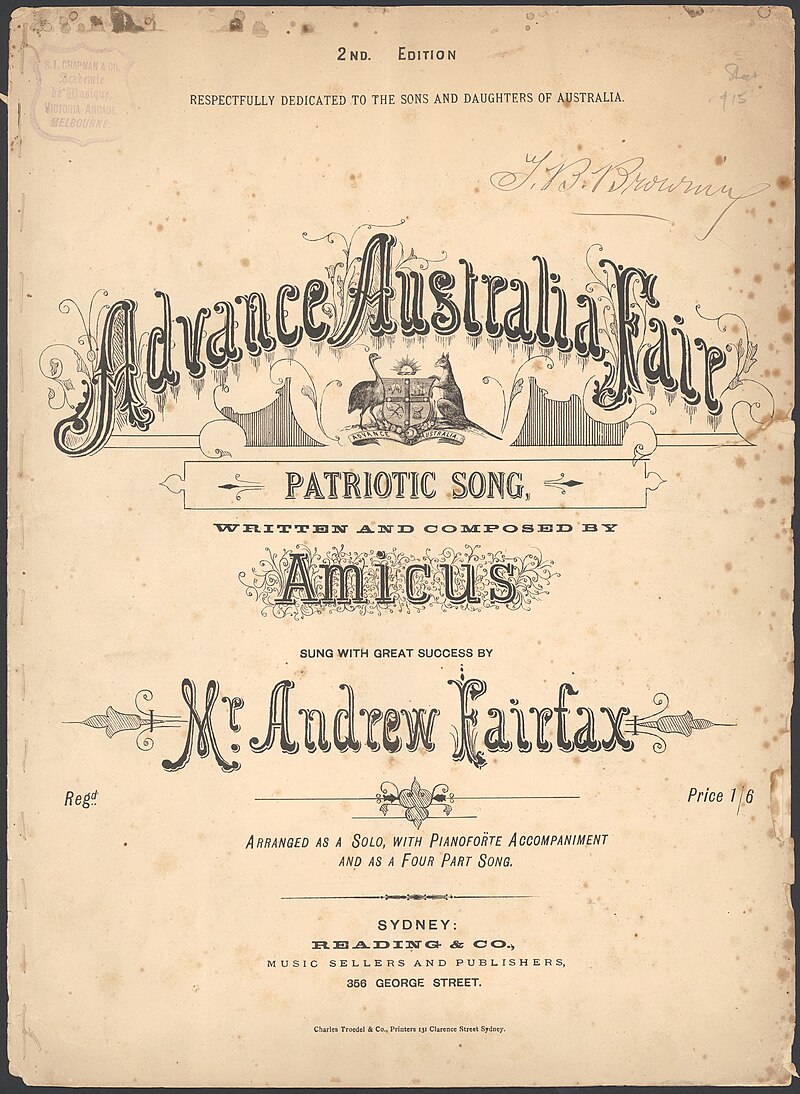
1973
On the day of the inauguration, spectators gathered around the Sydney Opera House, a masterpiece of modern architecture. Queen Elizabeth II arrived at the venue, surrounded by dignitaries and onlookers eager to witness history in the making. Designed by Danish architect Jørn Utzon, the iconic structure took 14 years to complete.
The Sydney Opera House's unique sail-like design and innovative construction methods garnered worldwide attention, setting a new standard in architectural excellence. Its presence along the Sydney Harbour transformed the city's skyline and became a symbol of Australia's cultural identity. The Opera House's versatile performance spaces have hosted a myriad of events, from operas and concerts to festivals and talks, attracting artists and audiences from around the globe.
Queen Elizabeth II's formal opening of the Sydney Opera House marked a momentous occasion for Australia, recognizing the country's commitment to the arts and culture. The event elevated the Opera House to international acclaim and solidified its status as one of the most renowned performing arts venues globally.
In the decades following its inauguration, the Sydney Opera House continues to be a hub of creativity and innovation, showcasing diverse artistic expressions and fostering cultural exchange. Its significance extends beyond hosting performances to serving as a symbol of unity and creativity for the people of Australia and visitors from afar.
#SydneyOperaHouse #QueenElizabethII #CulturalIcon #ArchitecturalMarvel #PerformingArts #AustraliaHeritage
View detailsIn 1973, Patrick White made history by becoming the first Australian to be awarded the Nobel Prize in Literature. White, a prolific writer known for his insightful explorations of Australian identity and the human condition, received this prestigious accolade in recognition of his profound literary contributions.
Born in England in 1912, White moved to Australia as a young man and soon began a career as a novelist, playwright, and poet. His works often delved into complex themes such as the impact of cultural identity, the search for meaning in life, and the struggle for personal and artistic integrity.
The Nobel Prize in Literature served as a validation of White's literary prowess and brought international attention to Australian literature. His win marked a significant moment for Australian cultural and literary history, highlighting the depth and sophistication of the country's artistic landscape.
White's recognition on the global stage paved the way for other Australian writers to gain prominence and respect in the literary world. His legacy continues to inspire future generations of Australian authors to explore their own unique perspectives and storytelling traditions.
The awarding of the Nobel Prize in Literature to Patrick White remains a pivotal moment in Australian literary history, underscoring the impact of his work on the world stage and solidifying his status as a literary luminary. It stands as a testament to the power of storytelling to transcend borders and connect people from different cultures and backgrounds through the universal language of literature.
#PatrickWhite #NobelPrize #AustralianLiterature #CulturalIdentity #LiteraryLegacy
View details
In 1973, Australia officially dismantled the White Australian Policy which was established in 1901. This policy aimed to restrict non-European immigration to Australia, favoring White Europeans. Over the years, this policy had significant impacts on shaping the demographic composition of the country.
The decision to dismantle the White Australian Policy came after years of activism and advocacy for equal rights and an end to discriminatory immigration practices. The shift was also influenced by changing social attitudes and recognition of the need for a more diverse and inclusive society.
The dismantling of the policy marked a significant turning point in Australia's history, signifying a more inclusive approach to immigration and a recognition of the value of multiculturalism. It opened the doors for people from diverse backgrounds to migrate to Australia, enriching the country's cultural fabric and contributing to its development and prosperity.
Following the dismantling of the White Australian Policy, Australia saw a significant increase in immigration from non-European countries. This influx of new perspectives, cultures, and skills has had a lasting impact on the country, shaping its identity as a multicultural nation.
The event marked a milestone in Australia's journey towards inclusivity and diversity, setting the stage for policies and initiatives that promote equality and celebrate the contributions of individuals from all backgrounds.
#Australia #Inclusivity #Multiculturalism #Diversity #EqualRights
View detailsIn 1973, Australia passed a historical reform that lowered the federal voting age from 21 to 18. The decision was influenced by global social movements advocating for youth's political rights and responsibilities. The move aimed to empower younger citizens, recognize their maturity, and align with the trend of lowering the age of majority in various legislations.
The impact of this reform was immediate and significant. It enfranchised a large segment of the population, leading to a surge in young voters' participation in elections. Consequently, political parties had to adjust their policies and campaigns to appeal to this newly influential demographic. The change also marked a shift in the perception of young people's political awareness and engagement, challenging stereotypes and encouraging more inclusive political discourse.
Furthermore, the lowering of the voting age underscored the government's commitment to promoting democracy and representation. It signaled a progressive step towards ensuring equal rights and opportunities for all citizens, regardless of age. The decision reflected a growing recognition of the diverse perspectives and concerns that younger generations bring to the political landscape, enriching public debates and decision-making processes.
Overall, the decision to lower the federal voting age from 21 to 18 in 1973 had a lasting impact on Australia's political landscape. It expanded the electorate, energized youth participation in democracy, and fostered a culture of inclusivity and diversity in political representation. The reform stands as a milestone in the nation's ongoing journey towards a more equitable and representative democratic system.
#Australia #VotingRights #YouthEmpowerment #PoliticalInclusion
View details1972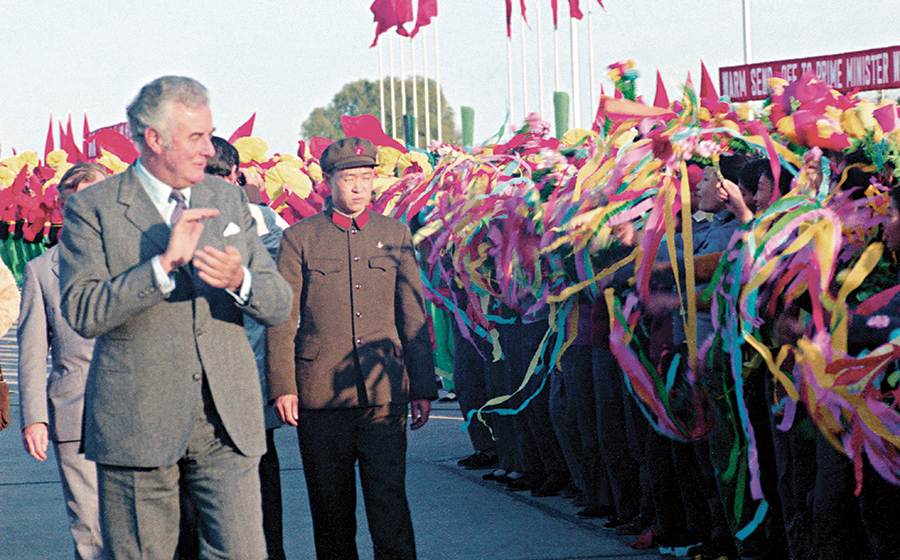
In the 1970s, Australia made a pivotal decision by recognizing the People's Republic of China. This move followed a period of isolation between the two countries due to Australia's alignment with Taiwan. The recognition marked a shift in Australia's foreign policy, aligning with international trends towards engaging with China.
Australia's recognition of the People's Republic of China had a significant impact on diplomatic relations in the Asia-Pacific region. The decision opened doors for trade and cooperation between the two countries and paved the way for increased economic opportunities. It also signaled Australia's willingness to adapt to the changing global landscape and engage with emerging powers.
The recognition of China by Australia was a strategic move that reflected the country's desire to establish itself as a key player in the region. By acknowledging the legitimacy of the People's Republic of China, Australia positioned itself as a forward-thinking nation willing to engage with diverse partners on the global stage.
Overall, Australia's recognition of the People's Republic of China in the 1970s was a defining moment that shaped the country's foreign policy and set the stage for closer ties between the two nations. The decision to acknowledge China's government opened up new opportunities for cooperation and collaboration, setting the foundation for a more dynamic relationship between the two countries.
#AustraliaChinaRelations #DiplomaticRecognition #GlobalEngagement
View detailsThe Vietnam War ended after years of conflict which saw the involvement of various countries, including Australia. The war had begun as an effort to prevent the spread of communism in Southeast Asia. Australia had sent troops to support the United States in this endeavor. However, public opinion in Australia had turned against the war over the years due to its long duration and high casualties.
After years of fighting, the Paris Peace Accords were signed, leading to the withdrawal of US troops from Vietnam. This event signaled the end of direct military involvement in the war. The accord also called for a ceasefire and a political solution to the conflict. Australia gradually reduced its military presence in the following years, eventually withdrawing all forces by the end of the war.
The end of the Vietnam War had a lasting impact on Australia. The war led to a significant loss of Australian lives and had a profound effect on the veterans who returned home, many experiencing physical and mental health issues. The war also sparked widespread anti-war protests in Australia, reflecting the changing attitudes towards military intervention.
The conclusion of the Vietnam War marked the end of a tumultuous chapter in Australian history. The country had been deeply divided over its involvement in the conflict, and the war's end brought a sense of closure, though the legacy of the war continued to affect Australian society for years to come. The Vietnam War remains a somber reminder of the complexities and costs of armed conflict.
#VietnamWar #Australia #ConflictResolution #PeaceAccords #WarLegacy
View details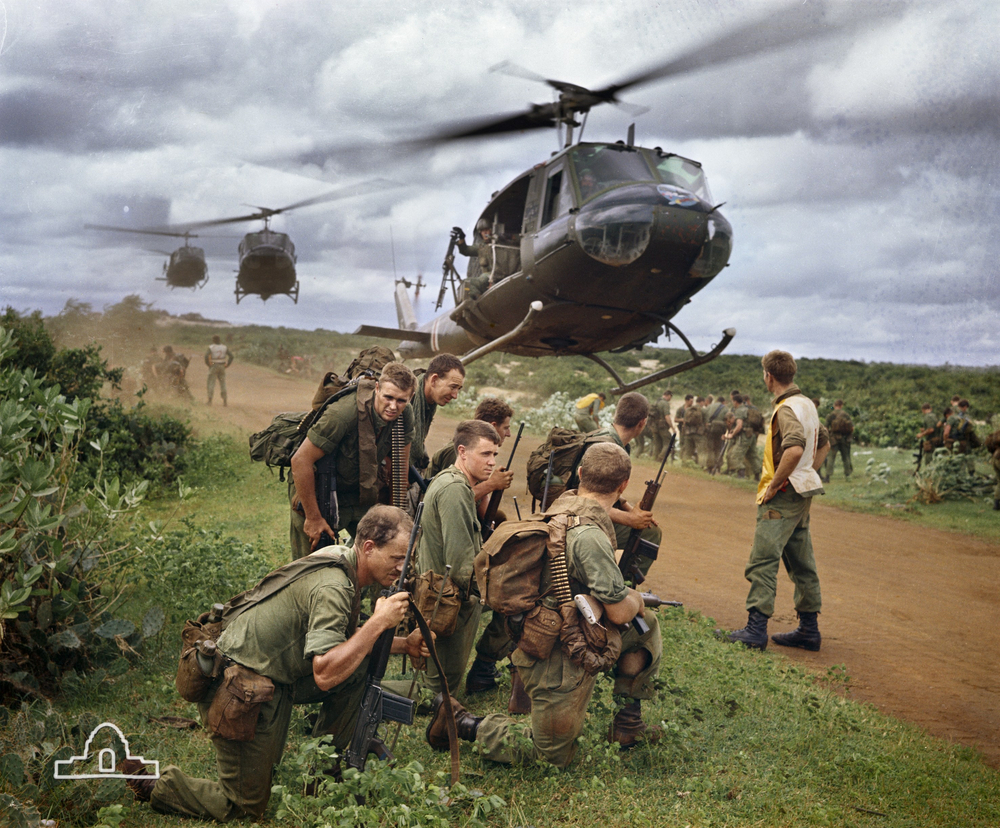
In 1972, the Commonwealth Conciliation and Arbitration Commission made a landmark ruling stating that women who perform the same work as men are entitled to equal pay. Prior to this decision, women in Australia were often paid significantly less than their male counterparts for identical job roles.
The ruling stemmed from a long history of gender inequality in the workforce, where women were undervalued and their contributions not fairly compensated. The decision was a significant victory for gender equality and marked a turning point in the fight for women's rights in Australia.
The impact of this ruling was far-reaching, not only in terms of immediate improvements to women's wages but also in setting a precedent for future legislation and policies aimed at achieving pay equity. It helped challenge traditional gender norms and perceptions about women's capabilities in the workplace.
Following the ruling, there was a gradual shift towards equal pay for equal work, with more companies and industries being held accountable for ensuring wage parity. This event paved the way for greater opportunities for women in the workforce and highlighted the importance of addressing systemic discrimination.
The Commonwealth Conciliation and Arbitration Commission's decision to enforce equal pay for women was a significant milestone in the fight for gender equality in Australia. It brought attention to the inherent biases and injustices present in the labor market and catalyzed a broader movement towards achieving fair and equitable treatment for all workers, regardless of gender.
#EqualPay #GenderEquality #WorkplaceEquality #EmpowerWomen #AustraliaGenderRights
View detailsIn 1972, the Australian federal election marked a significant turning point in the country's political landscape. After nearly a quarter of a century in opposition, the Australian Labor Party, led by Gough Whitlam, achieved a historic victory. This win ended the long-standing conservative rule that had been in place since 1949.
The Whitlam government, elected in 1972, brought about a series of reforms that aimed to modernize Australia's social and economic policies. The new administration implemented changes in areas such as healthcare, education, indigenous rights, and urban planning. One of the most notable achievements of the Whitlam government was the abolishment of university tuition fees, making higher education more accessible to a wider range of Australians.
Furthermore, the Labor government under Whitlam's leadership played a significant role in shaping Australia's foreign policy. The government focused on strengthening ties with neighboring Asian countries and played a key role in the establishment of diplomatic relations with the People's Republic of China.
Despite its ambitious agenda, the Whitlam government faced challenges and controversies during its time in office. Economic issues, including high inflation and unemployment, put pressure on the government's ability to deliver on its promises. Internal divisions within the Labor Party also strained the administration's effectiveness.
Overall, the 1972 Australian federal election marked a pivotal moment in Australian history. The election of the Labor government under Gough Whitlam ushered in a new era of progressive reforms and social change. The impact of Whitlam's policies and legacy continues to be felt in Australian politics and society to this day.
#1972Election #GoughWhitlam #LaborGovernment #ProgressiveReforms #AustralianHistory
View details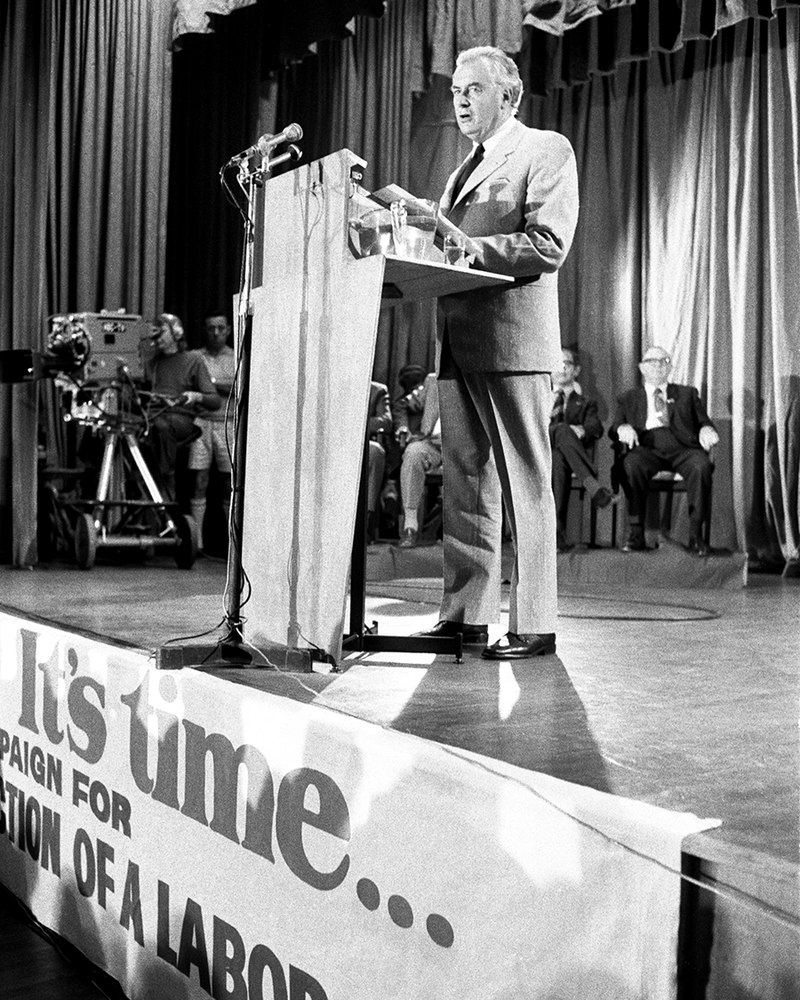
The Supersonic passenger plane Concorde made history when it landed in Darwin, marking a milestone in aviation. The Concorde was a symbol of technological advancement and luxury, capable of traveling at twice the speed of sound. Its visit to Darwin showcased Australia's growing connections to the global aviation network.
The arrival of the Concorde in Darwin drew a large crowd of spectators, eager to witness the iconic aircraft up close. The event generated excitement and buzz within the local community, with many people coming out to catch a glimpse of this marvel of engineering. The Concorde's visit served as a reminder of the possibilities of supersonic travel and left a lasting impression on all who witnessed its touchdown.
The Concorde's landing in Darwin highlighted the city's position as an important hub for international travel and reinforced its status as a key player in the aviation industry. It also demonstrated Australia's ability to attract cutting-edge technology and innovation, further solidifying its place on the world stage.
Overall, the Concorde's arrival in Darwin was a momentous occasion that captured the imagination of the public and showcased the power of human ingenuity. It was a testament to the progress of aviation technology and a reminder of the endless possibilities that the future holds. The legacy of the Concorde's visit continues to inspire generations to push the boundaries of what is possible in air travel.
#Concorde #Darwin #Aviation #SupersonicTravel #Innovation
View details
In 1972, the Aboriginal Tent Embassy was established on the reserves after the Coalition government approved exploration licenses and mining tenements. The decision sparked outrage among the Aboriginal community, who saw it as a threat to their lands and cultural heritage.
The Embassy was a symbol of protest and resistance, with activists camping outside the Parliament House in Canberra to draw attention to their cause. The Embassy became a focal point for indigenous rights, drawing support from both Aboriginal and non-Indigenous Australians.
The impact of the Embassy was profound, leading to increased awareness of the issues facing the Aboriginal community and putting pressure on the government to address their concerns. The Embassy also sparked debate about land rights and sparked a national conversation about indigenous rights and sovereignty.
Over the years, the Embassy has remained a symbol of indigenous resistance and resilience, with activists using it as a platform to advocate for land rights, self-determination, and reconciliation.
The establishment of the Aboriginal Tent Embassy marked a turning point in Australia's history, highlighting the ongoing struggles of the Aboriginal community and their fight for recognition and justice. It continues to serve as a reminder of the importance of respecting and protecting indigenous rights and lands.
#AboriginalTentEmbassy #IndigenousRights #LandRights #Protest #Activism
View details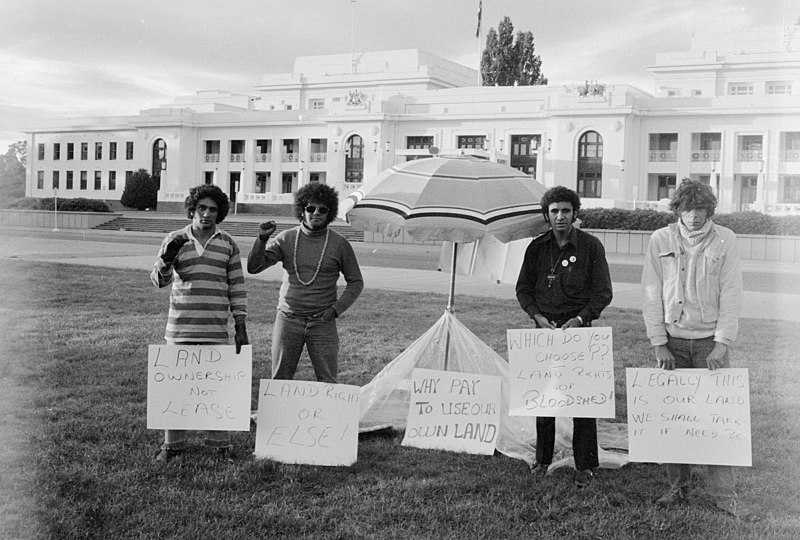
1971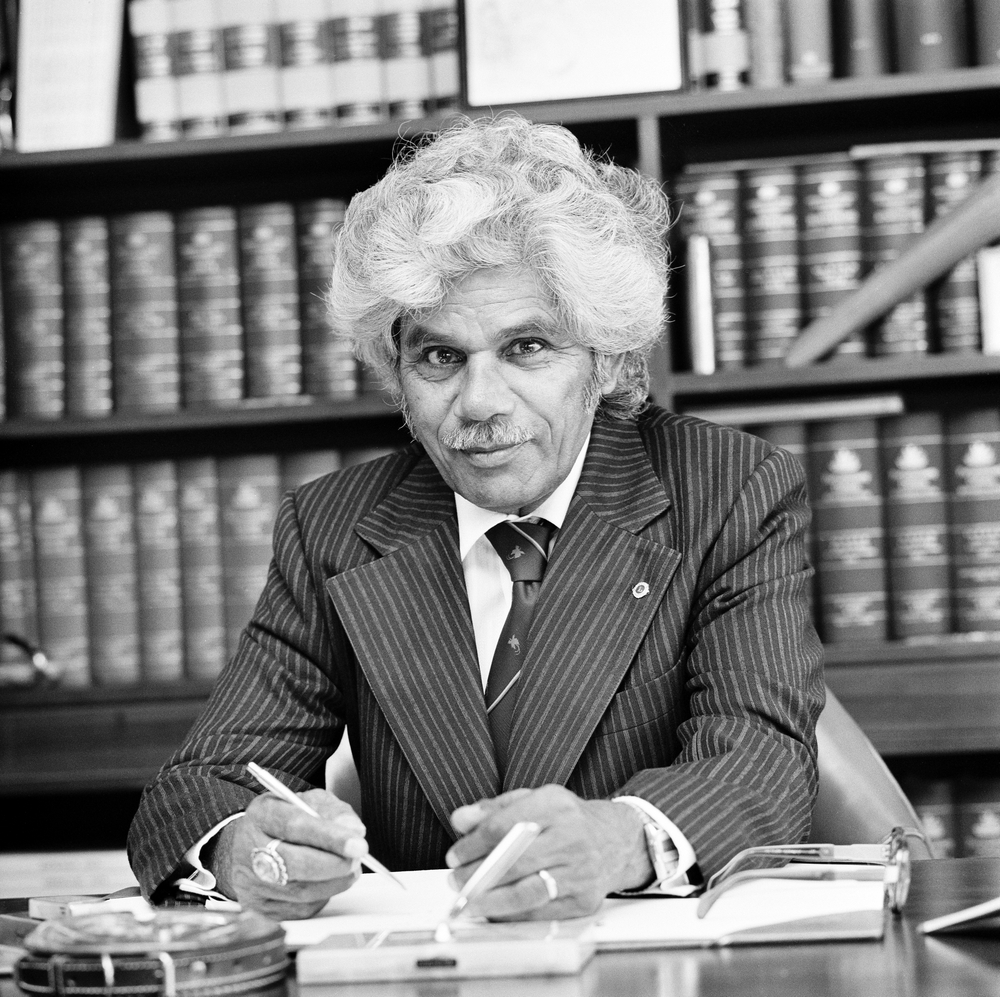
Born into a large Indigenous family in Queensland, Neville Bonner experienced a childhood marked by hardship and discrimination. However, his natural leadership qualities and advocacy for Aboriginal rights caught the attention of the Liberal Party, leading to his historic election as the first Aboriginal Member of Parliament in Australia.
Bonner's political journey challenged societal norms and paved the way for other Indigenous Australians to participate in government. His presence in Parliament provided a platform to amplify the voices of Aboriginal communities and push for policy changes that would benefit their well-being.
Despite facing initial skepticism and prejudice from some of his peers, Bonner was able to gain respect through his dedication to his constituents and his commitment to advocating for Indigenous rights. Throughout his time in office, he worked tirelessly to address issues such as land rights, healthcare, and education for Aboriginal Australians.
Bonner's legacy extends beyond his time in Parliament, as his achievements continue to inspire generations of Indigenous Australians to pursue careers in politics and advocate for social change. His election represented a significant step towards greater representation and inclusivity in Australian government, demonstrating that individuals from all backgrounds have a valuable contribution to make to the political landscape.
In celebrating Neville Bonner's groundbreaking achievement as the first Aboriginal Member of Parliament in Australia, we honor his legacy and the progress that has been made towards achieving equality and justice for Indigenous peoples. #NevilleBonner #IndigenousRepresentation #AustralianParliament
View detailsThe 1971 Springbok tour sparked protests all throughout Australia. The Springboks were South Africa's national rugby team, and their tour was met with widespread opposition due to South Africa's apartheid policies. The tour divided the nation, with many viewing it as supporting a regime rooted in racial segregation.
Demonstrations began as the Springboks arrived in Australia, with protesters condemning the team's presence and the government's decision to allow the tour. In Queensland, Premier Joh Bjelke-Petersen responded to escalating protests by declaring a state of emergency. This move granted authorities increased powers to control the demonstrations, leading to arrests and clashes between protesters and law enforcement.
The state of emergency in Queensland heightened tensions and drew national attention to the protests against the Springbok tour. The demonstrations reflected a growing anti-apartheid sentiment in Australia and added pressure on the government to take a stance against apartheid.
In response to the protests and widespread public outcry, the Australian government faced criticism for allowing the Springbok tour to proceed. The events surrounding the 1971 Springbok tour highlighted the deep-rooted opposition to apartheid and raised awareness about the connections between sports, politics, and human rights.
The protests during the Springbok tour and the declaration of a state of emergency in Queensland underscored the power of public dissent in advocating for social change and condemning injustices. The events of that time continue to serve as a reminder of the importance of standing up against systems of oppression and injustice.
#SpringbokTour #ApartheidProtests #StateOfEmergency #HumanRights #SocialJustice
View details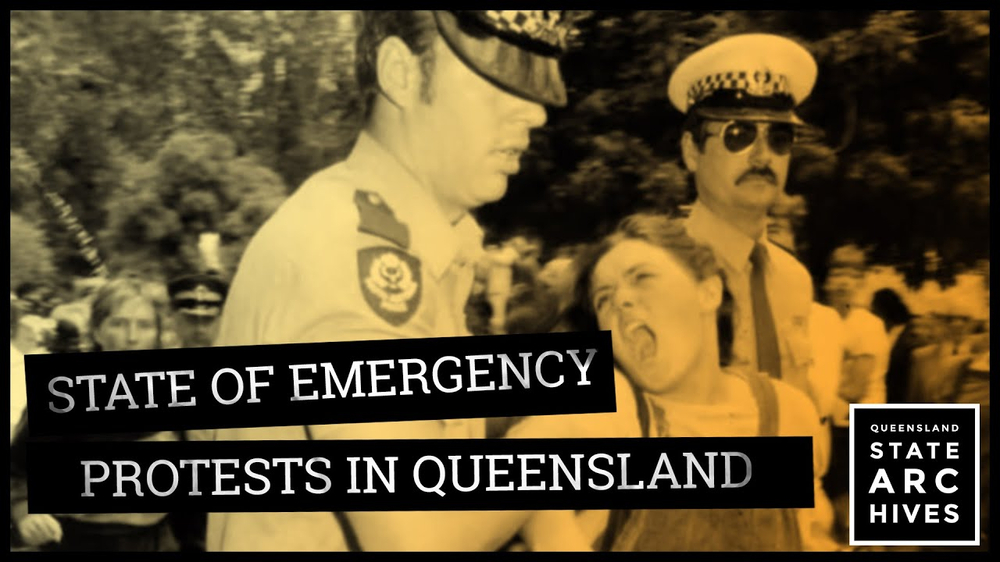
In 1973, the historic area of The Rocks in Sydney, Australia, was saved from demolition largely due to the efforts of unionists who implemented "Green Bans." These bans were a form of industrial action that prevented the destruction of environmentally or culturally significant sites, and they played a crucial role in preserving one of Sydney's most iconic neighborhoods.
The Rocks: Historical Significance
The Rocks is one of Sydney's oldest areas, dating back to the early days of European settlement in the late 18th century. Situated on the western side of Sydney Cove, it was the site of the first colonial settlement and developed into a bustling maritime and residential district. The area is known for its narrow, cobblestone streets, historic buildings, and unique character, representing a vital link to Sydney's colonial past.
Threat of Demolition
By the early 1970s, The Rocks faced significant redevelopment pressures. The New South Wales Government and property developers proposed extensive demolition and modernization plans to make way for high-rise office buildings and commercial spaces. These plans threatened to erase the historical and cultural heritage of The Rocks, sparking widespread concern among local residents, historians, and conservationists.
Introduction of Green Bans
The Green Bans were introduced by the Builders Labourers Federation (BLF), led by prominent figures such as Jack Mundey, Joe Owens, and Bob Pringle. The BLF had already gained a reputation for its progressive stance on social and environmental issues. The union believed that their labor should not be used to destroy the environment or cultural heritage, and thus they began to implement Green Bans on sites they deemed important.
The Rocks Green Ban
In response to the proposed redevelopment of The Rocks, local residents and activists sought the support of the BLF. The union agreed to impose a Green Ban on the area in 1973, effectively halting demolition and redevelopment plans. The Green Ban was supported by a coalition of community groups, heritage activists, and ordinary citizens who wanted to preserve The Rocks for future generations.
Impact of the Green Ban
The Green Ban on The Rocks had a significant and lasting impact:
Preservation of Heritage: The ban effectively stopped the proposed demolition, preserving the historic buildings and streetscape of The Rocks. Today, The Rocks is a vibrant precinct that attracts tourists and locals alike, showcasing Sydney's colonial heritage.
Cultural and Social Movement: The success of the Green Bans highlighted the power of collective action and the importance of preserving cultural and environmental heritage. It demonstrated the potential for labor unions to play a role in broader social issues beyond traditional labor disputes.
Increased Awareness and Legislation: The movement brought greater public awareness to the importance of heritage conservation. It also influenced urban planning policies and led to the establishment of more stringent heritage protection laws in New South Wales and across Australia.
Legacy of Activism: The Green Bans, particularly the one on The Rocks, remain a powerful example of how grassroots activism can protect cultural and environmental values. The actions of the BLF and the community set a precedent for future conservation efforts and inspired similar movements around the world.
#MomentsOfLife #MoofLife_Moment #MoofLife #TheRocks #GreenBans #SydneyHistory #HeritageConservation #UnionActivism #BuildersLabourersFederation #CulturalHeritage
View detailsIn 1971, Daylight Saving Time was officially introduced to New South Wales, Victoria, Queensland, South Australia, and the Australian Capital Territory. This decision aimed to maximize daylight hours during the longer days of summer, leading to energy conservation and increased productivity.
The implementation of Daylight Saving Time in these states and territories meant that clocks were set forward by one hour during the summer months. This shift allowed residents to make the most of the extended daylight hours in the evenings for various activities like outdoor sports, social gatherings, and leisure. Additionally, the adoption of Daylight Saving Time aimed to align these regions with international standards and foster consistency across Australia.
The introduction of Daylight Saving Time brought about both positive and negative impacts. While it provided opportunities for extended recreational activities and reduced energy consumption through decreased demand for artificial lighting, some individuals experienced disruptions to their daily routines, particularly in the adjustment period following the time change. Over time, the practice became ingrained in the lifestyle of residents in the aforementioned states and territories, with many people appreciating the benefits it offered during the summer season.
In light of the introduction of Daylight Saving Time in 1971, it marked a significant shift in timekeeping practices and sparked ongoing debates about its relevance and effectiveness in modern-day Australia. Ultimately, the event highlighted the importance of adapting to changing environmental conditions and optimizing daylight hours for the betterment of society.
#DaylightSavingTime #Australia #EnergyConservation #SummerActivities
View details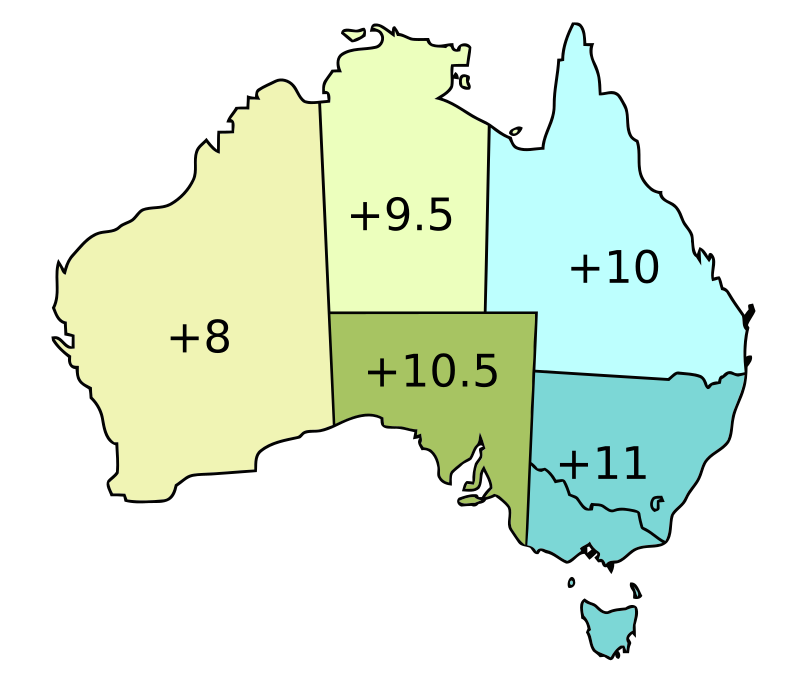
John Gorton's resignation as Prime Minister and his succession by William McMahon marked a significant leadership change in Australia. Gorton's decision came amidst internal party conflicts within the Liberal Party. His leadership was marred by controversy and criticism, leading to growing discontent among party members.
Gorton's resignation surprised many within the political sphere, especially given his relatively short tenure in office. Following his resignation, William McMahon, the Deputy Leader of the Liberal Party, assumed the role of Prime Minister. McMahon faced the challenging task of uniting the party and rebuilding public trust in the government.
The transition from Gorton to McMahon brought about shifts in policies and priorities within the Australian government. McMahon's leadership style differed from his predecessor, with a focus on economic stability and foreign relations. His tenure as Prime Minister was characterized by efforts to address key issues facing the country at the time.
The resignation of John Gorton and the subsequent appointment of William McMahon had a lasting impact on Australian politics. It reflected the internal dynamics of the Liberal Party and highlighted the need for stability and unity within the government. The events surrounding Gorton's resignation and McMahon's appointment reshaped the political landscape in Australia during that period.
The leadership change from Gorton to McMahon underscored the complexities of governing and the importance of strong leadership within the Australian political scene. It serves as a reminder of the challenges and responsibilities that come with holding the position of Prime Minister. The event left a mark on the history of Australian politics, shaping future developments within the country's government.
#Australia #JohnGorton #WilliamMcMahon #PoliticalTransition
View details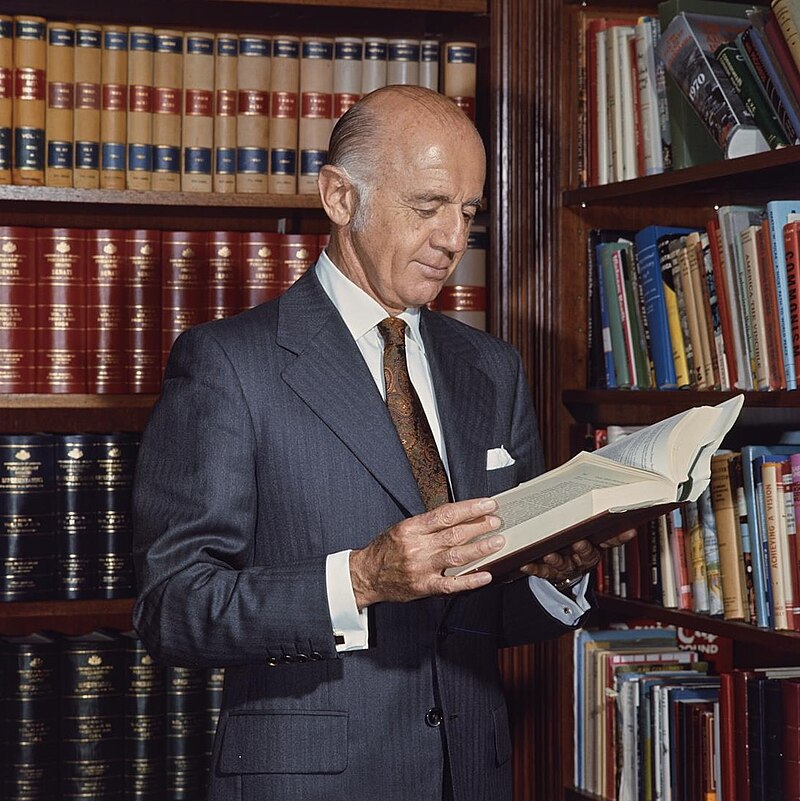
1970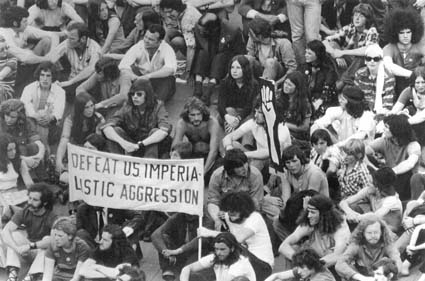
In 1970, over 200,000 individuals joined the largest protests in Australia's history, denouncing the country's involvement in the Vietnam War. The demonstrations were sparked by widespread opposition to the war, fueled by concerns about its escalating violence and the lack of clear objectives.
The anti-war sentiment in Australia had been growing steadily leading up to the massive demonstrations. People from all walks of life, including students, activists, and everyday citizens, came together to express their discontent with the government's foreign policy decisions.
The protests had a significant impact on Australian society and politics. They highlighted the deep divisions within the country regarding the Vietnam War and pushed the government to reconsider its stance on the conflict. The massive turnout also showcased the power of grassroots movements in influencing public opinion and policy-making.
Following the demonstrations, the Australian government faced increased pressure to reevaluate its support for the war effort. The protests contributed to a shift in public perception and ultimately played a role in Australia's eventual withdrawal of troops from Vietnam.
The events of that day remain a pivotal moment in Australia's history, symbolizing the strength of collective action and the ability of ordinary citizens to challenge government decisions. The legacy of the protests continues to inspire movements for peace and social justice in Australia and around the world.
#VietnamWarProtests #AntiWarMovement #AustralianHistory
View details1969
French conceptual artist Christo achieved global recognition when he 'wrapped' Little Bay in Sydney as part of his ambitious environmental art project. The act of draping large sections of the coastal cliffs and rocks with over 95,000 square meters of erosion-control fabric stunned audiences and challenged conventional notions of art. Christo's work aimed to highlight the beauty of the natural landscape by altering its appearance, sparking discussions about the relationship between man-made creations and the environment.
The project in Little Bay was a culmination of Christo's artistic vision and meticulous planning, which involved a team of professionals and volunteers working tirelessly to execute the installation. The artist's insistence on using temporary materials that caused no harm to the environment underscored his commitment to merging art with nature in a sustainable manner. The 'wrapping' of Little Bay captivated spectators, drawing attention to the nuances of the coastal scenery and prompting them to reconsider their perceptions of the familiar landscape.
Christo's work in Sydney left a lasting impact on the art world and the public, inspiring contemplation on the intersection of art, nature, and human intervention. By transforming a mundane seascape into a thought-provoking artistic statement, he challenged viewers to appreciate the beauty in unconventional forms and engage with their surroundings in new ways. The project also sparked a dialogue on the role of art in shaping environmental consciousness and advocating for the preservation of natural habitats.
Overall, Christo's 'wrapping' of Little Bay stands as a testament to his innovative approach to art and his dedication to pushing boundaries in the creative sphere. The event continues to resonate with audiences worldwide, serving as a reminder of the power of art to evoke emotions, spark dialogue, and transform perceptions of the world around us.
#Christo #EnvironmentalArt #LittleBay #Sydney #ArtandNature
View detailsIn 1969, the Australian federal election saw the re-election of John Gorton as Prime Minister. Leading the Liberal Party, Gorton faced a challenging political landscape with issues such as the Vietnam War and economic concerns at the forefront of public debate.
Gorton's strong leadership during his first term played a significant role in securing his victory in the election. His government's policies focused on national security, economic growth, and social reforms resonated with the Australian electorate. Under Gorton's administration, Australia experienced a period of relative stability and progress.
The outcome of the election reaffirmed Gorton's mandate to continue implementing his vision for the country. His re-election signaled continuity in government policies and provided a sense of confidence to the Australian public and international partners.
Gorton's second term as Prime Minister was marked by ongoing efforts to address social issues, strengthen ties with allies, and navigate the complexities of global politics. Despite facing challenges and criticisms, Gorton's leadership remained steadfast, earning him respect both at home and abroad.
The 1969 Australian federal election, which resulted in John Gorton's re-election as Prime Minister, had a lasting impact on the country's political landscape. It marked a period of stability and progress, solidifying Gorton's legacy as a leader who guided Australia through a time of significant social and political change.
#Australia #JohnGorton #PrimeMinister #Election1969
View details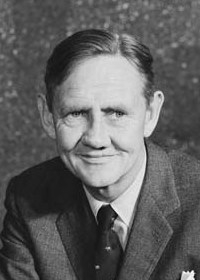
In November of 1969, Australia mourned the loss of two renowned author-artists, Norman Lindsay and May Gibbs. Their passing marked the end of an era in the Australian literary and artistic landscape.
Norman Lindsay was a prolific artist and writer best known for his controversial and provocative works. His bold and sometimes scandalous art challenged societal norms and sparked debates. Despite the controversy surrounding his works, Lindsay's talent was undeniable, and he gained both local and international recognition.
May Gibbs, on the other hand, captivated audiences with her endearing characters and whimsical storytelling. Best known for creating the beloved Australian children's book characters, Snugglepot and Cuddlepie, Gibbs left a lasting impact on generations of young readers. Her imaginative tales and enchanting illustrations continue to bring joy to both children and adults alike.
The deaths of Lindsay and Gibbs had a profound impact on the Australian artistic community. Their contributions to literature and art helped shape the cultural identity of the nation and inspired countless artists and writers. The passing of these two icons was a somber moment that marked the end of an era in Australian art and literature.
As Australia bid farewell to Norman Lindsay and May Gibbs, their legacies lived on through their timeless works, which continue to enchant and inspire audiences around the world. The loss of these two visionary artists left a void in the Australian artistic landscape, but their contributions ensure that they will always be remembered as titans of Australian literature and art.
#Australia #Literature #Art #Legacy
View details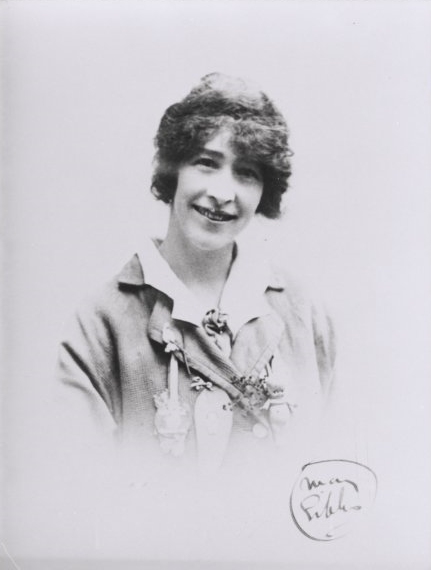
In the vibrant city of Sydney, the Australian production of the rock musical ''Hair'' made its much-anticipated debut. The groundbreaking show took audiences on a journey through the counterculture movement of the 1960s, exploring themes of freedom, rebellion, and self-expression.
Originally created in the United States, the Australian rendition of ''Hair'' was met with both excitement and controversy. The production dared to challenge societal norms with its raw depiction of sexuality, drug use, and anti-war sentiments. It sparked discussions about censorship and artistic freedom, pushing boundaries and provoking thought among its viewers.
The cast of ''Hair'' brought a new energy to the Australian theater scene, with its electrifying music, colorful costumes, and dynamic choreography. Audiences were captivated by the show's infectious spirit and powerful messages, leading to sold-out performances and rave reviews.
Beyond its entertainment value, ''Hair'' had a lasting impact on Australian culture. It encouraged a new generation to question authority, embrace diversity, and strive for social change. The musical's themes of love and acceptance resonated with audiences, inspiring them to embrace their individuality and stand up for their beliefs.
The Australian production of ''Hair'' in Sydney marked a turning point in the country's theatrical landscape, paving the way for more daring and innovative works to take the stage. It remains a symbol of artistic freedom and creative expression, reminding audiences of the power of music and storytelling to ignite social change.
The Australian premiere of the rock musical Hair took place at the Metro Theatre in Kings Cross, Sydney.
• Premiere Date: While previews began earlier, the official Sydney premiere occurred on June 4, 1969. Media reviews and news reports were widely published on June 6, 1969.
Key Production Team:
• Producer: Harry M. Miller.
• Director: Jim Sharman (his first major success before The Rocky Horror Picture Show).
• House Band: The progressive rock group Tully.
Original Cast: The production featured notable artists including:
• Reg Livermore as Berger.
• John Waters as Claude.
• Marcia Hines, who was brought from the USA to play Jeanie.
The show was revolutionary for its themes of anti-Vietnam War protest, sexual freedom, and drug use. It famously featured a brief, dimly lit nude scene at the end of the first act, which challenged local censorship laws and drew both rave reviews and controversy.
The Sydney production ran for nearly two years before transferring to Melbourne in 1971.
#HairMusical #Counterculture #ArtisticFreedom #SocialChange
View details
1968
Australia officially joined the Treaty on the Non-Proliferation of Nuclear Weapons, committing to preventing the spread of nuclear weapons and promoting peaceful uses of nuclear technology. This decision stemmed from growing international pressure to curb the nuclear arms race during that period.
By signing the treaty, Australia demonstrated its alignment with global efforts to promote peace and security. The country's participation helped consolidate the treaty's status as a cornerstone of international security and disarmament efforts. Additionally, this step highlighted Australia's role as a responsible member of the international community, contributing to the prevention of nuclear proliferation.
Australia's commitment to the treaty had a significant impact on shaping global nuclear policies and fostering cooperation among nations. By joining the treaty, Australia strengthened the international norm against the proliferation of nuclear weapons. This move also reflected the country's stance on disarmament and non-proliferation, emphasizing the importance of diplomacy and multilateral cooperation in addressing global security challenges.
In conclusion, Australia's decision to sign the Treaty on the Non-Proliferation of Nuclear Weapons marked a crucial step in promoting peace, security, and international cooperation. The country's commitment to nuclear non-proliferation continues to be a key aspect of its foreign policy, advocating for a world free of nuclear threats.
#Australia #NuclearNonProliferation #InternationalCooperation #PeaceAndSecurity
View detailsIn the late 1960s, medical advancements paved the way for a groundbreaking moment in Australia's history with the successful completion of the country's first liver transplant operation in Sydney. The procedure marked a significant milestone in the field of medicine and offered hope to patients suffering from end-stage liver disease.
The pioneering surgical team, led by Dr. Thomas Starzl, meticulously prepared for the intricate procedure, which involved replacing a diseased liver with a healthy one from a deceased donor. The operation required precise coordination and expertise to ensure the patient's safety and the success of the transplant.
Following the surgery, the patient embarked on a challenging yet hopeful journey of recovery, closely monitored by the medical team. The success of Australia's first liver transplant operation brought newfound optimism to patients with liver-related ailments and showcased the country's capabilities in the realm of medical innovation.
This transformative event highlighted the importance of organ donation and solidified Australia's position on the global stage of medical achievements. It sparked further research and advancements in transplant technologies, ultimately improving the quality of life for many individuals in need of life-saving procedures.
The performance of Australia's inaugural liver transplant operation in Sydney remains a symbol of perseverance, innovation, and the unwavering commitment of medical professionals to push the boundaries of what is possible in healthcare.
#MedicalBreakthrough #OrganDonation #AustralianInnovation
View details
In 1968, Lionel Rose, an Aboriginal Australian boxer, made history by defeating Masahiko "Fighting" Harada in Tokyo, Japan, to become the world bantamweight champion. This victory was a monumental achievement, not only for Rose but also for Australian sports and the Aboriginal community, marking a significant moment in the country's history.
Background: Lionel Rose's Rise
Lionel Rose was born on June 21, 1948, in Jacksons Track, Victoria. Growing up in a poor Aboriginal family, Rose faced numerous challenges and discrimination but found solace and a sense of purpose in boxing. Under the guidance of his father, Roy Rose, and later trainer Jack Rennie, Rose honed his skills and quickly rose through the ranks of Australian boxing.
The Championship Fight
On February 27, 1968, at the Nippon Budokan Hall in Tokyo, Lionel Rose faced Masahiko "Fighting" Harada, the reigning world bantamweight champion and a formidable opponent known for his aggressive style and stamina. Harada was a two-time world champion and highly favored to win the match. The bout attracted significant attention, as it was a rare occasion for an Aboriginal Australian to compete on such an international stage.
Despite the odds, Rose showcased exceptional skill, speed, and strategy throughout the 15-round match. He utilized his defensive prowess and counterpunching ability to outmaneuver Harada, landing precise and effective blows while avoiding much of Harada's onslaught. The judges' decision was unanimous in favor of Rose, making him the first Indigenous Australian to win a world boxing title.
Impact of the Victory
Lionel Rose's victory had profound implications for Australian sports and society:
National Pride: Rose's win was celebrated across Australia, with the public hailing him as a national hero. His success brought immense pride to Australians and highlighted the potential of Indigenous athletes.
Inspiration for Indigenous Australians: Rose became a symbol of hope and inspiration for the Aboriginal community. His triumph demonstrated that Indigenous Australians could overcome systemic barriers and achieve greatness on the world stage.
Breaking Barriers: Rose's victory challenged the prevailing racial prejudices and stereotypes of the time. It was a significant step towards greater recognition and respect for Aboriginal people in Australian society.
Legacy in Boxing: Rose's achievement paved the way for future generations of Australian boxers. He set a high standard for skill, determination, and sportsmanship, influencing many young athletes to pursue boxing.
Post-Championship Career and Legacy
Following his victory, Lionel Rose enjoyed a successful boxing career, defending his title several times before losing it in 1969 to Rubén Olivares. He retired from professional boxing in 1976 with an impressive record.
Beyond his sporting achievements, Rose became a cultural icon. He was awarded the Australian of the Year in 1968, the first Aboriginal Australian to receive this honor. Rose's contributions to sport and society were further recognized with his induction into the Sport Australia Hall of Fame and the World Boxing Hall of Fame.
Rose also pursued a music career, releasing several country and pop songs that resonated with his fans. Despite facing personal challenges later in life, including health issues and struggles with addiction, Rose remained a beloved and respected figure until his death in 2011.
#MomentsOfLife #MoofLife_Moment #MoofLife #LionelRose #WorldChampion #BoxingHistory #IndigenousAustralian #AustralianSports #CulturalImpact
View details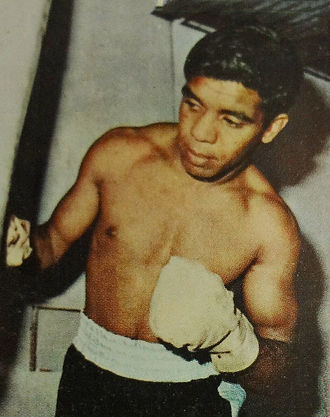
After months of political tension, John Gorton succeeded John McEwen as Australia's Prime Minister. Gorton's appointment came after Harold Holt's disappearance in 1967, leading to McEwen's interim role. Gorton, a former Minister of Works, was chosen over William McMahon, paving the way for a new era in Australian politics.
As Prime Minister, Gorton focused on modernizing the Australian economy, implementing various social reforms, and strengthening international relations. His leadership style was characterized by progressive policies that aimed to address the country's changing needs. Gorton's tenure saw advancements in education, healthcare, and indigenous rights, marking a shift towards a more inclusive society.
The change in leadership brought a sense of optimism and enthusiasm among the Australian populace. Gorton's vision for the future resonated with many who were eager to see Australia progress and adapt to the challenges of the modern world. His willingness to embrace change and drive innovation set the tone for his time in office.
Gorton's term was not without challenges, as he faced opposition from within his own party and had to navigate a rapidly changing political landscape. Despite these hurdles, Gorton remained steadfast in his commitment to advancing Australia's interests and securing its place on the global stage.
The appointment of John Gorton as Prime Minister marked a significant turning point in Australian politics. His leadership style, policies, and vision for the future left a lasting impact on the country. Gorton's legacy continues to be felt today, shaping the political landscape and influencing the direction of the nation.
#JohnGorton #PrimeMinister #Australia #PoliticalHistory #Leadership
View details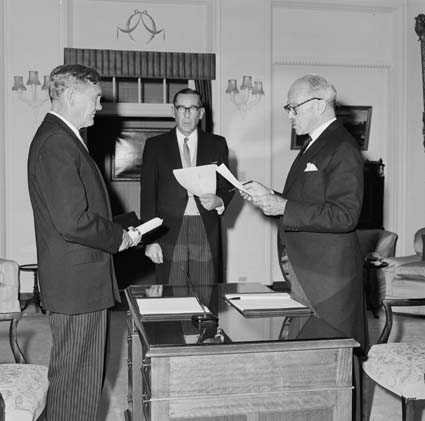
1967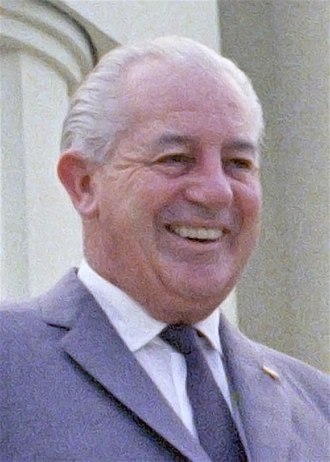
In 1967, Australia faced a pivotal moment as Prime Minister Harold Holt was officially presumed dead by the government after disappearing while swimming. Governor-General Lord Casey responded swiftly, swearing in John McEwen as the interim Prime Minister until the Liberal Party could choose a new leader.
Holt's disappearance had shocked the nation and the world, leading to an exhaustive search effort that unfortunately ended in tragedy. The government had to act decisively to ensure continuity and stability in leadership during this uncertain time. John McEwen, a respected figure in Australian politics, took on the role of Prime Minister temporarily.
The appointment of McEwen as the interim Prime Minister provided a sense of reassurance to the Australian public and the government. His experience and leadership qualities were vital in maintaining the functioning of the government and overseeing key decisions until a new leader could be elected within the Liberal Party.
The transition of power following Holt's presumed death marked a somber moment in Australian political history. It also highlighted the resilience and adaptability of the country's political system in the face of unexpected challenges.
The swearing-in of John McEwen as Prime Minister on an interim basis was a significant event that reflected Australia's ability to navigate difficult circumstances with grace and composure. It was a moment that united the nation in mourning while also demonstrating the strength of its democratic institutions.
#Australia #HaroldHolt #JohnMcEwen #PoliticalTransition #Governance
View detailsPrime Minister Harold Holt disappeared while swimming at Cheviot Beach, Victoria. Holt, known for his strong leadership and commitment to Australian interests, was a prominent figure in Australian politics. His disappearance sent shockwaves through the nation, as it was a rare and unprecedented event in the country's history.
Holt had been swimming at Cheviot Beach when he vanished, sparking a large-scale search and rescue operation. Despite extensive efforts to locate him, including involvement from the navy, air force, and local volunteers, Holt was never found. The circumstances surrounding his disappearance remain a mystery to this day.
The impact of Holt's disappearance was profound, both on a personal and political level. It created a sense of uncertainty and sadness among the Australian people, who had lost a respected leader. The sudden vacuum in leadership also raised questions about the country's political stability and future direction.
In the aftermath of Holt's disappearance, his deputy, John McEwen, took over as acting Prime Minister. The nation mourned the loss of Holt, with tributes pouring in from around the world. His legacy as a dedicated public servant and advocate for Australia's interests continued to be remembered and honored by generations to come.
The mystery of Harold Holt's disappearance at Cheviot Beach remains an intriguing and unresolved chapter in Australian history. It serves as a reminder of the fragility of life and the unforeseeable nature of events, even for those in positions of power and influence.
#HaroldHolt #CheviotBeach #AustralianHistory #PoliticalMystery #Legacy
View details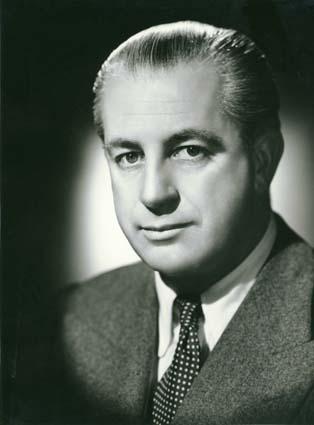
In 1967, a new form of media, talkback radio, was introduced in Australia. This format allowed listeners to interact with radio hosts in real-time by calling in to share their opinions and ask questions on various topics.
Before the introduction of talkback radio, Australian radio content was primarily one-way communication, where hosts presented information to passive listeners. The emergence of talkback radio revolutionized the industry by giving ordinary citizens a platform to voice their thoughts and engage in discussions on current affairs, politics, social issues, and entertainment.
The impact of talkback radio was profound, as it democratized public discourse and provided a space for diverse opinions to be heard. Listeners could participate in debates, challenge viewpoints, and hold authorities accountable through this interactive medium. The open dialogue fostered by talkback radio contributed to a more informed and engaged citizenry.
Moreover, talkback radio became a powerful tool for politicians, advertisers, and social commentators to gauge public sentiment in real-time. By monitoring caller responses and feedback, stakeholders could assess the pulse of the nation, shape their messaging, and tailor their strategies accordingly.
Overall, the introduction of talkback radio in 1967 marked a significant shift in the Australian media landscape, bridging the gap between broadcasters and audiences. This innovation not only enriched public discourse but also empowered individuals to have a voice in shaping the national conversation.
#TalkbackRadio #AustraliaMedia #InteractiveCommunication
View detailsIn 1967, a pivotal change was made to the Australian Constitution that enabled Aboriginal Australians to be counted in the national census and granted the federal government the authority to create laws specifically for them. Prior to this amendment, Aboriginal peoples were not recognized as part of the population, leading to marginalization and limited rights. This historic alteration aimed to address the discrimination and lack of representation that Aboriginal Australians had long endured.
The push for this constitutional change gained momentum through a nationwide campaign that brought together both Indigenous and non-Indigenous Australians in a united effort to advocate for equality and recognition. Following a referendum, an overwhelming majority of Australians voted in favor of amending the constitution to acknowledge the rights and existence of Aboriginal Australians within the legal framework of the nation.
This shift marked a significant turning point in the history of Australia, setting the stage for improved rights, representation, and opportunities for Aboriginal communities. It signaled a step towards reconciliation and acknowledgment of past injustices, as well as a commitment to building a more inclusive and equitable society. The constitutional amendment was a crucial milestone in the journey towards reconciliation and Indigenous rights in Australia.
The impact of this constitutional change reverberates through generations, shaping policies and attitudes towards Aboriginal Australians. It symbolizes a commitment to diversity, cultural heritage, and social justice. The recognition of Aboriginal peoples as integral members of the Australian population lays the foundation for meaningful partnerships, respect for Indigenous rights, and the celebration of Australia's rich and diverse heritage.
#ConstitutionalAmendment #AboriginalInclusion #IndigenousRights #Reconciliation #HistoricChange
View details