
Australia

The Land Down Under
Related Lives








1788
Following the arrival of the First Fleet in Australia, tensions arose between the Aboriginal peoples and the newly arrived convicts. One day, a group of Aboriginal peoples encountered two convicts who had ventured beyond the settlement. In an altercation that ensued, the Aboriginal peoples attacked the convicts, resulting in the death of one and severe injuries to the other.
The incident served as a stark reminder of the cultural clash between the Indigenous population, who had inhabited the land for thousands of years, and the British convicts who had been sent to colonize Australia. It highlighted the deep-rooted animosity and misunderstandings that characterized the early interactions between the two groups.
The death of the convict and the injury of the other served as a catalyst for increased tensions in the region. It led to heightened fear and mistrust on both sides, further exacerbating the already fragile relationship between the Aboriginal peoples and the colonizers.
This event underscores the violent nature of early contact between the Indigenous peoples of Australia and the European settlers. It sheds light on the complexities of colonization and the lasting impact it had on the Indigenous communities.
#Colonization #CulturalClash #IndigenousResistance
View detailsAfter an outbreak of scurvy on HMS Supply, the crew set sail for Lord Howe Island in search of turtles to supplement the meat supply for the struggling settlement. The voyage was prompted by the urgent need to address the health crisis and prevent further deaths among the crew and settlers.
HMS Supply embarked on the journey with determination, navigating the seas to reach Lord Howe Island. However, despite their efforts, the crew failed to catch any turtles during their time on the island. This setback added to the challenges they were already facing, as they were unable to procure the additional food source they so desperately needed.
The return of HMS Supply to the settlement on 25 May was met with disappointment, as hopes for a successful turtle hunt had not been realized. The crew and settlers were left to ponder their next steps in ensuring an adequate food supply and combating the ongoing threat of scurvy.
The failed expedition to catch turtles at Lord Howe Island underscored the harsh realities of survival in a new and unforgiving land. It served as a stark reminder of the challenges that accompanied the establishment of the settlement and the need for innovative solutions to sustain the population in the face of adversity.
Overall, the event highlighted the precarious nature of early settlement efforts in Australia and the formidable obstacles that had to be overcome to ensure the survival and success of the fledgling community. It also shed light on the resourcefulness and resilience of those involved as they grappled with unforeseen difficulties and sought ways to adapt and thrive in their new environment.
#ScurvyOutbreak #HMSsupply #LordHoweIslandExpedition #StrugglingSettlement #FoodSupplyChallenges #EarlyAustralianSettlement
View detailsIn April of 1788, Captain Arthur Phillip led an exploring party in the uncharted lands of Australia. This group of early settlers ventured into the rugged terrain west of Sydney Cove, where they laid eyes on the majestic sandstone formations that stretched as far as the eye could see. Impressed by the bluish haze that enveloped the peaks, Phillip decided to name them the Blue Mountains.
The sighting of the Blue Mountains was a crucial moment in Australian history, as it opened up possibilities for further exploration and expansion into the continent's interior. The discovery of this natural barrier also had significant implications for the early settlers, as it would later influence the development of transportation routes and trade networks in the region.
The Blue Mountains served as a stunning backdrop for the burgeoning colony, and their towering presence became a symbol of the untamed beauty of the Australian wilderness. Today, the Blue Mountains are a popular tourist destination, attracting visitors from far and wide who come to marvel at the stunning vistas and explore the rich biodiversity of the region.
This momentous event marked the beginning of a new chapter in Australia's history, as the intrepid explorers pushed the boundaries of their known world and ventured into the unknown. The naming of the Blue Mountains stands as a testament to the spirit of exploration and discovery that has defined the Australian identity for centuries.
#Exploration #Colonization #NaturalWonders #AustralianHistory
View detailsIn March 1788, Phillip, the leader of the newly established settlement in Sydney Cove, issued the first government conservation order. This order mandated that no trees were to be cut down within 50 feet (15 metres) of the stream flowing into Sydney Cove.
The background of this conservation order can be traced back to the understanding of the significance of trees in maintaining the ecological balance of the area. Trees play a crucial role in preventing soil erosion, enhancing water quality, and providing habitat for various wildlife. By protecting the trees near the stream, Phillip aimed to safeguard the local ecosystem and ensure a sustainable environment for the settlement.
The impact of Phillip's conservation order was two-fold. Firstly, it helped in preserving the natural beauty of the surroundings, making it more appealing for settlement and future development. Secondly, it contributed to the long-term environmental sustainability of the area by conserving the crucial riparian habitat along the stream.
This conservation order marked a significant milestone in the early environmental conservation efforts in Australia. It set a precedent for future conservation measures and highlighted the importance of balancing human development with environmental protection. The decision to protect the trees near the stream demonstrated a forward-thinking approach to environmental management, which was relatively rare during that period of history.
In conclusion, Phillip's government conservation order prohibiting tree cutting near the stream leading into Sydney Cove was a landmark decision that showcased an early recognition of the importance of environmental conservation. This event laid the groundwork for future conservation efforts in Australia and emphasized the need to prioritize environmental sustainability alongside development.
#EnvironmentalConservation #EarlyAustralia #SustainableDevelopment #EcosystemProtection
View detailsIn 1788, two French ships departed from Botany Bay, heading towards the Pacific Ocean. The ships, under the command of Jean-François de La Pérouse, were on a voyage of exploration and scientific discovery. However, their journey took a tragic turn when both vessels were wrecked near Santa Cruz in the Solomon Islands.
The loss of the French ships near Santa Cruz was a significant setback for the scientific community. The expedition was equipped with a team of botanists, naturalists, and cartographers who were tasked with documenting the flora, fauna, and geography of the regions they visited. The valuable data collected during the voyage was lost along with the ships, depriving the world of potentially groundbreaking discoveries.
The wrecks of the French ships near Santa Cruz also highlighted the dangers and challenges faced by explorers during this era of maritime exploration. Navigating treacherous waters and unfamiliar coastlines was a perilous endeavor, and many expeditions ended in disaster due to unfavorable conditions or unforeseen obstacles.
Despite the tragic end to their journey, the French expedition to the Pacific Ocean made a lasting impact on the history of exploration. The documentation and observations made by La Pérouse and his team provided valuable insights into the natural world and helped to advance scientific knowledge in the fields of botany, zoology, and geography.
The wreck of the French ships near Santa Cruz serves as a reminder of the risks and sacrifices made by early explorers in their quest for knowledge and discovery. It is a testament to the bravery and persistence of those who ventured into the unknown, facing the uncertainties of the sea in pursuit of greater understanding.
#FrenchExploration #MaritimeDisaster #ScientificDiscovery #ExplorationHistory #LostAtSea #SantaCruzWrecks
View detailsLt. King officially claimed Norfolk Island for the British Empire, establishing a settlement there. The island, located in the South Pacific Ocean, had previously been uninhabited. However, Captain James Cook had visited the island in the 1770s, noting its potential for colonization.
The decision to settle Norfolk Island was driven by the need to alleviate overcrowding in the newly established colony of New South Wales. The British saw the island as a strategic location for growing food and providing resources. Lt. King's arrival marked the beginning of British occupation and the establishment of a penal colony on the island.
The impact of Lt. King's possession of Norfolk Island was significant. The settlement became a crucial part of Britain's efforts to assert control over the region and expand its colonial presence in the South Pacific. Over the years, the island's population grew as more settlers and convicts were sent there.
The British settlement on Norfolk Island faced numerous challenges, including isolation, harsh conditions, and conflicts with the Indigenous population. Despite these difficulties, the colony continued to develop and grow, becoming an important outpost for the British Empire.
Today, Norfolk Island is a self-governing territory of Australia, with a rich history that reflects its role as a key strategic and colonial location in the South Pacific. The legacy of Lt. King's possession of the island continues to shape its identity and significance in the region.
#NorfolkIsland #BritishSettlement #Colonization #SouthPacific #Australia
View detailsOn 2 March 1788, Governor Arthur Phillip embarked on an expedition to explore Broken Bay, a large coastal inlet north of Sydney. Phillip had arrived with the First Fleet just weeks earlier, establishing the first British colony in Australia at Sydney Cove on 26 January 1788. However, the area around Sydney Cove was found to have poor soil and limited fresh water, prompting Phillip to seek alternative locations for agriculture and settlement.
Broken Bay had first been recorded by Captain James Cook in 1770 during his voyage along the east coast of Australia. However, Cook did not explore it in detail, merely noting its existence. Phillip, recognizing the need for more suitable land, decided to investigate the area himself.
During the expedition, Phillip and his party navigated the waters of Broken Bay, charting the coastline and examining the land. As they moved through the bay, they discovered a sheltered inlet with promising terrain. Phillip named this area Pittwater, in honor of William Pitt the Younger, the British Prime Minister at the time.
This exploration was significant because it expanded British knowledge of the region and identified potential locations for future settlement. While Sydney remained the colony’s administrative center, places like Pittwater would later play a role in the colony's agricultural and economic development.
Phillip’s leadership in these early explorations was crucial in ensuring the survival and growth of the fledgling colony. His careful documentation and strategic site selection helped shape the expansion of European settlement in Australia.
#MomentsOfLife #MoofLife_Moment #MoofLife #ArthurPhillip #BrokenBay #Pittwater #AustralianHistory
View details
In the early days of the Australian penal colony, a notorious convict named James Freeman was granted a pardon under unusual circumstances. Freeman had been convicted of stealing flour, a serious crime in a settlement where food shortages were a constant threat. In a surprising turn of events, instead of being punished for his theft, Freeman was given a pardon on one condition - he must assume the role of public executioner.
This unique arrangement was reached as the colony faced a shortage of individuals willing to carry out the grim task of executing fellow prisoners. By offering Freeman a pardon in exchange for becoming the public executioner, the authorities found a solution to this pressing issue. Freeman, motivated by the chance to escape his own execution and perhaps improve his standing in the colony, accepted the offer.
As the newly appointed public executioner, Freeman became responsible for carrying out the hangings of convicted criminals in the settlement. Despite the macabre nature of his new role, Freeman executed his duties with a level of efficiency and professionalism that garnered respect from both the authorities and his fellow convicts.
Freeman's appointment as public executioner had a significant impact on the penal colony, ensuring that the necessary executions could be carried out without delay. His willingness to take on this task shed light on the harsh realities of life in the early days of the settlement, where order and discipline were maintained through strict enforcement of the law.
This event highlights the harsh conditions and unique arrangements that characterized the early days of the Australian penal colony. #Pardon #PublicExecutioner #AustralianPenalColony
View detailsIn 1788, Thomas Barratt met his fate as the first person to be executed for theft in the fledgling settlement in Australia. Barratt's actions were seen as a threat to the limited resources available in the stores, prompting authorities to make an example of him to deter others from similar crimes. His hanging served as a stark warning to the convicts and settlers about the consequences of violating the strict laws in place.
The event had a profound impact on the community, instilling a sense of fear and obedience among the inhabitants. It set a precedent for the consequences of criminal behavior and reinforced the authority of the newly established British colony in Australia. Barratt's execution highlighted the harsh realities of life in the penal colony and the strict punishments that awaited those who dared to challenge the rules.
The incident also marked a significant moment in the history of law and order in Australia, emphasizing the importance of maintaining order and discipline in the settlement. It showcased the power dynamics at play and the consequences of stepping out of line in a society where survival depended on adherence to the rules set by the authorities.
Barratt's hanging for stealing in stores left a lasting imprint on the collective memory of the early settlers in Australia, serving as a cautionary tale that continued to resonate through the years. It underscored the harsh conditions and strict enforcement of laws that characterized the penal colony during its early days, shaping the social fabric of the emerging society.
#Australia #EarlySettlement #LawAndOrder #ColonialJustice #HistoricalPenalties
View detailsThe first Holy Communion in Australia was conducted on 17 February 1788 by Reverend Richard Johnson, the first chaplain of the colony of New South Wales. This historic event took place in Lieutenant Ralph Clark’s tent in Sydney, just a few weeks after the arrival of the First Fleet on 26 January 1788.
Reverend Johnson, a devout Anglican minister, had been appointed as chaplain to the colony on the recommendation of prominent evangelical figures, including William Wilberforce. His primary mission was to provide religious guidance to both convicts and settlers.
The service itself followed the traditional Anglican liturgy, marking an important spiritual moment for the fledgling colony. Given the rudimentary conditions of the settlement at the time, the setting was humble—a simple tent serving as a makeshift chapel. Despite these modest surroundings, the event symbolized the establishment of Christianity in Australia and the beginning of organized religious worship in the new colony.
This first Holy Communion also reflected the British government’s intention to instill religious and moral order among the settlers and convicts. Reverend Johnson would later continue his mission by building Sydney’s first church in 1793, despite facing opposition and a general lack of support from the colony’s leadership.
The event of 17 February 1788 remains a significant moment in Australian religious history, marking the formal introduction of Christian worship in the country.
Naming of Lord Howe Island: On the same date, 17 February 1788, Lieutenant Henry Lidgbird Ball sighted an uninhabited island during his voyage from Botany Bay to Norfolk Island. He named it Lord Howe Island in honor of Admiral Richard Howe, the First Lord of the Admiralty at that time.
#FirstCommunionAustralia #AustralianHistory #ChristianityInAustralia #MomentsOfLife #MoofLife_Moment #MoofLife
View details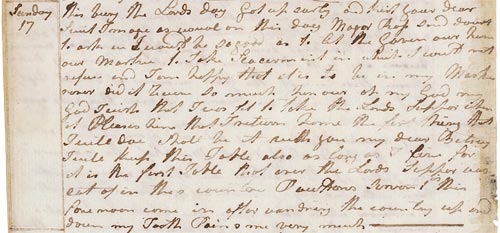
Lt. Philip Gidley King led a group of 23 individuals, including 15 convicts, on a voyage aboard the Supply to establish a settlement on Norfolk Island. The primary objective was to cultivate native flax and other crops on the island.
Norfolk Island was chosen for its potential to produce valuable resources that would benefit the colony. The expedition aimed to harness the fertile land and favorable climate to support the growing community's needs. Lt. King and his party understood the significance of establishing successful agricultural practices to ensure the settlement's sustainability and growth.
The presence of convicts among the group reflects the colonial practice of using convict labor to support economic ventures. The inclusion of these individuals in the expedition highlights the reliance on convict labor to develop and expand the colony's resources and capabilities.
Upon arrival, efforts were focused on planting and harvesting native flax, a valuable commodity for producing materials such as rope and textiles. The cultivation of other crops was also prioritized to diversify the settlement's agricultural output. These endeavors were crucial for securing the colony's economic independence and fostering its development.
The establishment of the settlement on Norfolk Island marked a significant turning point in the colony's history. It represented a strategic move to expand and exploit the resources of the region for the benefit of the growing community. The successful cultivation of native flax and other crops laid the foundation for sustained economic growth and development on the island.
#NorfolkIsland #ColonialExpansion #ConvictLabor #AgriculturalDevelopment #Sustainability
View detailsIn one of the first criminal court sessions of the fledgling settlement, two men faced justice for their transgressions. Samuel Barnsley was convicted of assault and received a harsh sentence of 150 lashes. Thomas Hill, on the other hand, was found guilty of stealing bread and was sentenced to confinement in irons on a small rocky island at the head of the cove.
The background of the event reflects the challenges and strict enforcement of laws in the early days of the penal colony. The severity of the punishments meted out highlights the importance placed on maintaining order and discipline within the settlement. These sentences served as a warning to others, emphasizing the consequences of criminal behavior.
The impact of the court's decisions would have been twofold. For the perpetrators, it meant enduring physical pain and isolation as a result of their actions. For the community, it reinforced the authority of the legal system and instilled a sense of consequence for criminal behavior. The public nature of the punishments would have also served as a deterrent for potential wrongdoers.
The sentencing of Barnsley and Hill sheds light on the justice system operating in the early days of the settlement, showcasing the harsh penalties imposed for criminal acts. The event serves as a reminder of the harsh realities faced by both convicts and authorities in this challenging environment, where adherence to the law was essential for survival and order.
#Australia #JusticeSystem #ColonialHistory #Punishment #LawEnforcement
View detailsIn Sydney Cove, the whole party gathered on the west side as deputy judge-advocate David Collins announced the King's commission appointing Phillip as governor and the letters patent establishing courts. These proclamations marked the official beginning of Phillip's leadership in the colony and the establishment of legal structures for civil and criminal justice.
Under Phillip's governance, the British settlement in Australia aimed to serve as a penal colony, providing a solution to overcrowded prisons in England. The arrival of the First Fleet in Botany Bay and later relocation to Sydney Cove marked the start of British colonization in the continent, leading to significant impacts on the indigenous population and shaping the future of Australia.
David Collins' reading of the King's commission and letters patent laid the foundation for the legal system in the colony, ensuring the administration of justice and governance according to British laws. This event symbolized the formal establishment of authority and order in the newly founded settlement, setting the stage for the development of a structured society in the harsh Australian environment.
The gathering at Sydney Cove, led by Phillip and attended by officials and settlers, represented a pivotal moment in Australian history, reflecting the beginning of European colonization and the imposition of British rule on the land. The reading of the commissions and establishment of courts signaled a significant step towards organized government and legal framework in the colony, shaping its trajectory for years to come.
#ColonialGovernance #LegalEstablishment #BritishColonization
View detailsIn 1788, the women convicts arrived on the shores of Australia amidst a violent thunderstorm. These women were part of the first fleet to arrive in the new penal colony, brought to the unfamiliar land to serve their sentences. The storm added to the chaos and uncertainty of their arrival, with strong winds and heavy rain making their landing even more challenging.
Despite the harsh conditions, the women convicts were forced to disembark and begin their new lives in the colony. Many of them had been convicted for petty crimes, yet they faced a harsh and uncertain future in the distant land. The storm served as a dramatic welcome, setting the tone for the challenges and struggles they would endure in the harsh environment.
As the women stepped onto the land, they were met with a sense of apprehension and fear, unsure of what awaited them in the foreign landscape. The storm continued to rage around them, adding to the sense of isolation and vulnerability they must have felt in that moment.
The arrival of the women convicts in the midst of the violent thunderstorm marked the beginning of a difficult chapter in Australia's history. Their presence would shape the development of the colony and contribute to the complex social fabric that would emerge in the years to come. Despite the hardships they faced, these women played a significant role in the early days of the settlement, contributing their labor and resilience to the burgeoning community.
#WomenConvicts #ArrivalInAustralia #HarshConditions #NewBeginnings #ColonialHistory
View detailsRev. Richard Johnson, the chaplain of the First Fleet, conducted the colony's inaugural religious service 'on the grass.' This historic event took place near Sydney Cove, laying the foundation for formal religious observance in the newly established settlement. Johnson's service symbolized the commencement of organized worship in the colony, providing spiritual guidance and solace to the convicts, marines, and settlers who had ventured to the distant shores of Australia.
Born in England, Johnson arrived in Australia to fulfill his duty of tending to the spiritual needs of the early colonists. His service, conducted in the open air, signified the humble beginnings of Christianity in the fledgling settlement. The gathering exemplified the importance of faith and community in the lives of the diverse group of individuals who had embarked on this challenging journey.
With his service, Rev. Richard Johnson set a precedent for religious practices that would become integral to the cultural fabric of Australia. The event marked a significant step towards the establishment of organized religion in the colony, shaping the religious identity of the nation in the years to come. Johnson's commitment to providing religious guidance in the face of hardship and uncertainty underscored the resilience and faith of the early settlers in their pursuit of a new life in Australia.
Today, the legacy of Rev. Richard Johnson's first religious service 'on the grass' remains ingrained in Australia's history, highlighting the enduring importance of faith and community in shaping the nation's collective identity. #RevRichardJohnson #ReligiousService #ColonialAustralia #SpiritualHeritage
View details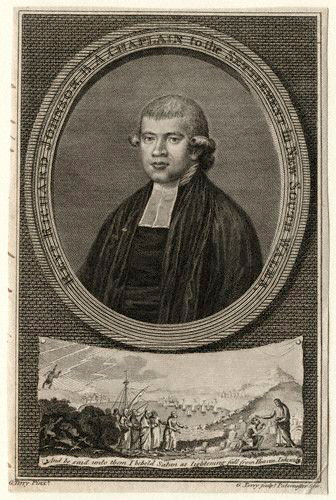
In the early days of British settlement in Australia, the arrival of women and children marked a significant shift in the demographic landscape of the colony. On a historic day, 17 wives of marines and 14 children disembarked from the ship Prince of Wales. These individuals were the first women and children to set foot on Australian soil, bringing a sense of domesticity and normalcy to the harsh and unfamiliar land.
Their arrival also signified a new phase in the establishment of the penal colony, as the presence of families hinted at permanence and the potential for growth and development. The women would play essential roles in the burgeoning community, providing support to their husbands and helping to create a sense of stability in the settlement.
As the women and children stepped off the ship, they were followed by the first livestock to be brought ashore. These animals would prove vital to the survival of the colonists, providing them with a renewable source of food and materials. The arrival of both human and animal inhabitants marked a turning point in the history of the fledgling colony, laying the foundation for the future development of the region.
The disembarkation of the women, children, and livestock from the Prince of Wales was a momentous occasion that signaled a new chapter in the story of Australia. It represented the beginning of a more settled and structured society, with the potential for growth and prosperity in the years to come.
#BritishSettlement #WomenandChildren #LivestockArrival #ColonyDevelopment
View detailsIn the early stages of the colonization of Australia, convicts were brought to Sydney Cove to assist in clearing the land. This process was vital to establishing the first European settlement on the continent. The convicts were tasked with removing trees, vegetation, and rocks to make way for buildings, roads, and agriculture.
The challenging physical labor of clearing the ground was demanding and required the convicts to work long hours in tough conditions. Despite facing hardships, their efforts were instrumental in preparing the land for the development of the settlement. The labor of these individuals helped lay the foundation for the growth and expansion of the early colonial outpost.
The convicts brought to Sydney Cove came from various backgrounds and had been transported to Australia as punishment for crimes committed in their home countries. Forced to start anew in a distant and unfamiliar land, they were thrust into the daunting task of transforming the wilderness into a habitable environment. Their contributions played a significant role in the early survival and development of the settlement.
The clearing of the ground at Sydney Cove was a critical step in the early stages of establishing a European presence in Australia. It marked the beginning of a long and complex history of colonization and settlement in the region. The labor of the convicts was a foundational aspect of the development of the colony and helped shape the future trajectory of the Australian nation.
#Convicts #SydneyCove #Colonization #Labor #Settlement
View detailsIn the early hours, Captain Arthur Phillip led a group ashore at Sydney Cove, where the British flag was hoisted, marking the formal declaration of British control over New South Wales. This pivotal moment was the initial step in the establishment of a British colony in Australia.
The decision to establish a settlement in Australia was primarily due to the need for a new penal colony, following the loss of the American colonies. The British government aimed to relieve the overcrowded prisons and create a new outpost in the Pacific. The arrival of the First Fleet led to the displacement and marginalization of the Indigenous Australian population, as the British settlers sought to assert their authority over the land.
The raising of the British flag symbolized the beginning of British sovereignty in the region, laying the foundation for the colonization of Australia. This event marked a significant turning point in the history of the continent, shaping its future trajectory and cultural landscape.
Australia Day, commemorating this event, is celebrated annually as a day of national pride and reflection on the country's history. It serves as a reminder of the complexities of Australia's colonial past and the ongoing journey towards reconciliation with Indigenous peoples.
#BritishSettlement #Colonization #AustraliaDay #Sovereignty #History
View details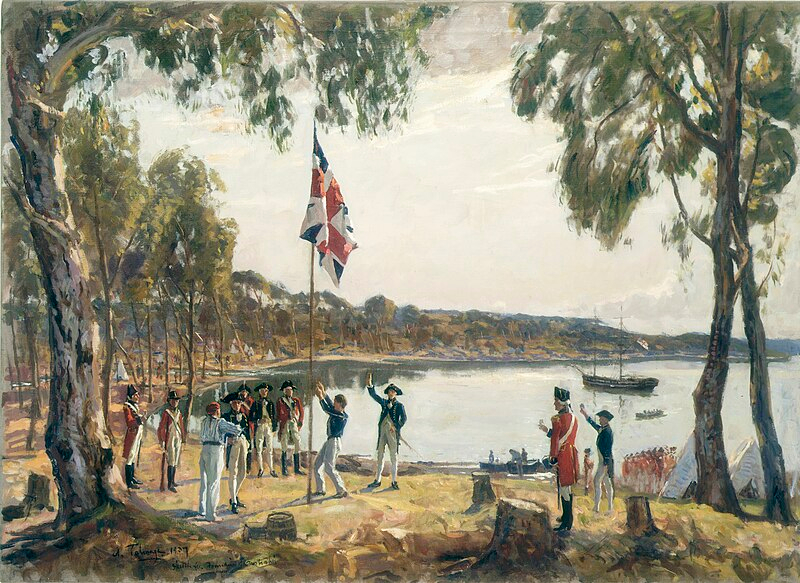
Captain Phillip set sail from Botany Bay aboard the Supply and arrived at Sydney Cove in the evening. This journey marked the establishment of the first European settlement in Australia. The arrival at Sydney Cove was met with mixed emotions as the unfamiliar land presented both challenges and opportunities for the newly arrived colonists.
Upon reaching Sydney Cove, Captain Phillip wasted no time in beginning the process of establishing the settlement. The crew unloaded supplies and equipment, quickly setting up tents and makeshift shelters to provide temporary accommodation. The rugged terrain and dense vegetation posed challenges, but with determination and hard work, the settlers started to transform the land to suit their needs.
The arrival at Sydney Cove signaled the beginning of a new chapter in Australia's history. The establishment of the settlement paved the way for future waves of British colonization and the displacement of the Indigenous populations. The impact of this event reverberates to this day, shaping the cultural, social, and political landscape of modern Australia.
As the sun set on that fateful evening at Sydney Cove, the settlers were filled with a mix of hope, uncertainty, and resolve. They were faced with the daunting task of building a new society in a foreign and often hostile environment. Despite the challenges, they forged ahead, laying the foundation for what would eventually become the thriving nation of Australia.
#CaptainPhillip #SydneyCove #EuropeanSettlement #Colonization #AustralianHistory
View detailsIn 1788, the French ships Boussole and Astrolabe, led by Jean-François de Galaup, comte de Lapérouse, arrived off Botany Bay. This event unfolded during a period when European nations were engaged in global exploration and colonization efforts. The French expedition aimed to explore the Pacific region, including Australia, and gather scientific and geographical information.
The arrival of Lapérouse's ships at Botany Bay coincided with the early stages of British colonization in the area, as the First Fleet under the command of Captain Arthur Phillip had just established the settlement of Port Jackson (modern-day Sydney) a few days earlier. Despite the potential for tension between the two European powers, the encounter was peaceful, with both parties exchanging pleasantries and information.
Lapérouse and his crew spent several weeks in the area, conducting surveys, collecting botanical specimens, and interacting with the local Indigenous people. The French expedition provided valuable scientific insights into the flora, fauna, and geography of the region, contributing to the broader understanding of Australia's natural environment.
Tragically, the voyage of the Boussole and Astrolabe ended in mystery and disaster. After leaving Australia, the expedition disappeared without a trace, leading to speculation and legends about the fate of Lapérouse and his crew.
The French ships' appearance off Botany Bay was a notable moment in the history of early European exploration of Australia. It represented a convergence of different maritime endeavors and provided a glimpse into the scientific and geopolitical interests of the time.
#Exploration #Colonization #Interactions #ScientificExpedition
View detailsAfter determining Botany Bay was not suitable for settlement, Captain Arthur Phillip embarked on a journey with a party in three open boats. Their mission was to find an alternate location, leading them to discover Port Jackson, which Phillip named Sydney Cove.
The decision to explore further came after initial assessments of Botany Bay revealed poor soil quality, limited fresh water, and insufficient anchorage for ships. Recognizing the need for a more favorable site, Phillip and his team ventured into the unknown waters, eventually arriving at the picturesque natural harbor of Port Jackson. The discovery of Sydney Cove provided the ideal conditions for a British settlement, with fertile land, ample water sources, and a protected harbor for ships.
The establishment of the settlement at Sydney Cove marked the beginning of British colonization in Australia. The site would later become the foundation for the city of Sydney, evolving into a key center of trade, government, and culture in the region. The discovery of Port Jackson played a crucial role in shaping the future development of Australia, attracting immigrants, trade opportunities, and cultural exchange to the new settlement.
Captain Arthur Phillip's exploration and decision to settle at Sydney Cove laid the groundwork for the establishment of a British colony in Australia. The significance of this event resonates throughout history, highlighting the importance of strategic planning, adaptability, and perseverance in the face of challenges. The naming of Sydney Cove reflected the British connection to the land, marking the beginning of a new chapter in Australia's history.
#Exploration #Settlement #PortJacksonDiscovery #CaptainArthurPhillip #SydneyCove #BritishColonization #AustraliaHistory
View detailsAfter the arrival of the First Fleet in Australia, the seven remaining ships, including HMS Sirius, reached Botany Bay. The fleet had already faced numerous challenges during their long journey from England. Led by Captain John Hunter, the ships found Botany Bay to be unsuitable for establishing a settlement due to poor soil and a lack of fresh water.
The decision was made to relocate to Port Jackson, where they later established the first European settlement in Australia, now known as Sydney. The arrival of the First Fleet marked the beginning of British colonization in Australia, leading to significant impacts on the indigenous population and the land itself.
The establishment of the settlement brought about cultural clashes, disease, and violence that had lasting effects on the Aboriginal people. The arrival of the First Fleet also laid the foundations for the development of modern Australia, shaping its society, economy, and political landscape.
Today, the landing of the remaining seven ships of the First Fleet in Botany Bay is remembered as a pivotal moment in Australian history, marking the beginning of a new era for the continent. It serves as a reminder of the complex and often troubled history of colonization, highlighting the need for reconciliation and understanding between all Australians. #FirstFleet #BotanyBay #BritishColonization #IndigenousHistory #AustralianSettlement
View detailsIn 1788, the arrival of the transports Alexander, Friendship, and Scarborough at Botany Bay drew the attention of a sizable group of Indigenous Australians who had gathered on Point Solander. The British ships were part of the First Fleet, dispatched from England to establish a penal colony in the distant land known as New South Wales.
The Indigenous Australians observing the arrival of these foreign vessels would have witnessed a significant turning point in their history. The arrival of the First Fleet marked the beginning of significant changes to their way of life, as the British settlers aimed to claim the land as their own and establish a new colony.
The presence of Indigenous Australians at Point Solander as they watched the arrival of the First Fleet also highlights the long history of connection and belonging that they had to the land. For generations, these Indigenous peoples had lived off the land, relying on its resources for their survival.
The arrival of the British ships signaled the start of a period of profound disruption and upheaval for the Indigenous population of Australia. The impact of colonization would be felt in various ways, including the loss of land, culture, and life as the British settlers sought to assert their control over the continent.
The event at Botany Bay represents a moment of encounter and collision between two vastly different worlds, with far-reaching consequences for the Indigenous peoples of Australia.
#FirstFleet #Colonization #IndigenousAustralia #Encounter #HistoryChanging
View detailsIn the afternoon, the brig HMS Supply arrived and anchored on the northern side of Botany Bay. From the ship, explorers ventured into the nearby land, where they encountered the local Aboriginal Australians. This interaction marked the beginning of a new chapter in the history of this region.
The arrival of HMS Supply in Botany Bay signified the start of the British colonization of Australia. The explorers' contact with the Aboriginal Australians was one of the first documented meetings between Europeans and the indigenous peoples of the continent. This initial exchange would ultimately shape the course of history for both groups, leading to significant cultural, social, and political changes in the years to come.
The explorers, led by Captain Arthur Phillip, sought to establish a settlement in the area. Their interactions with the Aboriginal Australians were often characterized by misunderstandings and conflicts, as they navigated language barriers and cultural differences. Despite these challenges, the encounter represented a pivotal moment in the ongoing process of colonization and its impact on the indigenous populations.
The exploration and contact at Botany Bay set the stage for the establishment of the first British penal colony in Australia, laying the foundation for the development of modern Australia as a nation. The event marked the beginning of a complex and often controversial history of European settlement and its consequences for the indigenous peoples of the continent.
#Exploration #Encounter #Colonization #CulturalExchange #IndigenousHistory #BotanyBay
View detailsCaptain Arthur Phillip was leading the First Fleet on a historic voyage when the coast of Van Diemen's Land came into view. This marked a significant moment in the exploration and colonization of Australia. Van Diemen's Land, now known as Tasmania, is a crucial part of Australia's history.
The sighting of Van Diemen's Land signaled the fleet's proximity to their intended destination, Port Jackson in New South Wales. It also highlighted the challenges and uncertainties faced by the early explorers as they navigated uncharted waters. Captain Phillip's discovery paved the way for further exploration and eventual settlement of the area.
The arrival of the First Fleet in Australia had far-reaching consequences for the indigenous populations, as well as for the European settlers who established colonies in the region. It marked the beginning of a new chapter in Australian history, one that would shape the country's identity and culture for centuries to come.
The event of Captain Arthur Phillip sighting the coast of Van Diemen's Land is a significant milestone in Australia's colonial history. It exemplifies the exploration and colonization efforts of the British Empire in the late 18th century. The impact of this event can still be felt today in the cultural, social, and political landscape of Australia.
#CaptainArthurPhillip #FirstFleet #VanDiemensLand #Exploration #Colonization #AustraliaHistory
View details1787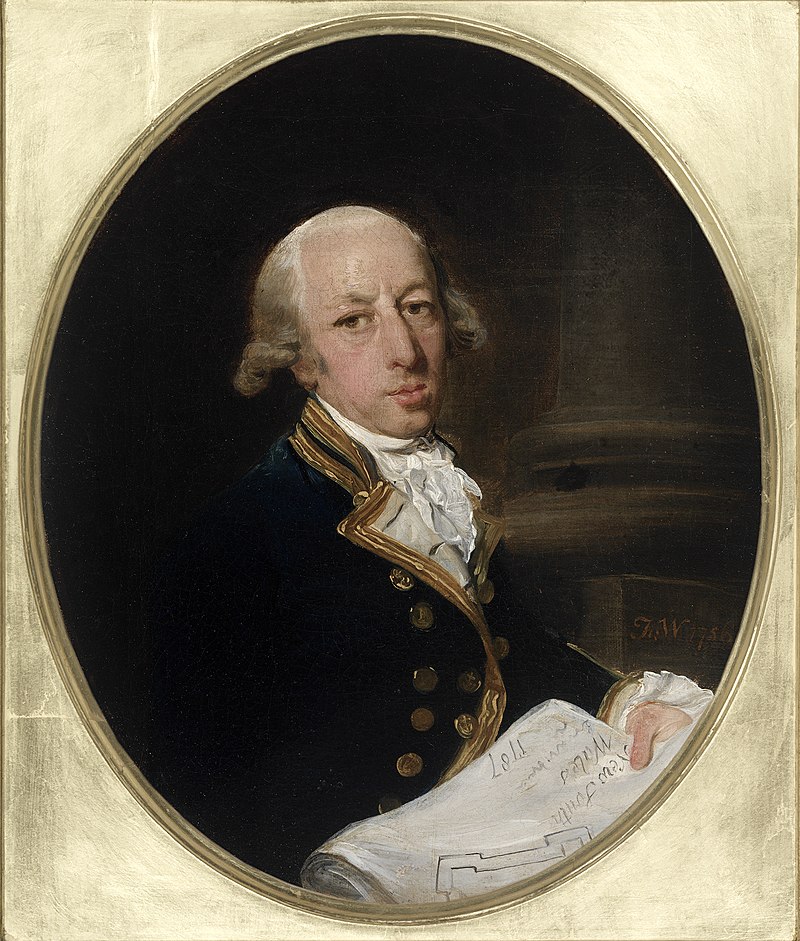
In 1787, Governor Arthur Phillip spearheaded the departure of the First Fleet from Great Britain to Australia, marking the initial phase of European colonization. Comprising of 11 ships, this expedition aimed to establish a new settlement in the distant southern land. The decision to embark on this journey was fueled by various factors, including overcrowded British prisons that led to the idea of establishing a convict colony in Australia.
The fleet's departure set in motion a significant chapter in Australian history, as it laid the groundwork for British colonial rule in the continent. Despite facing numerous challenges on the perilous voyage, such as harsh weather conditions and limited resources, the fleet eventually reached the shores of Botany Bay in New South Wales. This arrival paved the way for the establishment of the first European settlement in Australia.
The impact of the First Fleet's voyage was profound, as it marked the beginning of large-scale European settlement in the region and fundamentally altered the social, cultural, and political landscape of Australia. The arrival of the fleet had far-reaching consequences for the indigenous population, leading to conflicts, displacement, and the erosion of traditional ways of life.
This event laid the foundation for the establishment of modern Australia as we know it today. It marked the beginning of a new era in Australian history, characterized by colonization, immigration, and the interplay of diverse cultures and identities. The legacy of the First Fleet continues to shape contemporary debates surrounding Australian identity, national history, and reconciliation with the country's indigenous peoples.
#FirstFleet #EuropeanColonization #GovernorArthurPhillip #BritishSettlement #AustralianHistory #IndigenousAustralia
View details1769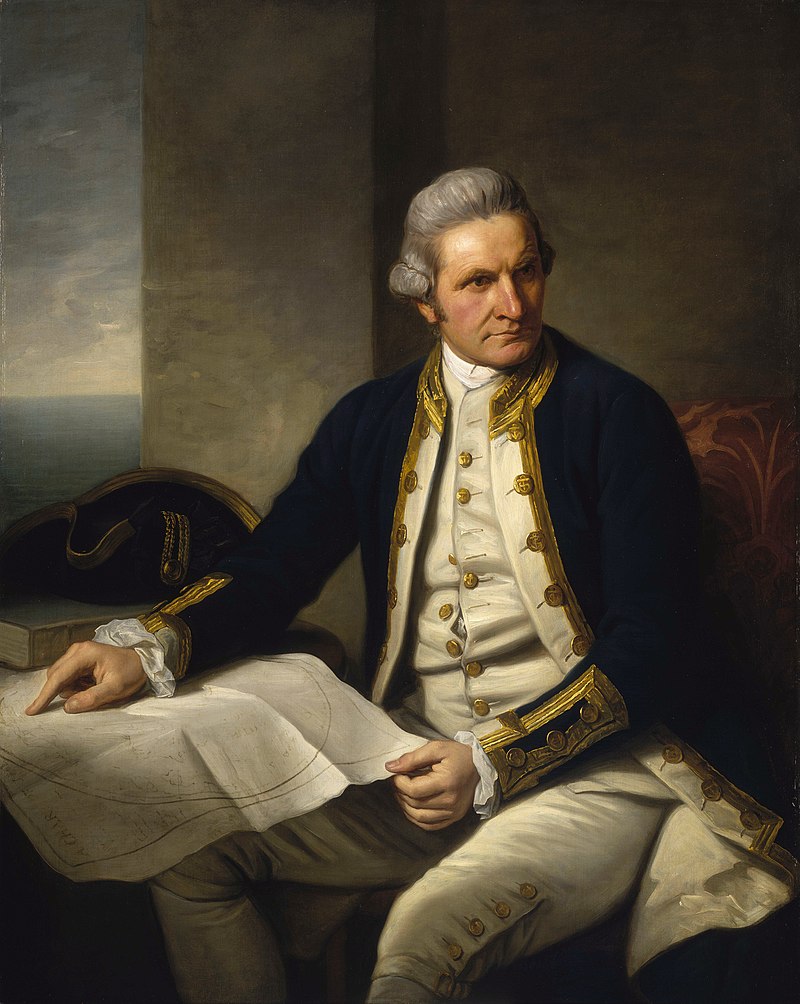
In 1770, English Lieutenant James Cook led an expedition aboard the HMS Endeavour that significantly altered the course of Australian history. This voyage resulted in the charting of the eastern coast of Australia and its subsequent claim for the British Crown. Cook's journey and his actions marked the beginning of European colonization in Australia, fundamentally transforming the continent's history and its indigenous cultures.
The Voyage of HMS Endeavour
James Cook's voyage was part of a broader British endeavor to explore the unknown territories of the South Pacific. The HMS Endeavour set sail from England in 1768 with a dual mission: to observe the transit of Venus across the sun, which would help in determining the Earth’s distance from the sun, and to seek out the rumored southern continent, Terra Australis Incognita.
After completing the astronomical observations in Tahiti, Cook directed the Endeavour towards the southwest. In April 1770, the expedition reached the southeastern coast of Australia. Cook and his crew made their first landfall at a place they named Botany Bay, located in present-day New South Wales.
Charting the Eastern Coast
Over the next few months, Cook and his crew meticulously charted the eastern coastline of Australia, a task that involved navigating treacherous waters and documenting the diverse landscapes they encountered. Cook's detailed maps and records were invaluable, providing the first comprehensive European documentation of Australia's eastern seaboard.
As they journeyed northward, Cook named many geographical features along the coast, including Cape Tribulation and the Endeavour River, where the ship was temporarily beached for repairs after hitting a reef. The charts created by Cook were remarkably accurate for their time and remained essential for future navigators.
Claiming Australia for the British Crown
On August 22, 1770, Cook performed a formal ceremony at Possession Island in the Torres Strait, claiming the entire eastern coast of Australia for the British Crown. He named the territory New South Wales. This act of claiming sovereignty was based on the concept of "terra nullius," a Latin term meaning "land belonging to no one." The British justified their claim by asserting that the land was uninhabited in a legal sense, as they did not recognize the existing Indigenous populations and their complex societies.
Impact on Indigenous Australians
The notion of "terra nullius" ignored the presence and rights of the Aboriginal and Torres Strait Islander peoples who had inhabited Australia for tens of thousands of years. These communities had their own rich cultures, languages, and social structures, deeply connected to the land. Cook's claim set the stage for the subsequent British colonization, which had devastating effects on Indigenous populations.
The arrival of Europeans brought diseases to which the Indigenous Australians had no immunity, resulting in significant population declines. Furthermore, the colonization process involved the seizure of land, the disruption of traditional lifestyles, and violent conflicts. The impact of these events is still felt today, as Indigenous Australians continue to strive for recognition, rights, and reconciliation.
Legacy of Cook's Expedition
James Cook's 1770 expedition is often seen as a pivotal moment in Australian history. It opened the continent to European exploration and eventual colonization, which transformed Australia's demographic, cultural, and political landscape. Cook himself became a prominent figure in history, celebrated for his contributions to navigation and exploration, yet also scrutinized for his role in the imperial expansion that disregarded Indigenous sovereignty.
The legacy of Cook's voyage is complex and multifaceted. On one hand, it represents a remarkable feat of exploration and scientific achievement. On the other hand, it marks the beginning of a colonial era that brought profound changes and hardships to Indigenous Australians.
Today, the events of 1770 are remembered and reassessed in various ways. There are commemorations of Cook's achievements in navigation and mapping, as well as critical reflections on the consequences of colonization. Efforts towards reconciliation and acknowledging the rights and histories of Indigenous peoples are ongoing, as Australia continues to confront and learn from its past.
#MomentsOfLife #MoofLife_Moment #MoofLife #JamesCook #HMSEndeavour #AustralianHistory #IndigenousHistory #ColonialImpact
View details1700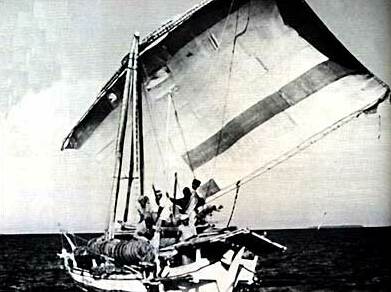
In the early 18th century, Makassar people from Sulawesi voyage to the coasts of Northern Australia marked an unprecedented cultural exchange. Beginning their visits in the Kimberley region before expanding to Arnhem Land, these voyages initiated a significant cross-cultural interaction between Indigenous Australians and the Makassar seafarers.
The Makassar people, known for their expertise in sea navigation and trade, were drawn to the Australian coast for its rich marine resources, particularly trepang, a type of sea cucumber highly prized in Asian markets. This trade brought about mutual benefits, as the Indigenous Australians exchanged trepang for goods such as cloth, tobacco, and metal tools.
The Makassar visits had a lasting impact on the Indigenous communities in the region, introducing new technologies, cultural practices, and food items. The exchange of knowledge and goods facilitated by these interactions contributed to the diversification of both societies.
Despite the initial peaceful trading relationships, conflicts arose as competition increased among European powers in the region. The Makassar voyages to Northern Australia eventually declined as European colonizers established control over the territory, disrupting the longstanding trade networks.
Nevertheless, the legacy of the Makassar people's visits to the coast of Northern Australia remains significant, highlighting a chapter of early intercultural exchange in the region. The blending of Makassar and Indigenous Australian customs and traditions left a mark on the cultural landscape of Northern Australia, enriching the local heritage with external influences.
#CulturalExchange #MakassarVoyages #NorthernAustralia #IndigenousCulture #HistoricTrade #CrossCulturalInteraction
View details1695
Willem de Vlamingh, a Dutch explorer, embarked on a significant voyage to chart the southwestern coast of Australia, ultimately reaching Rottnest Island. The quest to seek out new lands and establish trade routes was a common motive for explorers during this era of global exploration.
Upon landing at Rottnest Island, de Vlamingh encountered unique wildlife, including quokkas, which he mistook for giant rats. This led to the island being named 'Rattennest' before it was later corrected to 'Rottnest.' The accurate mapping of the coast by de Vlamingh proved essential for future navigational purposes and opened up possibilities for further exploration and colonization in the region.
The expedition also had a lasting impact on the indigenous Noongar people of the area, as the arrival of European explorers initiated significant changes in their way of life due to subsequent colonization efforts.
The charting of the southwestern coast of Australia by de Vlamingh provided valuable information for future explorers and traders, contributing to the ongoing discovery and mapping of the Australian continent. It added to the collective knowledge of the world's geography and facilitated the eventual colonization of Australia by European powers.
The historical journey of Willem de Vlamingh stands as a testament to the spirit of exploration that characterized the Age of Discovery, showcasing the curiosity and ambition that drove explorers to venture into the unknown.
#WillemdeVlamingh #Exploration #RottnestIsland #AustralianHistory #AgeofDiscovery #NoongarPeople
View details1688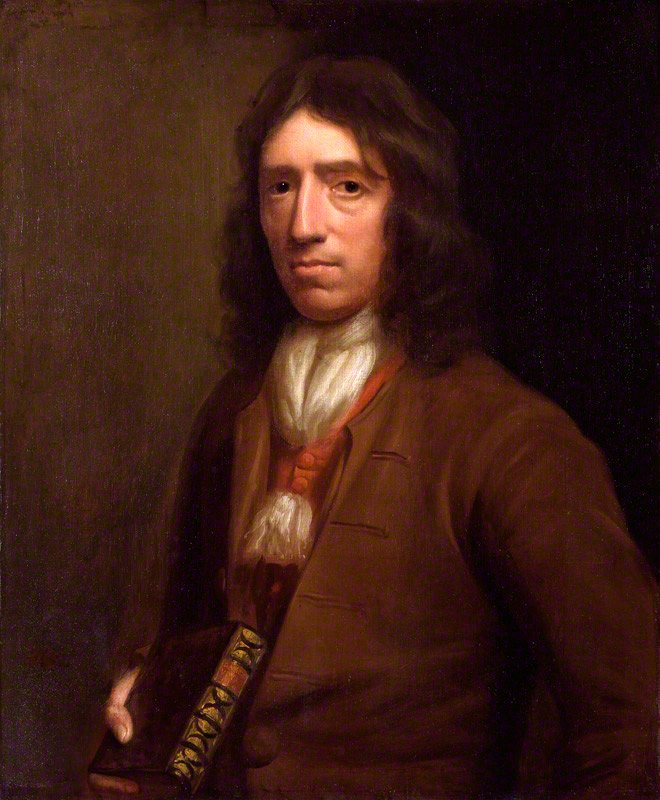
English explorer William Dampier, renowned for his voyages and publications, embarked on an expedition to explore the unknown lands of the west coast of Australia. His journey was a significant milestone in the exploration of the Australian continent. Dampier meticulously documented his observations of the flora, fauna, and the Indigenous peoples he encountered, providing invaluable insights to the world about this distant land.
The west coast of Australia, with its rugged coastline and diverse ecosystems, was a mysterious and uncharted territory at the time of Dampier's exploration. His detailed accounts shed light on the natural riches and the Indigenous cultures that existed in this remote region. Dampier's exploration contributed to a better understanding of Australia's geography and its Indigenous inhabitants.
Dampier's exploration of the west coast of Australia had a lasting impact on the European perception of the continent. His reports sparked further interest and curiosity in the exploration of Australia, ultimately leading to more expeditions to uncover the secrets of this vast land. Dampier's contributions to the exploration of Australia paved the way for future discoveries and laid the foundation for the colonization of the continent by the British.
The exploration of the west coast of Australia by William Dampier marked a turning point in the history of Australian exploration. His detailed observations and travel accounts provided a wealth of information about this unknown land, shaping the way the world viewed Australia. Dampier's expedition remains a significant chapter in the history of Australian exploration, highlighting the bravery and curiosity of early explorers who ventured into the unknown.
#WilliamDampier #AustralianExploration #WestCoastAustralia #ExplorationLegacy
View details