
Australia

The Land Down Under
Related Lives

Libya
Oasis of the Sahara

Ethiopia
Federal Democratic Republic of Ethiopia

Bosnia and Herzegovina
The Land of Golden Lilies

Haiti
The Resilient Spirit of Haiti

Cuba
The Jewel of the Caribbean

Andorra
Hidden Gem of the Pyrenees

Bangladesh
Resilience in Harmony

Turkey
The Land of Singing Trees

2010
During the Australian federal election, the results led to a hung Parliament, with no party securing a clear majority. Julia Gillard of the Australian Labor Party (ALP) narrowly defeated Tony Abbott of the Liberal-National Coalition to become the Prime Minister. This marked a historic moment as Ken Wyatt, a Liberal candidate, became the first Aboriginal member elected to the Australian House of Representatives.
The election saw a close race between Gillard and Abbott, with both parties vying for control. As the votes were tallied, it became evident that neither party had won enough seats to govern outright. This resulted in negotiations and discussions to form a minority government. Eventually, Gillard was able to secure the support of independent and minor party members to form a minority government.
Ken Wyatt's election to the House of Representatives was a significant milestone for Indigenous representation in Australian politics. Wyatt's win highlighted a shift towards greater diversity and inclusion in the Australian political landscape. His victory was celebrated as a step towards better representation of Indigenous voices and perspectives in the decision-making process at the federal level.
Overall, the 2010 Australian federal election was a closely contested and pivotal moment in the country's political history. The hung Parliament and Gillard's narrow victory over Abbott showcased the importance of negotiation and collaboration in Australian politics. Ken Wyatt's landmark win as the first Aboriginal member elected to the House of Representatives represented a significant step towards greater diversity and representation in the Australian government.
#AustralianFederalElection #JuliaGillard #KenWyatt #PoliticalDiversity #IndigenousRepresentation
View detailsIn June, Julia Gillard challenged Kevin Rudd's leadership, resulting in her becoming the first female Prime Minister of Australia. The internal rift within the Labor Party stemmed from a decline in Rudd's popularity due to policy failures and communication issues. Gillard, as Deputy Prime Minister, garnered support from key party members, leading to a swift and unexpected leadership change.
Gillard's appointment marked a historic moment in Australian politics, breaking gender barriers and shifting perceptions of leadership. Her tenure focused on policies such as education reform, a price on carbon emissions, and securing Australia's economy during the global financial crisis. Despite facing criticism and challenges, Gillard's leadership style was characterized by resilience and pragmatism.
The impact of Gillard's leadership extended beyond her gender, with her government implementing significant policy changes during her term. She actively promoted educational initiatives, including the Gonski reforms, aimed at improving the quality of education across the country. Additionally, her introduction of a carbon pricing mechanism signaled a commitment to addressing climate change issues.
Gillard's time as Prime Minister was not without controversy, as she faced political obstacles and leadership challenges. Her government's minority status in Parliament required skilled negotiation with independent and minority party members to pass legislation. The contentious nature of Australian politics during this period underscored the complexities of governing in a diverse political landscape.
The leadership change from Kevin Rudd to Julia Gillard and her subsequent term as Prime Minister left a lasting legacy in Australian political history. The event highlighted the nuances of party politics and leadership dynamics, showcasing the evolving nature of political power and representation in the country.
#JuliaGillard #FirstFemalePM #LaborParty #AustralianPolitics #HistoricLeadership
View details
2009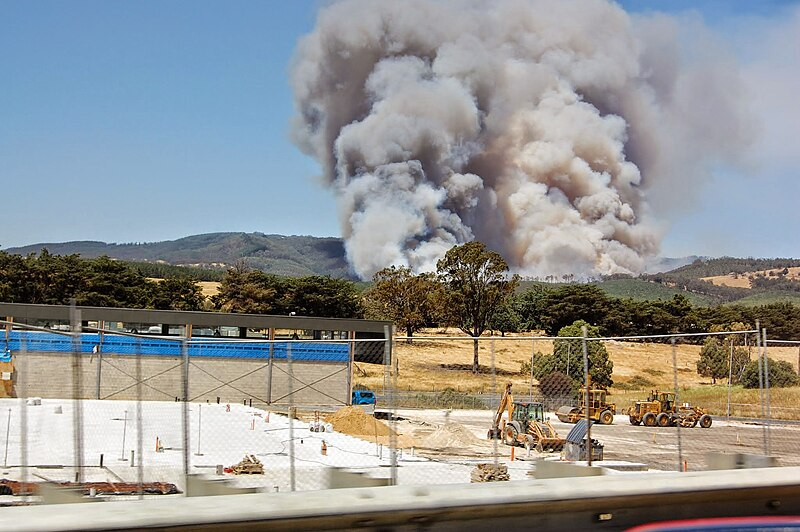
The Black Saturday bushfires in Victoria, Australia, were a devastating natural disaster that claimed the lives of 173 people. The bushfires were fueled by extreme heat, high winds, and a prolonged drought, creating perfect conditions for the fires to spread rapidly across the state.
The impact of the bushfires was widespread, with thousands of homes destroyed, and an estimated one million acres of land burned. Communities were left devastated, with many residents losing their loved ones, homes, and livelihoods. The fires also had a significant impact on the environment, destroying wildlife habitats and causing long-term environmental damage.
Emergency services worked tirelessly to contain the fires and evacuate residents from affected areas. The sheer scale and intensity of the fires made it one of the most challenging firefighting efforts in Australian history. The bravery and dedication of firefighters and volunteers were instrumental in saving countless lives and properties.
In the aftermath of the Black Saturday bushfires, the Australian government launched inquiries to investigate the causes of the fires and the response to the disaster. These inquiries led to recommendations for improved bushfire management strategies, better early warning systems, and enhanced emergency response coordination.
The Black Saturday bushfires were a tragic event that had a lasting impact on the communities of Victoria and the nation as a whole. The resilience and solidarity shown by Australians in the face of such a devastating disaster were a testament to the strength of the human spirit in times of adversity.
#BlackSaturday #Bushfires #Victoria #Disaster #Australia #Resilience
View details2008
Quentin Bryce assumed office as the first female Governor-General of Australia in 2008. A highly esteemed figure in Australian law and academia, Bryce held various prominent positions leading up to her appointment as Governor-General.
Her selection marked a significant step forward in gender equality and recognition of women's capabilities in leadership roles in Australia. Bryce's tenure as Governor-General was characterized by her dedication to promoting social inclusion, protecting human rights, and fostering national unity.
During her time in office, Bryce presided over various ceremonial duties and engagements, representing Australia both domestically and internationally. She used her platform to advocate for important social causes, including indigenous rights, mental health awareness, and gender equality.
Bryce's historic appointment inspired future generations of women to aspire to leadership roles and make their mark in traditionally male-dominated fields. She paved the way for greater diversity and inclusivity in Australian politics and public service.
The legacy of Quentin Bryce's term as Governor-General continues to resonate in Australian society, underscoring the importance of breaking barriers and challenging stereotypes. Her impact as the first female Governor-General serves as a reminder of the progress made towards gender equality and the ongoing work needed to achieve full representation and recognition for women in positions of leadership.
#QuentinBryce #GovernorGeneral #GenderEquality #Leadership #Australia
View detailsThe city of Sydney in Australia hosted the Catholic World Youth Day, an event that brought together thousands of young Catholics from around the world. The week-long event included religious ceremonies, workshops, and a visit from Pope Benedict XVI.
The Catholic World Youth Day aimed to provide an opportunity for young Catholics to deepen their faith, share their beliefs, and connect with others who share similar values. It also allowed participants to engage in discussions about important social issues and learn about the teachings of the Catholic Church.
The impact of the event was significant, as it brought together people from diverse backgrounds and cultures, fostering a sense of unity and community among participants. The visit of Pope Benedict XVI was a highlight of the event, as he delivered speeches and celebrated mass, inspiring attendees with his words of wisdom and faith.
The event also had a positive impact on the city of Sydney, boosting tourism and showcasing the city as a welcoming and inclusive destination. It provided an economic boost to local businesses and highlighted Australia's multiculturalism and religious diversity on a global stage.
Overall, the Catholic World Youth Day in Sydney was a milestone event that brought together young Catholics from around the world to celebrate their faith, engage in meaningful discussions, and build connections that would last a lifetime.
#CatholicWorldYouthDay #Sydney #Unity #Faith #Community
View details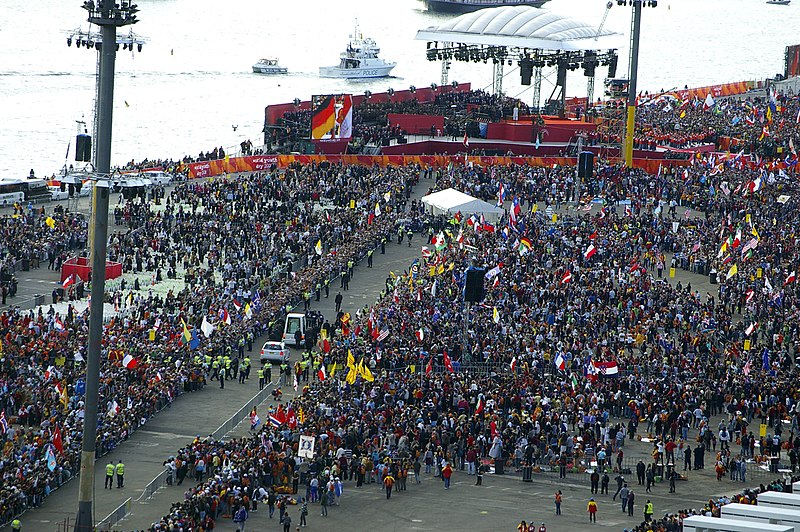
Adelaide experienced its longest heatwave on record, lasting for seven consecutive days. The heatwave was marked by extreme temperatures soaring above 40 degrees Celsius, affecting the city and its residents. The event was significant as the high temperatures posed health risks, with an increase in heat-related illnesses reported during this period.
Emergency services were on high alert due to the elevated risk of bushfires during the prolonged heatwave. The intense heat also resulted in strains on the power grid as residents cranked up their air conditioning units to seek relief from the scorching temperatures.
The impact of the heatwave extended beyond health and safety concerns. The extreme heat took a toll on agriculture, with farmers experiencing crop damage and livestock stress. The city's infrastructure was also strained, with reports of roads buckling under the intense heat.
The government urged residents to stay indoors, stay hydrated, and check on vulnerable members of the community. Public cooling centers were set up to provide relief for those without access to air conditioning. The heatwave served as a reminder of the growing impact of climate change, with experts warning that extreme weather events like this could become more frequent in the future.
This record-breaking heatwave in Adelaide highlighted the importance of preparedness and resilience in the face of extreme weather conditions. It underscored the need for climate action to mitigate the impact of rising temperatures on communities, infrastructure, and livelihoods.
#Adelaide #Heatwave #ClimateChange #ExtremeWeather #Resilience
View detailsParliament witnessed a historic event when former Prime Minister Kevin Rudd spearheaded a landmark apology to the Stolen Generations. The Stolen Generations refer to indigenous Australian children forcibly removed from their families between 1905 and 1967. The Government's assimilation policies aimed to 'Europeanize' these children. The apology aimed to acknowledge the trauma and pain inflicted on these individuals and their families.
Rudd's apology marked a shift in the Government's stance on Australia's history of mistreating indigenous peoples. By leading the bi-partisan Parliament in this formal apology, Rudd symbolized a united front in recognizing and addressing past injustices. The apology was a pivotal moment in the reconciliation journey between the Government and indigenous communities, fostering healing and understanding.
The impact of the apology extended beyond symbolic gestures. It led to the establishment of the 'Closing the Gap' initiative, aimed at addressing the disparity in life expectancy and opportunities between indigenous and non-indigenous Australians. The apology set the stage for further conversations on truth-telling, reparations, and reconciliation, shaping Australia's future policies towards indigenous peoples.
The event highlighted the importance of acknowledging historical wrongs and working towards reconciliation. It emphasized the need for continued efforts to address the legacy of colonization and its impact on indigenous communities. The formal apology served as a critical step in the ongoing journey towards healing and justice for the Stolen Generations and all indigenous Australians.
#StolenGenerations #Reconciliation #AustralianHistory #IndigenousRights
View details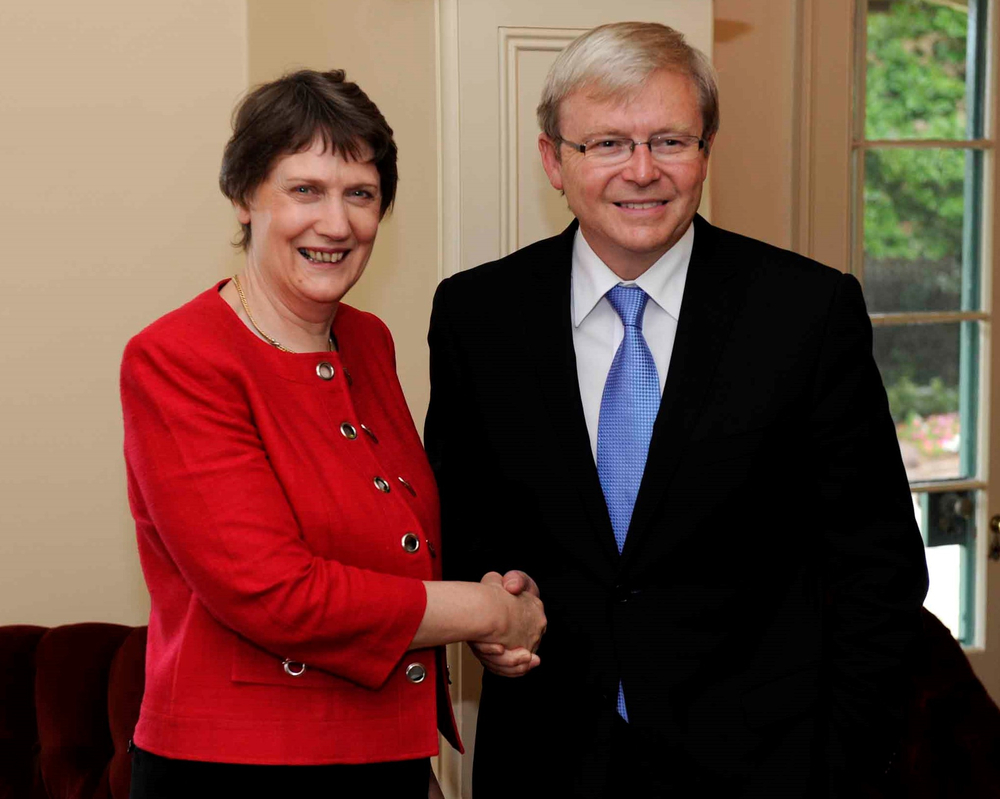
Actor Heath Ledger passed away from an accidental prescription drug intoxication at the age of 28. Ledger, an Australian native, had garnered critical acclaim for his roles in various films and was considered a rising star in Hollywood.
The news of Ledger's sudden death shocked the entertainment industry and his fans worldwide. It highlighted the dangers of prescription drug misuse and brought attention to the issue of substance abuse among celebrities. The impact of his death was felt not only in the film community but also among the general public, as many admired Ledger for his talent and charismatic on-screen presence.
Ledger's tragic death served as a reminder of the importance of mental health awareness and the risks associated with mixing medications. It sparked discussions about the pressures of fame and the need for support systems for individuals in high-stress environments. Many mourned the loss of a talented actor whose potential was cut short, and his passing left a void in the film industry that would be difficult to fill.
The legacy of Heath Ledger lives on through his memorable performances and the impact he had on those who admired his work. His passing serves as a cautionary tale about the consequences of substance abuse and the importance of seeking help when needed. Ledger's death may have been a sobering moment, but it also sparked conversations about mental health and the need for greater support for those struggling with addiction.
#HeathLedger #PrescriptionDrugIntoxication #MentalHealthAwareness #SubstanceAbuse #HollywoodLoss
View details
2007
In 2007, Kevin Rudd from the Australian Labor Party emerged victorious in the Australian federal election, unseating John Howard of the Liberal-National Coalition to become the 26th Prime Minister of Australia. Rudd's win ended Howard's nearly 12-year tenure as Prime Minister. Rudd's campaign focused on issues like climate change, education, and healthcare, presenting himself as a fresh alternative to the long-standing Howard government.
Rudd's victory marked a significant shift in Australian politics, as the Labor Party regained power after more than a decade in the opposition. His election also signaled a changing political landscape in Australia, with voters seeking new leadership and policies different from those of the Howard era.
As Prime Minister, Rudd implemented various initiatives, including the apology to the Indigenous Australians for past injustices, ratifying the Kyoto Protocol on climate change, and introducing the National Broadband Network. However, his time in office was not without challenges, facing issues such as the global financial crisis and internal party tensions.
The 2007 election outcome had a lasting impact on Australian politics, shaping policies and political discourse for years to come. Rudd's leadership style and policy decisions influenced the direction of the country, leaving a mark on issues like environmental protection, social welfare, and foreign relations.
Overall, Kevin Rudd's victory in the 2007 Australian federal election was a watershed moment in Australian politics, marking a transition in leadership and priorities for the nation. His tenure as Prime Minister brought about significant changes and set the stage for future developments in Australian governance.
#KevinRudd #JohnHoward #AustralianPolitics #LeadershipTransition #PolicyChanges
View details2006
Renowned motor racing driver Peter Brock passed away at the age of 61. Brock, also known as 'Peter Perfect,' was a legend in the Australian motorsport world. With nine victories at the Bathurst 1000, he was a dominant force in touring car racing.
His career spanned four decades, during which he achieved numerous successes and became a beloved figure among racing fans. Brock's skill behind the wheel and charismatic personality made him a household name in Australia and beyond.
His sudden death shocked the racing community and fans alike, leaving a void in the sport. Many tributes poured in, honoring his contributions to motorsport and his larger-than-life presence both on and off the track.
Brock's legacy continues to inspire a new generation of drivers, with his passion and dedication serving as a benchmark for excellence in motorsport. His impact on Australian racing will always be remembered, as he remains an iconic figure in the country's sporting history.
#PeterBrock #AustralianMotorsport #Legend
View detailsWildlife conservationist and television personality Steve Irwin, known as the 'Crocodile Hunter', passed away at the age of 44. Irwin gained international fame for his adventurous spirit and passion for wildlife conservation. His popular TV show showcased his fearless interactions with some of the world's most dangerous animals, bringing attention to the importance of protecting endangered species.
Irwin's love for animals began at a young age when his family founded the Queensland Reptile and Fauna Park. He inherited his father's passion for wildlife and later turned his focus to conservation efforts. Irwin's energetic personality and hands-on approach made him a beloved figure in the environmental community.
His sudden death shocked fans around the world. Irwin was filming a documentary in Australia when he was fatally pierced in the chest by a stingray's barb. The tragic accident occurred during a diving expedition on the Great Barrier Reef, where Irwin was known for his dedication to preserving marine ecosystems.
Irwin's legacy lives on through his family's continued work at Australia Zoo and the Steve Irwin Conservation Foundation. His impact on wildlife conservation and education is immeasurable, inspiring future generations to protect the natural world.
#SteveIrwin #CrocodileHunter #WildlifeConservation #AnimalAdvocate #EnvironmentalLegacy #AustraliaZoo #GreatBarrierReef
View details
Australia's decision to deploy its forces once again to East Timor stemmed from escalating violence and political instability in the country. The unrest followed the dismissal of numerous soldiers from the East Timorese Defense Force, leading to factional fighting and turmoil. With the government struggling to contain the situation, Australia responded to a request for assistance.
The deployment aimed to stabilize East Timor, restore peace, and support the local authorities. Australian troops, along with forces from other countries, focused on maintaining security, facilitating humanitarian aid, and assisting in the disarmament of rival groups. Their presence helped to quell violence, protect civilians, and create a safer environment for the population.
The Australian intervention had a significant impact on the situation in East Timor. By providing security and support, they helped to prevent further escalation of conflict and enabled humanitarian organizations to deliver much-needed aid to those affected by the crisis. The presence of international forces also bolstered the capacity of local authorities to address the root causes of the instability and work towards a sustainable peace.
The deployment of Australian forces to East Timor underscored the country's commitment to regional stability and security. By taking decisive action in response to a complex crisis, Australia demonstrated its willingness to engage in peacekeeping efforts and support nations in times of need.
#Australia #EastTimor #Peacekeeping #RegionalStability
View details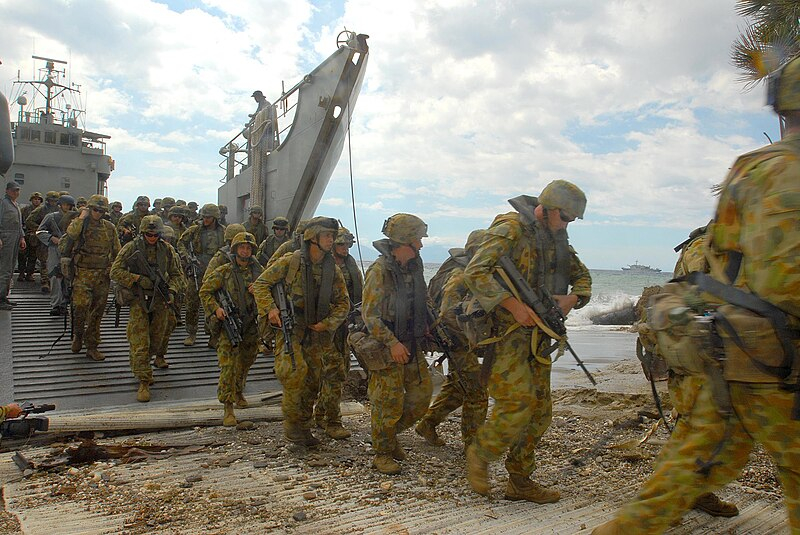
The Commonwealth Games took place in Melbourne, Australia, showcasing athletic talent from nations across the Commonwealth. This multi-sport event kicked off with an impressive opening ceremony, setting the stage for days of fierce competition in various sports such as athletics, swimming, cycling, and gymnastics.
Melbourne, known for its vibrant sports culture, was the perfect host city for the event. The Games not only provided a platform for athletes to compete at a high level but also promoted unity and friendly competition among Commonwealth nations. Spectators filled the stadiums, cheering on their favorite athletes and witnessing record-breaking performances.
The impact of the Commonwealth Games in Melbourne extended beyond sports, with the city experiencing an influx of visitors and a boost to its economy. The Games also left a lasting legacy by improving infrastructure and sports facilities in the city, benefiting both elite athletes and the local community.
Overall, the Commonwealth Games in Melbourne were a memorable event that brought people together, celebrated athletic excellence, and left a positive mark on the host city. The spirit of sportsmanship and camaraderie prevailed throughout the games, making it a truly memorable experience for participants and spectators alike.
#CommonwealthGames #Melbourne #AthleticExcellence #Unity #Sportsmanship
View details
2005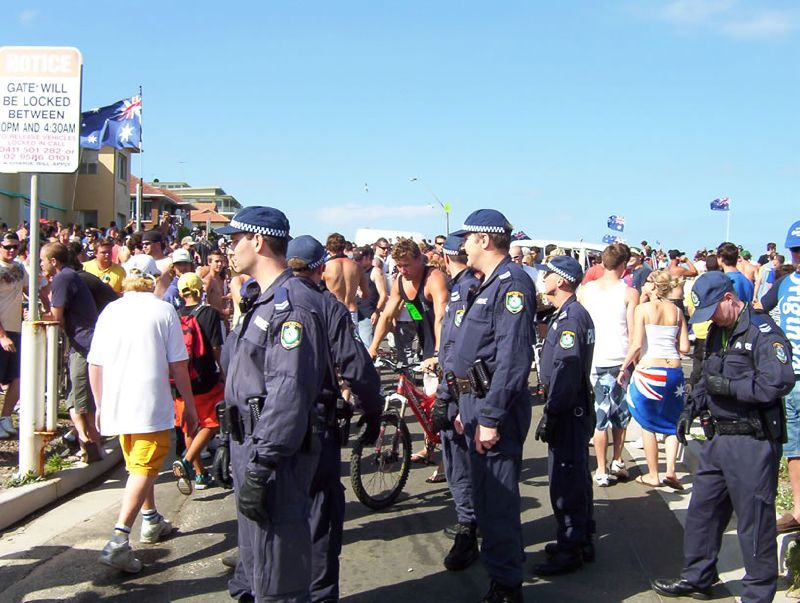
The Sydney beachside suburb of Cronulla experienced a protest following allegations of a beach lifeguard being assaulted, which escalated into a riot fueled by alcohol and racial tensions. The incident sparked by the alleged assault quickly turned into a violent confrontation, with a large group of people gathering at the Cronulla beach. As the day progressed, the situation intensified, leading to clashes between the protesters and members of the local community, resulting in widespread disorder and destruction.
The riot in Cronulla attracted significant media attention both nationally and internationally, highlighting the underlying racial tensions and social issues within the community. The incident prompted discussions about cultural diversity, intolerance, and the prevalence of racism in Australian society. The authorities struggled to contain the escalating violence, eventually bringing in additional police reinforcements to restore order and disperse the crowds.
The aftermath of the riot saw numerous arrests, injuries, and property damage in Cronulla and the surrounding areas. The incident left a lasting impact on the local community, polarizing opinions and sparking debates about the root causes of such violence. The events that unfolded in Cronulla served as a wake-up call for many, exposing deep-seated prejudices and highlighting the need for greater social cohesion and understanding among diverse groups.
#CronullaRiot #CulturalTensions #SocialUnrest #CommunityDivision
View details2004
In the 2004 Australian federal election, the Howard government secured their fourth consecutive term by defeating the Australian Labor Party led by Mark Latham. The Liberal-National Coalition, under the leadership of Prime Minister John Howard, retained power in a closely fought election.
The Howard government campaigned on a platform of economic stability, national security, and conservative values. Their policies resonated with the Australian electorate, who rewarded them with another term in office. On the other hand, the Australian Labor Party, led by Mark Latham, focused on issues such as healthcare, education, and the environment, but ultimately failed to convince enough voters to switch allegiances.
The outcome of the election had significant implications for the country's direction over the next few years. The Howard government's victory ensured continuity in economic policies, foreign relations, and social reforms. It also solidified John Howard's position as one of Australia's longest-serving Prime Ministers, having already been in office since 1996.
The defeat of the Australian Labor Party in the 2004 election led to a period of reflection and re-evaluation within the party. It prompted discussions about leadership, strategy, and policy direction moving forward. The Liberal-National Coalition's victory signaled a reaffirmation of conservative values and priorities in Australian politics.
Overall, the 2004 Australian federal election was a closely contested battle between the Howard government and the Australian Labor Party, culminating in a fourth consecutive term for the former. The outcome of the election had far-reaching implications for the country's political landscape and set the stage for continued debates and developments in the years to come.
#AustralianPolitics #ElectionOutcome #HowardGovernment
View detailsAn explosion rocked the area outside the Australian embassy in Jakarta, Indonesia. The bombing was carried out by a suicide bomber driving a vehicle laden with explosives. It caused extensive damage to the embassy building and nearby structures, resulting in multiple casualties and injuries, with both Indonesians and Australians among the victims.
The attack was believed to be orchestrated by Jemaah Islamiyah, a Southeast Asian extremist group with ties to Al-Qaeda, aiming to target Western interests in the region. This incident marked a significant escalation in terrorist activities in Indonesia, posing a threat to diplomatic relations and international security.
In response to the bombing, Australian and Indonesian authorities collaborated closely to investigate the perpetrators and prevent future attacks. Security measures were heightened around Australian embassies worldwide, emphasizing the need for enhanced counterterrorism efforts and intelligence sharing among nations.
The bombing at the Australian embassy in Jakarta served as a stark reminder of the persistent threat of terrorism faced by countries in the Asia-Pacific region. It underscored the importance of global cooperation in combatting extremism and protecting diplomatic missions from such violent acts.
The aftermath of the attack prompted Australia to reassess its security protocols and diplomatic presence in high-risk areas. The resilience shown by both countries in the face of terrorism illustrated their shared commitment to upholding peace and stability in the region.
#Australia #Jakarta #Terrorism #Diplomacy #Security #InternationalRelations
View details
2003
Australia had the honor of hosting the Rugby World Cup, a prestigious event bringing together nations passionate about the sport. The home team, Australia, showcased exceptional skill and determination throughout the tournament, advancing to the final match to face off against England.
In a thrilling final showdown, Australia and England battled fiercely, with both teams displaying remarkable athleticism and sportsmanship. The game drew intense excitement from fans worldwide as the two powerhouses of rugby clashed on the field.
Despite Australia's valiant efforts, it was England who emerged victorious, claiming the Rugby World Cup title. The home team's defeat in the final was a tough outcome, yet it highlighted the competitive spirit and level of play seen throughout the tournament.
The event resonated with fans globally, showcasing the beauty and intensity of rugby at its highest level. The passion and dedication of the players, as well as the unwavering support of spectators, made the Rugby World Cup a memorable and impactful event.
In the end, the Rugby World Cup hosted by Australia left a lasting legacy, underscoring the country's commitment to the sport and its ability to welcome teams from around the world. The tournament not only celebrated the thrill of rugby competition but also brought nations together in the spirit of sportsmanship and camaraderie.
#RugbyWorldCup #Australia #England #HomeTeamDefeat #IntenseCompetition #GlobalImpact #SportingLegacy
View detailsCountry music singer and musician Slim Dusty passed away at the age of 76. He was a renowned figure in the Australian music scene for over six decades. Dusty, born in Kempsey, New South Wales, started his career at a young age and went on to release over 100 albums, earning him a place in the Australian Recording Industry Association Hall of Fame.
Dusty was known for his distinctive Australian bush ballads and storytelling in his songs, which resonated with audiences across the country. His music often reflected the lifestyle and traditions of rural Australia, making him a beloved icon in the country music genre.
His impact on Australian music was significant, influencing generations of musicians and earning him numerous awards throughout his career. Dusty's songs captured the essence of the Australian outback, touching the hearts of many and solidifying his place as a cultural legend.
His legacy lives on through his music, which continues to inspire and entertain audiences to this day. His contribution to Australian country music is immeasurable, leaving a lasting imprint on the industry that will not be forgotten.
#SlimDusty #CountryMusic #AustralianLegend
View details
In response to serial non-compliance with the 1991 Gulf War Peace Treaty by the Saddam Hussein regime in Iraq, the Australian military was deployed to participate in the coalition-led operation to oust the regime in 2003. The decision to participate in the military intervention was based on the belief that Saddam Hussein's possession of weapons of mass destruction posed a threat to regional and global security.
The Australian forces joined troops from several other countries in a campaign that aimed to remove Saddam Hussein from power and dismantle his regime. The operation involved air strikes, ground assaults, and the eventual capture of the Iraqi capital, Baghdad. The coalition forces faced resistance from elements loyal to Saddam Hussein, resulting in a protracted conflict with significant loss of life on both sides.
The ousting of the Saddam Hussein regime had widespread implications for the future of Iraq and the broader Middle East region. The power vacuum created by his removal led to a period of instability and sectarian violence, exacerbating existing tensions within Iraqi society. The aftermath of the intervention saw the emergence of insurgency groups and the rise of extremism, further complicating efforts to stabilize the country.
Despite the stated goal of eliminating weapons of mass destruction, none were ultimately found in Iraq, leading to international scrutiny and criticism of the decision to intervene. The conflict also strained diplomatic relations between the coalition countries and sparked debates about the legality and legitimacy of the military action.
The deployment of the Australian military to Iraq as part of the coalition effort to oust the Saddam Hussein regime for non-compliance with the 1991 Gulf War Peace Treaty underscored the country's commitment to upholding international peace and security. The event highlighted the complexities and consequences of military interventions in volatile regions, shaping the geopolitical landscape of the Middle East in the years that followed.
#IraqWar #AustralianMilitary #SaddamHussein #CoalitionForces #WeaponsOfMassDestruction #InternationalPeace #MilitaryIntervention
View details
2002
The 2002 Bali bombings shocked the world, especially Australia, as 88 Australians were among the 202 individuals who lost their lives in the deadliest act of terrorism in Indonesia's history. The attacks took place at a popular nightclub in Bali, a known tourist destination. It was carried out by a terrorist group with links to al-Qaeda, aiming to target Westerners and create widespread fear and chaos.
The impact of the bombings was devastating, with families from various countries mourning the loss of their loved ones. Australia, in particular, mourned the significant number of its citizens who perished in the attack. The Australian government condemned the act of terrorism and worked tirelessly to support the affected families and bring the perpetrators to justice.
In response to the bombings, both Indonesia and Australia strengthened their counter-terrorism efforts and collaborated closely to prevent future attacks. The tragic event served as a wake-up call for improved security measures in the region and greater international cooperation to combat terrorism.
The 2002 Bali bombings will always be remembered as a dark moment in history that claimed the lives of many innocent people. It highlighted the global threat of terrorism and the need for unity and resilience in the face of such atrocities. The memory of the victims continues to be honored, and efforts to promote peace and security persist in their legacy.
#BaliBombings #Terrorism #AustraliaIndonesiaSolidarity
View details2001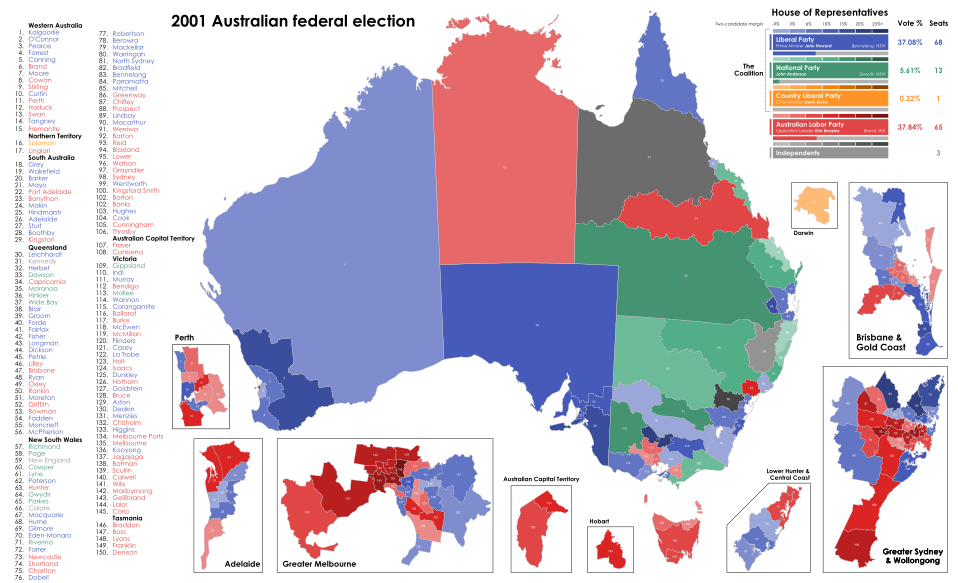
In 2001, the Australian federal election saw John Howard successfully securing a fourth term as Prime Minister. Howard's Liberal-National Coalition managed to maintain power against the opposition led by Kim Beazley of the Australian Labor Party.
The election campaign was largely focused on issues such as the economy, national security, and immigration. Howard's government had received praise for its handling of the economy, particularly in the face of global economic uncertainty. Additionally, Howard's tough stance on border protection, including the implementation of strict immigration policies like the 'Pacific Solution,' resonated with many voters.
The 2001 election marked a significant moment in Australian political history as it solidified Howard's position as one of the country's longest-serving Prime Ministers. His leadership style, which emphasized traditional values and strong national security, struck a chord with a substantial portion of the Australian electorate.
The impact of Howard's reelection reverberated beyond Australia's borders, as he was known for his close ties with the United States and unwavering support for the War on Terror. His alliance with then-US President George W. Bush during the aftermath of the September 11 attacks further cemented Australia's involvement in international affairs.
Howard's victory in 2001 showcased the electorate's confidence in his ability to navigate Australia through turbulent times and steer the country towards continued prosperity and security. His policies on economic management and national security remained at the forefront of his government's agenda, shaping the country's direction for years to come.
#JohnHoward #AustralianPolitics #Election2001 #NationalSecurity #EconomicManagement
View detailsA Norwegian ship rescued a boat carrying asylum seekers near Christmas Island, triggering what would become known as the Tampa affair in Australia. The vessel was carrying over 400 people fleeing their homelands in search of safety and better opportunities.
The Australian government, under Prime Minister John Howard, refused to allow the asylum seekers to enter Australian waters, citing border protection policies. A standoff ensued as the ship was denied access to Australian territory. The Australian government's actions sparked debate both domestically and internationally regarding immigration policies and humanitarian obligations.
The incident led to a diplomatic crisis, with Australia facing criticism for its hardline approach to immigration. The country's stance on asylum seekers and border control came under scrutiny, prompting discussions on the treatment of refugees and Australia's obligations under international law.
Ultimately, the asylum seekers were taken to the Pacific island of Nauru while the political fallout continued. The Tampa affair highlighted the complexities of immigration issues and the challenges faced by countries in managing asylum seeker arrivals.
The event underscored the need for compassionate and pragmatic solutions to refugee crises, emphasizing the importance of international cooperation and respect for human rights.
#Australia #TampaAffair #AsylumSeekers #Immigration #HumanRights #BorderControl
View detailsFollowing the terror attacks on the United States, Australia deployed its forces to join the international coalition led by NATO to topple the Taliban regime in Afghanistan for harboring and supporting Al-Qaeda, the terrorist group responsible for the attacks. The Australian Defence Force (ADF) arrived in Afghanistan as part of Operation Enduring Freedom, contributing troops, special forces, naval assets, and air support.
The mission aimed to remove the Taliban from power and dismantle Al-Qaeda's terrorist network. Australian forces, including Special Air Service (SAS) soldiers, played a crucial role in conducting counterterrorism operations, disrupting enemy forces, and training Afghan security forces. They operated in challenging terrains, facing threats from insurgent groups while working to stabilize the region.
Australia's involvement in the war against the Taliban and Al-Qaeda had a significant impact on the broader international efforts to combat terrorism and promote regional stability. The ADF's participation demonstrated Australia's commitment to its allies and the global fight against extremism. The mission also underscored the challenges and complexities of modern warfare in the context of unconventional threats and asymmetric warfare.
The deployment of Australian forces to Afghanistan marked a pivotal moment in Australia's military history, highlighting its willingness to contribute to multinational operations in support of international security objectives. The experiences gained from the mission would later influence Australia's defense policies and military capabilities.
#Australia #WarOnTerror #ADF #Taliban #AlQaeda #OperationEnduringFreedom #Counterterrorism #GlobalSecurity
View details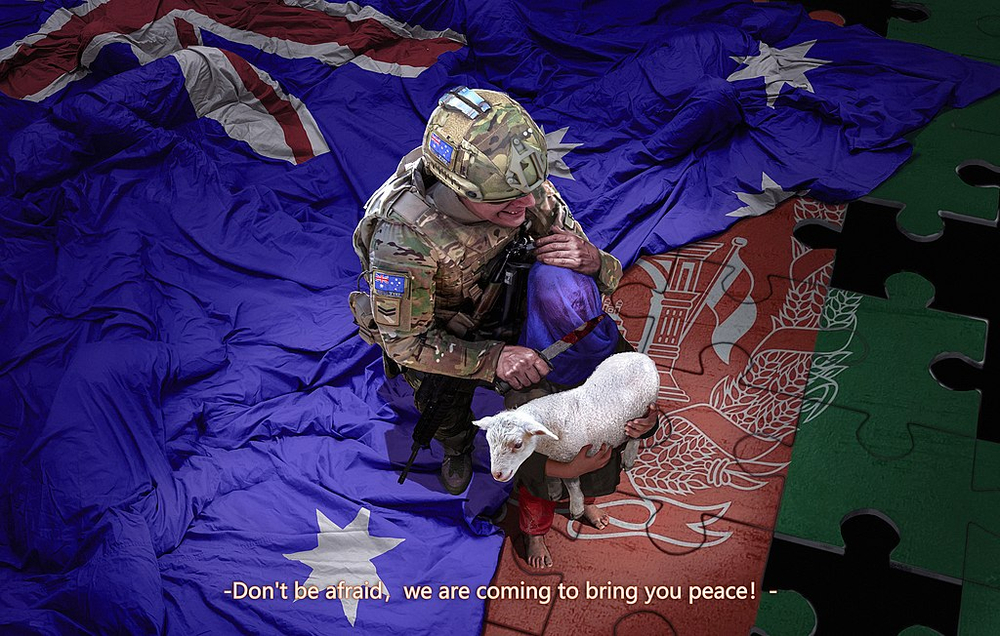
Donald Bradman, the iconic Australian cricketer, passed away at the age of 92 in Kensington Park, Adelaide, South Australia. Bradman, often regarded as the greatest batsman in the history of cricket, left behind a lasting legacy on the sport and the nation.
Born in New South Wales in 1908, Bradman rose to fame in the 1920s and 1930s with his exceptional batting skills. Throughout his career, he set numerous records and achieved an unparalleled batting average of 99.94, a feat that remains unmatched to this day. Bradman's remarkable talent and sportsmanship earned him the admiration of cricket enthusiasts worldwide.
Following his retirement from professional cricket, Bradman continued to be involved in the sport through coaching and administration. He received several accolades and honors, including a knighthood for his contributions to cricket and the community.
Bradman's passing deeply impacted the cricketing community and all those who admired his skill and character. Tributes poured in from across the globe, celebrating his extraordinary career and the indelible mark he left on the sport. His legacy endures through the Bradman Museum in Bowral, dedicated to preserving the history of Australian cricket and honoring his memory.
#DonaldBradman #CricketLegend #AustralianIcon #Legacy #Adelaide #KensingtonPark #BradmanMuseum #CricketHistory
View details
Australia came together to mark the centenary of federation. After years of discussions and debates, the six colonies united to form the Commonwealth of Australia. The event aimed to honor this significant milestone in the country's history.
The celebration involved various activities, including parades, exhibitions, and performances across the nation. Citizens were encouraged to reflect on the journey towards unity and the values that bind them as Australians. The event showcased the diverse culture, history, and achievements of the country.
The centenary of federation was a time for Australians to come together in unity and pride, acknowledging the progress made since the formation of the nation. It served as a reminder of the importance of democracy, freedom, and equality.
The impact of the celebration was felt nationwide as people from all walks of life participated in festivities. It fostered a sense of national identity and belonging among Australians. The event also highlighted the country's achievements in areas such as governance, economy, and social development.
The centenary of federation was a momentous occasion that celebrated Australia's unity and progress over the years. It encouraged citizens to look towards a shared future built on the foundation of the past.
#Australia #FederationCentenary #NationalUnity #HistoricalMilestone
View details2000
The 27th Summer Olympic Games took place in Sydney, Australia, bringing together athletes from around the world to compete in various sports. The event was the culmination of years of preparation and anticipation by the Australian organizers, with a total of 10,651 athletes from 199 countries participating in 300 events across 28 sports.
The Sydney Olympics left a lasting impact on the city, showcasing Australia's ability to host a major international sporting event. The impressive infrastructure built for the games, including the iconic Sydney Olympic Park, continues to be used for sporting and cultural events. The games also boosted tourism and national pride, leaving a positive legacy for the country.
One of the most memorable moments of the Sydney Olympics was Cathy Freeman's victory in the 400 meters race. The Aboriginal Australian athlete's win in front of a home crowd symbolized unity and reconciliation in a country marked by a history of Indigenous discrimination.
Overall, the 27th Summer Olympic Games in Sydney were a success, with record-breaking performances, memorable moments, and a positive legacy for Australia and the global sporting community.
#SydneyOlympics #Australia #AthletesUnite #LegacyBuilt #CathyFreeman
View detailsThe Howard government introduced a Goods and Services Tax (GST) as part of a significant economic reform. The GST aimed to simplify the tax system and broaden the government's revenue base. Under the new system, businesses were required to add a 10% tax to most goods and services sold in Australia.
The implementation of the GST was met with mixed reactions from the public. While some believed it would lead to a fairer taxation system, others were concerned about the potential impact on the cost of living. The government assured that compensation measures, such as income tax cuts and welfare increases, would offset any price rises resulting from the GST.
Despite initial resistance and uncertainty, the GST was eventually accepted as part of Australia's tax landscape. It has since become a significant revenue source for the government, contributing billions of dollars annually to fund essential services and infrastructure projects.
The introduction of the GST marked a significant shift in Australia's tax policy, modernizing and simplifying the system to better align with global standards. It remains a contentious issue among policymakers and economists, with ongoing debates about its effectiveness and fairness.
#GST #HowardGovernment #TaxReform #AustraliaEconomy
View details1999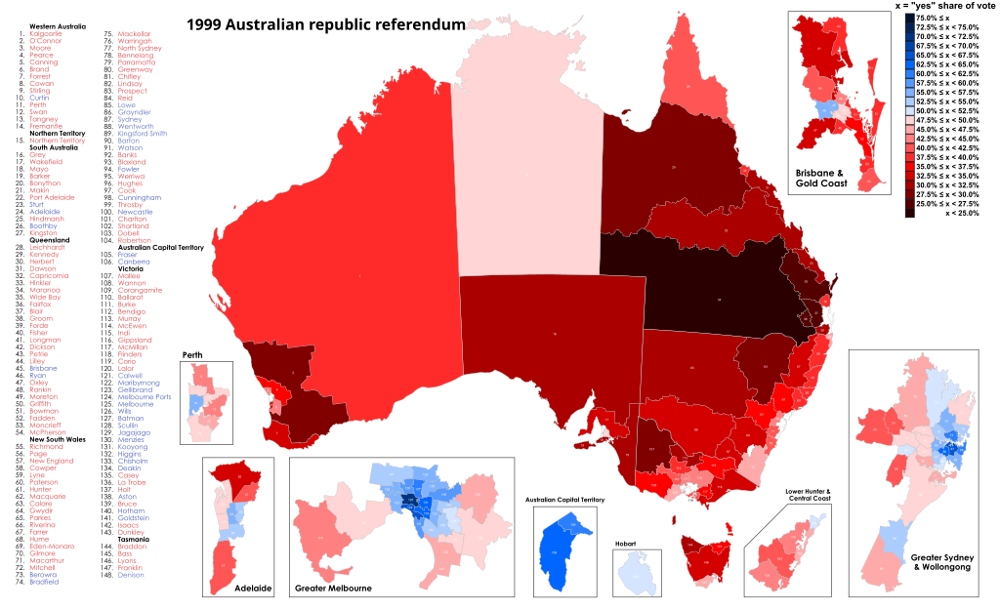
In the referendum held on changing Australia to a republic, the proposal was ultimately unsuccessful. The referendum aimed to replace the British monarch with a President chosen by the Parliament, severing ties with the British Crown. The campaign for the change faced challenges, with divisions arising over the selection process for the President.
Although many Australians supported becoming a republic, the difficulty lay in reaching a consensus on the specific model to adopt. Those in favor of retaining the monarchy believed that the proposed changes were unnecessary and could potentially jeopardize Australia's stability. The complexity of the issue led to confusion among voters and hindered the success of the referendum.
The outcome of the referendum had a significant impact on Australia's political landscape. It highlighted the deep-rooted attachment to the monarchy within a portion of the population, as well as the challenges of navigating constitutional change. The result underscored the need for careful consideration and widespread agreement in proposing constitutional reforms.
The unsuccessful referendum served as a pivotal moment in Australia's history, demonstrating the complexities of constitutional change and the enduring influence of historical ties. It sparked discussions on the future direction of the country and the role of the monarchy in Australian society.
#Australia #Republic #Referendum #Monarchy #ConstitutionalChange
View detailsAmidst escalating violence in East Timor following a vote for independence, the Howard government made the decision to deploy Australian forces to lead the INTERFET mission. The mission aimed to restore peace and stability in the region.
East Timor had long been subjected to Indonesian occupation, leading to a referendum for independence. However, pro-Indonesian militia groups launched a campaign of terror and violence against those in support of independence. In response, the Australian government took the lead in assembling an international coalition to intervene in East Timor.
Under the leadership of Australian General Peter Cosgrove, the INTERFET forces landed in East Timor to establish control and provide humanitarian aid. The intervention was met with relief by the East Timorese population, who had been living in fear and uncertainty. With the presence of international forces, calm was gradually restored, allowing for the delivery of much-needed assistance to the affected civilians.
The deployment of Australian forces to East Timor marked a significant moment in Australia's foreign policy, showcasing its commitment to upholding human rights and promoting peace in the region. The successful mission not only prevented further bloodshed but also paved the way for East Timor to eventually achieve independence and establish itself as a sovereign nation.
The intervention in East Timor highlighted the importance of international cooperation in addressing conflicts and crises, underscoring the need for swift and decisive action to protect vulnerable populations. #AustralianForces #INTERFETMission #EastTimorConflict #HumanitarianIntervention
View details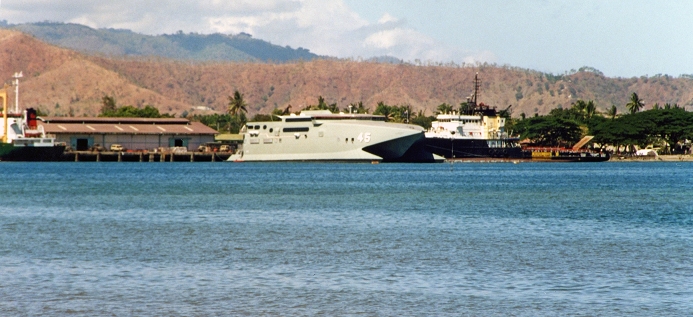
Both houses of the federal parliament passed a Motion of Reconciliation, acknowledging and expressing regret for the historical mistreatment of indigenous Australians. This event came after years of activism and calls for the government to address the injustices suffered by the Aboriginal and Torres Strait Islander peoples.
The motion was a symbolic step towards healing the wounds caused by colonization, forced removal of children, and discrimination against indigenous communities. It was a recognition of the need to reconcile with the past and work towards building a more inclusive and equitable future for all Australians. This gesture aimed to promote understanding, respect, and equality for indigenous Australians within the broader society.
The impact of this event was significant as it marked a milestone in the country's journey towards reconciliation. It fostered conversations about the shared history of Australia and encouraged a national dialogue on how to address the ongoing challenges faced by indigenous communities. The motion also served as a catalyst for further government initiatives and policies aimed at closing the gap in health, education, and socio-economic outcomes between indigenous and non-indigenous Australians.
Overall, the passing of the Motion of Reconciliation was a pivotal moment in Australian history, representing a collective effort to confront the injustices of the past and pave the way for a more inclusive and respectful future for all Australians.
#Reconciliation #IndigenousRights #AustraliaHistroy
View details