
Armenia

Gateway to Ancient Traditions and Scenic Beauty
About
#Armenia
#Armenia_Timeline
#Armenia_history
#Armenia_History_Timeline
Life Classification
Country
Life ID
EL8284319457988
Verified Name
armenia
Life Type
Entity Life
Life Privacy
Public
Subscription
Elite
Created On
2024-07-01
Updated On
2025-12-19
Connect
Related Lives

Wimbledon Championships
Tennis Tournament

Vietnam
Land of the ascending dragon.

Gambia
The Smiling Coast of Africa

Feminism
Heartbeat of Social Change

Italy
The Land of Art and Romance

Norway
Land of Fjords and Northern Lights

Cape Verde
Jewel of the Atlantic

Comoros
A Blend of Cultures, Natural Beauty, and Challenges

2026
On 07/06/2026, Armenia held parliamentary elections in which Prime Minister Nikol Pashinyan’s Civil Contract party won a third term in power. According to reported Central Election Commission results, Civil Contract received 49.81 percent of the vote, enough for a governing majority in the 105-seat National Assembly. The election was closely watched because it followed Armenia’s loss of Nagorno-Karabakh in 2023 and Pashinyan’s continued shift toward closer relations with Europe and the West.
Turnout was reported at about 59 percent, with roughly 1.5 million voters participating out of around 2.5 million registered voters. Civil Contract secured 64 seats. The main opposition force, the pro-Russian Strong Armenia alliance linked to businessman Samvel Karapetyan, came second with about 23.2 percent of the vote. The Armenia Alliance, associated with former President Robert Kocharyan, finished third with about 10 percent. Prosperous Armenia narrowly missed the 4 percent threshold after results from two polling stations were invalidated.
The vote carried strong geopolitical weight. International observers said the election was conducted smoothly in most polling stations, while also pointing to Russian pressure and interference during the campaign. Russia rejected those claims and instead alleged Western interference and pressure on opposition forces. Western leaders welcomed Pashinyan’s victory as a continuation of Armenia’s democratic path and its efforts to deepen ties with Europe.
The result strengthened Pashinyan politically but did not give Civil Contract the two-thirds majority needed to directly advance constitutional changes. That matters because Azerbaijan has demanded constitutional revisions as part of a final peace settlement, arguing that Armenia’s current constitution contains historical claims linked to Nagorno-Karabakh. After the vote, Strong Armenia filed a petition seeking annulment of the results, citing alleged irregularities, showing that political polarization in Yerevan remained high.
Why This Moment Matters:
The 2026 election confirmed Pashinyan’s hold on government at a time when Armenia was redefining its foreign policy after years of dependence on Russia. It also showed that the country’s peace process with Azerbaijan, constitutional debate, and domestic divide over East-West alignment would remain central issues after the vote.
End Date: Post-election certification and legal challenges ongoing (as of 14 June 2026).
#Armenia #CivilContract #ArmeniaElection2026 #SouthCaucasus #EuropeanPolitics
View detailsArmenia and the United States reportedly concluded a framework agreement on 26/05/2026 concerning the Trump Route for International Peace and Prosperity (TRIPP), a proposed transport connection linking mainland Azerbaijan with its Nakhchivan exclave through southern Armenia. The initiative is intended to facilitate regional trade, improve transport infrastructure, and support economic cooperation across the South Caucasus. It builds on commitments announced during the Washington peace summit on 08/08/2025, attended by Armenian Prime Minister Nikol Pashinyan, Azerbaijani President Ilham Aliyev, and US President Donald Trump.
The TRIPP initiative envisages transport connectivity through Armenia's Syunik region while maintaining Armenian sovereignty and jurisdiction over the territory. The Washington declaration identified the project as part of broader efforts to normalise relations between Armenia and Azerbaijan after decades of conflict. Cooperation with the United States is intended to support the corridor's development and implementation. The proposed route remains subject to further technical, commercial, and operational arrangements, and the framework agreement does not itself establish a fully functioning transport corridor.
View details2025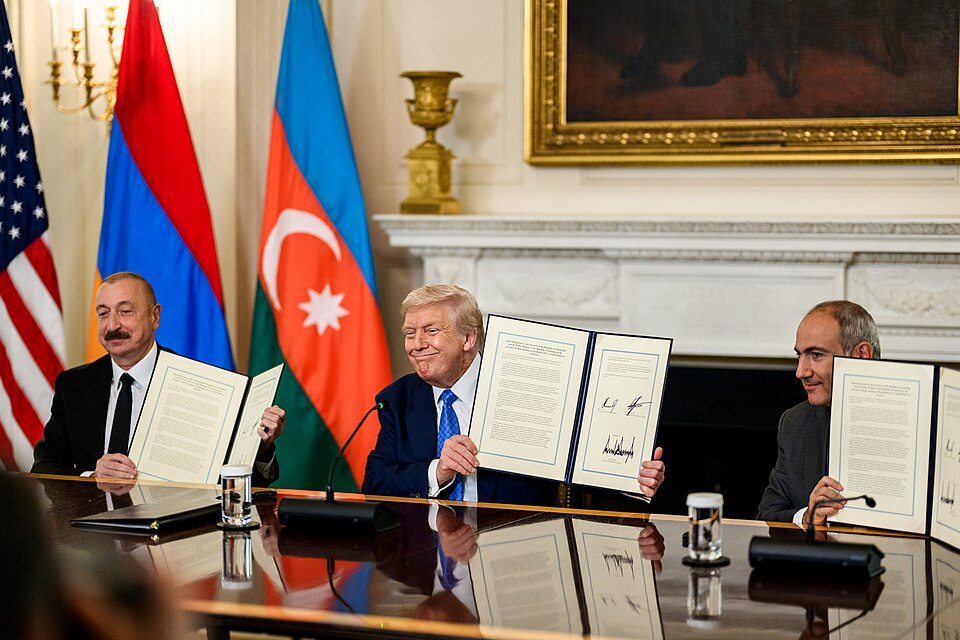
Armenian Prime Minister Nikol Pashinyan and Azerbaijani President Ilham Aliyev signed a joint peace declaration on 08/08/2025 at the White House in Washington, D.C., during a summit hosted by US President Donald Trump. The declaration reaffirmed commitments to sovereignty, territorial integrity, and the peaceful settlement of disputes. The two countries' foreign ministers, Ararat Mirzoyan and Jeyhun Bayramov, also initialled the text of an agreement on establishing peace and interstate relations, following decades of conflict centred on Nagorno-Karabakh.
The Washington declaration included plans to develop regional transport links, including the Trump Route for International Peace and Prosperity (TRIPP), intended to connect mainland Azerbaijan with its Nakhchivan exclave through Armenian territory while respecting Armenian sovereignty. Both governments also supported steps toward closing the OSCE Minsk Process, established to address the Nagorno-Karabakh conflict. Although the summit produced a signed declaration and an initialled peace treaty text, the treaty itself still required formal signature and ratification before entering into force.
View details2021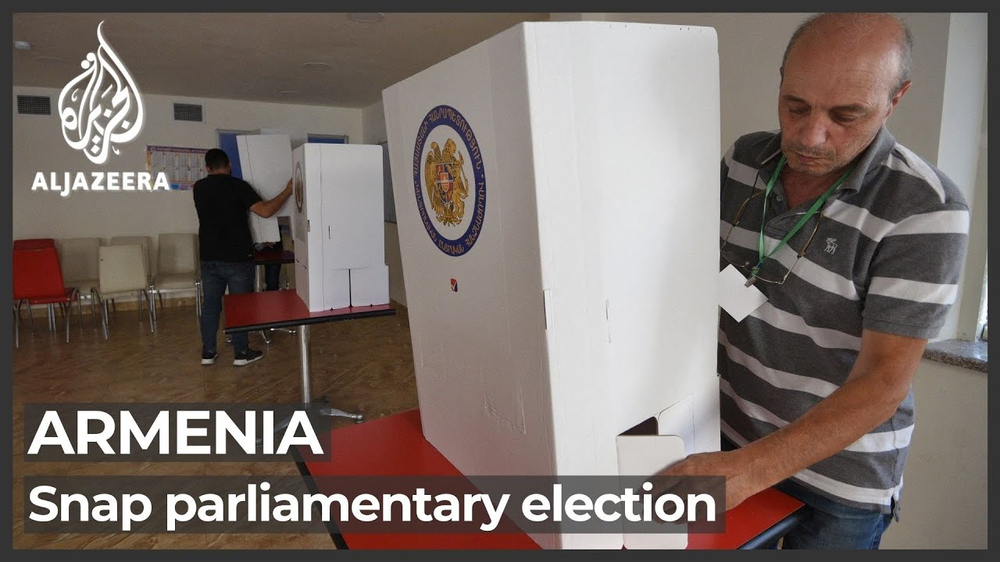
The Armenian parliamentary election in 2021 marked a pivotal moment in the country's political landscape. The election was closely watched, as it followed a period of political turmoil and protests against the government. Prime Minister Nikol Pashinyan's Civil Contract party emerged as the winner, securing a majority of seats in the parliament. This victory solidified Pashinyan's position and provided a mandate for his reform agenda.
The election had a significant impact on Armenia's future direction, as it reflected the will of the people amidst a challenging period for the country. It was seen as a test of public support for Pashinyan's leadership, following the handling of the Nagorno-Karabakh conflict and subsequent ceasefire agreement.
The outcome of the election led to a more stable political environment in Armenia, providing an opportunity for the government to focus on addressing key issues such as economic reform and post-conflict reconstruction. The international community also closely monitored the election, looking for signs of stability and democratic progress in the region.
Overall, the Armenian parliamentary election in 2021 was a crucial moment in the country's political journey, shaping its future trajectory and setting the stage for key reforms and developments. #Armenia #Election2021 #PoliticalStability
View detailsArmenian Genocide Remembrance Day was declared a national holiday to honor the memory of the victims of the tragic events in Armenian history. The day commemorates the atrocities committed against the Armenian people during World War I. It serves as a reminder of the importance of acknowledging and learning from past injustices to prevent such horrors from happening again.
The impact of designating this day as a national holiday is significant for Armenians around the world, as it validates their experiences and ensures that the atrocities they endured are never forgotten. It provides a platform for education and remembrance, fostering a sense of unity and strength within the Armenian community.
The recognition of Armenian Genocide Remembrance Day as a national holiday is a step towards healing and reconciliation. It acknowledges the suffering of the past and honors the resilience of the Armenian people. By commemorating this day, society can reflect on the consequences of intolerance and strive towards a future of peace and understanding.
#ArmenianGenocideRemembrance #NeverForget #UnityInMemory
View details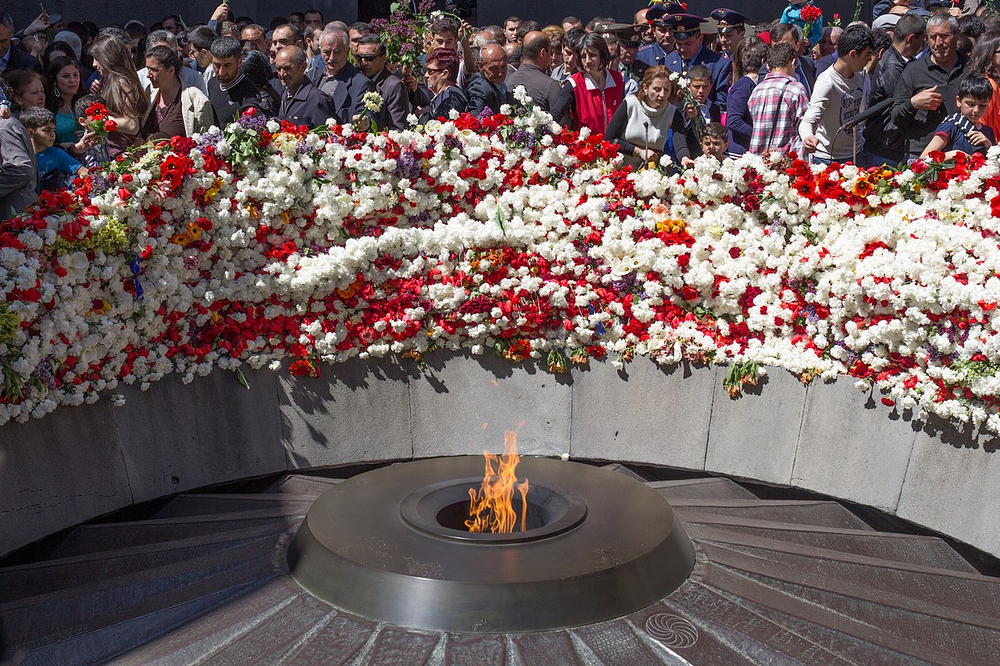
The Armenia-EU Comprehensive and Enhanced Partnership Agreement was ratified in Brussels, marking a significant milestone in the relationship between Armenia and the European Union. The agreement aimed to strengthen political, economic, and cultural ties between the two parties, paving the way for increased cooperation and collaboration in various fields. The agreement included provisions for trade, investment, and reform efforts to promote sustainable development and growth in Armenia.
The ratification of the agreement was a result of extensive negotiations and consultations between Armenia and the EU, demonstrating a mutual commitment to deepening their partnership. It was seen as a key step towards fostering greater stability and prosperity in the region, as well as promoting democratic values and human rights.
The agreement's ratification was met with positive reactions from both Armenian and EU officials, who emphasized the potential benefits and opportunities it would bring for both sides. The event was celebrated as a concrete example of successful diplomatic efforts and cooperation between Armenia and the EU.
Overall, the ratification of the Armenia-EU Comprehensive and Enhanced Partnership Agreement in Brussels marked a significant moment in the history of Armenian-European relations, highlighting the potential for continued collaboration and mutual growth in the future. #Armenia #EU #Partnership #Cooperation #Diplomacy
View details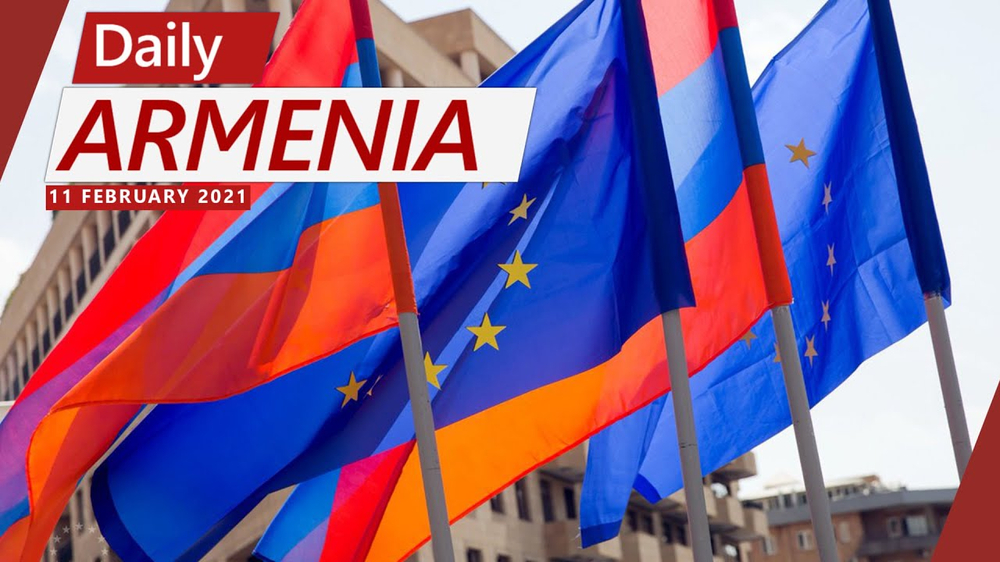
2020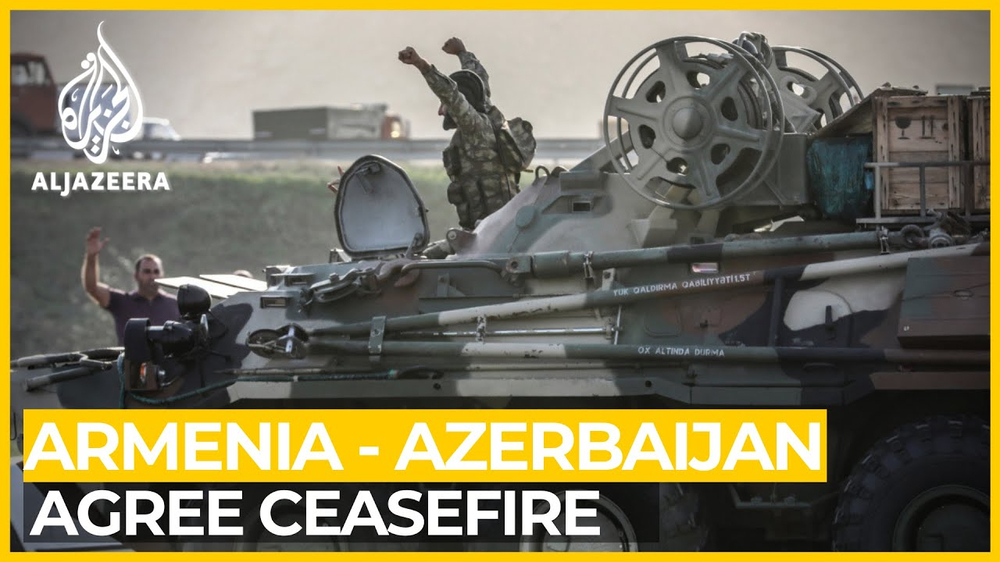
The Nagorno-Karabakh War officially concluded after a ceasefire agreement was reached between Armenia, Azerbaijan, and Russia. The conflict, rooted in territorial disputes, had resulted in heavy casualties and destruction over several weeks.
The agreement stipulated the deployment of Russian peacekeepers to the region, a significant development given Russia's historical ties to both Armenia and Azerbaijan. Under the terms, Armenia surrendered control of several territories surrounding Nagorno-Karabakh that it had held since the early 1990s.
The ceasefire brought relief to those affected by the fighting, although challenges remain in rebuilding and addressing the humanitarian crisis in the region. The agreement marked a shift in power dynamics, with Azerbaijan reclaiming control over long-disputed areas.
The end of the Nagorno-Karabakh War signified a new chapter in the region's complex history, with the potential for diplomatic efforts to establish lasting peace and stability. However, the scars of war, displacement of civilians, and political tensions are lingering challenges that demand attention.
#NagornoKarabakhWar #Armenia #Azerbaijan #Ceasefire #Russia #Peacekeepers #TerritorialDisputes
View detailsThe Second Nagorno-Karabakh War saw Azerbaijan and Armenia engage in a violent conflict over the disputed region of Nagorno-Karabakh. Tensions had been escalating for years due to unresolved territorial claims and ethnic divisions in the region. The war was marked by intense fighting, with both sides suffering significant casualties and widespread destruction.
The impact of the war was profound, resulting in the displacement of thousands of people and exacerbating existing humanitarian crises in the region. The conflict also drew in regional and international powers, further complicating efforts to find a peaceful resolution.
The war finally ended with a ceasefire agreement brokered by Russia, which saw Azerbaijan reclaiming significant portions of territory previously held by Armenian forces. The conflict highlighted the deep-seated animosities and complex geopolitical dynamics at play in the region.
#NagornoKarabakh #Azerbaijan #Armenia #War #Ceasefire
View details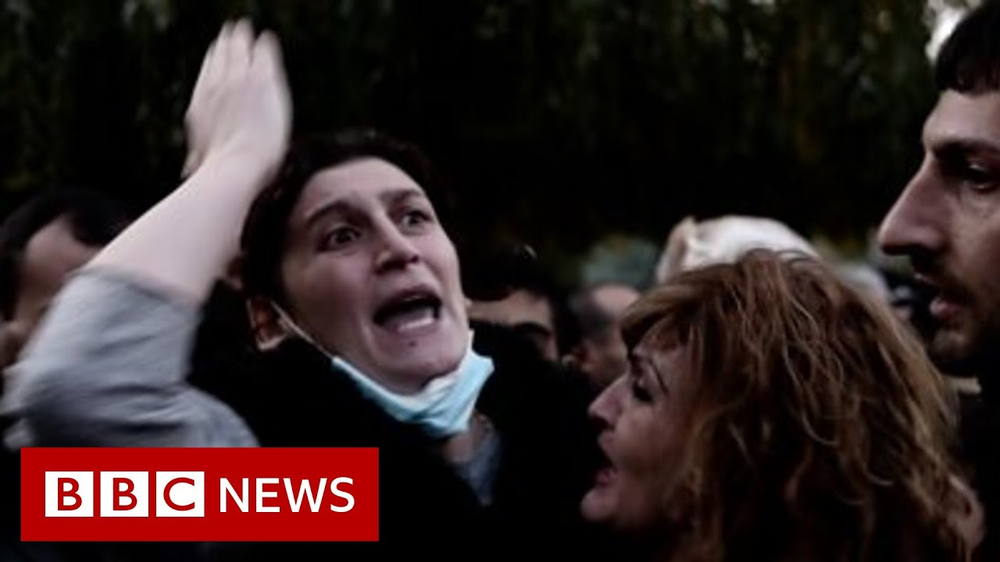
2018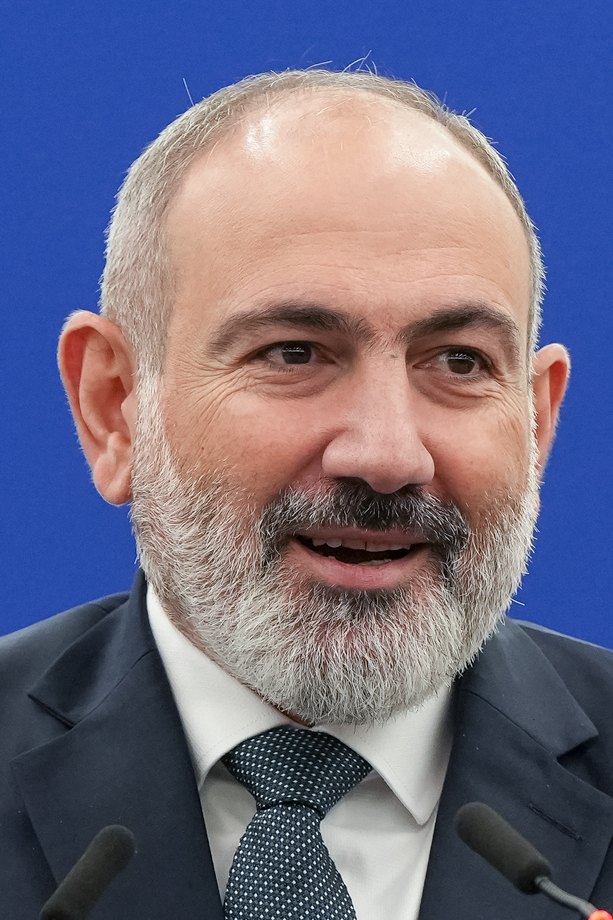
In the Armenian parliamentary election, a change in leadership occurred with the resignation of Prime Minister Serzh Sargsyan after weeks of protests against his rule. Political newcomer Nikol Pashinyan, a former journalist and opposition leader, emerged as the new Prime Minister after his Civil Contract party won a landslide victory in the snap elections.
Pashinyan's rise to power marked a significant shift in Armenian politics, as he campaigned on an anti-corruption platform and promised to bring about reforms to address the country's economic and social challenges. His election energized the Armenian population and renewed hope for a more transparent and accountable government.
The peaceful transfer of power following the election was seen as a success for Armenia's democracy and a testament to the power of grassroots movements. Pashinyan's government has since implemented various reforms aimed at strengthening democratic institutions, fighting corruption, and improving the economy.
Overall, the Armenian parliamentary election brought about a change in leadership that signaled a new era for the country, marked by increased civic engagement and a commitment to democratic values.
#Armenia #ParliamentaryElection #ChangeInLeadership #NikolPashinyan #PoliticalReform
View detailsMass demonstrations in Armenia erupted as a response to the appointment of Prime Minister Serzh Sargsyan. The public viewed this move as a power grab since Sargsyan had served as the country's president for a decade. Protests organized by opposition leader Nikol Pashinyan gained momentum, attracting thousands to the streets of the capital.
The peaceful protests, known as the Velvet Revolution, gathered broad support from various sectors of society, including students, professionals, and artists. The movement emphasized non-violent resistance while demanding political reforms and an end to corruption. Despite initial attempts by the government to suppress the demonstrations, the protestors remained steadfast in their demands for change.
Under mounting pressure, Prime Minister Sargsyan eventually resigned from his post, marking a significant victory for the protestors. Following his resignation, Nikol Pashinyan was elected as the new Prime Minister by the Armenian Parliament, ushering in a period of political transformation for the country.
The Velvet Revolution in Armenia not only led to the ousting of a long-serving political figure but also showcased the power of peaceful civil disobedience in achieving meaningful change in government. It serves as a reminder of the collective strength of the people in shaping the political landscape of their nation.
#Armenia #VelvetRevolution #NikolPashinyan #PoliticalChange #PeacefulProtests #EndCorruption
View details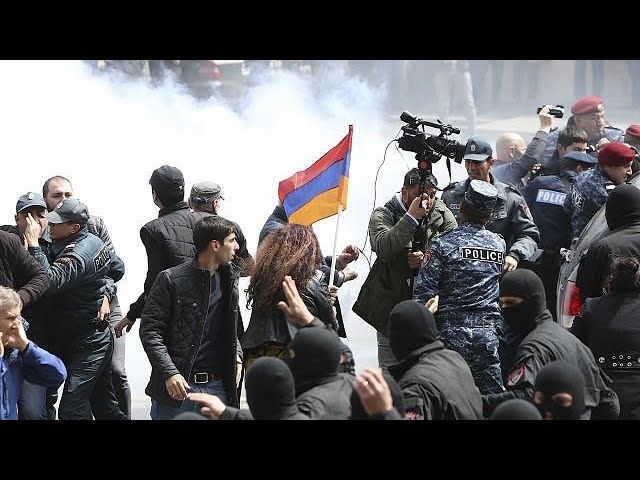
2015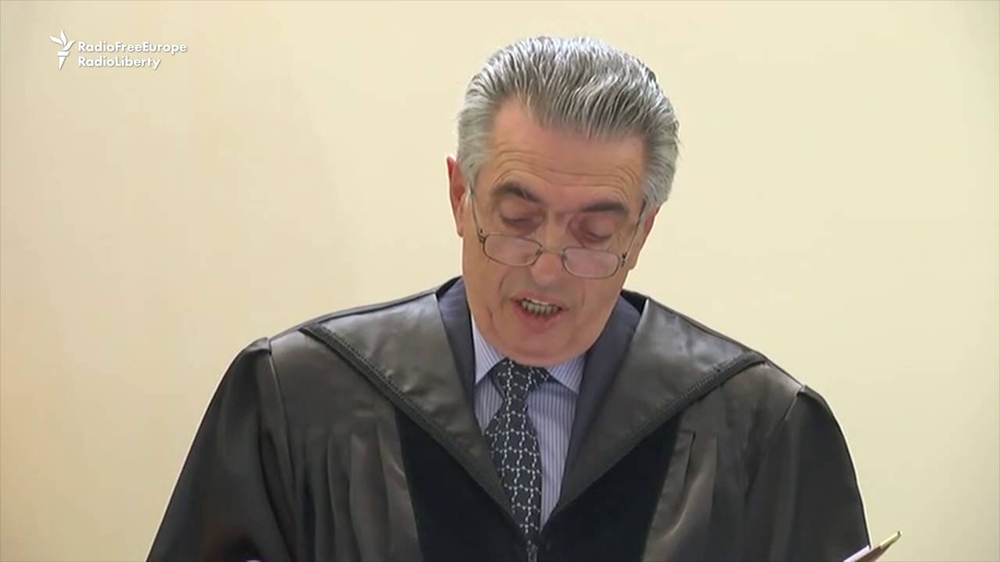
The Gyumri massacre was a tragic event in Armenia where a Russian soldier opened fire on a family of seven in their home. The soldier, stationed at the Russian military base in Gyumri, killed six family members on the spot, with the seventh member, a 6-month-old baby, dying later in the hospital. The perpetrator was apprehended by Russian authorities and later sentenced to life in prison, serving his term in Russia.
The massacre had a profound impact on the Armenian population, sparking outrage and calls for justice. Many Armenians saw the incident as a violation of their sovereignty, as the Russian military presence in the country was a contentious issue. The tragedy also strained relations between Armenia and Russia, despite their historical ties and military agreements.
The Gyumri massacre prompted discussions about the status of Russian military bases in Armenia and raised questions about security and accountability. It also brought attention to the challenges faced by local communities living near foreign military installations.
#GyumriMassacre #Armenia #RussianSoldier #MilitaryBase #Sovereignty #Justice
View details2014
Armenia joined the Eurasian Economic Union, a significant milestone for the country's economic development. The decision to become a full member stemmed from the aim to strengthen trade ties within the region. This move marked a shift towards closer integration with Russia, Belarus, Kazakhstan, and Kyrgyzstan within the Eurasian Economic Union.
Becoming a member of the Union allowed Armenia to benefit from increased access to markets, a common trade policy, and harmonized economic regulations. It also facilitated the flow of goods and services, as well as promoted cooperation in key sectors such as energy, industry, and agriculture.
The integration into the Eurasian Economic Union presented both opportunities and challenges for Armenia. While it provided a platform for economic growth and stability, it also required alignment with the Union's policies and regulations, affecting certain aspects of the country's autonomy.
Overall, Armenia's full membership in the Eurasian Economic Union marked a strategic move to enhance its economic prospects and strengthen regional cooperation.
#Armenia #EurasianEconomicUnion #RegionalIntegration #EconomicGrowth
View details2013
In 2013, Armenia held its presidential election, a pivotal moment in the country's political landscape. Serzh Sargsyan, the incumbent president, sought re-election against Raffi Hovhannisyan, a prominent opposition candidate. The election was closely watched both domestically and internationally, as it was seen as a test of Armenia's democratic processes.
Sargsyan ultimately emerged victorious, securing a second term in office. However, the election was not without controversy, with allegations of electoral fraud and irregularities marring the process. Hovhannisyan and his supporters protested the results, claiming that the election had been rigged in favor of the incumbent.
Despite the tensions surrounding the election, the outcome solidified Sargsyan's position as the country's leader for the next term. The aftermath of the election highlighted the challenges facing Armenia's fledgling democracy, as concerns about transparency and fairness in the electoral process persisted.
Overall, the 2013 Armenian presidential election underscored the complexities of the country's political landscape and the ongoing struggle to establish a truly representative democracy. #Armenia #PresidentialElection #Democracy
View details1988
In the devastating Spitak Earthquake, one of the most powerful earthquakes in Armenia's history struck, causing widespread destruction and loss of life. The quake, with a magnitude of 6.8, shook the region, leaving buildings in ruins and thousands homeless. The impact was particularly severe in the town of Spitak, where the majority of buildings were reduced to rubble.
The aftermath of the earthquake saw a massive humanitarian response, with countries around the world sending aid and assistance to the affected areas. The Armenian government worked tirelessly to provide relief to those in need and to begin the process of rebuilding. The disaster also prompted a reevaluation of building codes and emergency preparedness in the region to better protect against future seismic events.
The Spitak Earthquake remains a somber reminder of the power of nature and the importance of disaster preparedness and response. As Armenia continues to recover and rebuild, the memory of the tragedy serves as a catalyst for ongoing efforts to strengthen infrastructure and ensure the safety and security of its citizens. #SpitakEarthquake #ArmeniaStrong #DisasterPreparedness
View details1922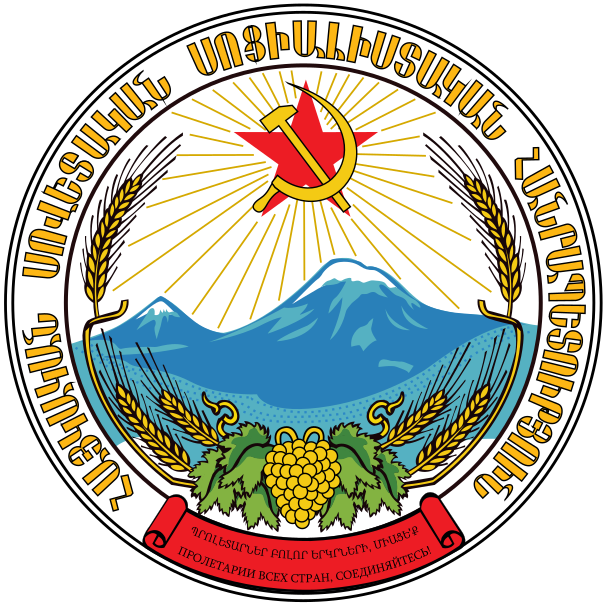
Armenian Soviet Socialist Republic joined the Soviet Union, marking its integration into the socialist federation. This move came after a period of turmoil in Armenia, following the collapse of the Russian Empire. The Bolsheviks gained power in the region, paving the way for Armenia to become part of the newly formed Soviet Union.
Being part of the Soviet Union had significant implications for Armenia. It meant aligning with communist ideology, adopting Soviet policies, and implementing centralized planning in the economy. The Armenian SSR saw industrialization efforts, agricultural collectivization, and social reforms taking place under Soviet rule. This period brought about changes in the political, social, and economic spheres of Armenian society.
The integration into the Soviet Union also meant closer ties with other Soviet republics, leading to cultural exchanges and collaborations. The Armenian SSR benefited from assistance in areas such as education, healthcare, and infrastructure development.
The decision for the Armenian Soviet Socialist Republic to join the Soviet Union was a defining moment in the country's history, shaping its trajectory for the decades to come. It solidified Armenia's position within the socialist bloc and influenced its development in various ways. Today, this event is remembered as a significant chapter in Armenia's journey towards socialism and its place within the Soviet framework. #Armenia #SovietUnion #Integration #SocialistRepublic
View details1918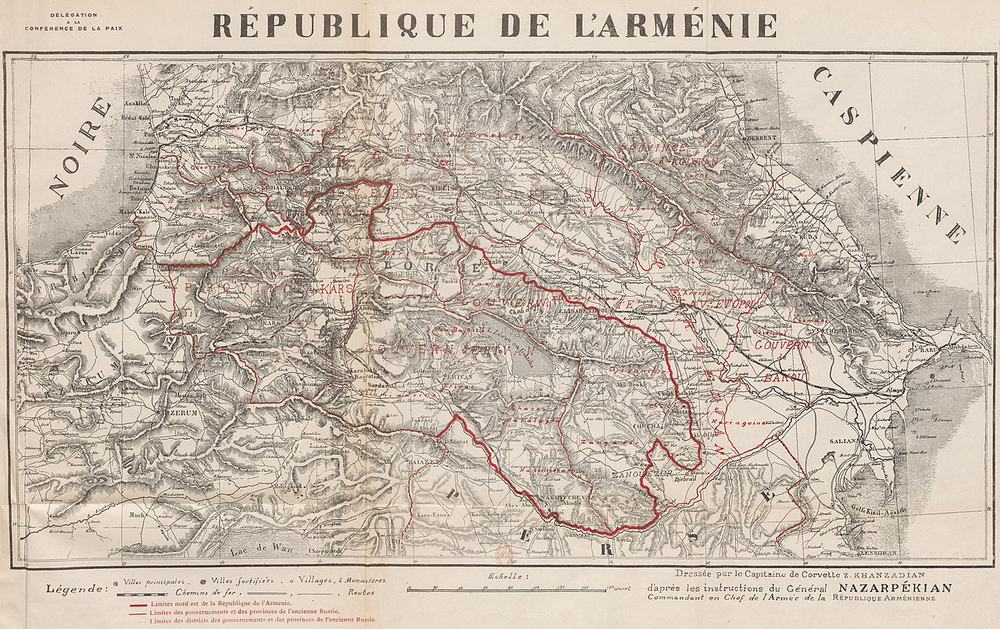
Armenia's journey toward independence culminated in the establishment of the First Republic. After enduring years of oppression under the Ottoman Empire, World War I provided Armenians with the opportunity to reclaim their sovereignty. The weakening of the imperial powers led to a power vacuum that Armenia successfully seized upon.
The newly formed republic faced numerous challenges, including border disputes and internal conflicts. Despite these obstacles, the government focused on building a stable nation, instituting democratic processes, and fostering a sense of national identity. The First Republic of Armenia also managed to secure international recognition, strengthening its position on the global stage.
This period of independence was short-lived, as the republic faced invasion by neighboring countries seeking to expand their territories. Despite putting up a fierce resistance, Armenia eventually succumbed to the overwhelming might of its adversaries. The fall of the First Republic marked a temporary setback in Armenia's quest for self-determination, but it laid the foundation for future struggles for independence.
The establishment of the First Republic of Armenia symbolizes the resilience and determination of the Armenian people in the face of adversity. It serves as a reminder of their unwavering commitment to freedom and self-governance. #ArmenianIndependence #FirstRepublic #NationalIdentity
View details1915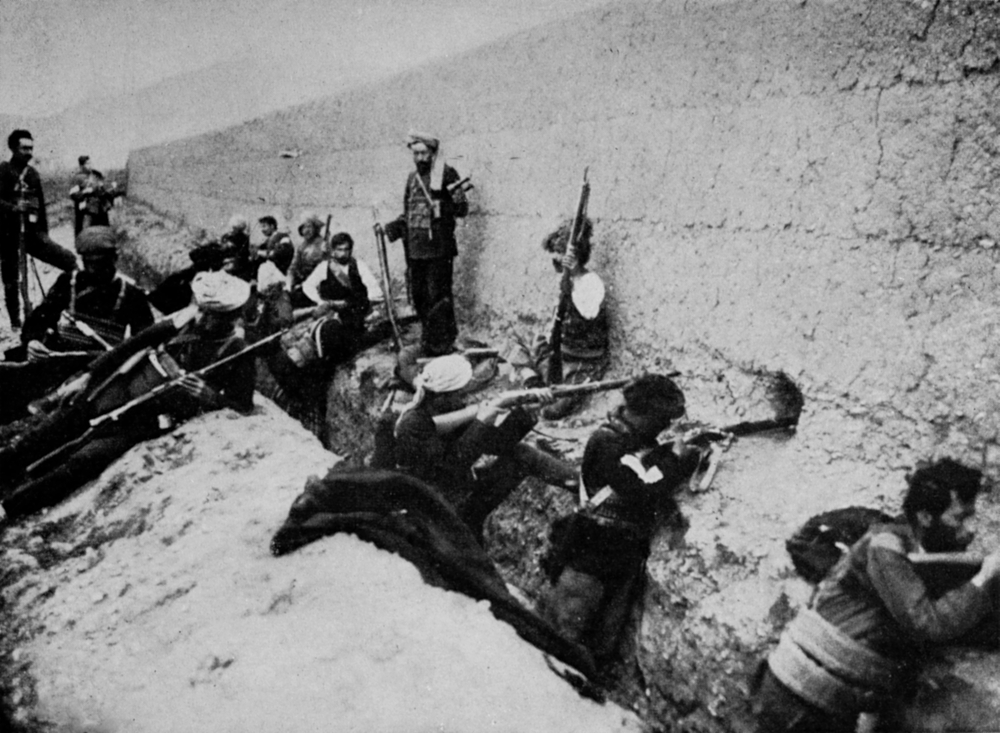
In 1915, the Armenian Genocide took place under the Ottoman Empire, where over 1.5 million Armenians were systematically killed. Armenians were targeted due to their Christian faith and perceived political beliefs. The genocide involved mass deportations, forced marches, and brutal killings.
The impact of the Armenian Genocide was devastating, leading to the loss of a significant part of the Armenian population and the destruction of their cultural heritage. Survivors faced displacement, trauma, and continued persecution. The Armenian Genocide is recognized as one of the first modern genocides and a significant event in Armenian history.
The international community has debated the recognition of the Armenian Genocide, with some countries acknowledging it as a genocide, while others refrain from using the term due to political considerations. Despite ongoing denial by the Turkish government, many countries and organizations continue to advocate for recognition and justice for the victims.
#ArmenianGenocide #OttomanEmpire #GenocideRecognition #ArmenianHistory #HumanRights
View details1895
During the Zeitountsi revolts in 1895, Armenian citizens in the town of Zeitountsi rebelled against the oppressive Ottoman rule. The uprising was a response to years of discrimination and violence faced by the Armenian population under the Ottoman Empire. The Armenians in Zeitountsi sought to defend their rights and protect themselves from persecution.
The revolts had a significant impact on the Armenian community, as they demonstrated the willingness of the people to fight for their freedom and dignity. The Zeitountsi revolts also drew international attention to the plight of the Armenians under Ottoman rule, leading to increased calls for reform and intervention to protect minority rights.
The aftermath of the Zeitountsi revolts further heightened tensions between the Armenian and Ottoman communities, ultimately contributing to the larger conflict that would result in the Armenian Genocide. The bravery and resilience displayed by the Armenians in Zeitountsi during the revolts is remembered as a symbol of the ongoing struggle for justice and recognition.
#ArmenianRevolt #OttomanOppression #ZeitountsiUprising
View details1863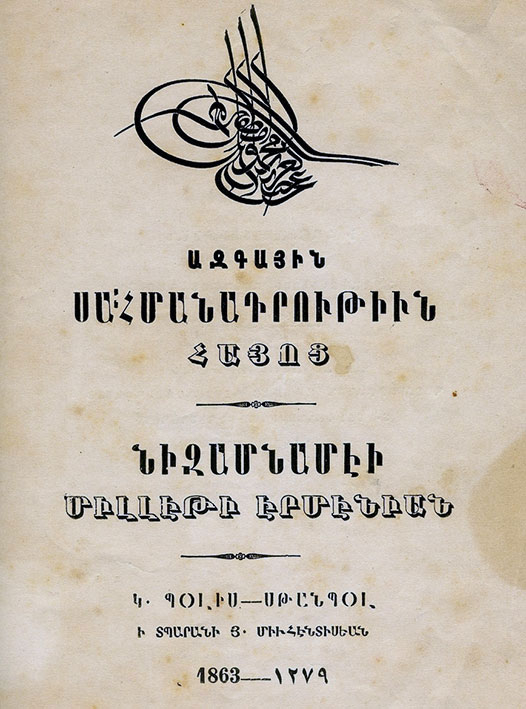
In 1863, the establishment of the Armenian National Constitution marked a pivotal moment in the shaping of modern Armenian political thought and organization. The constitution aimed to create a unified framework for governance and decision-making processes within the Armenian community, promoting a sense of collective identity and fostering greater cohesion among the people. It laid the foundation for the development of political institutions and the emergence of a more organized political landscape in Armenia.
This event had a profound impact on the Armenian population, providing a platform for them to voice their concerns, express their aspirations, and participate in the political life of their community. The constitution served as a catalyst for the advancement of Armenian national interests and contributed to the preservation of Armenian cultural heritage and traditions. It also set a precedent for future political movements and initiatives aimed at advocating for the rights and welfare of the Armenian people.
Overall, the establishment of the Armenian National Constitution was a crucial milestone in the history of Armenia, shaping the trajectory of modern Armenian political thought and organization. It reflected the collective aspirations of the Armenian community and laid the groundwork for the pursuit of a more inclusive and empowered society. #Armenia #NationalConstitution #PoliticalThought
View details1836
In 1836, the Russian government implemented the Polozhenie, a decree that severely limited the authority of the Armenian Church. The Polozhenie aimed to consolidate control over the Armenian Church structures, undermining its autonomy and placing restrictions on its activities. This statute was part of a broader policy by the Russian Empire to exert influence over religious institutions within its territories.
The enactment of the Polozhenie had a profound impact on the Armenian Church, leading to internal divisions and challenges to its traditional practices. The statute hindered the ability of the Armenian Church to govern its affairs independently and manage its properties effectively. Moreover, it restricted the Church's involvement in educational and charitable initiatives, diminishing its role in Armenian society.
Despite facing significant setbacks, the Armenian Church continued to resist the regulations imposed by the Polozhenie, highlighting its resilience and determination to preserve its heritage and traditions. Over time, the Church adapted to the new constraints, finding ways to navigate the restrictions while upholding its religious authority and cultural significance.
#ArmenianChurch #RussianEmpire #Polozhenie #ReligiousRestrictions #HistoricalImpact #AutonomyStruggle
View details1830
In 1830, the Armenian Apostolic Church established the Diocese of Georgia and Adjara. Aiming to cater to the spiritual needs of Armenian communities in these regions, the diocese played a significant role in preserving Armenian cultural and religious identity. With the appointment of a bishop to oversee the diocese, religious services, educational programs, and community events were organized to strengthen the Armenian presence in Georgia and Adjara.
The foundation of the diocese provided a centralized platform for Armenians to practice their faith, maintain traditions, and foster a sense of unity among the community members. It also served as a symbol of resilience and perseverance in the face of challenges, ensuring the continuity of Armenian religious heritage in a new environment.
Over the years, the Diocese of Georgia and Adjara has continued to be a vital institution for Armenians, offering spiritual guidance, cultural support, and a sense of belonging. Through its initiatives and activities, the diocese has helped to uphold the rich tapestry of Armenian religious and cultural practices in the region, strengthening the bond among Armenians and preserving their heritage for future generations.
#ArmenianApostolicChurch #DioceseOfGeorgia #ArmenianIdentity #CulturalPreservation
View details1828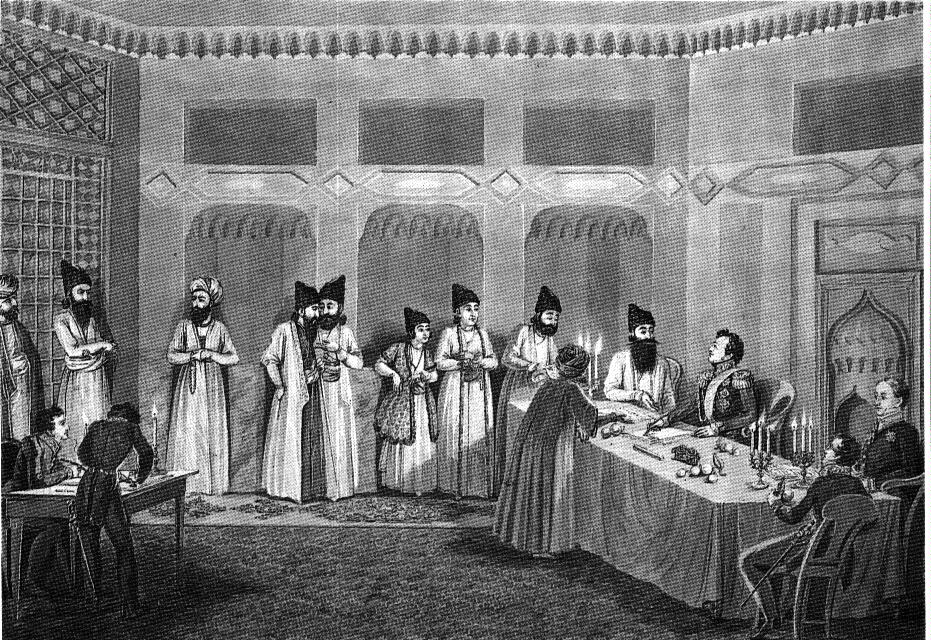
Following a series of military conflicts between the Russian Empire and Persia, the Treaty of Turkmenchay was concluded, resulting in the cession of the territories of Yerevan and Nakhchivan from Persia to Russia. This agreement solidified Russian control over these regions, marking a significant shift in power dynamics in the Caucasus.
The background of the treaty can be traced back to the Russo-Persian War of 1826-1828, where Russia's military superiority forced Persia to seek a peace settlement. As a result, Persia was compelled to cede these territories and recognize Russian influence in the region. This event not only altered the geopolitical landscape of the Caucasus but also had lasting implications for the people living in these areas.
The signing of the Treaty of Turkmenchay had a profound impact on the Armenian population residing in Yerevan and Nakhchivan, as they found themselves under Russian rule. The treaty also further entrenched Russian expansion into the Caucasus region, setting the stage for future developments in the area.
The Treaty of Turkmenchay underscored the growing influence of the Russian Empire in the Caucasus, solidifying its control over key territories and reshaping the political dynamics of the region. It remains a pivotal moment in Armenian history, highlighting the complex interactions between regional powers and their lasting consequences. #TreatyofTurkmenchay #RussianEmpire #CaucasusHistory #Armenia
View details1826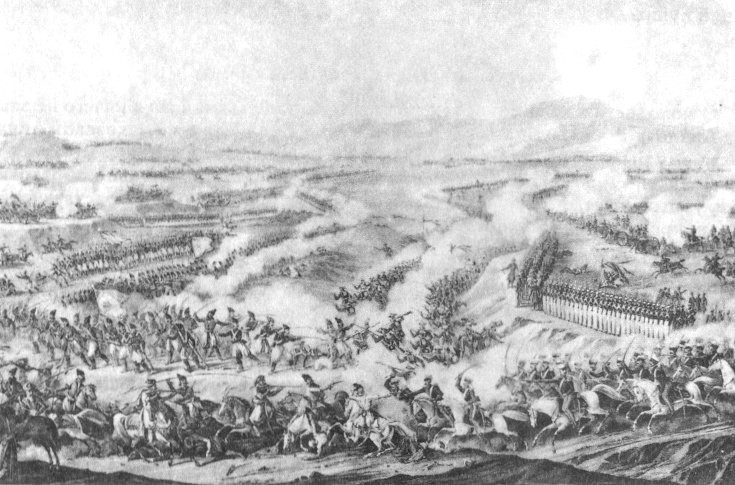
The Russo-Persian War ignited with the Battle of Javakheti, culminating in the Russian Empire seizing control of Yerevan from Persia. The longstanding territorial disputes between Russia and Persia over the Caucasus region served as the backdrop to the conflict. The Russian expansionist policies clashed with Persia's efforts to maintain its influence in the region, leading to military confrontation.
The skirmishes unfolded across various fronts, with Yerevan becoming a focal point due to its strategic importance. The fall of the city to Russian forces marked a significant turning point in the war, signaling the beginning of Russian dominance in the region. The capture of Yerevan altered the geopolitical landscape, paving the way for Russia to assert control over the Caucasus and consolidate its power in the area.
The Battle of Javakheti and the subsequent capture of Yerevan had far-reaching consequences for Armenia, as it reshaped the political dynamics in the region. The event underscored the intensifying rivalry between major powers in the Caucasus and set the stage for further diplomatic and military maneuvers in the years to come. The aftermath of the conflict reverberated throughout the region, leaving a lasting impact on Armenia's history and shaping its future trajectory. #RussoPersianWar #YerevanCapture #GeopoliticalShifts #ArmenianHistory
View details1824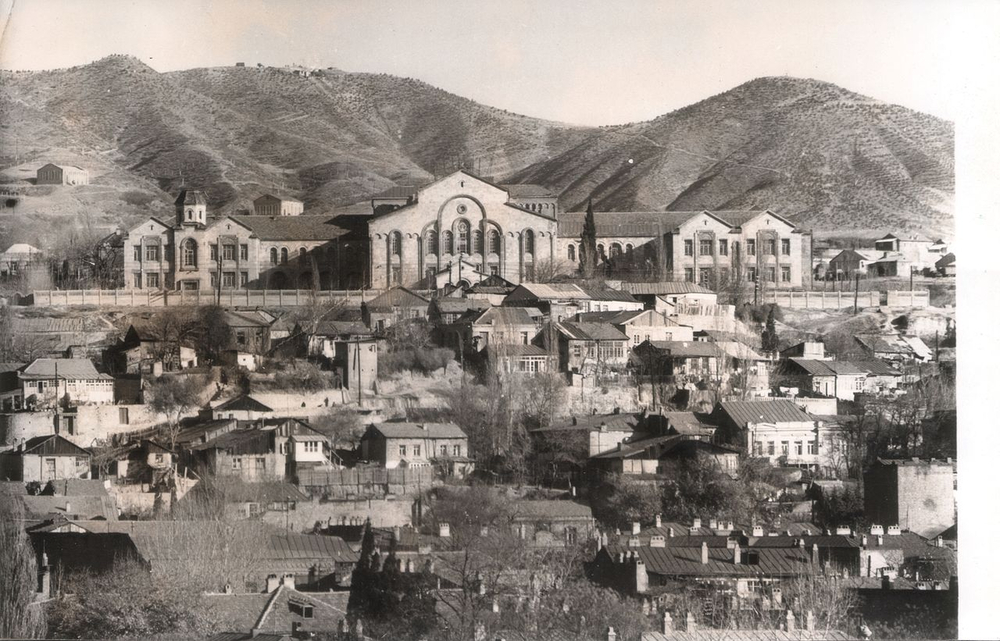
In 1824, the Nersessian Academy was established in Tiflis, aiming to advance education and intellectual pursuits among Armenians. Named after educator Stepanos Nersessian, the academy provided a platform for fostering cultural identity and promoting academic excellence.
The academy became a hub for scholarly activities, offering courses in literature, philosophy, languages, and sciences. Students were able to engage with prominent intellectuals and access a wealth of resources to enhance their learning experience. This institution played a vital role in preserving Armenian heritage and instilling a sense of national pride.
Through its curriculum and extracurricular activities, the Nersessian Academy inspired generations of Armenians to pursue knowledge and contribute to the cultural and intellectual landscape of the region. Alumni of the academy went on to become influential figures in various fields, leaving a lasting impact on Armenian society.
The founding of the Nersessian Academy in Tiflis marked a significant milestone in the history of Armenian education, fostering a spirit of intellectual curiosity and academic rigor that continues to resonate to this day. #NersessianAcademy #ArmenianEducation #CulturalPreservation
View details1813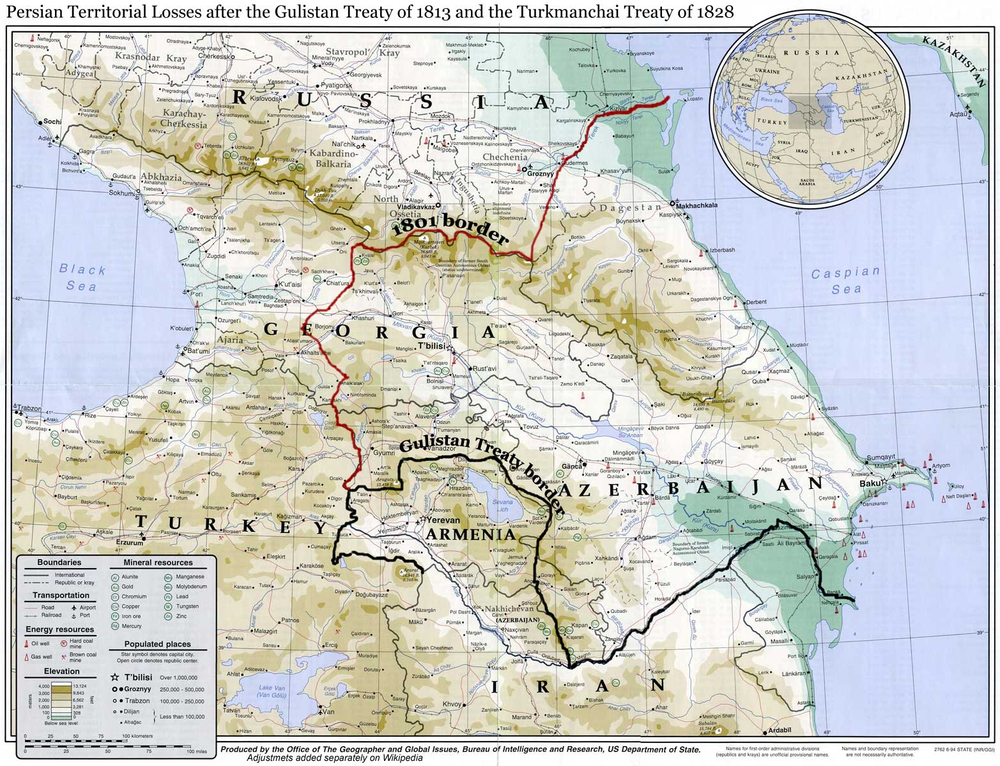
Following years of conflict between the Persian and Russian Empires, the Treaty of Gulistan was negotiated, resulting in the cession of Eastern Armenia to Persian rule. The only exception was the Armenians in Karabakh, who had already become part of the Russian Empire.
The Treaty of Gulistan had a significant impact on the Armenian population, leading to a divided homeland. While some Armenians found themselves under Persian rule, others were now living within the Russian Empire. This division marked a turning point in the history of Armenia, shaping its political landscape for years to come.
Despite the loss of Eastern Armenia to Persia, the Armenians in Karabakh gained a new sense of security and stability under Russian rule. This shift in power dynamics had profound consequences for the Armenian community, influencing their cultural, social, and economic development.
The aftermath of the Treaty of Gulistan underscored the complex geopolitical realities faced by the Armenian people, with their homeland now divided between two major empires. This event laid the foundation for future struggles and aspirations for Armenian unity and independence.
#TreatyofGulistan #ArmenianHistory #GeopoliticalShifts
View details1811
In 1811, the Mkhitarist Order of Vienna was established by Armenian Catholic priest Mkrtich Avanian. The Mkhitarists were a congregation of Armenian Catholic monks following the Rule of St. Benedict. The order aimed to promote education, cultural preservation, and religious devotion among Armenians living in Europe.
This event marked a significant development in the revitalization of Armenian culture and identity during a time of political turmoil and upheaval for the Armenian people. The Mkhitarists played a crucial role in preserving Armenian language, history, and traditions through their schools, publications, and intellectual pursuits in Vienna.
The founding of the Mkhitarist Order of Vienna provided a platform for Armenian intellectuals to gather, collaborate, and contribute to the cultural and educational renaissance of the Armenian community in Europe. It fostered a sense of solidarity and cohesion among Armenians in the diaspora, strengthening their connection to their heritage and roots.
The legacy of the Mkhitarist Order of Vienna continues to inspire Armenian cultural and educational initiatives to this day, emphasizing the importance of preserving and promoting Armenian identity and heritage in the global context. #ArmenianCulturalRevitalization #EducationalHeritage #MkhitaristOrderVienna
View details1809
On October 15, 1809, Khachatur Abovian was born in Kanaker, a suburb of Yerevan in present-day Armenia. Abovian would grow to become a pivotal figure in Armenian literature and a key proponent of modern Armenian identity, renowned for his contributions as a novelist, poet, and playwright. His legacy is indelibly tied to his pioneering spirit and his commitment to uplifting Armenian culture during a period of significant social and political transformation.
Abovian's early life was marked by an exceptional intellect and a deep curiosity about the world. He received his initial education in Yerevan and later continued his studies at the prestigious Nersisian School in Tbilisi, Georgia. Recognizing his potential, his mentors encouraged him to pursue further education in Europe. Abovian attended the University of Dorpat (now Tartu University) in Estonia, where he studied under the renowned German philosopher and orientalist Friedrich Parrot.
His time in Europe was transformative. It broadened his perspective and exposed him to the Enlightenment ideas that would heavily influence his later works. Abovian became fluent in multiple languages, including Russian and German, which enabled him to translate significant Western works into Armenian and vice versa.
In 1829, Abovian joined Parrot on an ambitious and historic expedition to Mount Ararat, the first recorded ascent of the mountain. This journey not only bolstered Abovian's status as an intellectual and adventurer but also deeply inspired his sense of Armenian national identity. His experiences during this expedition are vividly chronicled in his writings, capturing both the majestic landscape and the enduring spirit of the Armenian people.
Abovian's most famous work, Wounds of Armenia (Վերք Հայաստանի, "Verk Hayastani"), published posthumously in 1858, is considered the first Armenian novel. Written in the vernacular Armenian rather than classical Armenian, the novel was groundbreaking. It vividly depicted the struggles of the Armenian people under Persian and Ottoman domination and called for national awakening and reform. Abovian’s decision to write in the modern vernacular was revolutionary, making literature accessible to the common people and laying the groundwork for the modernization of Armenian literary language.
Beyond his literary contributions, Abovian was a passionate educator and reformer. He believed in the power of education to transform society and worked tirelessly to establish modern schools that provided secular and practical education. His innovative teaching methods and curricula were designed to cultivate critical thinking and civic responsibility among his students.
However, Abovian's progressive ideas often put him at odds with the conservative elements of Armenian society and the Russian imperial authorities. Despite his significant contributions, his later years were fraught with difficulty. In 1848, he mysteriously disappeared, and his fate remains unknown to this day. His sudden disappearance left a profound impact on Armenian society, and he was widely mourned as a national hero and a martyr for Armenian cultural and educational advancement.
Khachatur Abovian’s legacy endures in Armenia and beyond. He is celebrated as a foundational figure in Armenian literature and national consciousness. His works continue to be studied and revered, reflecting the enduring power of his vision for a vibrant and enlightened Armenian society. His life and achievements are a testament to the enduring spirit of cultural resilience and the transformative power of education and literature.
#MomentsOfLife #MoofLife_Moment #MoofLife #KhachaturAbovian #ArmenianLiterature #NationalAwakening
View details1794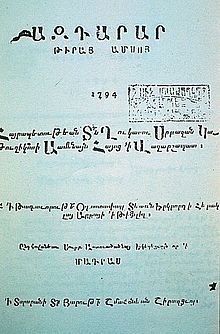
In 1794, the founding of the first Armenian magazines marked the inception of the Armenian press in the Russian Empire. The Armenian community had long sought a platform to share ideas, news, and literature. The establishment of these magazines served as a crucial milestone in the cultural and intellectual development of the Armenian people within the empire.
These magazines became a powerful tool for fostering a sense of unity among Armenians, providing a platform to discuss social issues, politics, and cultural advancements. They also played a key role in preserving and promoting the Armenian language and heritage.
The impact of these magazines reverberated beyond the Armenian community, contributing to the broader cultural landscape of the Russian Empire. They facilitated cross-cultural exchanges and helped bridge the gap between different communities within the empire.
The founding of the first Armenian magazines was a testament to the resilience and determination of the Armenian people to preserve their identity and promote intellectual discourse. It laid the foundation for a vibrant Armenian press that would continue to flourish in the centuries to come.
#ArmenianPress #CulturalDevelopment #IntellectualDiscourse
View details1736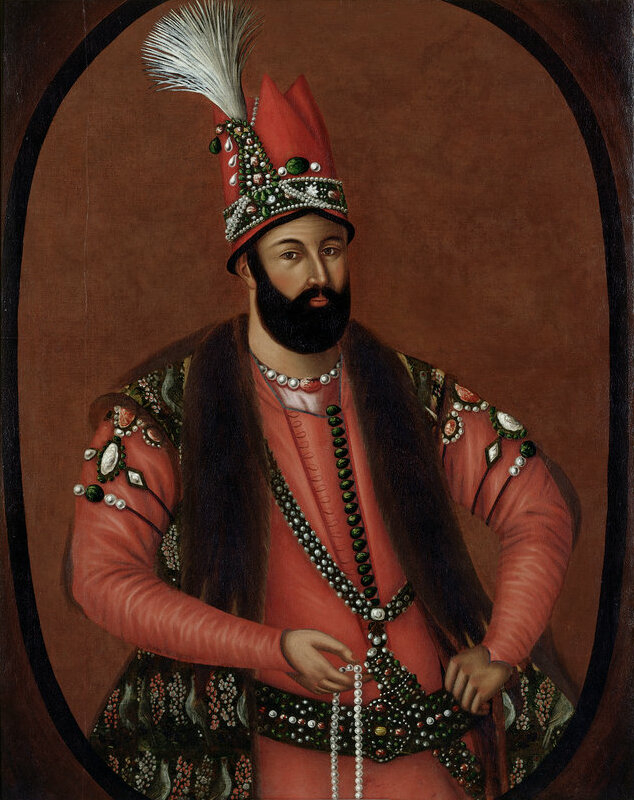
Nadir Shah's invasion of Armenia resulted in the devastating sack of Yerevan and widespread massacres. As the powerful Persian ruler aimed to expand his empire, he targeted the vulnerable Armenian territories. The invasion prompted chaos and destruction, with Yerevan bearing the brunt of the ruthless campaign. The city was pillaged, its inhabitants subjected to brutal violence, and its cultural heritage tarnished. The Armenian population faced untold suffering as a result of the invasion.
The aftermath of Nadir Shah's incursion left a lasting impact on Armenia, causing demographic shifts and societal upheaval. The invasion led to widespread displacement and trauma among the Armenian people, disrupting their way of life. The sacking of Yerevan and the massacres inflicted profound scars on the region, shaping its historical trajectory for years to come.
The invasion of Armenia by Nadir Shah stands as a dark chapter in the country's history, underscoring the vulnerability of smaller nations in the face of imperial ambitions. The event serves as a stark reminder of the enduring consequences of military aggression and the importance of safeguarding sovereignty and peace.#Armenia #NadirShah #Invasion #Yerevan #Massacres.
View details1649
In 1649, the Armenian Catholicosate of Aghtamar was reinstated within the Holy See of the Great House of Cilicia. Following a period of division within the Armenian Apostolic Church, efforts to restore unity led to the reestablishment of the Catholicosate in Aghtamar.
This event marked a significant moment in Armenian history, as the reunification of the Catholicosate under the Great House of Cilicia helped to strengthen and centralize the church's authority. The restoration of the Catholicosate in Aghtamar also symbolized a reaffirmation of Armenian religious identity and traditions.
The decision to bring back the Armenian Catholicosate to Aghtamar had a lasting impact on the Armenian Apostolic Church, consolidating its spiritual leadership and promoting doctrinal harmony among its followers. The move also played a crucial role in preserving the cultural heritage and religious practices of the Armenian people.
Overall, the restoration of the Armenian Catholicosate of Aghtamar in the Holy See of the Great House of Cilicia was a pivotal moment that solidified the church's structure and fostered a sense of unity and continuity among Armenian Christians. #ArmenianCatholicosate #Aghtamar #GreatHouseofCilicia #Unity #CulturalHeritage.
View details