Australia

The Land Down Under
Related Lives

Libya
Oasis of the Sahara

Ethiopia
Federal Democratic Republic of Ethiopia

Bosnia and Herzegovina
The Land of Golden Lilies

Haiti
The Resilient Spirit of Haiti

Tanzania
African Serenade

Albania
The Land of Eagles

Jordan
Land of Ancient Wonders

Monarchy of the United Kingdom
The enduring legacy of the Royal Family.

1949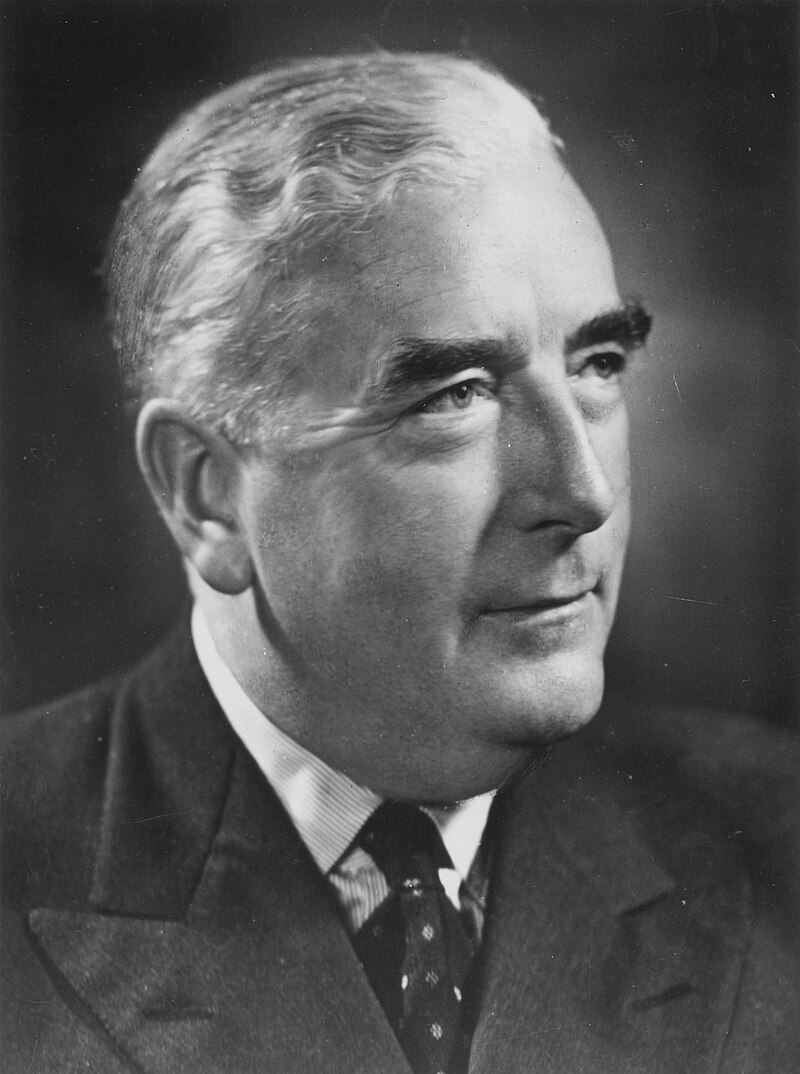
In 1949, Robert Menzies made a monumental return to power as the leader of the newly established Liberal Party in Australia. Prior to this, Menzies had previously served as the country's Prime Minister from 1939 to 1941. However, following internal political turmoil within his previous party, Menzies parted ways to form the Liberal Party in 1944.
The creation of the Liberal Party signified a major shift in Australian politics, providing a more conservative alternative to the existing Labor Party. Menzies' return to power in 1949 marked a significant turning point in the political landscape of Australia. His leadership style, characterized by a pragmatic and inclusive approach, resonated with many Australians, leading to a decisive victory for the Liberal Party in the elections.
Menzies' return saw the beginning of a long period of political dominance for the Liberal Party in Australia. During his time in office, Menzies implemented various policies that shaped the country's economy and social fabric. His commitment to free-market principles and strong national defense resonated with a significant portion of the population, solidifying his position as a respected leader.
The return of Robert Menzies to power as the leader of the Liberal Party had a lasting impact on Australian politics. It set the stage for a new era of conservative governance and established Menzies as one of the country's most prominent political figures. His leadership and vision continue to influence Australian politics to this day, shaping the trajectory of the nation for years to come.
#RobertMenzies #LiberalParty #AustralianPolitics #PoliticalHistory
View detailsIn 1949, the legislation granted all Indigenous ex-servicemen and eligible Indigenous Australians from New South Wales, Victoria, South Australia, and Tasmania permission to vote in federal elections. This decision aimed to address the inequality and discrimination faced by Indigenous peoples in Australia, ensuring their access to the democratic process.
Prior to this event, Indigenous Australians were often excluded from voting due to discriminatory laws and practices, despite their service to the nation during wartime. The acknowledgment of their rights to participate in federal elections marked a significant step towards Indigenous equality and representation in the political arena.
The impact of this event was profound as it symbolized a shift towards recognizing the rights and voices of Indigenous peoples in Australia. It signified a long-overdue acknowledgment of their contributions and identities as citizens with the right to participate in shaping the country's future. This event not only granted voting rights but also represented a broader push for social justice and equality for Indigenous communities.
Following this development, Indigenous ex-servicemen and eligible Indigenous Australians were able to exercise their democratic right to vote in federal elections, influencing political decisions and representation at a national level. This event highlighted the importance of inclusivity and diversity in the political landscape, paving the way for greater recognition of Indigenous rights and perspectives in Australia.
Overall, the event granting voting rights to Indigenous ex-servicemen and eligible Indigenous Australians in federal elections marked a significant milestone in Australia's journey towards recognizing and empowering its Indigenous populations. It stands as a reminder of the ongoing struggle for equality and representation for Indigenous communities in the country's political processes. #IndigenousRights #VotingEquality #PoliticalInclusivity
View detailsThe Snowy Mountains Hydro-Electric Scheme, one of the largest engineering projects in Australia, officially began construction. Initiated as a post-World War II project, it aimed to address the country's energy needs and provide employment. The scheme involved the construction of dams, power stations, and tunnels across the Snowy Mountains region, spanning two Australian states.
The project was a result of cooperation between the Australian government and migrant workers, primarily from Europe, who brought diverse skills and expertise to the construction site. The workforce faced challenging conditions, including harsh weather and remote locations, but their determination and hard work were instrumental in the project's success.
The Snowy Mountains Hydro-Electric Scheme had a significant impact on Australia's development, providing renewable energy, irrigation water, and flood control. It also played a crucial role in shaping the country's multicultural landscape, with workers from over 30 countries contributing to its construction.
Today, the scheme stands as a symbol of Australia's engineering ingenuity and multicultural heritage. It continues to generate clean energy and support agricultural activities in the region, highlighting the long-lasting impact of this ambitious project.
#SnowyMountains #HydroElectricScheme #AustraliaEngineering #MulticulturalHeritage
View details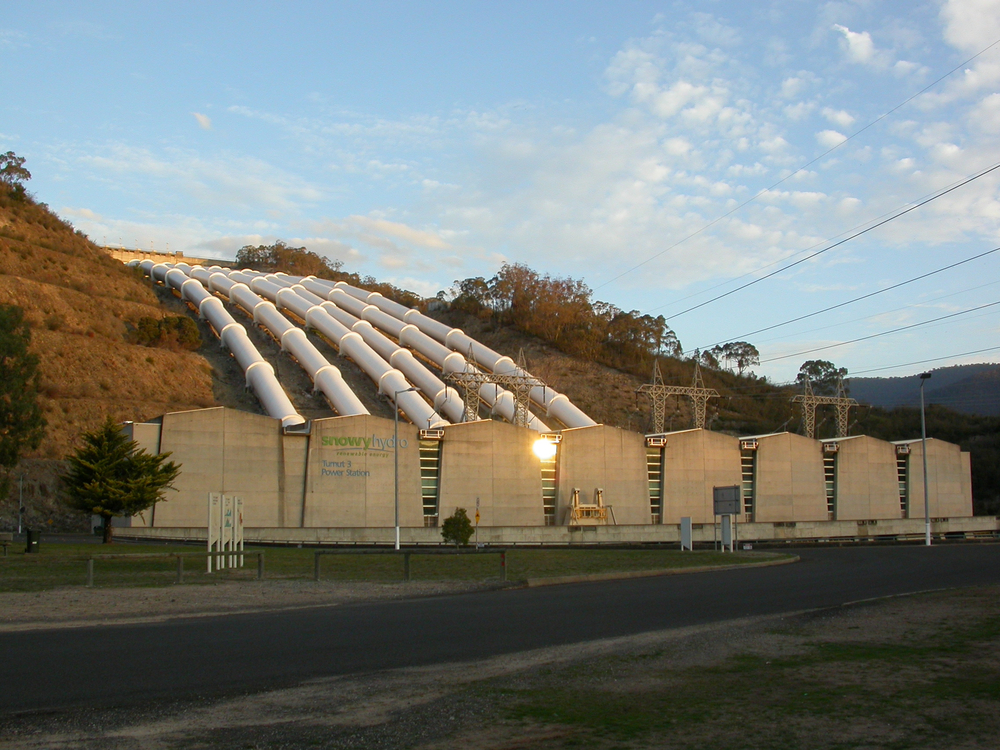
The Nationality and Citizenship Act was the progressive legislation passed in 1949 that changed the status of Australians from British subjects to citizens of Australia. Before this Act, Australians were considered British subjects, not distinct citizens of their own country. The Act established the requirements and guidelines for individuals to gain Australian citizenship, emphasizing loyalty and commitment to the nation.
This shift in identification brought about significant impacts on the cultural and political landscape of Australia. It solidified a sense of national identity and pride among Australians, reinforcing the notion of being a separate and independent nation from Britain. With Australian citizenship now formally recognized, individuals had a clearer sense of belonging and allegiance to their own country. This legislative change also marked a step towards full sovereignty and autonomy for Australia.
The Act set eligibility criteria for acquiring Australian citizenship, such as residency and allegiance to Australia. It also outlined provisions for dual citizenship, recognizing the evolving multicultural nature of Australian society. These regulations paved the way for a more inclusive and diverse citizenship framework, accommodating individuals from various backgrounds and origins.
The passing of the Nationality and Citizenship Act was a watershed moment in Australian history, symbolizing a break from its colonial past and a step towards self-governance and national identity. It affirmed the unique Australian identity, separate from its former status as a British territory. This legislation remains crucial in shaping the modern Australian citizenship system.
#NationalityandCitizenshipAct #AustralianIdentity #ModernCitizenship #Sovereignty #Inclusivity
View details1948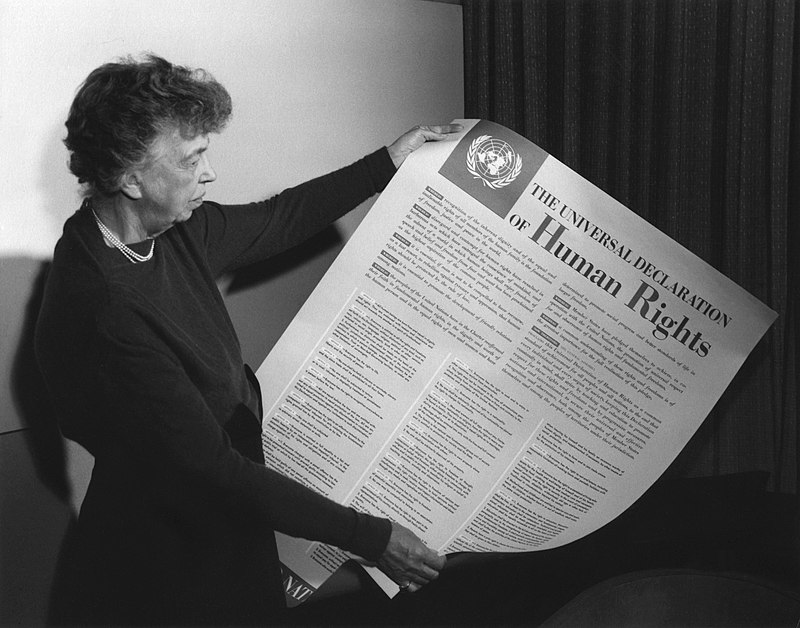
In 1948, Australia officially pledged its support to the Universal Declaration of Human Rights (UDHR), an international document that outlines fundamental human rights for all individuals. This decision marked a significant step towards upholding human dignity, equality, and freedom in Australia and beyond.
Australia's commitment to the UDHR reflected its dedication to promoting and protecting human rights globally. By becoming a signatory, Australia affirmed its recognition of essential rights such as the right to life, liberty, and security of person, as well as the right to a fair trial and freedom of expression.
The impact of Australia's decision to support the UDHR was profound. It demonstrated the country's alignment with international efforts to ensure that every individual is entitled to basic human rights, regardless of race, gender, religion, or social status. By endorsing the UDHR, Australia acknowledged its responsibility to uphold these rights within its own borders and to advocate for them on the world stage.
Australia's commitment to the UDHR continues to influence its domestic policies and foreign relations. The principles outlined in the declaration serve as a guiding framework for addressing issues such as discrimination, social inequality, and access to justice within Australia. By upholding the values of the UDHR, Australia underscores its commitment to creating a more just and equitable society for all its citizens.
The decision of Australia to become a signatory to the UDHR underscores the country's dedication to promoting human rights and fundamental freedoms. It signals Australia's support for the values of equality, justice, and dignity for all individuals, and reaffirms its role as a key advocate for human rights on the international stage.
#Australia #HumanRights #UDHR #Equality #Justice
View detailsHolden, an Australian automotive company, began producing its inaugural locally designed and manufactured vehicle. This milestone marked a significant development in the Australian automotive industry as Holden transitioned from importing cars to crafting its own models.
The creation of Holden's first Australian-made car stemmed from the country's desire to bolster its economy post-World War II. As part of this initiative, the Australian government sought to establish a domestic automotive manufacturing sector to reduce reliance on imported vehicles.
Holden's locally produced car, known for its sturdy design and reliability, quickly gained popularity among Australian consumers. The vehicle's launch not only symbolized the country's industrial progress but also reflected a sense of national pride in producing homegrown products.
The impact of Holden's foray into manufacturing reverberated across various sectors of the Australian economy. The automotive industry witnessed a surge in job creation and technological advancements, underscoring the company's role in driving innovation within the sector. Additionally, the success of the first Australian-designed Holden car paved the way for future models, solidifying the company's position as a key player in the global automotive market.
Holden's venture into local car production ignited a sense of patriotism and marked a significant shift in Australia's industrial landscape. The event highlighted the country's capability to manufacture high-quality vehicles and spurred a sense of national identity tied to homegrown innovation.
#Holden #AustralianManufacturing #AutomotiveIndustry #Innovation #EconomicDevelopment #NationalPride
View details
In 1948, Dr. H. V. Evatt, the Minister for External Affairs from Australia, made history by being elected President of the United Nations General Assembly. This was a significant achievement for Australia, as it marked the first time an Australian diplomat held such a prestigious position within the United Nations.
Dr. Evatt was a highly respected figure in international diplomacy, known for his strong advocacy for human rights and global cooperation. His election as President of the UN General Assembly reflected the international community's recognition of his leadership and vision for a more peaceful and just world.
During his tenure as President, Dr. Evatt played a key role in overseeing important discussions and decisions at the United Nations, particularly in the aftermath of World War II. He was instrumental in advancing crucial initiatives aimed at promoting global security, cooperation, and development.
He was prominent in the negotiations that led to the creation of Israel as chair of the Ad Hoc Committee on the Palestinian Question.
Dr. Evatt's presidency of the UN General Assembly not only raised Australia's profile on the world stage but also highlighted the country's commitment to multilateralism and diplomacy. His leadership and diplomatic skills were lauded by many nations, further enhancing Australia's reputation in international affairs.
Overall, Dr. H. V. Evatt's election as President of the United Nations General Assembly in 1948 marked a significant moment in Australia's diplomatic history. It showcased the country's ability to contribute meaningfully to international relations and diplomacy, while also reinforcing the importance of global cooperation in pursuing peace and prosperity.
#Australia #UnitedNations #Diplomacy #GlobalCooperation
View details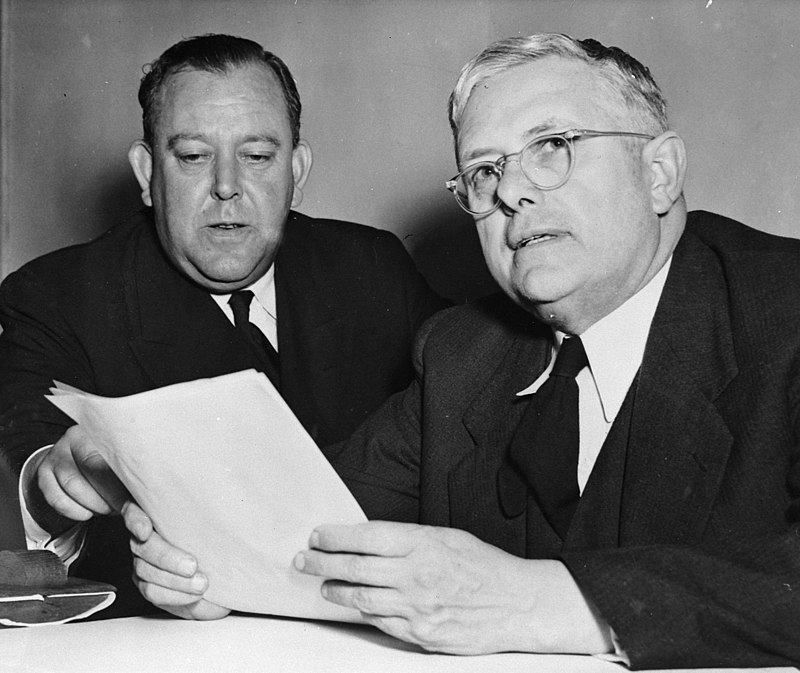
1946
In 1946, Norman Makin, an Australian diplomat and politician, made history by being the first President of the United Nations Security Council. Makin had previously served as an Australian Minister and had extensive experience in international relations. His election to this prestigious position was a testament to his diplomatic skills and expertise.
As the President of the United Nations Security Council, Makin played a crucial role in shaping the early decisions and policies of this vital international body. His leadership helped establish the groundwork for the Security Council's future efforts in maintaining global peace and security. Makin's appointment also highlighted Australia's growing influence on the world stage and its commitment to promoting international cooperation.
Makin's tenure as President of the Security Council paved the way for future Australian diplomats and officials to play significant roles in international affairs. It showcased Australia's ability to contribute meaningfully to global governance and security issues. Makin's presidency marked a milestone for Australia in the realm of international diplomacy, highlighting the country's dedication to multilateralism and global peacekeeping efforts.
Overall, Norman Makin's election as the first President of the United Nations Security Council was a momentous occasion in Australia's diplomatic history. His leadership and contributions to the Security Council's early operations set a precedent for future Australian involvement in international organizations and underscored the country's commitment to upholding peace and security on the global stage.
#NormanMakin #UNSecurityCouncil #AustralianDiplomacy #GlobalLeadership
View details1945
Inaugurated in 1945, the Sydney to Hobart Yacht Race is an iconic Australian sporting event. The idea was conceived by the Cruising Yacht Club of Australia to attract members back to the club and showcase the beautiful Australian coastline. The first race saw a modest fleet of just nine boats, setting sail from Sydney Harbour towards Hobart, Tasmania.
Despite its humble beginnings, the race quickly gained popularity, drawing attention from sailors worldwide. Over the years, it has grown into one of the most challenging yacht races globally, notorious for its unpredictable and often treacherous waters. The participants not only navigate through the Tasman Sea but also contend with strong winds and unpredictable weather conditions.
The Sydney to Hobart Yacht Race has become a beloved tradition in Australia, capturing the nation's fascination with the sea and sailing. It has evolved into a significant cultural event, attracting sailors, spectators, and media coverage from around the world. The race showcases the skills and determination of the participants, highlighting the spirit of adventure and camaraderie among the sailing community.
Throughout its history, the Sydney to Hobart Yacht Race has seen triumphs, tragedies, and incredible displays of seamanship. It has become a test of skill, endurance, and courage, with participants pushing themselves to the limits in pursuit of victory. The race has also contributed to the growth of yacht racing in Australia, inspiring a new generation of sailors and fostering a deep appreciation for the sea.
As the Sydney to Hobart Yacht Race continues to enthrall audiences and challenge competitors, it remains a testament to Australia's maritime heritage and spirit of exploration. The race embodies the thrill of adventure, the beauty of the sea, and the resilience of those who dare to brave its waters.
#SydneyToHobart #YachtRace #AustralianSailing #AdventureAtAsea
View detailsIn 1945, Australia joined the global community as a founding member of the United Nations (UN). This decision aligned with Australia's aspirations for international cooperation and peace following the end of World War II.
Australia's involvement in the UN was significant as it helped shape the organization's core principles and objectives. As a founding member, Australia played a crucial role in establishing the UN Charter, which aimed to promote peace and security, foster friendly relations among nations, and advance social progress. By joining the UN, Australia underscored its commitment to multilateral diplomacy and the peaceful resolution of conflicts on the world stage.
Becoming a founding member of the UN also gave Australia a platform to amplify its voice on global issues, advocate for its interests, and collaborate with other countries to address shared challenges. Australia's participation in UN activities, such as peacekeeping missions, humanitarian efforts, and sustainable development initiatives, showcased its dedication to upholding the values of the organization.
The decision to join the UN marked a milestone in Australia's foreign policy and underscored its embrace of collective security and cooperation at the international level. By participating in the UN's decision-making processes and contributing to its various agencies and programs, Australia cemented its position as a responsible global citizen committed to upholding the ideals of the organization.
Australia's role as a founding member of the UN highlights its enduring commitment to promoting peace, security, and prosperity on a global scale. The decision to join the organization continues to shape Australia's foreign policy priorities and its engagement with the international community.
#AustraliaUNFoundingMember #GlobalCooperation #PeaceAndSecurity
View detailsDuring the final stages of World War II, Japan found itself facing significant losses and devastation. The United States, along with its allies, had been making steady advancements towards Japanese territory, causing widespread destruction and casualties. The bombings of Hiroshima and Nagasaki inflicted catastrophic damage and loss of life, pushing Japan into a corner.
As the war dragged on, the Japanese military's resources dwindled, and the American forces closed in. The prospect of a prolonged conflict with no guarantee of victory left Japan in a desperate situation. The Allied demand for an unconditional surrender became increasingly inevitable.
Facing the grim reality of further destruction and loss, Japan's leaders made the difficult decision to surrender, bringing an end to years of conflict. The announcement of Japan's surrender brought a mix of relief and disbelief to the people, who had endured the horrors of war for so long.
The surrender of Japan marked a turning point not only in the Pacific theater but also globally, bringing an end to one of the deadliest conflicts in history. The impact of this event reverberated across nations, ushering in a new era of post-war recovery and reconciliation. The war may have ended, but its effects continued to shape the world for years to come.
In Australia, the news of Japan's surrender was met with a sense of relief mixed with somber reflection on the sacrifices made during the war. The return of Australian troops and efforts to rebuild communities became the focus as the nation looked towards a future of recovery and healing.
#JapanSurrenders #EndOfWorldWarII #GlobalImpact #Reconciliation
View details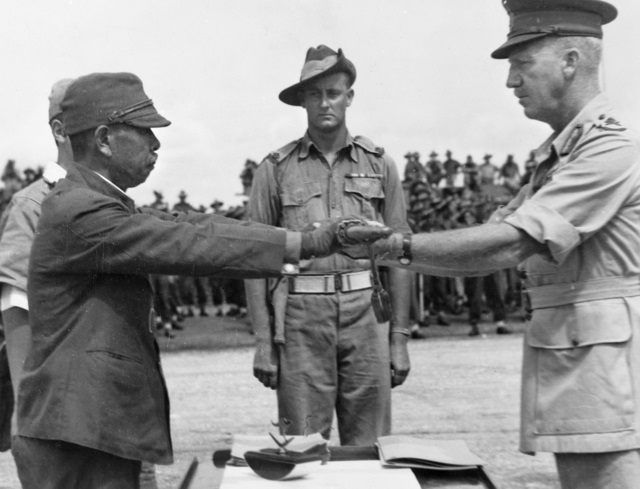
Following the death of Prime Minister Curtin, Frank Forde briefly assumed office before Ben Chifley became the leader of the Chifley Labor government. With Curtin's passing, Australia mourned the loss of a respected leader during a critical juncture in history.
Frank Forde's tenure as Prime Minister was the shortest in the country's history, lasting only eight days before being succeeded by Ben Chifley. Chifley, a former railway worker, brought a working-class perspective to the role, focusing on rebuilding the nation post-war. Under his leadership, the Chifley Labor government implemented various economic and social reforms aimed at improving the lives of everyday Australians.
During Chifley's time in office, the government established the Snowy Mountains Hydro-Electric Scheme, a monumental project that provided much-needed employment and infrastructure for the country. Additionally, Chifley's government introduced measures to expand social welfare, including the introduction of unemployment and sickness benefits.
The Chifley Labor government also played a key role in the post-war reconstruction of Australia, overseeing the reintegration of returning soldiers into civilian life and managing the challenges of demobilization. Chifley's leadership style was marked by his commitment to social justice and equality, earning him widespread respect and support among the Australian populace.
Overall, the transition from Curtin to Forde and ultimately to Chifley represented a critical period of change and continuity in Australian politics. The Chifley Labor government's focus on rebuilding the country after the war and implementing progressive policies left a lasting impact on the nation's development.
#Australia #ChifleyLaborGovernment #PostWarReconstruction
View details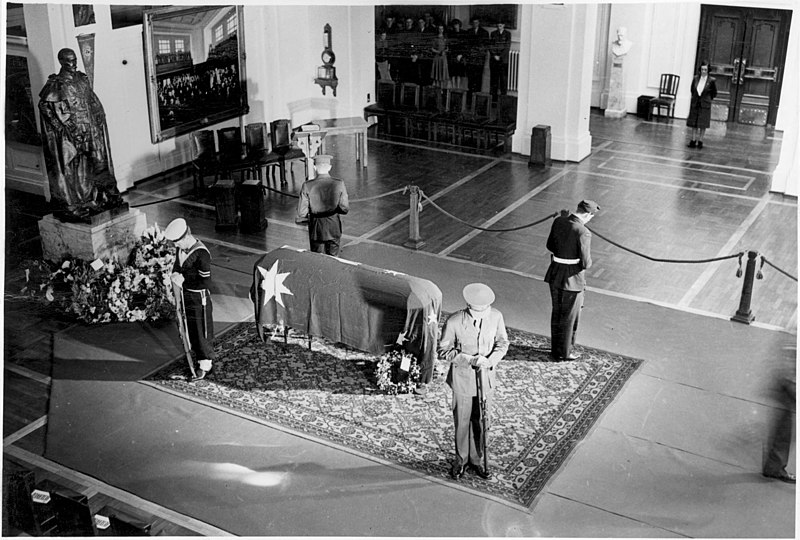
In 1946, the Minister for Immigration Arthur Calwell unveiled a groundbreaking post-war immigration scheme in Australia. Calwell's initiative aimed to address labor shortages and rebuild the economy by inviting large numbers of immigrants to settle in the country. The scheme focused on attracting European migrants, especially those displaced by the devastation of World War II.
With the introduction of the major immigration scheme, Australia saw a significant increase in its population diversity and cultural richness. The arrival of immigrants brought new skills, talents, and perspectives, contributing to the development and growth of the Australian society. The scheme also played a crucial role in shaping Australia's multicultural identity, as people from various backgrounds and nationalities made their homes in the country.
Calwell's vision for a more inclusive and diverse Australia was met with both support and opposition. While many welcomed the idea of a multicultural nation, there were also concerns about the integration of immigrants and potential social challenges. Despite the debates and controversies surrounding the scheme, it marked a pivotal moment in Australian history and set the stage for future migration policies and initiatives.
The introduction of the post-war immigration scheme by Minister for Immigration Arthur Calwell reshaped the demographic landscape of Australia and left a lasting impact on the country's social fabric. The initiative paved the way for increased cultural diversity, economic prosperity, and social cohesion, making it a defining moment in Australian history.
#ArthurCalwell #postwarimmigration #Australia #multiculturalism #economicrecovery
View details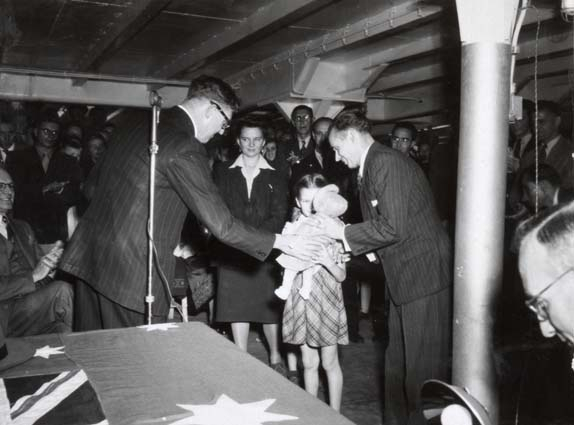
During the Battle of Borneo, Australian forces played a prominent role in the Allied offensive campaign against Japanese forces in Borneo. The operation aimed to secure key strategic locations and weaken Japanese defenses in the region. The Australian forces, supported by American and Dutch troops, launched amphibious assaults on multiple fronts across the island.
The Battle of Borneo was part of the broader Allied strategy to reclaim territories occupied by the Japanese during World War II. The Australian forces faced challenging terrain, dense jungles, and fierce resistance from Japanese troops throughout the campaign. Despite the difficulties, Australian troops demonstrated courage and resilience in their advance.
The successful outcome of the Battle of Borneo delivered a significant blow to Japanese forces in the region and contributed to the overall Allied victory in the Pacific theater. The operation helped pave the way for the eventual surrender of Japan and the end of World War II.
The Battle of Borneo highlighted the bravery and determination of Australian forces in combat. The sacrifices made by Australian soldiers during the campaign are remembered as a critical chapter in the country's military history. The battle also underscored the importance of international cooperation and unity in achieving victory over common enemies.
#AustralianForces #BattleofBorneo #WorldWarII #AlliedVictory #MilitaryHistory
View details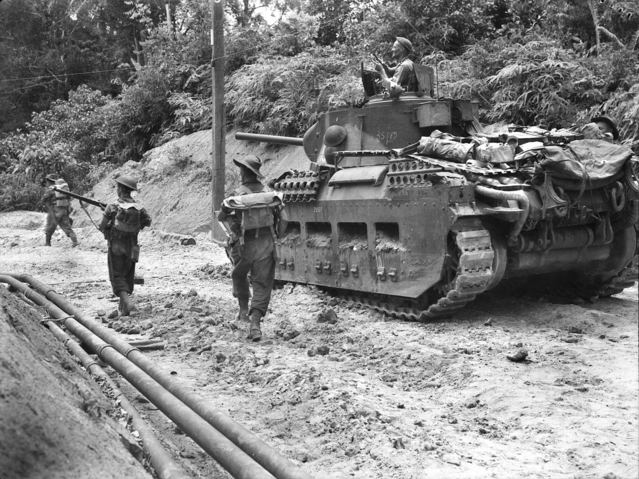
1944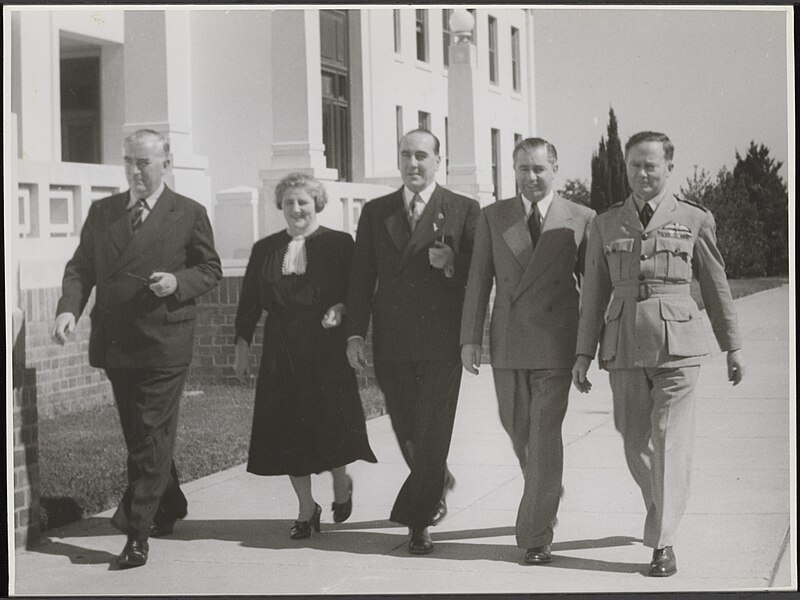
Following World War II, Australians were seeking stability and unity in their political landscape. This led to the establishment of the Liberal Party of Australia, with Robert Menzies emerging as its inaugural leader. Menzies, a respected former Prime Minister, aimed to promote individual freedom, enterprise, and traditional values.
The formation of the Liberal Party marked a shift in Australian politics, positioning itself as a centrist party that aimed to balance the interests of both business and labor. Menzies' leadership brought a new vision to the Australian political scene, focusing on economic growth, social harmony, and strong national defense.
Under Menzies, the Liberal Party experienced early successes, winning the federal election in 1949 and establishing a long period of dominance in Australian politics. Menzies' commitment to anti-communism, strong ties with the United States, and support for economic development resonated with many Australians during the post-war period.
Menzies' leadership style, eloquence, and political acumen were crucial in shaping the Liberal Party's identity and fostering a sense of stability and prosperity in Australia. His government implemented policies that promoted economic growth, infrastructure development, and social welfare programs.
The establishment of the Liberal Party with Robert Menzies at its helm was a pivotal moment in Australian political history. It laid the foundation for a political force that would shape the country's policies and direction for decades to come. Menzies' legacy as the party's founding leader continues to influence Australian politics, with the Liberal Party remaining a prominent force in the country's political landscape.
#LiberalPartyofAustralia #RobertMenzies #AustralianPolitics #PostWarEra
View detailsDuring World War II, the Cowra prisoner of war camp in New South Wales held nearly 2,000 Japanese prisoners. Tensions within the camp grew as the prisoners' spirits remained high despite their confinement. On a fateful day in August, a group of Japanese prisoners launched a daring escape attempt, overpowering the guards and cutting through the barbed wire fences.
The breakout resulted in chaos and violence, with prisoners and guards caught in a deadly confrontation. The Japanese prisoners were driven by a sense of honor and duty, preferring death over continued imprisonment. In the end, hundreds of prisoners died, either by their own hands or in the crossfire with the guards. The breakout was ultimately suppressed, with many prisoners re-captured or killed.
The Cowra breakout had a profound impact, not only on the individuals involved but also on the wider community. It highlighted the challenges of managing prisoners of war, especially those from a different culture and mindset. The event also raised questions about the treatment and conditions of prisoners during wartime.
In the aftermath of the Cowra breakout, both the Australian and Japanese governments were forced to confront the realities of war and the human cost it entailed. Memorials were erected to honor those who lost their lives during the escape attempt, serving as reminders of the tragic events that unfolded on that fateful day.
#Cowra #PrisonersOfWar #Escape #WorldWarII #Australia #Japan #History
View detailsDuring this event, Australian forces engaged in intense battles with Japanese garrisons across the Pacific from Borneo to Bougainville. The campaign was part of the Allied effort to push back Japanese forces and regain control of strategic territories. Australian troops faced harsh jungle conditions, disease, and ferocious resistance from well-fortified Japanese positions.
The campaign in Borneo aimed to secure vital oil fields and disrupt Japanese supply lines. Australian forces launched amphibious assaults and conducted intense jungle warfare to drive out the entrenched Japanese defenders. Similarly, in Bougainville, Australian troops fought to secure airfields and prevent the Japanese from launching further attacks against Allied forces.
The battles in Borneo and Bougainville were long and grueling, with both sides suffering heavy casualties. However, the determination and resilience of the Australian forces ultimately led to the successful liberation of these territories. The campaign significantly weakened Japanese control in the region and helped to turn the tide of the war in favor of the Allies.
The sacrifices made by Australian forces in these battles played a crucial role in the eventual defeat of the Japanese Empire and the end of World War II in the Pacific. The courage and tenacity displayed by the Australian troops in the face of adversity are a testament to their commitment to securing peace and freedom in the region.
#AustralianForces #Borneo #Bougainville #PacificCampaign #WorldWarII
View details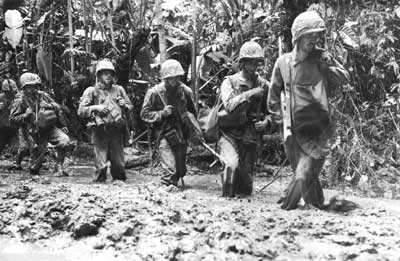
The Pharmaceutical Benefits Scheme was created to ensure that all Australians have access to essential medicines at an affordable cost. This initiative emerged at a time when many citizens struggled to afford necessary medications, leading to adverse health outcomes. The Scheme aimed to alleviate this burden by subsidizing prescription drugs, making them more accessible to the general population.
Under the Pharmaceutical Benefits Scheme, a list of approved medications is made available to the public at a reduced price, with the government covering a significant portion of the expense. This shift in healthcare policy significantly improved the well-being of individuals across the country, enabling them to manage their health conditions more effectively.
The introduction of the Pharmaceutical Benefits Scheme marked a turning point in Australia's healthcare system, prioritizing the welfare of its citizens by ensuring that cost would no longer be a barrier to receiving vital treatments. This change had far-reaching implications, enhancing the overall health outcomes of the population and reducing disparities in healthcare access.
The implementation of the Scheme underscored the government's commitment to promoting public health and well-being, emphasizing the importance of affordable healthcare for all. By subsidizing medicines and making them more affordable, the Pharmaceutical Benefits Scheme positively impacted the lives of countless Australians, fostering a healthier and more equitable society.
#PharmaceuticalBenefitsScheme #AffordableHealthcare #PublicHealth #HealthEquity
View detailsDuring World War II, Japanese forces inflicted the Sandakan Death March on 2,000 Australian and British prisoners of war. These individuals were captured during the earlier stages of the war and were held captive in Borneo. As Allied forces began to close in on the area, the Japanese decided to move the prisoners to Ranau, located 260 kilometers away.
The march was a brutal ordeal, with the prisoners subjected to harsh treatment, limited food and water, and physical abuse. Many were already weakened from their time in captivity and were in no condition to endure such a grueling journey. As a result, the death toll mounted rapidly along the way.
By the time the survivors reached their destination, only six remained. The rest had perished from exhaustion, starvation, or at the hands of their captors. The Sandakan Death March is considered the single worst war crime perpetrated against Australians, serving as a stark reminder of the inhumanity of war.
The impact of the Sandakan Death March was profound, not only for the families of the victims but for the nation as a whole. The loss of so many brave soldiers under such horrific circumstances left a lasting scar on the Australian psyche. The survivors who lived to tell the tale bore witness to the atrocities committed by the Japanese during that dark chapter of history.
The Sandakan Death March serves as a somber reminder of the sacrifices made by Australian and British soldiers during World War II. It stands as a testament to the resilience and courage of those who endured unimaginable suffering at the hands of their captors. The memory of the event lives on as a symbol of the brutality of war and the strength of the human spirit. #SandakanDeathMarch #AustralianWarCrimes #RememberingOurHeroes
View details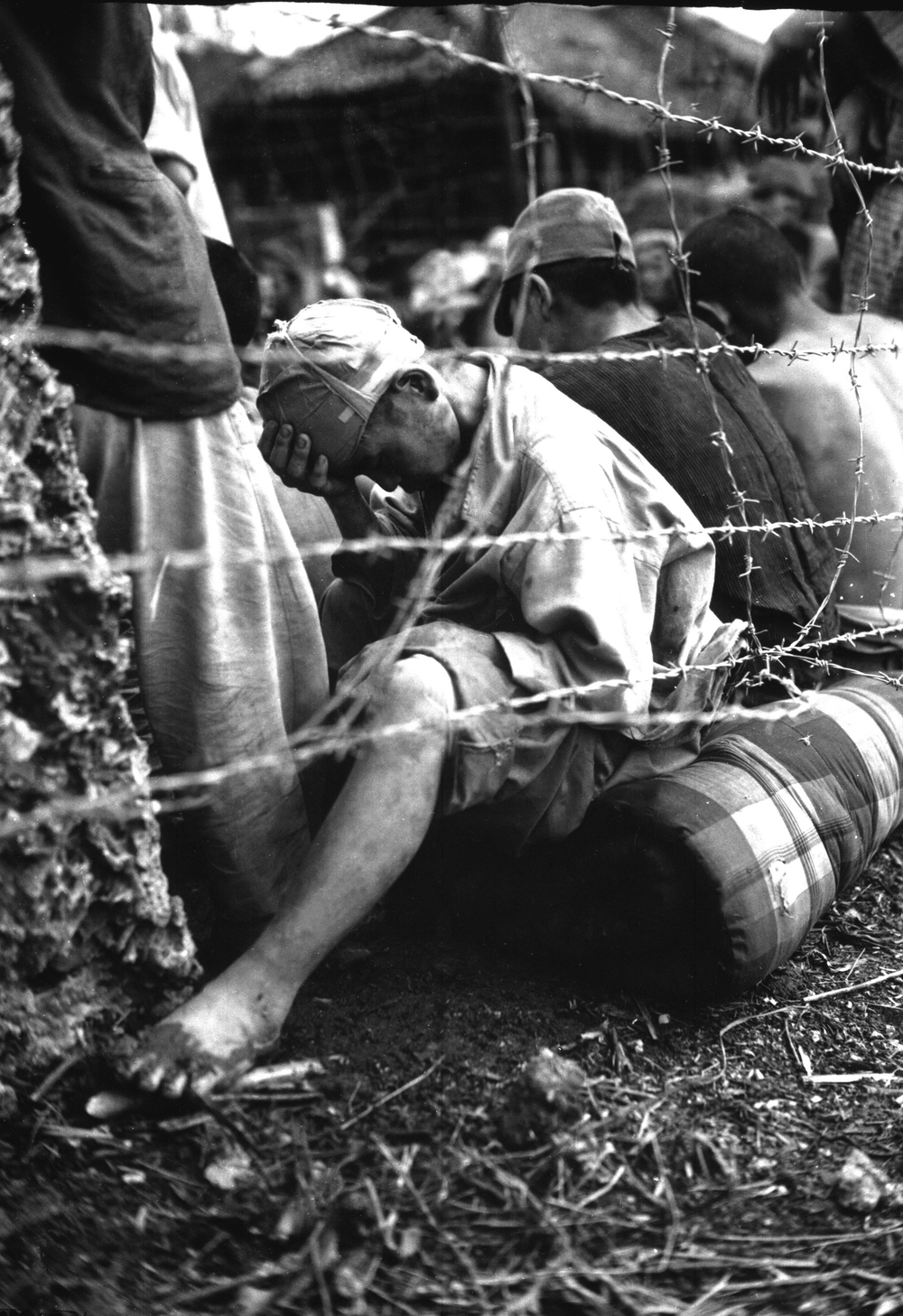
1943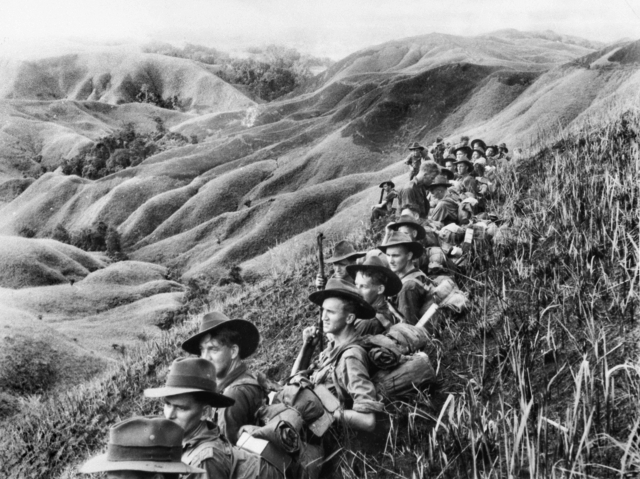
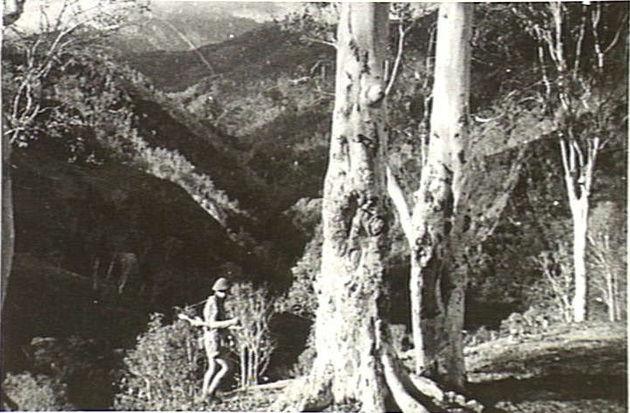
During World War II, Australian forces engaged Japanese troops in the rugged terrains of New Guinea, specifically in the towns of Wau and along the Huon Peninsula. The Japanese aimed to capture strategic locations in New Guinea, including the airfields at Wau, in order to establish a stronger foothold in the Pacific region. The Australian forces, supported by American allies, fiercely defended these positions, leading to intense battles in the dense jungles and mountainous regions.
The conflict in New Guinea was characterized by harsh environmental conditions, disease, and limited resources for both sides. The Australian forces utilized their knowledge of the terrain to their advantage, launching surprise attacks and conducting successful ambushes against the Japanese troops. The Battle of Wau, in particular, was a significant turning point as Australian troops managed to repel the Japanese assault and maintain control of the vital airfields.
The engagement in New Guinea had a significant impact on the overall Pacific War effort. The successful defense of Wau and the Huon Peninsula denied the Japanese forces a crucial stronghold in the region, preventing them from advancing towards Australia and cutting off supply lines to other Allied forces in the Pacific. The Australian forces' resilience and determination in the face of adversity were key factors in turning the tide of the war in the Pacific theater.
Overall, the Australian forces' engagement with Japan in New Guinea, specifically in Wau and the Huon Peninsula, was a pivotal moment in World War II. It demonstrated the strategic importance of the region and showcased the bravery and skill of the Australian troops in defending their territory against a formidable enemy.
#WorldWarII #AustralianForces #PacificWar #NewGuineaCampaign #BattleOfWau #HuonPeninsula #JapaneseInvasion
View detailsDuring WWII, Australia had 2,815 prisoners of war captured by Japan to construct the Burma-Thailand Railway. The construction aimed to provide a supply route for Japanese forces in Southeast Asia. These Australian POWs, along with many others from different nationalities, endured harsh conditions including malnutrition, diseases, and brutal treatment by their captors.
The construction of the railway was notoriously grueling due to the tropical climate, rough terrains, and lack of proper equipment. The POWs were forced to work tirelessly, often undernourished and with inadequate medical care. As a result, many fell ill to diseases like cholera, dysentery, and malaria. The death toll among the Australian POWs reached a staggering 2,815, with countless others suffering long-lasting physical and psychological trauma.
The loss of these Australian lives was a somber reminder of the brutality of war and the sacrifices made by individuals serving their country. The construction of the Burma-Thailand Railway remains a dark chapter in history, highlighting the inhumane treatment faced by prisoners of war and the devastating impact of conflict on human lives.
The tragic fate of the 2,815 Australian POWs serves as a poignant reminder of the horrors of war and the resilience of the human spirit. Their sacrifice and suffering will never be forgotten, their story a testament to the cost of conflict and the enduring legacy of those who gave their lives in service to their nation.
#AustralianPOWs #BurmaThailandRailway #WWII #PrisonersOfWar #Sacrifice
View detailsOn March 4, 1943, Australia celebrated a historic achievement in the realm of cinema when cinematographer Damien Parer won the country's first Oscar for the documentary "Kokoda Front Line!" This landmark event marked a significant milestone for Australian film, bringing international recognition to the nation's burgeoning film industry and highlighting the critical role of war documentaries in boosting morale and documenting the realities of conflict.
The Context of "Kokoda Front Line!"
"Kokoda Front Line!" was a powerful wartime documentary produced by the Australian Department of Information and Cinesound Productions. The film focused on the grueling Kokoda Track campaign in Papua New Guinea during World War II, a pivotal series of battles between Allied and Japanese forces from July to November 1942. The campaign was crucial in halting the Japanese advance toward Australia and is remembered for the extraordinary bravery and endurance of Australian soldiers, often referred to as the "diggers."
Damien Parer: The Man Behind the Camera
Damien Parer was an esteemed Australian war cinematographer who became renowned for his ability to capture the stark realities of battle. Born in 1912, Parer had a passion for photography from a young age, which he pursued professionally. His work during World War II, particularly on the front lines, brought him international acclaim.
Parer’s footage for "Kokoda Front Line!" was raw and poignant, showcasing not only the harsh conditions and intense combat but also the camaraderie and spirit of the Australian soldiers. His commitment to documenting the truth, often at great personal risk, provided an authentic and unfiltered view of the war that resonated deeply with audiences.
The Impact of "Kokoda Front Line!"
The documentary had a profound impact both in Australia and abroad. It brought the harsh realities of the Kokoda campaign into the public eye, fostering a deeper understanding of the sacrifices made by the soldiers. The film served as a powerful propaganda tool, boosting morale on the home front and reinforcing the importance of the Allied war effort.
"Kokoda Front Line!" was part of the broader wartime effort to keep the public informed and engaged. Its success was a testament to the effectiveness of visual media in shaping public perception and sentiment during times of conflict.
Winning the Oscar
The 1943 Academy Awards recognized "Kokoda Front Line!" with the Oscar for Best Documentary (Short Subject). This award was a significant achievement for Australia, as it was the first time the country had been honored by the Academy. The recognition highlighted the quality and impact of Australian filmmaking, particularly in the documentary genre.
The Oscar win brought international attention to Damien Parer and his work, solidifying his legacy as one of the most important war cinematographers of his time. Tragically, Parer was killed in action in 1944 while filming in the Pacific, but his contributions to war journalism and documentary filmmaking continue to be celebrated.
Legacy of "Kokoda Front Line!"
The legacy of "Kokoda Front Line!" extends beyond its Oscar win. The documentary remains an essential historical record of the Kokoda Track campaign, preserving the stories and experiences of the Australian soldiers who fought there. It also set a high standard for war documentaries, demonstrating the power of visual storytelling in capturing and conveying the human dimensions of warfare.
In Australia, Parer's work has continued to inspire filmmakers and journalists. The documentary's success at the Oscars paved the way for future Australian films to gain international recognition, contributing to the development and growth of the Australian film industry.
#MomentsOfLife #MoofLife_Moment #MoofLife #KokodaFrontLine #DamienParer #AustralianCinema #Oscars #WarDocumentaries #WorldWarII #KokodaTrack
View details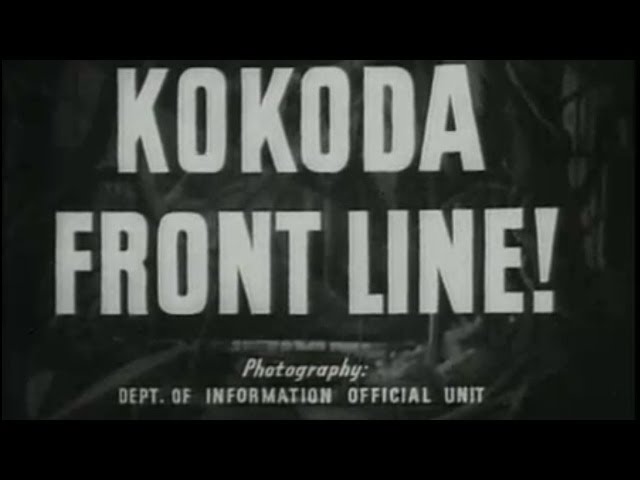
1942
During 10/9/1942, Australia formally adopted the UK Statute of Westminster, which granted the nation the ability to pass laws that may conflict with UK legislation. This event marked a significant shift in Australia's legal autonomy, severing ties that had previously bound the country to British laws.
The background leading up to the adoption of the Statute of Westminster in Australia was rooted in a growing sense of national identity and the desire for independence. Prior to this, Australia had been largely governed by British laws, which sometimes limited the country's ability to govern itself as it saw fit. With the formal adoption of the Statute, Australia gained the legal framework to assert its own sovereignty and make decisions independently from the UK.
The impact of this event was far-reaching, opening the door for Australia to exercise greater authority over its own affairs. This newfound legal freedom empowered Australia to pass laws tailored to its specific needs and interests, without being bound by British legislation. The adoption of the Statute of Westminster symbolized a coming of age for Australia as a nation, solidifying its status as an independent player on the world stage.
In conclusion, the formal adoption of the UK Statute of Westminster by Australia in 10/9/1942 was a watershed moment in the nation's history. It represented a decisive break from the legal constraints imposed by British laws, enabling Australia to forge its own path and exercise greater autonomy in legislative matters. This event laid the foundation for Australia to assert its sovereignty and shape its own destiny. #Australia #StatuteofWestminster #LegalAutonomy
View detailsIn the midst of World War II, the Battle of Milne Bay marked a significant turning point in the Pacific theater. The Imperial Japanese Army had been targeting strategic locations to expand their territory, and Milne Bay in Papua New Guinea was one of their objectives. The Japanese aimed to secure the bay for a potential invasion of mainland Australia.
Australian forces, primarily consisting of the 7th Infantry Division and local militia units, were tasked with defending Milne Bay. Despite being outnumbered and facing fierce Japanese assaults, the Australians, with air support from the United States, utilized their knowledge of the terrain to their advantage. They strategically positioned themselves, making use of the dense jungle and mangrove swamps to launch surprise attacks on the enemy.
In a relentless and intense battle that lasted for days, the Australian troops inflicted heavy casualties on the Japanese forces. The Australians' resilience and tactical prowess eventually forced the Japanese to retreat, marking the first time the Imperial Japanese Army had been defeated on land during the Pacific War. This victory not only halted the Japanese advance towards Australia but also boosted the morale of the Allied forces in the region.
The Battle of Milne Bay highlighted the significance of effective coordination between ground troops and air support. It also showcased the determination and bravery of the Australian soldiers who stood their ground against a formidable enemy. The outcome of this battle demonstrated that the Japanese forces were not invincible and gave a much-needed boost to the Allied war effort in the Pacific.
#BattleOfMilneBay #AustralianForces #JapaneseDefeat #WWII #PacificTheater
View details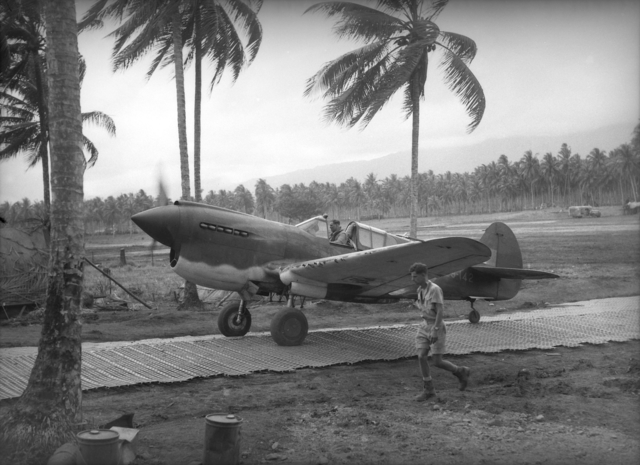
During World War II, Singapore fell to the Japanese forces, leading to 15,000 Australians becoming Prisoners of War. Prior to the Japanese invasion, Singapore was considered an impregnable fortress by the British. However, a series of strategic errors and lack of preparedness resulted in the swift defeat of the Allied forces by the Japanese.
The fall of Singapore had a devastating impact on the Australian prisoners of war. They were subjected to harsh conditions, forced labor, malnutrition, and brutal treatment by the Japanese captors. Many endured physical and mental torture during their captivity, with a significant number losing their lives due to disease, starvation, and exhaustion.
The Australian prisoners of war faced years of suffering until the end of the war, enduring unimaginable hardships and witnessing the loss of comrades. Their resilience and strength in the face of adversity are a testament to their courage and determination to survive such dire circumstances.
The event of Singapore falling and the subsequent internment of 15,000 Australians as prisoners of war by the Japanese remains a dark chapter in Australian history. It serves as a reminder of the brutal realities of war and the sacrifices made by those who served their country during times of conflict.
#SingaporeFall #PrisonersOfWar #AustralianHistory #WWII #JapaneseInvasion
View details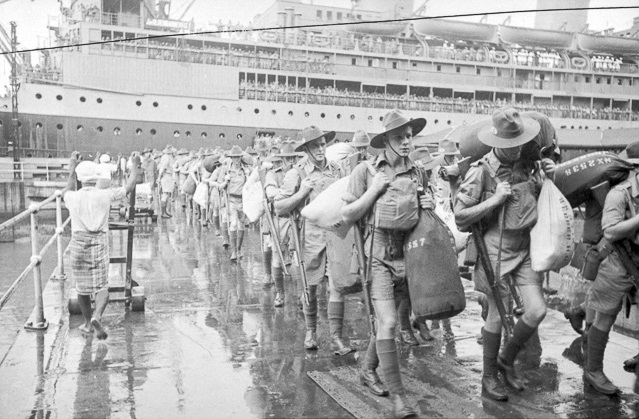
During the Battle of Kokoda Trail, Australian soldiers bravely halted the Japanese advancement towards Port Moresby in Papua New Guinea. The rugged and treacherous Kokoda Trail served as the battleground where these two forces clashed in a significant campaign of World War II.
The Japanese forces aimed to capture Port Moresby in order to establish air bases and gain control over the region. However, the Australian soldiers, under-equipped and facing harsh conditions, put up a strong resistance along the Kokoda Trail. Despite being outnumbered and facing fierce opposition, they displayed remarkable courage and determination.
The Battle of Kokoda Trail was marked by intense fighting, brutal jungle conditions, and high casualties on both sides. The Australian soldiers, with their knowledge of the terrain and their fighting spirit, were able to effectively defend key positions and prevent the Japanese from reaching their objective.
The Australian forces ultimately succeeded in halting the Japanese advance, turning the tide of the campaign in New Guinea. This victory was a significant achievement in the Pacific campaign of World War II, highlighting the bravery and resilience of the Australian soldiers in the face of a formidable enemy.
The Battle of Kokoda Trail is remembered as a pivotal moment in Australian military history, demonstrating the country's commitment to defending its territory and contributing to the Allied victory in the Pacific. The courage and sacrifice of the soldiers who fought in this grueling campaign are honored and remembered to this day.
#BattleofKokodaTrail #AustralianSoldiers #JapaneseAdvance #WorldWarII #PortMoresby
View details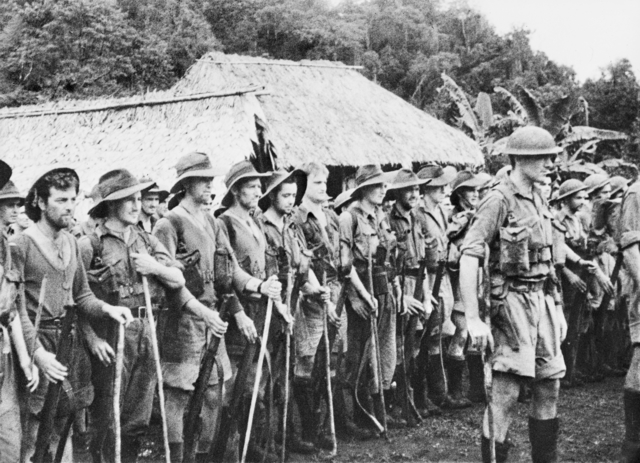
During World War II, Australia's 9th Division played a pivotal role in the First and Second Battle of El Alamein, turning the tide in favor of the Allies in the North Africa Campaign.
The North Africa Campaign was a critical battleground in the war, with control of the region providing strategic advantages for both the Axis and the Allies. The 9th Division was part of the Allied forces under the command of British General Bernard Montgomery. Trained and equipped to a high standard, the Australian troops were seasoned veterans, having already seen action in Greece, Crete, and Syria.
In the First Battle of El Alamein, the 9th Division helped to halt the German and Italian advance towards the Suez Canal. Their defensive efforts bought valuable time for the Allies to regroup and reinforce their positions. In the Second Battle of El Alamein, the division played a crucial role in the offensive that ultimately led to the decisive victory over the Axis forces. The Australian troops, known for their tenacity and courage, were instrumental in breaching the enemy's defences and securing a breakthrough.
The outcome of the battles at El Alamein marked a significant turning point in the North Africa Campaign. The Allies gained momentum and began to push the Axis forces back, ultimately leading to the liberation of North Africa from Nazi control. The strategic importance of this victory cannot be overstated, as it set the stage for the Allied invasion of Italy and the eventual defeat of the Axis powers in Africa and Europe.
The contribution of Australia's 9th Division in the First and Second Battle of El Alamein was vital to the overall Allied victory in the North Africa Campaign. Their bravery and skill in combat were essential in turning the tide of the war in the region. The legacy of their actions continues to be remembered and honored today. #Australia #9thDivision #ElAlamein #Allies #NorthAfricaCampaign
View detailsDuring the early 1940s, Australia was deeply involved in World War II, facing challenges with resources and manpower. To maximize productivity and conserve energy, national daylight saving was introduced as a wartime measure. This initiative aimed to extend daylight hours and reduce the reliance on artificial lighting, thereby supporting the war effort.
The introduction of national daylight saving had a significant impact on various aspects of Australian life. It required the entire country to adjust their clocks forward by one hour during the designated period, leading to changes in daily routines, travel schedules, and agricultural practices. Industries such as manufacturing and agriculture benefited from the extended daylight hours, allowing for increased production and efficiency. The measure also aimed to promote public awareness about energy conservation and the importance of supporting the war through small lifestyle changes.
Despite initial resistance and skepticism from some sectors of the population, national daylight saving gradually gained acceptance as its benefits became evident. The measure not only contributed to the war effort by improving productivity but also had long-term effects on energy conservation practices in Australia. As the war progressed, the importance of maximizing resources and supporting the military became increasingly apparent, further solidifying the need for measures like national daylight saving.
Overall, the introduction of national daylight saving as a wartime measure in 1942 reflected Australia's commitment to supporting the war effort and adapting to challenging circumstances. It demonstrated the country's willingness to make sacrifices and embrace changes for the greater good, showcasing resilience and unity in times of crisis.
#Australia #WorldWarII #DaylightSaving #WartimeMeasure #EnergyConservation
View detailsIn the early days of May, during World War II, the Battle of the Coral Sea unfolded near the Solomon Islands. This pivotal naval confrontation marked the first time in history that two opposing fleets engaged in battle without seeing each other's ships, relying solely on carrier-based aircraft. The United States and Royal Australian Navy joined forces to thwart Japan's plans to secure sea control in the Pacific and further expand their territories towards Port Moresby, a critical position in the Australian Territory of Papua.
Strategically situated at the southeastern tip of New Guinea, Port Moresby was a crucial target for the Japanese as they sought to isolate Australia from the United States and secure dominance in the Pacific region. The Battle of the Coral Sea became a turning point in the Pacific theater as the allied forces successfully intercepted and halted the Japanese advancement, ultimately preventing the capture of Port Moresby. Despite sustaining heavy losses on both sides, the allies managed to inflict significant damage on Japanese aircraft carriers, forcing them to retreat.
The outcome of the Battle of the Coral Sea had far-reaching implications for the course of the war. It demonstrated the importance of naval air power and marked the end of Japan's unchecked expansion in the Pacific. The successful defense of Port Moresby bolstered morale among allied forces and set the stage for future strategic victories in the Pacific campaign.
Today, the Battle of the Coral Sea is remembered as a critical moment in history when the alliance between the United States and Australia was forged in the crucible of war. The bravery and sacrifice of those who fought in this pivotal engagement are honored as a testament to the courage and resilience of the allied forces in the face of adversity.
#BattleOfTheCoralSea #AlliedForces #PacificCampaign #PortMoresby #WorldWarII
View details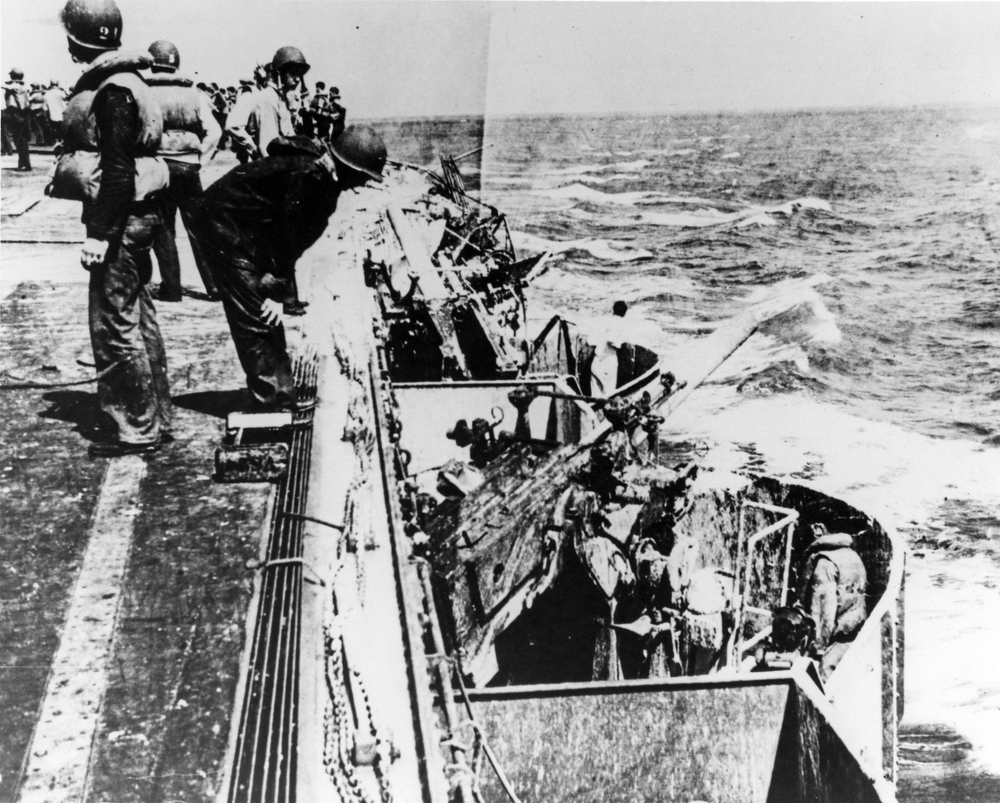
During World War II, Sparrow Force, a small group of Australian soldiers, found themselves engaged in a guerilla campaign on the island of Timor. As the Japanese forces rapidly advanced through Southeast Asia, the island of Timor was strategically important for both sides. Despite being outnumbered and outgunned, Sparrow Force, along with a small group of Dutch and Ambonese soldiers, decided to resist the advancing Japanese forces.
Operating in small groups and utilizing their knowledge of the terrain, Sparrow Force launched numerous hit-and-run attacks on the Japanese, disrupting their supply lines and communication. The guerilla tactics employed by Sparrow Force not only inflicted casualties on the Japanese but also forced them to divert resources towards addressing the insurgency.
The Battle of Timor lasted for several months, with Sparrow Force demonstrating remarkable resilience and determination in the face of overwhelming odds. Their efforts bought crucial time for Allied forces in the region and helped to delay the Japanese advance.
Despite their best efforts, Sparrow Force ultimately faced overwhelming opposition and were forced to retreat and disband. However, their guerilla campaign in the Battle of Timor played a significant role in the larger Pacific theater of World War II. The bravery and sacrifice of Sparrow Force members have been remembered as a testament to the fighting spirit of Australian soldiers during the war.
The Battle of Timor highlighted the importance of guerilla warfare and the impact that small, determined groups can have in asymmetrical conflicts. Sparrow Force's engagement in the guerilla campaign on Timor remains a noteworthy chapter in Australia's military history, showcasing the valor and tenacity of its servicemen in the face of adversity.
#SparrowForce #BattleOfTimor #GuerillaCampaign #WorldWarII #AustralianMilitaryHistory
View details