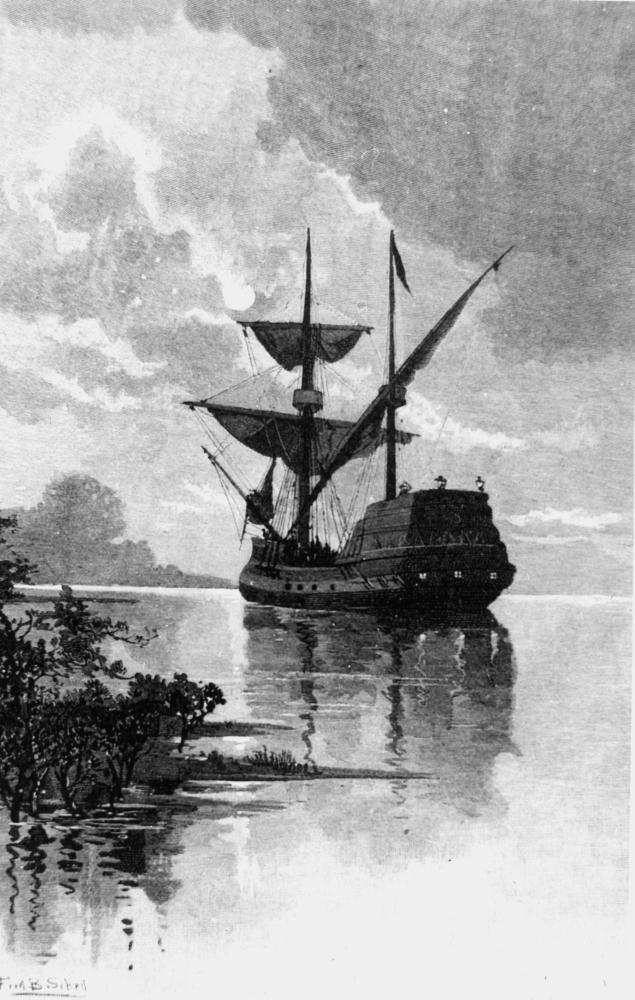
Australia

The Land Down Under
Related Lives

Libya
Oasis of the Sahara

Ethiopia
Federal Democratic Republic of Ethiopia
Bosnia and Herzegovina
The Land of Golden Lilies

Haiti
The Resilient Spirit of Haiti

Algeria
The Land of Desert Majesty and Mediterranean Splendor

Turkey
The Land of Singing Trees

Canada
The Great White North

Benin
The Jewel of West African Culture.

1681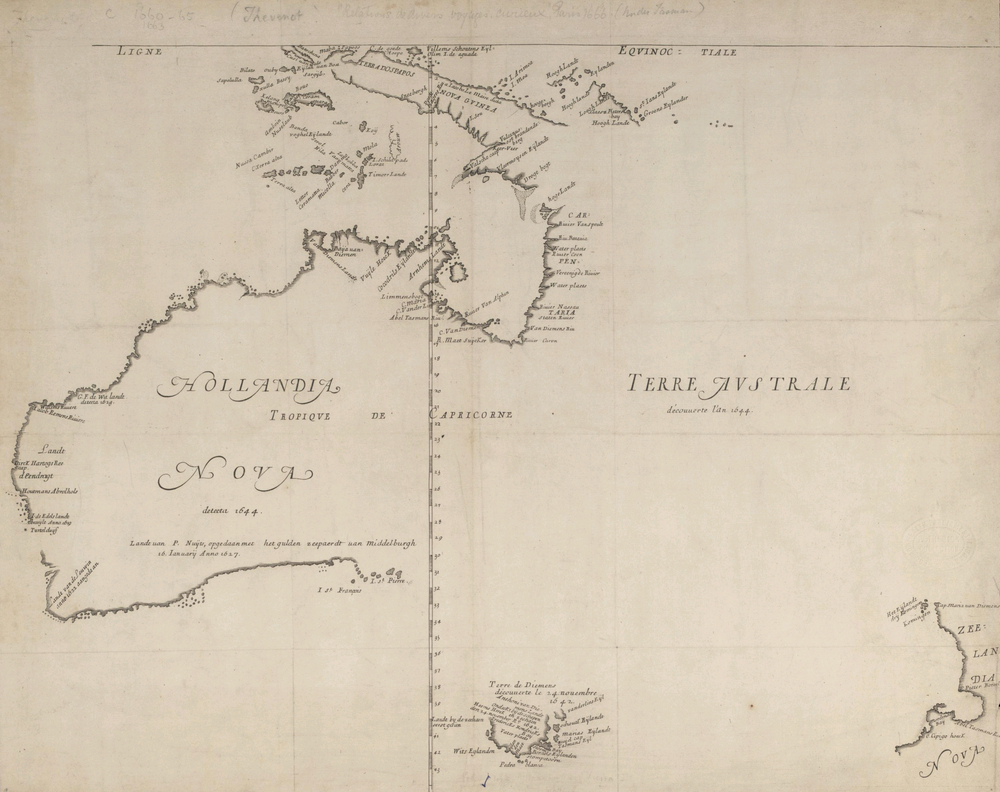
John Daniel, an English navigator, embarked on a significant expedition to chart the unexplored west coast of Australia, with a particular focus on Rottnest Island. This expedition was part of a broader effort by European powers to map and claim territories during the Age of Discovery.
John Daniel's meticulous mapping of the coastline provided valuable information for future explorers and traders navigating the waters of the region. His charts and observations contributed to the growing body of knowledge about the geography of Australia, enabling better maritime routes and trade opportunities.
The inclusion of Rottnest Island in John Daniel's charts shed light on the island's existence and geographical features, marking it as a point of interest for future explorers and settlers. This newfound knowledge of the island's location and characteristics would later influence the course of exploration and colonization in the region.
Overall, John Daniel's expedition to chart the west coast of Australia, including Rottnest Island, played a crucial role in expanding European understanding of the continent's coastline and geography. His efforts contributed to the mapping of new territories and the eventual colonization of Australia by European powers, shaping the history and development of the continent.
#JohnDaniel #Exploration #Mapping #Australia #RottnestIsland #Navigation #EuropeanExplorers
View details1656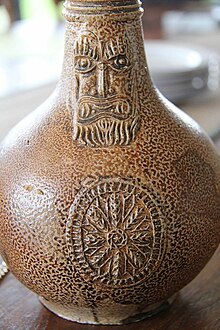
In 1656, the Dutch ship Vergulde Draeck hit a submerged coral reef off the coast of Australia, resulting in the ship's tragic loss and the deaths of many crew members. The Vergulde Draeck was a prized vessel of the Dutch East India Company, on its way back to the Netherlands laden with valuable cargo from the East Indies.
The impact of the shipwreck was devastating, with only a small number of survivors managing to reach the shore. The treacherous waters and remote location made rescue efforts challenging, leading to many crew members perishing at sea. The survivors faced the harsh Australian wilderness, struggling to find help and survive in an unfamiliar and unforgiving environment.
The loss of the Vergulde Draeck was not just a financial blow to the Dutch East India Company but also a human tragedy, leaving families and loved ones mourning the loss of those aboard. The shipwreck serves as a reminder of the dangers faced by early explorers and traders navigating the vast and unpredictable oceans.
Today, the story of the Vergulde Draeck is a poignant reminder of Australia's maritime history and the perils faced by seafarers in centuries past. It stands as a testament to the resilience of those who survived and the memory of those who were lost at sea. #VerguldeDraeck #Shipwreck #AustraliaHistory
View details1641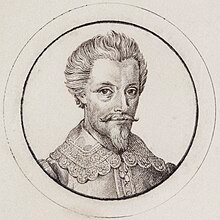
Dutch explorer Abel Tasman embarked on a voyage to the southern seas commissioned by the Dutch East India Company. His goal was to discover new territories and establish trade routes. In the course of this expedition, Tasman sailed to a vast landmass, which he named Anthoonij van Diemenslandt, in honor of the Governor-General of the Dutch East Indies, Anthony van Diemen.
The west coast of this newly discovered land was part of present-day Tasmania, an island state of Australia. Tasman's exploration marked the first recorded European sighting and mapping of Tasmania. His naming of the region would have lasting repercussions as it endured for over a century before being simplified to its present-day name.
The impact of Tasman's exploration was significant as it paved the way for further European expeditions and ultimately, colonization of Tasmania, which had profound consequences for the indigenous population. Tasman's voyage contributed to the broader European understanding of the geography of the southern hemisphere and opened the door to increased interactions between Europeans and indigenous peoples of Australia.
Today, the name of Anthoonij van Diemenslandt serves as a reminder of the early European exploration of Australia and the complex history of colonialism in the region. Tasman's voyage symbolizes a key moment in the broader history of European exploration and colonization in Australia, shaping the course of history for the continent and its inhabitants.
#AbelTasman #EuropeanExploration #Tasmania #Colonialism #AustralianHistory
View details1629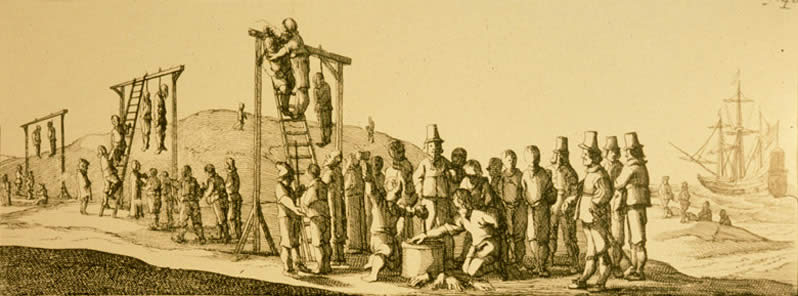
The VOC ship 'Batavia' was heading towards the Dutch East Indies when it met its tragic fate near Houtman Abrolhos islands. The ship hit a reef and started to sink, leading to chaos among the passengers and crew. While some managed to reach nearby islands, more than 200 individuals were left stranded on the sinking ship and the surrounding reefs.
With limited food and water supplies, the survivors faced a grim reality. Soon after the wreck, a group of mutineers led by Jeronimus Cornelisz emerged, seeking power and control. Cornelisz and his followers resorted to brutal tactics to assert dominance, leading to a series of murders in an attempt to eliminate anyone who posed a threat to their authority.
The violence escalated as distrust and fear permeated the survivors' makeshift community. Despite the challenging circumstances, a small group managed to evade the mutineers and seek help on the mainland. Their successful journey resulted in the eventual capture of the mutineers and justice being served for their heinous crimes.
The wreck of the 'Batavia' on Houtman Abrolhos islands stands as a tragic reminder of the darker aspects of human nature when faced with extreme conditions. The mutiny and subsequent murders that unfolded amidst the chaos serve as a harrowing tale of survival, betrayal, and the resilience of the human spirit in the face of unthinkable circumstances.
#Shipwreck #Mutiny #HoutmanAbrolhos #Survival #Betrayal #Justice
View details1623
Seebaer van Nieuwelant holds the historical distinction of being the first white child born on the land that would later become Australia. Seebaer's birth marked a significant moment in the early European settlement of the continent. Born to Dutch parents, Willem Janszoon and Sophie van Nieuwelant, Seebaer's arrival represented the beginning of a new chapter in Australia's history.
The birth of Seebaer van Nieuwelant had a lasting impact on the cultural and demographic landscape of Australia. As the first European child born on the continent, Seebaer's birth symbolized the establishment of a European presence in a land that was previously inhabited by Indigenous peoples for thousands of years. His birth also paved the way for future generations of European settlers to make Australia their home.
Despite the challenges and hardships faced by early European settlers in Australia, Seebaer's birth represented a beacon of hope and resilience. His existence served as a reminder of the human capacity to adapt and thrive in new and unfamiliar environments. Through his lineage, Seebaer became a part of Australia's rich tapestry of cultural heritage, blending Dutch roots with the unique Australian landscape.
Today, the legacy of Seebaer van Nieuwelant lives on in the descendants of early European settlers who call Australia home. His birth continues to be commemorated as a significant milestone in the history of Australia, highlighting the enduring spirit of exploration and discovery that shaped the nation's identity. Seebaer's story serves as a reminder of the diverse origins and shared histories that define the multicultural fabric of modern Australia.
#FirstWhiteChild #EuropeanSettlement #CulturalHeritage #AustralianHistory
View details1622
In 1623, Dutch captain Jan Carstensz embarked on a significant maritime journey, navigating the Gulf of Carpentaria aboard the 'Pera' and 'Arnhem' ships. This expedition aimed to explore the unknown lands and establish trade routes in the region.
Carstensz's voyage marked the first recorded European contact with the northern coastline of Australia. Despite facing challenges such as treacherous waters and unfamiliar territory, Carstensz's exploration contributed to the growing understanding of the continent's geography.
The Dutch captain's navigation of the Gulf of Carpentaria paved the way for future European expeditions to the Australian continent. His journey laid the foundation for the Dutch East India Company's interest in the region and set the stage for further exploration and colonization efforts in the years to come.
Carstensz's expedition was instrumental in expanding European knowledge of Australia's coastal regions and indigenous populations. The information gathered during the voyage provided valuable insights that would shape future expeditions and interactions between European explorers and the native inhabitants.
The legacy of Jan Carstensz's journey lives on in the historical record of early European exploration of Australia. His navigation of the Gulf of Carpentaria remains a significant milestone in the continent's history, highlighting the impact of European exploration on the shaping of Australia's cultural and geographic landscape.
#DutchExploration #AustralianHistory #MaritimeExploration
View detailsIn 1622, the 'Tryall' was wrecked on Tryal Rocks, marking the first recorded shipwreck in Australian waters and the first extended stay. The ship was a Dutch East India Company vessel, carrying a crew of 113 men and a precious cargo of silver coins, silks, and spices. The 'Tryall' had set sail from the Cape of Good Hope bound for the Dutch East Indies, but strong currents and rough seas led to its tragic fate.
Upon reaching the remote shores of Australia, the survivors of the shipwreck faced a harsh and unfamiliar environment. They were forced to work together to scavenge for food and supplies, as well as build shelter to protect themselves from the elements. The crew found themselves stranded for several months before they were able to repair a small boat and set sail for the Dutch East Indies.
The wreck of the 'Tryall' had a lasting impact on the history of Australian maritime exploration. It served as a cautionary tale for future sailors navigating the treacherous waters of the region and highlighted the need for accurate maps and navigational tools. The story of the 'Tryall' also shed light on the resilience and resourcefulness of early seafarers, who were able to adapt and survive in the face of adversity.
Today, the wreck of the 'Tryall' serves as a reminder of the risks and challenges faced by early explorers in their quest for new trade routes and territories. It stands as a testament to the courage and perseverance of those who braved the unknown seas in search of adventure and fortune.
#ShipwreckHistory #AustralianExploration #SurvivalStory #MaritimeHeritage
View detailsThe English ship 'Tryall' was on a mission to reach the Spice Islands when it sighted Point Cloates on the west coast of Australia. The crew had been sailing for months, battling rough seas and unpredictable weather, when they finally caught sight of land. However, their relief was short-lived as their ship ran aground on the treacherous reefs near the coast.
The impact of this event was significant, as it led to the loss of the 'Tryall' and all its cargo. The crew was forced to abandon ship and make their way to shore, where they faced the harsh realities of survival in an unfamiliar and unforgiving landscape. With limited provisions and little knowledge of the terrain, they had to rely on their resourcefulness and determination to stay alive.
The sighting of Point Cloates by the 'Tryall' marked a turning point in the crew's journey, as they were now faced with the challenge of surviving in a hostile environment while awaiting rescue. It also highlighted the dangers of navigation in uncharted waters and the importance of careful planning and seamanship when undertaking long voyages.
Overall, the event served as a reminder of the risks and uncertainties inherent in exploration and the resilience required to overcome unforeseen obstacles. It also underscored the enduring legacy of maritime exploration in shaping the history and culture of Australia.
#Exploration #Survival #MaritimeHistory #Australia
View details1618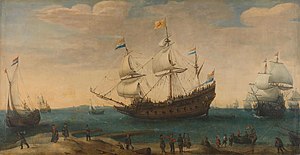
In July 1618, the VOC ship 'Mauritius' made a significant landing near North West Cape, Australia. This event marked the discovery and exploration of new territories by the Dutch East India Company. During their expedition, they named a river 'Willem's River', which was later renamed as the Ashburton River.
The arrival of the VOC ship 'Mauritius' near North West Cape led to the exploration and mapping of the surrounding areas, expanding the knowledge of the Dutch about the Australian continent. This event played a crucial role in increasing European understanding of the geography and resources of Australia, paving the way for future expeditions and colonization efforts.
The naming of 'Willem's River' by the crew of the 'Mauritius' was a testament to the Dutch influence in the region during the 17th century. The discovery of the river added to the growing body of geographical knowledge about Australia and contributed to the rich history of exploration and navigation in the area.
The renaming of 'Willem's River' to the Ashburton River reflects the changing dynamics of colonial influences in the region over time. The renaming of geographical features often symbolizes shifts in power, culture, and historical narratives.
The event of the VOC ship 'Mauritius' landing near North West Cape and naming 'Willem's River', later renamed Ashburton River, stands as a significant milestone in the exploration and mapping of Australia by European powers. It highlights the early interactions between European explorers and the indigenous lands they encountered, shaping the history and naming conventions of the region.
#VOCshipMauritius #ExplorationofAustralia #AshburtonRiver #DutchExploration #ColonialNaming
View details1616
Dirk Hartog Island was discovered by Dutch captain Dirk Hartog during the early 17th century. Hartog's arrival marked the second recorded landfall by a European in this region. The island, part of present-day Australia, is located off the coast of Shark Bay in Western Australia.
Hartog's landing on the island was accidental, as he was en route to the Dutch East Indies. Upon arrival, Hartog made history by inscribing a pewter plate with details of his landing, making it a significant piece of maritime history. This plate, known as the Hartog Plate, is considered one of the earliest European artifacts found in Australia.
The discovery of Dirk Hartog Island had a lasting impact on European exploration and colonization of Australia. It provided valuable geographical knowledge of the region and contributed to the growing understanding of the continent's coastline. Hartog's landing also paved the way for future explorers and traders to navigate these waters with more precision and confidence.
Today, Dirk Hartog Island serves as a popular tourist destination, known for its stunning natural beauty and rich history. Visitors can explore the same shores that Hartog landed on centuries ago, and learn about the island's indigenous heritage and diverse ecosystems.
#DirkHartogIsland #EuropeanExploration #MaritimeHistory #WesternAustralia #Tourism
View details1606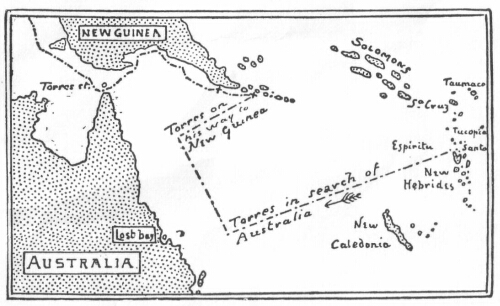
In the early 1600s, Spanish explorer Luís Vaz de Torres embarked on a voyage through uncharted waters, seeking a new route from the Pacific to the Indian Ocean. Sailing on behalf of the Spanish Crown, Torres navigated through a perilous strait separating the vast land masses of Australia and New Guinea. This waterway later became known as the Torres Strait in his honor.
Torres' journey had significant implications for European understanding of the geography of the region. His navigation through the strait helped debunk the long-held myth of a vast southern continent, revealing instead the separate land masses of Australia and New Guinea. This newfound knowledge had far-reaching consequences for future exploration and colonization efforts in the area.
The discovery of the Torres Strait was a crucial development in the history of maritime exploration, opening up a new passage for trade and travel between the Pacific and Indian Oceans. It also paved the way for further European expeditions to the continent of Australia and its surrounding islands.
To this day, the Torres Strait remains an important maritime thoroughfare, facilitating shipping and transportation routes between Australia and Southeast Asia. Torres' daring voyage through these treacherous waters stands as a testament to the courage and ingenuity of early explorers who braved the unknown in search of new horizons.
#Exploration #MaritimeHistory #Discovery #Australia #Navigation
View detailsThe Dutch East India Company (VOC) ship 'Duyfken' embarked on an exploration mission along the western coast of Cape York Peninsula. The expedition was part of the Dutch efforts to navigate new trade routes and establish connections in uncharted territories.
Led by Captain Willem Janszoon, the 'Duyfken' voyage aimed to seek potential trading opportunities and expand the VOC's influence in the region. The crew encountered unfamiliar lands, encountering the indigenous people of Australia, making 'Duyfken' the first European ship to make landfall on the continent.
The exploration of the western coast of Cape York Peninsula played a crucial role in the Dutch understanding of the geography of Australia. The voyage paved the way for future European expeditions to the continent, shaping the course of history and trade in the region.
The interactions between the 'Duyfken' crew and the Aboriginal people of Australia marked the beginning of cultural exchange and trade between Europe and the indigenous populations. Despite initial language barriers and misunderstandings, the encounter laid the groundwork for future interactions between Europeans and Aboriginal Australians.
The exploration of the western coast of Cape York Peninsula by the 'Duyfken' was a significant milestone in the history of European exploration in Australia. It opened up new possibilities for trade and colonization, leaving a lasting impact on the region's history and shaping the future relationships between different cultures.
#Duyfken #CapeYorkPeninsula #DutchEastIndiaCompany #Exploration #CulturalExchange #Trade #Australia
View details