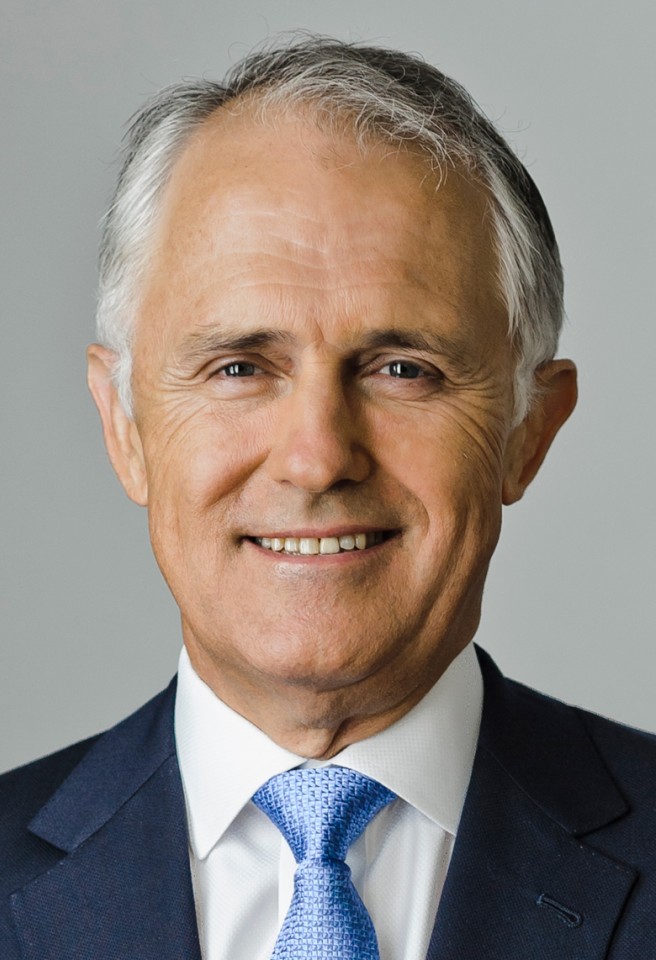
Malcolm Turnbull re-elected as Prime Minister.
Australia
Political
Leadership
4 min read
Updated By: History Editorial Network (HEN)
Published:
In the Australian federal election, Malcolm Turnbull managed to secure another term as the Prime Minister of Australia. The election was closely contested between the major political parties, with Turnbull's Liberal-National Coalition narrowly winning enough seats to form a government. Despite facing challenges from the opposition Labor Party, Turnbull's leadership resonated with voters who valued his economic policies and vision for the country's future.
Turnbull's campaign focused on economic stability, job creation, and national security, appealing to a wide range of voters across the country. His government emphasized the need for innovation and investment in the technology sector to drive growth and opportunities for Australians. Additionally, Turnbull's stance on foreign policy and trade agreements was well-received by voters who valued Australia's role on the global stage.
The election had significant implications for the country's direction on key issues such as climate change, immigration, and healthcare. Turnbull's victory signaled a continuation of the government's policies on these matters, including commitments to reduce carbon emissions, address border security, and improve access to healthcare services.
Overall, Turnbull's win in the federal election solidified his position as the Prime Minister and affirmed the public's trust in his leadership. As he embarked on his new term, Turnbull faced the challenge of delivering on his campaign promises and addressing the diverse needs of the Australian population.
#MalcolmTurnbull #AustralianElection #PrimeMinister #NationalSecurity #EconomicPolicies #Innovation #GlobalRole #ClimateChange #Healthcare #Leadership

Explore the Life Moments of
 AI Twin