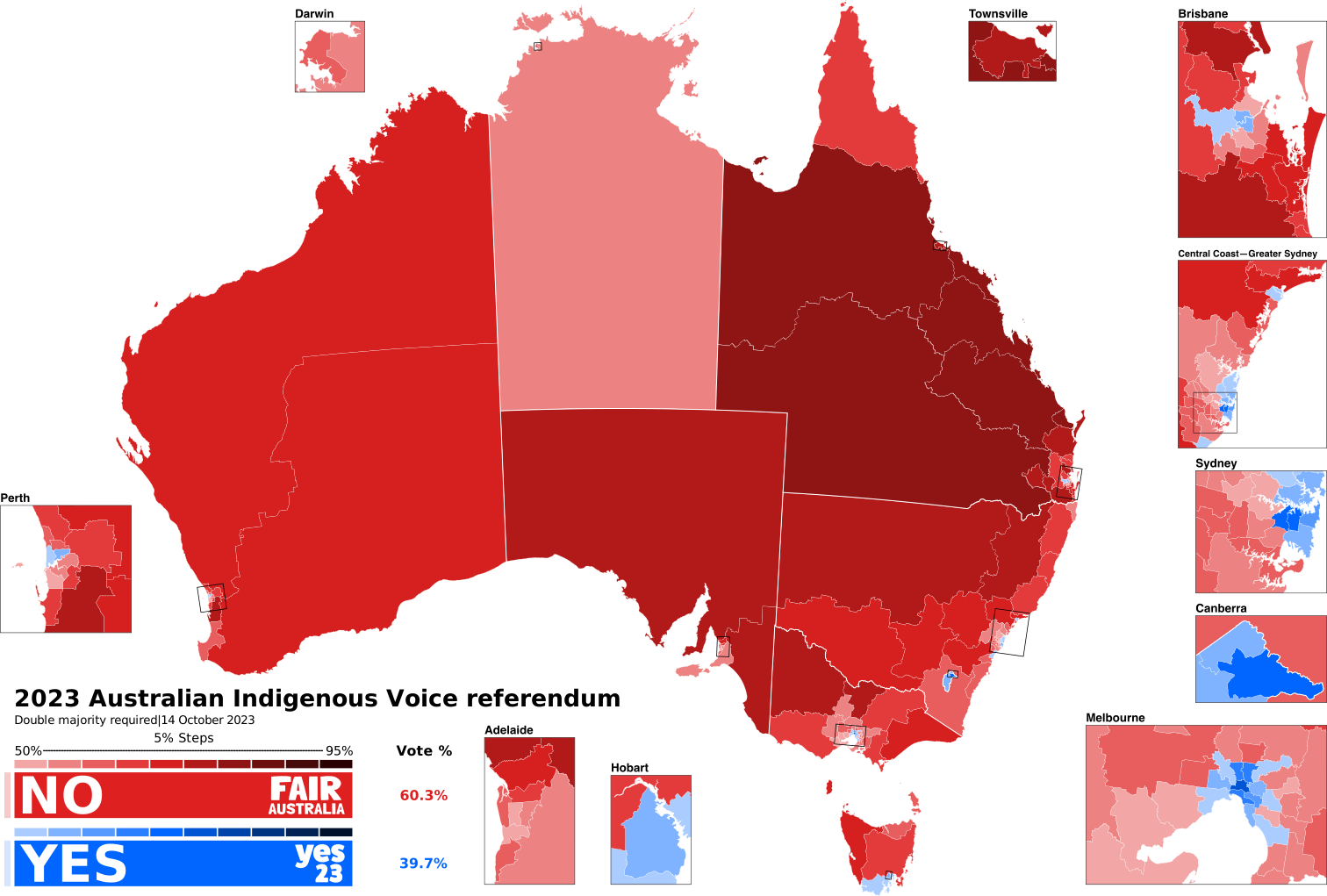
The Australian Indigenous Voice referendum fails to pass, with 60% of Australians voting "No".
Australia
10 min read
Updated By: History Editorial Network (HEN)
Published:
On October 14, 2023, Australia held a landmark referendum to decide on the establishment of an Indigenous Voice to Parliament. This proposed body aimed to provide Aboriginal and Torres Strait Islander peoples with a constitutionally enshrined advisory mechanism to influence laws and policies affecting their communities. Despite extensive campaigning and significant public debate, the referendum failed to pass, with 60% of Australians voting "No."
Background: The Indigenous Voice to Parliament
The idea of an Indigenous Voice to Parliament emerged from the 2017 Uluru Statement from the Heart, a historic consensus document produced by over 250 Indigenous leaders. The statement called for constitutional reforms to empower Indigenous Australians and address systemic inequalities. Central to these reforms was the establishment of a representative body to advise Parliament on issues affecting Indigenous communities.
The Proposal
The proposed Indigenous Voice to Parliament aimed to:
Provide a permanent platform for Indigenous Australians to have a say in legislative processes.
Ensure that policies impacting Indigenous communities were informed by their perspectives and experiences.
Foster greater understanding and cooperation between the Australian government and Indigenous peoples.
The government framed the referendum as an opportunity to make a meaningful step toward reconciliation and to recognize Indigenous Australians' unique position in the country's history and future.
The Campaigns
The Yes Campaign
Supporters of the Voice included a broad coalition of Indigenous leaders, human rights advocates, and many political and community organizations. The Yes campaign emphasized the need for a constitutionally protected advisory body to ensure Indigenous voices were heard and respected in policymaking. They argued that the Voice would help address longstanding issues of disadvantage and injustice faced by Indigenous Australians.
Prominent figures and organizations highlighted the symbolic and practical importance of the Voice, describing it as a path to reconciliation and a step toward acknowledging and rectifying historical wrongs.
The No Campaign
Opponents of the Voice raised concerns about the potential implications of the proposed body. Some argued that it would create division by entrenching separate political processes based on race. Others feared it could lead to legal and bureaucratic complexities, potentially disrupting the legislative process.
The No campaign included voices from various political backgrounds, including some Indigenous leaders who felt that the proposal was not the right approach to achieving equality and practical outcomes for their communities. They advocated for alternative measures to improve the lives of Indigenous Australians without constitutional changes.
The Referendum Outcome
On October 14, 2023, Australians went to the polls to cast their votes. The result was decisive, with 60% of voters rejecting the proposed constitutional amendment to establish the Indigenous Voice to Parliament.
Implications of the Result
The failure of the referendum had significant implications for Australian politics, society, and the ongoing journey toward reconciliation:
Indigenous Communities: Many Indigenous Australians expressed disappointment and frustration with the outcome, feeling that a crucial opportunity for progress had been missed. The result underscored the challenges and divisions within Australian society regarding Indigenous issues.
Political Landscape: The result prompted widespread reflection and debate among politicians and policymakers about the best way forward for addressing Indigenous disadvantage and achieving reconciliation. The outcome highlighted the need for continued dialogue and alternative approaches to improve Indigenous representation and outcomes.
National Identity: The referendum result sparked conversations about national identity, historical recognition, and the path to reconciliation. It underscored the complexities of addressing historical injustices and the diverse perspectives within the Australian population.
Moving Forward
In the wake of the referendum, there were calls from various quarters for renewed efforts to engage with Indigenous communities and develop policies that address their needs and aspirations. The focus shifted toward finding common ground and building consensus on measures that could effectively support Indigenous Australians.
#MomentsOfLife #MoofLife_Moment #MoofLife #IndigenousVoiceReferendum #AustralianHistory #IndigenousRights #Reconciliation #AustralianPolitics #NationalIdentity

Explore the Life Moments of
 AI Twin