
Bosnia and Herzegovina

The Land of Golden Lilies
About
#Herzegovina
#Bosnia
#Travel
Life Classification
Country
Life ID
EL6101197163788
Verified Name
bosnia-and-herzegovina
Life Type
Entity Life
Life Editor(s)
History Editorial Network (HEN)
Life Privacy
Public
Subscription
Elite
Created On
2024-08-14
Updated On
2025-12-19
Connect
Related Lives

Cook Islands
Polynesian Paradise in the Pacific

Kuwait
Land of Tradition and Progress

Canada
The Great White North

History of Video Game Consoles
The Birth of Home Gaming

United Kingdom
Great Britain
The Prime Ministers of Italy
The President of the Council of Ministers

Botswana
The Heart of Southern Africa

Nigeria
The Giant of Africa

2025
In a razor-thin victory underscoring Bosnia's enduring ethnic fractures, Siniša Karan, a staunch ally of ousted separatist leader Milorad Dodik, won the snap presidential election in Republika Srpska on November 23, 2025, securing approximately 50.4% of the vote against opposition challenger Branko Blanuša's 48.2%, per near-final Central Election Commission results. The former interior minister and SNSD candidate will serve a shortened term until October 2026 general elections, effectively extending Dodik's influence despite his court-imposed removal from office earlier in 2025 for defying the international High Representative.
Low turnout of just 35%—the entity's lowest on record—signaled voter fatigue amid economic stagnation and corruption allegations, yet Dodik hailed the outcome as a defiant rebuke to "foreign interventionism" by Sarajevo and the Office of the High Representative. Karan vowed policy continuity, prioritizing "peace, stability, and economic recovery" while rejecting threats to Bosnia's unity.
Proponents view the result as affirming Serb autonomy under the Dayton Accords, bolstered by congratulations from allies like Hungary's Viktor Orbán. Critics, including the opposition SDS and Western observers, decried alleged fraud in SNSD strongholds like Doboj and Zvornik, demanding recounts and warning of deepened instability. As Karan assumes office, this contested mandate risks escalating secessionist rhetoric, testing Bosnia's fragile post-war architecture in a polarized Balkan landscape.
View details2022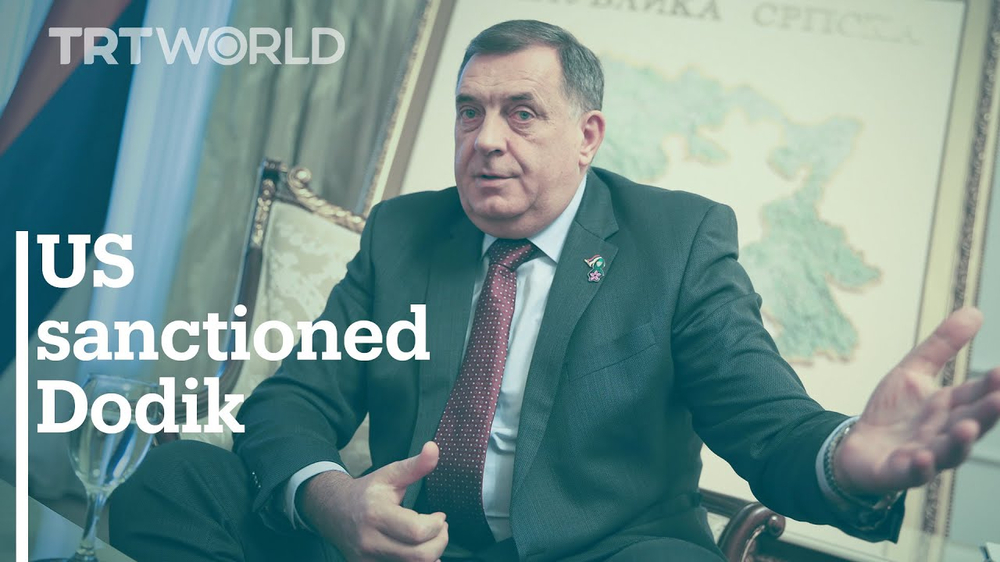
The United States has imposed sanctions on Milorad Dodik, the Serb member of Bosnia and Herzegovina's tripartite presidency, for his continued destabilizing actions and corruption. Dodik, who has long been a controversial figure in Bosnian politics, has been accused of undermining the country's fragile peace and governance structures through nationalist rhetoric and secessionist ambitions. The sanctions target Dodik's assets and restrict his ability to engage with the international financial system, signaling Washington's disapproval of his attempts to weaken Bosnia's sovereignty and territorial integrity.
This move by the U.S. underscores the international community's growing concerns over Dodik's influence and the potential for renewed conflict in the Balkans. By imposing these sanctions, the U.S. aims to curb Dodik's power and send a strong message against corruption and the destabilization of the region. The sanctions are part of a broader strategy to maintain stability in Bosnia and Herzegovina, ensuring that the country remains on the path toward peace and democratic governance.
#MomentsOfLife #MoofLife_Moment #MoofLife #USSanctions #MiloradDodik #BalkanStability #AntiCorruption #BosniaHerzegovina
View details2015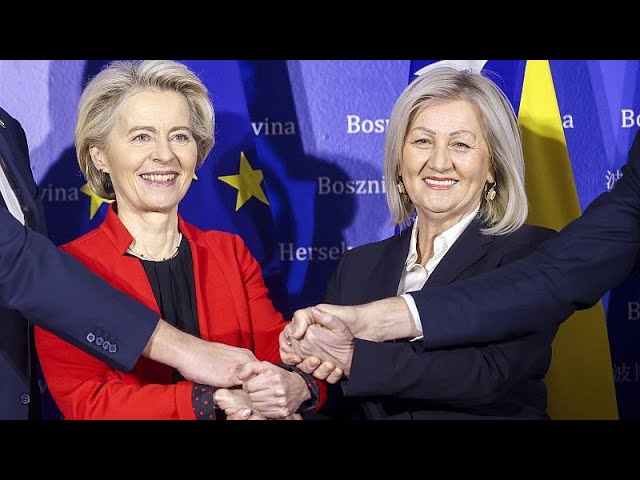
The Stabilization and Association Agreement (SAA) between the European Union and Bosnia and Herzegovina was signed in Brussels, marking a notable step in the latter's ongoing effort toward EU membership. This agreement laid the foundation for stronger political and economic ties, aiming to promote stability and economic development in Bosnia and Herzegovina. It also established a framework for cooperation on various fronts, including trade, justice, and home affairs, laying the groundwork for closer alignment with EU standards and policies.
The SAA is a pivotal part of the EU's enlargement policy aimed at integrating the Western Balkans. For Bosnia and Herzegovina, it represented the formal acknowledgment of its progress in reforming its political and economic institutions according to EU norms. Prior to the agreement, Bosnia and Herzegovina faced significant challenges, such as political fragmentation and economic instability. The SAA offered the prospect of increased foreign investment and access to European markets, which were crucial for the country's economic recovery and growth.
Statistically, the agreement promised to positively impact Bosnia and Herzegovina's trade relations. The EU is Bosnia and Herzegovina’s largest trading partner, accounting for over 70% of the country’s total trade. By implementing the SAA, Bosnia and Herzegovina committed to a comprehensive reform agenda geared toward enhancing governance, rule of law, and human rights, and fostering a more competitive economy.
The implementation of the SAA also meant that Bosnia and Herzegovina had to adapt its legislation to comply with approximately 800 pieces of European legislation. This process was designed to promote regulatory alignment and integration into the EU's internal market. Though the road ahead would require significant effort, the SAA provided a clear pathway and structured dialogue, enabling Bosnia and Herzegovina to make concrete steps toward EU accession.
The signing of the SAA was therefore an important milestone for Bosnia and Herzegovina’s future, signifying a commitment to a European path and underscoring the EU’s strategic interest in the stability and prosperity of the Western Balkans.
#EUIntegration #StabilizationAndAssociation #BosniaHerzegovina #EuropeanUnion #TradeRelations #EconomicDevelopment #InstitutionalReform #FutureProspects #MoofLife
View details2014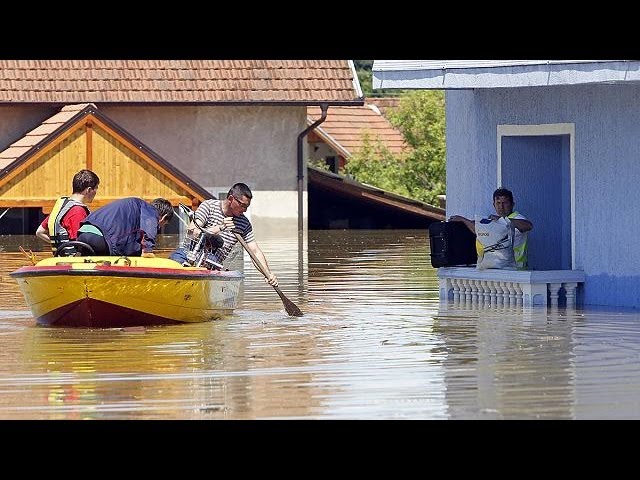
In May, heavy rainfall struck Bosnia and Herzegovina, leading to widespread flooding that caused substantial damage and displaced thousands of residents. The event stands as one of the most severe natural disasters in the region’s recent history.
The heavy rainfall began in early May, impacting areas across the country. Rivers overflowed, inundating towns, farmlands, and infrastructure. The Vrbas, Bosna, and Drina rivers surpassed their banks, leading to extensive flooding in both urban and rural zones. Swaths of the country were submerged, with entire communities cut off from essential services and supplies.
The impact was far-reaching. Hundreds of homes were swept away or severely damaged. Infrastructure, including roads and bridges, was compromised, hampering mobility and rescue operations. Schools, hospitals, and other public buildings were also affected, worsening the humanitarian situation.
Approximately 90,000 people were forced to evacuate their homes. Temporary shelters were established to house the displaced population. International aid was mobilized swiftly, with relief agencies providing necessary support in the form of food, medical aid, and shelter materials. The immediate focus was on rescue operations, followed by efforts to prevent outbreaks of waterborne diseases due to the flooded environment.
Agricultural lands were severely hit, resulting in significant losses of crops and livestock. This had long-term consequences on food security and local economies. Furthermore, the flooding unearthed landmines left from the Bosnian War, adding a dangerous element to the already critical situation.
The country appealed for international assistance, and many nations responded with humanitarian aid and financial support. Reconstruction and recovery efforts commenced, but the sheer scale of devastation posed a significant challenge. The flooding served as a stark reminder of the region's vulnerability to natural disasters and highlighted the urgent need for improved flood management and disaster preparedness measures.
#FloodingCrisis #BosniaAndHerzegovina #NaturalDisaster #ClimateImpact #Displacement #MoofLife
View detailsWidespread protests erupted across Bosnia and Herzegovina due to deep-seated economic and political problems. Discontent had been simmering for years, driven by high unemployment rates, widespread corruption, and ineffective governance. Citizens, frustrated by the lack of economic opportunities and the political deadlock, took to the streets in several cities, including Sarajevo, Tuzla, and Mostar.
The protests quickly gathered momentum, drawing thousands of people. Demonstrators expressed their dissatisfaction by attacking government buildings, setting them ablaze, and clashing with the police. The violent confrontations resulted in significant property damage and numerous injuries. The unrest exposed the deep divisions within Bosnian society and the failure of the post-war political framework to address the needs of its citizens.
One of the immediate outcomes of the intense public pressure was the resignation of several government officials. Local governments in cities like Tuzla and Sarajevo saw key figures stepping down. These resignations were seen as victories for the protestors but also highlighted the fragility of the political system in Bosnia and Herzegovina.
Economic indicators further validated the public's grievances. The unemployment rate was among the highest in Europe, with youth unemployment even more alarming. Additionally, Bosnia and Herzegovina struggled with a stagnating economy and significant levels of poverty, contributing to the widespread discontent.
The protests led to heightened discussions on the need for substantial reforms. Citizens called for changes in the political structure, aiming to reduce corruption and improve economic conditions. The unrest, however, also demonstrated the collective strength and resolve of the Bosnian people to demand better governance and accountability from their leaders.
In summary, the protests across Bosnia and Herzegovina highlighted long-standing economic hardships and political instability. They prompted government resignations and sparked a broader debate on necessary reforms to address the nation's systemic issues.
#BosniaAndHerzegovina #EconomicCrisis #PoliticalInstability #GovernmentResignations #ReformCalls #PublicUnrest #MoofLife
View details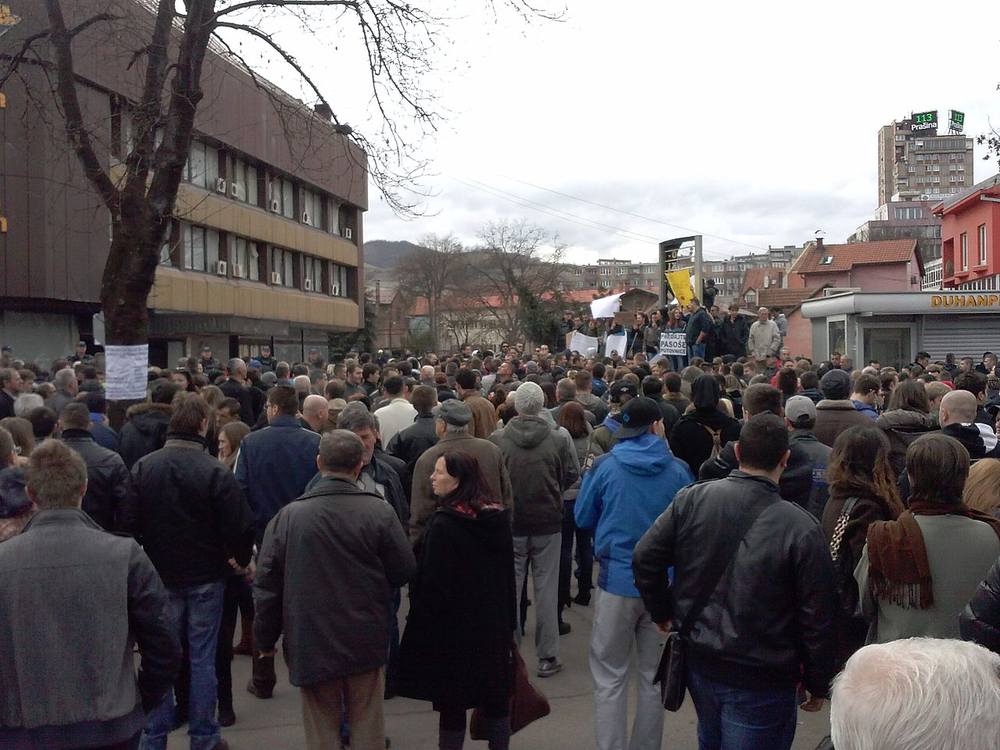
2013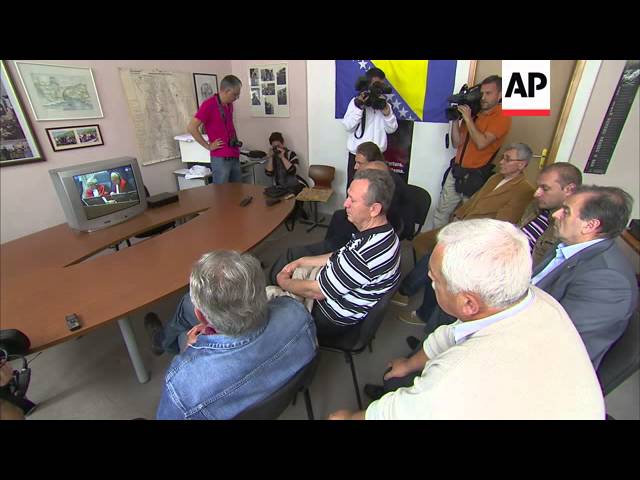
The UN International Criminal Tribunal for the former Yugoslavia (ICTY) delivered a crucial verdict where six former Bosnian Croat leaders were found guilty of war crimes and crimes against humanity. These trials were part of a global effort to address atrocities committed during the 1990s Balkan wars, particularly in Bosnia and Herzegovina. The leaders, including key political and military figures, faced charges stemming from acts such as ethnic cleansing, unlawful detentions, and forced displacements of non-Croats, predominantly Bosnian Muslims.
The verdict concluded years of legal proceedings, investigations, and testimonies. It underscored the deliberate and systematic efforts by these leaders to create ethnically homogenous territories through expulsions, killings, and inhumane treatment of civilians. The court emphasized the overwhelming evidence which illustrated a pattern of atrocities orchestrated under their leadership, aimed to change the demographic composition of various regions violently.
This tribunal session and resulting verdict had a significant impact on the international justice landscape, reinforcing the principle that those in power could be held accountable for orchestrating large-scale human rights abuses and war crimes. Over 100,000 people lost their lives during the conflicts in Bosnia and Herzegovina, with millions being displaced. This acknowledgment of guilt was a critical step towards justice, providing some measure of solace and recognition to the victims and their families.
Quantitative data showed that the ICTY indicted 161 individuals during its mandate, reflecting its broad scope and commitment to addressing the Balkans' complex violent history. The tribunal’s activities, including this prominent verdict, played a crucial role in documenting atrocities and setting a precedent for future international criminal law efforts.
#JusticeServed #ICTY #WarCrimes #BosniaAndHerzegovina #BalkanWars #Accountability #MoofLife
View details2011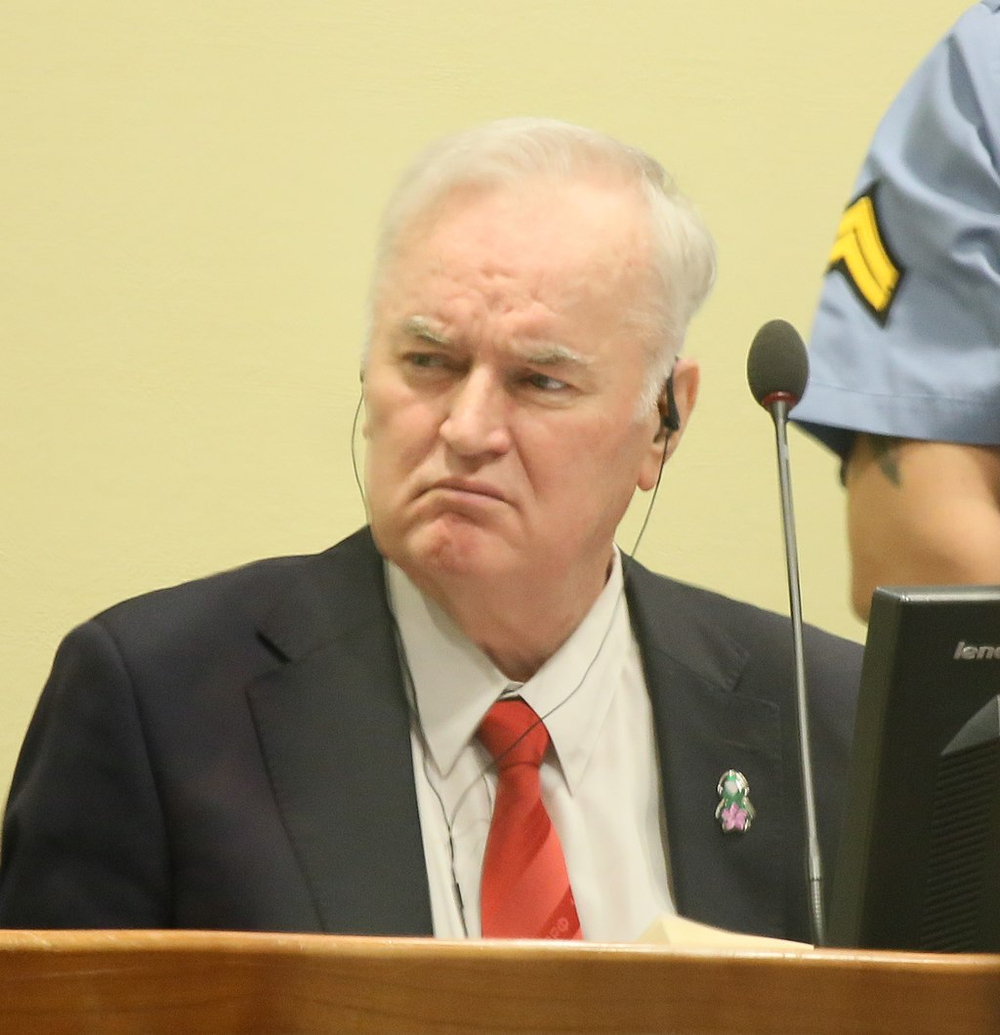
Former Bosnian Serb military chief Ratko Mladic, one of the world's most wanted war crimes suspects, was arrested by Serbian authorities. Prior to his arrest, Mladic had been on the run for over a decade, evading international justice for his role in the Bosnian War. Accusations against Mladic included orchestrating the Srebrenica massacre, where an estimated 8,000 Muslim men and boys were murdered in a campaign of ethnic cleansing. He was also charged with leading the siege of Sarajevo, which resulted in thousands of civilian deaths over a nearly four-year period.
Mladic's arrest was seen as a significant milestone in international justice and reconciliation efforts in the Balkans. The International Criminal Tribunal for the former Yugoslavia (ICTY) had indicted him for genocide, crimes against humanity, and war crimes, hoping to bring one of the conflict's key perpetrators to justice. His capture underscored the lengthy and complex process of locating and apprehending individuals accused of such heinous offenses.
The arrest was widely welcomed by international bodies and human rights organizations as a necessary step towards holding individuals accountable for atrocities committed during the war. It marked a pivotal moment in Serbia's cooperation with international judicial mechanisms and demonstrated the country's willingness to move towards greater alignment with European Union standards, a critical factor for its aspirations to join the EU.
In Bosnia and Herzegovina, reactions were mixed. For the survivors of the Srebrenica genocide and the siege of Sarajevo, Mladic's detention offered a sense of justice and closure, though the wounds of the past could never be fully healed. Politically, the arrest had reverberations throughout the region, affecting relations between different ethnic groups and political parties.
Several figures were essential in Mladic’s eventual arrest, including coordinated efforts between Serbian intelligence services and international counterparts. This cooperation spotlighted the global commitment to prosecuting war crimes and emphasized the role of international solidarity in upholding human rights.
Mladic was subsequently tried at the ICTY, and his trial linked to broader efforts to document and address the crimes of the Bosnian War. His case remains a point of reference for discussions about justice, accountability, and reconciliation in post-conflict societies.
#WarCrimes #RatkoMladic #BosnianWar #SrebrenicaMassacre #InternationalJustice #HumanRights #ICTY #Balkans #SarajevoSiege #BosniaAndHerzegovina #MoofLife
View details2008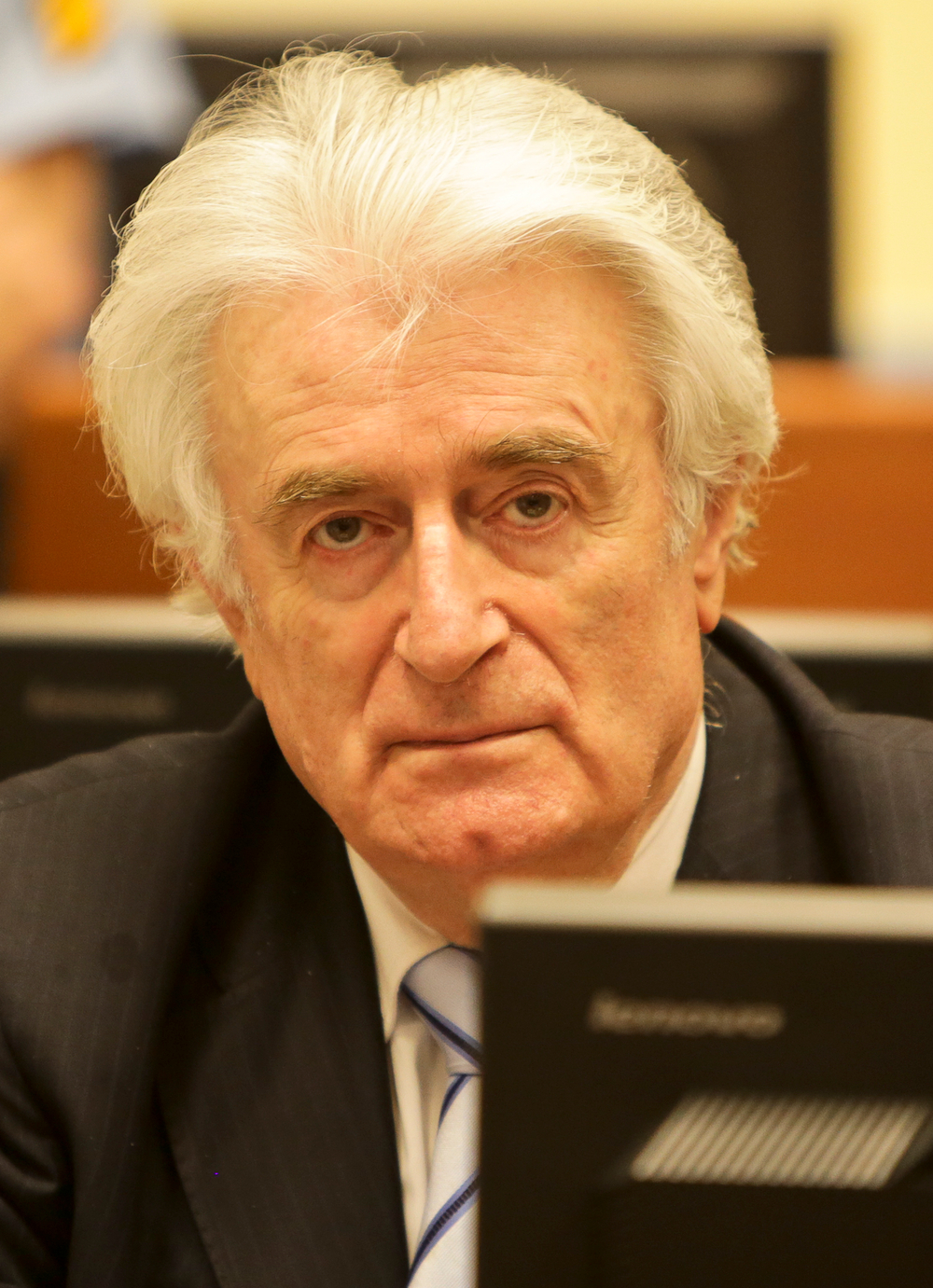
Radovan Karadzic, former leader of the Bosnian Serbs, was apprehended on war crimes charges after evading capture for nearly 13 years. Karadzic, accused of orchestrating some of the most brutal episodes during the Bosnian War, was arrested in Belgrade. This arrest followed extensive manhunts and complex international efforts aimed at apprehending him for his role in the conflict.
Karadzic was indicted for genocide, crimes against humanity, and numerous other serious violations of international law. He was accused of leading the Bosnian Serb forces responsible for the massacre of 8,000 Bosniak men and boys in Srebrenica and the prolonged siege of Sarajevo, which resulted in significant civilian casualties and widespread suffering.
The international community had been pressuring Serbia to locate and hand over Radovan Karadzic to the International Criminal Tribunal for the former Yugoslavia (ICTY) in The Hague. His arrest was seen as a crucial step in addressing the atrocities committed during the Bosnian War and bringing justice to the victims and their families.
According to estimates, around 100,000 people were killed, and millions were displaced during the Bosnian War from 1992 to 1995. The conflict was marked by severe ethnic violence and widespread human rights abuses. The arrest of Karadzic represented not only a pivotal moment in international justice but also a significant development in the healing process for the war-torn region.
Karadzic’s capture had broad implications for Serbia's relationship with European and international communities. It marked a turning point in Serbia's efforts to reform and align more closely with European Union standards. This development bolstered the international legal framework designed to prosecute and deter war crimes and was seen as a significant victory for human rights organizations.
#WarCrimes #Justice #BosniaAndHerzegovina #RadovanKaradzic #InternationalLaw #HumanRights #MoofLife
View details2007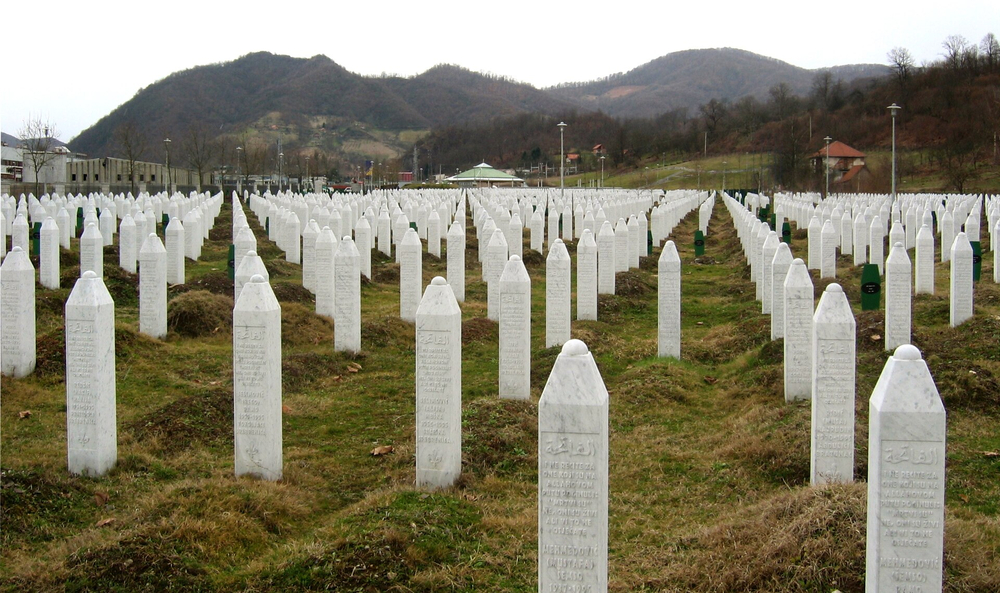
On February 26, 2007, the International Court of Justice (ICJ) delivered a landmark ruling that formally recognized the 1995 Srebrenica massacre as an act of genocide. This ruling was a significant moment in international law and the history of the Balkans, as it affirmed the gravity of the atrocities committed during the Bosnian War. However, the court also controversially cleared Serbia of direct responsibility for the genocide, a decision that sparked intense debate and had profound implications for the region.
The Srebrenica Massacre: A Genocidal Act
The Srebrenica massacre, which took place in July 1995, remains one of the most horrific events of the Bosnian War. Over the course of several days, more than 8,000 Bosniak men and boys were systematically executed by Bosnian Serb forces after they overran the United Nations-designated "safe area" of Srebrenica in eastern Bosnia and Herzegovina. The massacre was part of a broader campaign of ethnic cleansing aimed at eliminating the Bosniak population from the region.
In the years following the massacre, numerous international bodies, including the International Criminal Tribunal for the Former Yugoslavia (ICTY), recognized the events at Srebrenica as genocide. The ICTY's conviction of Bosnian Serb General Radislav Krstić in 2001 for his role in the massacre was the first time an individual was convicted of genocide by an international court. However, the ICJ's ruling in 2007 marked the first time a sovereign state was held accountable in connection with genocide.
The ICJ Case: Bosnia and Herzegovina vs. Serbia and Montenegro
The case before the ICJ, officially titled Bosnia and Herzegovina v. Serbia and Montenegro, was initiated by Bosnia and Herzegovina in 1993, during the Bosnian War. Bosnia accused Serbia and Montenegro (then known as the Federal Republic of Yugoslavia) of committing genocide against the Bosniak population in Bosnia and Herzegovina. The case focused on Serbia's alleged role in supporting and directing the Bosnian Serb forces responsible for the Srebrenica massacre and other atrocities.
The legal proceedings were complex and protracted, taking more than a decade to reach a conclusion. The case hinged on the question of whether Serbia, as a state, bore direct responsibility for the genocide carried out by the Bosnian Serb forces, and whether it had violated its obligations under the 1948 Genocide Convention.
The ICJ's Ruling: Genocide Affirmed, Serbia Cleared
In its ruling on February 26, 2007, the ICJ made several key determinations:
Recognition of Genocide: The court unequivocally ruled that the massacre at Srebrenica constituted genocide. It cited the intent to destroy, in whole or in part, the Bosniak population in Srebrenica, as well as the systematic nature of the killings, as evidence of genocidal intent.
Serbia's Role: The court concluded that Serbia was not directly responsible for the genocide. While acknowledging that Serbia had provided substantial military and financial support to the Bosnian Serb forces, the ICJ found insufficient evidence to prove that Serbia had specific intent to commit genocide or that it directly participated in the genocide at Srebrenica.
Failure to Prevent and Punish Genocide: Although Serbia was cleared of direct responsibility, the ICJ ruled that Serbia had violated its obligations under the Genocide Convention by failing to prevent the genocide and by failing to cooperate with the ICTY in bringing the perpetrators to justice. The court criticized Serbia for not taking all possible measures to prevent the genocide and for its failure to arrest individuals indicted for genocide, including Ratko Mladić, who was at large at the time of the ruling.
Impact and Reactions
The ICJ's ruling was met with mixed reactions. For the victims and survivors of the Srebrenica massacre, the recognition of genocide was an important affirmation of their suffering and the atrocities committed against their community. However, the court's decision to clear Serbia of direct responsibility was deeply disappointing for many, particularly in Bosnia and Herzegovina, where there had been hopes that Serbia would be held fully accountable for its role in the war.
In Serbia, the ruling was met with a measure of relief, as it avoided a finding of direct state responsibility for genocide. However, the court's criticism of Serbia's failure to prevent the genocide and its failure to cooperate with international justice underscored the need for Serbia to confront its wartime past more fully.
Legacy of the Ruling
The ICJ's ruling in 2007 remains a significant milestone in international law, particularly in the context of state responsibility for genocide. It highlighted the challenges of holding states accountable for such crimes, especially when the direct chain of command and intent are difficult to prove.
The decision also underscored the importance of international mechanisms for addressing atrocities and the ongoing need for reconciliation and justice in the Balkans. The Srebrenica genocide continues to be a painful and divisive issue in the region, and the ICJ's ruling has played a role in shaping the narrative and the pursuit of justice for the victims.
#MomentsOfLife #MoofLife_Moment #MoofLife #ICJ #Srebrenica #Genocide #BosniaAndHerzegovina #InternationalLaw
View details2006
Bosnia and Herzegovina formally joined NATO's Partnership for Peace (PfP) pre-membership programme on December 14, 2006. This strategic shift marked a critical juncture in the country's post-war recovery and its efforts to integrate into European and transatlantic structures. The PfP programme serves as a platform for enhanced military cooperation and fosters relationships between NATO and non-member countries. For Bosnia and Herzegovina, participation in PfP was particularly vital due to its recent history of conflict during the Bosnian War.
PfP membership involved reforms to the defense and security sectors. Bosnia's Armed Forces undertook modernization initiatives under NATO guidance, which included standardizing procedures, training, and equipment to meet NATO interoperability standards. This step was essential towards achieving higher standards of operational capability and efficiency. It also showcased Bosnia's commitment to attaining stability and fostering regional security in the Balkans.
In addition to military benefits, the PfP programme had a significant political impact. Joining PfP reinforced Bosnia and Herzegovina's trajectory towards European integration and provided a framework for democratic governance and civilian control over the military. This alignment with NATO policies and principles was expected to bolster institutional stability and enhance international investment confidence in Bosnia.
Statistical data highlighted the multifaceted benefits. Defense expenditure aligned more with NATO's framework, though the country's military budget remained modest. On the political front, Transparency International noted incremental improvements in governance indices, which were partly attributed to the rigorous accountability measures required under NATO affiliation.
The decision to participate in PfP was met with relatively broad political consensus within Bosnia and Herzegovina, although challenges remained due to ethnopolitical divisions. However, reaching this milestone underscored the potential for cooperative progress within the nation's complex democratic framework.
Bosnia and Herzegovina’s PfP membership can be seen as a foundational step towards broader membership aspirations in NATO and the European Union, aiming for long-term regional stability and development.
#BosniaAndHerzegovina #NATO #PartnershipForPeace #EuropeanIntegration #Security #MilitaryReform #RegionalStability #PostWarRecovery #MoofLife
View details2005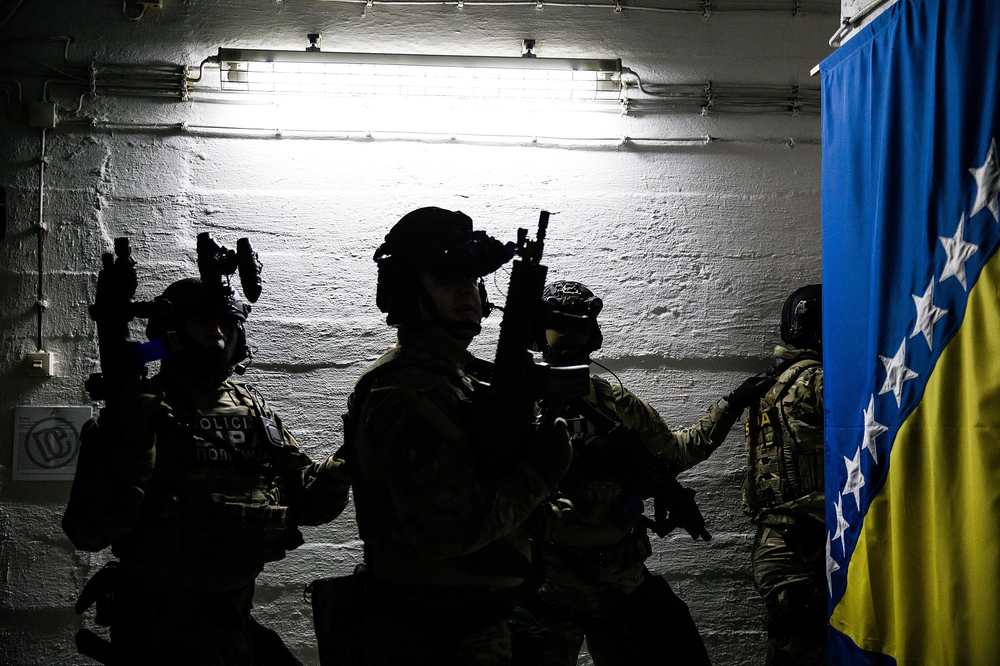
In Bosnia and Herzegovina, the creation of the State Investigation and Protection Agency (SIPA) was a significant response to escalating organized crime and pervasive corruption. The independent agency emerged as a pivotal structure designed to address the deteriorating security landscape in the country. Before SIPA’s inception, Bosnia and Herzegovina were grappling with fragmented law enforcement methodologies that were proving ineffective against well-organized crime syndicates and systemic corruption.
SIPA's establishment centralized efforts to combat criminal activities by providing a unified command structure and specialized units equipped for comprehensive investigations. The agency was tasked with investigating severe crimes such as human trafficking, drug smuggling, terrorism, and economic crimes, all of which had been persistent issues plaguing the nation.
The impact of SIPA's formation was multifaceted. Notably, it increased the efficacy of law enforcement operations through enhanced coordination and intelligence-sharing across different jurisdictions. Early on, SIPA facilitated significant seizures of illicit drugs and disruptions in trafficking networks, contributing to a notable decrease in organized criminal activities. Furthermore, the agency's capabilities included collaboration with international bodies like Interpol and Europol, allowing Bosnia and Herzegovina to participate actively in global efforts against transnational crime.
By centralizing investigative powers, SIPA also played a critical role in increasing public trust in law enforcement agencies, previously marred by perceptions of corruption and inefficiency. Key statistics highlighted a rise in successful prosecutions and convictions, with a marked uptick in the confiscation of illegally obtained assets. This measure not only curtailed financial resources for criminal enterprises but also directed such assets into public welfare projects.
The agency’s work extended beyond crime-fighting; it fostered a culture of accountability and transparency. By drawing a clear line between law enforcement and political influence, SIPA aimed to establish a robust legal framework that could withstand internal and external pressures.
#MoofLife #OrganizedCrime #AntiCorruption #BosniaAndHerzegovina #SIPAFormation #CrimeFighting #PublicTrust
View details2004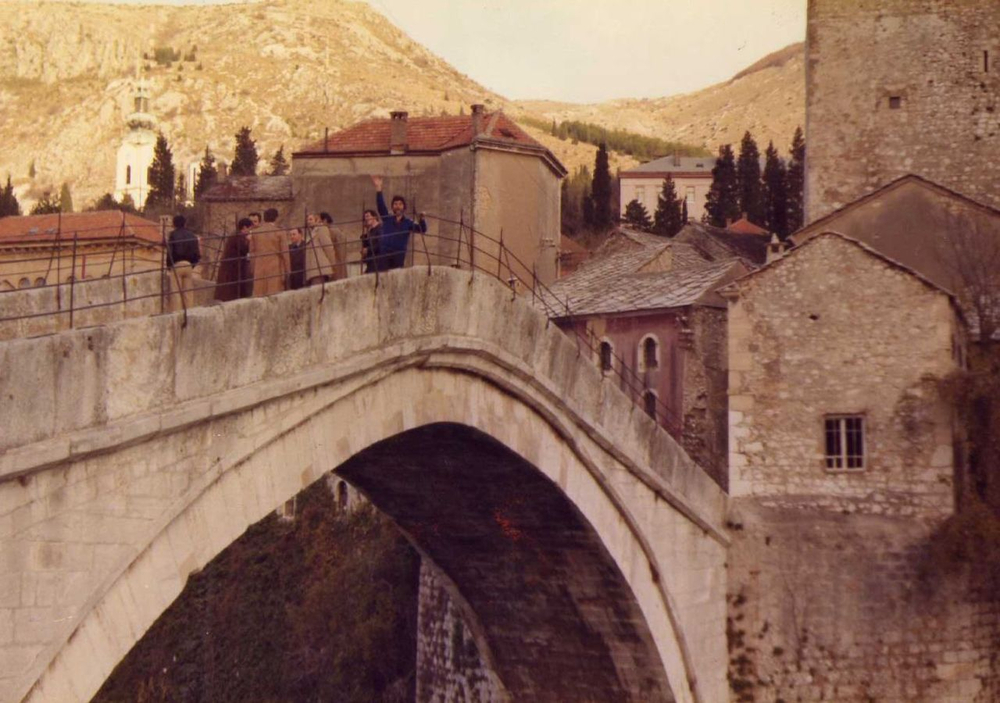
The city of Mostar in Bosnia and Herzegovina bore the brunt of the Bosnian War, which led to the destruction of many significant structures, including the Old Bridge, or Stari Most. Initially constructed in the 16th century by the Ottomans, the Old Bridge was more than a physical crossing over the Neretva River; it was a potent symbol of the coexistence between different cultures and communities.
The devastation of the bridge during the conflict emphasized the deep divisions and loss suffered by the people of Mostar. Recognizing its historical significance, UNESCO spearheaded an international effort to rebuild the bridge as a gesture towards reconciliation and recovery. After extensive studies and careful planning, the bridge was reconstructed using original techniques and materials, ensuring authenticity and adherence to historical accuracy.
The monumental task involved not only the physical reconstruction but also the symbolic rebuilding of a community torn apart by war. During the reopening ceremony, dignitaries, locals, and international representatives gathered to witness the event. As the waters of the Neretva flowed beneath the newly completed structure, it became a testament to resilience and the enduring hope for unity. The occasion marked a step towards healing and rebuilding the social fabric of Mostar.
The reconstruction of the Old Bridge received global attention. It was not just an architectural feat but a poignant statement of multiculturalism and peace. Data from UNESCO highlighted the collaborative nature of the project, involving multiple countries and various international organizations, reflecting a global commitment to preserving cultural heritage and promoting reconciliation.
The rebuilt Old Bridge now stands as a symbol of international solidarity and the determination of the people of Mostar to overcome their past and build a peaceful future. It serves as a reminder of both the catastrophic consequences of conflict and the possibility of renewal and coexistence.
#MostarRebuilt #OldBridge #CulturalHeritage #PeaceSymbol #MoofLife
View details2001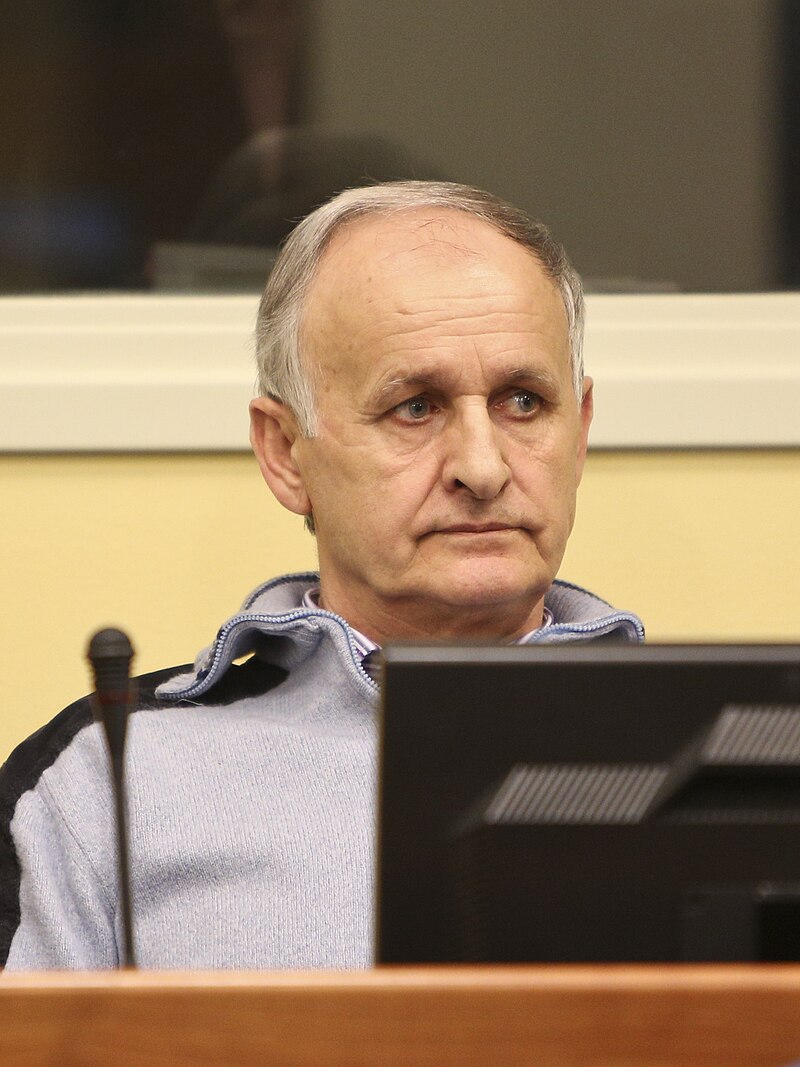
On August 2, 2001, the International Criminal Tribunal for the Former Yugoslavia (ICTY) made a landmark ruling in the history of international justice. The tribunal found Bosnian Serb General Radislav Krstić guilty of genocide for his involvement in the massacre at Srebrenica during the Bosnian War. This verdict marked the first time an individual was convicted of genocide by the ICTY, establishing a crucial precedent in the prosecution of crimes against humanity.
The Srebrenica Massacre: A Background
The Srebrenica massacre, often described as the worst atrocity in Europe since World War II, occurred in July 1995 during the Bosnian War, which raged from 1992 to 1995 following the breakup of Yugoslavia. Srebrenica, a town in eastern Bosnia and Herzegovina, had been declared a "safe area" by the United Nations in 1993, meant to provide refuge for Bosniak (Bosnian Muslim) civilians fleeing the conflict.
Despite this designation, on July 11, 1995, Bosnian Serb forces led by General Ratko Mladić overran the town. In the days that followed, more than 8,000 Bosniak men and boys were systematically separated from their families, detained, and executed. The bodies of the victims were buried in mass graves, many of which were later exhumed and reburied in an attempt to conceal the evidence of the genocide.
Radislav Krstić's Role
Radislav Krstić, who served as the commander of the Drina Corps of the Bosnian Serb Army, played a key role in the planning and execution of the Srebrenica massacre. Though Krstić was not the top commander—this role was held by General Ratko Mladić—his involvement in coordinating the military operations around Srebrenica was crucial to the genocide's execution.
Krstić’s forces were directly responsible for the transportation of captured Bosniak men and boys to execution sites, where they were systematically murdered. The ICTY's investigation revealed that Krstić had full knowledge of the plans to kill the Bosniaks and actively participated in these efforts, making him complicit in the genocide.
The Trial and Conviction
Krstić was arrested by NATO forces in Bosnia in December 1998 and was subsequently transferred to The Hague to stand trial before the ICTY. His trial began in March 2000, and the case against him was built on a vast array of evidence, including testimonies from survivors, intercepted communications, and documents that detailed the operations of the Bosnian Serb Army.
On August 2, 2001, the ICTY found Krstić guilty of genocide, the first such conviction by the tribunal. He was also convicted of other crimes, including persecution, extermination, and murder. The tribunal sentenced him to 46 years in prison, a sentence that was later reduced to 35 years on appeal.
The court's ruling was significant not only because it was the first genocide conviction by the ICTY but also because it affirmed the international community's commitment to holding individuals accountable for the gravest crimes, regardless of their rank or position.
The Importance of the Verdict
The conviction of Radislav Krstić was a pivotal moment in the pursuit of justice for the victims of the Bosnian War. It underscored the severity of the crimes committed at Srebrenica and recognized the massacre for what it was: an act of genocide. The ruling also set a legal precedent that would influence future cases of genocide and crimes against humanity.
The verdict was a crucial step in acknowledging the suffering of the victims and their families, many of whom continued to search for the remains of their loved ones years after the massacre. It also served as a stark reminder of the international community's failures during the Bosnian War, particularly the inability to protect the safe area of Srebrenica.
Legacy and Aftermath
The Krstić verdict has had a lasting impact on international law and the ongoing efforts to achieve justice for victims of genocide. It helped pave the way for subsequent convictions of other key figures involved in the Srebrenica massacre, including the eventual conviction of Ratko Mladić in 2017.
However, the legacy of the Srebrenica genocide and the Bosnian War continues to be felt in Bosnia and Herzegovina, where ethnic tensions and divisions persist. The Krstić trial and conviction remain a significant chapter in the ongoing process of reconciliation and healing in the region.
#MomentsOfLife #MoofLife_Moment #MoofLife #Srebrenica #ICTY #Genocide #BosnianWar #JusticeForVictims
View details1995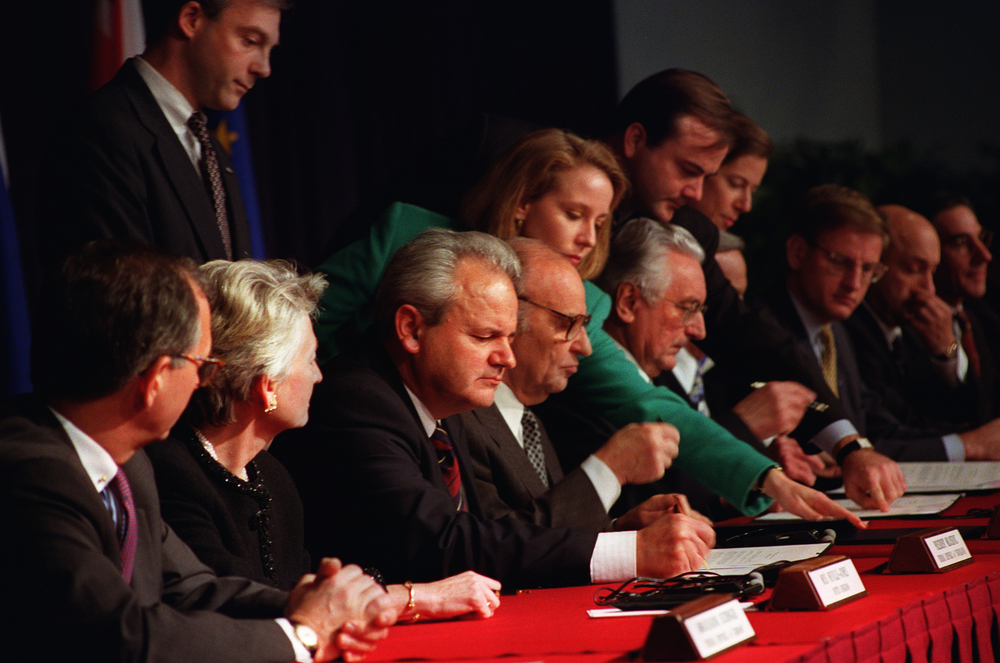
The Dayton Peace Agreement brought to a close the conflict known as the Bosnian War, a brutal ethnic conflict in Bosnia and Herzegovina. This agreement was reached after several weeks of negotiations held at Wright-Patterson Air Force Base near Dayton, Ohio. The talks were chaired by U.S. Secretary of State Warren Christopher and Assistant Secretary of State for European and Eurasian Affairs Richard Holbrooke.
The war in Bosnia and Herzegovina was part of the wider Yugoslav Wars, which erupted after the breakup of Yugoslavia. The conflict began as nationalist and ethnic tensions among Bosniaks, Croats, and Serbs escalated into violence. Estimates suggest that around 100,000 people were killed during the conflict, and millions were displaced.
The Dayton Peace Agreement was negotiated by the leaders of Bosnia and Herzegovina, Serbia, and Croatia: Alija Izetbegovic, Slobodan Milosevic, and Franjo Tudjman, respectively. The deal created a new single sovereign state known as Bosnia and Herzegovina, composed of two entities: the Federation of Bosnia and Herzegovina and the Republika Srpska. It included provisions for the return of refugees and displaced persons, and the establishment of democratic elections and human rights adherence.
The Organization for Security and Co-operation in Europe (OSCE) was tasked with overseeing the electoral process, and NATO deployed peacekeeping forces under the Implementation Force (IFOR) to ensure the agreement's terms were respected.
The signing of the Dayton Peace Agreement was a defining step in the stabilization of the region. Though complicated by later political and social challenges, the agreement brought immediate relief from violence and laid the groundwork for Bosnia and Herzegovina's recovery.
Subsequently, this accord led to a significant reduction in hostilities, allowing hundreds of thousands of refugees to begin returning to their homes, although ethnic divisions remained a challenge for the country's political landscape.
#BosnianWar #DaytonAgreement #PeaceNegotiations #BalkansConflict #MoofLife
View details1993
In the aftermath of conflicts in the Balkans, the establishment of the International Criminal Tribunal for the former Yugoslavia (ICTY) marked a pivotal moment in international law. Located in The Hague, the tribunal was created by the United Nations to address the egregious violations of international humanitarian law during the Yugoslav Wars, which included atrocities such as genocide, war crimes, and crimes against humanity. The tribunal's mandate was to bring those most responsible for these crimes to justice, underscoring a global commitment to accountability and legal redress.
The ICTY was notable as the first war crimes court established by the United Nations and the first international war crimes tribunal since the Nuremberg and Tokyo trials. Its creation was a direct response to the violence during the breakup of Yugoslavia, particularly focusing on the ethnic cleansing campaigns and the systematic targeting of civilians. Bosnia and Herzegovina, among other regions, was significantly affected, with estimates suggesting that over 100,000 people died, and millions were displaced.
At the outset, the tribunal faced numerous challenges, including limited precedents in international law, difficulties in apprehending suspects, and securing cooperation from nations in the region. Despite these obstacles, the ICTY managed to indict 161 individuals, including high-ranking military and political leaders. The trials were instrumental in developing a more comprehensive understanding of crimes such as ethnic cleansing and genocide, and in reinforcing the principles laid out in international humanitarian law.
The Tribunal's work had a multifaceted impact. It provided a measure of justice for victims, helped document and acknowledge the atrocities committed, and played a role in fostering reconciliation and the rule of law in the Balkans. Beyond the immediate region, it set an important precedent for later international courts and tribunals, influencing the structures and proceedings of institutions like the International Criminal Court.
In conclusion, the ICTY in The Hague was a landmark endeavor in international justice, addressing crimes of profound gravity and setting critical precedents for future judicial mechanisms. It embodied global efforts toward accountability, justice for victims, and the reinforcement of international legal standards.
#ICTY #InternationalLaw #WarCrimes #Justice #Balkans #BosniaAndHerzegovina #HumanRights #MoofLife
View details1992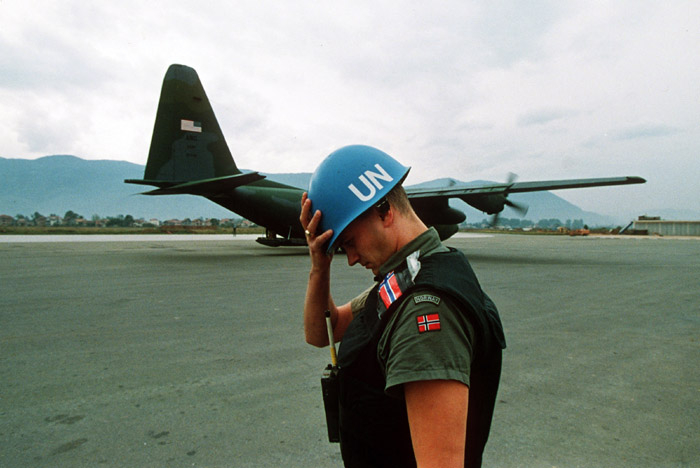
The Bosnian War, which took place from 1992 to 1995, was a devastating conflict that arose from the disintegration of Yugoslavia, a multi-ethnic federation composed of six republics. The war's primary cause was rooted in deep-seated ethnic tensions between Bosniaks (Bosnian Muslims), Croats, and Serbs, who vied for control of Bosnia and Herzegovina after it declared independence from Yugoslavia. This declaration of independence was met with fierce opposition from Bosnian Serbs, supported by neighboring Serbia, who sought to create a "Greater Serbia" by ethnically cleansing non-Serbs from the areas they controlled. The war also saw the involvement of Croat forces, aiming to annex parts of Bosnia to Croatia. The struggle for territory and ethnic dominance led to horrific acts of violence, including the siege of Sarajevo and the Srebrenica massacre, where thousands of Bosniak men and boys were killed.
The impact of the Bosnian War was profound and long-lasting, resulting in the deaths of an estimated 100,000 people and the displacement of over two million, making it the most significant conflict in Europe since World War II. The war left Bosnia and Herzegovina deeply divided along ethnic lines, a legacy that still affects the region today. The social fabric of the country was torn apart, with communities that had once lived together in relative harmony now segregated by fear and distrust. The war also had international repercussions, drawing attention to the need for effective international intervention in ethnic conflicts and leading to the establishment of the International Criminal Tribunal for the former Yugoslavia (ICTY), which sought to bring justice to those responsible for war crimes. The Bosnian War remains a stark reminder of the destructive power of ethnic nationalism and the importance of promoting peace and reconciliation in post-conflict societies.
#MomentsOfLife #MoofLife_Moment #MoofLife #BosnianWar #EthnicConflict #PeaceAndReconciliation
View detailsThe declaration of independence of Bosnia and Herzegovina from Yugoslavia marked a pivotal event in the history of the Balkans. The dissolution of Yugoslavia in the early 1990s saw several republics seeking sovereignty, and Bosnia and Herzegovina moved to declare its own independence following a referendum. This referendum revealed a stark division in the population, with the majority of Bosniaks and Croats voting in favor, while many Serbs boycotted the vote, foreshadowing the coming conflict.
Preceding the declaration, tensions had been building due to ethnic and religious diversity within Bosnia and Herzegovina. The republic was home to significant populations of Bosniaks (Muslims), Serbs (Orthodox Christians), and Croats (Catholics), each with distinct nationalistic aspirations. The move towards independence was seen as a threat by the Bosnian Serb population and their leadership, who favored remaining within a Serb-dominated Yugoslavia. As a result, shortly after the independence declaration, Bosnia and Herzegovina descended into a brutal conflict, known as the Bosnian War.
During the war, which lasted for three years and eight months, widespread atrocities occurred, including ethnic cleansing, genocide, and mass displacement. It is estimated that around 100,000 people were killed, and more than 2 million were displaced, accounting for nearly half of the pre-war population. The conflict involved complex interactions among various armed groups, supported by neighboring countries, particularly Serbia and Croatia.
The international community responded with various measures, including economic sanctions and later military intervention under NATO. The war concluded with the signing of the Dayton Agreement, which established a framework for peace and created two autonomous entities within Bosnia and Herzegovina: the Federation of Bosnia and Herzegovina and the Republika Srpska.
The declaration of independence profoundly altered the region's landscape, both politically and demographically. It also reinforced the importance of international diplomacy and intervention in the wake of ethnic conflict and human rights violations.
#BosniaIndependence #BosnianWar #EthnicConflict #YugoslavDissolution #MoofLife #HumanRights #InternationalIntervention #DaytonAgreement
View details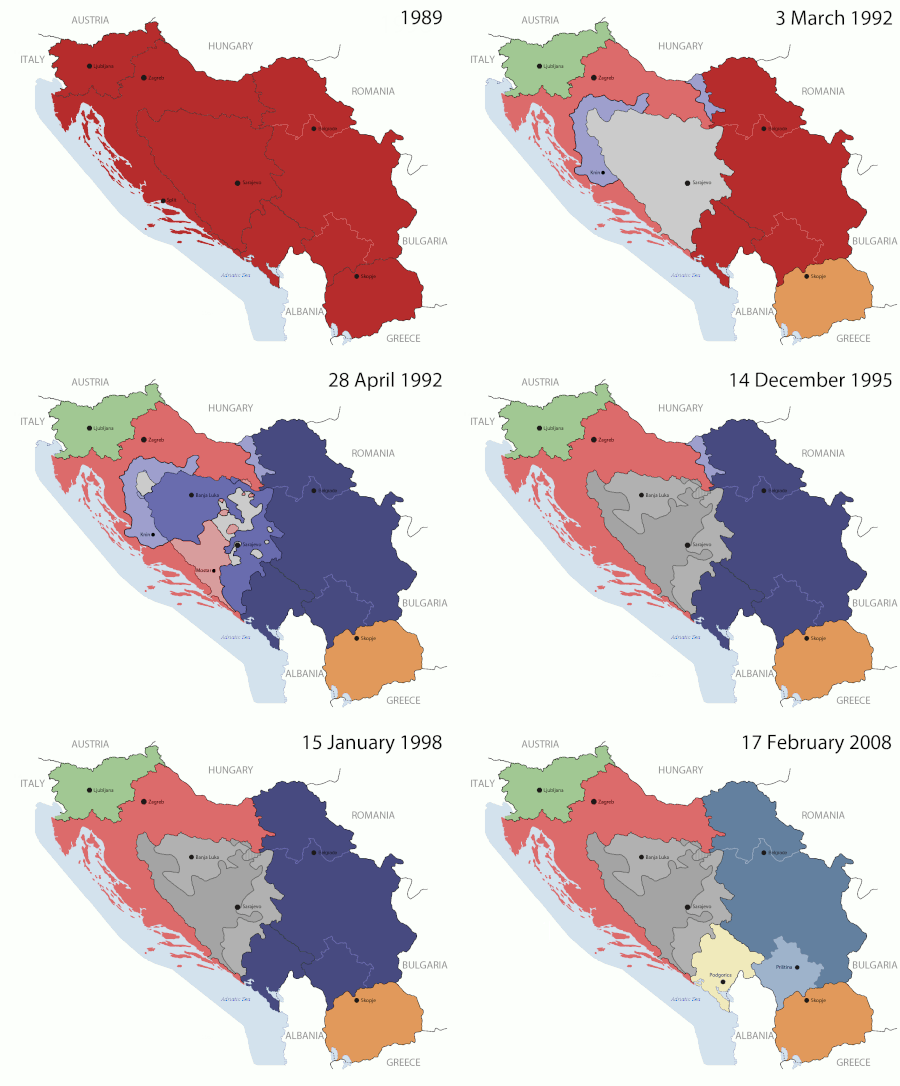
1989
In the early post-communist period, Bosnia and Herzegovina held its first multi-party elections, a pivotal event marking the transition from a one-party system to a more representative form of governance. Following the collapse of communism, a range of political parties emerged, often organized along ethnic lines. These elections saw the rise of separatist factions with varying, and often conflicting, goals.
Bosnia and Herzegovina, a republic within the Socialist Federal Republic of Yugoslavia, witnessed high voter turnout rates driven by the intense political environment. The three main ethnic groups in the republic—Bosniaks, Croats, and Serbs—were represented by their respective parties: the Party of Democratic Action (SDA), Croatian Democratic Union (HDZ), and Serbian Democratic Party (SDS). The SDA, representing Bosniaks, garnered substantial support, while the HDZ, representing Croats, and the SDS, representing Serbs, also secured significant votes.
Despite their divergent objectives—ranging from greater autonomy within a unified state to full independence or alignment with neighboring countries—these parties formed a coalition government. This coalition was born out of necessity, reflecting the complex demographics and the pressing need to establish a functional government apparatus. While it offered a semblance of political stability, the disparate agendas set the stage for significant tension.
The coalition government faced numerous challenges, including economic instability, rising nationalism, and ethnic fragmentation. Initial attempts to build a cohesive administrative structure were hampered by deep-seated mistrust and conflicting visions for the future of Bosnia and Herzegovina. These tensions foreshadowed the violent conflict that would erupt in the region, profoundly altering the social and political landscape.
This electoral outcome exemplified the immediate impact of transitioning from communism to multi-party democracy, highlighting the difficulties in managing ethnic divisions within a nascent political framework. It underscores the complexities of nation-building in a diverse society emerging from authoritarian rule.
#BosniaAndHerzegovina #PostCommunism #MultiPartyElections #EthnicPartyCoalition #ConflictPrecursor #MoofLife
View details1963
The transition to the Socialist Federal Republic of Yugoslavia marked an important chapter in the history of Bosnia and Herzegovina and the broader Yugoslav federation. At the time, Yugoslavia was under the leadership of Josip Broz Tito, who had been guiding the country through a unique brand of socialism that distanced itself from strict Soviet control. This period saw the adoption of a new constitution that sought to decentralize power and promote economic and administrative efficiency.
Bosnia and Herzegovina, along with five other republics, became part of this federation. The new designation emphasized the ethos of workers' self-management and aimed to balance ethnic diversity within a single nation-state model. The constitution granted more autonomy to the republics while maintaining a unified federal structure. This move was intended to alleviate ethnic tensions by ensuring that each republic had some degree of control over its own affairs.
The economic impact of this political change was significant. Yugoslavia adopted a market-socialist economic model designed to foster both public and private enterprise, albeit within a socialist framework. This allowed for increased industrial production, greater of consumer goods, and a rise in the standard of living for many citizens, including those in Bosnia and Herzegovina. Statistics from this period indicate that GDP growth was steady, though regional disparities persisted.
In terms of political impact, the shift to the Socialist Federal Republic of Yugoslavia aimed to consolidate Tito's control while also legitimizing the federal structure that had emerged after World War II. It served as a balancing act between maintaining centralized control and providing the republics with the autonomy required to navigate their unique ethnic and cultural landscapes. This system held for nearly three decades before the eventual disintegration of Yugoslavia in the early 1990s.
The move had broad ramifications, influencing the political and economic landscape of Bosnia and Herzegovina while also setting the stage for future conflicts. The period saw efforts at balancing ethnic diversity within a shared federal structure, a challenge that continued to shape the region's history for decades.
#Yugoslavia #BosniaAndHerzegovina #Federalism #PoliticalHistory #EconomicReform #Tito #Socialism #MoofLife
View details1944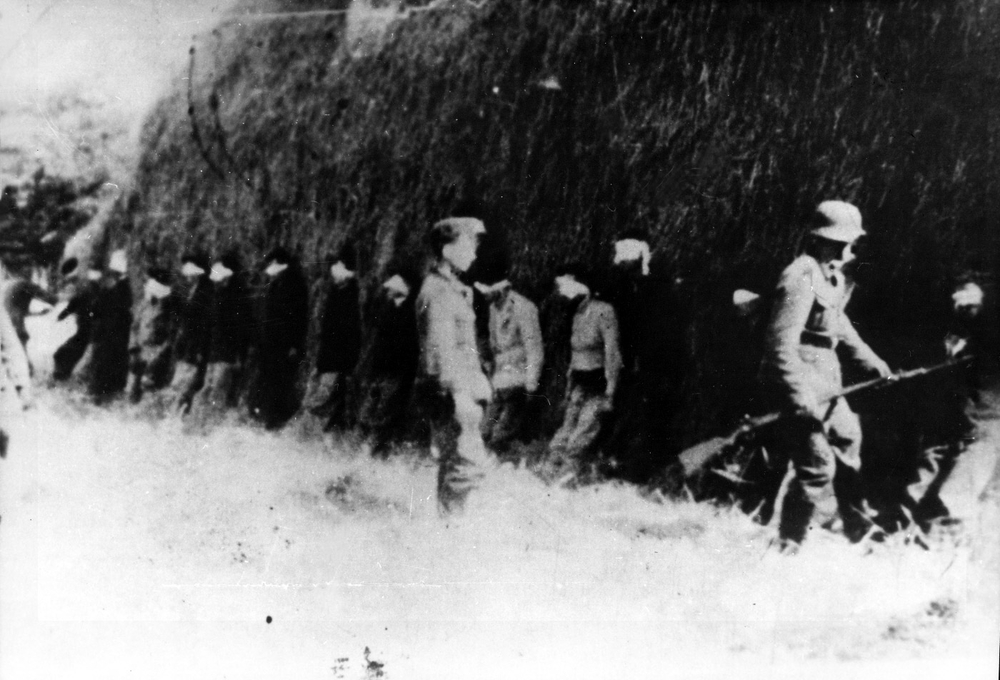
During the latter stages of World War II, the region known today as Bosnia-Herzegovina experienced a pivotal moment in its history. The Partisans, a communist-led resistance movement under the command of Josip Broz Tito, played a critical role in the liberation of this area. Formed in response to the Axis occupation of Yugoslavia, Tito's Partisans were a diverse and multi-ethnic group that included Serbs, Croats, Muslims, and others united against a common enemy.
The Partisan campaign was marked by strategic guerrilla warfare, which involved ambushes, sabotage, and a strong network of underground support. This approach effectively weakened the German forces and their local collaborators, leading to a gradual reclaiming of territory. The Partisans enjoyed significant popular support, which was bolstered by their commitments to both national liberation and the promise of social reforms.
The culmination of the Partisan efforts resulted in the successful liberation of Bosnia-Herzegovina. This victory was not solely a military achievement; it also had profound socio-political implications. The liberation allowed the reestablishment of local governance and laid the foundation for the post-war socialist Yugoslavia. The end of the occupation marked a significant reduction in the violence and suffering that had plagued the region, especially for the civilian population, which had endured severe hardships including forced labor, executions, and widespread displacement.
Statistically, the Partisan forces grew from a modest resistance group to an army of several hundred thousand fighters. Their increasing strength was both a cause and effect of their successful operations, which gained momentum and led to the eventual retreat of German and Axis-aligned forces. Tito's leadership was instrumental not only in military strategy but also in forging a sense of unity among the disparate ethnic groups within the Partisan ranks.
The post-liberation era saw the integration of Bosnia-Herzegovina into the newly formed Federal People's Republic of Yugoslavia. This integration brought significant changes, including land reforms and industrialization, contributing to the socio-economic transformation of the region. The narrative of liberation and unity played a central role in the collective memory and identity of the people within Bosnia-Herzegovina and the broader Yugoslav state.
#BosniaHerzegovina #WWII #Tito #Partisans #Liberation #Unity #GuerrillaWarfare #History #MoofLife
View details1941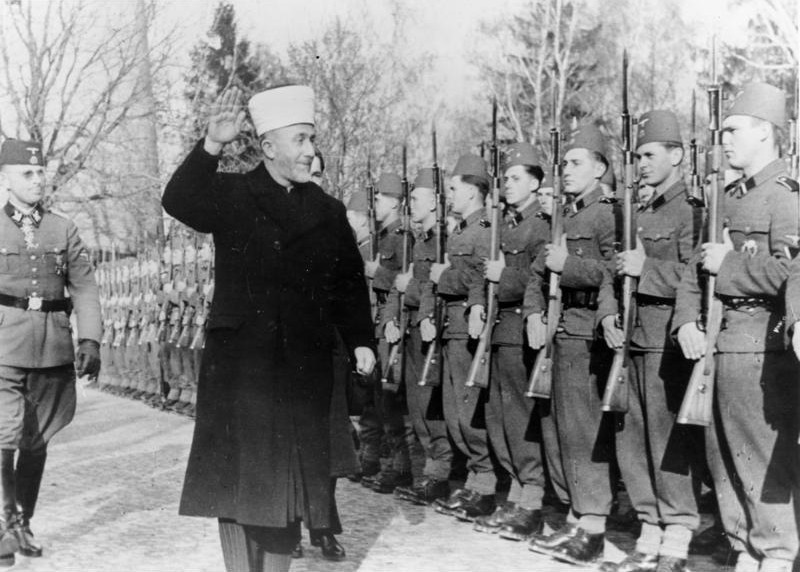
The German occupation of Bosnia and Herzegovina during World War II is a significant and harrowing chapter in the region's history. Bosnia and Herzegovina, part of the Kingdom of Yugoslavia at the time, found itself thrust into the chaotic upheaval of war following the Axis invasion of Yugoslavia in April 1941. The German occupation, which began shortly thereafter, had profound and lasting consequences for the region's population, setting the stage for intense conflict, resistance, and profound suffering.
The Invasion and Occupation
On April 6, 1941, Nazi Germany, alongside Italy, Hungary, and Bulgaria, launched a swift and brutal invasion of Yugoslavia. The Kingdom of Yugoslavia, an ethnically diverse state created after World War I, quickly collapsed under the military might of the Axis powers. By April 17, the country had surrendered, and its territory was carved up among the Axis powers and their puppet states. Bosnia and Herzegovina, with its complex ethnic composition of Muslims (Bosniaks), Orthodox Serbs, and Catholic Croats, was incorporated into the newly established Independent State of Croatia (NDH), a fascist puppet state of Nazi Germany and Fascist Italy.
Life Under the Ustaše Regime
The NDH, under the leadership of the Ustaše regime, embarked on a campaign of terror aimed at creating an ethnically pure Croatian state. This campaign included the systematic persecution and extermination of Serbs, Jews, Roma, and political opponents. In Bosnia and Herzegovina, the Ustaše implemented brutal policies of ethnic cleansing, leading to mass killings, forced conversions, and deportations. The infamous concentration camp Jasenovac, often referred to as the "Auschwitz of the Balkans," became a symbol of the genocide perpetrated by the Ustaše. Tens of thousands of Serbs, Jews, and Roma from Bosnia and Herzegovina were murdered in these camps.
The Muslim population of Bosnia and Herzegovina faced a complex and precarious situation. While some Muslims were targeted by the Ustaše, others were courted by the regime to garner support against the Serbs. This division within the Muslim community contributed to the region's already deep-seated ethnic tensions.
Resistance and Partisan Warfare
Despite the overwhelming terror, resistance to the occupation emerged almost immediately. The Communist-led Yugoslav Partisans, under the leadership of Josip Broz Tito, became the most effective resistance force in the region. The Partisans sought to unify all ethnic groups in a struggle against the Axis occupiers and their collaborators. Bosnia and Herzegovina, with its mountainous terrain, became a key battleground in the partisan warfare.
The Partisans, composed of Serbs, Croats, Muslims, and other ethnic groups, waged a guerrilla war against the Ustaše, German forces, and Italian occupiers. By 1943, the Partisans had gained significant momentum, liberating large swaths of territory and establishing a provisional government. The brutal counterinsurgency tactics employed by the Germans and their collaborators, including mass reprisals against civilians, only strengthened the resolve of the resistance.
The Impact on the Population
The German occupation and the actions of the NDH had devastating consequences for the population of Bosnia and Herzegovina. The violence and ethnic cleansing resulted in the deaths of hundreds of thousands of people. Entire villages were destroyed, and the social fabric of the region was torn apart by ethnic hatred and fear.
In addition to the physical destruction, the occupation left deep psychological scars on the population. The trauma of the war, the genocide, and the bitter memories of collaboration and resistance continued to shape the region's history and identity long after the war ended.
Liberation and Aftermath
By 1945, the Partisans, with support from the Allied powers, had successfully liberated Bosnia and Herzegovina and the rest of Yugoslavia from Axis control. The region became part of the Socialist Federal Republic of Yugoslavia, under Tito's leadership. The new communist government sought to suppress ethnic nationalism and promote a unified Yugoslav identity, but the wounds of the war remained.
The German occupation of Bosnia and Herzegovina during World War II is remembered as a period of immense suffering and destruction. The atrocities committed during this time left an indelible mark on the region's history, influencing the complex and often fraught relationships between its various ethnic groups in the decades that followed.
#MomentsOfLife #MoofLife_Moment #MoofLife #WorldWarII #BosniaAndHerzegovina #ResistanceAndOccupation #PartisanWarfare
View detailsIn 1941, Bosnia and Herzegovina was annexed by the Independent State of Croatia (NDH), a fascist puppet state established by Nazi Germany and Fascist Italy during World War II. This annexation marked the beginning of one of the darkest chapters in the region's history, characterized by extreme violence, ethnic cleansing, and the systematic persecution of Serbs, Jews, and Roma (referred to as "Gypsies" at the time).
The Establishment of the NDH
The Axis powers invaded the Kingdom of Yugoslavia in April 1941, leading to its swift disintegration. On April 10, 1941, the NDH was proclaimed, encompassing much of modern-day Croatia, Bosnia and Herzegovina, and parts of Serbia. The NDH was led by the Ustaše, a Croatian fascist movement under Ante Pavelić, which sought to create an ethnically pure Croatian state. Bosnia and Herzegovina, with its diverse population of Croats, Serbs, Muslims (Bosniaks), and Jews, was forcibly incorporated into this new state.
Genocide and Ethnic Cleansing
The Ustaše regime pursued a brutal policy of genocide and ethnic cleansing aimed at eradicating or forcibly assimilating the Serb population, as well as exterminating Jews and Roma. The regime's goal was to eliminate these groups through a combination of mass murder, deportation, and forced conversion to Catholicism.
Persecution of Serbs
Serbs, who made up a significant portion of Bosnia and Herzegovina's population, were one of the primary targets of Ustaše brutality. Thousands were killed in mass executions, and entire villages were destroyed. The Ustaše used concentration camps, the most infamous being Jasenovac, to carry out their genocidal policies. Jasenovac, often referred to as the "Auschwitz of the Balkans," became a site of unimaginable horror where tens of thousands of Serbs, as well as Jews and Roma, were brutally murdered.
The Jewish Holocaust
The Jewish population of Bosnia and Herzegovina, though smaller than the Serb population, also faced extermination under the Ustaše regime. Jews were rounded up, stripped of their property, and sent to concentration camps, where most were killed. The few who survived did so by fleeing, hiding, or joining the Partisan resistance.
The Roma Genocide
The Roma community, referred to as "Gypsies" at the time, was similarly targeted for extermination. The Ustaše saw them as racially inferior and sought to eliminate them. Like the Serbs and Jews, many Roma were sent to concentration camps, where they faced appalling conditions and death.
The Role of Religion and Forced Conversions
The Ustaše regime also used forced conversions to Catholicism as a tool of ethnic cleansing. Orthodox Serbs were given the choice of conversion, expulsion, or death. While some converted to save their lives, many were still persecuted, demonstrating the regime's genocidal intent beyond mere religious intolerance.
Resistance and Survival
Amid this brutality, many Bosnians resisted the Ustaše regime. The Yugoslav Partisans, a multi-ethnic resistance movement led by the communist leader Josip Broz Tito, fought against the NDH, Nazi Germany, and other Axis forces. The Partisans, composed of people from various ethnic backgrounds, including Serbs, Croats, and Muslims, sought to liberate Yugoslavia and end the horrors of the occupation.
Despite the fierce resistance, the atrocities committed by the Ustaše left a profound and lasting impact on the population of Bosnia and Herzegovina. Families were torn apart, communities destroyed, and the region was left scarred by the violence.
The Aftermath and Legacy
After the war, Bosnia and Herzegovina became part of the Socialist Federal Republic of Yugoslavia, where Tito's government sought to suppress ethnic nationalism and promote unity. However, the memories of the genocide and ethnic cleansing during the Ustaše regime remained deeply ingrained in the collective consciousness of the people.
The events of 1941 in Bosnia and Herzegovina, particularly the annexation by the NDH and the subsequent genocide, are a stark reminder of the destructive power of fascism and ethnic hatred. The legacy of these atrocities continues to influence the region's history and inter-ethnic relations to this day.
#MomentsOfLife #MoofLife_Moment #MoofLife #WorldWarII #BosniaAndHerzegovina #Genocide #Holocaust #Yugoslavia
View details1918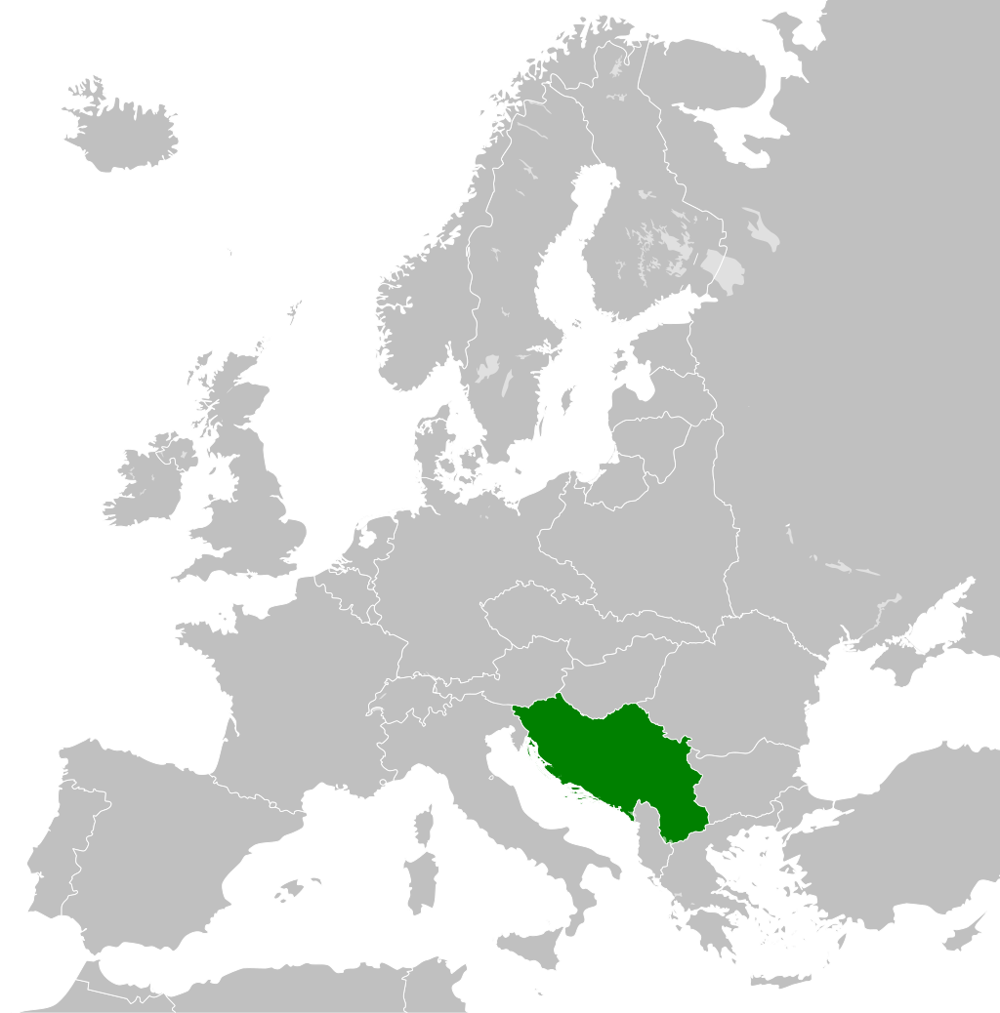
In the aftermath of World War I, the geopolitical landscape of Southeastern Europe underwent significant transformation. The Austro-Hungarian Empire, which had dominated the region for centuries, disintegrated under the strain of wartime losses and nationalistic fervor. Amidst this upheaval, the Kingdom of Serbs, Croats, and Slovenes was established, a new nation striving to unite diverse South Slavic peoples under a common political umbrella.
The creation of this kingdom was propelled by the desire to forge a unified front amongst Serbs, Croats, and Slovenes, who shared linguistic and cultural similarities but had been consigned to different political entities under imperial rule. The state's formation was driven by leaders who sought to establish a broader, more cohesive nation that could offer collective security and economic stability in an uncertain post-war era.
The inclusion of Bosnia and Herzegovina into this union was particularly notable, given its ethnically diverse population. Prior to the new kingdom's establishment, Bosnia and Herzegovina had been an annexed territory of Austria-Hungary. Its inclusion underscored the aspiration to blend various ethnic and religious groups into a multilateral state framework.
The formation of the Kingdom marked a significant shift in regional dynamics. It offered a new avenue for economic collaboration, political representation, and social integration. However, integrating vast and diverse territories brought challenges, including managing the interplay between different ethnic groups and addressing variances in political aspirations.
According to historical records, the newly-formed state encompassed approximately 87,000 square miles and a population of around 12 million people, comprising Serbs, Croats, Slovenes, Bosniaks, and others. The push for unity was reflected in the first parliamentary elections, which aimed to establish a representative governance structure.
The Kingdom experienced both successes and struggles in its endeavor to build a cohesive national identity. The amalgamation of various regions aimed to enhance mutual development and security, yet it also laid bare the complexities of aligning distinct national interests.
As Bosnia and Herzegovina became part of this new kingdom, it joined in the effort to create a unified South Slavic nation. The legacy of this unification venture carried implications for future political shifts in the Balkans.
#HistoricalTransition #PostWWI #YugoslaviaCreation #BosniaHerzegovina #SouthSlavicUnity #MoofLife
View details1914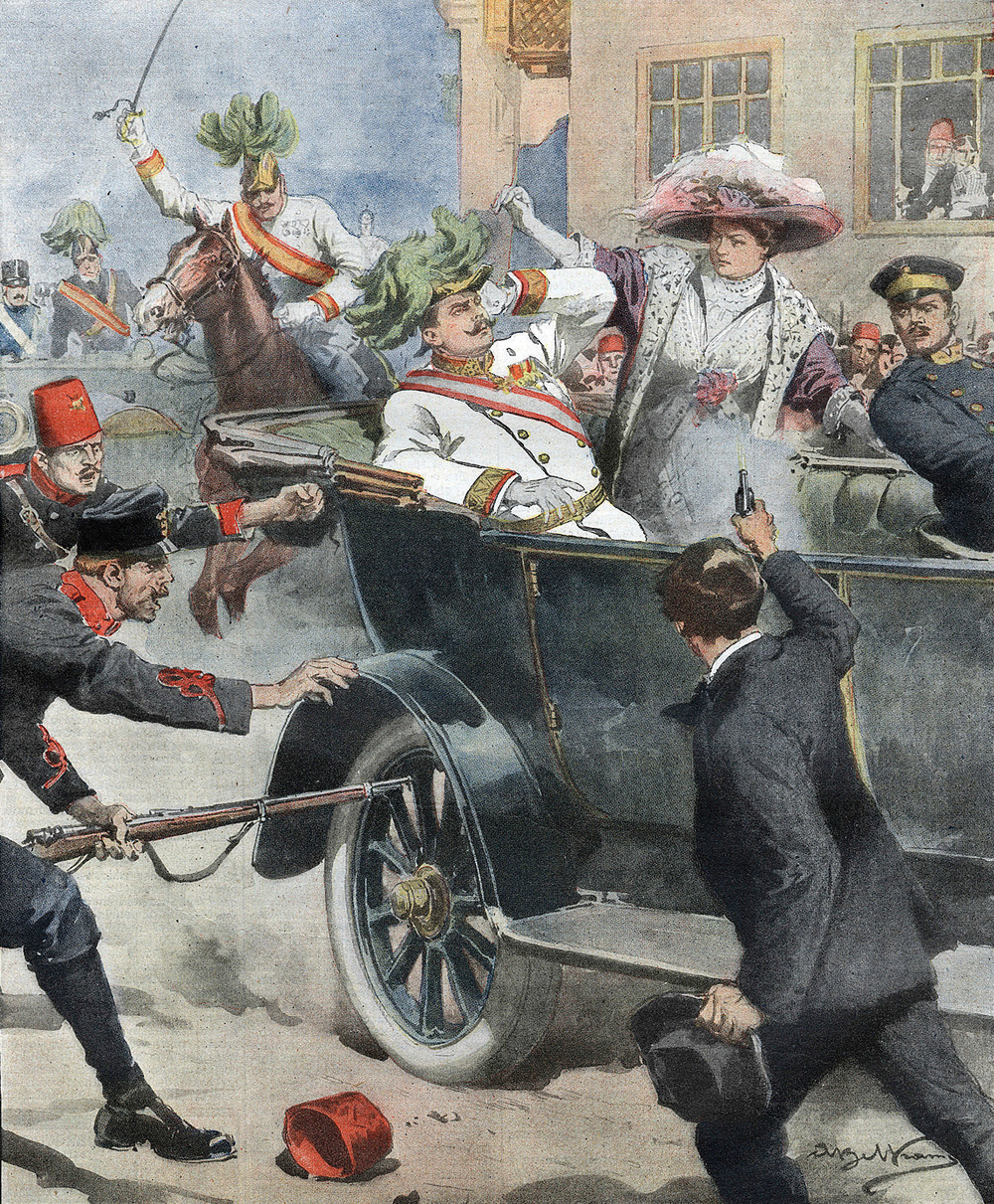
In Sarajevo, Archduke Franz Ferdinand of Austria, heir to the Austro-Hungarian throne, was scheduled to visit the city. The Archduke, accompanied by his wife, Sophie, Duchess of Hohenberg, was part of a motorcade traveling through the streets. The political atmosphere was charged, with growing nationalist sentiments in Bosnia and Herzegovina, a region recently annexed by Austria-Hungary.
Gavrilo Princip, a member of the nationalist group known as the Black Hand, was part of a group of assassins organized to seize this highly visible opportunity. A failed attempt by one of Princip's associates earlier in the motorcade route did not deter him. As the car carrying the Archduke and his wife made a wrong turn and came to a stop near a sandwich shop that Princip was loitering outside of, he seized his chance.
Princip fired two shots. The first hit the Archduke in the neck, while the second hit Duchess Sophie in the abdomen. Both would succumb to their wounds shortly after. This assassination sent shockwaves through the already tense European political landscape. Austria-Hungary, seeking to stabilize its dominion and assert its authority, saw an opportunity in this crisis.
With diplomatic ties and military alliances tightly interwoven, Europe stood on the precipice of conflict. Austria-Hungary issued an ultimatum to Serbia, where the Black Hand had connections, leading to a series of mobilizations and declarations of war among the major powers. The complex web of alliances quickly escalated the situation, resulting in widespread conflict.
This assassination is widely recognized as the catalyst for what became World War I, a global conflict involving many of the world's great powers, resulting in unprecedented military and civilian casualties. The impact drastically reshaped political borders and influenced future conflicts.
#MoofLife #ArchdukeAssassination #WorldWarI #BosniaHerzegovina
View details1905
The integration of Bosnia and Herzegovina into the Kingdom of Yugoslavia was a pivotal moment in the region's history. This annexation took place against a backdrop of increasing nationalistic fervor and shifting political alliances in Europe. The Kingdom of Yugoslavia, keen on expanding its territorial reach, considered Bosnia and Herzegovina strategically important due to its geographical position and multi-ethnic population.
Bosnia and Herzegovina, prior to this merger, had experienced centuries of diverse rule, including the Ottoman Empire and the Austro-Hungarian Empire. Its cultural and religious diversity made it a microcosm of the broader Balkan complexity. The population included Bosniaks, Croats, and Serbs, each with distinct cultural identities and historical narratives.
The integration into Yugoslavia did not occur without resistance. Many within Bosnia and Herzegovina harbored concerns over losing autonomy and feared the dominance of Serb political influence in the new Yugoslav state. This tension was reflected in political debates and occasional local uprisings against the annexing authorities.
The economic landscape of Bosnia and Herzegovina also underwent significant changes post-annexation. The region's rich natural resources, including minerals and arable land, were integrated into the Yugoslav economic framework. This fostered an accelerated yet uneven economic development, creating opportunities and challenges for different ethnic groups within Bosnia and Herzegovina.
Military presence and administrative restructuring were immediate impacts of this political change. The kingdom established garrisons and new bureaucratic systems to ensure control and integration. This created a more centralized governance model and temporarily suppressed regional dissent.
The annexation drew interest and concern from neighboring nations and international powers, especially those with vested interests in the Balkans' stability and strategic significance. Consequently, Bosnia and Herzegovina became a chess piece in broader geopolitical maneuvers, particularly among European powers.
This historical juncture shaped the sociopolitical fabric of the region and laid the groundwork for future conflicts and alliances. The complexity of this integration can still be observed in the region's contemporary dynamics, reflecting an enduring legacy of this pivotal annexation.
#BosniaHerzegovina #KingdomOfYugoslavia #BalkanHistory #PoliticalIntegration #EthnicDiversity #HistoricalImpact #MoofLife
View details1875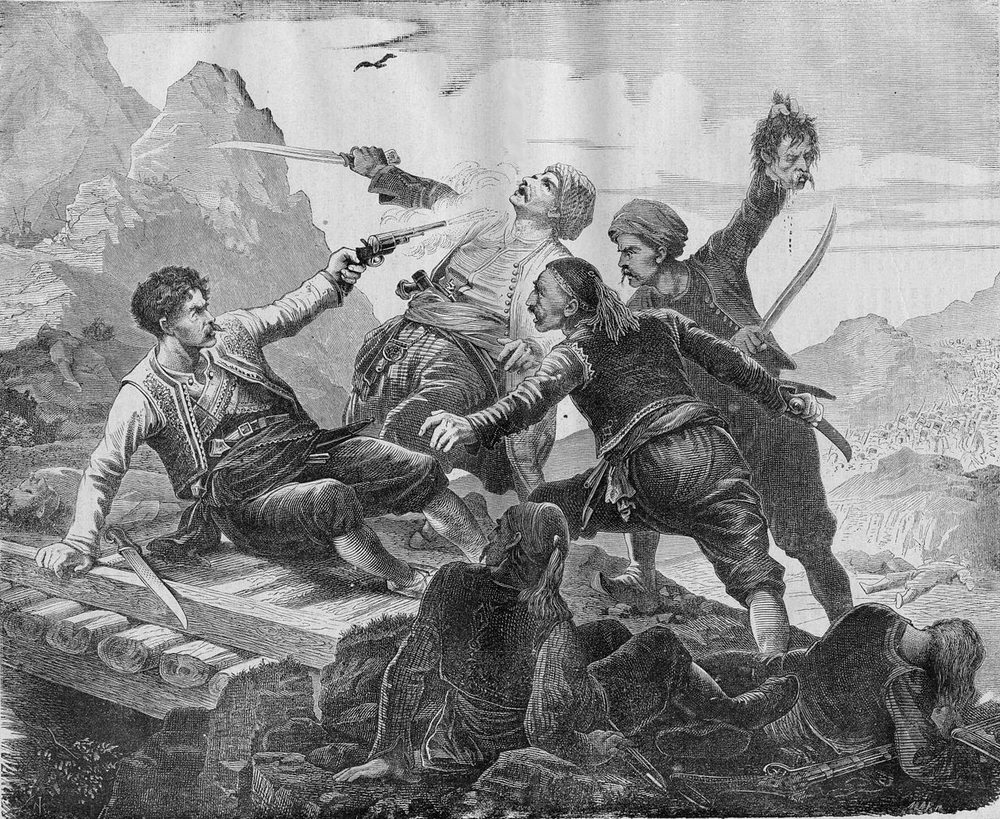
The Herzegovina Uprising against Ottoman rule marked a pivotal confrontation in the history of Bosnia and Herzegovina. The discontent brewed over time as the local Christian peasantry suffered under heavy taxation imposed by the Ottoman administration and feudal landlords. The economic strain led to widespread impoverishment, sparking resentment among the local populace.
Several factors contributed to the uprising; the agrarian crisis that left many peasants struggling for survival, coupled with oppressive tax policies, created a fertile ground for rebellion. A significant flashpoint in the rebellion was the refusal of the local farmers to pay the abnormally high taxes. This action was not just an economic protest but also a political statement challenging the legitimacy of the Ottoman authority.
The uprising saw armed clashes between the insurgent peasants and the Ottoman forces. The movement quickly gathered support, with fighters from neighboring regions joining the conflict. Despite being initially armed with limited resources, the rebels used their intimate knowledge of the local terrain to conduct guerrilla tactics against the better-armed Ottoman troops.
The international community took notice. The rebellion drew attention from neighboring Slavic nations and beyond, escalating into a larger conflict as sympathizers and supporters poured in supplies and assistance. The Ottoman Empire, already grappling with internal unrest and external pressures, found it increasingly hard to suppress the insurrection.
This uprising played a crucial role in the regional politics of the time. It was an early sign of the weakening Ottoman grip on its European territories and foreshadowed the eventual disintegration of Ottoman rule in the Balkans. Notably, it also intensified the national awakening among Slavic peoples, leading to future consolidations and movements for independence and self-governance.
The Herzegovina Uprising stands as a testament to the enduring spirit of resistance against oppression and the quest for autonomy. It set forth a chain of events that would reshape the socio-political landscape of the region significantly.
#HerzegovinaUprising #OttomanRule #PeasantRevolt #BosniaHerzegovinaHistory #MoofLife
View details1565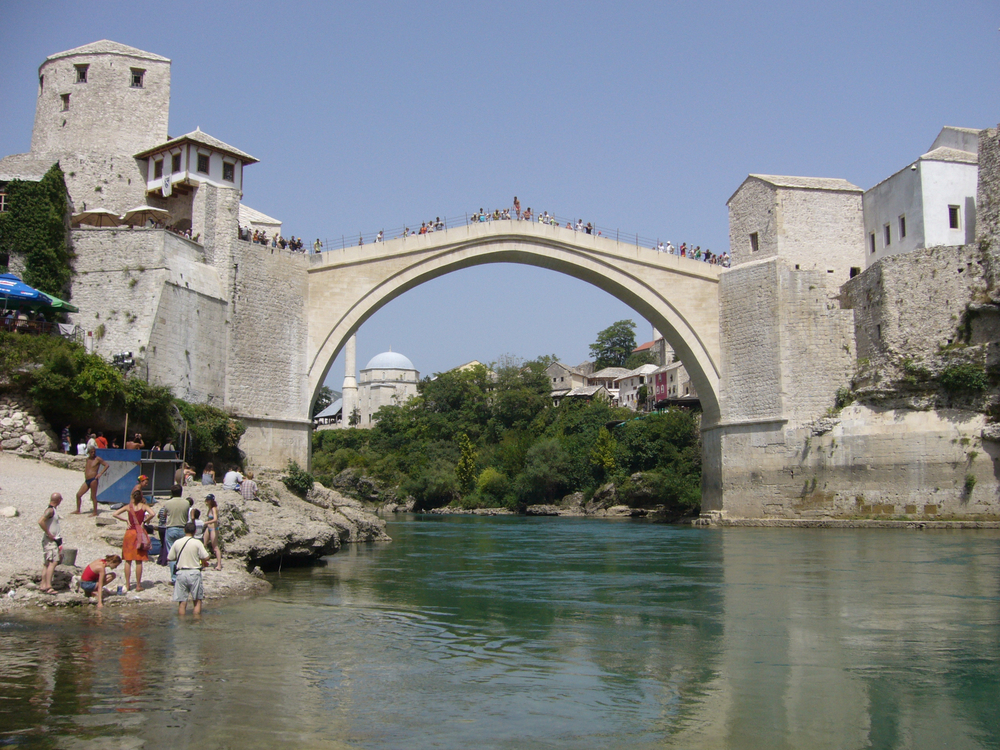
The Old Bridge in Mostar, constructed during the Ottoman Empire under the orders of Sultan Suleiman the Magnificent, stands as a significant historical and cultural landmark in Bosnia and Herzegovina. Spearheaded by the renowned architect Mimar Hayruddin, the bridge spans the Neretva River, creating a crucial connection between the two parts of the city. This construction project represented advanced architectural techniques and tremendous engineering prowess of the period.
Prior to the building of the bridge, Mostar was divided, and crossing the river depended on rickety wooden structures that were unreliable and often dangerous. The Old Bridge not only facilitated safer and more efficient passage but also symbolized unity and stability. Measuring approximately 29 meters in length and 4 meters in width, the bridge rises majestically above the river, reaching a height of around 24 meters. The seamless stone arch became an engineering marvel admired by many for its elegance and durability.
The impact of the bridge on Mostar was profound. Economically, it enhanced trade and commerce by providing a reliable route for merchants and travelers. Culturally, it became an iconic representation of Mostar’s diverse and multi-ethnic community. Socially, it turned into a gathering spot for residents, fostering a sense of shared identity and community.
In subsequent centuries, the Old Bridge remained an enduring symbol of Mostar’s historical legacy. Despite the destruction it faced during wars, efforts were made to meticulously reconstruct it, preserving its original design and significance. The restoration reinforced the bridge’s stature not only as an architectural feat but also as a testament to resilience and cultural preservation.
#MoofLife #OldBridgeMostar #CulturalHeritage #EngineeringMarvel
View details1470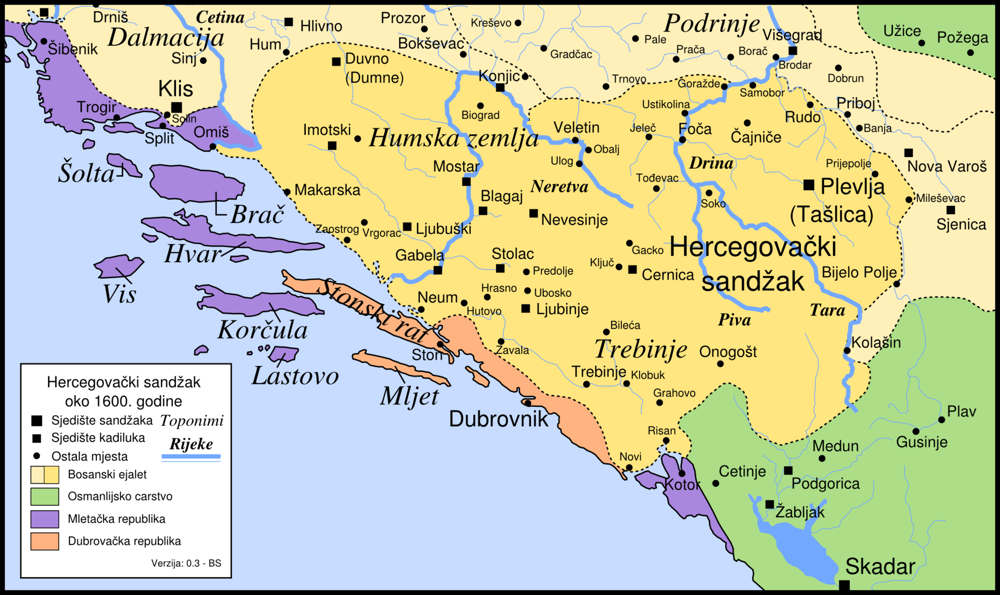
The establishment of the Sanjak of Herzegovina marked a crucial juncture in the history of Bosnia and Herzegovina, signifying the formal integration of this region into the Ottoman Empire’s administrative framework. This territory originally belonged to the medieval Kingdom of Bosnia and was a region with strategically significant mountainous terrain which controlled pivotal trade routes and served as a barrier to the expanding influence of neighboring powers.
The formation of the Sanjak of Herzegovina involved the division of these lands into a new administrative unit governed by a sanjakbey, an official appointed by the Ottoman Sultan. The reorganization brought immediate changes, incorporating the local governance structure into the larger Ottoman administrative system, which facilitated more standardized tax collection, legal enforcement, and military conscription.
Herzegovina’s population, which was diverse in its ethnic and religious composition, experienced significant changes. The Ottoman governance introduced a more systematic registration of lands and subjects through censuses and applied the millet system, allowing religious communities to govern themselves under their own laws to a certain extent. Economically, the region saw the introduction of timar land grants aimed at supporting the cavalry and incentivizing agrarian productivity, which played a role in stabilizing the region under Ottoman rule.
The impact was also cultural, as the Ottomans’ architectural and cultural influences began permeating the region, with the construction of mosques, inns, baths, and schools, illustrating the broader imperial policy of infrastructural development. This period also saw the migration patterns shift, with some local elites integrating into the Ottoman administrative apparatus, while others sought refuge in neighboring Christian lands.
The establishment of the Sanjak of Herzegovina physically and administratively embedded the region deeper into Ottoman infrastructure, setting the stage for subsequent socio-political and economic developments that would influence the area for centuries to come.
#OttomanEmpire #BosniaHerzegovina #Herzegovina #HistoricalTransition #AdministrativeChange #MoofLife
View details1464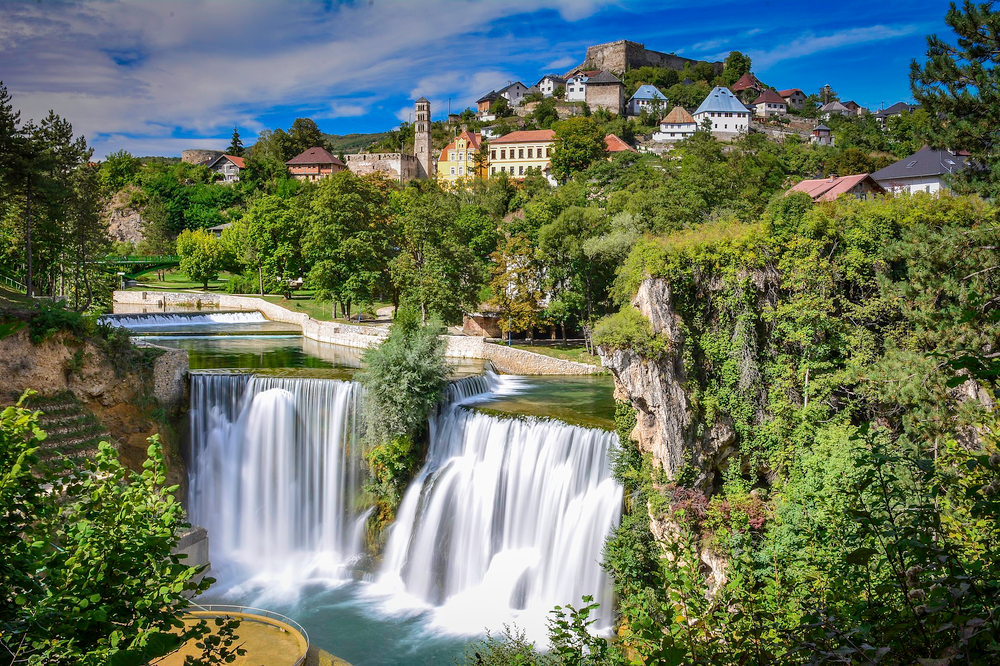
The siege of Jajce by the Ottomans marked a considerable event in the history of Bosnia and Herzegovina. Situated in the central region of the Balkan Peninsula, Bosnia had long been an area of contention between expanding empires. The town of Jajce, perched on a hill and fortified with robust walls, became a focal point due to its strategic importance.
Before the siege, Bosnia had been under the dominion of the Kingdom of Hungary, serving as a buffer between the Ottoman Empire and the Christian kingdoms of Europe. However, the Ottomans, seeking to extend their control further into Europe, targeted Jajce for its critical location and symbolic significance.
Commanding the Ottoman forces, Sultan Mehmed II aimed to solidify his empire's presence in the Balkans. The attack began with a relentless assault on Jajce's defenses. Despite the formidable fortifications, the town's defenders faced overwhelming odds. The effort to capture Jajce saw the use of heavy artillery by the Ottomans, a testament to the evolving nature of warfare during this period.
In terms of impact, the fall of Jajce heralded a significant shift in regional power dynamics. The town's capture signaled the further decline of Hungarian influence in the area and underscored the Ottoman Empire's capacity for territorial expansion. Subsequently, Jajce became an administrative and military center under Ottoman rule, influencing the region's cultural and religious landscape. The victory also played a part in the Ottomans' broader strategy of consolidating their Balkan territories.
Statistical accounts from the period are sparse and often vary, but it is evident that the engagement involved several thousand troops, with significant casualties on both sides. The fall of Jajce did not only alter military and political affiliations but also led to demographic changes, contributing to the ethnic and cultural diversity that characterizes Bosnia and Herzegovina today.
In conclusion, the siege of Jajce by the Ottomans is a pivotal moment reflecting the broader context of territorial disputes and imperial ambitions in the Balkans. The event's ramifications were felt long after the last skirmish, shaping the historical and cultural trajectory of the region.
#Jajce #Ottomans #BosniaAndHerzegovina #History #MedievalWarfare #MoofLife
View details1462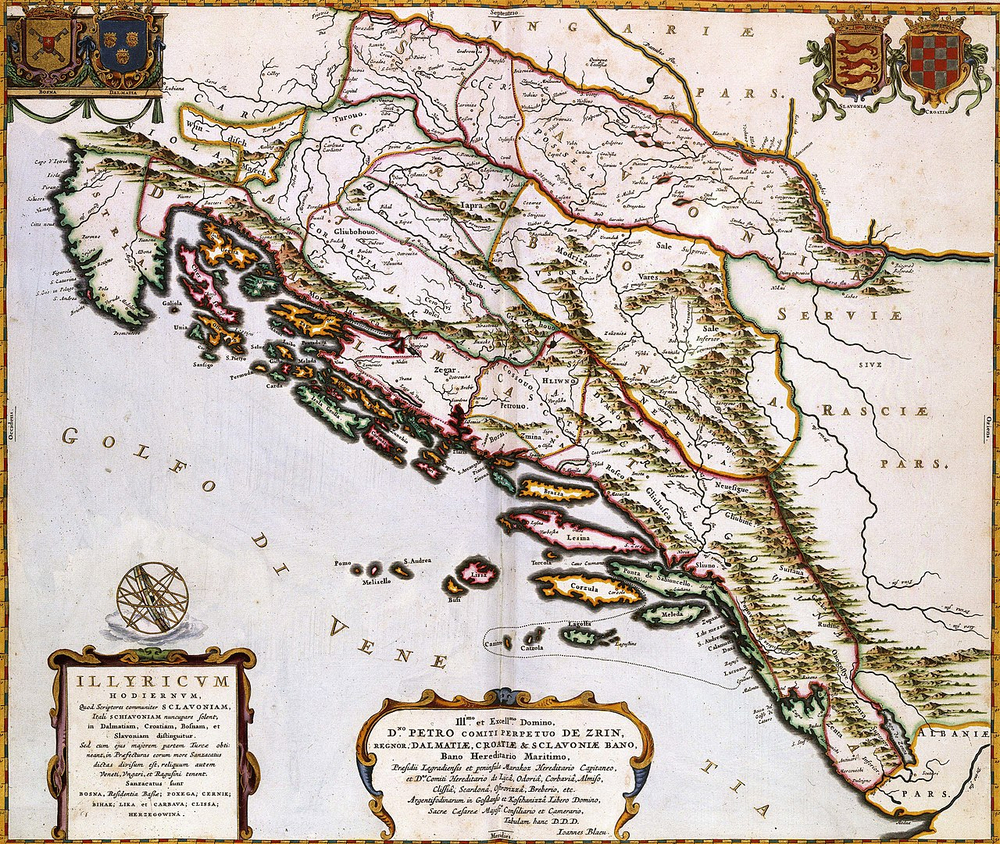
The fall of the Kingdom of Bosnia occurred when the Ottoman Empire extended its conquests into the region. Prior to this event, the Kingdom of Bosnia had been an independent entity in Southeastern Europe, maintaining its unique religious and cultural identity amidst surrounding powers. The Ottomans, led by Sultan Mehmed II, sought to expand their influence and consolidate control over the Balkans, having already advanced through Serbia and other territories.
The kingdom’s political instability and internal divisions facilitated the Ottoman incursion. King Stephen Tomašević of Bosnia attempted diplomatic maneuvers to secure Western Christian support, but these efforts were unsuccessful. The Ottoman forces, skilled in warfare and strategy, overwhelmed the Bosnian defense. After fierce combat and the failure of external aid, the Kingdom of Bosnia was eventually absorbed into the Ottoman Empire.
The immediate aftermath dramatically altered Bosnia's sociopolitical landscape. The Bosnian nobility either converted to Islam, fled, or were executed, and the region slowly integrated into the Ottoman administrative system. This conquest marked the beginning of significant cultural and demographic changes, influencing Bosnian society for centuries. Islamic institutions gradually took root, and a notable portion of the population converted to Islam, creating a diverse religious tapestry that is still evident today.
The capture also had broader implications for the surrounding European regions. It served as a stark reminder of the Ottoman military prowess, prompting various states to rethink their defensive strategies and diplomatic alliances. The Ottoman advances into Bosnia contributed to a period of heightened tension and conflict between the Ottoman Empire and European Christendom. The legacy of this conquest is reflected in Bosnia and Herzegovina's rich cultural diversity, shaped by the centuries of Ottoman rule.
#BosnianHistory #EmpireExpansion #OttomanImpact #BalkanTransformation #CulturalChange #HistoricalConquest #MoofLife
View details