
Australia

The Land Down Under
Related Lives

Libya
Oasis of the Sahara

Ethiopia
Federal Democratic Republic of Ethiopia

Bosnia and Herzegovina
The Land of Golden Lilies

Haiti
The Resilient Spirit of Haiti

Thailand
Land of Smiles

Jordan
Land of Ancient Wonders

Burkina Faso
The Heart of West Africa

Azerbaijan
The Land of Fire

1824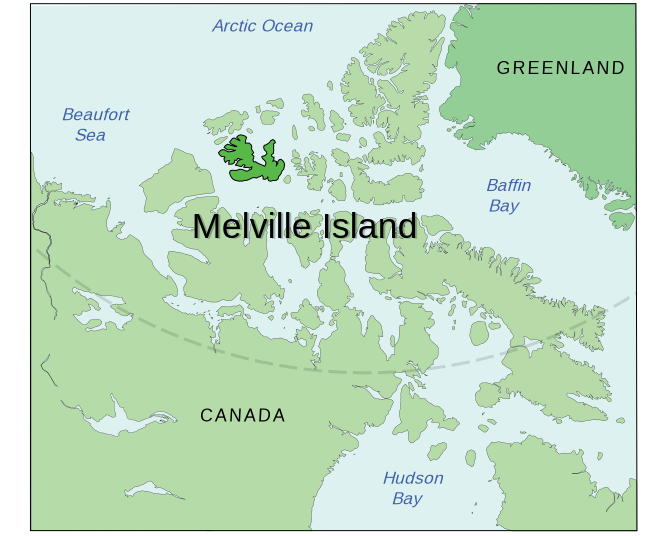
In 1824, the British explorer Phillip Parker King annexed Bathurst and Melville Islands, located in the Arafura Sea north of Australia. The annexation aimed to assert British control over the region and protect it from potential rival colonial powers. This move was part of the broader expansion of British influence in the southern seas during the 19th century.
The annexation of Bathurst and Melville Islands had a significant impact on the indigenous Tiwi people who had inhabited the islands for thousands of years. The British presence brought change to their way of life, including disruptions to their traditional practices and customs. The Tiwi people were gradually introduced to European ways of living and faced challenges in preserving their cultural heritage.
The annexation also had geopolitical implications as it solidified British territorial claims in the region. By asserting control over Bathurst and Melville Islands, the British aimed to strengthen their presence in the strategically important Arafura Sea. This move was part of the broader British strategy to expand and consolidate their colonial holdings in the Asia-Pacific region.
Overall, the annexation of Bathurst and Melville Islands in 1824 marked a key moment in the history of colonial Australia, highlighting the impact of European exploration and expansion on indigenous communities and shaping the geopolitical landscape of the region. The legacy of this event continues to be felt today, underscoring the complex and often contested history of colonisation in Australia.
#BritishColonialism #IndigenousImpact #GeopoliticalSignificance #AustralianHistory
View detailsIn 1825, the New South Wales western border was extended to 129° E, resulting in the proclamation of Van Diemen's Land. This significant administrative move aimed to address the increasing need for further governance and management of the expanding territories in Australia during the colonial period.
Stretching the border to the defined longitude added new regions to the jurisdiction of New South Wales, allowing for more effective control and regulation of settlements, resources, and potential conflicts in the western areas. It facilitated the establishment of law and order, better administration of indigenous affairs, and economic development in the frontier regions.
The proclamation of Van Diemen's Land marked the formal recognition and designation of the region under British colonial rule. It laid the foundation for future settlements, governance structures, and socio-economic activities in the territory. The extension of the border and the creation of Van Diemen's Land were integral steps in the process of consolidating British control and influence in Australia.
This historical event exemplifies the strategic measures taken by colonial authorities to streamline governance, expand territorial claims, and maintain order in the rapidly evolving landscape of Australia during the early 19th century. The extension of the New South Wales border and the establishment of Van Diemen's Land had far-reaching implications for the colonial administration, indigenous populations, settlers, and the overall development of the region.
#BorderExpansion #VanDiemensLand #ColonialAdministration #AustralianHistory.
View detailsIn 1824, a pivotal moment in the history of Australia occurred when permission was granted to officially change the name of the continent from "New Holland" to "Australia." This decision marked a major step in the formation of the continent’s modern identity, reflecting a shift towards a unified and distinct national consciousness.
Historical Context
Before the official name change, the continent was commonly referred to as "New Holland," a name given by Dutch explorers in the 17th century. The Dutch, notably Abel Tasman in 1644, had mapped parts of the western and northern coasts and used the name to reflect their homeland, the Netherlands. Despite British exploration and settlement beginning in the late 18th century, the term "New Holland" persisted, particularly for the western regions.
Matthew Flinders' Influence
The push towards the name "Australia" can largely be credited to Matthew Flinders, an esteemed English navigator and cartographer. Flinders was the first to circumnavigate and map the entire coastline of the continent between 1801 and 1803 aboard the HMS Investigator. His detailed maps and extensive studies provided a comprehensive understanding of the land, highlighting its uniqueness.
In his 1814 publication "A Voyage to Terra Australis," Flinders advocated for the name "Australia," arguing that it was more suitable and harmonious. He wrote that "Australia" was more appropriate for the whole landmass and preferred it over "Terra Australis" and other terms. Flinders’ proposal resonated with many, including influential figures such as Governor Lachlan Macquarie.
Governor Lachlan Macquarie's Role
Governor Lachlan Macquarie, who served as the Governor of New South Wales from 1810 to 1821, was instrumental in the campaign to adopt the name "Australia." Macquarie shared Flinders' vision and recognized the importance of a distinct and unifying name for the continent. In 1817, he formally petitioned the British Admiralty to adopt "Australia" officially, highlighting its appropriateness and the growing sentiment among the colonists.
Official Adoption in 1824
The British Admiralty's acceptance of Macquarie's petition culminated in 1824 when they officially endorsed the use of the name "Australia" for the continent. This decision marked the end of "New Holland" as the official designation and solidified "Australia" in official documents, maps, and discourse.
Significance of the Name Change
The adoption of the name "Australia" was more than a mere terminological change; it symbolized the continent’s emerging identity and unity. The new name helped foster a sense of shared destiny among the various colonies and settlers, which was crucial as they navigated the complexities of establishing a new society far from Europe.
Legacy and Impact
The decision to name the continent "Australia" laid the groundwork for its future as a unified nation. It reflected the continent's unique geographical and cultural identity, distinct from European roots. This new identity was pivotal as the colonies moved towards federation, which was realized in 1901 when the Commonwealth of Australia was established.
Matthew Flinders and Governor Lachlan Macquarie are remembered for their significant contributions to this historical milestone. Flinders’ explorations and his advocacy for the name, combined with Macquarie’s administrative support and petitioning, were crucial in this transformative period.
#MomentsOfLife #MoofLife_Moment #MoofLife #Australia #NewHolland #NamingAustralia #MatthewFlinders #LachlanMacquarie #AustralianHistory
View details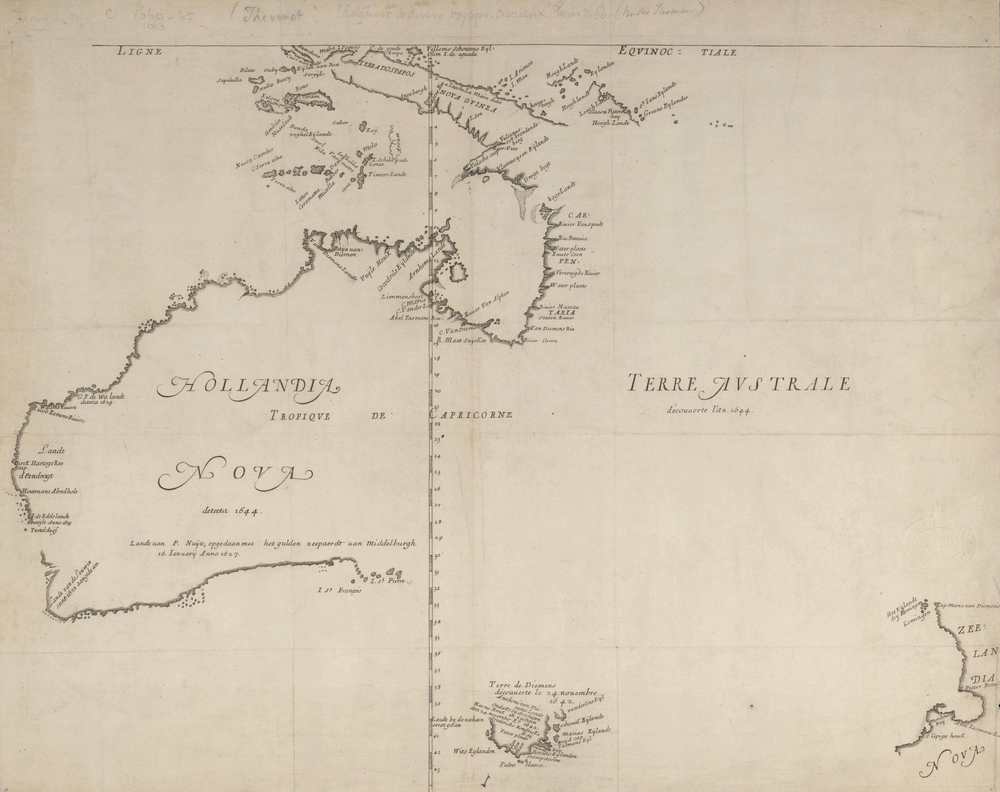
1823
In the early 19th century in Australia, a penal colony was established at Moreton Bay, known today as Brisbane. This decision was made in response to the overcrowding of existing prisons in New South Wales. The site was chosen due to its remote location and natural barriers, making it an ideal place to house convicts.
The establishment of the penal colony at Moreton Bay had several key impacts. It played a significant role in the expansion of European settlement in the region, leading to the development of the city of Brisbane. The labor provided by convicts was crucial in building infrastructure, including roads, buildings, and other public works that were essential for the growing colony.
Life in the penal colony was harsh, with convicts facing tough conditions and strict discipline. However, over time, the colony evolved into a more structured settlement, with the introduction of industries such as agriculture, timber cutting, and boat building. This shift towards economic activities helped sustain the growing population in the area.
The establishment of the penal colony at Moreton Bay marked a significant chapter in the history of Australia, shaping the development of the city of Brisbane and leaving a lasting legacy on the region. It serves as a reminder of the hardships faced by convicts and the resilience they showed in building a new life in a challenging environment.
#PenalColony #MoretonBay #Brisbane #Convicts #AustralianHistory #Settlement
View details1817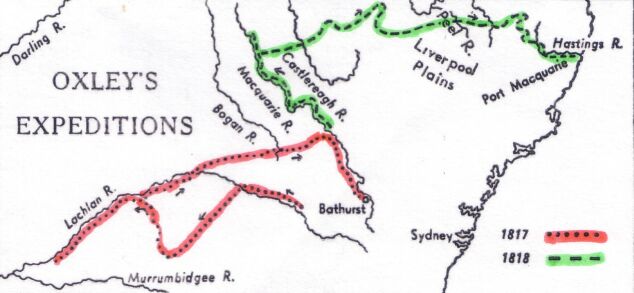
In 1817, the accomplished explorer John Oxley embarked on a crucial expedition to chart the course of the Lachlan River in Australia. At the time, the exploration of inland waterways was of great importance for mapping the uncharted territories of the continent.
Oxley's journey along the Lachlan River revealed valuable insights into the geography and natural resources of the region. His meticulous mapping of the river and surrounding areas paved the way for future settlements and land development in the area. The expedition also provided valuable information about the suitability of the land for agriculture and potential economic opportunities.
By accurately documenting the course of the Lachlan River, John Oxley significantly contributed to the understanding of the Australian landscape and its potential for development. His findings were instrumental in shaping the future exploration and settlement of the region.
The expedition led by John Oxley to chart the Lachlan River was a pivotal moment in Australian exploration history. It marked a significant step in the ongoing efforts to map and understand the vast and diverse continent. The insights gained from Oxley's expedition continue to be important for ecological, historical, and developmental purposes.
Oxley's expedition along the Lachlan River underscores the enduring legacy of exploration and discovery in Australia's history. The courage and dedication of early explorers like John Oxley have left a lasting impact on the country's cultural and geographical identity.
#JohnOxley #LachlanRiver #Exploration #AustraliaDiscovery #Mapping #HistoricalExpedition
View detailsIn 1818, explorer John Oxley undertook an expedition to chart the Macquarie River in Australia. The Macquarie River, located in New South Wales, was a crucial waterway that played a significant role in the development and expansion of the colony.
Oxley's expedition was commissioned by Governor Lachlan Macquarie with the aim of surveying the river and assessing its potential for agriculture and transportation. The expedition was challenging, as Oxley and his team had to navigate through rugged terrain and unknown territories. Despite the difficulties, Oxley successfully mapped out the course of the Macquarie River, providing valuable information about the region.
The charting of the Macquarie River had a lasting impact on the development of the colony. The detailed map created by Oxley helped settlers and authorities to better understand the geography of the region and make informed decisions regarding land use and infrastructure development. The fertile land along the Macquarie River soon attracted settlers, leading to the establishment of towns and agricultural settlements that contributed to the economic growth of the colony.
Oxley's expedition also contributed to the exploration and mapping of the Australian continent, further expanding the knowledge of the vast and diverse landscapes of the country. His work paved the way for future expeditions and played a crucial role in the exploration and colonization of Australia.
The charting of the Macquarie River by John Oxley was a significant event in the history of Australia, highlighting the importance of exploration and mapping in the development of the colony. The legacy of Oxley's expedition continues to be felt today, as the Macquarie River remains an important waterway and a symbol of Australia's rich history.
#Exploration #Mapping #Colonization #Development
View detailsIn 1817, Governor Lachlan Macquarie of New South Wales made a pivotal move in the evolution of Australia's identity by petitioning the British Admiralty to officially adopt the name "Australia" instead of "New Holland." This action was a significant step in the formal recognition and unification of the continent under a name that resonated more closely with its emerging national consciousness.
Background: The Name "New Holland"
Before the widespread use of the name "Australia," the continent was commonly referred to as "New Holland." This name was bestowed by Dutch explorers in the 17th century, notably by Abel Tasman in 1644, who named the western and northern coasts after the Netherlands. Despite British claims and settlements established in the late 18th and early 19th centuries, the name "New Holland" remained in use, particularly in reference to the western part of the continent.
Matthew Flinders' Advocacy
Matthew Flinders, a distinguished English navigator and cartographer, had earlier played a crucial role in advocating for the name "Australia." In his 1814 publication "A Voyage to Terra Australis," Flinders argued that "Australia" was a more appropriate and harmonious name for the entire landmass. He believed it was more fitting for the continent's identity and distinct from European associations implied by "New Holland."
Flinders' proposal was rooted in his extensive exploration and mapping of the continent's coastline during his circumnavigation from 1801 to 1803. His detailed charts and writings provided the groundwork for future navigation and settlement, and his suggestion of the name "Australia" began to gain traction among explorers, settlers, and officials.
Governor Lachlan Macquarie's Petition
Lachlan Macquarie, appointed as the Governor of New South Wales in 1810, was a progressive leader who significantly influenced the colony's development. By 1817, Macquarie recognized the importance of a unified and distinctive name for the continent that reflected its unique character and future potential. He shared Flinders' vision and sought to formalize the use of the name "Australia."
In a formal petition to the British Admiralty, Macquarie recommended the adoption of "Australia" over "New Holland." He argued that "Australia" was more appropriate and descriptive of the entire continent, aligning with the geographic and cultural identity that was forming in the colonies. Macquarie's endorsement of the name was instrumental in its official acceptance.
Official Recognition
The British Admiralty accepted Macquarie's petition, and by 1824, the name "Australia" was officially sanctioned for the continent. This decision marked the transition from "New Holland" to "Australia" in official documents, maps, and discourse. The adoption of the name "Australia" symbolized a new era in the continent's history, one that was increasingly focused on its unique identity and development apart from European nomenclature.
Impact and Legacy
The official adoption of the name "Australia" had profound implications for the continent's emerging national identity. It helped unify the various colonies under a common name, fostering a sense of shared destiny and cultural coherence. This change also reflected a shift towards a more independent and self-defined character for the continent, which would eventually culminate in the federation of the Australian colonies in 1901.
Governor Macquarie's role in this process is a testament to his forward-thinking leadership and his commitment to the colony's growth and identity. Macquarie's tenure saw significant infrastructural and social developments in New South Wales, laying the foundations for modern Australia.
Matthew Flinders' earlier advocacy and Macquarie's successful petition exemplify the collaborative effort between explorers and colonial administrators in shaping Australia's identity. Their contributions are celebrated in the annals of Australian history, and their vision for the continent's name continues to resonate today.
#MomentsOfLife #MoofLife_Moment #MoofLife #LachlanMacquarie #MatthewFlinders #Australia #NamingAustralia #AustralianHistory #NewHolland #ColonialHistory
View details
1816
In early 1817, a pivotal moment in Australia's financial history unfolded as the Bank of New South Wales established its first branch in Macquarie Place, Sydney. Founded by Governor Lachlan Macquarie, the bank aimed to support the colony's economic growth and provide vital financial services to the emerging community.
The Bank of New South Wales, later known as Westpac Banking Corporation, played a crucial role in facilitating trade, investment, and development in the region. Its establishment marked a significant step towards financial stability and prosperity in the young colony. The bank provided much-needed capital for businesses, encouraged savings, and helped stimulate the local economy.
With the opening of the Bank of New South Wales, Sydney gained a reputable financial institution that contributed to the establishment of sound banking practices in Australia. It set a precedent for future banking institutions and paved the way for the country's financial sector to evolve and expand. The bank's presence in Macquarie Place signaled the growing importance of Sydney as a commercial hub in the region.
The Bank of New South Wales' debut in 1817 marked a turning point in Australia's financial landscape, laying the foundation for a robust banking industry that would support the nation's economic development in the years to come. It reflected the colony's increasing sophistication and integration into global trade networks, positioning Australia as a viable player in the international economy.
The legacy of Australia's first bank, the Bank of New South Wales, endures through its contributions to the country's financial system and its role in shaping the nation's economic history. From its humble beginnings in Macquarie Place, the bank grew to become a cornerstone of Australia's banking sector, leaving an indelible mark on the country's financial landscape. #BankOfNewSouthWales #FinancialHistory #EconomicDevelopment #SydneyBanking
View details1813
In 1813, explorers Gregory Blaxland, William Lawson, and William Wentworth undertook a historic journey to cross the challenging terrain of the Blue Mountains in Australia. The majestic mountain range had long hindered westward expansion from the settled areas along the coast.
Motivated by the promise of fertile lands beyond the mountains, the trio set out on their expedition with a small group of convicts and guides. Overcoming dense forests, steep cliffs, and rugged terrain, they successfully navigated their way through the treacherous landscape.
Their journey was a feat of endurance and determination, as they battled harsh conditions and limited provisions. However, their efforts were rewarded when they finally emerged on the other side of the mountains, marking a significant achievement in Australian exploration history.
The successful crossing of the Blue Mountains opened up vast areas of fertile land for settlement and agricultural development. This newfound access to the interior of the continent played a crucial role in the expansion of the Australian colonies and contributed to the further exploration and colonization of the continent.
Blaxland, Lawson, and Wentworth's expedition paved the way for future developments in the region, facilitating the growth of new towns and industries. Their bold endeavor not only expanded the frontiers of Australian settlement but also sparked a new wave of exploration and expansion in the continent.
The legacy of their journey continues to be celebrated as a pivotal moment in Australian history, highlighting the spirit of adventure and discovery that defined the early colonial period. The crossing of the Blue Mountains remains a testament to the courage and resilience of those who dared to venture into the unknown.
#Exploration #AustralianHistory #PioneeringSpirit
View details1812
In 1813, the distinguished British navigator and cartographer Matthew Flinders played a pivotal role in shaping the identity of a vast southern landmass when he referred to New South Wales by the name "Australia." This act marked a significant step in the formal recognition of the continent and contributed to its emerging national identity.
Matthew Flinders' Journey and Contributions
Matthew Flinders, born in 1774, was a renowned English explorer whose voyages and meticulous mapping significantly advanced the understanding of Australia's geography. His most notable expedition was the circumnavigation of the continent from 1801 to 1803 aboard the HMS Investigator. This journey provided the first thorough map of Australia's coastline, which included many of the names and details that remain in use today.
Flinders' journey was arduous and filled with challenges. He navigated through uncharted waters, encountering treacherous reefs and difficult weather conditions. Despite these hardships, Flinders' dedication to his work never wavered, and his efforts culminated in a comprehensive chart of the Australian coastline, which was essential for future navigation and settlement.
Naming the Continent
Before Flinders' contributions, various names had been used to describe parts of the landmass, including New Holland and New South Wales. The name "New Holland" had been applied by Dutch explorers in the 17th century, while "New South Wales" was designated by Captain James Cook in 1770 when he claimed the eastern coast for Great Britain.
In his writings, particularly in the introduction to his 1814 work "A Voyage to Terra Australis," Flinders argued for the use of the name "Australia." He believed this term was more fitting and poetic for the entire landmass. Flinders wrote:
"Had I permitted myself any innovation upon the original term, it would have been to convert it into Australia; as being more agreeable to the ear, and an assimilation to the names of the other great portions of the earth."
This proposal was grounded in his deep respect for the land he had so thoroughly explored and documented. Flinders' advocacy for the name "Australia" was based on a desire to establish a unified identity for the continent, distinct from its European connections and reflective of its unique geographical and natural characteristics.
Influence and Legacy
While Flinders' suggestion did not immediately change the official name, his influence was profound. The term "Australia" gradually gained acceptance and was used increasingly in both informal and formal contexts. By the early 19th century, it became the common name for the continent, and in 1824, the British Admiralty officially endorsed the name "Australia."
Flinders' contributions went beyond just naming the continent. His detailed charts and maps were instrumental for subsequent explorers, settlers, and navigators. His work laid the groundwork for further exploration and colonization and contributed to the scientific understanding of Australia's geography and natural history.
Recognition of Flinders' Work
Matthew Flinders' legacy is honored in many ways across Australia. Numerous landmarks, streets, and institutions bear his name, reflecting his importance in the nation's history. His statue stands in prominent locations, such as outside the State Library of Victoria in Melbourne and in Euston, London, near the location where his remains were discovered and reinterred in 2019.
Flinders' advocacy for the name "Australia" and his extensive contributions to the mapping and understanding of the continent have cemented his place as a key figure in Australian history. His work not only provided valuable navigational resources but also helped shape the emerging national identity of Australia.
#MomentsOfLife #MoofLife_Moment #MoofLife #MatthewFlinders #Australia #AustralianHistory #NamingAustralia #Exploration
View details1807
The Rum Rebellion was a pivotal event in the history of Australia. It took place in New South Wales, then a British penal colony, when Governor William Bligh was overthrown by a group of influential colonists led by John Macarthur. Bligh's strict governing style had antagonized many, particularly those involved in the lucrative rum trade.
Macarthur and his supporters, dissatisfied with Bligh's policies and interference in their business dealings, orchestrated a coup against the governor. On the morning of the rebellion, Bligh was arrested and confined to Government House. The rebels took control of the colony and formed an interim government.
The British government in London, upon hearing of the events, dispatched Major George Johnston to restore order. Johnston arrived in New South Wales and arrested the leaders of the rebellion, effectively ending their control. Bligh, however, was still deemed unfit to govern and was eventually replaced as governor.
The Rum Rebellion had profound implications for the future of Australia. It highlighted the tensions between the colonial administration and the powerful landowning elite, as well as the struggle for power and control in the burgeoning colony. The event also raised questions about governance and the rule of law in the colonial context.
In the aftermath of the rebellion, reforms were implemented to prevent such uprisings in the future. The event served as a turning point in the history of Australia, shaping the political landscape and influencing the development of democratic institutions in the years to come.
#TheRumRebellion #AustraliaHistory #GovernanceStruggles
View details1804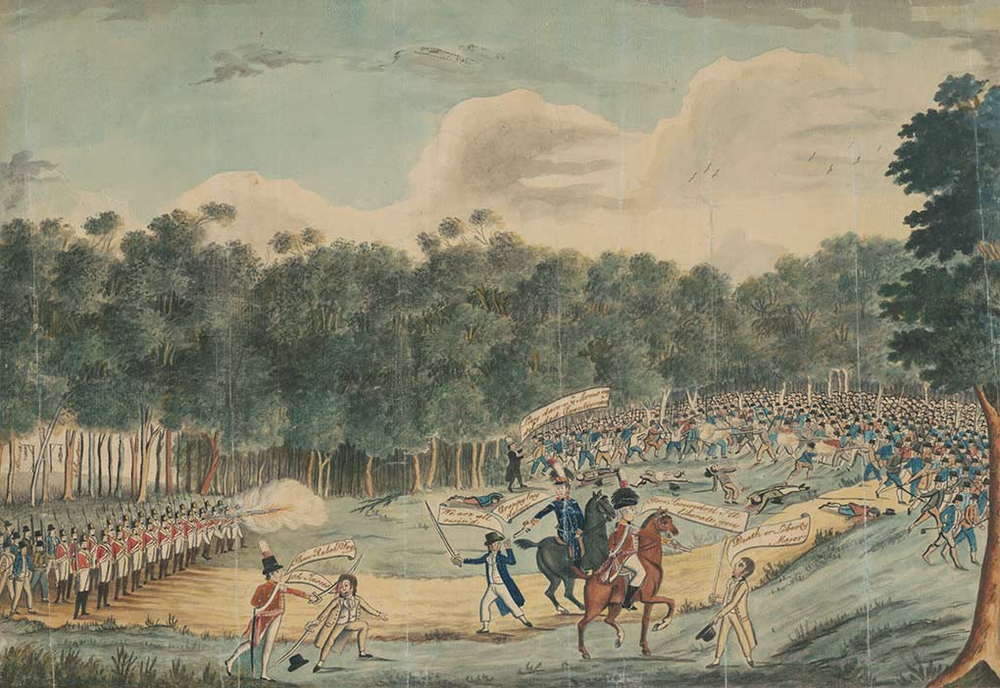
In 1804, a group of Irish convicts rose against the colonial authorities in New South Wales, in what became known as the Castle Hill convict rebellion or the second Battle of Vinegar Hill. The rebellion was fueled by harsh treatment, oppression, and a desire for freedom among the convicts.
The uprising was led by Phillip Cunningham, an Irish convict who plotted to march to Sydney, declaring an Irish Republic. However, their plans were discovered, leading to a confrontation with the colonial troops at Rouse Hill, before being quashed at Castle Hill.
The impact of the rebellion was significant, as it led to a crackdown on convicts and stricter penal policies. Several rebels were killed in the conflict, while others were captured and later executed or deported. The event highlighted the challenges faced by the penal colony and the deep-seated discontent among the convict population.
Despite its failure, the Castle Hill convict rebellion is remembered as a symbol of resistance against oppression and injustice. It remains a reminder of the struggles faced by early settlers in Australia and the fight for freedom and dignity.
#CastleHillConvictRebellion #SecondBattleofVinegarHill #IrishConvicts #ColonialAuthority #Resistance #AustraliaHistory
View detailsIn 1804, Colonel David Collins orchestrated the relocation of the Risdon settlement to Sullivan's Cove, known today as Hobart in Australia. The settlement's transfer was imperative in securing a more suitable location for the burgeoning community.
Due to the unsuitability of the Risdon area, characterized by poor soil and lack of access to fresh water, Collins recognized the strategic advantages of Sullivan's Cove. The new site offered better resources for the settlement's sustenance and growth.
The move to Sullivan's Cove marked a pivotal moment in the development of the settlement, laying the foundation for the establishment of Hobart as a significant colonial outpost in Australia. Under Collins' guidance, the settlement saw improvements in infrastructure, leading to enhanced living conditions for the residents.
The relocation to Sullivan's Cove had a far-reaching impact on the future of the settlement, setting the stage for its transformation into a thriving urban center. The strategic decision made by Colonel David Collins helped shape the trajectory of Hobart's development and solidified its status as an important colonial hub in Australia.
#ColonelDavidCollins #RisdonSettlement #SullivansCove #Hobart #AustralianColonialHistory
View details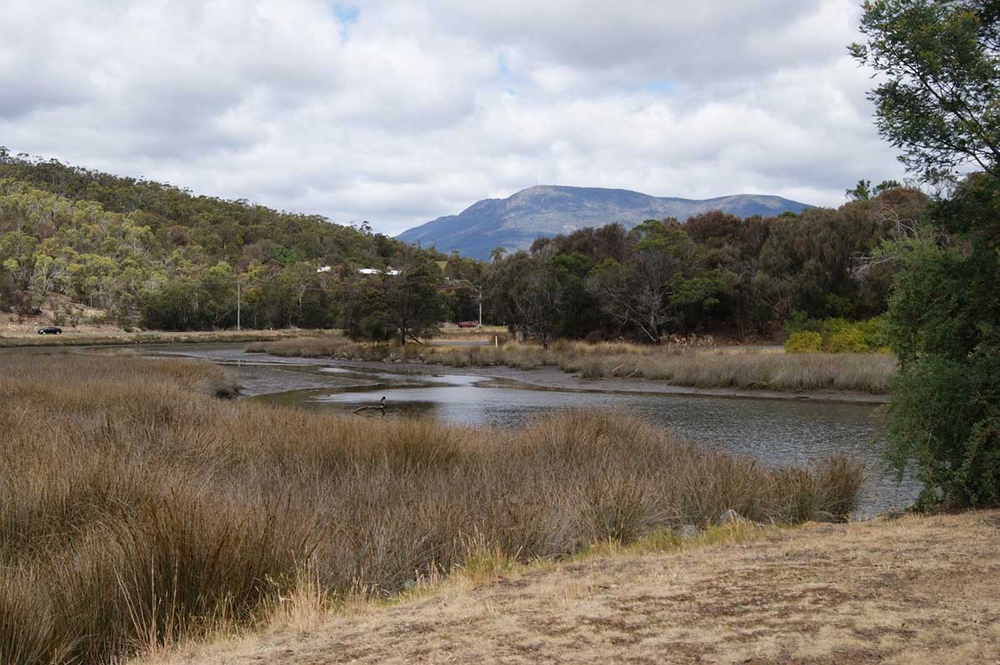
1803
A settlement was founded at Risdon on the Derwent River in Van Diemen's Land. The establishment of this settlement was a significant step in the British colonization of Australia. It was led by Lieutenant John Bowen, who aimed to create a strategic outpost for the British Empire in the region. The location was chosen for its access to fresh water and fertile land, making it suitable for agriculture and settlement.
The settlement at Risdon faced numerous challenges, including conflicts with the indigenous Aboriginal people of the area. The lack of adequate supplies and support from the British government also posed difficulties for the early settlers. Despite these challenges, the settlement at Risdon continued to grow, attracting more settlers looking for opportunities in the new colony.
The impact of the settlement at Risdon on the broader history of Australia was significant. It paved the way for further British colonization of the continent, leading to the establishment of other settlements and colonies across the continent. The Risdon settlement also played a role in shaping the cultural and social landscape of Van Diemen's Land, which later became known as Tasmania.
Today, the site of the Risdon settlement is recognized as an important historical landmark in Australia's history. It serves as a reminder of the early days of British colonization and the interactions between settlers and indigenous peoples. The legacy of the Risdon settlement continues to be felt in Tasmania and across Australia, reflecting the ongoing impact of colonization on the country's history and identity.
#BritishColonization #Settlement #VanDiemensLand #AustraliaHistory
View details1802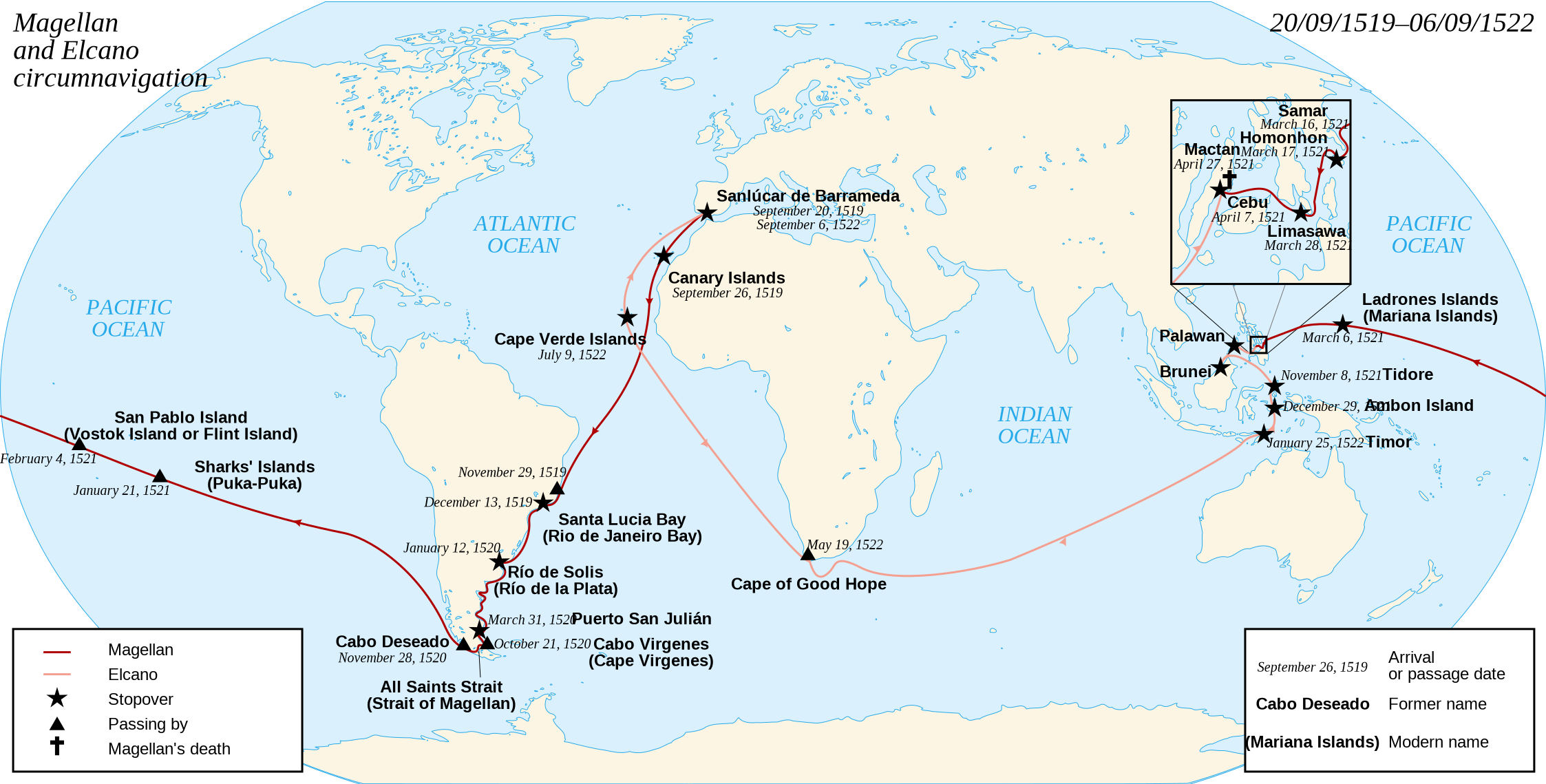
In 1803, Matthew Flinders became the first explorer to successfully circumnavigate the Australian continent. Born in England, Flinders was a skilled navigator and cartographer who had already gained renown for his mapping of the Australian coastline. His journey around Australia, aboard the HMS Investigator, was a significant accomplishment in the exploration of the continent.
Flinders' expedition was not only a feat of navigation but also a crucial scientific endeavor. He meticulously charted the coastline, accurately recording geographical features and documenting the diverse flora and fauna he encountered. His detailed observations provided valuable insights into the natural history of Australia.
The completion of the circumnavigation had far-reaching implications. It not only confirmed that Australia was indeed a single landmass but also laid the groundwork for future exploration and colonization of the continent. Flinders' maps became instrumental for subsequent expeditions and played a vital role in shaping the European understanding of Australia.
Despite his achievements, Flinders' legacy was overshadowed by personal tragedy. He was held captive by the French on Mauritius for several years, delaying the publication of his findings. Upon his eventual return to England, he passed away before the official account of his voyage was released. Nevertheless, Flinders' contributions to the mapping and exploration of Australia endured and established him as a pioneering figure in the country's history.
Flinders' completion of the first circumnavigation of Australia remains a landmark moment in the exploration of the continent. His meticulous mapping and observations laid the foundation for future discoveries and increased knowledge of Australia's geography and natural history. His legacy continues to be celebrated in the annals of Australian exploration.
#MatthewFlinders #Circumnavigation #AustralianExploration #GeographicalMapping
View details1798
George Bass and Matthew Flinders embarked from Sydney on an expedition to navigate and map the coastline of Tasmania. Their journey aimed to settle the long-standing debate whether Tasmania was separate from the mainland. With a small boat called the 'Tom Thumb', they carefully charted the waters, battling rough seas and treacherous conditions. After several weeks of exploration, they successfully completed the circumnavigation, proving Tasmania to be an island.
This achievement was a significant milestone in the history of Australian exploration and cartography. Bass and Flinders' meticulous work provided crucial insights into the geography of the region, contributing to a better understanding of the continent's layout. By confirming Tasmania's insular nature, they clarified a geographical conundrum that had puzzled explorers and scholars for years.
The expedition's findings had far-reaching implications, shaping future expeditions and colonization efforts in Australia. The accurate mapping of Tasmania's coastline facilitated safer navigation for future sailors and traders in the region. It also paved the way for further exploration of the continent's uncharted territories, expanding the frontiers of European knowledge in the southern hemisphere.
George Bass and Matthew Flinders' journey around Tasmania remains a pivotal moment in Australian history, underscoring the significance of exploration and discovery in shaping the nation's identity. Their bold expedition not only resolved a longstanding geographical question but also laid the groundwork for future scientific endeavors in the region. Their legacy lives on as a testament to the spirit of exploration and the quest for knowledge.
#AustralianExploration #Cartography #TasmaniaExpedition
View details1796
In 1797, the Sydney Cove, a commercial trading ship, was wrecked off the coast of Tasmania due to severe weather conditions. A group of survivors, led by Captain Charles Robbins, embarked on a daring journey from Bass Strait to Port Jackson.
Their voyage was a harrowing ordeal, lasting several weeks as they navigated treacherous waters and rugged terrain. Despite facing numerous challenges, they eventually reached Port Jackson, where they were able to raise the alarm and facilitate the rescue of the remaining crew members stranded on Preservation Island.
The successful rescue mission not only saved many lives but also contributed significantly to the geographical knowledge of Australia. The journey of the survivors provided valuable insights into the coastline and navigational routes, helping to fill gaps in the map of the continent.
The Sydney Cove shipwreck and subsequent rescue operation serve as a testament to the resilience and determination of early explorers and settlers in Australia. It highlights the dangers of maritime travel in the region and the importance of quick thinking and resourcefulness in times of crisis.
The event underscores the interconnectedness of human endeavors and the natural environment, as well as the enduring spirit of survival in the face of adversity. It stands as a reminder of the perils of the sea and the profound impact of individual actions on collective outcomes.
#SydneyCove #Shipwreck #RescueMission #GeographicalDiscovery #SurvivalJourney #AustralianHistory #MaritimeAdventure
View details1791
The arrival of the first ship of the Third Fleet marked an important milestone in the colonization of Australia. The Third Fleet was a group of eleven convict transports that departed England with approximately 2,000 convicts on board. The conditions during the voyage were harsh, leading to a high mortality rate among the convicts.
When the first ship reached Sydney Cove, it brought with it much-needed supplies and reinforcements for the struggling colony. The convicts who survived the journey were tasked with helping to further establish the settlement, building infrastructure and contributing to the growing community.
The arrival of the Third Fleet played a significant role in the early development of Sydney as a British penal colony, as it bolstered the population and provided labor for various projects. Despite the challenges faced during the journey and upon arrival, the convicts who came on the Third Fleet ultimately played a part in shaping the future of Australia.
Today, the arrival of the Third Fleet is remembered as a key moment in Australian history, highlighting the hardships faced by early settlers and the contributions of convict labor to the country's development. It serves as a reminder of the complex legacy of colonization and the importance of acknowledging the diverse perspectives and experiences that have shaped Australia's past.
#ConvictTransportation #Colonization #AustralianHistory
View detailsIn 1792, two French ships, Recherche and Espérance, arrived at Recherche Bay, near the southernmost point of Tasmania. The expedition was led by Rear Admiral Bruni d'Entrecasteaux, tasked with charting unexplored territories and finding traces of the missing explorer, Antoine Bruni d'Entrecasteaux. The crew of the ships spent several weeks at the bay, conducting scientific observations, gathering botanical specimens, and interacting with the indigenous Lyluequonny people.
The arrival of the French ships at Recherche Bay had a significant impact on the exploration and mapping of the region. The expedition contributed to the growing body of knowledge about the geography, flora, and fauna of Australia's southern coast. The interactions between the French sailors and the indigenous people also provided insights into the cultural practices and languages of the Tasmanian Aboriginals.
During their stay, the crew of the Recherche and Espérance also made improvements to the bay's infrastructure, building a jetty and establishing a garden to cultivate fresh produce. These efforts were aimed at ensuring the well-being of the crew and maintaining the ships in good condition for their continued voyage.
The visit of the French expedition to Recherche Bay underscored the strategic importance of the southern coast of Tasmania as a resupply point for ships navigating the treacherous waters of the Southern Ocean. The detailed observations and charts produced during the expedition would prove invaluable to future explorers and navigators seeking to traverse the region.
#FrenchExploration #TasmanianEncounter #MaritimeExploration #CulturalInteraction
View details
Governor Philip, a significant figure in the colonization of Australia, returned to England, accompanied by Bennelong, a respected Aboriginal man. This marked the first time an Australian-born person sailed to Europe. Bennelong’s journey was a historic moment that showcased the early cultural exchange between indigenous Australians and European settlers.
Bennelong’s decision to travel to Europe with Governor Philip reflected a moment of curiosity, diplomacy, and the desire to foster understanding between the two worlds. His presence in England was a symbol of the early attempts at building relationships and bridging the gap between the indigenous population and the newcomers. The voyage itself was a challenging and significant experience for Bennelong, offering him insights into European customs, technologies, and lifestyles that were foreign to him.
The impact of Bennelong’s journey to Europe extended beyond his personal experiences. His trip highlighted the cultural diversity and the complex relationships that existed in the early days of European settlement in Australia. It raised awareness about the indigenous people’s perspectives and their willingness to engage with the newcomers despite the challenges and differences they faced.
Bennelong’s journey with Governor Philip is remembered as a significant event that highlighted the early interactions between Aboriginal Australians and European settlers. It sparked discussions about cultural exchange, diplomacy, and the importance of mutual respect and understanding. Bennelong’s story serves as a reminder of the complexities of Australian history and the ongoing efforts towards reconciliation and unity.
#AustralianHistory #CulturalExchange #IndigenousDiplomacy #HistoricJourney
View details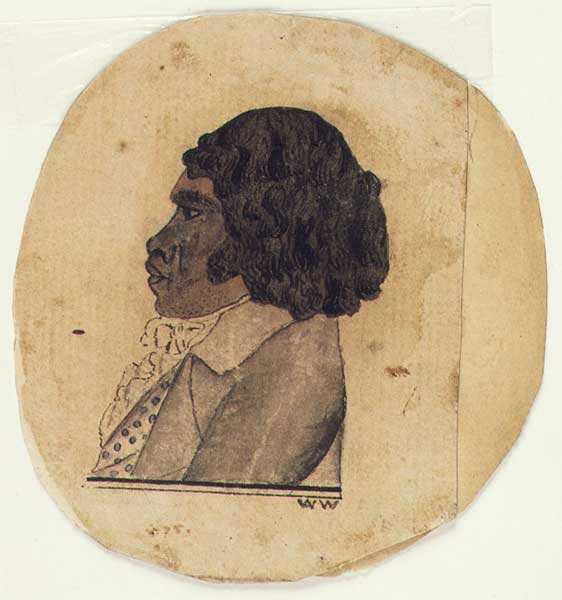
1790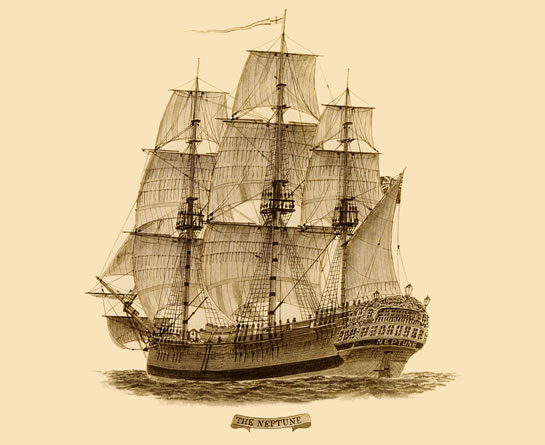
Five of the six ships of the Second Fleet reached the colony, bringing along a group of weary and malnourished prisoners and supplies intended to alleviate a growing food shortage. The colony was in the midst of a crisis, with the lack of provisions leading to widespread hunger and malnutrition among the settlers.
The arrival of the ships provided a temporary relief to the struggling colony, although the condition of the prisoners on board reflected the harsh journey they had endured. Despite the challenges faced by the settlers, the influx of supplies offered a glimmer of hope for the possibility of overcoming the food crisis.
The event marked a critical juncture in the history of the colony, underscoring the hardships and difficulties faced by early European settlers in Australia. The need for sustainable food sources and better planning for future voyages became apparent in order to prevent similar crises from occurring again.
Overall, the arrival of the Second Fleet ships served as a stark reminder of the harsh realities of life in a new and unfamiliar land, while also highlighting the resilience and determination of those who sought to establish a presence in Australia.
#SecondFleet #FoodCrisis #ColonialSettlement #AustralianHistory
View details1788
At the dawn of the colonization of Australia, European settlement faced resistance from the Aboriginal Australians. Due to their reluctance to engage with the newcomers, Governor Phillip decided to apprehend one Aboriginal man named Arabanoo. The captive Arabanoo was kept in confinement with the hope of facilitating communication and fostering positive relations between the two groups.
Arabanoo's capture marked a pivotal moment in the unfolding interactions between the Aboriginal Australians and the European settlers. It highlighted the challenges of bridging the cultural divide and building trust between the indigenous people and the newcomers. Phillip's intention to learn Arabanoo's language reflected a genuine effort to understand and connect with the original inhabitants of the land.
The confinement of Arabanoo not only served as a means to facilitate communication but also symbolized a broader attempt to establish peaceful coexistence and cooperation between the Aboriginal Australians and the European settlers. It underscored the complexities of early colonial encounters and the efforts made to navigate the cultural differences and tensions that arose in the process of settlement.
Arabanoo's capture and confinement shed light on the power dynamics and complexities inherent in the early interactions between the Aboriginal Australians and the European settlers. It exemplified the challenges of communication, understanding, and reconciliation that characterized the initial stages of colonization. Despite the coercive nature of Arabanoo's capture, Phillip's efforts to promote goodwill and mutual understanding between the two groups remain significant in the history of Australia's colonial past.
#AboriginalAustralia #CulturalEncounters #ColonialHistory #InterculturalCommunication
View detailsPhillip, the British explorer, embarked on an expedition to Botany Bay to survey the surrounding rivers. His exploration included the Cook's, George's, and Woronora Rivers. This endeavor was vital in understanding the topography and resources of the newly established British colony in Australia.
The exploration of these rivers provided valuable information on potential water sources, navigational routes, and natural resources available in the region. Phillip's observations and findings during this expedition helped in strategizing future settlement locations and resource allocation.
The examination of the Cook's, George's, and Woronora Rivers played a significant role in the early colonial development of Australia. It enabled the British authorities to make informed decisions regarding agriculture, transportation, and infrastructure development in the region.
Phillip's exploration laid the groundwork for the expansion and growth of the British colony in Australia. The detailed knowledge gathered during this expedition contributed to the long-term sustainability and prosperity of the settlement in Botany Bay.
The exploration of the rivers by Phillip underscored the importance of geographical surveys and expeditions in understanding and harnessing the resources of a new land. It exemplified the spirit of exploration and discovery that defined the early colonial era in Australia.
#Exploration #ColonialDevelopment #GeographicalSurvey #BotanyBay #AustralianHistory
View detailsIn November 1788, the last two ships of the First Fleet, Golden Grove and Fishburn, set sail from Australia to England. This marked the beginning of a crucial journey back to the homeland with despatches and reports for the British authorities.
The departure of the Golden Grove and Fishburn signified the conclusion of the initial wave of British colonization in Australia. After arriving earlier that year with convicts, supplies, and officials, the departure of these ships symbolized a shift in focus towards establishing a more permanent presence in the newly claimed territory.
The despatches and reports carried by these ships contained valuable information about the progress of the settlement, challenges faced, and the overall feasibility of maintaining a colony in the distant land. These documents would provide key insights for policymakers in England and help shape future decisions regarding the development of the Australian colony.
The journey back to England was arduous and uncertain, with the ships facing various challenges such as harsh weather conditions, navigation difficulties, and the risk of encountering hostile forces. However, the crews persevered, driven by the importance of their mission and the anticipation of returning home after a long voyage across the seas.
As the Golden Grove and Fishburn disappeared over the horizon, their departure marked the end of an era and the beginning of a new chapter in the history of Australia. The information they carried would play a significant role in shaping the future trajectory of the colony and its relationship with the British Empire.
#FirstFleet #BritishColonization #AustraliaHistory #VoyageHome
View detailsIn November 1788, a group of marines from the New South Wales Marine Corps, along with 10 convicts, embarked on a journey to establish a farming settlement at Rose Hill, known today as Parramatta. This expedition was part of the broader effort to expand British colonial presence in Australia.
Rose Hill was chosen as the site for the new settlement due to its fertile land and strategic location near the Parramatta River. The marines and convicts worked together to clear the land, build structures, and cultivate crops. Their efforts marked the beginning of agriculture in the area, laying the foundation for future development and growth.
The establishment of the farming settlement at Rose Hill had a significant impact on the development of the colony. It not only provided valuable resources for the growing population but also demonstrated the British commitment to establishing a permanent presence in the region. The success of the settlement at Rose Hill paved the way for further expansion and development in the surrounding areas.
This event marked a crucial milestone in the history of Australian colonization, showcasing the resilience and determination of the early settlers to carve out a new life in a harsh and unfamiliar land. The establishment of the farming settlement at Rose Hill represented a pivotal moment in the shaping of Australia's future as a British colony.
#NewSouthWalesMarineCorps #RoseHill #Parramatta #Colonization #FarmingSettlement
View detailsIn September 1788, Governor Phillip made a crucial decision to dispatch HMS Sirius to Cape Town for essential food supplies. The colony in New South Wales was facing a severe shortage, risking the well-being of the settlers. The settlement's isolation and lack of local resources made them heavily reliant on external sources.
The departure of HMS Sirius marked a turning point for the struggling colony, providing a lifeline to ensure its survival. The ship set sail on a challenging journey across the vast ocean, navigating unpredictable waters and facing potential risks along the way. The success of this mission was imperative to alleviate the food scarcity in the settlement and prevent a humanitarian crisis.
The arrival of HMS Sirius in Cape Town was met with relief and gratitude, as the much-needed supplies were loaded onto the ship for the return journey. The crew worked tirelessly to ensure the swift turnaround, prioritizing the urgency of the situation in New South Wales. The voyage back tested their endurance and seamanship, highlighting the dedication and resilience of all involved.
Upon its return to the colony, HMS Sirius brought a sense of hope and stability, replenishing the provisions and restoring confidence among the settlers. The initiative and leadership shown by Governor Phillip in organizing this mission were instrumental in overcoming a pressing challenge and demonstrating the strategic planning required for the survival of the early Australian settlement.
#GovernorPhillip #HMS_Sirius #CapeTown #FoodSupplies #NewSouthWales #SettlementSurvival
View details
In August 1788, Lieutenant William Bligh and his crew aboard the HMS Bounty arrived at Adventure Bay, Van Diemen's Land while en route to Tahiti. During their brief stop, they planted apple trees, fruit stones, and various vegetables. The purpose of these plantings was to establish a future food source for potential travelers and settlers in the region. The act of planting these crops showcased the British efforts to establish agriculture in new territories they encountered. It also served as a way to ensure the sustainability of future expeditions by providing a potential food source in the area.
The decision to plant these crops before departing on 4 September demonstrated the strategic mindset of the crew, thinking ahead and considering the potential benefits for future voyages. The presence of fruit trees and vegetables could have a lasting impact on the local ecosystem and the diet of indigenous populations in the region. The act of planting these crops can be seen as a small yet significant step towards the development of agriculture in Van Diemen's Land, laying the foundation for future cultivation efforts in the area.
This event highlights the role of exploration and colonization in introducing new plant species to different regions, shaping landscapes and ecosystems over time. It also sheds light on the importance of food security and sustainability in maritime expeditions, influencing the decisions made by explorers during their journeys. The legacy of Bligh and his crew's actions at Adventure Bay can still be seen today in the agricultural landscape of Australia, showcasing the lasting impact of their brief visit to the region.
#Exploration #Colonization #Agriculture #Sustainability #Australia
View detailsDuring this event, Captain Arthur Phillip, the first Governor of New South Wales, detailed the rations for marines and male convicts in a communication to the under-secretary of state, Evan Nepean. This act was crucial in ensuring the sustenance and well-being of the early settlers in the newly established British colony in Australia.
The rations for marines and male convicts included provisions such as flour, pork, beef, rice, and peas. These supplies were essential for the survival of the settlers in the harsh and unfamiliar environment of the Australian continent. By meticulously recording and reporting on the distribution of rations, Phillip demonstrated his commitment to efficiently managing the scarce resources available to the colony.
The event highlighted the challenges faced by the early colonists in securing an adequate food supply in a land that was vastly different from their homeland. It also underscored the strategic planning and organizational skills needed to sustain a growing population in a remote and inhospitable location.
Phillip's attention to detail and emphasis on provision management set a precedent for the governance of the fledgling colony. His efforts laid the foundation for the establishment of systems and processes that would shape the development of Australia as a nation in the centuries to come.
This event exemplifies the early struggles and triumphs of the British settlers in Australia, showcasing their resilience and adaptability in the face of adversity. It also highlights the significance of effective leadership and resource management in the success of colonial endeavors.
#ColonialAustralia #RationingSystem #GovernanceEfforts #EarlySettlement
View detailsIn June 1788, in the early days of the settlement in Australia, an incident occurred where two bulls and four cows went missing due to the neglect of a convict assigned to look after them. The convict, who was responsible for the care of the livestock, failed in his duty, resulting in the animals straying away and getting lost.
The loss of the livestock had a significant impact on the settlement as these animals were vital for the sustenance of the community. Bulls and cows were essential for breeding and providing milk, meat, and other resources. Their disappearance posed a threat to the food security and livelihood of the early settlers, making it a concerning situation.
Efforts were made to search for the missing animals, but unfortunately, they could not be located, leading to a sense of frustration and disappointment among the settlers. The incident highlighted the importance of responsible caretaking and the need for proper supervision to prevent such losses in the future.
This event serves as a reminder of the challenges faced by the early settlers in Australia, where even a small neglect or mistake could have significant consequences. It underscores the importance of diligence and accountability in carrying out tasks, especially in a challenging and unfamiliar environment.
#AustraliaHistory #LivestockLoss #SettlementChallenges
View detailsThe bodies of two rushcutters, William Okey and Samuel Davis, were found pierced with spears and beaten as retribution for stealing an Aboriginal canoe. This incident shed light on the tensions between the newly arrived British settlers and the Indigenous people of Australia. The brutal deaths of Okey and Davis underscored the complexities of early interactions marked by misunderstandings and conflicts over land and resources.
In response to the murders, Governor Phillip organized a search party to apprehend the perpetrators. Despite efforts to bring the culprits to justice, the lack of identification hindered the resolution of the crime. This event highlighted the challenges of law enforcement and justice within the colony, with cultural barriers further complicating the investigation.
The reprisal killings of Okey and Davis left a somber mood among the settlers, reflecting the volatile nature of relations in the early days of British colonization in Australia. It served as a stark reminder of the need for mutual understanding and respect between the different communities inhabiting the land. The incident also emphasized the vulnerability of individuals caught in the midst of larger conflicts and power struggles.
This event underscored the complexities of interactions between the British settlers and the Aboriginal people in Australia, revealing deep-seated tensions and the challenges of reconciliation and justice in a colonial context. It serves as a reminder of the need for dialogue, empathy, and a shared commitment to peace and understanding in the face of historical injustices.
#ColonialEncounters #IndigenousRelations #ConflictResolution #HistoricalInjustice
View details