Australia

The Land Down Under
Related Lives

Libya
Oasis of the Sahara

Ethiopia
Federal Democratic Republic of Ethiopia

Bosnia and Herzegovina
The Land of Golden Lilies

Haiti
The Resilient Spirit of Haiti

Czech Republic
The Heart of Europe

Lithuania
The Land of Amber

Canada
The Great White North
Bosnia and Herzegovina
The Land of Golden Lilies

1987
On that tragic day, a devastating incident unfolded on Hoddle Street, where a lone gunman carried out a mass shooting, leaving seven people dead and nineteen others injured. The assailant, armed with multiple weapons, opened fire indiscriminately on innocent bystanders along the busy street in Melbourne.
The background of the perpetrator revealed a troubled individual who had a history of mental health issues and a fascination with firearms. The attack sent shockwaves through the community, prompting discussions on gun control laws and mental health support.
The impact of the Hoddle Street massacre was profound, as families mourned the loss of their loved ones and survivors grappled with physical and emotional scars. The incident also sparked debates on how such tragedies could be prevented in the future, leading to changes in gun legislation and improved mental health services.
In the aftermath of the massacre, the community came together to support the victims and their families, showing resilience and solidarity in the face of senseless violence. Memorials were held to honor those who lost their lives, and efforts were made to raise awareness about the importance of addressing mental health issues and implementing stricter gun control measures.
The Hoddle Street massacre serves as a somber reminder of the devastating impact of gun violence and the need for proactive measures to prevent similar tragedies in the future. It stands as a poignant chapter in Australia's history, highlighting the importance of addressing mental health challenges and promoting a safer society for all.
#HoddleStreet #MassShooting #GunControl #CommunityResilience #MentalHealthAwareness
View details1986
In 1986, the iconic film 'Crocodile Dundee' premiered in Australia. The movie, starring Paul Hogan, became an instant sensation, showcasing the Australian Outback and larrikin spirit to audiences worldwide.
The story follows Mick Dundee, a crocodile hunter from the Outback, as he navigates the streets of New York City. The fish-out-of-water tale captivated viewers, with its blend of humor, adventure, and cultural contrasts. The character of Dundee quickly became a symbol of Australian identity, embodying traits of bravery, resourcefulness, and good humor.
Upon its release, 'Crocodile Dundee' broke box office records in Australia and internationally, becoming one of the highest-grossing films of the year. It also sparked a tourism boom, as audiences flocked to experience the rugged beauty of the Australian Outback for themselves.
The film's success had a lasting impact on Australia's film industry, paving the way for future productions to showcase the country's unique landscapes and characters. 'Crocodile Dundee' also helped to promote Australian culture on a global scale, inspiring a renewed interest in the land Down Under.
To this day, 'Crocodile Dundee' remains a beloved classic, with its quotes, characters, and scenes ingrained in popular culture. The film's legacy endures, continuing to draw visitors to Australia and serving as a testament to the country's cinematic and storytelling prowess.
#CrocodileDundee #AustralianFilm #CulturalIcon #OutbackAdventure
View detailsThe Russell Street Bombing was a devastating incident in Melbourne, Australia. The bombing targeted the Victoria Police headquarters on Russell Street, resulting in the tragic deaths of one police officer and two civilians. The explosion also injured many others, including police officers and pedestrians.
The attack was carried out using a car bomb, which was detonated outside the police building. The explosion caused significant damage to the headquarters and surrounding buildings, sending shockwaves through the city. The bombing was a targeted attack on the police force, aiming to instill fear and disruption in the community.
The impact of the Russell Street Bombing was profound, not only on the families of the victims but also on the entire city of Melbourne. The incident highlighted the vulnerability of law enforcement officers and the constant threats they face in the line of duty. The bombing led to increased security measures and a heightened sense of awareness within the police force and the community.
In the aftermath of the bombing, law enforcement agencies worked tirelessly to investigate the attack and bring the perpetrators to justice. The investigation ultimately led to the arrest and conviction of those responsible for the bombing, holding them accountable for their heinous actions.
The Russell Street Bombing remains a dark chapter in the history of Melbourne, serving as a solemn reminder of the dangers faced by those who serve and protect. The event brought the community together in mourning and solidarity, showcasing resilience in the face of tragedy.
#RussellStreetBombing #MelbourneTragedy #PoliceHQAttack #CommunityResilience 🇦🇺
View details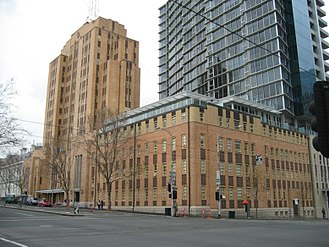
During the event where the Australia Act was implemented, a constitutional milestone was reached as Australia removed the right of appeal from State courts to the British Privy Council. This decision solidified the High Court as the final court of appeal in the country. Additionally, all remaining rights of the UK parliament to pass laws for Australia were eliminated.
The background of this event can be traced back to Australia's gradual steps towards full independence. Over time, Australia had been asserting its autonomy in various aspects, including legal matters. The reliance on the British Privy Council for the final judicial decision had been increasingly seen as outdated, prompting the need for a more independent legal system.
The impact of the Australia Act was significant. By making the High Court the ultimate authority in legal matters, Australia bolstered its sovereignty and autonomy. The removal of the UK parliament's ability to pass laws for Australia meant that the country had full control over its legislative processes. This marked a crucial moment in Australia's history, symbolizing a further step towards complete independence.
In conclusion, the Australia Act's implementation in 1986 marked a defining moment in Australia's journey towards full independence. By removing the right of appeal to the British Privy Council and eliminating the UK parliament's ability to pass laws for Australia, the country solidified its sovereignty and autonomy in legal and legislative matters.
#Australia #Independence #LegalAutonomy #Sovereignty
View details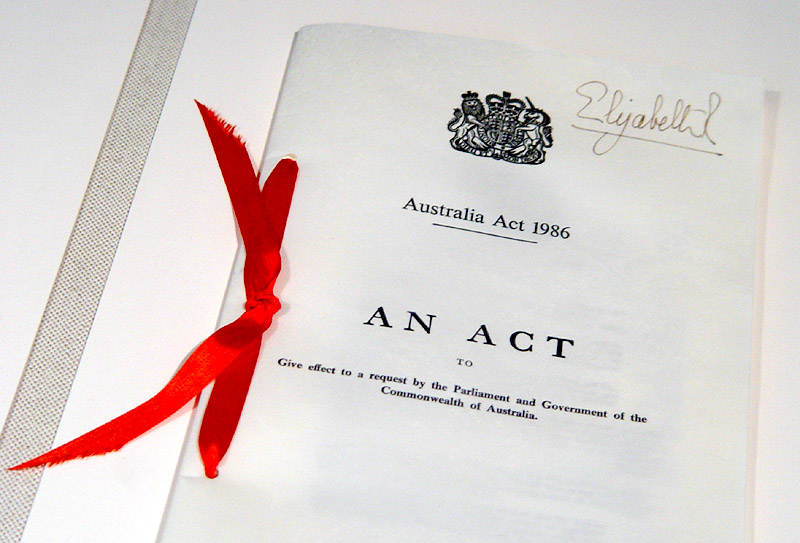
In Sydney, Anita Cobby, a 26-year-old nurse, was brutally abducted, raped, and murdered by five men while walking home one evening. The perpetrators, fueled by drugs and alcohol, subjected Cobby to an unspeakable level of violence before ending her life. The heinous crime shocked the nation and left the community in a state of horror and disbelief.
Anita Cobby's murder sparked widespread outrage and led to a massive manhunt to bring her killers to justice. The five perpetrators were swiftly apprehended, tried, and convicted of their crimes. The trial became one of the most high-profile cases in Australian history, with the media closely following every detail of the proceedings.
The brutal murder of Anita Cobby had a profound impact on the Australian public, sparking conversations about violence against women, victim rights, and the need for stricter sentencing for offenders. It served as a grim reminder of the dangers that lurk in society and the importance of ensuring the safety and protection of all individuals.
The tragic event also led to significant changes in the criminal justice system, with improvements made to support victims and their families throughout the legal process. Anita Cobby's legacy lives on through the advocacy work done in her name, aiming to prevent similar atrocities from happening in the future.
#AnitaCobby #SydneyMurder #VictimsRights #JusticeForAnita #ViolenceAgainstWomen #CriminalJusticeReform #CommunityOutrage
View details
1985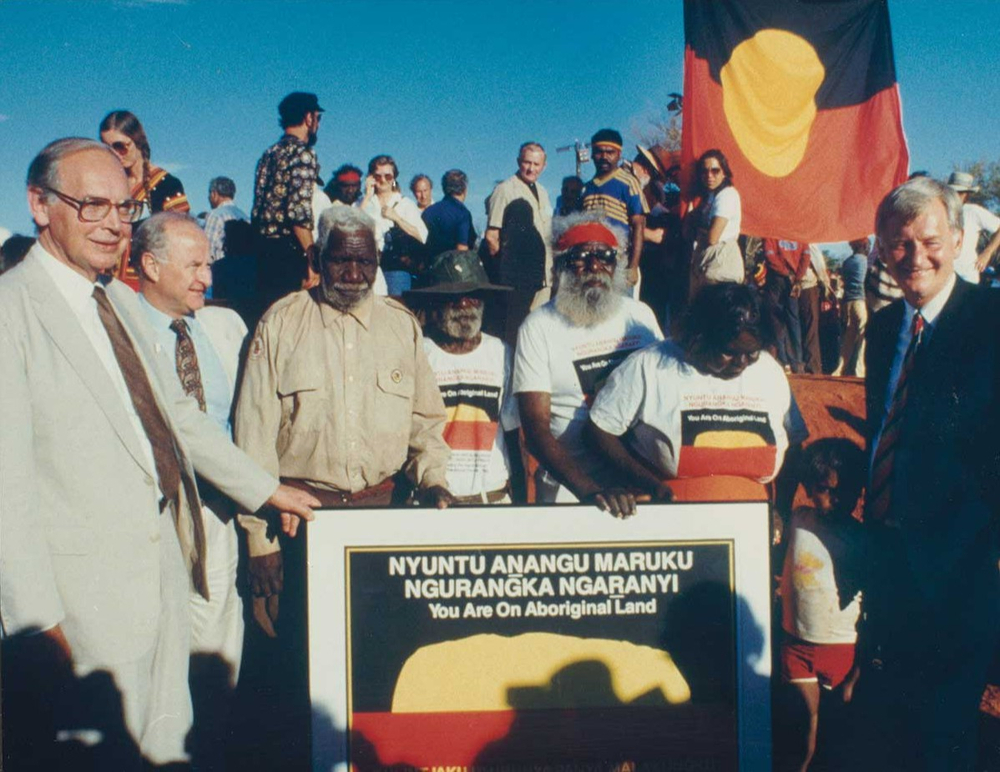
In 1985, the traditional owners of Uluru and the surrounding national park were the Anangu people, not specifically the Mutitjulu. The Mutitjulu community is one of the Aboriginal communities located within the park, and its oval was the site of the historic "handback" ceremony.
Who: The Governor-General of Australia, Sir Ninian Stephen, formally handed the freehold title deeds for the Uluru-Kata Tjuta National Park to the Anangu Aboriginal people.
What: The transfer of ownership was the culmination of decades of campaigning by the Anangu for their land rights to be officially recognized by the Australian government.
Where: The ceremony took place on October 26, 1985, at the Mutitjulu community oval, which is situated near the base of Uluru.
How: As a condition of the land return, the Anangu leased the park back to the Australian Parks and Wildlife Service (now Parks Australia) for 99 years. This established a joint management agreement where the Anangu people hold a majority on the park's Board of Management, combining their traditional knowledge with Western conservation practices.
The historic event was a symbolic high point for the Aboriginal land rights movement in Australia, with celebrations attended by over 2,000 Indigenous and non-Indigenous people.
View details1984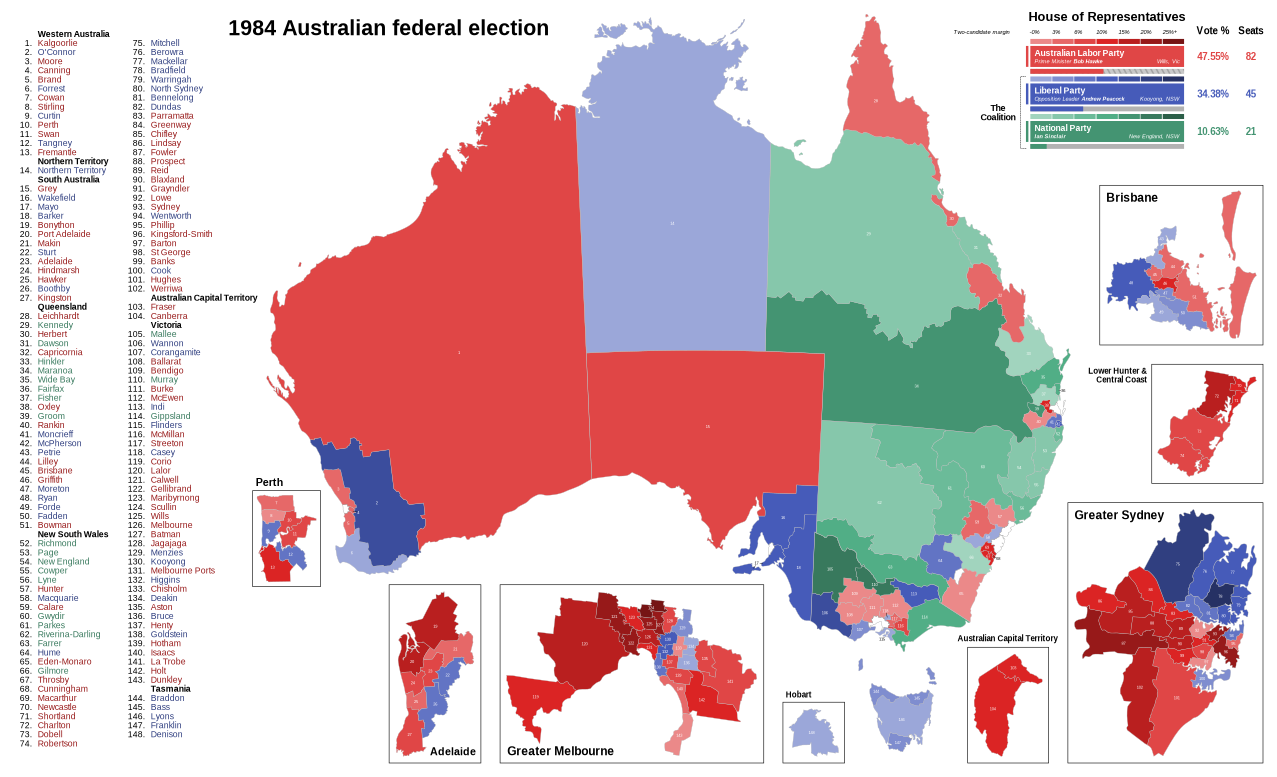
In the Australian federal election of 1984, the Labor Party emerged victorious, securing a second consecutive term in office. The campaign was influenced by factors such as economic policies, national security concerns, and social issues.
The Labor government, under the leadership of Prime Minister Bob Hawke, highlighted its achievements in economic management and social reforms during its first term. The opposition, led by the Liberal Party, focused on promises of tax cuts and a tough stance on national security.
The election result demonstrated public satisfaction with Labor's policies and leadership. Labor won a comfortable majority in the House of Representatives, consolidating its mandate to govern. The victory also reflected the Australian electorate's endorsement of the government's initiatives in areas such as healthcare, education, and the economy.
The aftermath of the election saw the continuation of key policies by the Labor government, including efforts to stimulate economic growth, support social welfare programs, and strengthen Australia's international relations. The government's commitment to these priorities resonated with voters and contributed to its success at the polls.
Overall, the outcome of the 1984 Australian federal election underscored the importance of effective governance, policy continuity, and responsiveness to public needs and preferences. Labor's victory reaffirmed the party's position as a significant force in Australian politics and set the stage for further developments in the country's political landscape.
#AustralianHistory #LaborParty #ElectionWin #BobHawke
View detailsIn Australia, the decision to replace the one dollar note with a one dollar coin was a significant change in the country's currency system. The rationale behind this shift was to improve the longevity and cost-effectiveness of currency circulation. The one dollar coin was introduced to address the short lifespan of the paper note, which often required frequent replacements due to wear and tear.
The introduction of the one dollar coin had a notable impact on daily transactions and businesses, as people transitioned from using notes to coins for their low-value purchases. While initially met with some resistance from the public accustomed to paper notes, the durability and longevity of the coin soon became apparent benefits. Vending machines and public transportation systems also needed to adapt to accommodate the new coin, reflecting a practical adjustment across various sectors.
The new one dollar coin featured distinctive designs, such as the iconic Mob of Roos on the reverse side, showcasing Australia's unique flora and fauna. This change in the currency also aimed to promote national pride and identity through the incorporation of indigenous symbols.
Overall, the issuance of the one dollar coin to replace the one dollar note marked a significant step in modernizing Australia's currency system, aligning with global trends favoring coinage over paper money for lower denominations. The transition not only improved the efficiency of currency circulation but also reflected the country's commitment to innovation and adaptability in financial practices.
#Australia #CurrencyChange #OneDollarCoin #Modernization
View details
On April 19, 1984, "Advance Australia Fair" was officially proclaimed as Australia's national anthem, marking a significant moment in the nation's history. This decision replaced "God Save the Queen" and reflected a growing sense of Australian identity and independence.
Background: The Journey to Adoption
Before 1984, "God Save the Queen" served as Australia's national anthem, a remnant of its colonial ties to Britain. As Australia evolved into a more distinct and independent nation, the need for a national anthem that truly represented its unique identity and values became increasingly evident.
"Advance Australia Fair" was written by Peter Dodds McCormick in 1878 and had long been popular in various public events. The lyrics celebrated the beauty and potential of Australia, resonating with many Australians who sought an anthem that reflected their pride in their country.
Public Opinion and Government Action
The push for a uniquely Australian anthem gained momentum in the 1970s. In 1973, the Australian Bureau of Statistics conducted a public opinion survey to gauge support for different national songs. "Advance Australia Fair" emerged as the favorite, surpassing other contenders like "Waltzing Matilda" and "Song of Australia."
In 1974, the Whitlam government recognized "Advance Australia Fair" as the national song, while "God Save the Queen" remained the official anthem for certain royal and vice-regal occasions. This move was an important step, but it did not fully satisfy the growing desire for an entirely Australian national anthem.
The 1977 Plebiscite
To settle the issue, a national plebiscite was held in 1977 under the Fraser government. The plebiscite asked Australians to choose their preferred national anthem among "Advance Australia Fair," "Waltzing Matilda," "Song of Australia," and retaining "God Save the Queen." The results showed a clear preference for "Advance Australia Fair," which received 43.29% of the vote, while "Waltzing Matilda" received 28.28%, "God Save the Queen" 18.78%, and "Song of Australia" 9.65%.
Despite the plebiscite's outcome, the anthem was not immediately adopted, primarily due to political inertia and ongoing debates about the transition.
Proclamation as National Anthem
The final step in officially adopting "Advance Australia Fair" as the national anthem came under the government of Prime Minister Bob Hawke. On April 19, 1984, "Advance Australia Fair" was officially proclaimed as Australia's national anthem by the Governor-General Sir Ninian Stephen. On the same day, the green and gold were proclaimed as the national colors of Australia.
Lyrics of "Advance Australia Fair"
The lyrics of "Advance Australia Fair" have undergone some modifications since McCormick's original version. The current official version includes two verses:
Australians all let us rejoice,
For we are one and free;
We've golden soil and wealth for toil;
Our home is girt by sea;
Our land abounds in nature's gifts
Of beauty rich and rare;
In history's page, let every stage
Advance Australia Fair.
In joyful strains then let us sing,
Advance Australia Fair.
Beneath our radiant Southern Cross
We'll toil with hearts and hands;
To make this Commonwealth of ours
Renowned of all the lands;
For those who've come across the seas
We've boundless plains to share;
With courage let us all combine
To Advance Australia Fair.
In joyful strains then let us sing,
Advance Australia Fair.
Significance and Impact
The adoption of "Advance Australia Fair" as the national anthem was a powerful affirmation of Australia's national identity and independence. It symbolized a break from colonial ties and a move towards a future defined by the nation's own values, culture, and aspirations.
The anthem has since become a central part of Australian national life, performed at official events, sports matches, and celebrations. It plays a significant role in fostering national unity and pride, encapsulating the spirit of Australia in its verses.
#MomentsOfLife #MoofLife_Moment #MoofLife #AdvanceAustraliaFair #AustralianNationalAnthem #AustralianHistory #NationalIdentity #BobHawke #AustralianCulture
View details
In 1984, Australia introduced the Medicare system, a landmark event in the country's healthcare history. Prior to its establishment, access to healthcare was often limited due to high costs, creating disparities in medical services.
The Medicare system aimed to provide universal healthcare coverage to all Australian citizens, ensuring that essential medical services were accessible and affordable. It brought about a fundamental shift in the healthcare landscape, emphasizing the importance of quality healthcare for all individuals, regardless of their financial status.
With the introduction of Medicare, Australians could now access a wide range of medical services, including visits to general practitioners, specialists, and public hospitals, at little to no cost. This not only improved health outcomes for individuals but also promoted a more equitable healthcare system across the country.
The establishment of Medicare had a profound impact on the Australian population, providing peace of mind and financial relief to many who previously struggled to afford essential healthcare services. It became a symbol of the Australian value of taking care of one another and promoting the well-being of all citizens.
To this day, Medicare remains a vital component of Australia's healthcare system, ensuring that all individuals have access to quality medical care when they need it most. It continues to play a crucial role in promoting public health, well-being, and equality across the nation.
#Medicare #UniversalHealthcare #Australia #HealthEquity
View details1983
In December 1983, the Australian dollar was floated, ending the fixed exchange rate regime that had been in place since the end of World War II. The decision to float the currency was facilitated by the economic reforms led by the Treasurer Paul Keating and the Reserve Bank Governor Bob Johnston.
The float of the Australian dollar allowed its value to be determined by market forces, rather than being fixed in relation to other currencies. This move aimed to improve the flexibility of the currency, making the Australian economy more capable of responding to global market trends.
The impact of floating the Australian dollar was significant. It led to increased volatility in the currency's value initially, but ultimately allowed for more efficient adjustment to external economic shocks. The floating of the dollar also played a crucial role in boosting Australia's international competitiveness, as it enabled the currency to find its true market value.
With the floating of the Australian dollar, the country's economy became more integrated into the global financial system. This move was a major step towards modernizing Australia's financial sector and aligning it with international standards.
The decision to float the Australian dollar marked a turning point in the country's economic history, setting the stage for a more open and flexible economy. It signaled Australia's readiness to embrace market-driven policies and adapt to the realities of the global economy.
#AustralianDollar #FloatingCurrency #EconomicReform #GlobalIntegration
View detailsIn the history of sailing, a remarkable achievement was made when Australia secured victory in the America's Cup. The America's Cup, known as the oldest trophy in international sports, had been dominated by the United States for 132 years until Australia's historic win.
The challenging period for Australia started in 1962 when they first competed for the prestigious sailing trophy. The country faced numerous defeats in subsequent races and struggled to break the American stronghold on the Cup. However, with the perseverance and dedication of Australian sailors and their innovative yacht design, they finally clinched victory in 1983.
The breakthrough moment came in a tense and thrilling final race against the defender, the United States, in Rhode Island. The Australian yacht, Australia II, with its revolutionary winged keel design, outmaneuvered the competition and crossed the finish line first. The victory was a moment of pride for Australia and marked a turning point in the history of the America's Cup.
The impact of Australia's triumph in the America's Cup was significant. It not only ended the longest winning streak in sporting history but also put Australia on the map as a force to be reckoned with in sailing. The win ignited a passion for sailing in the country and inspired a new generation of sailors to aim for greatness on the international stage.
Australia's victory in the America's Cup remains a symbol of determination, innovation, and the power of teamwork. It is a testament to the enduring spirit of competition and the belief that with hard work and perseverance, even the greatest challenges can be overcome.
#Australia #AmericasCup #Sailing #Victory
View details
In 1983, the Australian federal election saw Bob Hawke leading the Labor Party to victory over Malcolm Fraser's Liberal-National coalition. Hawke's victory marked a significant shift in Australian politics as Labor returned to power after seven years in the opposition.
Bob Hawke, a former trade union leader, was a charismatic figure who appealed to a wide range of voters with his promises of economic reform and social justice. During the campaign, Hawke focused on issues such as unemployment, inflation, and the economy, resonating with many Australians who were facing economic challenges at the time.
The election results were a clear indication of the public's desire for change, with Labor securing a decisive victory and gaining a parliamentary majority. Hawke's landslide win was attributed to his strong leadership, policy platform, and the party's effective campaign strategy.
As Prime Minister, Hawke wasted no time in implementing his agenda, which included economic reforms, social programs, and foreign policy initiatives. His government introduced major policy changes such as the Accord with the trade unions, deregulation of the financial sector, and environmental protection measures.
The 1983 Australian federal election marked the beginning of a new era in Australian politics, characterized by Hawke's leadership and the Labor Party's dominance in the following years. Hawke's government brought about significant changes in the country's economy and society, shaping the course of public policy for years to come.
Hawke's victory in 1983 was a turning point in Australian politics, signaling a shift towards progressive policies and a new direction for the country. His legacy as a reformist leader and champion of social justice continues to resonate in Australian political discourse to this day.
#BobHawke #AustralianElection #LaborParty #PoliticalChange #ProgressivePolicies
View details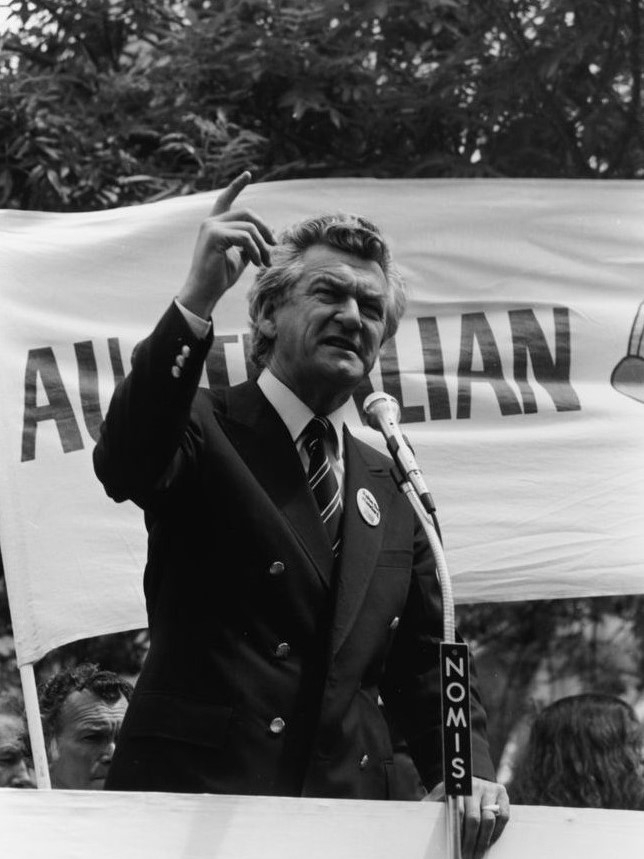
The Ash Wednesday bushfires ravaged southeastern Australia, resulting in the tragic loss of 71 lives. The devastation unfolded as intense heat, dry weather, and strong winds converged to create a perfect storm for the fires to spread rapidly. The blazes took hold across Victoria and South Australia, engulfing homes, forests, and farmland, and causing widespread destruction in their wake.
Fueled by the harsh weather conditions, the fires became uncontrollable, with firefighters struggling to contain the infernos. The impacted communities faced the overwhelming task of evacuating their homes and fleeing to safety, while emergency services worked tirelessly to rescue those in harm's way.
The aftermath of the Ash Wednesday bushfires was profound, with families mourning the loss of loved ones and communities left to pick up the pieces of their shattered lives. The physical and emotional toll of the tragedy was immense, with many survivors grappling with the trauma of the disaster for years to come.
The Ash Wednesday bushfires serve as a stark reminder of the devastating power of nature and the importance of preparedness in the face of such a crisis. The resilience and strength displayed by the affected communities in the wake of the tragedy stand as a testament to the human spirit in the face of adversity.
#Australia #AshWednesday #Bushfires #Tragedy #Resilience
View details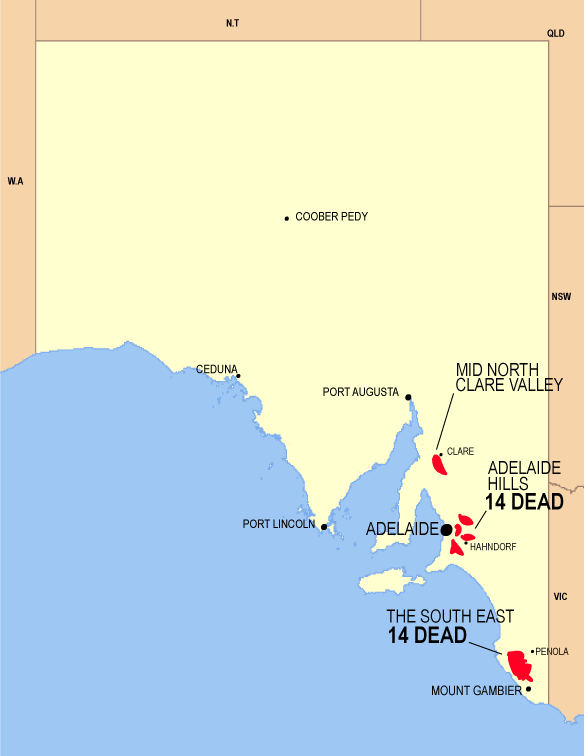
1982
In 1982, the National Gallery of Australia was established in Canberra. The gallery was envisioned to house a significant national art collection that showcases the country's cultural heritage. It aimed to provide a space for the public to appreciate and engage with various forms of artistic expression.
The opening of the National Gallery of Australia marked a milestone in the country's cultural landscape. It consolidated various art collections from different regions into one national institution, offering a comprehensive overview of Australian art history. The gallery's diverse exhibitions, ranging from indigenous art to contemporary works, aimed to educate and inspire visitors while fostering a sense of national identity and pride.
The establishment of the National Gallery of Australia had a profound impact on the art community, providing artists with a platform to exhibit their work and gain recognition. It also played a crucial role in promoting cultural exchange and dialogue, both within Australia and on the international stage.
The gallery's architecture, designed by Colin Madigan, was a notable aspect of the institution. The building's distinctive features and layout complemented the art on display, creating a harmonious and immersive experience for visitors. The gallery quickly became a prominent cultural landmark in Canberra, attracting art enthusiasts, scholars, and tourists from around the world.
To this day, the National Gallery of Australia continues to serve as a hub for artistic excellence and cultural enrichment. It remains dedicated to preserving and promoting Australia's artistic heritage while embracing new forms of creative expression. Through its exhibitions, programs, and outreach initiatives, the gallery reinforces the importance of art in shaping society and fostering understanding between individuals.
#NationalGalleryofAustralia #CulturalHeritage #ArtisticExpression #AustralianArt #CulturalEnrichment
View detailsThe 12th Commonwealth Games took place in Brisbane, Australia. It was the first time that the event was held in Queensland. Over 1,500 athletes from 46 nations participated in 10 days of competitions across 142 events. The opening ceremony was held at the Queen Elizabeth II Jubilee Sports Centre.
The Games had a lasting impact on Brisbane, with significant infrastructure developments such as the construction of the Sleeman Sports Complex and the QEII Stadium. These venues continue to host sporting events to this day. The Games also boosted tourism and the local economy, showcasing Brisbane on an international stage.
In terms of sports, Australia dominated the Games, finishing on top of the medal table with a total of 107 medals. Some memorable moments included the performance of swimmer Tracey Wickham, who won four gold medals, and the success of high jumper Geoff Parsons.
The 12th Commonwealth Games in Brisbane brought together athletes from diverse backgrounds to compete in the spirit of sportsmanship and friendly competition. It fostered a sense of unity among the Commonwealth nations and highlighted the talent and dedication of the athletes.
Overall, the 12th Commonwealth Games in Brisbane was a significant event in the history of Australian sports and left a lasting legacy on the city. It showcased Brisbane's ability to host a major international sporting event and brought the community together to celebrate excellence in sports.
#12thCommonwealthGames #Brisbane #SportingLegacy #AthleticExcellence #InternationalCompetition
View details
1981
In 1981, Tasmania faced a crucial decision as a referendum was held to determine the fate of the Franklin Dam. The construction of the dam, proposed by the government for hydroelectric purposes, sparked controversy due to its potential environmental impact on the Franklin River and the surrounding wilderness area.
The referendum allowed Tasmanian citizens to vote on whether the dam should be built or if the project should be scrapped to preserve the natural landscape. The campaign leading up to the referendum was highly charged, with both sides presenting strong arguments regarding the economic benefits versus the environmental concerns.
In the end, the referendum resulted in a victory for the anti-dam campaign, reflecting the public's desire to prioritize environmental conservation over economic development. This outcome had significant implications not only for Tasmania but also for the broader environmental movement in Australia, highlighting the growing awareness and importance of protecting natural ecosystems.
The decision to halt the construction of the Franklin Dam marked a turning point in environmental policy in Australia, emphasizing the need to balance economic progress with sustainability and conservation efforts. It showcased the power of grassroots movements and public opinion in shaping government decisions regarding environmental issues.
The Franklin Dam referendum serves as a reminder of the ongoing dialogue between development and conservation, underscoring the need for thoughtful and informed decision-making to safeguard the environment for future generations. #FranklinDam #Tasmania #EnvironmentalConservation #Referendum #Australia
View details1980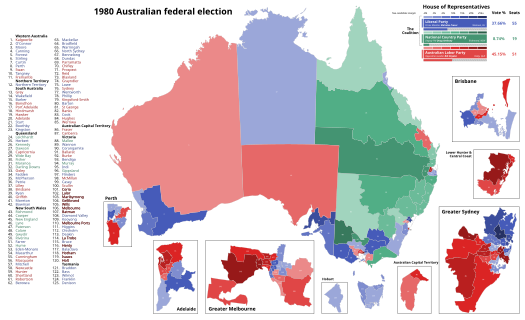
In 1980, the Australian federal election ended with the Coalition, comprised of the Liberal Party and the National Country Party, securing victory. The election saw the Coalition led by Prime Minister Malcolm Fraser triumph over the Australian Labor Party, led by Bill Hayden.
Prior to the election, the country faced economic challenges, including high inflation and unemployment rates. The Labor Party aimed to address these issues through their policies, while the Coalition campaigned on promises of economic stability and growth.
On election day, the Coalition emerged victorious, winning a comfortable majority in the House of Representatives. The result allowed Malcolm Fraser to continue his leadership and implement his party's agenda for the next term.
The outcome of the election had significant implications for Australia, setting the course for economic policies and reforms in the years to come. The Coalition's win signaled a continuation of their conservative approach to governance, focusing on economic liberalism and strong ties with Western allies.
The 1980 Australian federal election marked a turning point in the country's political landscape, with the Coalition securing a renewed mandate to govern. The victory solidified their position in power and shaped the direction of Australian policies for the foreseeable future.
#Australia #Coalition #ElectionVictory #PoliticalLandscape
View detailsIn August 1980, at a campsite near Uluru (Ayers Rock) in Australia, a tragic incident occurred when baby Azaria Chamberlain disappeared. Her mother, Lindy Chamberlain, claimed she saw a dingo near the tent and raised the alarm. A search was immediately launched, but baby Azaria was not found.
The disappearance of baby Azaria Chamberlain sparked a media frenzy and a controversial trial. Initial investigations were marred by conflicting witness statements and forensic evidence. The case garnered international attention, with debates over the plausibility of a dingo taking a baby from a tent.
Lindy Chamberlain was charged with her daughter's murder, while her husband, Michael Chamberlain, was charged as an accessory. Despite maintaining their innocence, Lindy was convicted and sentenced to life in prison, while Michael received a suspended sentence.
Years later, new evidence emerged, including dingo-related attacks in the area and the discovery of some of Azaria's clothing near a dingo lair. In 1987, Lindy Chamberlain was released from prison following the discovery of the missing evidence.
The Chamberlains' case had a lasting impact on public perception of dingoes and highlighted flaws in the justice system. The incident also led to changes in dingo management strategies at tourist sites in Australia.
The Chamberlain case remains a haunting reminder of a mother's grief and the complexities of the Australian outback. The loss of baby Azaria continues to evoke emotions and debates about the relationship between humans and wildlife, as well as the pursuit of justice in high-profile cases.
#AzariaChamberlain #dingoattack #Uluru #Australiantragedy
View details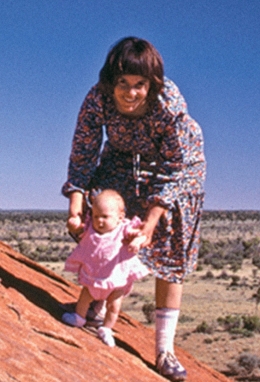
1979
In 1979, an important milestone was achieved in Australia as women in the country won the right to maternity leave. Before this, there was no legislation in place to protect the jobs of women who took time off for childbirth or to care for their newborns.
The introduction of maternity leave marked a significant shift in the workplace dynamic, recognizing the needs of working mothers and providing them with the necessary support to balance their careers and family responsibilities. This decision not only had a positive impact on the lives of women but also contributed to gender equality in the workforce.
The implementation of maternity leave also reflected a broader societal change towards valuing the role of women in both the workplace and at home. It acknowledged the importance of enabling women to fulfill their maternal duties without facing discrimination or having to sacrifice their careers.
This victory was a result of years of advocacy and activism by women's rights groups and individuals who fought for equal rights and opportunities in the workforce. The successful establishment of maternity leave paved the way for further progress in achieving gender equality and fair treatment of women in the workplace.
Today, maternity leave continues to be a fundamental right for women in Australia, allowing them to take time off work to care for their newborns without fearing job loss or financial instability. It stands as a testament to the ongoing efforts towards creating a more inclusive and gender-equal society.
#MaternityLeave #GenderEquality #WorkingMothers #AustraliaWomen #EqualRights
View detailsIn 1979, Kakadu National Park was officially established in Australia. Kakadu National Park, located in the Northern Territory, spans over 20,000 square kilometers, showcasing a diverse range of ecosystems and rich biodiversity. The park is recognized for its archaeological and cultural significance, with rock art sites dating back thousands of years.
The declaration of the parks marked a significant milestone in conservation efforts in Australia. It highlighted the government's commitment to safeguarding the country's unique natural heritage and promoting sustainable tourism. The protection of these areas not only benefits the environment but also contributes to the economy through eco-tourism and research opportunities.
Over the years, Kakadu National Park has become a popular destination for tourists, nature enthusiasts, and scientists alike. Visitors can explore the diverse landscapes of Kakadu, ranging from wetlands and rivers to sandstone cliffs and waterfalls.
The proclamation of Kakadu National Park underscores the importance of conservation and environmental stewardship. It serves as a reminder of the need to protect and preserve natural wonders for the benefit of current and future generations.
#KakaduNationalPark #ConservationEfforts #NaturalHeritage #EcoTourism #Australia
View details
1978
On 6/24/1978, the first Sydney Gay and Lesbian Mardi Gras took place in Australia. It began as a protest march to advocate for gay rights and raise awareness about discrimination and inequality faced by the LGBTQ+ community. The event was inspired by the 1969 Stonewall riots in New York City.
The march turned into a celebration of diversity, with participants dressed extravagantly and dancing through the streets. However, the event was met with hostility from law enforcement, resulting in arrests and violence. Despite the challenges, the Mardi Gras became an annual event, growing in size and significance each year.
Over time, the Sydney Gay and Lesbian Mardi Gras evolved into one of the largest LGBTQ+ pride celebrations in the world, attracting visitors from around the globe. It has become a symbol of resilience, acceptance, and solidarity within the LGBTQ+ community and beyond. The event has also played a crucial role in advancing LGBTQ+ rights in Australia, leading to legal reforms and increased visibility for queer individuals.
Today, the Sydney Gay and Lesbian Mardi Gras continues to be a platform for advocacy, education, and celebration. It serves as a reminder of the ongoing fight for equality and the importance of standing up against discrimination in all its forms. The event's legacy is rooted in its origins as a protest for justice and equality, and it remains a powerful symbol of empowerment and inclusivity for the LGBTQ+ community worldwide.
#SydneyMardiGras #LGBTQ+Rights #Equality #Celebration #Protest #Australia
View details1977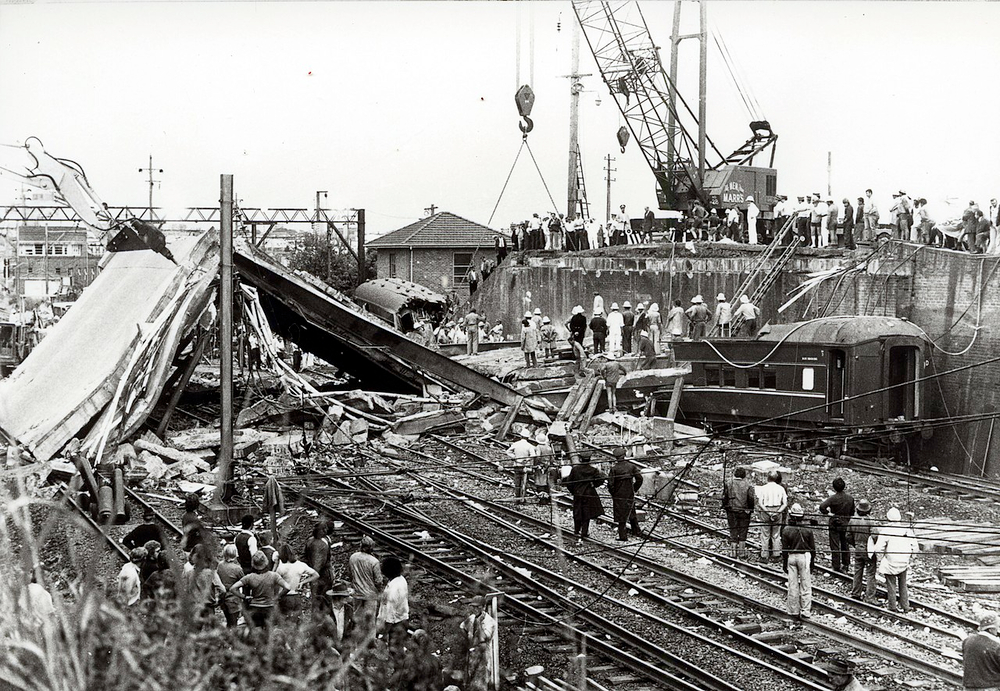
The Granville rail disaster occured when a crowded commuter train derailed and collided with a support pillar of an overhead road bridge. The crash resulted in the deaths of eighty-three people and left over two hundred injured. The incident was attributed to a combination of factors, including a fractured rail, poor maintenance practices, and inadequate safety regulations.
The impact of the Granville rail disaster was widespread and devastating. Families were torn apart, and the community was left in shock and mourning. The incident also prompted a thorough investigation into railway safety standards and infrastructure maintenance across Australia, leading to significant changes in regulations and practices to prevent similar tragedies in the future.
The disaster at Granville served as a stark reminder of the importance of prioritizing safety in the transportation industry and the need for continuous monitoring and improvement of infrastructure to protect passengers and workers. In the aftermath of the accident, initiatives were implemented to enhance rail safety measures and ensure that such a catastrophic event would never happen again.
The Granville rail disaster remains a somber chapter in Australia's history, as the nation learned valuable lessons about the critical importance of maintaining high safety standards in the country's transportation networks. The memory of the eighty-three lives lost in the tragic accident serves as a poignant reminder of the need for vigilance and diligence in ensuring the safety of all those who travel by rail.
#GranvilleRailDisaster #RailSafety #InfrastructureMaintenance #TransportationSafety #AustraliaHistory
View details1976
In 1976, the Australian Capital Territory decriminalized homosexuality between consenting adults in private, marking a pivotal moment in the country's LGBTQ+ rights movement. This change came after years of advocacy from activists, aiming to eradicate the discriminatory laws that had long marginalized the queer community.
The legalization of homosexuality in private spaces allowed individuals to express their love and identity without fear of prosecution, creating a more inclusive and accepting society. This reform not only granted LGBTQ+ individuals the freedom to live authentically but also challenged societal perceptions and norms regarding sexual orientation.
The impact of this decision was profound, as it set a precedent for other Australian states and territories to follow suit in affirming the rights of LGBTQ+ individuals. It propelled the momentum of the LGBTQ+ rights movement in the country, paving the way for further legislative reforms and societal acceptance.
The decriminalization of homosexuality in the Australian Capital Territory was a significant step towards equality and human rights, fostering a more diverse and tolerant society. It signified a triumph for LGBTQ+ activists and allies who had tirelessly campaigned for the recognition and protection of queer individuals.
This momentous event exemplifies the power of advocacy and collective action in driving social change and advancing equality. It stands as a testament to the resilience and strength of the LGBTQ+ community in the face of adversity, inspiring ongoing efforts towards inclusivity and justice.
#LGBTQ+Rights #Decriminalization #Equality #SocialChange #Australia
View details1975
In the 1975 Australian federal election, Malcolm Fraser led the Liberal-National coalition to victory, resulting in him becoming the Prime Minister of Australia. Fraser's win marked a significant shift in Australian politics, ending the Labor Party's 3-year rule under Gough Whitlam.
The lead-up to the election was marred by political turmoil, with the Whitlam government embroiled in controversy over its economic policies and governance. This discontent among the public culminated in the dismissal of Whitlam by Governor-General Sir John Kerr in November, triggering a constitutional crisis. The dismissal remains a contentious moment in Australian political history.
Fraser's election victory was seen as a repudiation of the Whitlam government's leadership and policies. His campaign focused on promises of economic stability, lower government spending, and restoring confidence in the government. The coalition's landslide victory reflected the electorate's desire for change and a more conservative approach to governance.
As Prime Minister, Fraser implemented conservative economic policies, including cutting government spending and reducing public debt. His leadership style was characterized by a focus on economic management and a commitment to restoring stability and confidence in the government.
Fraser's tenure as Prime Minister lasted until 1983 when he was defeated by Bob Hawke's Labor Party. Despite facing challenges during his time in office, Fraser's impact on Australian politics was significant, shaping the country's political landscape for years to come.
#MalcolmFraser #AustralianElection #PoliticalChange #LiberalParty #EconomicPolicies #HistoricEvent
View detailsAmid a political turmoil in Australia, the country faced a constitutional crisis when Prime Minister Gough Whitlam's government was brought to a standstill due to the withholding of supply by the opposition led by Malcolm Fraser. The deadlock over the budget caused a threat of a government shutdown, pushing the Governor-General, Sir John Kerr, to a critical decision.
In a historic move, Governor-General Kerr dismissed Whitlam as the Prime Minister, marking the only time in Australian history that a democratically elected government was removed from office in such a manner. Following Whitlam's dismissal, Kerr controversially appointed Malcolm Fraser, the Leader of the Opposition, as the caretaker Prime Minister to navigate the country through the crisis.
The actions taken by the key players plunged the nation into chaos, sparking debates on the extent of the Governor-General's powers and the limits of parliamentary democracy. The abrupt dismissal of a sitting Prime Minister fueled public outrage, leading to widespread protests and political unrest across Australia. The event left a lasting impact on the country's political landscape, with divisions deepening between supporters and detractors of the decision.
The aftermath of the constitutional crisis prompted calls for constitutional reform and a reevaluation of the Governor-General's role in Australian politics. The event highlighted the importance of upholding democratic principles and the need for checks and balances within the government to prevent such a situation from recurring.
#ConstitutionalCrisis #DismissalOfWhitlam #AustralianPolitics #GovernorGeneralPowers
View details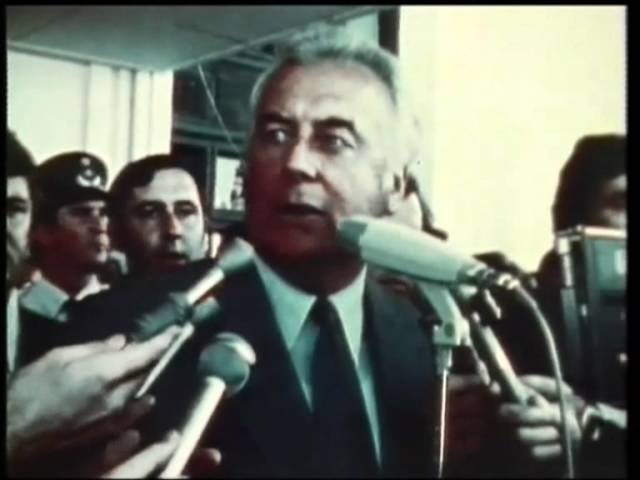
In 1975, the Whitlam government put forth the Aboriginal Land (NT) Bill, a groundbreaking proposal that aimed to grant land rights in the Northern Territory. The bill sought to recognize the Aboriginal communities' traditional affiliation and their need for land, empowering them to govern mining activities and development on their ancestral lands.
This initiative was a response to the long-standing struggle of Aboriginal communities in Australia, who had been dispossessed of their lands and marginalized for decades. The proposed bill aimed to provide legal recognition and protection for their traditional land ownership and control, marking a significant shift towards reconciliation and empowerment.
The Aboriginal Land (NT) Bill highlighted the government's recognition of the inherent rights of Indigenous peoples and their essential role in shaping the development and management of their lands. By acknowledging traditional ownership and control over resources, the bill aimed to dismantle the legacy of colonial dispossession and exploitation that had characterized Australia's history.
The introduction of the bill sparked widespread debate and controversy, reflecting the complexities of land rights, economic interests, and cultural heritage. While some saw it as a crucial step towards justice and reconciliation, others raised concerns about the potential impact on mining activities and economic development in the region.
Ultimately, the Aboriginal Land (NT) Bill represented a significant milestone in the struggle for Indigenous rights and land justice in Australia. It emphasized the importance of recognizing and respecting the unique cultural and territorial rights of Aboriginal communities, paving the way for a more inclusive and equitable approach to land governance.
#AboriginalLandRights #NorthernTerritory #IndigenousEmpowerment #Reconciliation #TraditionalOwnership #AustralianHistory
View detailsIn 1975, the 'Privy Council (Appeals from the High Court) Act' was enacted in Australia, signaling a significant shift in the country's legal landscape. This legislation marked the removal of the right to appeal High Court decisions to the British Privy Council, a historic colonial practice.
Prior to this change, Australian cases could be escalated to the Privy Council, located in the United Kingdom, for a final ruling. The establishment of this direct appeal mechanism dates back to the colonial era when Australia was under British rule.
However, the passing of the Act in 1975 terminated this practice, affirming Australia's growing independence and sovereignty in legal matters. The decision to abolish appeals to the Privy Council reflected a desire for a more autonomous judicial system within the country.
Despite this reform, the Act allowed for appeals to the Privy Council from State Supreme Courts to continue until 1988 before being completely phased out. This transitional period recognized the importance of the Privy Council in the legal system while also paving the way for a more self-reliant judicial framework.
The event was a pivotal moment in Australia's legal history, symbolizing a shift towards greater self-governance and legal independence. The country's decision to assert its authority in legal matters highlighted its evolving identity as a sovereign nation.
Overall, the ''Privy Council (Appeals from the High Court) Act'' of 1975 marked an important juncture in Australia's legal journey, emphasizing the nation's commitment to shaping its own legal destiny. This legislative change has left a lasting impact on the country's legal system, solidifying its stance as a self-determining entity in the global legal arena.
#Australia #LegalIndependence #JudicialReform
View detailsIn 1975, South Australia made history by becoming the first state in Australia to legalize homosexuality between consenting adults in private. This groundbreaking move followed a gradual shift towards more progressive attitudes regarding LGBTQ rights in the country.
The push for decriminalization gained momentum as activists and advocates highlighted the injustice and discrimination faced by the LGBTQ community under the existing laws. The legalization of homosexuality in South Australia represented a significant step towards equality and recognition of diverse sexual orientations.
The impact of this legal change was profound, not only for the individuals directly affected but also for society at large. It marked a turning point in the fight for LGBTQ rights in Australia, setting a precedent for other states to follow suit.
With the legalization of homosexuality, LGBTQ individuals in South Australia gained a sense of validation and acceptance, allowing them to live more openly and authentically without fear of prosecution. This shift in legal stance helped challenge stigma and stereotypes surrounding LGBTQ identities, fostering a more inclusive and tolerant society.
Overall, South Australia's decision to legalize homosexuality between consenting adults in private was a momentous occasion that paved the way for greater recognition and protection of LGBTQ rights across Australia. It reflected a growing awareness and acceptance of diverse sexual orientations and represented a significant victory in the ongoing struggle for equality.
#LGBTQrights #ProgressiveAustralia #Inclusion #Equality
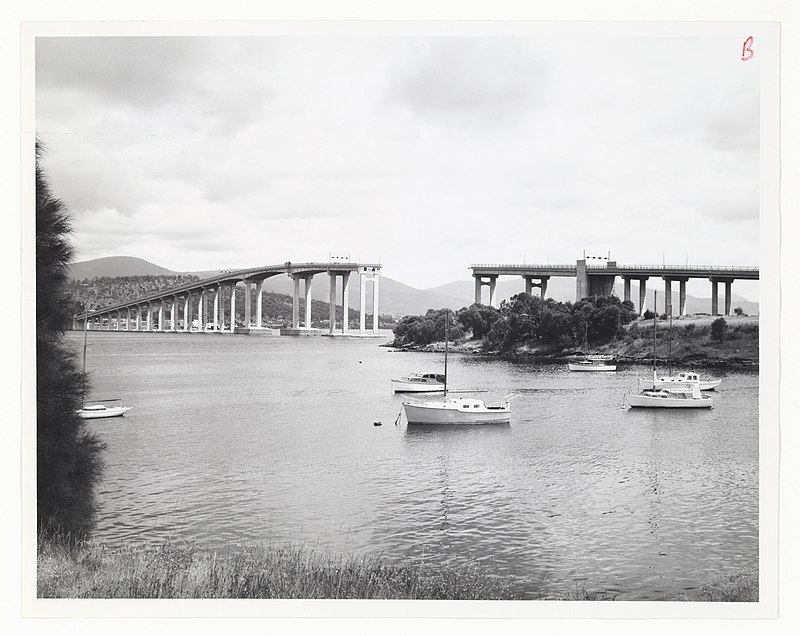
View detailsThe collapse of the Hobart Bridge was a tragic event that took place in Australia. A bulk ore carrier traveling on the Derwent River collided with several pylons of the Tasman Bridge, causing a section of the bridge to give way. The collision resulted in the deaths of 12 individuals, including 7 crew members on board the ship and 5 people in 4 cars that plunged 45 meters below into the Derwent River.
The Tasman Bridge was a vital transportation link in Hobart, connecting the eastern and western shores of the city. The collapse of the bridge had a significant impact on the local community, disrupting the flow of traffic and isolating the two parts of the city. Emergency response teams worked tirelessly to rescue survivors and recover the bodies of those who tragically lost their lives in the accident.
The incident highlighted the importance of maintaining infrastructure safety and the need for proper regulations to prevent similar disasters in the future. The investigation into the cause of the collapse revealed deficiencies in maintenance procedures and raised questions about the marine regulations governing vessel traffic in the area.
In the aftermath of the Hobart Bridge collapse, safety measures were implemented to enhance the structural integrity of bridges and improve traffic management on waterways. The incident served as a somber reminder of the potential consequences of infrastructure failures and the importance of prioritizing safety in all aspects of transportation and infrastructure development.
#HobartBridge #TasmanBridge #InfrastructureSafety #MarineSafety #TransportationDisaster #Australia
View details