Australia

The Land Down Under









1998
In 1998, the Australian Stock Exchange underwent a significant transformation by demutualizing and transitioning into a publicly traded entity. This groundbreaking move marked the exchange as the first in the world to list its shares on its own platform. Prior to this change, the exchange functioned as a mutual organization owned by its members, who were also the market participants.
The demutualization process involved converting the ownership structure from a member-based organization to a shareholder-owned company. By doing so, the Australian Stock Exchange aimed to enhance efficiency, transparency, and competitiveness in its operations. This strategic shift allowed outside investors to participate in the ownership of the exchange, thereby increasing its access to capital and diversifying its shareholder base.
The decision to demutualize and go public had a profound impact on the financial landscape of Australia. It signaled a new era of modernization and globalization for the exchange, aligning its practices with international standards and trends. The move also intensified competition in the industry by positioning the Australian Stock Exchange as a more agile and market-oriented entity.
As a result of the demutualization and public listing, the Australian Stock Exchange gained broader recognition and credibility among investors worldwide. The increased liquidity and visibility of its shares further solidified its position as a key player in the global financial markets. This transformation set a precedent for other stock exchanges around the world to consider similar structural changes to adapt to the evolving dynamics of the industry.
#AustralianStockExchange #Demutualization #PublicListing #FinancialInnovation #Globalization
View detailsPatrick Stevedores' attempt to introduce non-union labor in Australia sparked a major strike, escalating tensions between the company and the Maritime Union of Australia. The move was seen as an effort to diminish the union's power and influence within the industry.
The strike had a significant impact on the country's economy, disrupting the flow of goods and impacting various sectors dependent on maritime transportation. Ports were at a standstill, causing delays in shipments and financial losses for businesses.
The conflict between Patrick Stevedores and the Maritime Union of Australia highlighted broader issues related to labor rights, union representation, and corporate power. It drew attention to the ongoing struggle between management and workers in negotiating fair wages, working conditions, and job security.
Ultimately, the strike forced both parties to come to the negotiating table to address their grievances and find a resolution. It underscored the importance of collective bargaining and solidarity among workers in the face of corporate attempts to undermine labor rights.
The event served as a reminder of the power dynamics at play within the Australian labor market and the need for strong union representation to protect the interests of workers. It highlighted the resilience of workers in standing up against attempts to weaken their rights and conditions of employment.
#AustraliaLaborRights #UnionPower #WorkplaceSolidarity
View details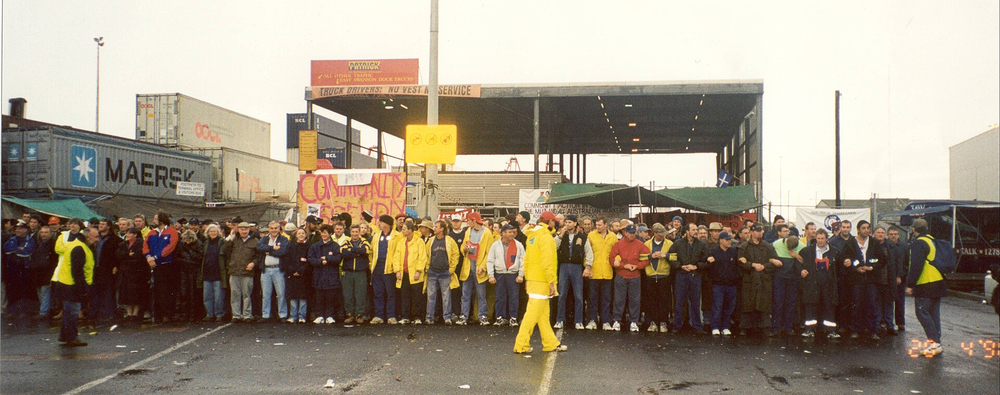
1997
On the day Michael Hutchence, the renowned frontman of INXS, was discovered lifeless in his hotel room, shockwaves rippled through the music industry and fans worldwide. Hutchence was hailed as one of the most iconic rock singers of his time, known for his charismatic stage presence and soulful vocal delivery. His untimely passing marked the end of a legendary career that had catapulted INXS to international stardom.
The circumstances surrounding Hutchence's demise were met with great speculation and sorrow. The news of his death triggered an outpouring of grief from devoted admirers, who mourned the loss of a multifaceted artist whose impact transcended borders. Throughout their career, INXS had amassed a dedicated following and achieved critical acclaim for their distinctive sound, characterized by Hutchence's distinct voice and the band's infectious rhythms.
As authorities conducted investigations into the singer's passing, tributes poured in from fellow musicians and fans alike, underscoring Hutchence's enduring influence on the music scene. His legacy endured in the hearts of many, as the world grappled with the irreplaceable void left by his absence. The bond between Hutchence and his audience had been forged through the power of music, a connection that continued to resonate long after his passing.
In the wake of Hutchence's tragic death, conversations surrounding mental health and the pressures of fame were reignited, prompting introspection within the industry and beyond. The loss of such a gifted artist served as a poignant reminder of the fragility of life, urging a deeper understanding of the challenges faced by those in the spotlight. Hutchence's legacy, indelibly linked to the success of INXS, endures as a testament to the lasting impact of his artistry on generations of music lovers.
#MichaelHutchence #INXS #MusicIcon #Legacy #MentalHealth #MusicHistory
View detailsIn a tragic turn of events, the Bimbadene and Carinya Lodges at Thredbo Alpine Village collapsed, claiming the lives of eighteen individuals. The incident occurred late at night, sending shockwaves through the community and beyond.
The lodges, located in a popular skiing destination, were hit by a landslide that resulted in their abrupt collapse. The force of the landslide was devastating, leaving behind a scene of destruction and loss. Emergency response teams rushed to the site, working tirelessly to rescue any survivors trapped in the debris.
The impact of the Thredbo landslide was profound, with families, friends, and the nation mourning the lives lost in the tragedy. The incident also raised concerns about the safety of structures built in landslide-prone areas and prompted discussions on preventative measures to avoid similar disasters in the future.
The aftermath of the Thredbo landslide saw a collective outpouring of support for the affected individuals and the broader community. It served as a somber reminder of the unpredictable forces of nature and the importance of vigilance in high-risk environments.
As the nation came to terms with the loss of eighteen lives in the Thredbo landslide, it also reflected on the resilience and unity shown in the face of adversity. The event left a lasting impact on the community, sparking conversations about safety standards and emergency preparedness.
#Thredbo #Landslide #Tragedy #CommunitySupport #SafetyAwareness
View details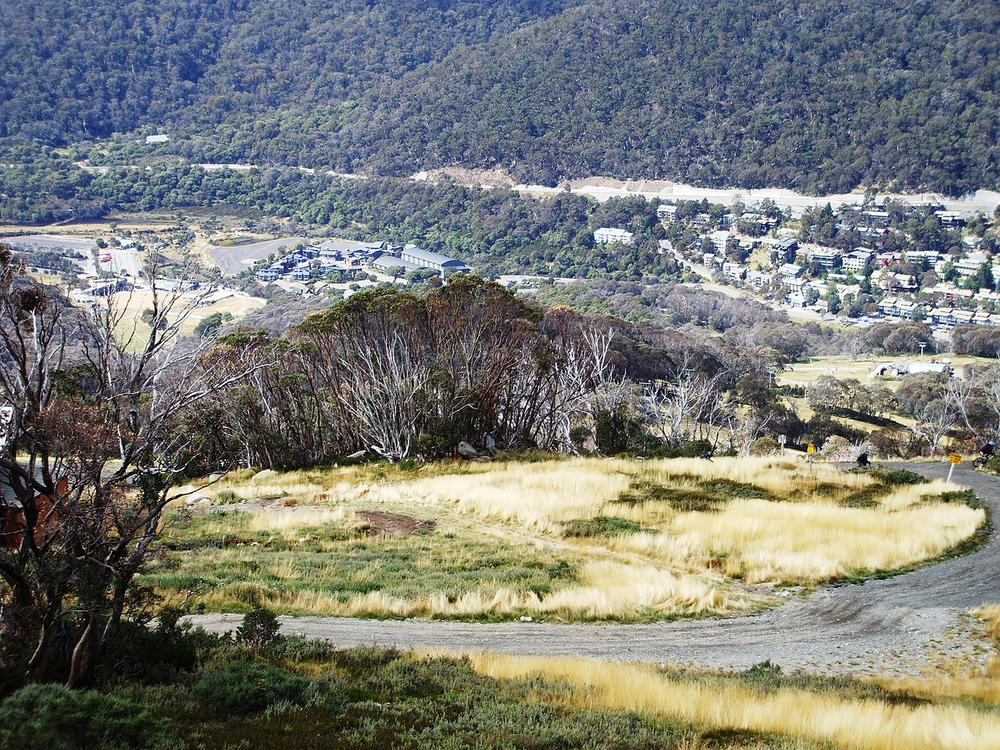
Tasmania, Australia, made history by decriminalizing homosexuality, becoming the last state in the country to do so. The decision marked a significant milestone in the fight for LGBTQ+ rights in Australia. Prior to this, consensual homosexual acts were illegal in Tasmania, leading to discrimination, stigma, and persecution against the LGBTQ+ community.
The push for the decriminalization of homosexuality in Tasmania had been ongoing for years. In 1994, the United Nations Human Rights Committee ruled that the criminalization of homosexual acts violated international human rights laws, adding pressure on Tasmania to amend its laws.
The legalization of homosexuality in Tasmania had a profound impact on the LGBTQ+ community, as it was a crucial step towards equality and acceptance. It provided LGBTQ+ individuals with a sense of validation and belonging, signaling that their identities and relationships were no longer deemed criminal.
This landmark decision also had broader implications for LGBTQ+ rights in Australia. It set a precedent for other states and territories to follow suit, leading to nationwide reforms to decriminalize homosexuality and advance LGBTQ+ rights.
The legalization of homosexuality in Tasmania was a pivotal moment in the journey towards equality, diversity, and inclusion in Australia. It represented a significant victory for the LGBTQ+ rights movement, demonstrating the power of advocacy, resilience, and solidarity in creating positive social change.
#Tasmania #Australia #LGBTQ+ #Equality #HumanRights #Progress
View detailsExpelled from the Liberal Party, Pauline Hanson formed the One Nation Party to amplify her anti-immigration and populist views. Before this, Hanson served a single term as an Independent MP, sparking controversy with her divisive opinions on Indigenous Australians and multiculturalism.
The establishment of the One Nation Party shook the Australian political landscape, resonating with many disillusioned voters. Hanson's message found a receptive audience among those feeling marginalized by mainstream parties. The party rapidly gained support, especially in rural areas and among working-class Australians.
One Nation's rise spawned heated debates and concerns about the shifting political climate in Australia. Critics condemned Hanson's rhetoric as divisive and xenophobic, while supporters lauded her as a voice for the forgotten people. The party's anti-globalization stance attracted those wary of increasing international influences.
In the subsequent elections, One Nation achieved significant success, with Hanson securing a return to Parliament. The party's impact reverberated beyond its electoral wins, influencing political discourse and policy discussions across the country. Despite facing internal divisions and controversies, One Nation managed to carve out a space in Australian politics.
The formation of the One Nation Party underscored growing discontent with traditional political parties and tapped into grassroots dissatisfaction with immigration policies and economic globalization. Hanson's ability to connect with disenfranchised voters reshaped political strategies and forced other parties to reckon with populist sentiments.
#PaulineHanson #OneNationParty #AustralianPolitics #Populism #ImmigrationDebate #PoliticalControversy
View details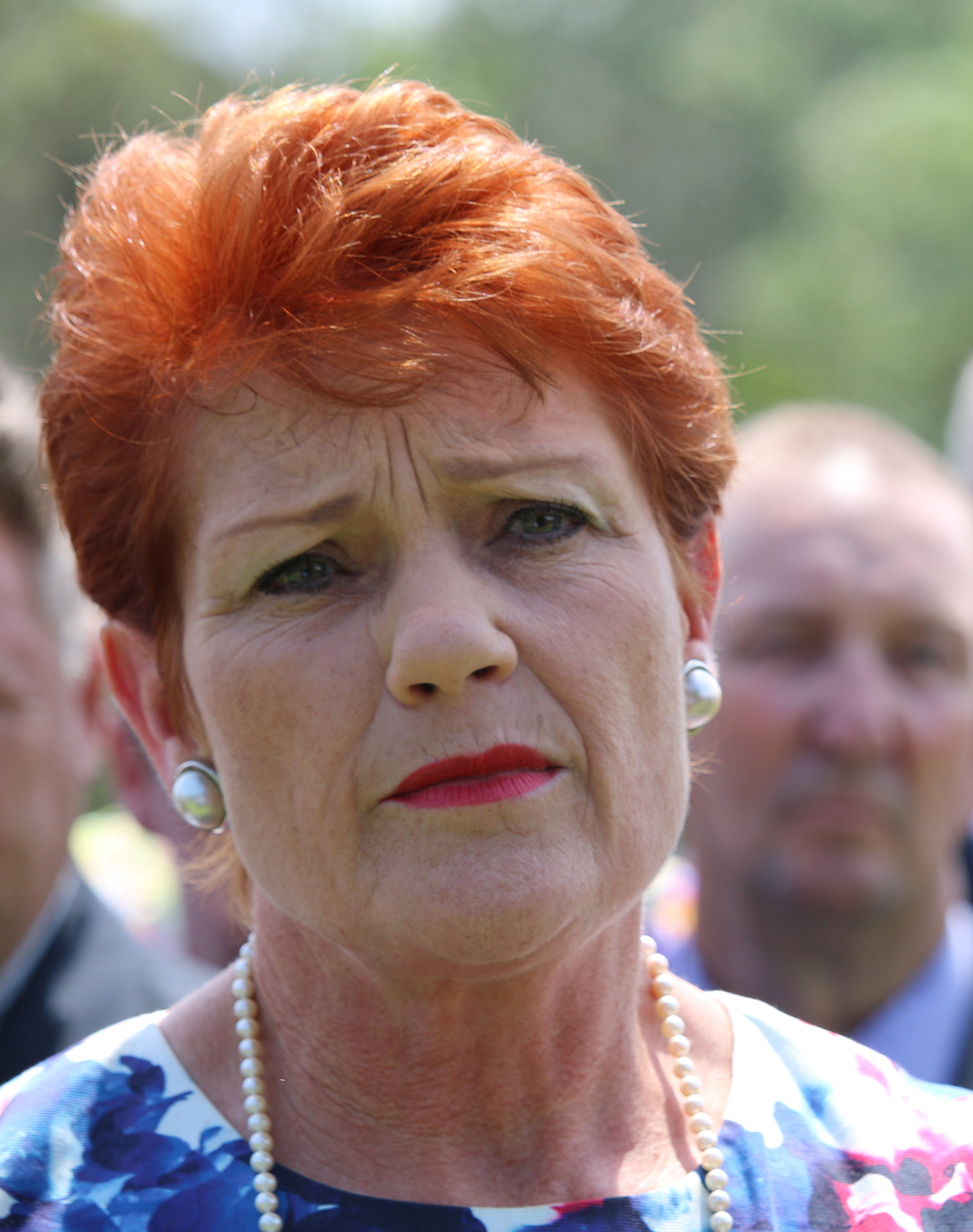
1996
In a landmark ruling, the High Court delivered the Wik Decision affirming that indigenous native title could coexist with pastoral leases in Australia. The case involved the Wik and Thayorre peoples' claim to land in the Cape York region of Queensland, which had been partially leased for grazing.
The decision was significant as it clarified that native title rights could survive the granting of leases to non-indigenous parties. This decision expanded the recognition of indigenous land rights in Australia, challenging the previous assumption that pastoral leases extinguished native title. It acknowledged the rights of indigenous peoples to continue practicing cultural activities on their land, even if it was leased for other purposes.
The Wik Decision had a profound impact on indigenous land rights and relations between indigenous and non-indigenous Australians. It paved the way for subsequent native title claims and agreements across the country, leading to greater recognition and protection of indigenous land rights.
This ruling also sparked debates and discussions about the coexistence of native title and pastoral leases, prompting legal and policy changes to accommodate both interests. It highlighted the importance of considering indigenous perspectives and rights in land management and resource development.
The Wik Decision marked a significant step towards reconciliation and recognition of the ongoing connection of indigenous peoples to their land in Australia, challenging the historical dispossession and marginalization of indigenous communities. It emphasized the need for a more inclusive and respectful approach to land tenure and governance.
#WikDecision #IndigenousRights #NativeTitle #LandRights #Australia #HighCourt #Reconciliation #CulturalHeritage
View detailsFollowing the tragic Port Arthur massacre where 35 innocent lives were lost, the Howard government took the lead in convincing all Australian states and territories to adopt uniform gun laws. The gunman's use of rapid-fire weapons in the massacre prompted a nationwide discussion on gun control.
The Howard government's initiative was pivotal in unifying all states and territories to implement stricter gun regulations. Under the new laws, semi-automatic rifles and shotguns were banned, strict licensing requirements were imposed, and a national buyback program was launched to reduce the number of firearms in the community.
The impact of the uniform gun laws was significant, leading to a substantial decrease in gun-related deaths and mass shootings in Australia. The legislation received bipartisan support and was hailed as a proactive measure to prevent future tragedies.
The decision to introduce uniform gun laws marked a turning point in Australia's approach to gun control, setting a precedent for other countries facing similar challenges. It showcased the power of collective action in addressing national issues and prioritizing public safety.
The Port Arthur massacre served as a catalyst for change, prompting a swift and coordinated response from all levels of government. It highlighted the importance of proactive policymaking in preventing senseless acts of violence and protecting the well-being of citizens.
#PortArthur #GunControl #PublicSafety
View details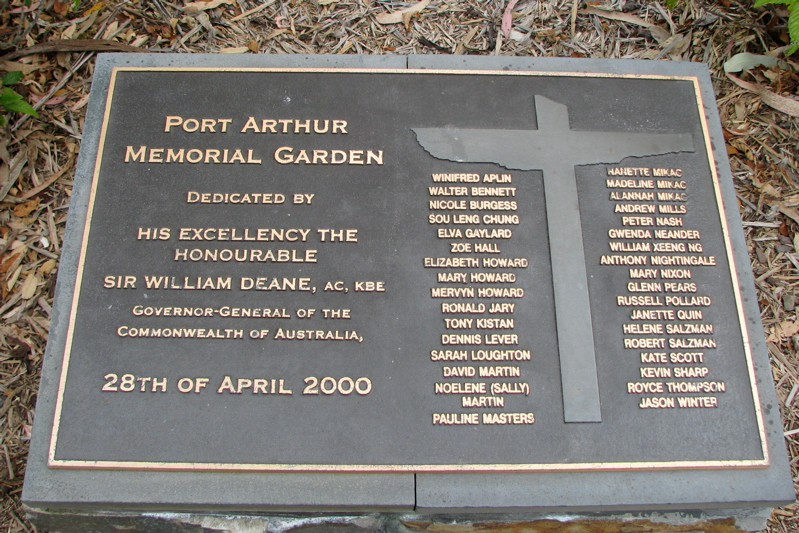
After 13 years of Labor government, Liberal John Howard emerged victorious in the Australian federal election, defeating incumbent Prime Minister Paul Keating. Howard's win marked a significant turning point in Australian politics, bringing an end to the longest-serving Labor government in the country's history.
John Howard campaigned on promises to restore economic stability, reduce unemployment, and address issues such as gun control and immigration. His victory was seen as a rejection of Keating's government policies, including economic reforms and efforts to modernize Australia. Howard's leadership approach appealed to a diverse range of voters, leading to a decisive win for the Liberal Party.
The 1996 election result was a clear indication of the Australian public's desire for change and a shift in political priorities. Howard's government introduced various reforms during his tenure, including changes to the taxation system, industrial relations, and education.
The impact of Howard's victory was felt across Australia, with a sense of optimism and a renewed focus on economic growth and stability. The change in leadership also had implications for Australia's foreign policy, particularly in relation to regional relations and alliances.
The 1996 Australian federal election marked a significant moment in the country's political history, signaling a shift in power dynamics and a new direction for governance. John Howard's tenure as Prime Minister left a lasting legacy on Australian politics, influencing policies and debates for years to come.
#AustralianPolitics #JohnHoward #PaulKeating #ElectionImpact
View details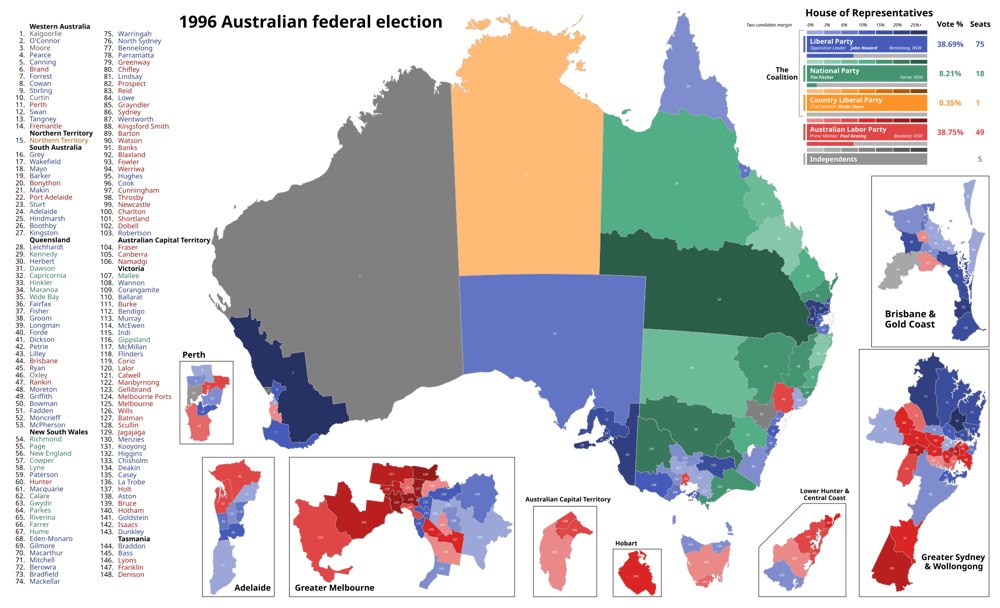
1995
In the mid-1990s, the Northern Territory took a significant step by legalizing voluntary euthanasia. This milestone generated intense debate across the nation, as it was a groundbreaking decision in Australia at the time. The Northern Territory Rights of the Terminally Ill Act 1995 allowed terminally ill patients to choose to end their lives with medical assistance under specified conditions.
However, the federal government intervened when Liberal MP Kevin Andrews introduced the Euthanasia Laws Bill 1996. This bill aimed to overturn the Northern Territory's legislation on euthanasia, arguing that it was a federal concern and should not be within the jurisdiction of a territory. After a heated parliamentary debate, the Euthanasia Laws Bill passed and effectively nullified the Northern Territory's law on assisted dying.
The impact of this federal intervention was deeply felt by supporters of voluntary euthanasia in the Northern Territory. It not only reversed a hard-fought legal victory but also sparked a broader conversation about the rights of individuals to make end-of-life decisions. The clash between state and federal powers added another layer of complexity to the ongoing euthanasia debate in Australia.
In conclusion, the Northern Territory's legalization of voluntary euthanasia in 1995, followed by the federal government's intervention through the Euthanasia Laws Bill in the subsequent year, marked a pivotal moment in the country's history. The events underscored the complex interplay between state and federal regulations, as well as the ethical considerations surrounding end-of-life choices. #NorthernTerritory #Euthanasia #FederalIntervention #Australia
View details1993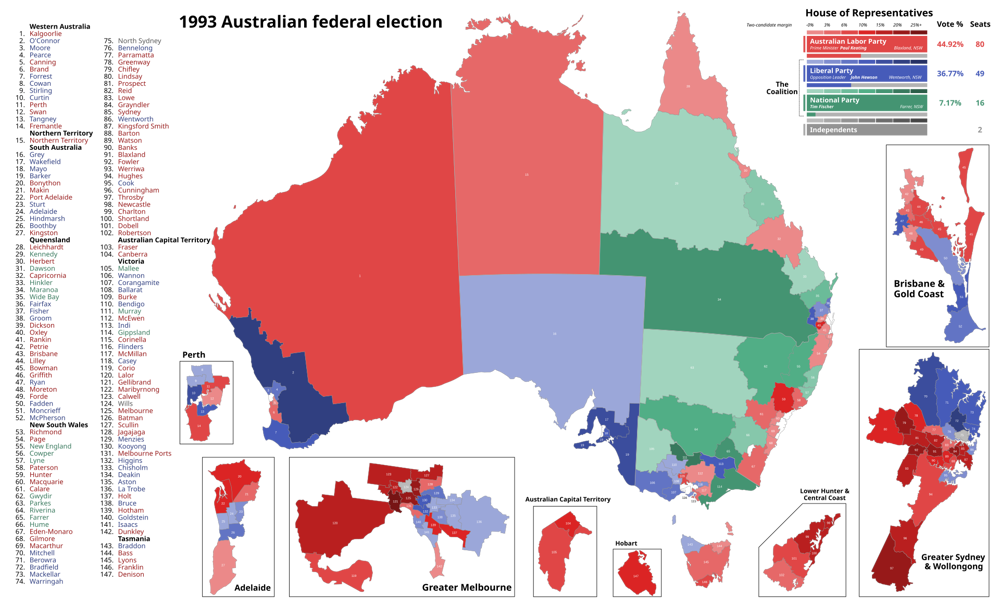
In 1993, the Australian federal election saw a significant political shift as Prime Minister Paul Keating secured victory over the Liberal Party's John Hewson. Keating's win marked a turning point in Australian politics, with his government focusing on economic reform and social issues.
One notable aspect of the 1993 election was the emergence of the Australian Greens, who stood candidates for the first time. This marked the beginning of the party's participation in federal politics, advocating for environmental sustainability, social justice, and grassroots democracy.
Keating's win over Hewson was seen as a validation of his government's policies and vision for the country. His victory solidified his position as a key figure in Australian politics and reinforced the Labor Party's agenda for the years to come.
The Australian Greens' participation in the election was a significant milestone for the party, signaling their intention to influence national politics and advocate for their core principles on a broader scale. The Greens' presence in the election brought attention to environmental and social issues, providing voters with an alternative to the major parties.
Overall, the 1993 Australian federal election was a pivotal moment in the country's political landscape. Keating's victory over Hewson and the Australian Greens' debut in federal politics highlighted the evolving priorities and dynamics within Australian society and government.
#AustralianElection #PaulKeating #AustralianGreens #PoliticalShift
View details1992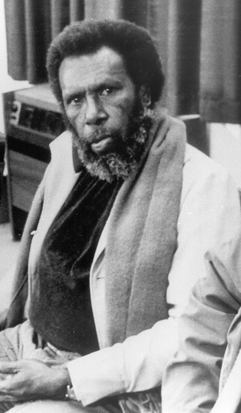
In 1992, the High Court of Australia made a groundbreaking decision in the Mabo case, ruling that indigenous native title exists in Australia. This ruling challenged the long-held legal doctrine of terra nullius, which considered the land to be uninhabited before British colonization. The case was led by Eddie Mabo, a Torres Strait Islander, who fought for recognition of indigenous land rights.
The Mabo decision had a profound impact on indigenous land rights in Australia, recognizing the ongoing connection of Aboriginal and Torres Strait Islander peoples to their land. It overturned centuries of legal precedent and opened the door for indigenous communities to make claims over their traditional lands based on their native title rights.
The ruling was a significant step towards reconciliation between indigenous and non-indigenous Australians, acknowledging the injustices of the past and working towards a more equitable future. It paved the way for the Native Title Act of 1993, which provides a framework for indigenous land claims and negotiations.
In the wake of the Mabo decision, there was a shift in attitudes towards indigenous land rights and a growing recognition of the importance of indigenous culture and heritage. The decision was celebrated as a victory for indigenous rights and a crucial step towards recognizing the unique status of Australia's First Nations peoples.
Amidst the backdrop of this landmark decision, New South Wales Premier Nick Greiner resigned, marking a moment of political upheaval. The Mabo decision had far-reaching implications, not only in legal terms but also in shaping the social and political landscape of Australia.
#MaboDecision #IndigenousRights #NativeTitle #TerraNullius #LandRights #Reconciliation #AustralianHistory
View detailsIn February 1992, Queensland conducted a referendum on the implementation of daylight saving time. The proposed change was met with a significant amount of debate and controversy within the state. Proponents argued that adopting daylight saving would align Queensland with other states, improve energy efficiency, and boost recreational opportunities. On the other hand, opponents expressed concerns about disrupting the state's lifestyle, impacting businesses, and causing potential health issues.
Following the referendum, the final results revealed that 54.5% of voters had chosen 'no' to daylight saving. This outcome signaled a clear majority against the introduction of the time adjustment. The defeat was attributed to various factors, including the state's unique geographic location, lifestyle preferences, and the influence of industries like agriculture and tourism.
The referendum's outcome had a lasting impact on Queensland, solidifying the state's stance against daylight saving. Subsequent attempts to reintroduce the measure faced strong resistance from the public and policymakers. Queensland remains one of the few regions in Australia that does not observe daylight saving time, maintaining a consistent time zone throughout the year.
The referendum on daylight saving in Queensland in February 1992 ended with a 54.5% 'no' vote, highlighting the state's divergence from the practice. The event showcased the importance of local preferences, industry considerations, and geographic factors in shaping time-related policies. #Queensland #DaylightSaving #Referendum #Australia
View details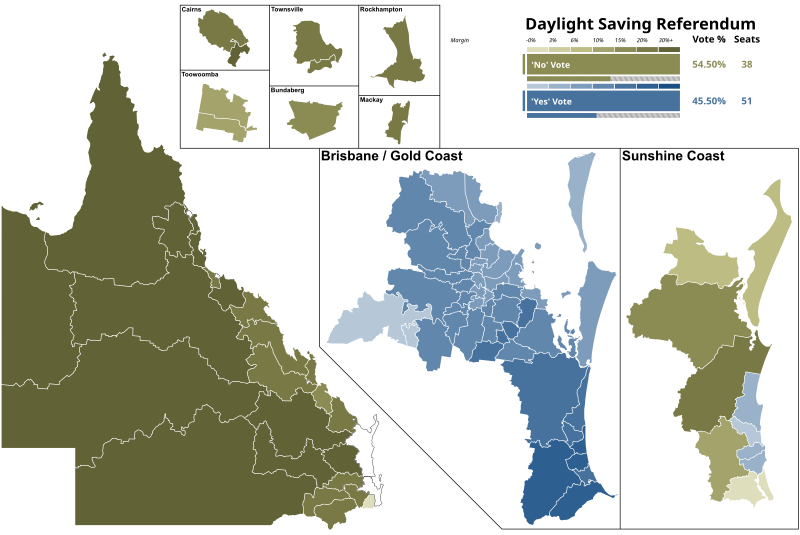
1991
On the day when Paul Keating replaced Bob Hawke as the 24th Prime Minister of Australia, the nation witnessed a historic transition of power within the Australian Labor Party. Keating, who had served as the Treasurer under Hawke, challenged and successfully defeated his predecessor in a party leadership ballot.
The change in leadership marked a pivotal moment in Australian politics, as Keating brought with him a different vision and set of policies that aimed to modernize and reform the country's economy. Known for his sharp wit and eloquence, Keating was determined to further liberalize the Australian economy and strengthen ties with Asia.
During his time as Prime Minister, Keating implemented significant economic reforms such as the introduction of a goods and services tax and the restructuring of the banking and finance sector. He also played a key role in advancing reconciliation with Australia's Indigenous population, delivering a powerful speech in Redfern that acknowledged the injustices faced by Aboriginal and Torres Strait Islander peoples.
Keating's tenure as Prime Minister was not without challenges, including a struggling economy and internal party divisions. Despite this, his leadership style and ambitious vision left a lasting impact on Australian politics and society.
The transition from Hawke to Keating represented a generational shift in Australian leadership, with Keating's emphasis on economic modernization and international engagement setting the stage for future policy developments in the country.
#PaulKeating #BobHawke #AustralianPolitics #EconomicReforms #AustraliaAsiaRelations #IndigenousReconciliation
View detailsThe Council for Aboriginal Reconciliation Act 1991 was passed, marking a significant step towards reconciliation in Australia. The policy aimed to address the historical injustices faced by Aboriginal and Torres Strait Islander peoples and promote understanding and unity among all Australians.
The establishment of the Council for Aboriginal Reconciliation paved the way for meaningful conversations and actions towards reconciliation. It recognized the need to acknowledge the ongoing impact of colonization on Indigenous communities and the importance of healing past wounds. The policy encouraged education, awareness, and respect for Indigenous cultures and histories.
The Act created a framework for engagement with Indigenous peoples, emphasizing dialogue, mutual respect, and shared responsibility. It laid the foundation for initiatives aimed at closing the gap in health, education, and socio-economic outcomes between Indigenous and non-Indigenous Australians.
Through the Council for Aboriginal Reconciliation Act 1991, Australia took a significant step towards a more inclusive and just society. The policy aimed to build trust and partnerships between Indigenous and non-Indigenous peoples, fostering a sense of belonging and unity. It symbolized a commitment to reconciliation as a national priority and a shared journey towards a better future for all Australians.
The passing of the Act marked a turning point in Australia's history, signaling a willingness to confront the legacy of colonization and work towards a more equal and respectful society. It set the stage for ongoing efforts to promote reconciliation, truth-telling, and understanding between Indigenous and non-Indigenous Australians.
#ReconciliationAustralia #IndigenousRights #HealingJourney
View detailsThe Coode Island chemical storage facility explosion in Melbourne resulted in a toxic cloud looming over the city for days. The incident occurred due to a series of explosions at the facility, known for storing a wide range of hazardous chemicals. The fire that ensued led to a massive release of toxic fumes into the air, posing a significant risk to public health and safety.
Emergency services swiftly responded to the disaster, evacuating nearby residents and urging people in surrounding areas to stay indoors to avoid exposure to the toxic plume. The authorities worked diligently to contain the fire and prevent further spread of the harmful chemicals. However, the impact on the environment and the health of the residents was profound, with many experiencing respiratory issues and other health problems.
The aftermath of the explosion saw a comprehensive cleanup effort launched to address the environmental contamination caused by the release of toxic chemicals. Efforts were also made to assess the structural damage to the facility and implement measures to prevent similar incidents in the future. The incident highlighted the importance of stringent safety regulations and emergency preparedness in handling hazardous materials.
The Coode Island chemical storage facility explosion in Melbourne serves as a stark reminder of the potential dangers associated with storing and handling hazardous chemicals. It underscores the need for stringent safety protocols, regular inspections, and continuous monitoring to mitigate the risks posed by such facilities to the surrounding community and the environment.
#CoodeIsland #MelbourneExplosion #ChemicalDisaster #EnvironmentalSafety #EmergencyResponse #PublicHealth
View details
In a tragic event that took place in Strathfield, seven people lost their lives in what is now known as the Strathfield massacre. The incident occurred when a man armed with multiple firearms entered a popular cafe in the suburb and opened fire on innocent patrons before taking his own life.
The perpetrator was later identified as a troubled individual with a history of mental health issues. It was reported that he had been involved in a legal dispute which may have contributed to his state of mind leading up to the attack.
The aftermath of the massacre left the community in shock and mourning. Families were devastated by the loss of their loved ones, and the entire suburb of Strathfield was left reeling from the senseless act of violence that had occurred within its boundaries. The incident also prompted discussions around gun control laws and mental health support in Australia, with calls for improved measures to prevent such tragedies from happening again.
In the years following the massacre, memorials were held to honor the victims and remember the lives that were senselessly taken on that fateful day. The event served as a somber reminder of the devastating impact that acts of violence can have on individuals, families, and communities as a whole.
#StrathfieldMassacre #GunViolence #CommunityTragedy #MentalHealthAwareness
View details
Prominent heart surgeon, Victor Chang, was tragically gunned down in a targeted attack. Chang, a revered figure in the medical community, had pioneered groundbreaking techniques in heart surgery and transplantation. His senseless murder sent shockwaves through Australia and beyond.
Born in Shanghai, Chang's family moved to Hong Kong before eventually settling in Australia. He earned acclaim for establishing the National Heart Transplant Program and his tireless efforts in advancing cardiac surgery. Chang's compassion and dedication to his patients were unparalleled, earning him widespread admiration.
The loss of Victor Chang reverberated deeply in the medical world. His contributions had saved countless lives and inspired a new generation of surgeons. The brutal nature of his death highlighted the vulnerability of those who commit themselves to healing others.
In the aftermath of his tragic passing, a wave of grief and outrage swept through the Australian community. The senseless act not only robbed the world of a brilliant mind but also a compassionate soul. The hunt for his killers mobilized law enforcement efforts and ignited public calls for justice.
The legacy of Victor Chang lives on in the countless lives he touched and the advancements he spearheaded in the field of cardiac surgery. His untimely death serves as a stark reminder of the fragility of life and the enduring impact one individual can have on the world.
#VictorChang #HeartSurgeon #Tragedy #MedicalCommunity #Legacy
View details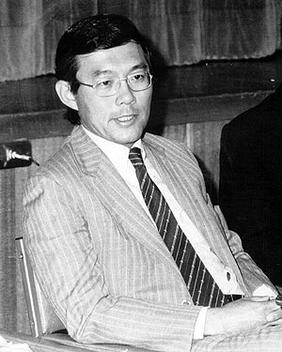
1989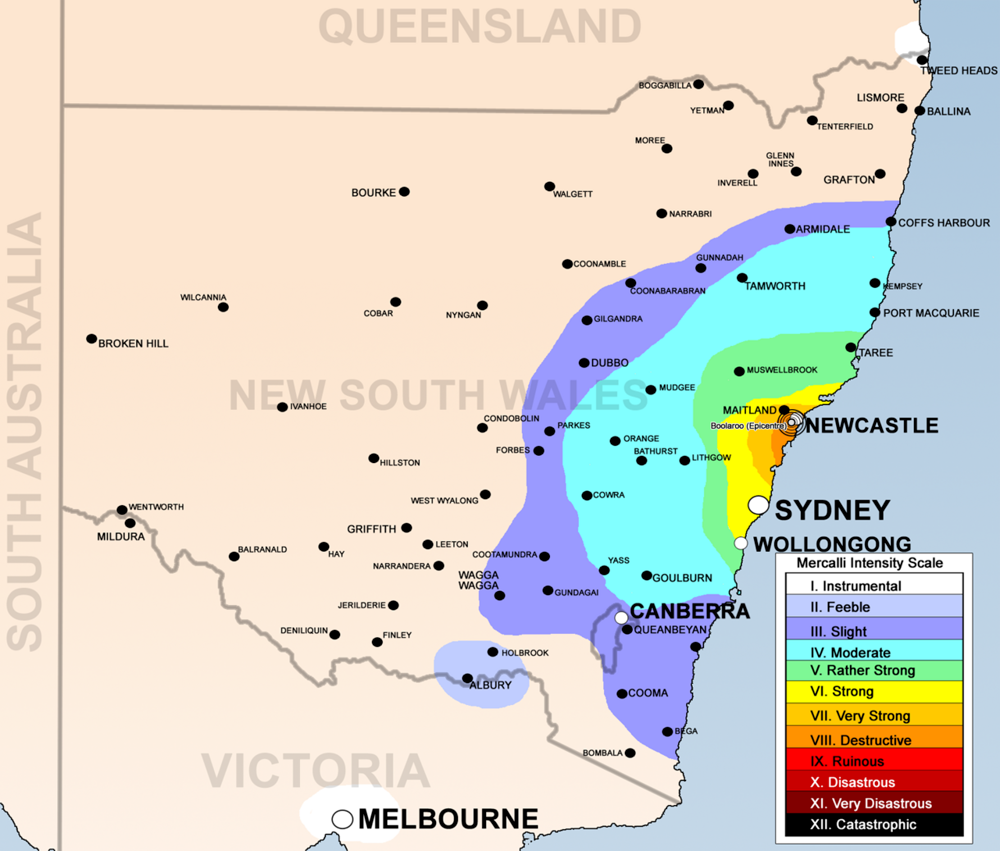
On December 28, 1989, the city of Newcastle, Australia, was struck by a devastating earthquake measuring 5.6 on the Richter scale. It was one of the deadliest natural disasters in the country’s history, killing 13 people and injuring over 160. The quake, which lasted only a few seconds, caused widespread destruction, including the collapse of buildings, severe structural damage, and power outages.
The disaster’s impact was felt beyond the physical destruction. It exposed weaknesses in building standards and emergency preparedness, leading to reforms in Australia’s construction industry. The economic toll was estimated at around A$4 billion, making it one of the most expensive natural disasters in the nation’s history.
Newcastle’s resilience shone through in the aftermath, with strong community efforts and government support aiding in the city's recovery. The earthquake remains a stark reminder of the unpredictable power of nature and the need for preparedness in urban planning.
#MomentsOfLife #MoofLife #NewcastleEarthquake #AustraliaHistory #DisasterPreparedness
View detailsOn December 22, 1989, Australia faced one of its deadliest road accidents when two fully loaded passenger buses collided head-on near Kempsey, New South Wales, on the Pacific Highway. The crash occurred at around 4:40 AM when a northbound McCafferty’s bus and a southbound Greyhound bus slammed into each other at high speed. The impact was so severe that both buses were crushed, killing 35 people instantly and injuring 41 others.
This tragedy, along with the Grafton bus crash just two months earlier, exposed serious safety concerns about driver fatigue, highway conditions, and the lack of divided roads. The Kempsey crash became a turning point in Australian road safety, leading to major upgrades on the Pacific Highway, including the construction of dual carriageways to reduce the risk of similar head-on collisions.
Even decades later, the Kempsey bus crash remains a painful reminder of the importance of safer roads and stricter fatigue management in long-distance travel.
#MomentsOfLife #MoofLife #KempseyBusCrash #RoadSafety #AustralianHistory
View details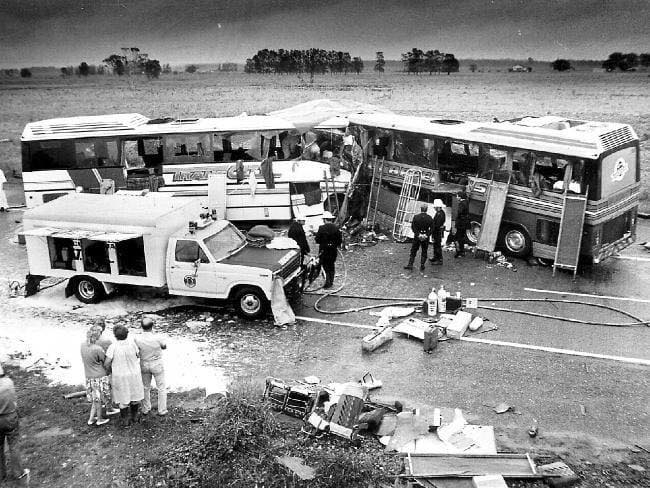
On October 20, 1989, Australia witnessed one of its worst road disasters when a bus collided with a semi-trailer near Grafton, New South Wales. The devastating crash occurred around 4:00 AM on the Pacific Highway when a southbound passenger bus from Brisbane collided head-on with a semi-trailer that had veered into its path after hitting another truck. The impact was catastrophic, killing 21 people and injuring 22 others.
Emergency responders described the scene as horrific, with the mangled wreckage making rescue efforts extremely challenging. This tragedy, along with the Cowper bus crash that happened just weeks earlier, prompted national discussions about road safety, fatigue management for truck drivers, and the need for safer highway infrastructure.
The Grafton bus crash remains a sobering reminder of the dangers of fatigue-related accidents and led to significant reforms in transport regulations across Australia.
#MomentsOfLife #MoofLife_Moment #MoofLife #GraftonBusCrash #RoadSafety #AustralianHistory
View details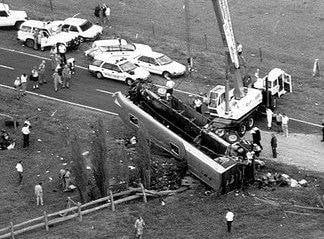
In 1989, Queensland undertook a three-year trial of daylight saving. This decision was highly controversial as the state had a long history of resisting the implementation of daylight saving time. The trial aimed to assess the impact of advancing clocks by one hour during the summer months, aligning Queensland with other states in Australia that already observed daylight saving.
During the trial period, Queensland experienced a division among its residents. While some welcomed the extra hour of daylight in the evenings for recreational activities and energy conservation, others were concerned about disrupted routines, agricultural implications, and effects on businesses operating across state borders. The trial highlighted the complexities and nuances of implementing daylight saving in a state known for its diverse industries and regional differences.
The three-year trial of daylight saving in Queensland had a noticeable impact on daily life and routine activities. The change in timekeeping affected various sectors such as transportation, tourism, and leisure industries. It also prompted discussions on the cultural and social aspects of time perception and management. Despite the mixed reactions, the trial provided valuable data and insights for policymakers and researchers to analyze the benefits and challenges of daylight saving in Queensland.
As the trial progressed, conversations about the potential permanent adoption of daylight saving in Queensland intensified. The trial period served as an opportunity for residents to experience firsthand the effects of adjusting clocks for daylight saving and evaluate its long-term implications for the state. The conclusion of the trial sparked ongoing debates and discussions about the future of timekeeping practices in Queensland.
#Queensland #DaylightSaving #Trial #Debate #Australia
View detailsOn May 11, 1989, the Australian Capital Territory (ACT) officially gained self-government, marking a significant shift in the region's political landscape. Before this, the ACT was directly administered by the Australian federal government. However, increasing calls for local representation and governance led to the passage of the Australian Capital Territory (Self-Government) Act 1988, which granted the territory legislative authority over its own affairs.
Following this, the first ACT Legislative Assembly was elected, and Rosemary Follett became the territory’s first Chief Minister, making history as Australia’s first female head of government. The transition to self-government gave the people of Canberra greater control over policies affecting their daily lives, such as education, health, and urban development.
While the move was met with mixed reactions—some residents were reluctant about managing local governance—the ACT has since grown into a fully functional self-governing territory with a strong political framework. This milestone reinforced Australia’s federal system, ensuring more localized decision-making for its citizens.
#MomentsOfLife #MoofLife_Moment #MoofLife #ACTSelfGovernment #Canberra #AustraliaHistory
View detailsIn 1989, Rosemary Follett of the Australian Labor Party made history by becoming the first Chief Minister of the Australian Capital Territory, also becoming the first woman to lead a state or territory government in Australia.
Follett's landmark election marked a significant milestone in Australian political history, breaking gender barriers in leadership positions. Her achievement not only shattered the glass ceiling in Australian politics but also inspired future generations of women to pursue leadership roles.
As Chief Minister, Follett focused on various initiatives to promote social welfare, economic development, and environmental sustainability in the Australian Capital Territory. Her leadership was characterized by a commitment to fostering inclusivity, equality, and progress for all residents of the territory.
Follett's tenure as Chief Minister paved the way for increased representation of women in Australian politics and highlighted the importance of diversity in governance. Her administration set a powerful example of how women can effectively lead and govern at the highest levels of government.
The historical significance of Rosemary Follett's election as the first female head of government in an Australian state or territory continues to resonate today as a testament to the progress made towards gender equality and the empowerment of women in leadership roles.
#RosemaryFollett #Australia #GenderEquality #WomenInPolitics #Leadership #AustralianCapitalTerritory #Empowerment
View details
1988
On that day, multiple federal referendums in Australia faced defeat. The proposed changes included extending parliamentary terms to four years, recognizing local government in the constitution, and other related issues. This marked a significant moment in Australian political history as the nation grappled with issues of governance and representation.
The push for four-year parliamentary terms aimed to provide more stability and continuity in government, allowing elected officials more time to implement policies. However, the proposal was unsuccessful, highlighting the challenges of altering long-standing political traditions in the country.
Another key referendum question was the recognition of local government in the Australian Constitution. Advocates argued that granting formal recognition would empower local councils and ensure their representation in the national governance structure. Despite efforts to promote the benefits of this change, the proposal was ultimately rejected by voters.
The defeat of these federal referendums underscored the complexities of constitutional reform in Australia. While the proposals aimed to address important issues of governance and representation, they ultimately did not secure the necessary support from the Australian public.
Overall, the outcomes of the federal referendums on that day had a lasting impact on Australian politics, shaping the ongoing discourse around parliamentary terms, local government recognition, and constitutional reform in the country.
#Australia #FederalReferendum #ConstitutionalReform #ParliamentaryTerms #LocalGovernment #PoliticalHistory
View detailsThe inauguration of the new Parliament House in Canberra marked a significant milestone in Australia's democratic history. The architectural marvel was designed by Romaldo Giurgola, incorporating innovative features and symbolic elements. The building's construction commenced in 1981 and was completed after seven years, accommodating the Australian Parliament and its various functions.
The grand opening of the Parliament House was attended by Queen Elizabeth II, Prime Minister, Bob Hawke, and other dignitaries, emphasizing the nation's unity and pride. The design's emphasis on openness and transparency reflected Australia's democratic values, fostering inclusivity and public engagement. The building's unique blend of modern and classical architectural styles stood as a symbol of the nation's progress and aspirations.
The new Parliament House's impact extended beyond its impressive facade. It provided state-of-the-art facilities for parliamentary proceedings, enabling more efficient governance and decision-making. The building's sprawling layout and advanced technology catered to the evolving needs of Australia's political landscape, setting a new standard for parliamentary infrastructure globally.
The inauguration of the new Parliament House in Canberra was a defining moment in Australia's history, symbolizing a blend of tradition, innovation, and democratic principles. The iconic building continues to serve as a beacon of democracy, hosting historic debates, policy-making discussions, and national events that shape the nation's future. The legacy of the Parliament House stands as a testament to Australia's commitment to democracy and progress.
#ParliamentHouse #Canberra #Australia #Democracy #Inauguration #Architecture #Government
View details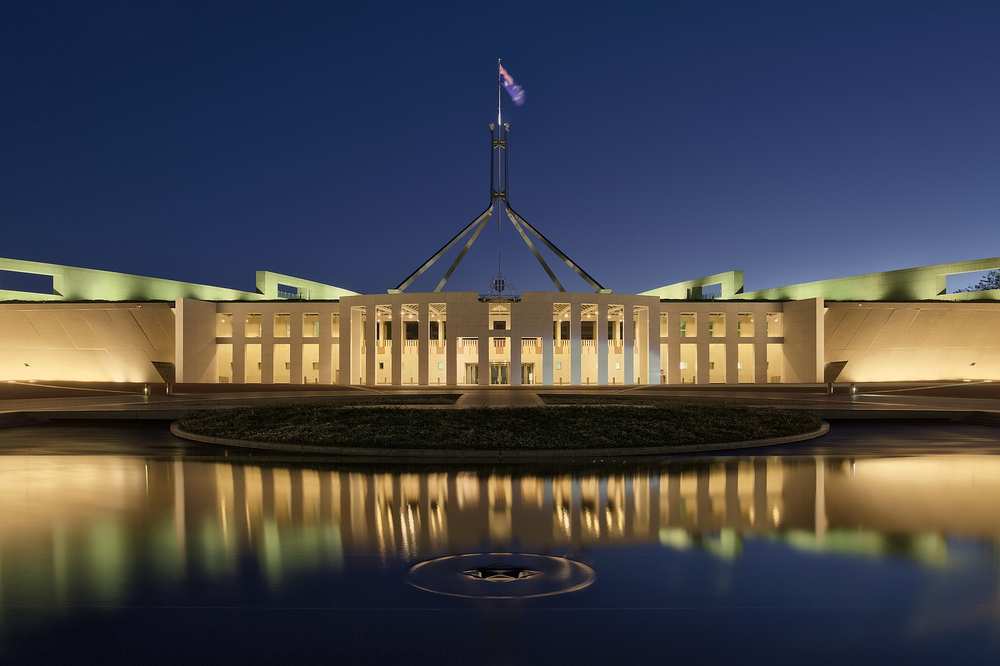
Brisbane was the proud host of the World Expo 88, a significant international event that attracted millions of visitors from around the globe. The expo aimed to showcase the progress and innovation of nations while promoting cultural exchange and economic opportunities.
The event took place over six months and featured pavilions from more than 40 countries, highlighting technological advancements, artistic performances, and culinary delights. Visitors could explore diverse exhibitions, interact with cutting-edge inventions, and enjoy world-class entertainment.
World Expo 88 had a lasting impact on Brisbane and Australia as a whole, boosting tourism, infrastructure development, and global recognition. The event helped to transform the city into a modern metropolis, attracting investment and fostering a vibrant cultural scene.
The legacy of World Expo 88 can still be seen in Brisbane's iconic landmarks, such as the South Bank Parklands and the Brisbane Wheel, which were originally built for the event. The expo also left a legacy of friendship and cooperation among nations, fostering lasting relationships and mutual understanding.
Overall, World Expo 88 was a momentous occasion that put Brisbane on the map as a world-class destination for international events and cultural exchange. The expo's success paved the way for future expos and festivals in Australia, demonstrating the country's ability to host large-scale events with excellence.
#Brisbane #WorldExpo88 #CulturalExchange #Innovation #GlobalImpact
View details
Australia marked its bicentenary with grand celebrations and substantial investments in major capital works projects. The milestone commemorated two hundred years since the arrival of the First Fleet at Port Jackson in New South Wales. The event aimed to honor Australia's history and celebrate its progress since colonization began.
Large-scale festivities were organized across the country, featuring parades, concerts, fireworks, and cultural exhibitions. The highlight was a reenactment of the First Fleet's arrival at Sydney Harbour, paying tribute to the nation's origins. The bicentenary celebrations showcased Australia's diverse cultural heritage, with events highlighting the contributions of Indigenous peoples, settlers, and immigrants to the country's development.
In addition to the celebrations, the government allocated significant funds for capital works projects aimed at improving the nation's infrastructure and public amenities. This investment included the construction and renovation of key buildings and landmarks, such as museums, galleries, and public spaces. The capital works projects aimed to enhance Australia's cultural and recreational offerings, leaving a lasting legacy for future generations to enjoy.
The bicentenary celebrations and capital works projects had a profound impact on Australia, fostering a sense of national pride and unity. The events brought communities together and highlighted the country's achievements over the past two centuries. The investments in infrastructure and public spaces improved the quality of life for Australians and enhanced the cultural landscape of the nation.
Overall, Australia's bicentenary was a momentous occasion that celebrated the country's history and diversity while laying the groundwork for a more prosperous and vibrant future. The event showcased Australia's cultural heritage and fostered a sense of national identity, leaving a lasting legacy for generations to come. #Australia #Bicentenary #Celebrations #CapitalWorks #CulturalHeritage
View details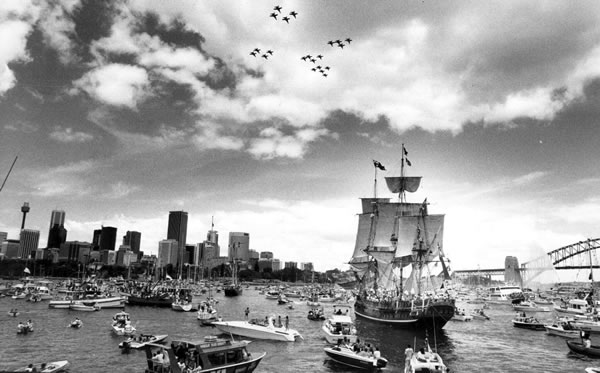
1987
On Queen Street in Australia, a tragic event unfolded, resulting in the deaths of 8 innocent individuals and leaving 5 others injured. The massacre sent shockwaves through the community, creating a sense of fear and disbelief among residents.
The perpetrator, Frank Vitkovic, armed with high-powered firearms, unleashed a barrage of bullets along Queen Street, targeting unsuspecting bystanders. The chaotic scene left a trail of devastation, with victims falling prey to the senseless act of violence.
In the aftermath of the massacre, the community rallied together to support the families of the victims and to grieve the loss of life. The incident prompted discussions about gun control laws and public safety measures, sparking a conversation about the need for stricter regulations to prevent such tragedies in the future.
The Queen Street massacre serves as a somber reminder of the impact of gun violence and the importance of proactive measures to safeguard against similar incidents. The scars left by the event are a constant reminder of the fragility of life and the need for unity in the face of senseless violence.
#QueenStreet #Australia #GunViolence #CommunityUnity #Tragedy
View detailsAfter serving as Premier of Queensland for 19 years, Sir Joh Bjelke-Petersen resigned amidst a political crisis. His leadership style was characterized by autocracy and conservative policies, which led to widespread controversy and opposition.
Bjelke-Petersen was known for his tough stance on law and order, economic development, and opposition to social change. His government was marred by allegations of corruption and abuse of power, resulting in the Fitzgerald Inquiry, which uncovered widespread misconduct and led to the prosecution of several officials.
The tipping point came when mounting pressure from within his own party and the public forced Bjelke-Petersen to step down. His resignation marked the end of an era in Queensland politics and paved the way for reforms to improve transparency and accountability in government.
The legacy of Sir Joh Bjelke-Petersen's rule continues to be a subject of debate, with supporters lauding his contributions to Queensland's economy and opponents condemning his authoritarian methods. His resignation marked a significant shift in the political landscape of Queensland, as new leaders emerged to steer the state in a different direction.
#QueenslandPolitics #EndOfAnEra #FitzgeraldInquiry
View details