
Australia

The Land Down Under
Related Lives

Libya
Oasis of the Sahara

Ethiopia
Federal Democratic Republic of Ethiopia

Bosnia and Herzegovina
The Land of Golden Lilies

Haiti
The Resilient Spirit of Haiti

Mexico
The Land of the Maya

India
The Land of Diversity and Vibrant Culture.

Timor-Leste (East Timor)
Land of the Rising Sun

Chile
Land of poets and penguins.

1967
In 1967, Gough Whitlam assumed leadership of the Labor Party, marking a pivotal moment in Australian political history. Elected as party leader, he brought with him a vision of progressivism and social change. The background of his leadership spanned from his early political career to his advocacy for policies promoting healthcare, education, and indigenous rights. Whitlam's ascension to power energized the Labor Party and garnered widespread support from Australians seeking a new direction for the country.
Whitlam's leadership had a profound impact on the Australian political landscape. Under his guidance, the Labor Party implemented key reforms such as universal healthcare, free tertiary education, and the recognition of indigenous land rights. These policies resonated with the Australian public and reshaped the national conversation on social welfare and equality. Whitlam's tenure also saw Australia begin to redefine its place on the global stage, with a shift towards a more independent foreign policy.
The election of Gough Whitlam as leader of the Labor Party signaled a new era of progressive politics in Australia. His leadership style, characterized by charisma and bold decision-making, inspired a generation of Australians to engage with the political process. Whitlam's legacy continues to influence Australian politics, with his achievements and challenges serving as a touchstone for future leaders.
#GoughWhitlam #LaborParty #ProgressivePolitics #AustralianHistory #SocialChange #Reform #Legacy
View detailsOn a scorching summer day in 1967, a series of bushfires raged across Hobart and southeastern Tasmania, leaving a trail of destruction in its wake. Fueled by extreme heat and strong winds, the fires quickly escalated into an uncontrollable inferno, catching many residents off guard.
The ferocity of the Black Tuesday bushfires was unprecedented, engulfing homes, businesses, and vast tracts of forest within hours. The speed and intensity of the flames left little time for evacuation, resulting in the tragic loss of 64 lives. The toll on both human and animal lives was devastating, with countless families displaced and ecosystems irreversibly altered.
In the aftermath of the disaster, the scale of the devastation became apparent. Entire communities were reduced to ashes, and the landscape was transformed into a bleak and charred wasteland. The efforts of firefighters and volunteers were commendable, but the sheer magnitude of the fires proved overwhelming.
The Black Tuesday bushfires served as a stark reminder of the unforgiving nature of Australia's environment and the importance of preparedness in the face of such natural disasters. The event sparked widespread discussions on fire management strategies, with a renewed focus on prevention, early warning systems, and community resilience.
As the long process of recovery and rebuilding began, the scars of the Black Tuesday bushfires remained etched in the collective memory of Tasmania. The resilience and solidarity displayed in the aftermath of the tragedy served as a testament to the human spirit in the face of adversity.
#BlackTuesday #Tasmania #Bushfires #DisasterRecovery
View details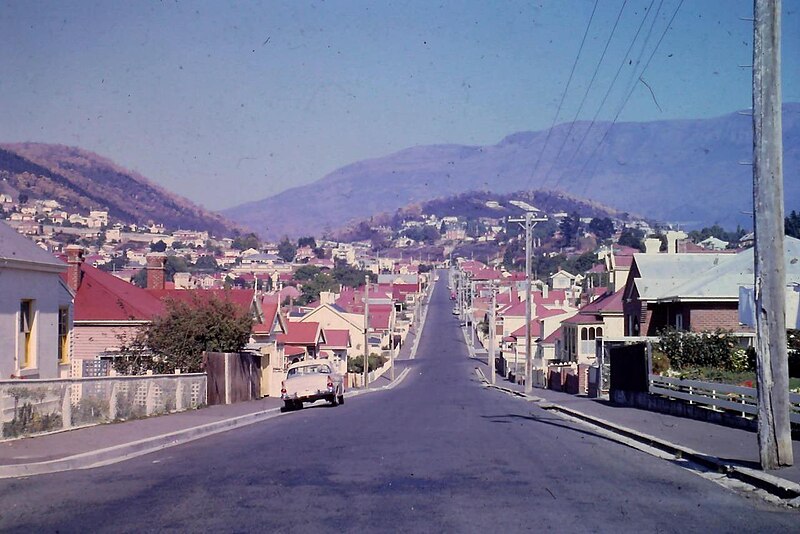
Ronald Ryan, the last person to be legally executed in Australia, was hanged in Pentridge Prison. Ryan was found guilty of shooting and killing a prison warder during an escape attempt with another inmate. His trial and subsequent execution sparked significant public debate and controversy regarding the use of the death penalty in Australia.
Ryan's case garnered attention due to doubts surrounding the evidence presented at his trial, with many questioning the fairness of the judicial process that led to his conviction. Despite appeals for clemency from various groups, including prominent public figures and Archbishop Daniel Mannix, Ryan's execution went ahead as scheduled.
The event marked a turning point in Australia's legal history, leading to the abolition of the death penalty in Victoria in the subsequent years and later across all Australian states and territories. Ryan's execution raised awareness about the flaws in the justice system and prompted calls for reforms to ensure fairer trials and outcomes for all individuals.
The legacy of Ryan's case continues to be felt in Australia, with ongoing discussions about the morality and effectiveness of capital punishment. His story serves as a reminder of the complexities and moral dilemmas inherent in the criminal justice system, prompting society to reflect on issues of justice, forgiveness, and rehabilitation.
#RonaldRyan #LastExecution #AustraliaJustice #CapitalPunishment.
View details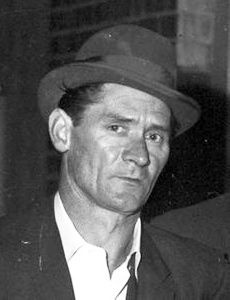
In 1967, Sydney was shaken by a string of violent underworld slayings that sent shockwaves through the city. Organized crime groups were believed to be behind the killings, leading to a heightened sense of fear and unease among the public.
The spate of brutal murders highlighted the extent of organized crime's grip on the city and its illicit activities, including drug trafficking, gambling, and extortion. The brazen nature of the killings, often carried out in public places, underscored the brazen disregard for law and order prevalent among these criminal networks.
The police launched an intensive investigation to apprehend the perpetrators and dismantle the criminal syndicates responsible for the bloodshed. Raids were conducted, suspects were questioned, and informants were mobilized in a bid to bring those responsible to justice.
The impact of the underworld killings extended beyond the immediate loss of life, striking at the heart of Sydney's reputation as a safe and vibrant city. Tourists were deterred, businesses suffered, and residents lived in fear of further violence erupting on their doorstep.
The events of that turbulent period served as a stark reminder of the pervasive influence of organized crime and the challenges faced by law enforcement in combating such criminal networks. However, it also galvanized efforts to improve police tactics, enhance cooperation between law enforcement agencies, and strengthen community resilience against the insidious threat of organized crime.
In the end, the resolve of the authorities and the vigilance of the public helped stem the tide of violence, bringing a semblance of normalcy back to the city. Yet, the scars left by those dark days lingered, serving as a cautionary tale of the dangers posed by underworld elements operating with impunity.
#SydneyUnderworld #OrganizedCrime #PoliceInvestigation #CommunityResilience
View details1966
In the mid-20th century, a notable shift in employment policies occurred within the Commonwealth Public Service of Australia. Until then, a longstanding ban was imposed on the recruitment and hiring of married women in various positions within the government sector. This measure significantly limited the career prospects of many women who were eager to participate in the workforce and contribute their skills and talents to the public service.
The decision to lift the ban on the employment of married women in the Commonwealth Public Service marked a pivotal moment in the history of gender equality and labor rights in Australia. It represented a recognition of the unjust barriers that had previously hindered the professional advancement of married women. With this discriminatory policy abolished, a new era of opportunities opened up for women seeking employment and career growth within the government sector.
The lifting of the ban had a profound impact on the lives of many married women who were finally able to pursue their professional aspirations without facing arbitrary restrictions based on their marital status. It also signaled a broader societal shift towards greater inclusivity and equal treatment in the workplace, setting a precedent for future advancements in gender equality and labor rights across Australia.
Overall, the decision to lift the ban on the employment of married women in the Commonwealth Public Service was a watershed moment that marked progress towards a more equitable and inclusive society. It underscored the importance of recognizing and dismantling discriminatory policies that unfairly limit the opportunities available to certain groups in the workforce, paving the way for a more diverse and representative public service.
#GenderEquality #LaborRights #Inclusivity #Progress #Australia
View detailsIn 1966, Australia made a significant change in its currency system by switching from pounds to dollars and cents. The move to decimalization aimed to simplify transactions and align with the international currency standard. The Australian dollar was introduced to replace the Australian pound, with one Australian dollar equaling ten shillings.
The transition to decimal currency involved extensive public awareness campaigns and preparations to educate the population on the new denominations and their values. Businesses, banks, and government agencies worked together to ensure a smooth changeover, with old pounds and shillings gradually being phased out of circulation.
The impact of decimalization on the Australian economy was substantial. It modernized the country's monetary system, making trade and financial transactions more efficient and cost-effective. The introduction of the Australian dollar improved Australia's economic standing and increased its global competitiveness.
The decimalization of the Australian currency also had a cultural significance, symbolizing a break from the country's colonial past and embracing a more contemporary identity. The adoption of dollars and cents reflected Australia's growing independence and integration into the global economy.
Overall, the switch to decimal currency was a crucial turning point in Australia's financial history, marking a new era of economic development and stability. The successful implementation of the Australian dollar demonstrated the country's ability to embrace change and adapt to international standards.
#Australia #Decimalization #AustralianDollar #Currency #EconomicHistory #Modernization
View details
On a summer day in Adelaide, Australia, the Beaumont Children, Jane (9), Arnna (7), and Grant (4), vanished without a trace from Glenelg Beach. The disappearance of the siblings on that fateful day shook the nation to its core. The children were last seen buying snacks at a kiosk before they went missing.
With no witnesses or solid leads, the case perplexed authorities and left the community in shock. Despite extensive search efforts and investigations, the fate of the Beaumont Children remains a mystery to this day. The disappearance of Jane, Arnna, and Grant marked one of Australia's most baffling and enduring missing persons cases.
The event deeply impacted the collective psyche of the Australian people, instilling fear and uncertainty in parents nationwide. It sparked a renewed focus on child safety and heightened concerns about stranger danger. The tragic incident prompted changes in how children were supervised in public spaces and fueled discussions about the importance of vigilance in protecting young ones.
To this day, the Beaumont Children's disappearance continues to haunt Australia, serving as a grim reminder of the vulnerabilities children face and the lingering uncertainties surrounding the case. The enduring mystery surrounding their fate has kept the public's interest alive, with countless theories and speculations circulating over the years.
#BeaumontChildren #GlenelgBeach #MissingPersons #AustraliaCrime
View details
After an illustrious political career, Robert Menzies, Australia's longest-serving Prime Minister, made the decision to retire. Menzies had been in office for a remarkable tenure, shaping the country's policies and leading during crucial times. His retirement marked the end of an era in Australian politics.
Harold Holt was the chosen successor to Menzies, stepping into the role of Prime Minister. Holt had been a prominent member of Menzies' cabinet and was well-prepared to take over the leadership of the country. As the new Prime Minister, he faced the challenge of filling the shoes of a beloved and respected leader like Menzies.
Menzies' retirement and Holt's succession brought about a significant transition in Australian politics. The continuity of leadership was maintained, but with a new vision and approach under Holt's guidance. Holt's leadership style and policies would come to shape the country in his own way, while still honoring the foundations laid down by Menzies.
The handover of power from Menzies to Holt was a momentous occasion in Australian political history. It was a smooth transition that showcased the democratic process at work. The stability and continuity of government ensured that the country could move forward without any major disruptions.
Overall, Menzies' retirement and Holt's succession marked a historical moment in Australia's political landscape. It signified the end of one chapter and the beginning of another, with new opportunities and challenges ahead for the nation.
#RobertMenzies #HaroldHolt #AustralianPolitics #PrimeMinister #TransitionOfPower
View details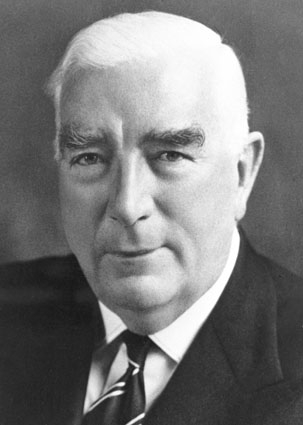
1965
In 1965, the state of Queensland granted Indigenous Australians the right to vote, marking a significant milestone in the push for equality and recognition of indigenous rights in Australia. Prior to this, Indigenous Australians were excluded from the electoral process, denying them a fundamental democratic right.
The journey towards this momentous decision was fraught with challenges, as Indigenous Australians had long been subjected to systemic discrimination and marginalization. This landmark change came after years of activism, advocacy, and legal battles led by indigenous leaders and their allies, who tirelessly fought for equal rights and representation.
The decision to grant Indigenous Australians the right to vote in Queensland had a far-reaching impact, not only symbolically but also politically. It signaled a shift in attitudes towards indigenous rights and recognition, paving the way for further reforms and advancements in the quest for equality. Indigenous Australians could now participate in shaping the political landscape and making their voices heard on issues that directly affected their communities.
This decision marked a turning point in the struggle for indigenous rights in Australia and served as a catalyst for greater inclusion and representation of Indigenous Australians in the political process. It was a step towards acknowledging the historical injustices faced by Indigenous communities and working towards a more equitable and inclusive society.
The granting of voting rights to Indigenous Australians in Queensland was a significant milestone in the journey towards reconciliation, social justice, and indigenous empowerment. It was a moment of triumph for the indigenous rights movement and a testament to the resilience and perseverance of those who fought tirelessly for equality and justice.
#IndigenousRights #Equality #Representation #Australia
View details1964
Prime Minister Robert Menzies made an announcement regarding the reintroduction of compulsory military service for men aged from 18 to 25 years old in 1964. This decision was influenced by the growing security concerns during that period, particularly the escalating tensions in the region and the looming threat of war. The primary objective was to strengthen Australia's defense capabilities and ensure preparedness in the face of potential conflicts.
The reintroduction of compulsory military service had a significant impact on the male population within the specified age group. It required them to undergo training and serve in the military if necessary. This decision sparked mixed reactions among the public, with some viewing it as necessary for national security, while others opposed it, citing concerns about the implications for individual freedoms and rights.
The implementation of compulsory military service brought about various changes in Australian society. It affected the lives of young men who were required to fulfill their military obligations, potentially altering their career paths and personal plans. Additionally, it contributed to ongoing debates and discussions about national security, defense strategies, and the role of the military in peacetime.
The announcement by Prime Minister Menzies marked a defining moment in Australia's history, reflecting the government's response to the evolving security landscape and its efforts to safeguard the country's interests. It also underscored the enduring significance of military service in protecting the nation and its citizens.
#Australia #CompulsoryMilitaryService #NationalSecurity #RobertMenzies #DefenseCapabilities
View detailsThe arrival of The Beatles in Australia in 1964 marked a significant milestone in the world of music. As part of their world tour, the iconic British band set foot in the country, causing a wave of excitement among their Australian fans. The Beatles' popularity had reached unprecedented levels by then, making their visit a highly anticipated event for music enthusiasts across Australia.
Upon their arrival, The Beatles were greeted by throngs of screaming fans at the airport, showcasing the immense impact the band had on the youth culture of the era. Their concerts in cities like Sydney and Melbourne drew massive crowds, with fans queuing for hours to catch a glimpse of their idols. The hysteria that accompanied their tour was a testament to the cultural phenomenon that was Beatlemania.
The Beatles' performances in Australia were not just musical events but also cultural experiences that left a lasting impression on the country. Their influence extended beyond the realm of music, shaping fashion trends, hairstyles, and even language. The band's catchy tunes and infectious energy resonated with audiences of all ages, solidifying their status as global superstars.
The Beatles' 1964 world tour in Australia remains a standout moment in the country's music history, symbolizing the power of music to unite people and transcend boundaries. The band's impact on popular culture continues to be felt to this day, with their songs still being celebrated and enjoyed by new generations of fans.
#TheBeatles #AustraliaTour #MusicHistory #CulturalPhenomenon
View details
In the naval disaster, HMAS Voyager collided with HMAS Melbourne off the coast of Australia. The collision resulted in the sinking of HMAS Voyager, leading to the tragic death of 82 sailors on board. The incident occurred during a training exercise, causing widespread shock and grief in the Australian Navy and the nation as a whole.
The collision was attributed to a miscommunication between the two ships, with HMAS Melbourne attempting to overtake HMAS Voyager but miscalculating the distance between them. The impact caused significant damage to HMAS Voyager, leading to its rapid descent into the ocean. Despite efforts to rescue the sailors, the speed and severity of the sinking left many unable to escape in time.
The loss of 82 lives in the sinking of HMAS Voyager had a profound impact on the Australian Navy and the families of the victims. It prompted a thorough investigation into the circumstances surrounding the collision and raised questions about the safety protocols and communication practices within the Navy. The tragedy served as a somber reminder of the risks involved in naval operations and the importance of stringent adherence to safety procedures.
In the aftermath of the event, memorial services were held to honor the memory of the sailors who lost their lives. The incident also led to reforms in naval procedures and training to prevent similar accidents in the future. The sinking of HMAS Voyager remains a solemn chapter in Australian naval history, commemorated as a poignant reminder of the sacrifices made by those who serve in the defense of their country.
#HMASVoyager #HMASMelbourne #NavalDisaster #AustralianNavy #Memorial #SafetyProtocol
View details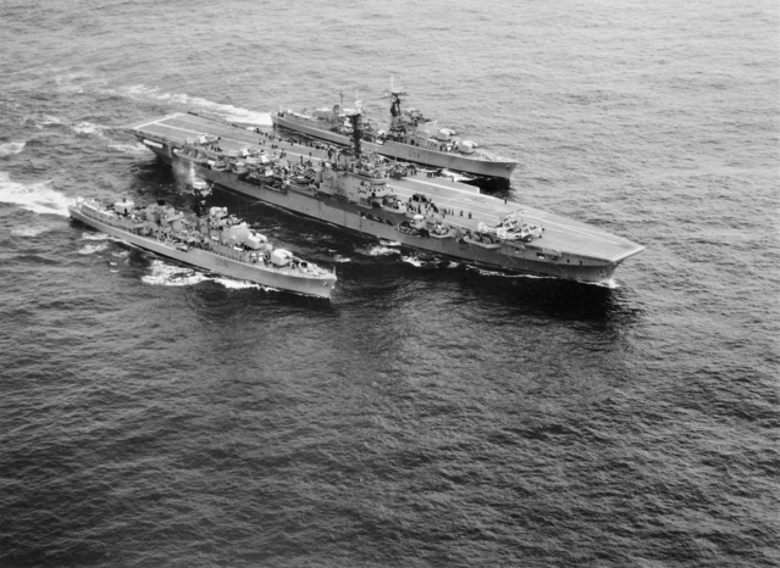
1963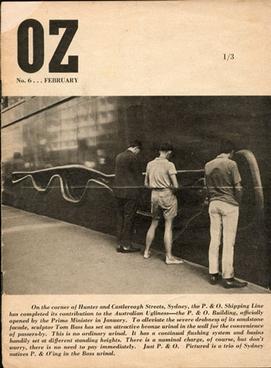
In 1964, the editors of ''Oz'' magazine in Australia were charged with obscenity due to the publication of a controversial issue. The magazine was known for its avant-garde content, pushing the boundaries of traditional media. The particular edition that sparked the legal action included satirical and provocative material, including explicit cartoons and articles.
The charges of obscenity against the editors of ''Oz'' sparked national debate about freedom of speech and censorship. Many viewed the legal action as an attack on artistic expression and political dissent. The case highlighted the tension between conservative values and the changing social norms of the 1960s.
The trial of the ''Oz'' magazine editors became a symbol of resistance against government censorship and a rallying point for those advocating for greater freedom of speech. Artists, writers, and activists came together in support of the defendants, recognizing the case as a pivotal moment in the fight for creative freedom.
Despite facing serious legal consequences, the editors of ''Oz'' maintained their stance and defended their right to publish challenging and unconventional material. The trial ultimately brought attention to issues of censorship and the role of media in shaping public discourse.
In the end, the editors of ''Oz'' were found guilty of obscenity charges, but the trial left a lasting impact on Australia's cultural landscape. It sparked discussions about censorship, freedom of expression, and the power of art to provoke social change.
#OzMagazine #ObscenityCharge #FreedomOfSpeech #CensorshipDebate #1960sAustralia
View details1962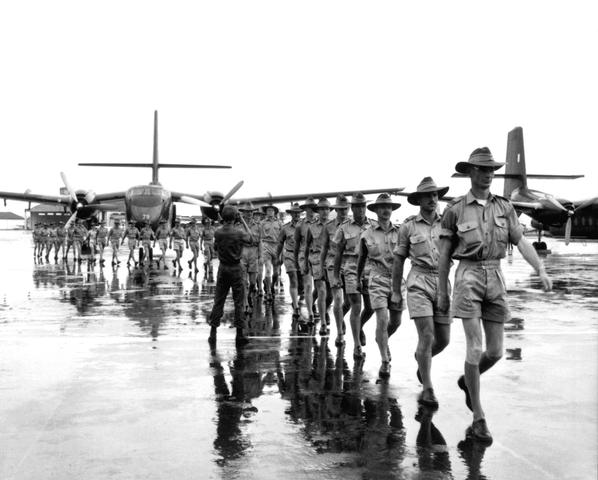
In 1964, following the request from the United States, Australia deployed its first troops to the Vietnam War. This decision marked the beginning of Australia's involvement in the conflict, ultimately leading to a prolonged military engagement lasting for more than a decade.
The escalating tensions in Southeast Asia, specifically the spread of communism, prompted the United States to seek support from its allies, including Australia. In response, the Australian government committed troops to assist in the fight against the Viet Cong and North Vietnamese forces. This deployment signaled Australia's alignment with the United States' containment policy during the Cold War era.
The impact of sending troops to the Vietnam War was significant for Australia. It marked a shift in the country's foreign policy, highlighting its willingness to engage in conflicts beyond its immediate region to support its allies. The decision also sparked domestic debate and anti-war protests, reflecting the growing divide within Australian society over the involvement in Vietnam.
Australia's participation in the Vietnam War had lasting consequences, affecting the lives of both the soldiers who served and the broader Australian community. The conflict ultimately ended in 1975 with the fall of Saigon, leading to the reunification of Vietnam under communist rule.
#Australia #VietnamWar #ForeignPolicy #ColdWar #MilitaryEngagement #AntiWarMovement
View detailsDuring this period, Robert Menzies, the Prime Minister of Australia, made significant changes to the Commonwealth Electoral Act. These amendments granted Indigenous Australians the right to enroll and vote in federal elections, eliminating the remaining restrictions in Queensland, Western Australia, and the Northern Territory.
Prior to this decision, Indigenous Australians faced discriminatory practices that prevented them from participating fully in the democratic process. In Queensland, Western Australia, and the Northern Territory, various barriers were in place, such as restrictions on voting based on race and other discriminatory criteria.
Robert Menzies' actions were a crucial step towards equality and justice for Indigenous Australians. By removing these barriers, he acknowledged the importance of including all citizens in the democratic process and recognizing their rights as equal members of society.
The impact of Menzies' amendments was profound. Indigenous Australians could now exercise their democratic right to vote, contributing to the political landscape of the country. This change marked a significant moment in the history of Australia, as it represented a shift towards greater inclusivity and respect for diversity.
Overall, Menzies' Commonwealth Electoral Act amendments were a pivotal moment in Australian history, signaling a move towards a more inclusive and equitable society. The recognition of Indigenous Australians' right to vote was a crucial step in addressing past injustices and moving towards a more united and democratic nation.
#RobertMenzies #CommonwealthElectoralAct #IndigenousVotingRights #Equality #Inclusivity #AustraliaHistory
View detailsThe Sydney–Melbourne rail corridor was pivotal for connecting New South Wales and Victoria. The grand opening of the railway corridor saw the inaugural journey of the iconic Spirit of Progress train. This event marked a significant milestone in the transportation history of Australia, facilitating faster and more efficient travel between two major states.
The rail corridor was a long-awaited project that aimed to strengthen economic and social ties between Sydney and Melbourne, two of the largest cities in Australia. The completion of this railway line was a testament to the collaborative efforts of both states in enhancing connectivity and promoting trade and tourism.
The introduction of the Spirit of Progress train revolutionized rail travel between New South Wales and Victoria. With its modern amenities and streamlined design, the train offered passengers a comfortable and stylish mode of transportation. The Spirit of Progress quickly became a symbol of progress and modernization in Australia's transportation sector.
The opening of the Sydney–Melbourne rail corridor had a profound impact on both states. It not only boosted economic activities by facilitating the movement of goods and people but also fostered cultural exchange and cooperation between the two regions. The railway corridor played a crucial role in fostering national unity and promoting a sense of interconnectedness among Australians.
Overall, the Sydney–Melbourne rail corridor opening with the Spirit of Progress was a watershed moment in Australian history. It highlighted the importance of efficient transportation networks in driving economic growth and promoting social cohesion. The legacy of this event continues to resonate today, as the rail corridor remains a vital link connecting the vibrant cities of Sydney and Melbourne. #Sydney #Melbourne #RailCorridor #SpiritOfProgress #Australia
View details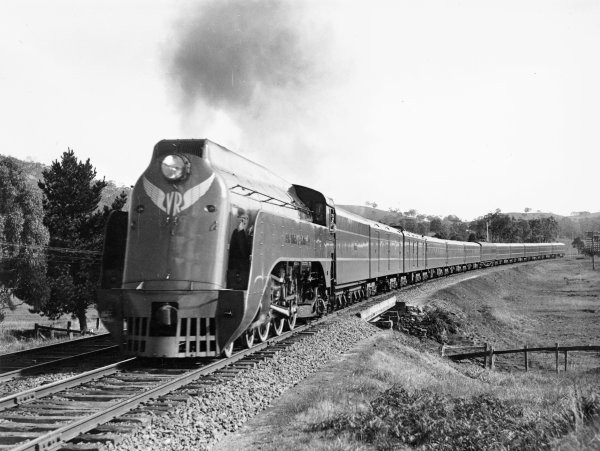
1960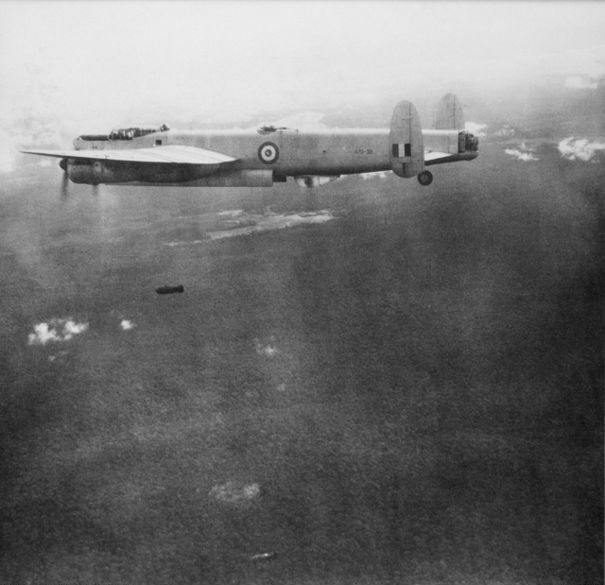
The Malayan Emergency (1948–1960) was one of the earliest and most significant Cold War conflicts in Southeast Asia. It pitted the British-backed Malayan government against the communist Malayan National Liberation Army (MNLA). Among the Commonwealth forces that took part, Australia played a pivotal but often understated role, contributing troops, air support, and training that helped bring the conflict to an end on 31 July 1960.
Australia’s involvement began in 1950, when the Menzies government committed support under the banner of anti-communist solidarity. Initially, Royal Australian Air Force (RAAF) aircraft were deployed to support British and Malayan ground operations. The RAAF flew thousands of bombing, supply, and reconnaissance missions, often under dangerous jungle conditions.
By 1955, Australian ground troops from the Royal Australian Regiment (RAR) joined the conflict. Trained in jungle warfare, they were highly effective in deep-forest patrols, ambushes, and tracking MNLA units. Their operations helped disrupt key guerrilla networks and gain control over communist-held zones.
Australia's contribution wasn’t only military. Australian officers also helped train Malayan security forces and police, contributing to the long-term stability and independence of Malaya in 1957.
By the time the Emergency officially ended in 1960, the communist insurgency had been militarily defeated. Australia’s commitment had shown its strategic interest in Southeast Asia — and its resolve to counter the spread of communism alongside its Commonwealth allies.
The end of the Malayan Emergency marked not just a victory for Malaya, but a significant moment in Australia’s military history. It demonstrated Australia's willingness to act in defense of regional security and the Western bloc’s interests in Asia. Though overshadowed by later conflicts like Vietnam, the campaign in Malaya showed how strategic cooperation and disciplined counter-insurgency could overcome even elusive guerrilla enemies.
Australia’s soldiers and airmen left behind a legacy of professionalism and quiet achievement — one that helped shape both Malaya’s future and Australia’s role in the region.
#MomentsOfLife #MoofLife #MalayanEmergency #AustraliaInAsia #ColdWarHistory #ANZAC #AustraliaInMalaya
View details1959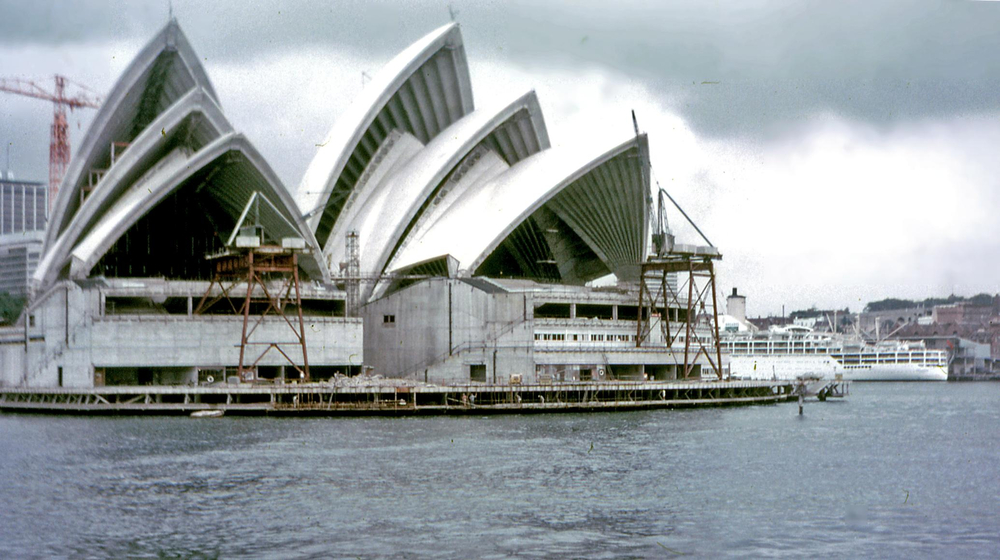
Construction of the Sydney Opera House commenced with an estimated cost of $102 million. The iconic structure was designed by Danish architect Jørn Utzon, whose unique and innovative vision won an international design competition for the project.
The building of the Opera House was a significant undertaking and faced numerous challenges over the years. The complex design, with its distinctive white shell-like roof sails, presented engineering difficulties and required new construction techniques to be developed. The project also faced budget blowouts and political controversies, leading to Utzon's resignation before its completion.
Despite the challenges, the Sydney Opera House was finally completed in 1973 and has since become a symbol of Australia and a UNESCO World Heritage site. It is renowned for its architectural beauty and innovative design, attracting millions of visitors from around the world each year.
The Opera House is not only a cultural hub hosting various performances and events but also a major tourist attraction that contributes significantly to the economy of Sydney and Australia as a whole. Its unique design and iconic status have made it a symbol of national identity and pride.
The construction of the Sydney Opera House was a monumental feat that left a lasting impact on the architectural world and has become an enduring symbol of Australia's creativity and cultural sophistication.
#SydneyOperaHouse #JørnUtzon #ArchitecturalInnovation #CulturalIcon #UNESCOHeritage
View details1958
In 1957, Johnny O'Keefe's release of the song "Wild One" marked a pivotal moment in Australian music history, propelling him to national fame and establishing him as the country's first rock'n'roll star. This song's success not only made O'Keefe a household name but also signaled the burgeoning rock'n'roll movement in Australia, which would go on to have a lasting impact on the nation's cultural landscape.
Johnny O'Keefe: The Wild One
Johnny O'Keefe, born in 1935 in Sydney, New South Wales, was one of the most dynamic and influential figures in Australian music. Known for his energetic performances and charismatic stage presence, O'Keefe was instrumental in introducing and popularizing rock'n'roll music in Australia. He was inspired by American rock'n'roll pioneers such as Elvis Presley, Buddy Holly, and Bill Haley, and sought to bring a similar energy and style to Australian audiences.
The Birth of "Wild One"
"Wild One," also known as "Real Wild Child," was written by Johnny O'Keefe, along with fellow Australian musicians Johnny Greenan and Dave Owens. The song was recorded in 1958 at Festival Records, one of Australia's leading record labels at the time. The track's raw energy, driving beat, and catchy lyrics quickly captivated listeners, distinguishing it from the more polished and restrained music that had previously dominated the Australian charts.
Chart Success and Cultural Impact
"Wild One" became a significant hit, making Johnny O'Keefe the first Australian rock'n'roller to reach the national charts. The song's success marked a breakthrough moment for rock'n'roll in Australia, demonstrating that local artists could achieve commercial success and resonate with the youth market. O'Keefe's rise to fame was emblematic of the broader cultural shift occurring in the 1950s, as young Australians embraced new forms of music, fashion, and attitudes that were part of the global rock'n'roll revolution.
O'Keefe's Influence and Legacy
Johnny O'Keefe's influence extended far beyond "Wild One." He became known as "The Wild One" and continued to release a series of successful singles and albums throughout his career. His other hits included "Shout," "She's My Baby," and "Move Baby Move," all of which solidified his status as a pioneering figure in Australian rock'n'roll.
O'Keefe's dynamic performances and flamboyant style set a new standard for live music in Australia. He was known for his showmanship, often engaging with the audience and creating an electric atmosphere at his concerts. His ability to connect with fans and deliver high-energy performances earned him a devoted following and paved the way for future generations of Australian rock musicians.
Broader Impact on Australian Music
The success of "Wild One" and Johnny O'Keefe's subsequent hits helped establish a vibrant rock'n'roll scene in Australia. His achievements inspired other Australian artists to pursue careers in rock music, contributing to the development of a distinct and dynamic local music industry. O'Keefe also played a key role in promoting Australian talent through his television show "Six O'Clock Rock," which provided a platform for emerging artists and helped popularize rock'n'roll across the country.
#MomentsOfLife #MoofLife_Moment #MoofLife #JohnnyOKeefe #WildOne #AustralianMusicHistory #RocknRoll #CulturalImpact #MusicLegacy
View details1957
In 1957, Slim Dusty’s song “A Pub with No Beer” achieved international chart success, marking a significant milestone in Australian music history. This song not only brought international recognition to Australian country music but also established Slim Dusty as one of Australia’s most iconic musical figures.
Slim Dusty: The King of Australian Country Music
Slim Dusty, born David Gordon Kirkpatrick in 1927, was a pioneering figure in Australian country music. Known for his distinctive voice and storytelling ability, Dusty's songs often reflected the life and experiences of rural and outback Australia. His music resonated deeply with Australians, particularly those in the country, and he became a beloved figure in the national cultural landscape.
"A Pub with No Beer": Origins and Impact
“A Pub with No Beer” was inspired by an original poem written by Dan Sheahan, an Irish-born cane cutter living in North Queensland. Sheahan's poem, "A Pub Without Beer," described the dismal atmosphere of a pub that had run out of beer, capturing a uniquely Australian blend of humor and despair. Slim Dusty, along with songwriter Gordon Parsons, adapted the poem into a song.
The recording of "A Pub with No Beer" was an immediate success upon its release in 1957. Its catchy melody, humorous lyrics, and relatable theme quickly made it popular across Australia. The song tells the story of a pub that has run dry and the reactions of its various patrons, painting a vivid picture of outback life and the importance of the local pub in rural communities.
Achieving International Success
“A Pub with No Beer” did not only become a hit in Australia but also gained international acclaim. It was the first Australian song to chart internationally, reaching notable positions in various countries, including the UK and the US. This success was unprecedented for an Australian country music song and signaled that Australian artists could achieve global recognition.
Cultural Significance and Legacy
The success of “A Pub with No Beer” had a lasting impact on Australian music and culture:
International Recognition: The song’s international success demonstrated that Australian music could resonate with global audiences, paving the way for future Australian artists to achieve international fame.
Australian Identity: The song reinforced and celebrated Australian cultural identity. Its lyrics, reflecting the quintessential Australian outback pub experience, resonated with listeners both locally and internationally, showcasing Australian humor and the country lifestyle.
Country Music Popularity: “A Pub with No Beer” helped popularize country music in Australia, a genre that would grow significantly in the following decades. Slim Dusty's success inspired countless Australian country musicians and contributed to the genre's development within the country.
Slim Dusty's Legacy: The song cemented Slim Dusty’s status as a national icon. Over his career, Dusty released over 100 albums and became a symbol of Australian country music. His contributions were recognized with numerous awards and honors, including induction into the ARIA Hall of Fame and an Order of Australia.
Continued Influence
“A Pub with No Beer” remains one of Australia’s most enduring songs. It has been covered by various artists, celebrated in numerous performances, and remains a staple in Australian music culture. The song's success story is a testament to the power of music to transcend borders and connect people through shared experiences and emotions.
#MomentsOfLife #MoofLife_Moment #MoofLife #SlimDusty #APubWithNoBeer #AustralianMusicHistory #CountryMusic #CulturalImpact #MusicLegacy
View details1956
The 16th Summer Olympics took place in Melbourne, Australia in 1956. This marked the first time the Olympics were held in the southern hemisphere. The event stemmed from a desire to promote peace and unity through sports following the devastation of World War II.
The Games were not without challenges. The decision to host the Olympics in Australia posed logistical issues for athletes due to the long distance, resulting in many countries opting not to send their athletes. The equestrian events were moved to Stockholm, Sweden due to the strict Australian quarantine laws. Additionally, the Melbourne Olympics were the first to be held outside the United States without live television coverage, as organizing committee could not agree on television rights.
Despite these hurdles, the 1956 Olympics left a lasting impact on Australia. The event provided the country with an opportunity to showcase itself on the world stage, promoting Australian culture, landscapes, and hospitality. The Games also led to the construction of new sports venues and infrastructure, leaving a legacy for generations to come. Australia's hosting of the Olympics was a significant moment in the nation's history, solidifying its place in the global sports community.
The Melbourne Olympics saw some memorable sporting moments, including the dominance of athletes like Soviet Union's Larisa Latynina in gymnastics and the Hungarian water polo team. The Games also featured the debut of the Soviet Union and China as participating nations. The Olympics were a success in promoting international goodwill and sportsmanship, embodying the Olympic spirit of unity and camaraderie.
#MelbourneOlympics #Australia #SportsHistory
View detailsOn the day of the Television launch in Australia, history was made as the nation took a significant step towards modernization and connectivity. The advent of television marked a new era in the way Australians received news, entertainment, and information.
Prior to this launch, Australians were predominantly reliant on radio broadcasts for their news and entertainment. With the introduction of television, a visual dimension was added to the way stories were delivered, transforming the media landscape in the country. The launch paved the way for the creation of local content, fostering a sense of national identity and unity among Australians.
Television brought about a cultural shift, influencing the way people spent their leisure time and shaping societal norms and behaviors. It became a powerful tool for advertising, propelling the growth of consumerism in Australia. The impact of television on popular culture and the collective consciousness of Australians cannot be overstated.
The launch of television in Australia not only revolutionized the media industry but also had far-reaching implications for education, politics, and social dynamics. It opened up new possibilities for mass communication and storytelling, enabling diverse voices to be heard and shared with a wider audience.
In conclusion, the launch of television in Australia was a momentous occasion that left an indelible mark on the country's history. It represented a major leap forward in technological advancement and cultural development, shaping the way Australians interacted with the world and with each other.
#Australia #TelevisionLaunch #MediaRevolution #CulturalShift
View details
1955
During the mid-1950s in Australia, the Democratic Labor Party (DLP) parted ways with the Australian Labor Party (ALP) due to growing concerns about the infiltration of Communist elements in the labor movement. The split stemmed from ideological differences and tensions within the labor movement, with the DLP advocating for anti-Communism while the ALP was perceived to have Communist influences.
The DLP was founded by a group of anti-Communist members who were staunchly opposed to Communist influences within the labor movement. This group believed that the ALP had been infiltrated by Communist elements, which posed a threat to the democratic values and principles of the party. As a result, they decided to break away from the ALP and form their own political entity, the DLP.
The split had a significant impact on the Australian political landscape, as it led to a fragmentation of the labor movement. The DLP attracted a portion of the ALP's supporters who shared similar anti-Communist sentiments, weakening the ALP's electoral base. This division in the labor movement paved the way for the conservative parties to gain political advantage in subsequent elections.
Despite the split, both the ALP and the DLP continued to exist as separate entities, each representing different factions within the labor movement. The DLP maintained its anti-Communist stance and became a significant player in Australian politics for a period of time, particularly in influencing the outcomes of certain elections.
The split between the DLP and the ALP underscores the complex ideological landscape of Australian politics during that era. It reflects the broader global tensions of the Cold War and the influence of Communist ideologies in different spheres of society. The event serves as a reminder of the challenges and divisions faced within political movements and the lasting impact they can have on a country's political dynamics.
#DemocraticLaborParty #CommunistInfluence #LaborMovement #AntiCommunism #AustralianPolitics
View details1954
In 1955, a significant change in New South Wales' liquor laws marked the end of the "six o'clock swill," a practice that had shaped Australian social and drinking culture for nearly four decades. This legislative change allowed hotels to remain open beyond the restrictive 6 p.m. closing time, ushering in a new era of social interaction and leisure.
The "six o'clock swill" was a term used to describe the rush of patrons to pubs between the end of the workday and the enforced closing time of 6 p.m. This practice began in 1916, during World War I, as part of broader temperance and moral reforms. The goal was to curb excessive drinking and improve public morality and productivity, particularly among workers and soldiers.
However, the unintended consequence was that patrons would engage in rapid, heavy drinking in the short period before closing, leading to overcrowded pubs and a chaotic atmosphere. This behavior had adverse effects on public health and social life, creating a culture of binge drinking rather than responsible consumption.
By the 1950s, there was growing recognition of the negative impacts of the six o'clock closing law. Public opinion shifted towards the need for reform, driven by the realization that the early closing times were counterproductive to the original goals of reducing alcohol abuse and promoting social well-being.
In 1955, the New South Wales government responded to these concerns by amending the liquor laws to allow hotels to stay open past 6 p.m. This change was part of a broader movement across Australia to modernize drinking laws and align them with contemporary social standards.
The extension of pub opening hours encouraged more leisurely and responsible drinking habits. Patrons were no longer pressured to consume large quantities of alcohol in a short period, leading to a decline in binge drinking.
Pubs and hotels regained their roles as important social hubs where people could gather and interact in a more relaxed and convivial environment. The reform supported the development of a more vibrant nightlife and social scene.
The reduction in binge drinking contributed to improvements in public health. The more measured consumption of alcohol reduced the incidence of alcohol-related accidents and health issues.
Extended opening hours benefited the hospitality industry by increasing business opportunities and providing more employment. The reform supported the growth of the sector and contributed to the broader economy.
The change in New South Wales was part of a nationwide trend. Other Australian states also reformed their liquor laws around the same time, gradually moving away from the restrictive early closing times. These reforms reflected changing attitudes towards alcohol consumption and the recognition of the need for more balanced and effective regulations.
The end of the six o'clock swill is often seen as a milestone in Australia's social history, marking the transition towards a more modern and open society. It underscored the importance of aligning public policies with the realities of social behavior and the benefits of fostering a more responsible drinking culture.
#MomentsOfLife #MoofLife_Moment #MoofLife #SixOClockSwill #AustralianHistory #NewSouthWales #SocialReform #DrinkingCulture #PublicHealth #HospitalityIndustry
View detailsDuring a royal visit by Elizabeth II and Prince Philip to Australia, a significant event unfolded with the defection of Soviet diplomat Vladimir Petrov. This led to the Petrov Affair, a political scandal that caused a split within the Australian Labor Party. Petrov, a senior KGB officer, sought asylum in Australia, revealing Soviet espionage activities. His defection exposed a network of Soviet spies operating in the country, shaking the political landscape and leading to increased anti-communist sentiment.
The Petrov Affair caused a nationwide frenzy as details of espionage and political interference emerged. The Australian government, under Prime Minister Robert Menzies, initiated an investigation into the extent of Soviet infiltration. The newly formed Australian Security Intelligence Organization (ASIO) played a pivotal role in uncovering the spy ring and gathering intelligence on Soviet activities in the country.
The Labor Party faced internal divisions as some members supported Petrov's defection and the government's anti-communist stance, while others viewed it as a political maneuver to discredit the party. As a result, the Labor Party experienced a split, with the anti-communist faction breaking away to form the Democratic Labor Party, significantly weakening the party's political influence.
The Petrov Affair had far-reaching consequences for Australian politics and foreign relations. It heightened Cold War tensions in the region, leading to closer alliances with Western powers such as the United States. The event also exposed the vulnerabilities of Australian democracy to external threats and underscored the importance of national security measures.
The aftermath of the Petrov Affair left a lasting impact on Australian history, shaping the country's approach to national security, intelligence gathering, and foreign policy. The event serves as a reminder of the challenges posed by espionage and the complexities of navigating international relations in a polarized world.
#RoyalVisit #PetrovAffair #LaborPartySplit #ColdWar #ASIO #AustralianHistory
View details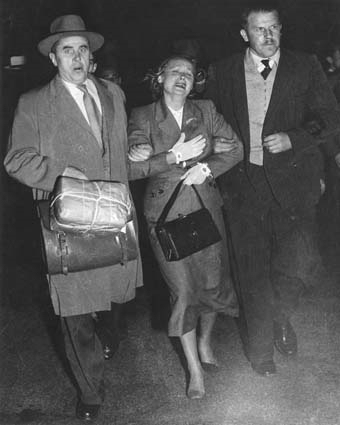
1952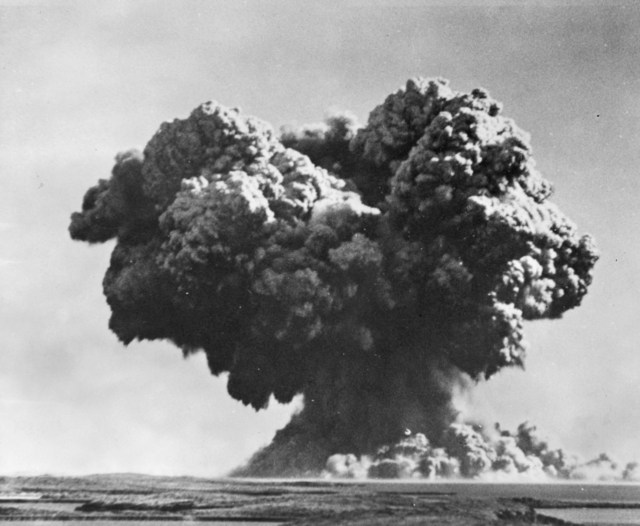
During 'Operation Hurricane', the United Kingdom conducted its first nuclear test in Australian territory. The test took place off the coast of Western Australia as part of the UK's nuclear weapons program. The decision to conduct the test in Australian territory was largely influenced by the UK's desire to establish itself as a nuclear power during the Cold War era.
The impact of the nuclear test on the Australian land and its people was significant. The test raised concerns about the environmental and health risks associated with nuclear radiation, as well as questions about Australia's sovereignty and independence. The indigenous communities living in the area also faced displacement and long-term health consequences as a result of the nuclear test.
'Operation Hurricane' marked a pivotal moment in Australia's history, highlighting the complexities of its relationship with nuclear powers and the challenges of balancing national security interests with environmental and ethical considerations. The event also sparked a renewed debate on nuclear proliferation and the need for international cooperation to prevent the spread of nuclear weapons.
The first nuclear test conducted by the United Kingdom in Australian territory off the coast of Western Australia during 'Operation Hurricane' underscored the complex dynamics of power, politics, and security in the Cold War era. It left a lasting impact on the Australian land, its people, and the global discourse on nuclear weapons.
#OperationHurricane #NuclearTest #UKAustraliaRelations #ColdWar #EnvironmentalImpact #IndigenousCommunities #GlobalSecurity
View details1951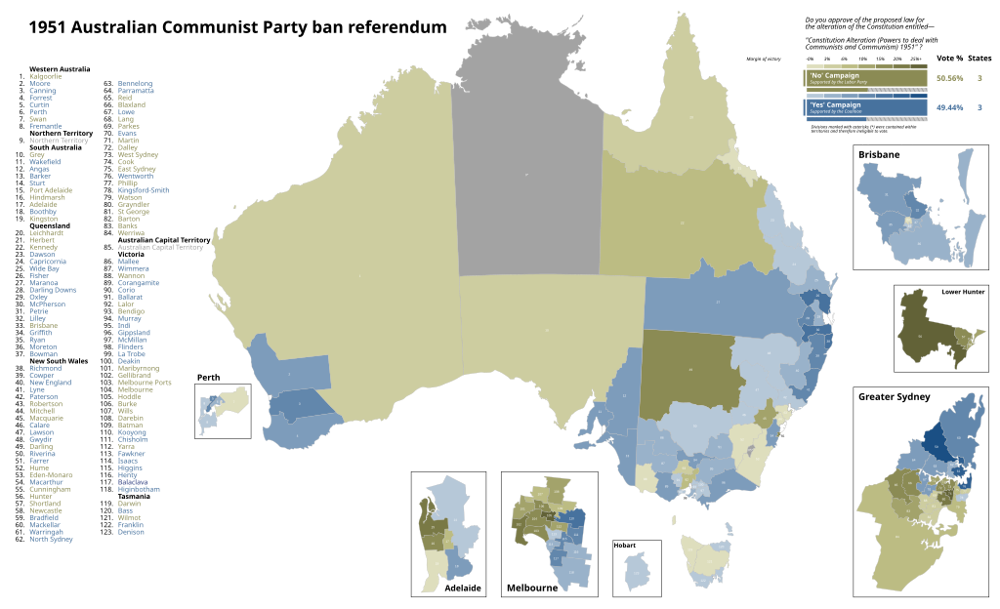
In 1951, a referendum was held in Australia to determine whether the Constitution should be amended to grant the Menzies Government the authority to outlaw the Communist Party. The government under Prime Minister Robert Menzies sought to take this step amidst growing Cold War tensions and fears of communist influence.
The proposed change stirred intense debate and controversy among the Australian public. Proponents argued that banning the Communist Party was necessary to safeguard national security and prevent subversion. On the other hand, opponents viewed it as an infringement on civil liberties and freedom of political expression. Ultimately, in a democratic vote, the majority of voters rejected the referendum, signaling a strong commitment to upholding democratic principles and the rights of political dissent.
The outcome of the referendum had a lasting impact on Australian politics and civil liberties. It reinforced the importance of democratic values and respect for diverse political views. The rejection of the referendum also marked a significant moment in Australian history, highlighting the strength of democratic institutions and the willingness of the populace to stand up for their rights.
The event underscored the enduring values of democracy, civil liberties, and freedom of expression in Australian society. It serves as a reminder of the country's commitment to upholding these principles even in times of political uncertainty or external pressures.
#Australia #Referendum #CommunistParty #Democracy #CivilLiberties #ColdWar
View detailsAustralia formalized its security alliance with the United States and New Zealand by signing the ANZUS treaty. This treaty was a response to the rising security concerns in the Asia-Pacific region in the aftermath of World War II. The pact aimed to strengthen cooperation in the realms of defense and security among the three countries.
The ANZUS treaty solidified Australia's commitment to its allies and provided a sense of security in a rapidly changing geopolitical landscape. It was a strategic move to deter any potential aggression and promote stability in the region. The alliance also signaled Australia's pivot towards a more global outlook, aligning itself with the United States as a prominent player on the world stage.
The treaty facilitated military cooperation, intelligence sharing, and joint defense planning between the three nations. It laid the groundwork for future collaboration on various security challenges, including the Korean War and later conflicts. The ANZUS treaty became a cornerstone of Australia's security policy, shaping its defense strategies and foreign relations for decades to come.
The signing of the ANZUS treaty marked a milestone in Australia's diplomatic history, emphasizing the country's commitment to regional security and international partnerships. It reflected a shift towards a more assertive and proactive approach to safeguarding its national interests. The alliance with the United States and New Zealand solidified Australia's position as a key player in the Asia-Pacific region.
#ANZUS #Australia #UnitedStates #NewZealand #security #alliance #diplomacy #defense #cooperation #geopolitics
View details
1950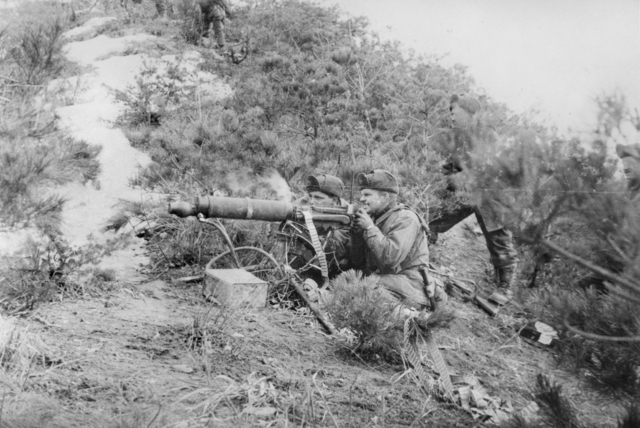
Australia contributed to the Korean War by sending troops to aid South Korea in fighting against North Korea and its allies. The decision to join the conflict was influenced by Australia's desire to support the United Nations and its opposition to the spread of communism in the region. The Australian troops primarily consisted of ground forces, naval units, and air squadrons. They were part of a UN multinational force that included soldiers from various countries.
The Australian troops played a pivotal role in several key battles, including the Battle of Kapyong, where they successfully defended crucial positions against overwhelming enemy attacks. The bravery and determination displayed by the Australian forces during these engagements earned them respect and admiration from their allies and counterparts.
The involvement of Australian troops in the Korean War had a significant impact on the conflict and helped turn the tide in favor of the UN forces. Their efforts contributed to the eventual armistice that was signed in 1953, bringing an end to the hostilities and paving the way for a fragile peace on the Korean Peninsula.
The participation of Australian troops in the Korean War highlighted the country's commitment to international security and its willingness to support its allies in times of need. The sacrifices made by the Australian soldiers during the conflict are remembered and honored to this day.
#AustralianTroops
#KoreanWar
#UNMultinationalForce
#BattleOfKapyong
#InternationalSecurity
View detailsAustralia's involvement in the Malayan Insurgency began as a response to the growing threat of communist insurgency in Southeast Asia. The insurgency, led by the Malayan Communist Party, aimed to overthrow the British colonial government in Malaya. Australia was concerned about the spread of communism in the region and the potential impact on its own security.
Australian military personnel were deployed to Malaya to support British forces in counterinsurgency operations. The Australian troops provided training, intelligence, and logistic support to the British and Malayan forces fighting against the communist insurgents. Australia's involvement in the conflict lasted for several years as part of its commitment to regional security and its alliance with Britain.
The Malayan Insurgency had a significant impact on Australia's military strategy and foreign policy. It marked a shift towards a more active role in regional security and defense cooperation with Southeast Asian countries. The experience gained from the conflict also influenced Australia's later involvement in the Vietnam War and other regional security challenges.
Australia's participation in the Malayan Insurgency highlighted the country's commitment to containing the spread of communism in the region and maintaining stability in Southeast Asia. The cooperation with British and Malayan forces demonstrated Australia's willingness to contribute to regional security efforts and its support for its allies in times of crisis.
Overall, Australia's involvement in the Malayan Insurgency was a key moment in the country's military history and its relations with Southeast Asian nations. It underscored the importance of collective security and cooperation in addressing security threats and maintaining peace in the region.
#Australia #MalayanInsurgency #RegionalSecurity #Communism #Counterinsurgency
View details