
Australia

The Land Down Under
Related Lives

Libya
Oasis of the Sahara

Ethiopia
Federal Democratic Republic of Ethiopia

Bosnia and Herzegovina
The Land of Golden Lilies

Haiti
The Resilient Spirit of Haiti

Afghanistan
The Jewel of Central Asia

Dominican Republic
A Caribbean Paradise


Angola
Land of contrasts, from bustling cities to breathtaking landscapes.

1942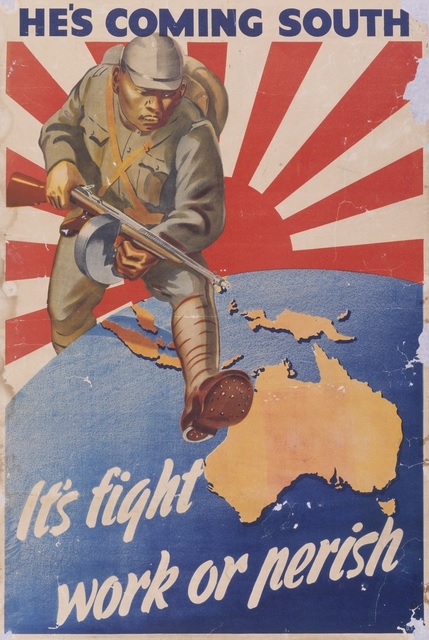
In 1942, amidst the escalating threat of Japanese invasion, the Royal Australian Navy and the 6th and 7th Divisions of the 2nd Australian Imperial Force were urgently recalled from the Mediterranean Theatre to defend Australia from potential attacks. The decision to bring back these strategic military units was fueled by the need to bolster the country's defenses and prepare for the looming Battle for Australia.
The Royal Australian Navy had been actively involved in operations in the Mediterranean, supporting Allied efforts in battles against Axis powers. Simultaneously, the 6th and 7th Divisions of the 2nd AIF had been deployed to the Middle East, experiencing combat in North Africa. However, as the Pacific front intensified and the threat to Australia grew more imminent, these forces were deemed essential for the defense of the homeland.
The recall of the Royal Australian Navy and the 6th and 7th Divisions back to Australian shores had a significant impact on the country's military readiness. Their combat experience, training, and leadership were invaluable assets in preparing for the anticipated Battle for Australia. The redeployment of these forces signified a shifting focus towards the defense of the continent and highlighted the gravity of the situation faced by Australia during this critical time.
The return of the Royal Australian Navy and the 6th and 7th Divisions to participate in the Battle for Australia marked a pivotal moment in the country's wartime history. Their presence and expertise played a vital role in the defense of Australian territories and the eventual victory that would secure the nation's safety. The sacrifices and contributions of these military units in the face of imminent threat are remembered as a testament to Australia's resilience and determination in the midst of adversity.
#BattleforAustralia #RoyalAustralianNavy #2ndAIF #6thDivision #7thDivision
View details1941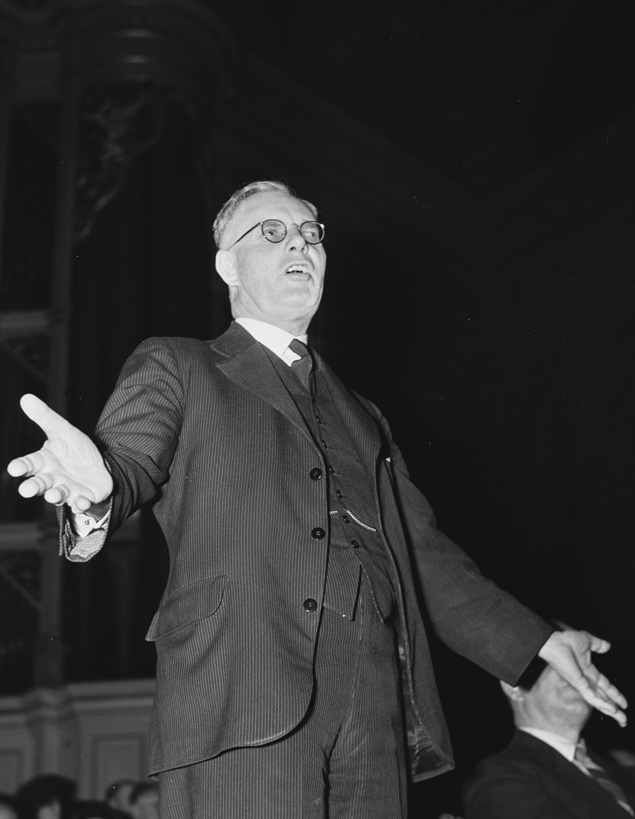
In 1941, John Curtin became the Prime Minister of Australia after Robert Menzies resigned. Menzies had faced criticism for his handling of the war effort during World War II, and Curtin's leadership was seen as essential during the challenging times.
John Curtin took office during a critical period in Australia's history, as the country was deeply involved in the war. He quickly made significant changes to boost the nation's defense strategies and implemented policies to support the war effort, forging stronger ties with the United States.
Curtin's government prioritized the mobilization of resources for the war, including manpower, industry, and finances, to support the Allied forces in the Pacific. Under his leadership, Australia played a key role in the successful defense against Japanese forces and contributed significantly to the overall war effort.
The transition from Menzies to Curtin marked a pivotal moment in Australian politics, as Curtin's tenure was characterized by strong leadership and decisive actions. His government's policies and strategies during this time significantly influenced the outcome of the war in the Pacific and strengthened Australia's position on the world stage.
The Curtin government of 1941–45 demonstrated resilience, determination, and effective governance in the face of immense challenges. John Curtin's leadership during this period solidified his place in Australian history as a prominent figure who guided the nation through one of its most challenging times.
#JohnCurtin #AustralianHistory #WorldWarII #GovernmentLeadership
View detailsFollowing initial successes against Italy in the Mediterranean, the 2nd Australian Imperial Force (AIF) suffered defeats in Greece, Crete, and North Africa. The 2nd AIF was composed of three divisions which joined forces to participate in operations in the region. Despite the victories against Italy, the Australians faced a formidable opponent in the Germans, leading to setbacks and losses in key battlegrounds.
The Australian forces were initially deployed to support the Allied operations in the Mediterranean, aiming to counter the Axis powers' advances in the region. The 2nd AIF, consisting of experienced and dedicated troops, demonstrated their combat capabilities during the initial engagements against the Italians. However, the situation took a turn for the worse when they encountered the German forces, known for their strategic prowess and military might.
In Greece, the Australian troops fought valiantly but were ultimately overwhelmed by the German forces, resulting in a strategic retreat. The same pattern repeated in Crete and North Africa, where the Australians faced fierce resistance and suffered significant losses. Despite their best efforts, the 2nd AIF could not withstand the superior strength and tactics of the German military.
The defeats in Greece, Crete, and North Africa had a profound impact on the 2nd AIF and Australia as a whole. The losses suffered during these operations highlighted the challenges faced by the Australian troops in the Mediterranean theater of war. The experiences gained from these battles would later inform future strategic decisions and military planning for the Australian forces.
Overall, the journey of the 2nd AIF in the Mediterranean during this period reflected the harsh realities of war and the sacrifices made by Australian soldiers in the face of formidable opposition. The defeats against the Germans served as a sobering reminder of the challenges inherent in modern warfare and the importance of resilience and adaptability in the face of adversity.
#AustralianImperialForce #MediterraneanCampaign #WorldWarII #MilitaryDefeats
View details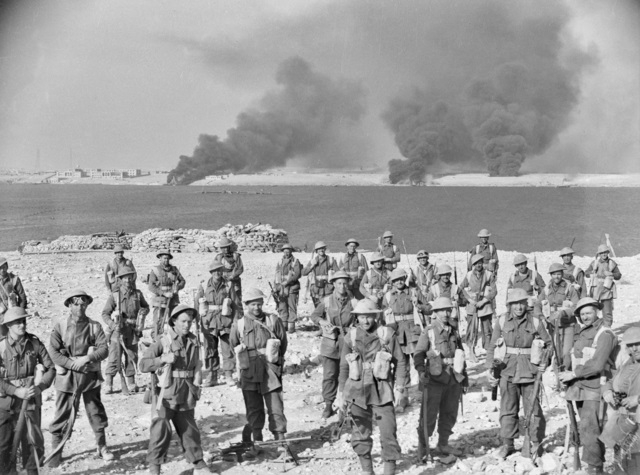
During the Siege of Tobruk, Australian soldiers known as the Rats of Tobruk achieved a significant milestone by halting the advance of Hitler's panzers for the first time. The garrison, comprising mainly of Australian troops, alongside British and Polish forces, successfully defended the strategic port city of Tobruk in North Africa against relentless attacks by the German and Italian forces during World War II.
The Siege of Tobruk began when the Axis forces launched a major offensive in an attempt to capture the port city. Despite being outnumbered and surrounded, the Australian garrison displayed remarkable courage and resilience in holding their ground. They utilized the harsh desert terrain to their advantage, setting up strong defensive positions and launching daring raids on enemy lines.
The Rats of Tobruk endured harsh living conditions, constant shelling, and fierce combat for an extended period. Despite facing shortages of supplies and being subjected to relentless enemy bombardment, they held firm and refused to surrender. Their determination and spirit in the face of adversity earned them the nickname 'Rats,' a term they embraced with pride.
The successful defense of Tobruk had a significant impact on the overall North African campaign. It not only boosted the morale of the Allied forces but also dealt a blow to the reputation of the Axis powers. The Australian garrison's tenacity and resilience demonstrated to the world their fighting capabilities and their willingness to stand firm against formidable adversaries.
The event at Tobruk showcased the bravery and fortitude of the Australian troops, earning them respect and admiration from their allies and adversaries alike. It highlighted Australia's contribution to the war effort and solidified its reputation as a capable and determined military force on the world stage.
#AustralianHistory #SiegeOfTobruk #RatsofTobruk #WorldWarII #MilitaryCourage
View details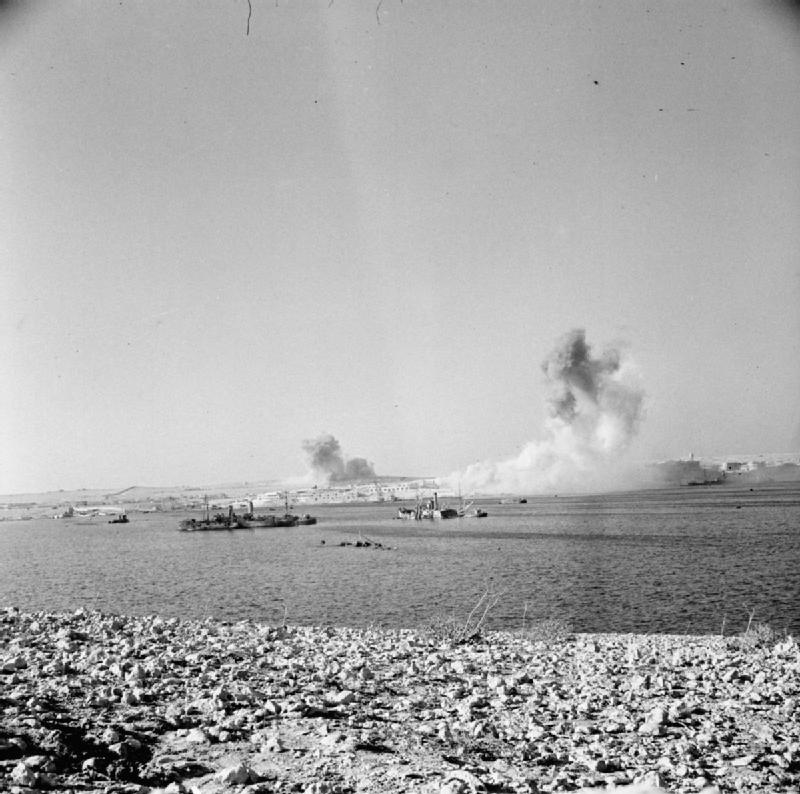
During the early 1940s, Australia faced a series of Japanese air raids, with nearly 100 attacks targeting locations in the Northern Territory, Western Australia, and Queensland. The bombing of Darwin marked the most extensive assault on Australian soil by a foreign power.
The Japanese air raids were a result of their strategic military expansion in the Pacific region during World War II. These attacks aimed to disrupt communication and supply lines vital for the Australian war effort. The bombing of Darwin, the capital of the Northern Territory, was a significant blow as it was a key military base and harbor for allied forces.
The impact of the Japanese air raids was devastating, causing widespread destruction to infrastructure, loss of lives, and instilling fear among the Australian population. The attack on Darwin alone resulted in heavy casualties and damage to ships, aircraft, and buildings. The raids also highlighted the vulnerability of northern Australia to enemy attacks and the need for improved defense measures.
In response to the escalating threat, Australia bolstered its military presence and implemented stricter security measures to defend against future air raids. The attacks spurred a sense of unity and resilience among Australians, fostering a determination to protect their country from further harm.
The Japanese air raids, including the bombing of Darwin, left a lasting impact on Australia's wartime history, serving as a stark reminder of the realities of war and the need for national security. The events of that time are commemorated to honor the lives lost and the bravery of those who defended the country against foreign aggression.
#JapaneseAirRaids #WorldWarII #BombingofDarwin #AustraliaUnderAttack #MilitaryHistory
View details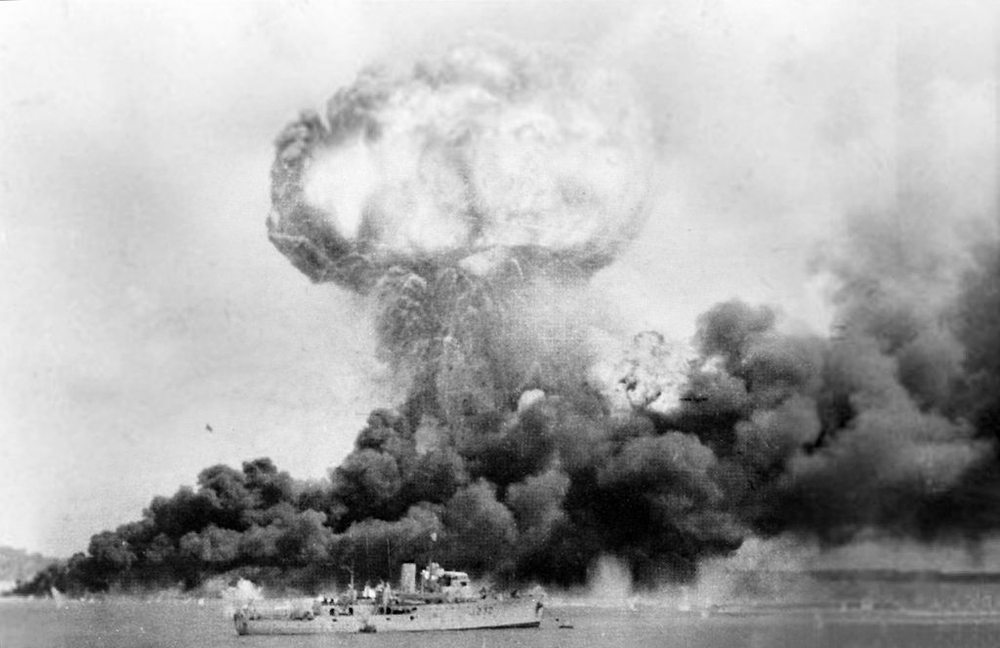
1940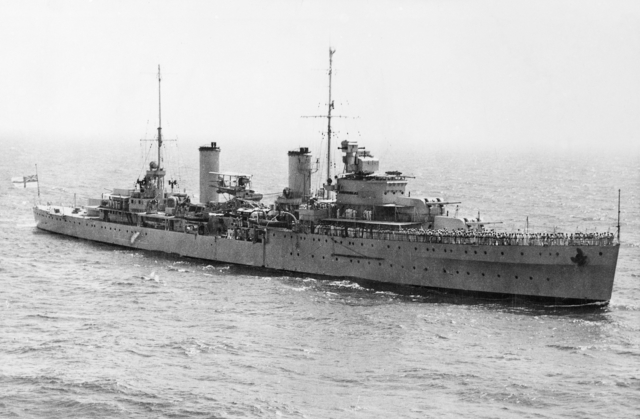
In 1940, Fascist Italy entered World War II, aligning with Nazi Germany. The Royal Australian Navy found itself engaged in the early stages of the Battle of the Mediterranean against the Italian Navy. This conflict was part of the larger struggle for control of the Mediterranean Sea, a vital strategic area for supply lines and troop movements.
The Royal Australian Navy's involvement in the Battle of the Mediterranean was significant, demonstrating Australia's commitment to the Allied cause and its willingness to engage in maritime warfare on a global scale. Australian ships played a crucial role in supporting and protecting convoys, scouting for enemy vessels, and engaging in combat when necessary.
The encounter with the Italian Navy was a challenging test for the Royal Australian Navy, facing off against a well-equipped and experienced adversary. Despite the odds, Australian sailors showed valor and determination in battle, upholding the Navy's reputation for professionalism and bravery.
The events of the Battle of the Mediterranean highlighted the global nature of World War II and the contributions of nations like Australia to the Allied effort. The conflict also underscored the strategic importance of controlling key maritime routes and the challenges of naval warfare in a vast and dynamic theater of operations.
Overall, the engagement between the Royal Australian Navy and the Italian Navy in the early stages of the Battle of the Mediterranean was a pivotal moment in Australia's wartime history, showcasing the Navy's skills and capabilities in a challenging and high-stakes environment.
#RoyalAustralianNavy #BattleoftheMediterranean #WorldWarII #AlliedForces
View details1939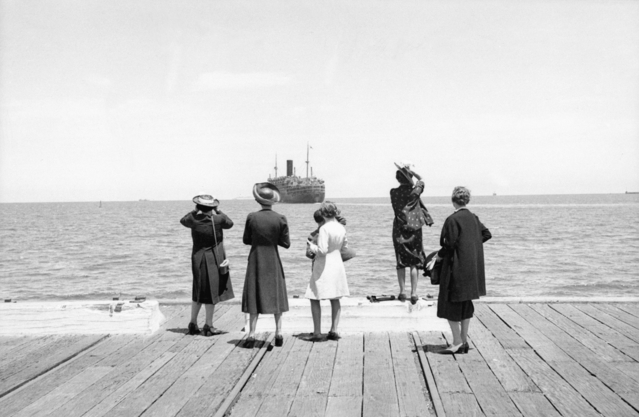
Following the German invasion of Poland, Australia entered the Second World War. In response to the escalating conflict in Europe, the Australian government quickly mobilized its military forces, leading to the formation of the 2nd Australian Imperial Force (AIF). This decision marked a significant turning point for Australia, as it transitioned from a period of neutrality to active participation in the global conflict.
The 2nd AIF was raised as a volunteer force, drawing experienced personnel from the Australian Army. These seasoned soldiers formed the core of the new force, which would go on to serve in key campaigns throughout the war. The creation of the 2nd AIF allowed Australia to contribute significantly to the Allied efforts, demonstrating its commitment to supporting its allies and defending shared democratic values.
The impact of Australia's entry into the Second World War was profound. The decision to raise the 2nd AIF not only signaled Australia's willingness to confront the growing threat of fascism but also solidified its strategic position within the Allied forces. Australian troops would play a vital role in theaters of war across the globe, from North Africa to the Pacific, showcasing their bravery and resilience in the face of adversity.
The formation of the 2nd AIF marked a pivotal moment in Australia's military history, representing a shift towards greater engagement in international affairs and a firm stance against aggression and tyranny. The sacrifices made by the men and women of the 2nd AIF would leave a lasting legacy, shaping Australia's identity as a nation that stands up for freedom and justice.
#Australia #WorldWarII #2ndAIF #GlobalConflict #AlliedForces #MilitaryHistory #VolunteerForce #Bravery #Sacrifice
View detailsIn 1940, a team of scientists led by Howard Florey made a groundbreaking discovery by developing penicillin, a revolutionary antibiotic. The team’s research was a critical response to the devastating impact of infectious diseases during wartime. Penicillin was a lifeline for soldiers wounded in battle, significantly reducing mortality rates among those previously succumbing to infections.
The development of penicillin marked a turning point in medical history, transforming the treatment of bacterial infections and saving countless lives worldwide. Florey's team worked diligently to produce and distribute penicillin on a large scale, making it widely available for medical use.
The impact of penicillin was felt far beyond the battlefield, revolutionizing healthcare practices and opening new possibilities for treating various infections and illnesses. This discovery paved the way for the development of many other antibiotics, shaping modern medicine and improving global public health.
The efforts of Florey and his team in developing penicillin exemplify the power of scientific collaboration and dedication in addressing pressing health challenges. Their work continues to inspire advancements in medical research and innovation, echoing the importance of investing in scientific discovery for the betterment of society.
#HowardFlorey #PenicillinDiscovery #MedicalBreakthrough #ScientificInnovation #PublicHealth #Antibiotics #MedicalResearch
View details
The sudden death of Prime Minister Joseph Lyons left Australia in shock. As the nation mourned the loss of its leader, discussions quickly turned to who would take his place. Robert Menzies, a prominent figure in Australian politics, was chosen to succeed Lyons as the new Prime Minister. With Menzies at the helm, the first Menzies Government was formed.
Menzies wasted no time in addressing the challenges facing the country. His government focused on strengthening the economy, improving social welfare programs, and enhancing Australia's national security. Menzies' leadership style and policies were well-received by the public, and he quickly gained popularity among Australians.
Under the first Menzies Government, Australia saw significant advancements in various sectors. Infrastructure projects were initiated, healthcare services were expanded, and educational opportunities were increased. Menzies also played a key role in advocating for Australia's interests on the international stage, forging strong relationships with other countries.
The first Menzies Government marked a new era in Australian politics. Menzies' tenure as Prime Minister laid the foundation for the Liberal Party's dominance in Australian politics for decades to come. His leadership style, vision, and policies continue to influence Australian politics to this day.
The legacy of the first Menzies Government is one of progress, stability, and prosperity. Menzies' legacy as Prime Minister endures, with many still regarding him as one of Australia's greatest leaders. His contributions to the country continue to be celebrated and remembered by Australians.
#Australia #RobertMenzies #PrimeMinister #Leadership #Legacy
View detailsIn 1939, the first flight of the Wirraway, an Australian-made warplane, marked a significant milestone in the country's aviation history. Developed by the Commonwealth Aircraft Corporation, the Wirraway was a versatile aircraft primarily used for training purposes. However, its capabilities were soon recognized, leading to its deployment in combat roles during World War II.
The Wirraway's inaugural flight showcased the craftsmanship and innovation of Australian engineers and manufacturers in producing a reliable and effective military aircraft. This event highlighted Australia's growing independence and proficiency in the field of aviation technology, reducing its reliance on foreign imports for defense purposes.
The impact of the Wirraway went beyond its first flight, as it played a crucial role in Australia's defense during the early stages of World War II. Its agility and adaptability made it a valuable asset in reconnaissance, ground attack, and even air combat missions. The Wirraway's reliability and performance in various operations earned it a reputation as a dependable workhorse of the Royal Australian Air Force.
The success of the Wirraway not only boosted national pride but also demonstrated Australia's capability to contribute significantly to the war effort. Its production and operational success paved the way for future advancements in the country's aerospace industry, laying the foundation for the development of more advanced and sophisticated aircraft.
Overall, the first flight of the Wirraway symbolized a defining moment in Australia's aviation history, showcasing the nation's ability to design, build, and deploy military aircraft effectively. This event underscored Australia's growing self-sufficiency and expertise in aviation technology, positioning the country as a competent player in the global defense industry.
#AustralianAviation #MilitaryTechnology #Innovation #WWII #AerospaceIndustry
View details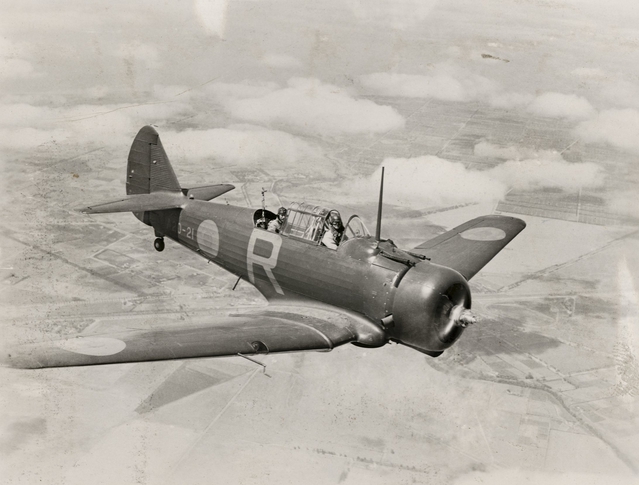
Victoria was engulfed by the deadliest bushfires in Australian history. The Black Friday bushfires left a devastating impact on the state, with intense heat and strong winds fueling the inferno that raged across vast areas of land. The fires were so powerful that they created their own weather system, generating thunderstorms that further fueled the flames.
Hundreds of homes were destroyed, and many lives were lost. The communities affected were left in shock and mourning, as they tried to come to terms with the scale of the disaster. The heroic efforts of firefighters and volunteers were commendable, but the sheer intensity of the fires made them difficult to control.
The aftermath of the Black Friday bushfires was staggering, with extensive damage to infrastructure and wildlife. The landscape was left charred and barren, a stark reminder of the ferocity of the flames. The recovery and rebuilding process would take years, as the affected communities rallied together to support each other and begin the long road to recovery.
The Black Friday bushfires were a tragic chapter in Victoria's history, highlighting the devastating impact that bushfires can have on lives and landscapes. It served as a wake-up call for better fire management practices and increased awareness of the risks posed by extreme weather conditions.
#BlackFridayBushfires #Victoria #Australia #Bushfires #DisasterRecovery #CommunitySupport
View details1938
Sydney was chosen to host the Empire Games, the precursor to the Commonwealth Games. The decision to hold the event in Australia was significant as it marked the first time it was held outside of the British Empire.
The Empire Games brought together athletes from various nations, fostering friendly competition and cultural exchange. Over 400 athletes from 15 countries participated in the event, showcasing their talents in a range of sports. The competitions were held at the Sydney Cricket Ground, with enthusiastic crowds cheering on the competitors.
The Empire Games had a lasting impact on sports in Australia, raising the country's profile on the international stage. It also helped to promote goodwill and camaraderie among nations within the Commonwealth. The success of the event paved the way for the establishment of the Commonwealth Games, which continue to be held every four years.
Overall, hosting the Empire Games in Sydney was a momentous occasion that celebrated athleticism, sportsmanship, and unity among nations. It was a milestone in the history of Australian sports and strengthened the bonds between countries within the Commonwealth.
#Sydney #EmpireGames #CommonwealthGames #Athletics #InternationalUnity
View details1937
In 1937, the Australian radio series "Dad and Dave" began airing, becoming one of the most beloved and iconic programs in the country's broadcasting history. The series captured the hearts of Australians with its portrayal of rural life and the adventures of a farming family, providing entertainment and a sense of connection during a period of significant social and economic change.
"Dad and Dave" was based on the popular stories created by Steele Rudd (Arthur Hoey Davis), an Australian author who first introduced the characters in his 1899 book "On Our Selection." The stories revolved around the Rudd family, particularly the father, known as Dad, and his son, Dave. They depicted the trials and tribulations of life on a small farm in Queensland, capturing the humor, resilience, and spirit of rural Australians.
The transition from print to radio was a natural progression for "Dad and Dave." The series was adapted for radio by George Edwards, an influential figure in Australian radio, and began broadcasting on February 29, 1937. The show was initially aired on the ABC (Australian Broadcasting Commission), later moving to commercial stations where it reached a wider audience.
"Dad and Dave" was a serial drama, typically featuring episodes that ran for about 15 minutes. The series was characterized by its engaging storytelling, relatable characters, and the ability to address both humorous and serious aspects of rural life. The charm of the series lay in its portrayal of the everyday challenges faced by the Rudds, including farming difficulties, family dynamics, and interactions with neighbors and the community.
The show became immensely popular, resonating with audiences across Australia. It provided a sense of familiarity and comfort, particularly during the difficult times of the Great Depression and the lead-up to World War II. The characters of Dad and Dave, along with other family members like Mum, Sarah, and Joe, became household names.
"Dad and Dave" had a significant cultural impact, reflecting and shaping the perceptions of rural Australian life. It offered urban listeners a glimpse into the world of the country, fostering a greater understanding and appreciation of the rural experience. The series also reinforced values such as hard work, resilience, and the importance of family and community.
The popularity of "Dad and Dave" extended beyond radio. The series inspired several film adaptations, including the notable 1932 movie "On Our Selection" and its sequels, which further cemented the characters in Australian popular culture.
The legacy of "Dad and Dave" endures in Australian media and cultural history. The radio series is remembered not only for its entertainment value but also for its role in reflecting and preserving a particular way of life. It stands as a testament to the power of storytelling in connecting people and communities.
Even after the original series ended, the characters and stories of "Dad and Dave" continued to be celebrated in various forms, including later radio adaptations, television series, and stage productions. The series remains a nostalgic reference point for many Australians, symbolizing a simpler, more connected rural past.
#MomentsOfLife #MoofLife_Moment #MoofLife #DadAndDave #AustralianRadio #CulturalHeritage #SteeleRudd #RuralAustralia
View details1936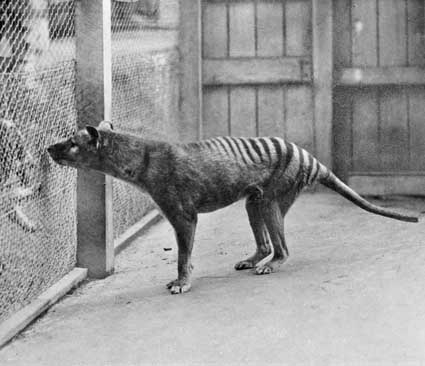
In 1936, the last known thylacine, also known as the Tasmanian tiger, died in captivity at the Beaumaris Zoo in Hobart, Tasmania. The thylacine was a carnivorous marsupial native to Tasmania, known for its unique appearance with tiger-like stripes on its back. Due to hunting, habitat destruction, and disease spread by introduced species, the thylacine population dwindled rapidly, leading to its eventual extinction.
The death of the last thylacine was a sobering reminder of the impact of human activities on species extinction. Despite conservation efforts made too late, the species could not be saved. The thylacine's demise marked the end of a unique and iconic animal in Australian history, leaving a void in the country's biodiversity. Captured footage of the thylacine pacing nervously in its enclosure at the zoo serves as a haunting reminder of the species' tragic fate.
The loss of the thylacine sparked renewed interest in conservation efforts and highlighted the importance of preserving endangered species before it is too late. The event served as a cautionary tale about the consequences of unchecked hunting and habitat destruction. Efforts to protect Australia's flora and fauna were bolstered by the memory of the thylacine, with stricter conservation measures being put in place to prevent similar extinctions.
Today, the memory of the thylacine lives on in various forms, from conservation initiatives to artistic representations. The story of the last thylacine serves as a poignant reminder of the fragility of Australia's unique wildlife and the urgent need for conservation action to prevent future extinctions. Its legacy endures as a symbol of the importance of preserving biodiversity and protecting endangered species for future generations.
#ThylacineExtinction #ConservationEfforts #BiodiversityLoss #EndangeredSpecies #AustralianWildlife
View details1935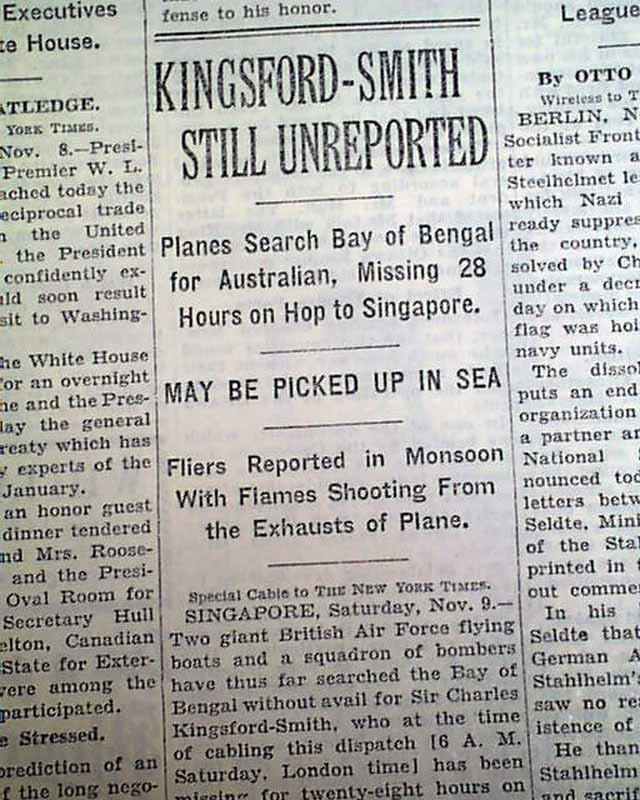
Sir Charles Kingsford Smith, a renowned Australian aviator, disappeared at the age of 38 during a pioneering flight. Known for his record-breaking aviation feats, Kingsford Smith embarked on a journey from England to Australia in his Lockheed Altair aircraft. The flight aimed to set a new speed record for the journey.
Despite his experience and expertise, Kingsford Smith encountered unfavorable weather conditions and radio communication issues during the flight. Upon crossing over the Bay of Bengal, the aviator and his co-pilot, Tommy Pethybridge, lost contact with ground control. Despite extensive search efforts, neither Kingsford Smith nor his aircraft were ever found.
The disappearance of Sir Charles Kingsford Smith had a profound impact on the aviation community and the people of Australia. As a national hero, his adventurous spirit and determination inspired many to pursue their own dreams of flight. The mysterious circumstances surrounding his disappearance left a void in the hearts of his admirers and raised questions that remain unanswered to this day.
Kingsford Smith's legacy lives on through his pioneering contributions to aviation and the enduring memory of his daring escapades. His disappearance serves as a reminder of the risks and challenges faced by early aviators pushing the boundaries of exploration and innovation.
#Aviation #Australia #Legacy #Exploration #Innovation
View details1933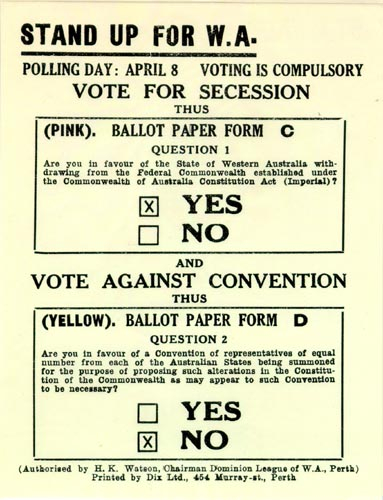
In a crucial event in Australian history, Western Australia voted in a referendum to secede from the Commonwealth. The sentiment to secede had been brewing for years due to economic disparities and perceived neglect by the federal government. On the day of the referendum, a majority of Western Australians expressed their desire for secession. However, both the Commonwealth and British governments chose to ignore the results, citing legal complexities and concerns over the potential domino effect on other states.
The impact of the referendum was significant, sparking heated debates and divisions among the population. Proponents of secession argued for greater autonomy and control over resources, while opponents feared the economic repercussions and potential isolation. The failure of the secession bid highlighted the challenges of balancing state and federal powers within the Australian federation.
Despite the setback, the desire for greater independence and local governance continued to influence Western Australia's political landscape in the years that followed. The referendum served as a reminder of the complexities inherent in Australia's federal system and the ongoing tensions between states and the central government.
The event underscored the deep-seated regional identities and aspirations within Australia, reflecting a push-and-pull dynamic between centralized authority and states' rights. The legacy of the referendum resonates in discussions about federalism, state powers, and the delicate balance between unity and diversity within the Australian political framework. #WesternAustralia #Secession #Referendum #AustralianHistory
View details1932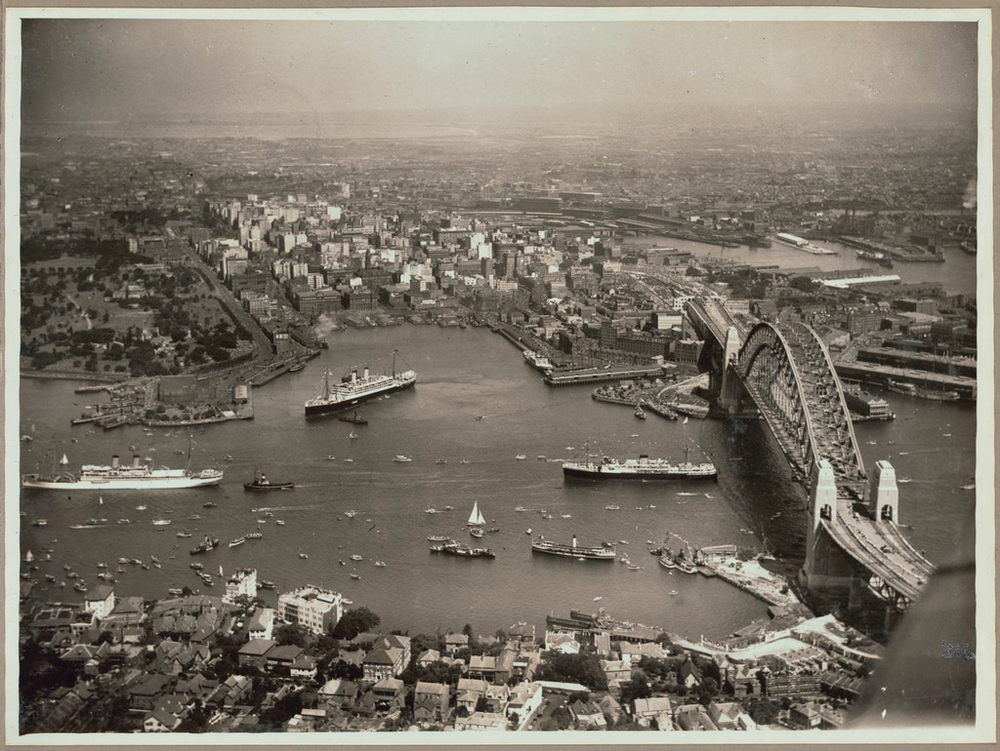
In 1932, Australia celebrated the opening of the Sydney Harbour Bridge, a momentous occasion that marked a significant milestone in the nation's history. The construction of the bridge began nearly a decade earlier to provide a much-needed link between the northern and southern shores of Sydney Harbour. The bridge was designed to not only improve transportation and connectivity but also to provide employment during the challenging economic times of the Great Depression.
The Sydney Harbour Bridge stands as an iconic symbol of Australia's engineering prowess and ingenuity. It spans across the picturesque Sydney Harbour, offering breathtaking views of the city skyline. The opening of the bridge was a moment of great pride and jubilation for the people of Australia, symbolizing progress, unity, and a bright future.
The impact of the Sydney Harbour Bridge on the city of Sydney and the nation as a whole cannot be overstated. It revolutionized transportation in the region, allowing for easier movement of goods and people between the northern and southern parts of the city. The bridge quickly became a beloved landmark and a tourist attraction, drawing visitors from around the world.
Today, the Sydney Harbour Bridge remains a vital artery of the city's transportation network, carrying cars, trains, cyclists, and pedestrians across the harbor every day. It continues to be a symbol of pride for Australia, representing its spirit of innovation, resilience, and unity.
#SydneyHarbourBridge #Australia #EngineeringMarvel #IconicLandmark #Unity #Progress
View detailsAfter internal divisions within the Labor government, it lost majority support in the parliament. Joseph Lyons, a former Labor member who had formed the United Australia Party, was called to govern. This political shift marked a significant change in Australian leadership.
Lyons' appointment as Prime Minister brought stability after a period of uncertainty and political turmoil. His government focused on addressing the economic challenges facing the country, including the effects of the Great Depression. Under his leadership, policies were implemented to stimulate the economy and reduce unemployment, providing relief to many Australians suffering from the economic downturn.
The change in government also led to a shift in policy direction, with a stronger emphasis on fiscal responsibility and economic recovery. Lyons' administration sought to restore confidence in the government's ability to manage the country's affairs effectively. His pragmatic approach and willingness to work with different political factions helped to create a more cooperative political environment.
The fall of the Labor government and the rise of Joseph Lyons marked a turning point in Australian politics. It reflected the changing priorities of the time and the need for new leadership to navigate the challenges facing the nation. The impact of this event was felt not only in the political arena but also in the lives of ordinary Australians who were looking for stability and solutions to the pressing issues of the day.
#JosephLyons #AustralianPolitics #EconomicRecovery #GovernmentTransition
View details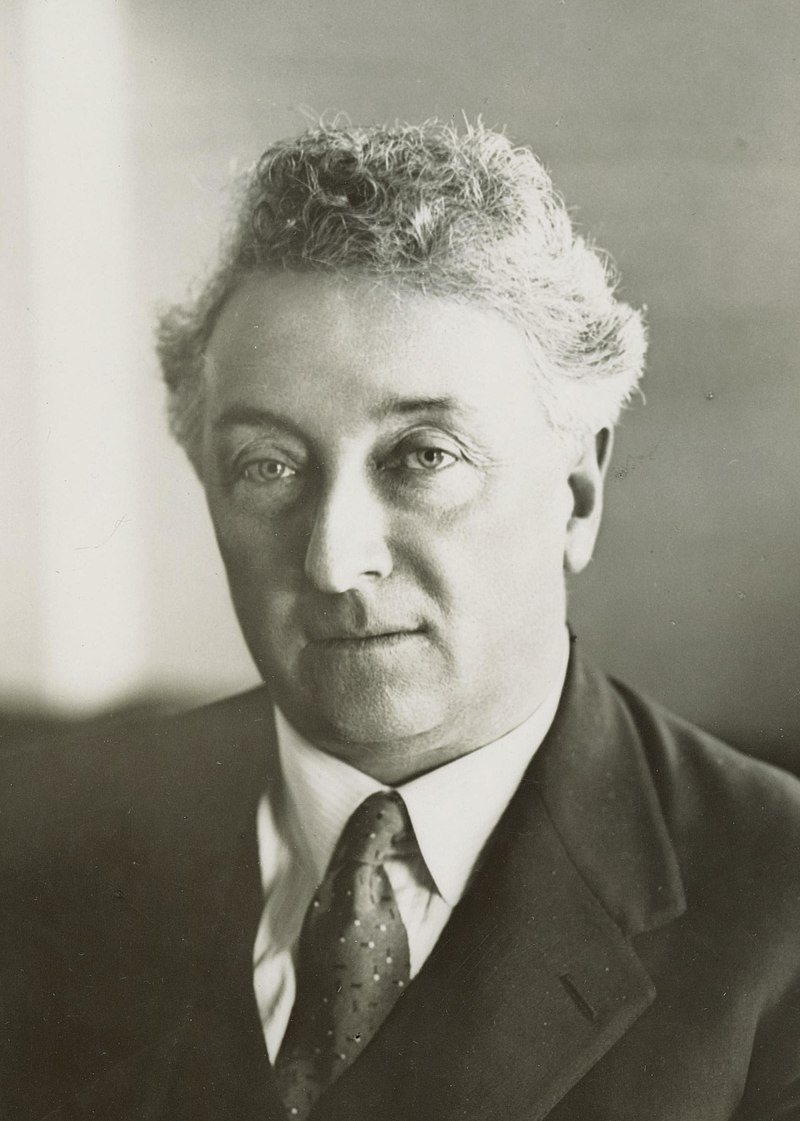
1931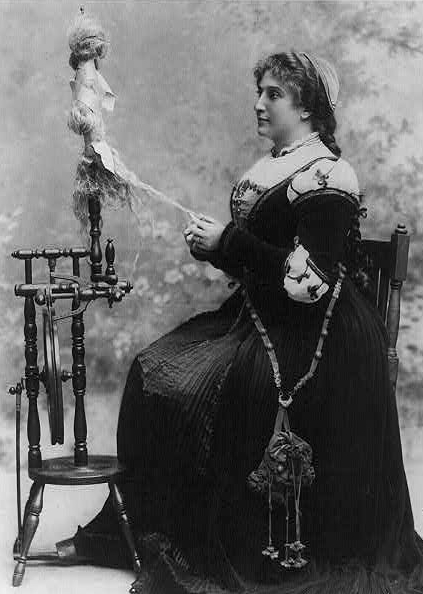
Born Helen Porter Mitchell, Dame Nellie Melba was an acclaimed Australian opera soprano, lauded as one of the most renowned sopranos of the late 19th and early 20th centuries. Throughout her illustrious career, Melba performed in various prestigious opera houses and stages worldwide, gaining fame for her exquisite voice and exceptional vocal range.
Melba's legacy extends beyond her vocal prowess; she was instrumental in popularizing opera in Australia and abroad. Her performances captivated audiences, garnering her a loyal following and solidifying her status as a cultural icon. Melba was also known for her philanthropy, supporting various charities and causes throughout her life.
At the age of 69, Melba passed away, leaving a significant void in the opera world. Her death was mourned by fans, colleagues, and admirers worldwide, who recognized her immense contributions to the arts. Melba's passing marked the end of an era in opera, as her unique talent and influence left an indelible mark on the musical landscape.
As news of Melba's death spread, tributes poured in from around the globe, commemorating her extraordinary career and enduring impact on the world of opera. Her legacy continues to inspire aspiring musicians and opera performers, serving as a testament to the power of talent, dedication, and passion in the pursuit of artistic excellence.
Melba's memory lives on through recordings of her performances, which continue to be revered for their beauty and emotional depth. Her timeless contributions to the world of opera ensure that she remains an enduring figure in the annals of music history, revered for her artistry and dedication to her craft.
#DameNellieMelba #OperaIcon #MusicalLegacy #CulturalIcon
View details1930
In 1930, Phar Lap, a legendary racehorse, achieved a historic victory by winning the Melbourne Cup, Australia's most prestigious horse race. Born in New Zealand, Phar Lap was purchased by Australian trainer Harry Telford and quickly became a sensation in the racing world due to his remarkable speed and endurance.
Phar Lap's triumph in the Melbourne Cup was a momentous occasion filled with excitement and anticipation. The race took place at Flemington Racecourse in Melbourne, where thousands of spectators gathered to witness the iconic horse in action. Despite facing tough competition from other top contenders, Phar Lap, ridden by jockey Jim Pike, displayed exceptional performance, surging ahead in the final stretch to claim victory.
The win was particularly significant as it was the only Melbourne Cup victory for Phar Lap, solidifying his status as one of the greatest racehorses in history. The remarkable achievement also cemented his place in Australian sporting folklore and captured the hearts of the nation.
Phar Lap's triumph in the Melbourne Cup left a lasting legacy in the world of horse racing, inspiring future generations of competitors and fans. His dominance on the racetrack and his enduring popularity have made him a symbol of excellence and determination in the sport.
The victory of Phar Lap in the Melbourne Cup marked a defining moment in Australian sporting history, showcasing the power of resilience and skill in the pursuit of greatness. The legendary racehorse continues to be remembered fondly as a national treasure, embodying the spirit of triumph and perseverance.
#PharLap #MelbourneCup #HorseRacing #AustralianHistory
View detailsIn the early 20th century, the idea of connecting New South Wales with Queensland by rail had been a long-standing ambition. The Sydney–Brisbane railway project aimed to boost transportation and trade between the two states. Construction of the railway began in the late 19th century but faced various challenges, including rugged terrains, funding issues, and labor shortages.
After decades of perseverance, the Sydney–Brisbane railway was finally completed in 1930, allowing for a direct rail link between the two states. This achievement marked a significant milestone in the transportation history of Australia, as it provided a more efficient and reliable mode of travel and freight transport between Sydney and Brisbane. The railway also played a crucial role in unifying the eastern states of Australia and promoting economic development in the region.
The opening of the Sydney–Brisbane railway had a profound impact on the communities along the route, facilitating greater connectivity and accessibility for residents and businesses. It led to increased trade and tourism opportunities, as well as the growth of towns and cities along the railway line. The railway also played a strategic role during times of war, enabling the quick transportation of troops and supplies between the two states.
Today, the Sydney–Brisbane railway remains a vital part of Australia's transportation network, connecting two major cities and serving as a crucial link for both passengers and freight. It stands as a testament to the vision and perseverance of those who worked tirelessly to make the railway a reality, leaving a lasting legacy for future generations to benefit from.
#SydneyBrisbaneRailway #TransportationHistory #EconomicDevelopment #AustraliaRailways
View details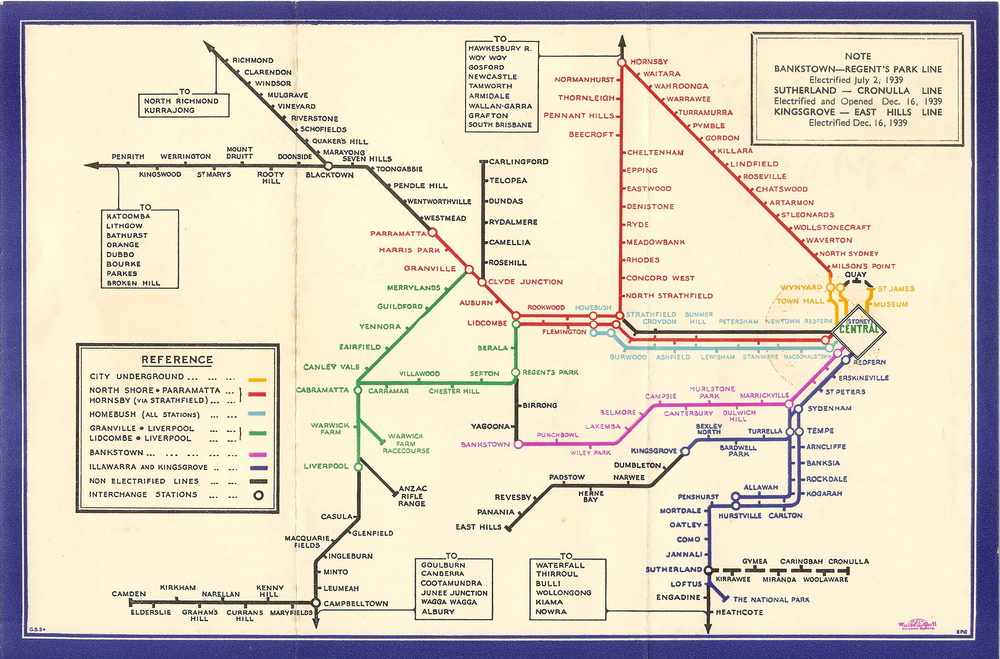
In a Sheffield Shield match between New South Wales and Queensland, Don Bradman, a batsman from New South Wales, made history by scoring an unbeaten 452 runs, setting a new world record for the highest individual innings in first-class cricket. Bradman's exceptional performance took place over the span of two days, showcasing his unparalleled skill and dominance in the sport.
Born in New South Wales, Bradman had already established himself as a cricket prodigy, and his record-breaking innings further solidified his reputation as one of the greatest cricketers of all time. His incredible feat left spectators and fellow players in awe of his talent and dedication to the game.
Bradman's 452 not out innings in the Sheffield Shield match against Queensland had a lasting impact on the world of cricket, earning him international recognition and admiration. His record stood unbroken for many years, highlighting his exceptional achievement on that historic day.
Bradman's remarkable performance in the Sheffield Shield match solidified his legacy as a cricket legend, inspiring future generations of players to strive for excellence on the field. His record-breaking innings continues to be celebrated and remembered by cricket enthusiasts around the world, showcasing the enduring impact of his extraordinary talent and sportsmanship.
#DonBradman #SheffieldShield #CricketLegend #RecordBreakingInnings #AustralianCricket
View details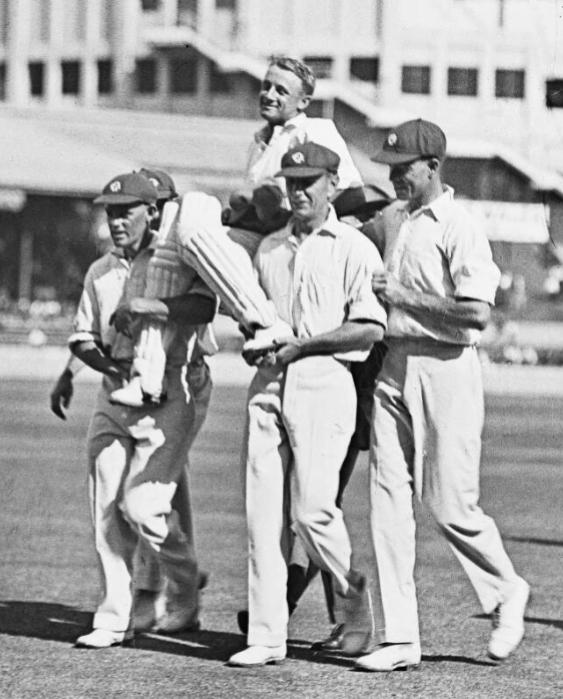
1929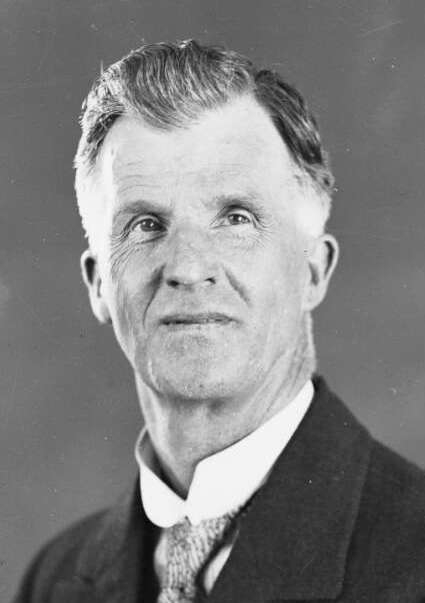
Labor leader James Scullin assumed office as the Prime Minister amidst a deteriorating global economic situation. The Wall Street Crash in the United States triggered the Great Depression, swiftly impacting Australia's economy. Unemployment and poverty surged, industries stagnated, and the government's coffers dwindled rapidly.
Scullin's government was faced with the herculean task of navigating Australia through the economic turmoil. A series of economic policies and interventions were implemented, including constructing public works projects to generate employment and stimulate the economy. Despite these efforts, the nation endured severe economic hardships, with the unemployment rate peaking at alarming levels.
The Labor government's response to the Great Depression sparked debates and criticisms. Internal divides within the party emerged over the best approach to address the crisis, leading to leadership challenges and reshuffles. The public's discontent grew as hardships persisted, with some questioning the government's ability to steer the country towards recovery.
The Great Depression under James Scullin's leadership marked a challenging period in Australia's history. The socio-economic repercussions of the crisis were profound, affecting individuals and families across the nation. As the government grappled with the complexities of the situation, the effects of the Depression reverberated for years, reshaping the country's economic landscape and societal fabric.
#GreatDepression #JamesScullin #LaborGovernment #EconomicCrisis #AustraliaEconomy
View detailsWestern Australia marked a significant milestone in its history during the centenary celebration. The event highlighted the state's achievements and progress since its establishment. It served as an opportunity for the community to reflect on the past, appreciate the present, and look towards the future.
The centenary celebration brought together people from all walks of life, including government officials, community leaders, and the general public. Festivities were held across the state, including parades, exhibitions, and cultural performances. These events showcased Western Australia's rich history, diverse culture, and natural beauty.
One of the key impacts of the centenary celebration was the renewed sense of pride and unity among Western Australians. The event fostered a greater sense of community spirit and belonging. It also highlighted the state's resilience and ability to overcome challenges over the past century.
The centenary celebration also provided an opportunity to recognize the contributions of individuals and organizations that have played a significant role in shaping Western Australia. It showcased the state's achievements in various fields, including agriculture, mining, and the arts.
Overall, the centenary celebration was a momentous occasion that brought people together to celebrate Western Australia's past, present, and future. It was a time to honor the state's history, culture, and achievements, while also looking ahead to the opportunities and challenges that lie ahead.
#WesternAustralia #CentenaryCelebration #CommunityPride #StateAchievements
View details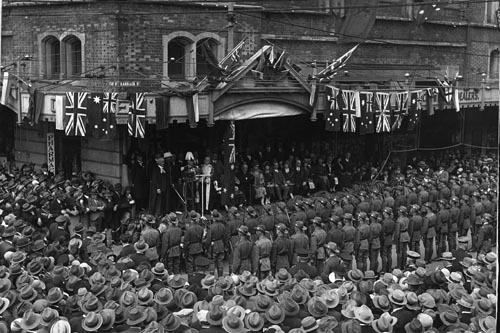
1927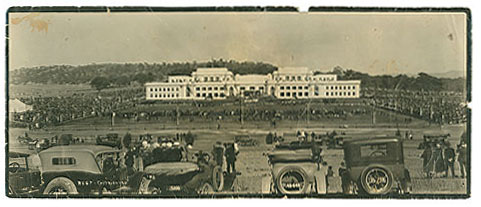
The opening of the tenth parliament in Canberra marked the final step in transitioning the capital of Australia from Melbourne to the newly established city. This move was a result of the vision to create a capital city that was geographically and politically separate from the state capitals. The decision to build a new capital was driven by the need for a neutral ground to house the seat of government.
The relocation of the capital to Canberra was a significant milestone in the history of Australia, signifying its growth and development as a nation. The design and construction of Canberra were overseen by American architect Walter Burley Griffin, who won an international competition for the city's layout. His vision included expansive green spaces, geometric patterns, and significant government buildings, all of which were intended to reflect the principles of democracy and equality.
The formal opening of the parliament in Canberra represented the culmination of years of planning and construction. The new parliament house, situated on Capital Hill, became the focal point of the city and symbolized Australia's commitment to democracy and governance. The move to Canberra also highlighted the country's desire to establish a distinct national identity separate from its colonial past.
The opening of the tenth parliament in Canberra was a momentous occasion that solidified the city's status as the capital of Australia. It showcased the country's dedication to progress and modernity, as well as its commitment to fostering a sense of unity and national pride among its citizens.
#Canberra #Parliament #CapitalCity #NationalIdentity
View details1925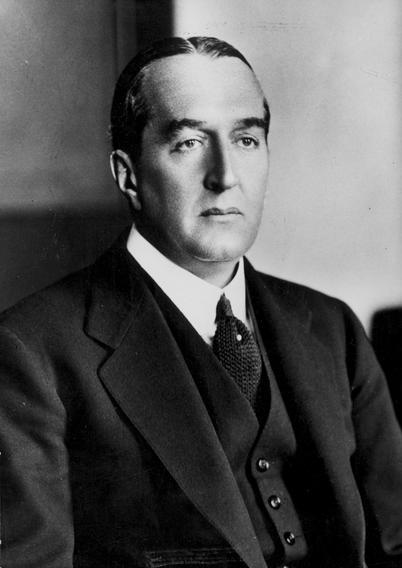
In the election of 1925, Stanley Bruce was reelected as the Prime Minister of Australia. Born in 1883, Bruce served as the eighth Prime Minister of Australia from 1923 to 1929. He was known for his efforts in advancing social welfare policies and strengthening Australia's economy.
Stanley Bruce was a member of the Nationalist Party of Australia and had previously led a coalition government. His reelection in 1925 marked a significant moment in Australian politics as he continued to implement his vision for the country.
During his second term as Prime Minister, Bruce focused on policies that aimed to stimulate economic growth and improve living standards for Australians. He implemented initiatives to boost agriculture, expand trade, and enhance infrastructure development across the country.
Bruce's leadership style was characterized by his pragmatic approach to governance and his ability to navigate the complexities of Australian politics. His commitment to achieving national prosperity and social progress resonated with many Australians, leading to his reelection in 1925.
The reelection of Stanley Bruce as Prime Minister in 1925 had a lasting impact on the trajectory of Australian politics. His administration's policies laid the foundation for future developments in areas such as trade, industry, and social welfare.
Overall, the event marked a continuation of Stanley Bruce's leadership and his ongoing efforts to shape Australia's future. His reelection reflected the confidence placed in him by the Australian electorate and signaled a period of stability and progress for the country.
#StanleyBruce #PrimeMinister #AustraliaPolitics #EconomicDevelopment
View details1923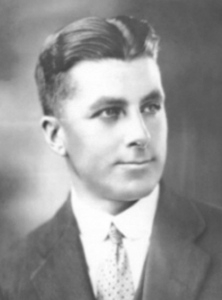
In 1923, Vegemite was first produced in Australia by Dr. Cyril Callister. Inspired by the need for a vitamin-rich spread, this dark, savory paste was created using brewer's yeast extract - a byproduct of beer manufacturing. Initially met with skepticism, Vegemite gained popularity for its unique taste and nutritional value.
Vegemite quickly became a staple in Australian households, favored for its high concentration of B vitamins and salty flavor. During World War II, it was included in soldiers' ration kits for its nutritional benefits. Over the years, Vegemite has evolved from a simple spread to a cultural icon, featured in various recipes and even inspiring its own line of merchandise.
The production of Vegemite altered the Australian food landscape, becoming synonymous with Australian cuisine. Its introduction marked a shift towards utilizing local ingredients and fostering a sense of national pride. Vegemite's success also highlighted the innovation and resourcefulness of Australian food manufacturing.
Today, Vegemite remains a beloved spread, enjoyed by people of all ages across Australia and beyond. Its distinctive taste continues to evoke nostalgia and pride in Australians, serving as a symbol of culinary heritage and innovation.
#Vegemite #Australia #CulinaryIcon #Innovation #CulturalHeritage
View detailsConstruction began on the Sydney Harbour Bridge, which stands as an iconic structure to this day. The idea for the bridge was born out of the need to connect the northern and southern shores of Sydney Harbour. Prior to its construction, the only way to cross the harbor was by ferry, which was becoming increasingly congested.
The project was ambitious in both its scale and design, with engineers opting for a single-span arch bridge that would become the largest of its kind in the world. Construction commenced with the laying of foundations on either side of the harbor, where workers faced challenging conditions such as deep waters and strong currents.
The construction of the Sydney Harbour Bridge had a significant impact on the local economy, providing much-needed employment during a time of economic hardship. It also had a catalytic effect on the development of the surrounding areas, as it opened up new opportunities for trade and transportation.
Upon its completion, the bridge became a symbol of national pride for Australia, representing the country's progress and modernity. It quickly became an iconic landmark, attracting tourists from around the world who marveled at its engineering feat.
Today, the Sydney Harbour Bridge remains a vital part of the city's infrastructure, carrying hundreds of thousands of vehicles, pedestrians, and cyclists across the harbor each day. It stands as a testament to the vision and hard work of all those involved in its construction.
#SydneyHarbourBridge #Construction #Landmark #Australia
View detailsStanley Bruce assumed office as the 8th Prime Minister of Australia following the resignation of Prime Minister Billy Hughes. Bruce had a background in economics and had held various ministerial positions before his appointment as Prime Minister. He was known for his business acumen and leadership skills, which he brought to the forefront during his time in office.
During his tenure, Bruce focused on economic policies to address the challenges faced by Australia post-World War I. He implemented measures to promote industrialization, increase agricultural production, and stimulate trade. Bruce also worked towards strengthening Australia's ties with other nations and played a key role in the formation of the British Commonwealth of Nations.
One of the significant impacts of Stanley Bruce's leadership was the establishment of the New Guard, a right-wing political movement that emerged in response to growing political and social unrest. The New Guard supported Bruce's initiatives and advocated for conservative policies. Bruce's government faced opposition from the Labor Party and trade unions, leading to a period of political turmoil.
Despite the challenges, Bruce's government introduced reforms in areas such as social welfare, defense, and immigration. His focus on economic recovery and nation-building initiatives laid the groundwork for Australia's future growth and development.
Bruce's term as Prime Minister came to an end after he lost his seat in the 1929 election. However, his contributions to Australian politics and his efforts to navigate the country through a period of significant change are remembered to this day.
#StanleyBruce #PrimeMinister #Australia #EconomicReform #NewGuard #NationBuilding
View details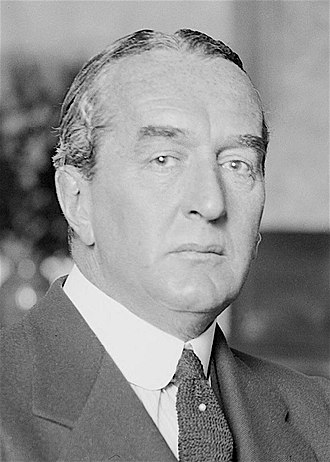
1922
In Sydney, the establishment of The Smith Family charity took place in 1922. It was founded by a group of individuals who recognized the dire circumstances faced by many families in Australia. The organization aimed to provide support and assistance to those in need, particularly focusing on the educational needs of underprivileged children.
The Smith Family charity quickly gained recognition for its impactful work within the community. Through various initiatives and programs, the organization succeeded in helping numerous families break the cycle of poverty by providing access to educational resources, mentorship, and financial aid. This not only transformed the lives of the individuals directly supported but also had a ripple effect on the wider community, fostering a culture of giving and support.
The foundation of The Smith Family marked a turning point in addressing social issues in Australia. By shedding light on the struggles faced by disadvantaged families and offering a tangible solution, the charity inspired others to get involved in philanthropic efforts. The impact of the organization extended beyond its immediate beneficiaries, influencing policies and attitudes towards social welfare.
Today, The Smith Family continues to uphold its mission of empowering disadvantaged families through education. The legacy of the charity's founders lives on through the countless lives touched by their vision and dedication to creating a more equitable society.
#TheSmithFamily #EmpoweringCommunities #EducationForAll #PhilanthropyAustralia
View details