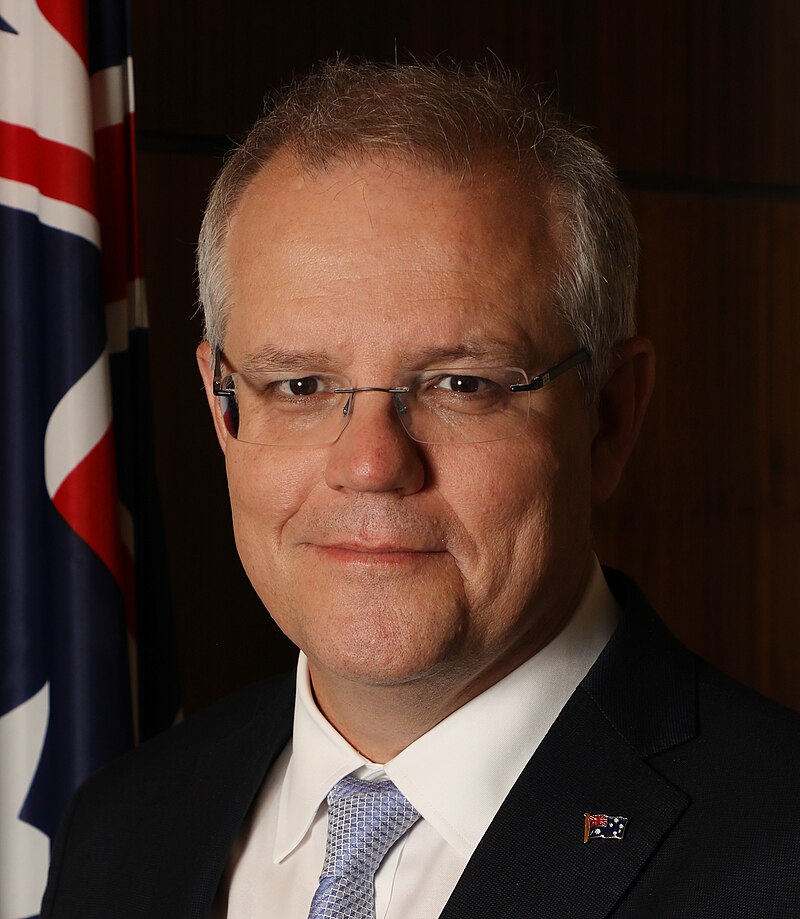
Scott Morrison Sworn in as 30th Prime Minister
Australia
Political
4 min read
Updated By: History Editorial Network (HEN)
Published:
Updated:
Following two leadership spills within the Liberal Party, Scott Morrison emerged as the successor to Malcolm Turnbull, taking office as the 30th Prime Minister of Australia. The leadership turmoil began with internal party conflicts over policy direction and leadership style, culminating in a challenge to Turnbull's position. After a series of political maneuvers, Morrison, the Treasurer at the time, gained the support necessary to assume leadership.
Morrison's ascent to power brought a mix of reactions from the public and political observers. Some saw him as a stabilizing force to unite the party and carry on the government's agenda, while others questioned his ability to address pressing national issues. The change in leadership also sparked debates about the state of Australian politics and the role of parties in governing the country.
As Prime Minister, Morrison faced immediate challenges, including navigating international relations, addressing economic concerns, and managing domestic policy issues. His leadership style and decision-making would shape his tenure and impact the trajectory of the Liberal Party.
The transition of power marked a significant moment in Australian political history, underscoring the dynamics of party politics and leadership changes. The outcome of the leadership spills highlighted the complexities of managing a coalition government and the importance of party unity in a volatile political landscape.
#ScottMorrison #MalcolmTurnbull #LiberalParty #Australia #LeadershipSpill #PrimeMinister

Explore the Life Moments of
 AI Twin