
Australia

The Land Down Under
Related Lives









1899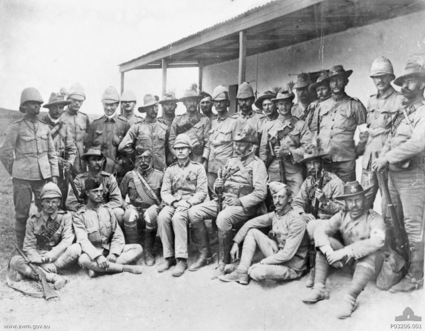
Amidst growing international tension, the Australian contingent prepared to depart Albany for the Boer War. The departure of troops marked a pivotal moment in Australian military history, as it was the first time that troops from the newly federated Commonwealth of Australia were sent to participate in an overseas conflict.
On the day of departure, a sense of solemnity hung in the air as families bid farewell to their loved ones. The soldiers, drawn from various states across Australia, were eager and resolute as they boarded the SS Medic, the vessel that would take them to the distant battlefields of South Africa. As the ship set sail, the coastline of Albany faded into the horizon, leaving behind a nation united in its support for the troops.
The journey to the Boer War would be a challenging one, testing the mettle and resilience of the Australian soldiers. They would face harsh conditions, unfamiliar terrain, and a determined enemy. However, the contingent was fueled by a sense of duty and camaraderie, ready to uphold the honor of their young nation on the global stage.
The departure of the Australian contingent to the Boer War on the SS Medic not only marked a significant moment in Australian military history but also symbolized the coming of age of the nation on the world stage. As the soldiers sailed towards their unknown fate, they carried with them the hopes and prayers of a nation united in support of their brave endeavor.
#AustralianHistory #BoerWar #SSMedic #AlbanyDeparture
View detailsThe New South Wales Lancers landed in Cape Town to join the Second Boer War in South Africa. This marked Australia's involvement in the conflict as part of the British Empire. The lancers had traveled from London to bolster British forces against the Boer republics of Transvaal and Orange Free State.
Australia's participation in the Boer War was seen as a way to affirm its loyalty to the British Empire and strengthen ties with Britain. The arrival of the New South Wales Lancers in Cape Town demonstrated Australia's commitment to supporting British military efforts in the region.
The deployment of the lancers was significant as it showcased Australia's willingness to participate in international conflicts and contribute to imperial military operations. The presence of Australian troops in the Boer War also highlighted the country's growing sense of national identity within the British Empire.
The arrival of the New South Wales Lancers in Cape Town from London to commence Australia's involvement in the Second Boer War symbolized a key moment in Australian military history. It underlined Australia's allegiance to the British Empire and its emergence as a nation willing to engage in global conflicts.
#Australia #SecondBoerWar #NewSouthWalesLancers #BritishEmpire #CapeTown
View detailsIn 1899, Queensland offered troops to support the British Empire in the Second Boer War. The Imperial Government accepted the offer, recognizing the importance of Australian contributions to the conflict. This decision was a significant moment for Queensland as it showcased their willingness to stand in solidarity with the Empire during times of need.
The Queensland contingent, known as the Queensland Mounted Infantry, consisted of skilled and experienced soldiers who were ready to serve. Their expertise in mounted warfare and bushcraft made them valuable assets in the challenging terrain of South Africa. The acceptance of Queensland's offer highlighted the colony's commitment to the British Empire and its dedication to upholding imperial interests.
The impact of this decision was felt both locally and internationally. In Queensland, there was a sense of pride and patriotism as volunteers eagerly enlisted to join the expeditionary force. The news of Queensland's involvement also boosted morale across the Empire, demonstrating the unity and strength of the imperial forces in the face of adversity.
Throughout the course of the war, the Queensland Mounted Infantry played a crucial role in various engagements and operations. Their bravery and tenacity in battle earned them recognition and respect from their comrades and superiors. The sacrifices made by these troops further solidified Queensland's place within the Empire and reinforced the bonds of loyalty between the colony and the mother country.
Overall, the acceptance of Queensland's offer of troops for the Second Boer War symbolized the colonial ties that bound Australia to the British Empire. It exemplified Queensland's commitment to serving the Empire and defending its interests on the world stage. This event underscored the importance of colonial contributions to Britain's military endeavors and highlighted the shared history and camaraderie between Australia and the Empire. #Queensland #SecondBoerWar #ImperialGovernment #AustralianHistory
View detailsIn 1899, the Australian government decided to establish the national capital within New South Wales, but not within 100 miles of Sydney. This decision was a result of the ongoing debate regarding the location of the capital city since Australia's federation in 1901.
The need for a distinct capital city was essential to avoid favoritism towards any specific state and ensure a neutral ground for the federal government. By selecting a site in New South Wales, the government aimed to maintain a balance between the participating states.
The search for the ideal location began, leading to the eventual selection of Canberra, a rural area situated between Sydney and Melbourne. The decision to establish the capital away from major cities aimed to promote decentralization and enhance the development of the region.
The selection of Canberra as the national capital had a significant impact on the surrounding areas, leading to rapid growth and infrastructure development in the region. The construction of government buildings, residential areas, and public facilities transformed Canberra into a bustling city over the years.
The establishment of the national capital in New South Wales, but not within 100 miles of Sydney, solidified Australia's commitment to creating a unique and functional capital city for the federal government. Canberra's strategic location and purposeful design have since symbolized Australia's democratic values and political system.
#AustralianHistory #CapitalCityDecision #NewSouthWales #Canberra #InfrastructureDevelopment
View details1898
In 1898, a crucial event took place in Australian history when a convention convened to discuss the final draft of a significant document that would be presented to the people for approval. This document aimed to address the issue of federation, a long-debated topic among the Australian colonies.
The convention brought together delegates from various regions, each with their own perspectives and interests. After intense deliberations and negotiations, a consensus was reached on a final draft that outlined the principles and framework of a unified federal government for Australia.
The agreement reached at the convention was a milestone in the journey towards Australian federation. It represented a significant step forward in the process of uniting the separate colonies into a single nation. The final draft addressed key issues such as the division of powers between the federal government and the states, the establishment of a central parliament, and the creation of a system of laws that would apply uniformly across the new nation.
Once the final draft was approved by the convention delegates, it was decided that the document would be put to the people for their consideration and approval. This decision marked a critical moment in Australian history, as it gave the population a direct role in shaping the future of their nation.
Overall, the convention agreeing on a final draft to be put to the people was a pivotal event that set the stage for the eventual establishment of the Commonwealth of Australia. It demonstrated the willingness of the colonies to work together towards a common goal and laid the foundation for the modern Australian nation.
#FederationOfAustralia #ConstitutionalConvention #NationBuilding
View detailsIn 1898, the path toward Australian federation reached a critical juncture as several colonies held referendums to approve the proposed federal constitution. These referendums were the culmination of years of discussion, debate, and revision, particularly following the significant efforts of the Bathurst Conference and the subsequent constitutional conventions.
The 1898 Referendums: A Pivotal Moment
Throughout the 1890s, the drive for federation had been building momentum. The revised draft of the Australian Constitution, shaped by extensive public input and political negotiation, was ready for approval by the people. In 1898, referendums were held in four colonies: Victoria, South Australia, Tasmania, and New South Wales.
Success in Victoria, South Australia, and Tasmania
The referendums in Victoria, South Australia, and Tasmania were met with substantial public support. The voters in these colonies recognized the benefits of a federated Australia, which promised more coherent policies on trade, defense, and immigration, as well as a stronger, unified national identity. The successful votes in these three colonies marked a significant step forward, demonstrating widespread enthusiasm for federation.
Narrow Failure in New South Wales
In New South Wales, the outcome was more contentious. While a majority of voters supported the federation, the result narrowly failed to meet the required threshold. This setback was primarily due to concerns about how federation would impact the colony's economic interests and its relative power within the new federal structure. Additionally, influential anti-federation campaigners raised fears about the potential loss of autonomy and the financial burdens associated with federation.
The Path to a Second Referendum
Despite the initial failure in New South Wales, the push for federation did not lose momentum. Recognizing the importance of New South Wales to the success of the federation, efforts were intensified to address the concerns of its voters. Political leaders and federation advocates worked tirelessly to refine the proposals, ensuring that the interests of New South Wales were adequately protected and promoted within the federal system.
Negotiations led to key amendments in the draft constitution, addressing financial arrangements and ensuring more equitable representation for the colonies. These changes were crucial in gaining broader support among the New South Wales populace and politicians.
Success in the Second Referendum
The revised draft of the constitution, coupled with sustained advocacy and public education efforts, paved the way for a second referendum in New South Wales in 1899. This time, the referendum succeeded, with a clear majority of voters endorsing the federation proposal. The successful vote was a testament to the effectiveness of the inclusive and adaptive approach taken by the federation's proponents.
The Path to Federation
Following the successful referendums in 1898 and 1899, the final steps toward federation were set in motion. Western Australia, initially hesitant, also joined the federation after holding its referendum in 1900. With all the colonies on board, the British Parliament passed the Commonwealth of Australia Constitution Act, which received royal assent from Queen Victoria on July 9, 1900.
The Commonwealth of Australia was officially proclaimed on January 1, 1901, marking the unification of the Australian colonies into a single nation. This momentous event was the culmination of decades of advocacy, negotiation, and public engagement, highlighting the democratic foundations of the new nation.
#MomentsOfLife #MoofLife_Moment #MoofLife #AustralianFederation #VictorianReferendum #SouthAustralianReferendum #TasmanianReferendum #NewSouthWalesReferendum #CommonwealthOfAustralia #AustralianHistory #DemocraticProcess
View details1897
The Second National Australasian Convention convened with representatives from all colonies except Queensland. They reached an agreement to adopt a constitution based on the 1891 draft, which was subsequently revised and amended that year. This pivotal event laid the groundwork for the future governance and unity of the Australasian colonies.
One notable figure to emerge during this time was Catherine Helen Spence, who made history as the first female political candidate by running for a political office in South Australia. Her groundbreaking candidacy marked a significant step towards gender equality in politics, challenging traditional norms and paving the way for future generations of women in leadership roles.
The decision to adopt a revised constitution based on the 1891 draft at the Second National Convention was a momentous occasion, symbolizing the collective efforts of the colonies to forge a unified vision for the future. The discussions and amendments made during this event laid the foundation for the eventual establishment of a federated Australia, with a constitution that would shape the nation's governance for years to come.
Catherine Helen Spence's bold move to become a political candidate further highlighted the changing social dynamics and increasing calls for equality in representation. Her decision to stand for election demonstrated courage and determination, inspiring other women to pursue political ambitions and advocate for their rights in a male-dominated sphere.
The convergence of these two events in 1897 encapsulated a period of significant transformation and progress in Australian history. The adoption of a revised constitution and Catherine Helen Spence's groundbreaking political candidacy marked important milestones in the journey towards a more inclusive and representative democracy.
#AustralasianConvention #ConstitutionAdoption #CatherineHelenSpence #GenderEquality #PoliticalHistory
View details1896
In 1896, the Bathurst Conference, known as the second "people's convention," was held to discuss and refine the 1891 draft constitution, marking a critical step in the process of Australian federation. This conference brought together delegates from across the Australian colonies to address issues and concerns that had arisen since the initial drafting of the constitution, aiming to forge a more cohesive and widely accepted document.
Background: The Need for a People's Convention
The first National Australasian Convention in 1891 had produced a draft constitution for the proposed federation of the Australian colonies. However, political disagreements, economic challenges, and a lack of public involvement stalled its progress. By the mid-1890s, there was a renewed push for federation, driven by the need for a unified national policy on trade, defense, and immigration.
The Bathurst Conference was organized by the Australian Federation League to reignite the federation process by engaging a broader segment of society, including local politicians, businessmen, and ordinary citizens. This inclusive approach aimed to address the criticisms of the 1891 convention and ensure that the new constitution reflected the will of the people.
The Bathurst Conference: Key Discussions and Outcomes
Held in Bathurst, New South Wales, from November 16 to 21, 1896, the conference was attended by over 150 delegates. Unlike the previous convention, the Bathurst Conference emphasized public participation and aimed to educate and involve citizens in the federation process.
Major Issues Addressed
Representation in Parliament: One of the critical debates was the structure of the federal parliament, particularly the representation of smaller colonies versus larger ones. There was a consensus on maintaining a balance to protect the interests of less populous colonies while ensuring fair representation for larger ones.
Powers of the Federal Government: Delegates discussed the distribution of powers between the federal government and the states. This included matters such as trade, defense, and immigration, ensuring that the federal government had sufficient authority to govern effectively while respecting the autonomy of the states.
Financial Arrangements: The conference also focused on financial relations between the federal government and the states, addressing concerns about revenue distribution and financial management.
Judiciary: The role and structure of the High Court were debated to ensure it could function as an independent arbiter in disputes between the states and the federal government.
The Influence of the Bathurst Conference
The resolutions and discussions from the Bathurst Conference significantly influenced the subsequent constitutional conventions. The conference's emphasis on public involvement and transparent debate helped build wider support for the federation movement. It demonstrated the colonies' commitment to working together to overcome differences and achieve a unified nation.
Path to Federation
Following the Bathurst Conference, momentum for federation continued to build. The colonial parliaments passed enabling acts, leading to the election of delegates for the 1897-1898 constitutional conventions. These conventions, informed by the debates and resolutions from Bathurst, produced a revised draft of the Australian Constitution.
The revised constitution was put to referendums in the colonies between 1898 and 1900. Despite some initial setbacks, the final draft was approved by a majority of voters in each colony. This led to the passage of the Commonwealth of Australia Constitution Act by the British Parliament in 1900, with Queen Victoria giving her royal assent on July 9, 1900. The Commonwealth of Australia was officially proclaimed on January 1, 1901.
#MomentsOfLife #MoofLife_Moment #MoofLife #BathurstConference #AustralianFederation #AustralianHistory #CommonwealthOfAustralia #ConstitutionalHistory
View details1895
In 1895, a pivotal event took place when the premiers of most Australian states, except for Queensland and Western Australia, reached an agreement to implement the Corowa proposals. This historic moment stemmed from growing concerns over trade barriers hindering intercolonial commerce in Australia. The Corowa Conference, spearheaded by businessman Henry Parkes and politician Thomas McIlwraith, aimed to address these issues and foster closer economic ties among the colonies.
The Corowa proposals suggested the abolition of tariffs and the establishment of a uniform customs duty throughout Australia. This groundbreaking agreement was seen as a crucial step towards creating a more unified and economically integrated nation. By agreeing to implement these proposals, the premiers demonstrated their commitment to overcoming sectional interests and working towards a common goal of economic prosperity for the country as a whole.
The impact of this agreement was significant, marking a milestone in Australia's journey towards federation. The Corowa proposals laid the groundwork for future discussions that eventually led to the formation of the Australian Federation in 1901. The willingness of most premiers to set aside differences and prioritize the greater good of the nation exemplified a spirit of cooperation and unity that would be essential in the years to come.
Overall, the agreement to implement the Corowa proposals was a crucial step in Australia's path to nationhood. It reflected a growing sense of national identity and a shared vision for a more cohesive and prosperous future. The collaboration and compromise shown by the premiers set a precedent for future generations of Australians to work together towards common goals and overcome challenges for the greater good of the country.
#CorowaProposals #AustraliaFederation #PremiersAgreement
View detailsIn 1895, the iconic Australian ballad "Waltzing Matilda" was first sung in public in the town of Winton, Queensland. This event marked the beginning of the song's journey to becoming an unofficial national anthem, deeply embedded in the cultural fabric of Australia.
The Origins of "Waltzing Matilda"
"Waltzing Matilda" was created through the collaboration of two notable figures: Banjo Paterson, a renowned Australian poet, and Christina Macpherson, a talented musician. Paterson, who was visiting Dagworth Station in Queensland, was inspired by local stories and the rugged landscape. Christina Macpherson played a pivotal role by composing the music for the song, drawing on a Scottish tune she had heard at the Warrnambool races.
The Song's Content and Themes
The lyrics of "Waltzing Matilda" tell the story of a "swagman" (itinerant worker) who sets up camp by a billabong (a stagnant pool of water). The swagman captures a sheep to eat but is discovered by the landowner and the police. Rather than be captured, the swagman leaps into the billabong and drowns, his ghost forever haunting the site. The chorus, which features the phrase "Waltzing Matilda," refers to walking with one's belongings wrapped in a blanket (matilda) slung over the shoulder.
The song's themes of struggle, resilience, and defiance against authority resonated with many Australians, particularly in the context of the harsh and independent lifestyle of the outback.
The First Public Performance
The first public performance of "Waltzing Matilda" took place in April 1895 at the North Gregory Hotel in Winton, Queensland. This performance was part of a larger social event, and the song quickly captivated its audience. The catchy tune and relatable story helped it gain popularity rapidly.
Cultural Impact and Legacy
"Waltzing Matilda" quickly spread beyond Winton, becoming a beloved folk song throughout Australia. Its popularity was fueled by its reflection of the Australian spirit and identity, embodying the values of resilience, independence, and connection to the land.
Over the years, "Waltzing Matilda" has been performed by countless artists and adapted into various musical styles. It has been recorded by famous singers, featured in films, and played at significant national events. The song's widespread appeal has made it an enduring symbol of Australian culture.
Unofficial National Anthem
While "Waltzing Matilda" is not the official national anthem of Australia, a title held by "Advance Australia Fair," it is often considered the country's unofficial anthem. Its familiarity and emotional resonance make it a staple at public gatherings, sports events, and patriotic celebrations.
#MomentsOfLife #MoofLife_Moment #MoofLife #WaltzingMatilda #AustralianCulture #BanjoPaterson #QueenslandHistory #AustralianMusic #NationalIdentity
View details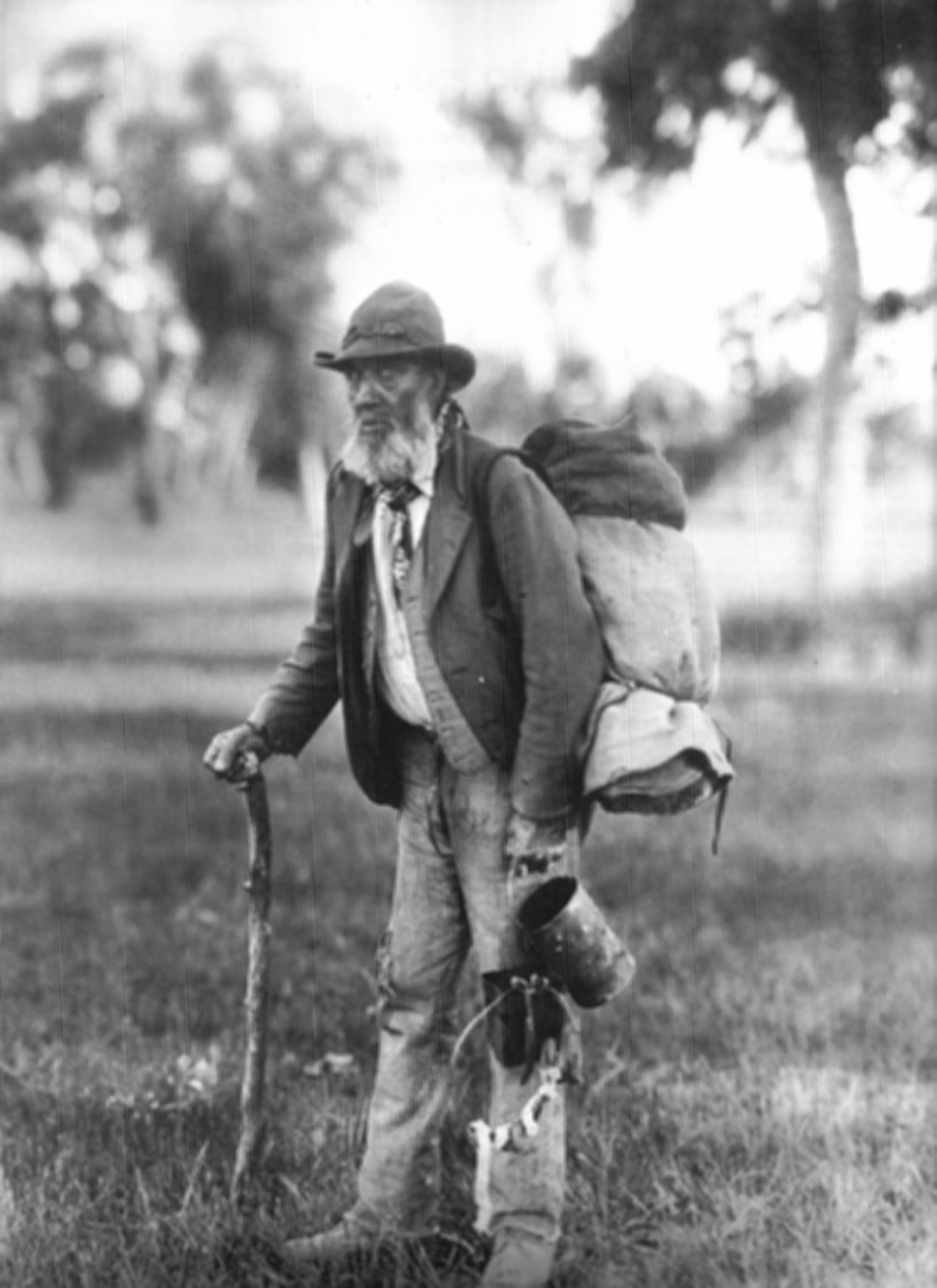
1894
In 1894, South Australia made history by granting women the right to vote, becoming the first Australian colony and the second place globally to do so. This milestone was achieved through the Constitutional Amendment (Adult Suffrage) Act 1894, which not only allowed women to vote but also made South Australia the first Parliament worldwide to permit women to stand for office.
The journey towards this groundbreaking change had been building momentum for years, fueled by the tireless efforts of suffragists and women's rights activists. Their advocacy and persistence had brought attention to the inequalities that women faced in the political sphere, highlighting the need for equal representation and participation in the democratic process.
The impact of this decision was profound, setting a precedent for gender equality and political inclusivity that reverberated far beyond South Australia. Women were empowered to have a voice in shaping their communities and influencing policies that affected their lives. The passage of the Constitutional Amendment (Adult Suffrage) Act 1894 marked a significant leap forward in the ongoing struggle for women's rights and paved the way for future advancements in gender equality.
This pivotal moment in history serves as a reminder of the power of activism and advocacy in driving social change. It stands as a testament to the bravery and resilience of those who fought for equality and justice, inspiring generations to come. The legacy of South Australia's decision to grant women the right to vote and stand for office continues to resonate today, shaping the ongoing pursuit of a more equitable and inclusive society. #GenderEquality #PoliticalInclusion #SuffrageMovement #WomenEmpowerment
View details1893
In 1893, the Corowa Conference, often referred to as the "people's convention," played a pivotal role in advancing the cause of Australian federation. Held in the town of Corowa, New South Wales, this conference called upon the colonial parliaments to pass enabling acts, which would allow for the election of delegates to a new constitutional convention. This new convention aimed to draft a proposal for federation and submit it to a referendum in each colony. The Corowa Conference was a crucial step in the democratic process that ultimately led to the formation of the Commonwealth of Australia.
Background: The Push for Federation
By the early 1890s, the movement for the federation of the Australian colonies had gained significant momentum. Previous attempts, such as the 1891 National Australasian Convention, had laid the groundwork by drafting a constitution. However, economic depression and political disagreements had stalled the process. The need for a more inclusive and democratic approach to federation became apparent, leading to the organization of the Corowa Conference.
The Corowa Conference
The Corowa Conference took place from July 31 to August 1, 1893, in the small border town of Corowa. This location was symbolic, situated on the Murray River, which forms part of the boundary between New South Wales and Victoria. The conference was organized by the Australian Federation League and attended by a mix of politicians, businessmen, and ordinary citizens who were passionate about the federation cause.
Key Resolutions and Proposals
One of the most significant outcomes of the Corowa Conference was the resolution proposed by Dr. John Quick, a lawyer and delegate from Bendigo, Victoria. Quick's proposal was both practical and innovative, addressing the need to involve the general public more directly in the federation process. His resolution called for the colonial parliaments to:
Pass Enabling Acts: These acts would authorize the election of delegates to a new constitutional convention.
Hold a New Constitutional Convention: The delegates, elected by the people, would convene to draft a new constitution for the federation.
Submit the Draft Constitution to Referendums: The proposed constitution would be put to a referendum in each colony, allowing the people to directly vote on the federation proposal.
The Impact of the Corowa Conference
The resolutions from the Corowa Conference were groundbreaking because they shifted the momentum towards a more democratic and inclusive process for achieving federation. By involving the public more directly, the conference addressed the previous shortcomings where federation efforts were seen as elite-driven and disconnected from the broader population.
The Path to Federation
Following the Corowa Conference, the colonial parliaments began to take action in line with the resolutions. In 1895, a formal meeting of the colonial premiers in Hobart agreed to the process recommended by the Corowa Conference. This led to the passage of enabling acts in the colonies, paving the way for the election of delegates to a new constitutional convention.
The new constitutional convention met in stages between 1897 and 1898, with delegates elected by the people. This convention produced a revised draft of the Australian Constitution, which was put to referendums in the colonies. Despite some initial setbacks, including the need for further revisions, the final draft was approved by a majority of voters in each colony.
The Federation of Australia
The successful referendums in the colonies culminated in the British Parliament passing the Commonwealth of Australia Constitution Act in 1900. Queen Victoria gave her royal assent on July 9, 1900, and on January 1, 1901, the Commonwealth of Australia was officially proclaimed, marking the unification of the Australian colonies into a single nation.
#MomentsOfLife #MoofLife_Moment #MoofLife #CorowaConference #AustralianFederation #AustralianHistory #CommonwealthOfAustralia #DemocraticProcess
View details1891
In 1891, Australia was engulfed by a severe depression that crippled the nation's economy. The depression was triggered by a combination of factors, including a severe drought that devastated agricultural production, a collapse in banking and investment sectors, and a sharp decline in global wool prices - a key export for Australia at the time. This perfect storm of events led to widespread unemployment, poverty, and social unrest across the country.
The impact of the depression was felt nationwide, with urban areas suffering from high rates of homelessness and destitution, while rural communities endured crop failures and land foreclosures. Thousands of businesses went bankrupt, and many families were left without a source of income. The government struggled to provide relief to its citizens, leading to increased social tensions and political instability.
In response to the crisis, charitable organizations and community groups stepped in to provide aid to those in need. Soup kitchens were set up to feed the hungry, and job creation programs were initiated to reduce unemployment. Despite these efforts, the effects of the depression persisted for several years, with the economy taking a long time to recover.
The depression of 1891 serves as a stark reminder of the vulnerability of economies to external shocks and the importance of diversification and resilience. It also highlights the crucial role of government and civil society in providing support to individuals and communities during times of crisis.
#Australia #GreatDepression #EconomicCrisis #SocialUnrest #Resilience
View detailsIn 1891, a momentous event unfolded in Australian history with the drafting of the first attempt at a federal constitution. This significant development emerged after years of discussions and debates among the Australian colonies regarding the need for a unified system of governance.
The drafting process was initiated in response to the growing sentiment for greater political cooperation and coordination among the colonies. It aimed to establish a framework that would enable the formation of a federal government while preserving key aspects of individual state autonomy. Key figures from various colonies collaborated to outline the structure and functions of the prospective federal government.
The impact of the first attempt at a federal constitution was profound, setting the stage for further negotiations and revisions that ultimately led to the establishment of the Commonwealth of Australia in 1901. The document served as a blueprint for shaping the political landscape of the nation, defining the roles and responsibilities of the federal government and the states.
The drafting of the federal constitution marked a pivotal moment in Australian history, reflecting the collective aspirations of the colonies to forge a unified nation with a shared identity and purpose. It laid the foundation for a new era of governance and cooperation, symbolizing the willingness of diverse regions to come together in pursuit of a common goal.
Overall, the first attempt at a federal constitution in 1891 laid the groundwork for the eventual formation of the Commonwealth of Australia and represented a crucial step towards nationhood and unity.
#Australia #ConstitutionalHistory #Federalism
View detailsIn 1891, delegates gathered at the Australasian Federal Convention in Sydney, Australia. During the Convention, the delegates worked tirelessly to draft a constitution for a unified Australia. The constitution aimed to establish a federal government and allocate powers between the states and the central government.
Despite lacking legal status, the delegates adopted the constitution with a shared vision of a united nation. The document encapsulated principles of democracy, federalism, and the protection of individual rights. It outlined the structure of the government, including the roles of the executive, legislative, and judicial branches.
The adoption of the constitution was a pivotal moment in Australia's journey towards nationhood. It set the foundation for the eventual creation of the Commonwealth of Australia in 1901 when the constitution came into effect. The document continues to shape the country's political landscape, serving as the supreme law of the land.
The convention's decision to adopt the constitution laid the groundwork for a more cohesive and organized system of governance. It provided a framework for resolving disputes between the states and the federal government, ensuring the smooth functioning of the nation.
The event underscored the commitment of the delegates to work together towards a common goal, despite the challenges they faced in achieving consensus. Their efforts were instrumental in shaping the future of Australia as a sovereign nation with a strong democratic tradition.
#AustralianHistory #ConstitutionalConvention #NationBuilding
View detailsIn 1891, a significant step towards the unification of Australia's colonies was taken when the National Australasian Convention met in Sydney. This historic gathering brought together representatives from the six British colonies in Australia and New Zealand to discuss the possibility of federation. During this convention, they agreed on the name "the Commonwealth of Australia" and drafted a constitution, laying the groundwork for the nation's future federation.
Background: The Road to Federation
Throughout the 19th century, the Australian colonies operated as separate entities, each with its own government and policies. While this independence allowed for localized governance, it also led to inefficiencies and inconsistencies, particularly in areas such as trade, defense, and immigration. The growing sense of a shared Australian identity, combined with practical concerns about the benefits of a unified nation, spurred discussions on federation.
The idea of uniting the colonies had been gaining traction for several decades, influenced by both political leaders and the public. By the late 1880s, there was a strong push towards formalizing these discussions, leading to the convening of the National Australasian Convention in 1891.
The National Australasian Convention
The National Australasian Convention was held in Sydney from March 2 to April 9, 1891. It was attended by key political figures from the six Australian colonies—New South Wales, Victoria, Queensland, South Australia, Western Australia, and Tasmania—as well as New Zealand. The convention was presided over by Sir Henry Parkes, Premier of New South Wales, who had long been an advocate for federation.
Agreement on the Commonwealth of Australia
One of the pivotal outcomes of the convention was the agreement on the name "the Commonwealth of Australia." This name was chosen to reflect the unity and collective identity of the federating colonies. The term "commonwealth" was deliberately selected for its connotations of a political community founded for the common good, underscoring the cooperative spirit behind the federation movement.
Drafting the Constitution
Another major achievement of the convention was the drafting of a federal constitution. The delegates worked diligently to create a framework that would balance the interests of the colonies while providing a robust structure for the new nation. The draft constitution drew inspiration from existing models, particularly the United States Constitution and the British parliamentary system, blending elements of both to suit Australia's unique context.
Key features of the draft constitution included:
A Federal Structure: The establishment of a federal government with powers divided between the national government and the states.
A Bicameral Parliament: The creation of a two-house legislature, consisting of the Senate and the House of Representatives, to ensure representation of both the people and the states.
A High Court: The establishment of a judicial body to interpret the constitution and resolve disputes between the federal and state governments.
Challenges and Delays
Despite the significant progress made at the 1891 convention, the path to federation was not straightforward. The draft constitution faced opposition and skepticism in various quarters, and economic challenges in the early 1890s, including a severe depression, diverted attention away from the federation movement.
It would take nearly a decade of further negotiations, public debates, and revisions before the draft constitution was finally accepted by the colonies. The process included additional conventions, referendums, and compromises to address the concerns of various stakeholders.
Federation Achieved
The persistent efforts of federation advocates finally paid off in 1900 when the British Parliament passed the Commonwealth of Australia Constitution Act. The act was given royal assent by Queen Victoria on July 9, 1900. On January 1, 1901, the Commonwealth of Australia was officially proclaimed, marking the birth of the new nation.
#MomentsOfLife #MoofLife_Moment #MoofLife #AustralianHistory #Federation #CommonwealthOfAustralia #NationalAustralasianConvention #AustralianConstitution #ColonialHistory
View details1890
In the late 19th century, Australian colonies were considering the idea of uniting under a single federal government to strengthen their position. A significant step towards this goal was taken with the convening of a constitutional convention. Representatives from all Australian colonies, except Western Australia, gathered to discuss the terms of a potential federation.
The convention aimed to address various issues, including the distribution of powers between the central government and the individual colonies, the formation of a constitution, and establishing a system of government. After heated debates and deliberations, the attendees managed to reach several key agreements that would later form the basis of the Australian Constitution.
The impact of the constitutional convention was profound. It laid the groundwork for the eventual formation of the Commonwealth of Australia a few years later. The agreements reached during the convention shaped the structure of the federal government, defined the division of powers between the states and the central authority, and set the framework for the legal system in the newly formed nation.
This event marked a crucial turning point in Australian history, as it signaled the beginning of a unified nation. The coming together of various colonial representatives to discuss and negotiate the terms of federation demonstrated a shared vision for a stronger, more cohesive Australia.
The constitutional convention paved the way for the drafting of the Australian Constitution, which was ultimately approved and enacted by the British Parliament. This document continues to serve as the foundation of Australia's legal and political system, embodying the principles and agreements forged during that historic gathering.
#AustralianFederation #ConstitutionalConvention #ColonialUnity
View detailsOn April 26, 1890, Australian poet Banjo Paterson published "The Man from Snowy River," a ballad that would become one of the most iconic pieces of Australian literature. This poem not only celebrated the rugged beauty and adventurous spirit of the Australian high country but also contributed significantly to the country's national identity.
Banjo Paterson: The Poet and His Times
Andrew Barton "Banjo" Paterson was born on February 17, 1864, in New South Wales, Australia. He grew up in the rural bush, which deeply influenced his writing. Paterson worked as a lawyer, journalist, and war correspondent, but he is best known for his poetry, which vividly captured the Australian landscape and the lives of its people.
In the late 19th century, Australia was experiencing a burgeoning sense of national identity. The country was still a collection of British colonies, but there was a growing movement towards federation, which would eventually occur in 1901. During this period, literature and art played a crucial role in fostering a unique Australian culture.
"The Man from Snowy River": The Ballad
"The Man from Snowy River" is a narrative poem that tells the story of a young, unknown horseman from the high country who takes part in a challenging cattle roundup. The plot revolves around a valuable colt that escapes and joins a wild mob of horses in the rugged mountains. The experienced riders are hesitant to chase the mob into the rough terrain, but the young man, despite his small and unassuming stature, proves his extraordinary skill and bravery.
Here is a brief excerpt from the poem:
"He hails from Snowy River, up by Kosciuszko's side,
Where the hills are twice as steep and twice as rough,
Where a horse's hoofs strike firelight from the flint stones every stride,
The man that holds his own is good enough."
Paterson's vivid imagery and rhythmic verse captured the essence of the Australian bush and the spirit of its inhabitants. The poem celebrates themes of courage, resilience, and the quintessential Australian trait of proving oneself against the odds.
Cultural Impact and Legacy
"The Man from Snowy River" was an instant success upon its publication in The Bulletin, a popular Australian magazine known for its nationalist stance and support of Australian writers and artists. The poem resonated deeply with Australians, who saw in it a reflection of their own values and experiences.
The character of the "Man from Snowy River" became a national hero, embodying the ideal of the Australian bushman: tough, resourceful, and independent. The poem contributed to the romanticized image of the Australian outback and its people, influencing the country's cultural narrative.
Adaptations and Celebrations
The popularity of "The Man from Snowy River" extended beyond the written word. In 1982, the poem was adapted into a highly successful Australian film, directed by George T. Miller and starring Tom Burlinson and Sigrid Thornton. The film further cemented the poem's place in Australian popular culture and introduced its story to a global audience.
In addition to film adaptations, the poem has inspired various artistic and cultural expressions, including stage productions, music, and artwork. The annual "Man from Snowy River Bush Festival" held in Corryong, Victoria, celebrates the poem's legacy with bush poetry, rodeo events, and demonstrations of traditional Australian skills.
#MomentsOfLife #MoofLife_Moment #MoofLife #BanjoPaterson #TheManFromSnowyRiver #AustralianLiterature #AustralianPoetry #CulturalHeritage
View details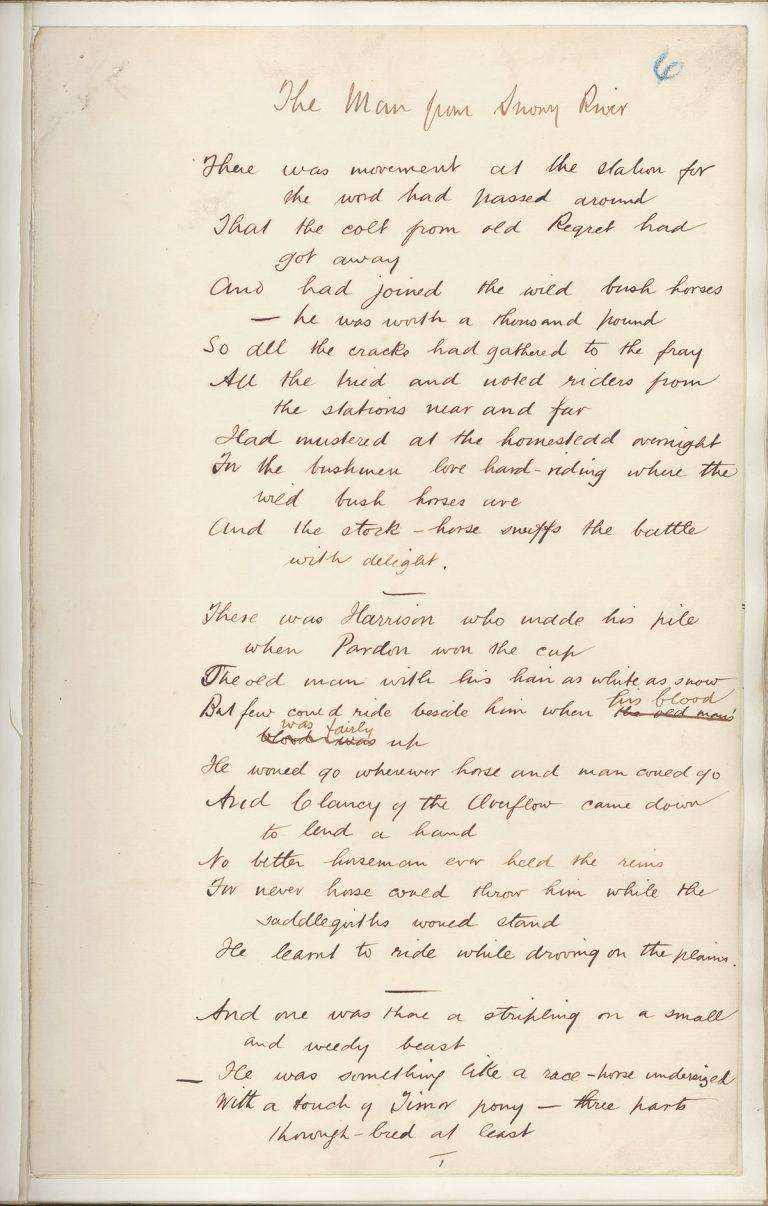
1889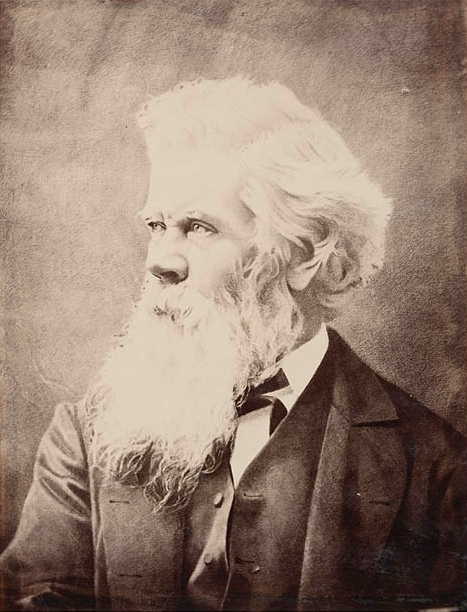
Sir Henry Parkes, a prominent Australian statesman, delivered the Tenterfield Oration to address the growing calls for a federation among the Australian colonies. The oration took place in Tenterfield, New South Wales, where Parkes presented his vision for a united Australian nation. The speech called for a national convention to discuss the creation of a federal government with powers to oversee issues such as defense and trade.
The Tenterfield Oration marked a significant moment in Australia's history as it reignited the debate on federation and ultimately led to the drafting of the Australian Constitution. Parkes' words inspired other leaders to come together and work towards a common goal of nationhood. His speech resonated with many Australians who saw the benefits of a unified nation that could better represent their interests on the world stage.
As a result of the Tenterfield Oration, momentum grew for federation, with a series of conventions being held to draft the constitution. In 1901, Australia finally became a federated nation with the passing of the Constitution Act. Sir Henry Parkes' vision and leadership during the Tenterfield Oration played a crucial role in laying the foundations for modern Australia.
#SirHenryParkes #TenterfieldOration #Federation #AustralianConstitution #Nationhood
View detailsThe completion of the railway network connecting Adelaide, Brisbane, Melbourne, and Sydney marked a pivotal moment in Australian history. The construction of the railway had been a long and arduous process, spanning vast distances and diverse terrains across the continent. The network was a testament to engineering ingenuity and perseverance in the face of challenges.
The railway network had a profound impact on the economic and social development of Australia. It facilitated the transportation of goods and people between major cities, connecting distant regions and fostering trade and communication. The railway also played a crucial role in linking the agricultural and industrial sectors, enabling the growth of industries and the expansion of markets.
The completion of the railway network brought about significant changes in the way people traveled and conducted business. It provided a faster, safer, and more reliable mode of transportation, reducing travel times and costs. The railway network also spurred urbanization and population growth along its routes, leading to the establishment of new towns and settlements.
Overall, the completion of the railway network between Adelaide, Brisbane, Melbourne, and Sydney was a milestone in Australian history, symbolizing progress, unity, and connectivity across the vast continent. It laid the foundation for future infrastructure development and contributed to the ongoing growth and prosperity of the nation.
#RailwayNetwork #AustralianHistory #InfrastructureDevelopment #Connectivity
View details1888
Louisa Lawson, an Australian feminist, established The Dawn, one of Australia's first journals for women. The publication aimed to address societal issues and advocate for women's rights. Lawson, a prominent figure in the women's suffrage movement, used The Dawn as a platform to discuss gender equality and challenge traditional gender roles.
The Dawn tackled topics such as women's education, employment opportunities, and legal rights. It provided a space for women to share their experiences and perspectives, fostering a sense of community and empowerment among its readers. The journal also featured literature, poetry, and artwork created by women, promoting their talents and voices.
The establishment of The Dawn marked a significant milestone in Australian feminist history. It provided a voice for women in a time when their perspectives were often marginalized or ignored. The journal helped spark important conversations about gender equality and paved the way for future advocacy efforts.
Louisa Lawson's initiative in creating The Dawn showcases her commitment to promoting women's rights and challenging the status quo. Her work through the journal contributed to the gradual shift towards greater gender equality in Australia.
#LouisaLawson #TheDawn #AustralianFeminism #EmpowerWomen #GenderEquality
View details1883
In 1883, a significant development took place in Australia when the first direct inter-colonial passenger trains began running between Adelaide and Melbourne. This milestone marked a new era of connectivity between the two major cities, greatly enhancing transportation and trade opportunities between the South Australian and Victorian colonies.
The construction of the railway line spanned several years and involved overcoming various geographical challenges to establish a reliable and efficient transportation route. The completion of this railway not only facilitated easier and faster travel for passengers but also enabled the efficient transportation of goods and commodities between the two colonies. The introduction of direct passenger trains sparked economic growth and cultural exchange, fostering closer ties between the residents of Adelaide and Melbourne.
The advent of the inter-colonial passenger trains had a profound impact on the development of both cities, boosting tourism, trade, and overall connectivity in the region. The increased mobility of people and goods resulted in a significant economic boost for businesses and industries on both ends of the railway line. The convenience and accessibility provided by the direct train service played a crucial role in driving social and economic integration between Adelaide and Melbourne.
The launch of the first direct inter-colonial passenger trains between Adelaide and Melbourne marked a crucial turning point in the history of transportation in Australia. It laid the foundation for a more interconnected and prosperous future, setting a precedent for further advancements in railway infrastructure and connectivity across the continent. This event symbolizes the spirit of progress and collaboration that continues to shape the development of modern Australia.
#InterColonialRailway #TransportationDevelopment #AdelaideMelbourneConnection.
View detailsConnecting two major cities in Australia, the Sydney–Melbourne railway was a monumental achievement in the country's transportation history. Stretching over vast distances, the railway line had a profound impact on the economy and social dynamics of the regions it served.
Before the railway's construction, travel between Sydney and Melbourne was arduous and time-consuming, often taking days by horse-drawn carriage or steamship. The completion of the railway significantly reduced travel time, allowing passengers and goods to move swiftly between the two cities. This shortened travel time facilitated increased trade and commerce, benefiting businesses and industries along the route.
The railway also played a crucial role in unifying the colonies of New South Wales and Victoria by creating a direct and efficient link between their respective capital cities. This improved connectivity fostered a sense of national identity and solidarity among Australians.
The opening of the Sydney–Melbourne railway marked a new era of prosperity and development for both cities and the regions along the route. Towns and settlements along the railway line experienced growth and economic opportunities, as the railway facilitated the movement of people and resources.
Overall, the Sydney–Melbourne railway was a pivotal moment in Australia's history, shaping the way people and goods traveled across the country and contributing to the nation's socio-economic development.
#SydneyMelbourneRailway #TransportationHistory #EconomicDevelopment #AustraliaRailways
View detailsIn 1883, gold was discovered at Southern Cross, Western Australia. This event marked a significant turning point in the history of the region, attracting a surge of fortune seekers and transforming the once quiet settlement into a bustling gold rush town.
The discovery of gold in Southern Cross sparked a frenzy of prospecting activities, leading to the rapid development of mines and the establishment of a vibrant mining community. The influx of miners, speculators, and merchants boosted the local economy and fueled the growth of businesses catering to the needs of the burgeoning population.
As news of the gold discovery spread, people from far and wide flocked to Southern Cross in search of their fortunes, creating a diverse and dynamic population. The town quickly became a hub of activity, with makeshift tents and shanties springing up to accommodate the influx of people.
The discovery of gold at Southern Cross had a profound impact on the region, contributing to the economic prosperity of Western Australia and shaping the development of the state. The wealth generated from the gold rush helped fund infrastructure projects, such as railways and roads, that facilitated further growth and expansion in the area.
Today, the legacy of the gold rush at Southern Cross can still be seen in the historic buildings and landmarks that dot the town, serving as a reminder of the exciting and tumultuous period in Western Australia's history. The event continues to attract history enthusiasts and tourists keen to learn about the rich heritage of the region.
#GoldRush #SouthernCross #WesternAustralia #MiningHistory
View detailsIn 1883, silver was unexpectedly discovered at Broken Hill, a remote town in the Australian Outback. The discovery occurred during a time when the area was primarily known for its arid landscape and limited resources. However, the finding of substantial silver deposits sparked a significant turning point for the region.
The news of the discovery spread rapidly, attracting a wave of fortune seekers and miners to Broken Hill. This led to the establishment of mining operations and the rapid development of the town's infrastructure to support the burgeoning industry. The economic boom brought about by the silver discovery transformed Broken Hill into a thriving hub of activity, with businesses flourishing and a surge in population as people migrated in search of opportunities.
The mining of silver at Broken Hill had a profound impact not only on the local economy but also on the wider Australian economy. The town became a major supplier of silver, contributing significantly to the country's mining industry. The wealth generated from the silver mines played a crucial role in shaping the development of the region and helped to establish Broken Hill as a prosperous mining town.
Over time, the silver boom eventually declined as the deposits were depleted, leading to a gradual shift in focus towards other minerals in the area. Despite this, the legacy of the silver discovery at Broken Hill remains ingrained in the town's history, marking a pivotal moment that forever altered the landscape and fortunes of the region.
#BrokenHill #SilverDiscovery #MiningBoom #OutbackAustralia
View details1882
In 1882, Adelaide became the first city in Australia to introduce a water-borne sewerage service, marking a significant milestone in the country's sanitation history. Prior to this development, the city faced challenges with waste disposal and public health due to inadequate sewage systems.
The implementation of the water-borne sewerage service in Adelaide brought about a drastic improvement in public health and sanitation standards. The system allowed for the efficient removal of waste and sewage, reducing the risk of waterborne diseases and creating a cleaner environment for residents.
With the introduction of this modern sewerage system, Adelaide set a precedent for other Australian cities to follow suit in upgrading their sanitation infrastructure. The success of this initiative highlighted the importance of investing in public health measures and urban planning for the well-being of the community.
Overall, the commencement of the first water-borne sewerage service in Australia in Adelaide in 1882 was a crucial step towards improving public health and sanitation standards in the country, setting a benchmark for future developments in urban infrastructure and environmental management.
#AdelaideHistory #PublicHealth #SanitationImprovements #UrbanInfrastructure
View details1880
In 1880, the notorious Australian bushranger Ned Kelly faced the ultimate punishment for his crimes - hanging. Kelly's life of crime began in his early years as he clashed with the law multiple times. The most infamous incident was the murder of three police officers in 1878, leading to a manhunt that captivated the nation.
Kelly's notoriety grew as he and his gang engaged in a series of bold robberies and violent confrontations with authorities. Their last stand at Glenrowan in Victoria sealed Kelly's fate. After a fierce battle with the police, Kelly was captured and sent to stand trial.
Despite widespread public support, Kelly was found guilty of murder and sentenced to death. On the day of his execution, thousands gathered to witness the hanging, marking the end of a tumultuous chapter in Australia's history. Kelly's defiance and legend would endure long after his death, becoming a symbol of rebellion against authority for many.
The hanging of Ned Kelly had a lasting impact on Australian folklore and popular culture. His story has been retold in numerous books, films, and songs, immortalizing him as a complex figure - a villain to some, a hero to others. The event also sparked debates about justice, class struggle, and the legacy of colonialism in Australia.
#NedKelly #Bushranger #AustralianHistory #LegendaryOutlaw
View detailsIn 1880, Parliamentarians in Victoria, Australia, made history by becoming the first in the country to receive payment for their legislative duties. Before this landmark moment, serving in Parliament was considered an act of civic duty done without any financial compensation.
The decision to start paying Parliamentarians marked a significant shift in the political landscape of Australia, as it allowed individuals from diverse socio-economic backgrounds to actively participate in the legislative process. This move promoted greater inclusivity within the government and enabled individuals who were not financially privileged to serve their communities by becoming lawmakers.
The implementation of payment for Parliamentarians also helped to establish a more professional and dedicated political class in Victoria. With financial support for their work, lawmakers could focus more on addressing the needs of their constituents, crafting effective policies, and engaging in meaningful debates within the legislative assembly.
The move to pay Parliamentarians in Victoria set a precedent that eventually spread to other states in Australia, shaping the way politicians were compensated for their services across the country. This historical event highlighted the evolving nature of Australia's political system, demonstrating a commitment to ensuring fair representation and equal opportunities for all members of society within the government.
Parliamentarians receiving payment in Victoria in 1880 represented a pivotal moment in Australia's political history, paving the way for a more inclusive and professional legislative environment that would continue to develop in the years to come. It marked a significant step towards a more equitable and diverse representation within the government, setting the stage for future advancements in Australia's democratic process. #VictoriaParliament #AustraliaHistory #PoliticalProgress
View details1879
In 1879, the first congress of trade unions in Australia was convened, marking a pivotal moment in the country's labor movement. The event brought together representatives from various trade unions across industries to discuss issues concerning workers' rights, wages, and working conditions.
The background to this congress lay in the growing industrialization of Australia, with workers facing long hours, low pay, and unsafe working environments. Trade unions emerged as a response to these challenges, advocating for collective bargaining and better treatment of workers.
The congress served as a platform for trade unions to unify their efforts and amplify their voices in demanding fairer practices from employers and the government. Agreements were reached on strategies for advocating for workers' rights, including strikes and negotiations.
The impact of the first congress of trade unions was significant, setting the stage for future collaboration and solidarity within the labor movement in Australia. It laid the groundwork for the establishment of trade unions as key players in shaping labor laws and policies, ultimately leading to improved working conditions and fairer treatment of workers across industries.
The event marked a turning point in Australian labor history, emphasizing the power of collective action in driving social change and advocating for the rights of workers. The legacy of the first congress of trade unions continues to resonate in the ongoing fight for workers' rights and fair labor practices in Australia.
#TradeUnions #LaborRights #CollectiveAction #Australia
View details1878
The introduction of the first horse-drawn trams in Australia marked a pivotal moment in the country's transportation history. It all started when the Adelaide City Council sought to improve public transportation within the city. The trams provided a more efficient and comfortable way for people to move around, reducing congestion on the streets. They were a popular mode of transport, especially for the working-class population who relied on them for daily commutes.
The horse-drawn trams had a significant impact on the development of Adelaide, stimulating urban growth and facilitating economic activities. They connected different parts of the city, promoting accessibility and boosting trade. The trams also contributed to the overall modernization of Adelaide, enhancing its reputation as a progressive and forward-thinking city.
The introduction of the horse-drawn trams revolutionized public transportation in Australia, setting a precedent for the development of tram systems in other cities across the country. The success of the trams in Adelaide inspired other urban centers to invest in similar transport infrastructure, ultimately transforming the way people moved within cities.
In conclusion, the commencement of the first horse-drawn trams in Australia was a significant milestone in the history of transportation in the country. It not only improved the quality of life for residents in Adelaide but also set a precedent for the development of public transportation systems in Australia. The legacy of the horse-drawn trams continues to be felt today, shaping the way Australians travel within cities. #Adelaide #PublicTransportation #UrbanDevelopment #TransportationHistory
View details