Japanese Air Raids Begin
Australia
War
Military
4 min read
Updated By: History Editorial Network (HEN)
Published:
Updated:
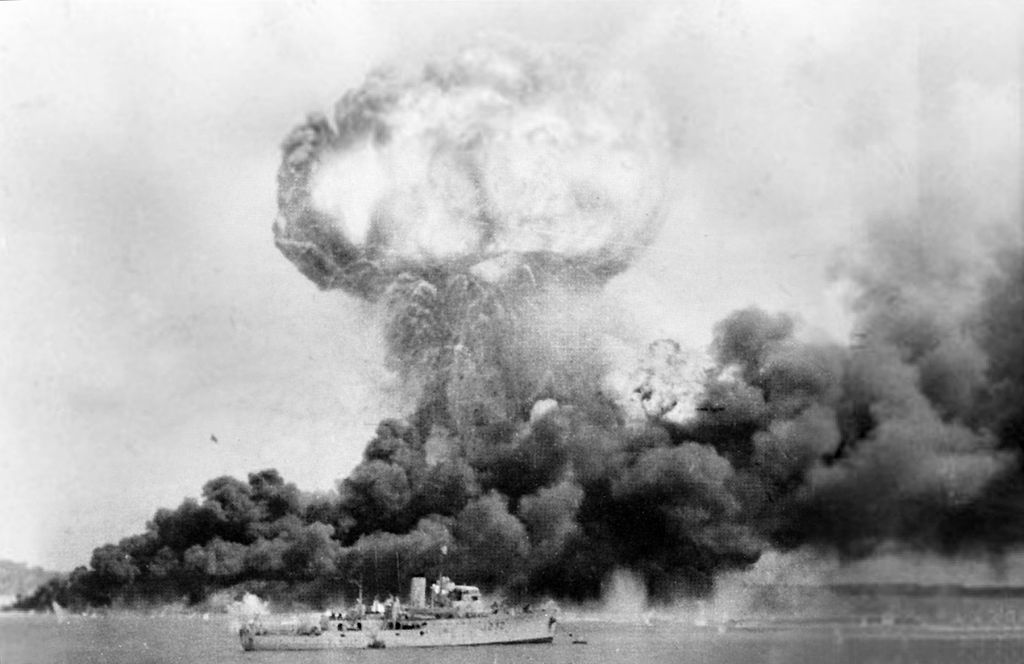
During the early 1940s, Australia faced a series of Japanese air raids, with nearly 100 attacks targeting locations in the Northern Territory, Western Australia, and Queensland. The bombing of Darwin marked the most extensive assault on Australian soil by a foreign power.
The Japanese air raids were a result of their strategic military expansion in the Pacific region during World War II. These attacks aimed to disrupt communication and supply lines vital for the Australian war effort. The bombing of Darwin, the capital of the Northern Territory, was a significant blow as it was a key military base and harbor for allied forces.
The impact of the Japanese air raids was devastating, causing widespread destruction to infrastructure, loss of lives, and instilling fear among the Australian population. The attack on Darwin alone resulted in heavy casualties and damage to ships, aircraft, and buildings. The raids also highlighted the vulnerability of northern Australia to enemy attacks and the need for improved defense measures.
In response to the escalating threat, Australia bolstered its military presence and implemented stricter security measures to defend against future air raids. The attacks spurred a sense of unity and resilience among Australians, fostering a determination to protect their country from further harm.
The Japanese air raids, including the bombing of Darwin, left a lasting impact on Australia's wartime history, serving as a stark reminder of the realities of war and the need for national security. The events of that time are commemorated to honor the lives lost and the bravery of those who defended the country against foreign aggression.
#JapaneseAirRaids #WorldWarII #BombingofDarwin #AustraliaUnderAttack #MilitaryHistory
Primary Reference
Japanese air raids on Australia

Explore the Life Moments of
 AI Twin