Extinction of the Tasmaniam Tiger
Australia
Environment
Conservation efforts
4 min read
Updated By: History Editorial Network (HEN)
Published:
Updated:
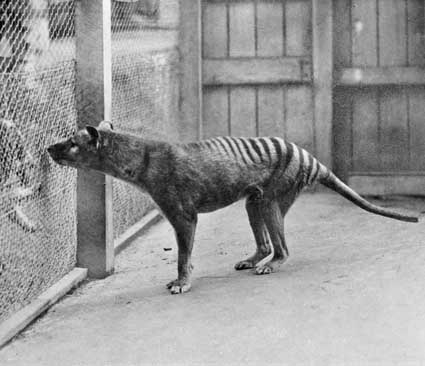
In 1936, the last known thylacine, also known as the Tasmanian tiger, died in captivity at the Beaumaris Zoo in Hobart, Tasmania. The thylacine was a carnivorous marsupial native to Tasmania, known for its unique appearance with tiger-like stripes on its back. Due to hunting, habitat destruction, and disease spread by introduced species, the thylacine population dwindled rapidly, leading to its eventual extinction.
The death of the last thylacine was a sobering reminder of the impact of human activities on species extinction. Despite conservation efforts made too late, the species could not be saved. The thylacine's demise marked the end of a unique and iconic animal in Australian history, leaving a void in the country's biodiversity. Captured footage of the thylacine pacing nervously in its enclosure at the zoo serves as a haunting reminder of the species' tragic fate.
The loss of the thylacine sparked renewed interest in conservation efforts and highlighted the importance of preserving endangered species before it is too late. The event served as a cautionary tale about the consequences of unchecked hunting and habitat destruction. Efforts to protect Australia's flora and fauna were bolstered by the memory of the thylacine, with stricter conservation measures being put in place to prevent similar extinctions.
Today, the memory of the thylacine lives on in various forms, from conservation initiatives to artistic representations. The story of the last thylacine serves as a poignant reminder of the fragility of Australia's unique wildlife and the urgent need for conservation action to prevent future extinctions. Its legacy endures as a symbol of the importance of preserving biodiversity and protecting endangered species for future generations.
#ThylacineExtinction #ConservationEfforts #BiodiversityLoss #EndangeredSpecies #AustralianWildlife

Explore the Life Moments of
 AI Twin