Australia

The Land Down Under
Related Lives

Libya
Oasis of the Sahara

Ethiopia
Federal Democratic Republic of Ethiopia

Bosnia and Herzegovina
The Land of Golden Lilies

Haiti
The Resilient Spirit of Haiti

Vietnam
Land of the ascending dragon.

United Kingdom
Great Britain

Austria
The Land of Music and Mountains

Angola
Land of contrasts, from bustling cities to breathtaking landscapes.

1922
In 1922, Billy Hughes was reelected as Prime Minister of Australia. Born in London, Hughes migrated to Australia in 1884, where he became involved in politics and rose through the ranks. He first became Prime Minister in 1915, during World War I, and played a significant role in the forming of the Australian nation.
During his tenure as Prime Minister, Hughes faced numerous challenges, including leading the country through the end of the war and navigating post-war reconstruction efforts. His policies aimed at strengthening Australia's economy and promoting national security. Despite facing criticism and controversies, Hughes maintained his position and garnered support for his leadership.
His reelection in 1922 reflected the continued confidence that many Australians had in his ability to lead the country. The political landscape at the time was complex, with various social and economic issues at play. Hughes' victory was seen as a validation of his policies and a reflection of his popularity among the electorate.
Throughout his political career, Hughes was known for his strong personality and determination. His leadership style was characterized by decisiveness and a focus on advancing Australia's interests on the global stage. His tenure as Prime Minister left a lasting impact on the country's political landscape and policies.
The reelection of Billy Hughes as Prime Minister in 1922 marked a significant moment in Australian politics. It underscored the importance of strong and consistent leadership during challenging times and highlighted the support he had garnered from the Australian public. Hughes' legacy continues to be remembered in Australian political history.
#BillyHughes #PrimeMinister #Australia #Reelection #Leadership
View detailsHenry Lawson, a prominent Australian writer, passed away at the age of 55. Lawson was known for his significant contributions to Australian literature, particularly his poetry and short stories that captured the essence of the Australian outback and its people.
Born in 1867 in New South Wales, Lawson grew up in poverty, which heavily influenced his work. His writing often reflected themes of hardship, resilience, and the beauty of the Australian bush. Lawson's work resonated with many Australians, as he captured the unique spirit of the country and its people during his time.
Despite struggling with alcoholism and personal challenges throughout his life, Lawson continued to produce works that immortalized him as one of Australia's most celebrated writers. His legacy lives on through his timeless writings, which continue to be studied and admired by literary enthusiasts around the world.
Lawson's death at the age of 55 marked the end of an era in Australian literature. His unique voice and perspective had left a lasting impact on the literary scene, inspiring future generations of writers to explore the rugged beauty and untamed spirit of the Australian landscape.
The passing of Henry Lawson was mourned by many who admired his work and valued his contributions to Australian culture. His influence on the literary world remains profound, cementing his status as a legendary figure in Australian literature.
#HenryLawson #AustralianLiterature #Legacy #Writer #LiteraryIcon
View details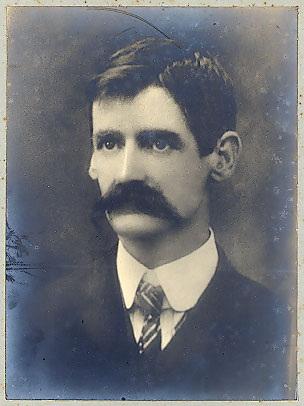
1921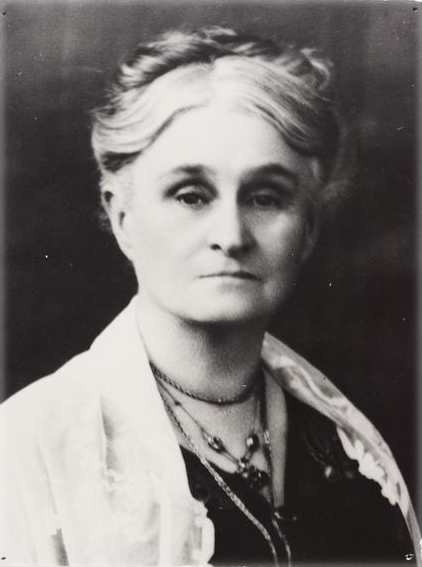
Edith Cowan made history by becoming the first woman elected to an Australian parliament in 1921. Her journey to this milestone was marked by perseverance and dedication to championing social causes, particularly those concerning women and children.
Born in Western Australia, Cowan was an advocate for women's rights and social reform. She co-founded the Karrakatta Club, a women's group focused on improving women's education and welfare. Her passion for justice and equality led her to become involved in various charitable organizations and ultimately to enter the political arena.
Cowan's election to the Western Australian Legislative Assembly was a groundbreaking moment in Australian politics. Her presence in parliament paved the way for more women to participate in the political process and bring diverse perspectives to governance.
During her time in office, Cowan worked to introduce reforms that benefited women, children, and other marginalized groups. She was instrumental in the passage of legislation that improved the rights and protections of women and children, including measures to address domestic violence and support single mothers.
Cowan's legacy extends beyond her tenure in parliament. Her groundbreaking achievement inspired future generations of women to pursue careers in politics and public service. She remains a symbol of courage and tenacity, exemplifying the power of individuals to create positive change in society.
The election of Edith Cowan as the first woman in an Australian parliament marked a new chapter in the country's political landscape, setting a precedent for gender equality and inclusive representation. Her impact continues to resonate, reminding us of the importance of diversity and equality in democratic governance. #EdithCowan #WomenInPolitics #GenderEquality
View details1920
In 1920, the airline Qantas was founded in Australia. The Queensland and Northern Territory Aerial Services Limited, known as Qantas, began its journey as a small airline, operating fragile biplanes in the vast Australian outback. The founders, Hudson Fysh and Paul McGinness, envisioned connecting remote areas and facilitating air travel across the continent.
Qantas played a pivotal role in pioneering air travel in Australia, overcoming harsh conditions and vast distances. The airline's commitment to safety and reliability earned it a strong reputation, allowing Qantas to expand its operations domestically and internationally over the years. Its iconic kangaroo logo became synonymous with air travel in Australia.
The founding of Qantas revolutionized transportation in Australia, making air travel more accessible and efficient. The airline's services not only connected cities but also opened up remote regions, fostering economic development and tourism. Qantas became a symbol of Australian innovation and resilience, reflecting the country's pioneering spirit.
Today, Qantas is one of the world's leading airlines, known for its high safety standards, operational excellence, and exceptional customer service. The airline continues to expand its fleet, routes, and partnerships, shaping the future of aviation globally.
#Qantas #Australia #Airline #Innovation #Aviation #PioneeringSpirit
View details1919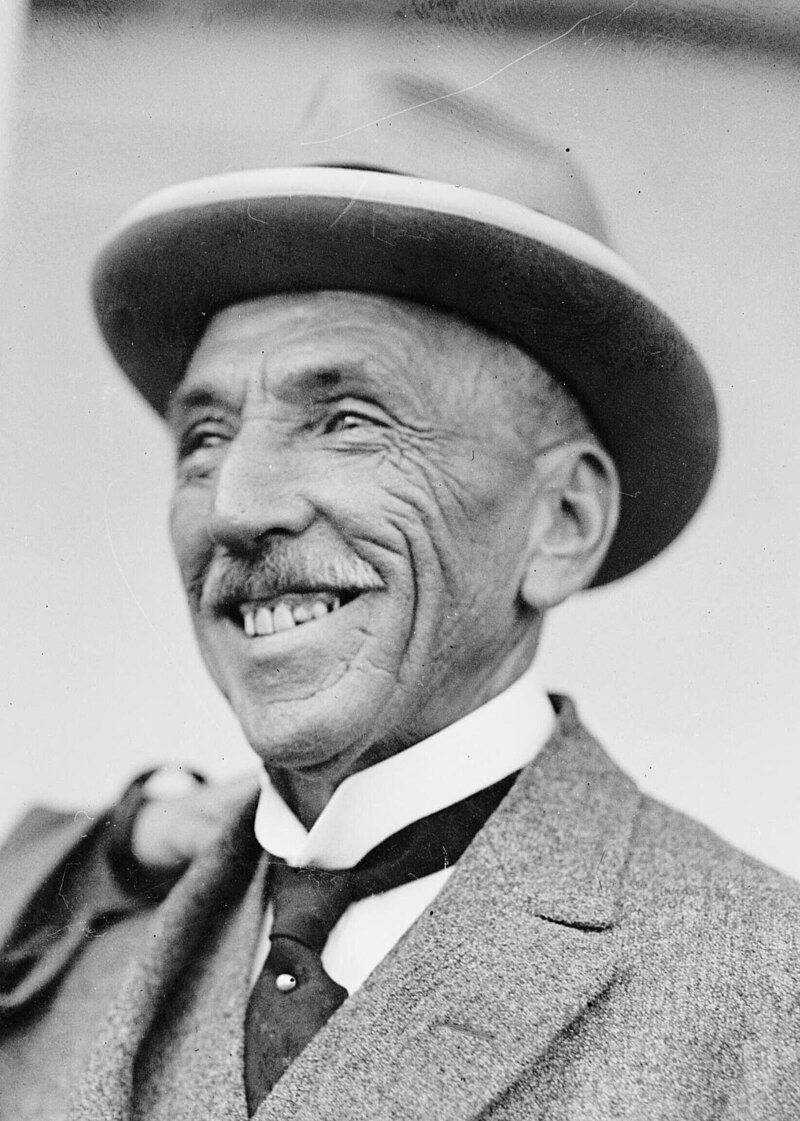
In the 1919 federal election, Billy Hughes was successfully reelected as the Prime Minister of Australia. This re-election marked a significant moment in Australian political history.
Billy Hughes, a prominent figure in Australian politics, had previously led the country during World War I. He was known for his strong stance on issues such as conscription, women's suffrage, and international relations. Hughes' leadership during the war had earned him both praise and criticism, but his experience and determination were valued by many Australians during a time of global uncertainty.
During the election campaign, Hughes focused on issues such as post-war reconstruction, economic recovery, and the role of Australia on the world stage. His campaign resonated with voters, and he was able to secure a majority in the parliament. This re-election was a testament to Hughes' leadership abilities and his enduring popularity among the Australian public.
As Prime Minister, Hughes faced numerous challenges, including economic instability, social unrest, and the ongoing process of rebuilding a post-war nation. However, his reelection provided continuity and stability in government, allowing him to continue his work in addressing these challenges and shaping Australia's future.
Overall, Billy Hughes' re-election as Prime Minister in 1919 was a pivotal moment in Australian politics. His leadership and vision for the country resonated with voters, securing him another term in office and providing a sense of stability and continuity during a time of great change.
#BillyHughes #PrimeMinister #AustralianPolitics
View detailsDuring the signing of the Treaty of Versailles, Prime Minister Billy Hughes made history by signing Australia's first international treaty. This monumental event granted Australia a League of Nations mandate over German New Guinea, marking a significant shift in the country's role on the global stage.
The background of this event dates back to World War I when Australia, as part of the British Empire, played a significant role in the conflict. Prime Minister Hughes was a staunch advocate for Australia's interests during the peace negotiations that followed the war. With the signing of the Treaty of Versailles, Australia not only secured a mandate over German New Guinea but also gained recognition as a key player in international diplomacy.
The impact of this event was far-reaching for Australia. Acquiring the mandate over German New Guinea allowed the country to assert its influence in the Pacific region, leading to significant developments in governance, infrastructure, and security. This marked the beginning of Australia's engagement in global affairs, setting the stage for its future participation in international organizations.
The signing of the Treaty of Versailles by Prime Minister Billy Hughes was a historic moment that shaped Australia's identity as a nation with a voice in international affairs. It highlighted the country's growing importance on the world stage and solidified its position as a key player in the Asia-Pacific region.
#PrimeMinisterBillyHughes #TreatyofVersailles #LeagueofNations #GermanNewGuinea #Australia #InternationalDiplomacy #GlobalAffairs #HistoryEventManager
View details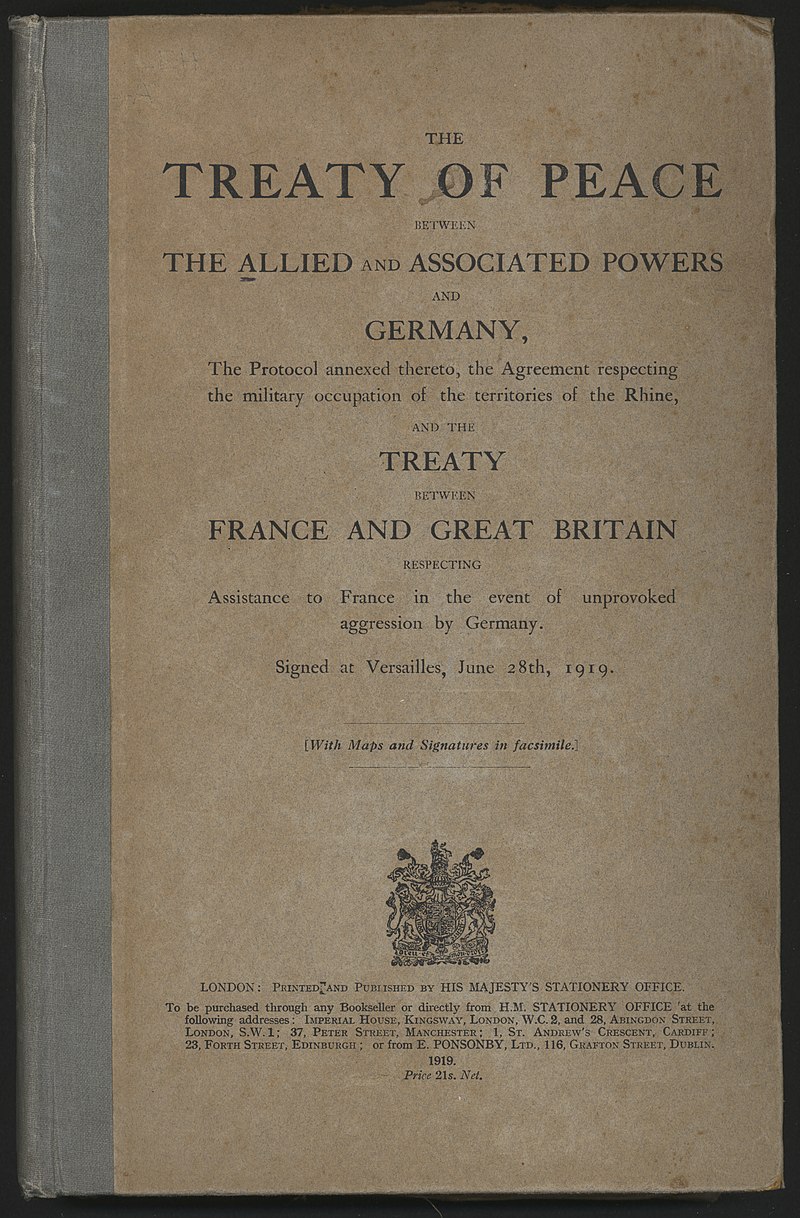
1918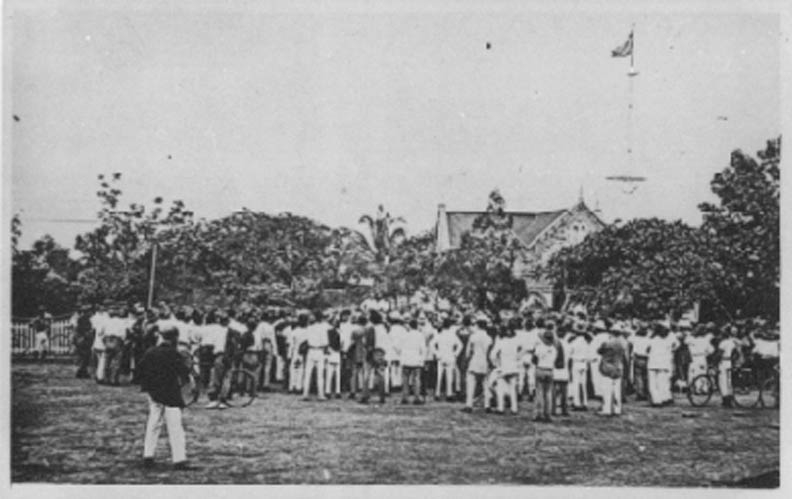
In response to the dissatisfaction with the administration of the Northern Territory under John A. Gilruth, 1,000 demonstrators gathered in Darwin to demand his resignation. This event, known as the Darwin Rebellion, highlighted the growing frustration of the local population with the policies and leadership of the Administrator.
John A. Gilruth, a former director of the Department of Agriculture in Melbourne, was appointed as the Administrator of the Northern Territory in 1912. His policies, which were seen as favoring the interests of the wealthy and disregarding the welfare of the local community, sparked discontent among the residents. The demonstrators, consisting of a diverse group including workers, business owners, and public servants, united in their demand for Gilruth's resignation.
The rebellion was a significant moment in the history of the Northern Territory, marking a turning point in the relationship between the government and the residents. The protests were met with resistance from authorities, leading to arrests and violent clashes. Despite the challenges, the demonstrators persisted in their demands, eventually leading to Gilruth's resignation in the aftermath of the rebellion.
The Darwin Rebellion highlighted the power of grassroots movements in influencing political change and holding leaders accountable for their actions. The event served as a reminder of the importance of listening to the voices of the community and addressing their concerns to maintain social stability and harmony.
#DarwinRebellion #NorthernTerritory #PoliticalChange #CommunityVoice
View detailsThe First World War came to an end after years of brutal conflict, leaving nearly 60,000 Australians dead. The war had a profound impact on the nation, reshaping its identity and leaving a lasting legacy on the generations to come.
Australia's involvement in the war began when Britain declared war on Germany in 1914. Thousands of young Australians answered the call to arms, eager to defend the British Empire. They fought in major battles like Gallipoli, the Western Front, and the Middle East, enduring unimaginable hardships and losses.
The toll of the war on Australia was devastating, with nearly 10% of the country's male population of fighting age killed in action. The war also brought about significant social and cultural changes, as women took on new roles in the workforce and society grappled with the trauma of war.
The end of the war brought a mix of relief, grief, and reflection to Australia. Families mourned the loss of loved ones, communities grappled with the impact of so many lives cut short, and the nation as a whole faced the challenge of rebuilding in the aftermath of the conflict.
To this day, the memory of those who served and sacrificed during the First World War is honored and commemorated in Australia. Their courage and resilience continue to inspire new generations to reflect on the true cost of war and strive for a more peaceful world.
#FirstWorldWar #Australia #Remembrance #Legacy
View details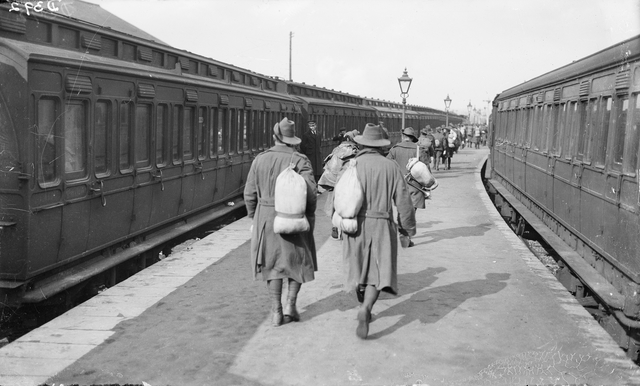
In 1918, the Battle of Amiens marked a significant turning point in World War I, with Australian troops playing a crucial role in the offensive against the German Hindenburg Line. This battle is often referred to as the "black day of the German Army" due to the severe blow it dealt to German forces. On August 12, 1918, in recognition of his exceptional leadership, Australian commander General Sir John Monash was knighted on the battlefield by King George V.
The Battle of Amiens: Context and Significance
The Battle of Amiens began on August 8, 1918, and was a key part of the Allied Hundred Days Offensive, which ultimately led to the end of World War I. This offensive was designed to break through the formidable German Hindenburg Line, a series of entrenched defensive positions that had proven resistant to previous attacks.
The battle involved a coordinated assault by British, Canadian, Australian, and French forces. The operation was meticulously planned and executed, with a focus on speed, surprise, and the use of combined arms tactics, including infantry, artillery, tanks, and aircraft.
Australian Troops' Role
Australian troops, part of the Australian Corps under the command of General Sir John Monash, spearheaded the attack. Monash's innovative strategies and emphasis on detailed planning and coordination played a pivotal role in the success of the offensive. His approach integrated the use of tanks, aircraft, artillery, and infantry in a synchronized manner, which was revolutionary at the time.
On the morning of August 8, the Allies launched a surprise attack that caught the German forces off guard. The Australian troops advanced rapidly, breaking through the German lines and capturing key positions. The effectiveness of the attack resulted in significant German casualties and the capture of thousands of prisoners.
"The Black Day of the German Army"
The German High Command referred to August 8, 1918, as the "black day of the German Army" due to the devastating impact of the Allied offensive. The surprise and scale of the attack shattered German morale and significantly weakened their defensive capabilities. The success of the Battle of Amiens demonstrated the effectiveness of the new tactics and marked a shift in the momentum of the war, favoring the Allies.
Knighthood of General Sir John Monash
In recognition of his exceptional leadership and the pivotal role played by the Australian Corps, General Sir John Monash was knighted in the field by King George V on August 12, 1918. This rare and prestigious honor highlighted Monash's significant contributions to the Allied war effort and his innovative approach to military strategy.
Monash's knighthood was a moment of immense pride for Australia, showcasing the vital role of Australian forces in the war. It also underscored Monash's reputation as one of the most capable and forward-thinking military leaders of the time.
Legacy of the Battle of Amiens
The Battle of Amiens set the stage for the continued success of the Hundred Days Offensive, which ultimately led to the armistice and the end of World War I in November 1918. The battle demonstrated the effectiveness of modern combined arms tactics and highlighted the importance of planning, coordination, and surprise in military operations.
For Australia, the battle reinforced the bravery and effectiveness of its troops on the world stage. The contributions of the Australian Corps under Monash's leadership were a source of national pride and have been commemorated in Australian military history.
#MomentsOfLife #MoofLife_Moment #MoofLife #BattleOfAmiens #AustralianMilitaryHistory #WorldWarI #JohnMonash #HindenburgLine #HundredDaysOffensive
View details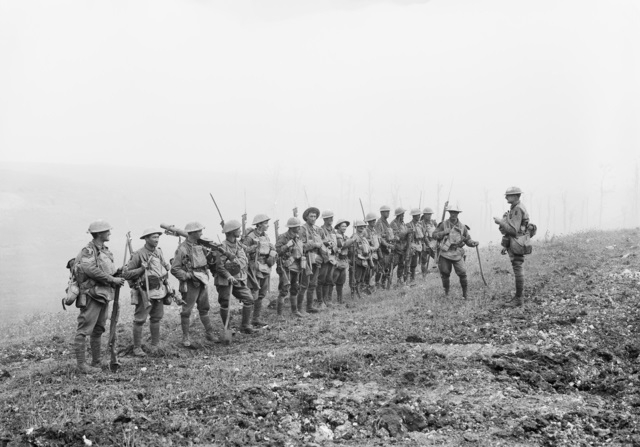
1917
In 1917, Australia faced a pivotal decision regarding conscription. The proposal for a second referendum on conscription was put forward, but ultimately, it was rejected by the public. This decision reflected the nation's stance on compulsory military service during World War I. The debate surrounding conscription had deeply divided the Australian community, with passionate arguments on both sides. The rejection of the referendum highlighted the prevailing sentiment against forcing citizens into military duty.
Simultaneously, a significant achievement was celebrated as the transcontinental railway linking Adelaide to Perth was completed. This monumental infrastructure project had been in the works for years, aiming to connect the eastern and western states of Australia. The completion of the railway not only facilitated easier transportation of goods and people across the continent but also symbolized the country's progress and unity.
The rejection of the second conscription referendum and the completion of the transcontinental railway had lasting impacts on Australia. The decision against conscription reaffirmed the value placed on individual freedoms and choices, while the railway's completion enhanced national connectivity and economic development. These events of 1917 shaped Australia's history and set the stage for future societal and infrastructural advancements.
#Australia #Conscription #Railway #Unity #Progress
View detailsDuring the Battle of Beersheba, part of World War I, the Australian 4th Light Horse Brigade carried out the last successful cavalry charge in modern warfare. It was a crucial turning point in the Sinai and Palestine Campaign, with the goal of taking Beersheba from the Ottoman Turks. The Australian forces faced formidable obstacles, including heavily fortified defenses and a limited water supply.
In a bold move, the Australian Light Horsemen charged across open ground towards the Turkish trenches, braving heavy enemy fire. Despite the odds stacked against them, the Australians managed to break through the Ottoman defenses and capture the strategically important town of Beersheba. This victory not only secured a vital water source for the Allied forces but also paved the way for further advances into Palestine.
The Battle of Beersheba showcased the daring and tenacity of the Australian troops, who demonstrated exceptional horsemanship and bravery in the face of grave danger. The successful cavalry charge proved that traditional warfare tactics still held relevance in modern conflicts, challenging the prevailing belief that cavalry was obsolete in the age of mechanized warfare.
The capture of Beersheba was a significant achievement for the Allied forces and a major setback for the Ottoman Turks. It ultimately played a decisive role in the outcome of the Sinai and Palestine Campaign, leading to the eventual defeat of the Ottoman Empire in the region.
The Battle of Beersheba remains a proud moment in Australian military history, commemorated for the courage and determination shown by the 4th Light Horse Brigade. The legacy of this historic event continues to resonate, serving as a reminder of the enduring spirit and sacrifice of the Australian soldiers who fought in World War I. #AustralianMilitaryHistory #CavalryCharge #BattleOfBeersheba
View details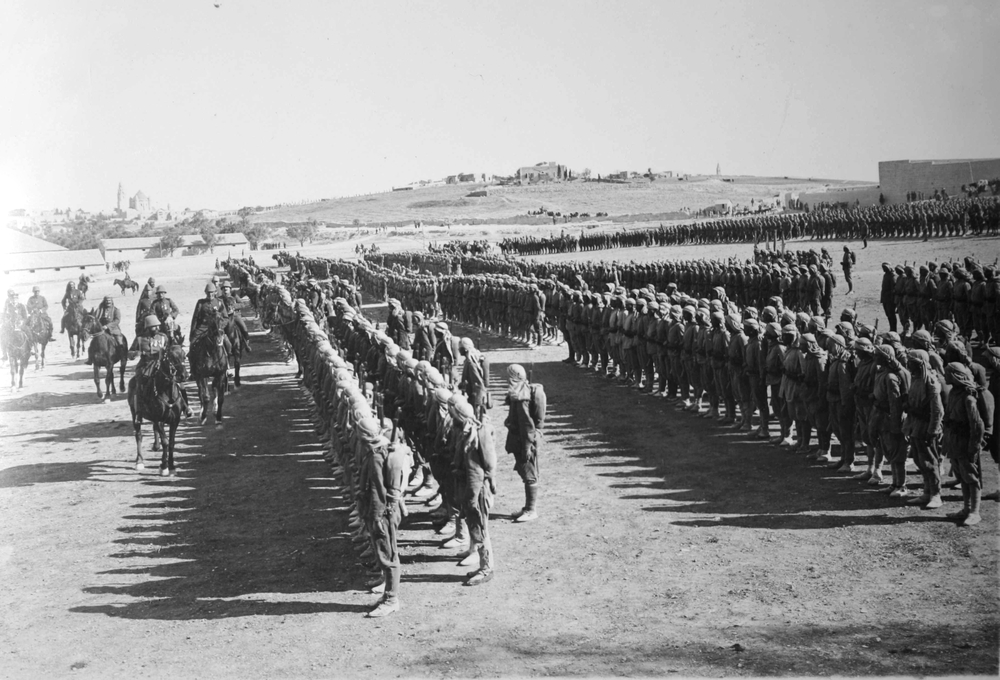
In 1917, Billy Hughes was reelected as Prime Minister of Australia. During this time, Australia was deeply involved in World War I, and Hughes was known for his strong support of the war effort. His leadership was seen as crucial in navigating the challenges and demands of the ongoing conflict.
Hughes' reelection was a significant event as it reaffirmed his position as a wartime leader. His policies and decisions during this period would continue to have a lasting impact on Australia's involvement in the war and its aftermath. Additionally, Hughes' leadership style and political acumen were put to the test as he dealt with the complexities of leading the country during such a tumultuous time.
The reelection of Hughes as Prime Minister marked a continuity in Australia's wartime leadership and policies. It provided a sense of stability and continuity in the midst of a global crisis. Moreover, it reflected the support and confidence that the Australian people had in Hughes' leadership abilities during this critical juncture in their history.
Overall, Billy Hughes' reelection as Prime Minister in 1917 was a significant event that underscored the importance of strong leadership during times of crisis and conflict. His continued tenure in office would shape Australia's trajectory in the latter years of World War I and beyond, leaving a lasting legacy in the country's political history.
#BillyHughes #PrimeMinister #Australia #Reelection #WartimeLeadership #WorldWarI
View details1916
Amidst the backdrop of World War I, the Labor government in Australia, led by Prime Minister Billy Hughes, faced a critical juncture when they proposed introducing conscription. The idea divided the nation, with supporters arguing it was necessary to bolster the Army's diminishing numbers for the war effort, while opponents feared it would lead to unfair treatment of working-class individuals.
As the debate intensified, the Labor Party itself split over the issue, with Hughes and his supporters advocating for conscription, while the anti-conscription faction, led by prominent figures such as Andrew Fisher, vehemently opposed it. The rift culminated in the first referendum on conscription, where Australians were given the opportunity to vote on the proposal.
When the results were tallied, the majority of Australians rejected conscription, dealing a significant blow to Hughes and his government. The outcome underscored the deep divisions within the country and highlighted the complex feelings towards the war, patriotism, and personal freedoms. The rejection of conscription also had immediate implications for the war effort, as Australia had to rely on voluntary enlistment to fill the ranks of the military.
The aftermath of the split within the Labor government was profound, leading to Hughes being expelled from the party and eventually forming a new coalition known as the Nationalist Party. This event not only changed the political landscape in Australia but also reshaped public discourse around the war and the role of the government in times of conflict.
The rejection of conscription in Australia's first referendum was a pivotal moment in the country's history, revealing the complexities of wartime decision-making and the enduring impact of divergent beliefs. It remains a poignant reminder of the sacrifices and struggles faced by the nation during a tumultuous period. #ConscriptionDebate #LaborGovernmentSplit #FirstReferendum
View detailsAmidst the aftermath of war, the Returned Sailors’ and Soldiers’ Imperial League of Australia was established to advocate for the welfare of returning servicemen. Led by Sir Gilbert Dyett and Major-General Sir Newton Moore, the organization aimed to support veterans in their reintegration into society. This league was the first step towards the formation of the influential Returned and Services League of Australia.
The founding of the Returned Sailors’ and Soldiers’ Imperial League of Australia had a profound impact on the nation, providing a platform for veterans to voice their needs and concerns. It facilitated the comradeship among ex-servicemen and created a supportive community to address the challenges faced by those coming back from war. This marked the beginning of a national movement that would lead to the establishment of various support services for veterans across Australia.
With its formation, the league paved the way for the recognition and appreciation of the sacrifices made by servicemen during times of conflict. It became a symbol of solidarity and unity, embodying the spirit of service and camaraderie amongst those who have served their country. The legacy of this organization continues to resonate today through the ongoing work of the Returned and Services League of Australia in supporting veterans and commemorating their service to the nation.
#VeteransSupport #Comradeship #NationalRecognition #ReturnedSoldiers #RSLAustralia
View detailsDuring the Western Front, Battle of the Somme, Australian troops faced severe casualties while engaging in intense fighting. The campaign aimed to relieve pressure on the French forces at Verdun and ultimately break through German defenses. The Australian Imperial Force (AIF) played a vital role in the battle, with soldiers from across the country joining the effort.
The Australian divisions were stationed in the northern sector of the Somme offensive, tasked with capturing the German-held positions. The battle began with a massive artillery bombardment, signaling the start of the offensive. When the infantry advanced, they faced heavy machine-gun fire, artillery barrages, and barbed wire obstacles. Despite the challenging conditions, Australian troops made significant progress in capturing key objectives.
However, the gains came at a high cost. Australian casualties were substantial, with many soldiers losing their lives or sustaining serious injuries. The intense fighting, harsh terrain, and enemy resistance contributed to the heavy losses suffered by the AIF during the battle. The Australian troops displayed remarkable courage and determination in the face of adversity, earning recognition for their bravery and sacrifice.
The Battle of the Somme had a lasting impact on Australia, with communities mourning the loss of loved ones and commemorating the soldiers' bravery. The battle highlighted the significant contribution of Australian troops to the Allied war effort and reinforced the nation's identity on the world stage. The sacrifices made by the Australian soldiers during the Battle of the Somme are remembered as a testament to their courage and commitment to serving their country.
#BattleOfTheSomme #AustralianImperialForce #WWI #LestWeForget #CourageAndSacrifice
View details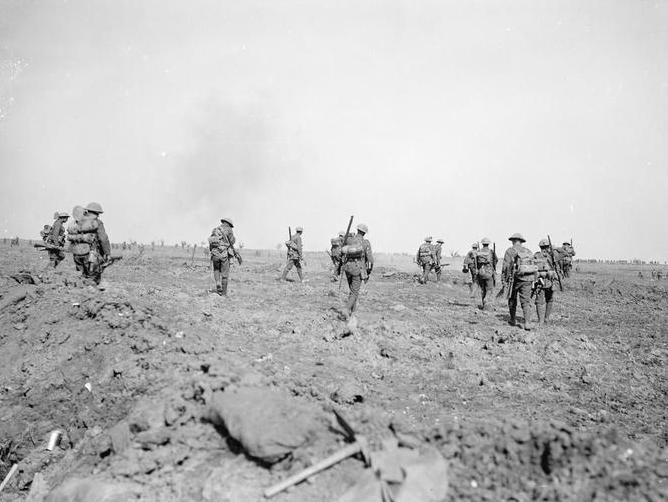
In 1916, a significant social change occurred in Australia when hotels were mandated to close at 6 p.m., giving rise to what became known as the "six o'clock swill." This regulation had far-reaching impacts on Australian drinking culture, nightlife, and social practices, lasting for several decades.
The introduction of early closing hours for hotels in 1916 was influenced by the broader social and political context of World War I. During the war, there was heightened concern over the moral and physical health of the population, especially the soldiers and workers who were crucial to the war effort. The temperance movement, which advocated for reduced alcohol consumption and had been gaining momentum for years, saw the war as an opportunity to push for stricter alcohol regulations.
In July 1916, the New South Wales government enacted legislation that required hotels to close at 6 p.m. This move was quickly followed by similar laws in other Australian states. The main objectives of the early closing legislation were to curb alcohol consumption, improve public morality, and increase productivity by reducing absenteeism and health issues related to excessive drinking.
The term "six o'clock swill" describes the frantic rush that occurred in the hour leading up to the 6 p.m. closing time. Workers, particularly those in industrial jobs who finished work around 5 p.m., would flock to pubs and hotels to drink as much as possible before the mandatory closing time. This period was characterized by rapid and excessive drinking, with patrons often consuming large quantities of beer in a short amount of time.
Bartenders would prepare by lining up glasses of beer along the bar, ready for the onslaught of customers. The environment was chaotic and crowded, with little emphasis on socializing or enjoying the drinks. The primary focus was on consuming as much alcohol as possible before the deadline.
The regulation fostered a culture of rapid, binge drinking rather than leisurely, social consumption of alcohol. This had negative implications for public health and contributed to a somewhat unhealthy drinking culture.
Establishments had to adapt to the new regulations, often by expanding their bar areas to accommodate the rush. Some pubs even implemented practices such as installing troughs for spilled beer, highlighting the chaotic nature of the swill.
The early closing times disrupted traditional social activities. People had less time to socialize in pubs, which had been important community hubs. This pushed socializing to other venues or private homes, changing the landscape of social interaction.
Interestingly, the six o'clock swill was a largely male-dominated phenomenon. Women, who were less likely to frequent pubs at that time, saw relatively little change in their social habits. However, the regulation did indirectly lead to more inclusive drinking environments in later years as pubs sought to attract a broader clientele.
The six o'clock swill persisted for many years, becoming a deeply ingrained part of Australian culture. However, over time, there was growing recognition of its negative effects. In the 1950s and 1960s, public opinion began to shift, and there were increasing calls for reform. The staggered lifting of the early closing laws began in Tasmania in 1937, with other states following suit over the next few decades.
By the late 1960s and early 1970s, most Australian states had extended pub closing times, effectively ending the era of the six o'clock swill. The change was welcomed by many as it allowed for a more relaxed and responsible approach to drinking, aligned with broader social changes and the evolving cultural landscape.
#MomentsOfLife #MoofLife_Moment #MoofLife #SixOClockSwill #AustralianHistory #DrinkingCulture #TemperanceMovement #PublicHealth #SocialChange
View details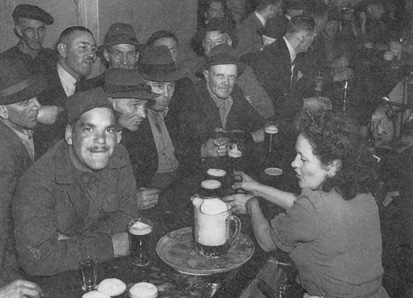
1915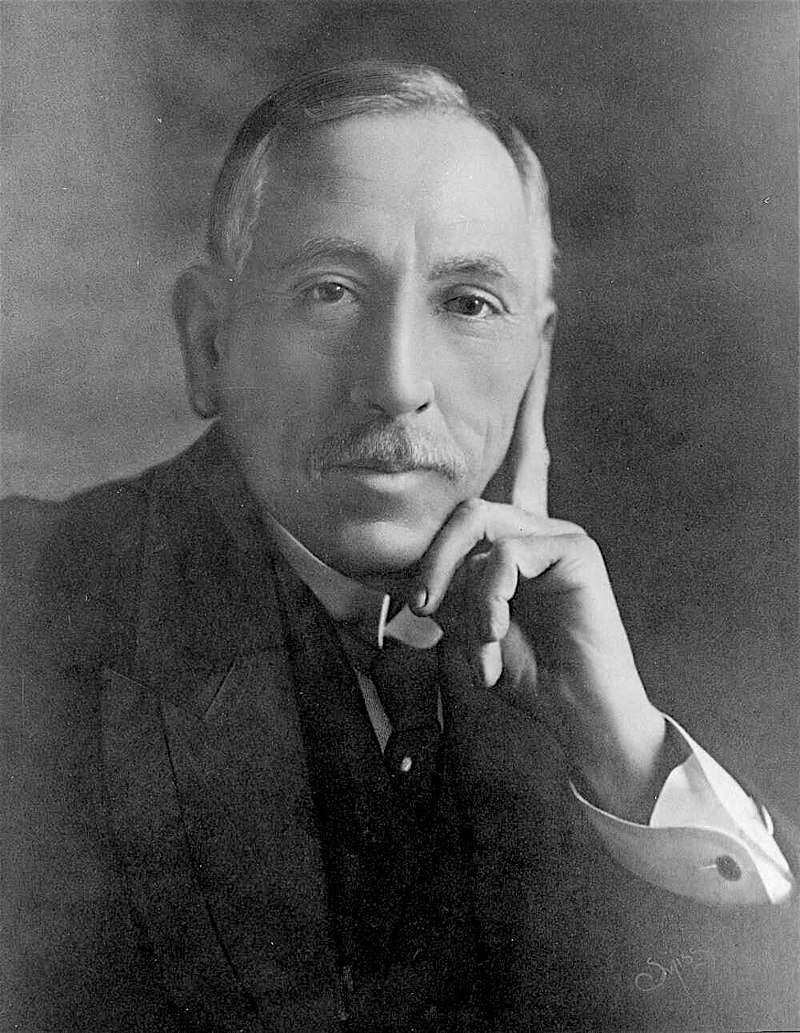
In 1915, Billy Hughes assumed office as the 7th Prime Minister of Australia. Hughes, a prominent figure in Australian politics, led the country during a crucial period of World War I. His leadership was marked by his unwavering support for the war effort and his commitment to strengthening Australia's ties with the Allied powers.
Prior to becoming Prime Minister, Hughes had served as Attorney-General and Minister for External Affairs in the previous government. His reputation as a skilled orator and a strong advocate for Australia's interests on the international stage helped him secure the leadership of the country during a time of great uncertainty and turmoil.
Under Hughes' leadership, Australia continued to provide significant support to the Allied forces, sending troops and resources to the front lines in Europe. His government also implemented various measures to boost the Australian economy and ensure the country's continued participation in the war effort.
Hughes' tenure as Prime Minister was not without controversy, particularly in relation to issues such as conscription and industrial relations. Despite facing opposition and internal divisions within his own party, Hughes remained steadfast in his commitment to leading Australia through the challenges of the war.
Overall, Hughes' term as Prime Minister was a defining moment in Australian history, highlighting the country's role in the global conflict and the resilience of its people in the face of adversity. His legacy as a wartime leader and his contributions to Australia's development as a nation continue to be remembered and commemorated to this day.
#BillyHughes #PrimeMinister #Australia #WorldWarI #Leadership
View detailsThe Jervis Bay Territory, covering 6,677 hectares, was surrendered to become part of the Australia Capital Territory. The decision aimed to address the complexity of governing the area efficiently. This transfer allowed for a more streamlined administration and better utilization of resources within the territories. It also facilitated a clearer delineation of responsibilities and improved coordination in governance.
The integration of the Jervis Bay Territory into the Australia Capital Territory had significant implications for governance and infrastructure development. It enabled the extension of essential services, such as healthcare and education, to the residents of Jervis Bay. The move also allowed for a more cohesive approach to law enforcement and judicial matters in the region, enhancing the overall efficiency and effectiveness of governance in both territories.
Furthermore, the surrender and integration of the Jervis Bay Territory into the Australia Capital Territory symbolized a unified approach to territorial governance within Australia. It underscored the country's commitment to enhancing administrative efficiency and delivering effective public services to all its residents, regardless of their geographical location.
In conclusion, the surrender of the Jervis Bay Territory to become part of the Australia Capital Territory marked a significant step towards improving governance, infrastructure development, and service delivery in the region. The decision reflected a strategic move to streamline administration, enhance coordination, and foster unity within the Australian territories.
#JervisBayTerritory #AustralianCapitalTerritory #TerritorialGovernance
View detailsAustralian soldiers landed at ANZAC Cove on the Gallipoli Peninsula in Turkey as part of a larger Allied military campaign during World War I. The strategic objective was to secure a passage for the Allied navies through the Dardanelles, but the operation faced tough opposition from the Ottoman forces.
The ANZAC (Australian and New Zealand Army Corps) troops landed on the shores of Gallipoli under heavy fire, facing challenging terrain and determined enemy resistance. Despite the initial setbacks, the soldiers showed remarkable courage and determination as they fought tenaciously in the harsh conditions of Gallipoli. The campaign lasted for several months, marked by fierce battles and heavy casualties on both sides.
The landing at ANZAC Cove holds historical significance for Australians as it was their first major military campaign as a newly federated nation. The sacrifices and bravery displayed by the ANZAC soldiers have become a symbol of the Australian national identity and spirit. The campaign also played a role in shaping Australia's sense of nationhood and fostering a strong bond with New Zealand, commemorated annually on Anzac Day.
The legacy of the Gallipoli campaign is remembered through ceremonies, memorials, and cultural expressions that honor the memory of those who served and died during the campaign. The ANZAC troops' resilience and camaraderie in the face of adversity continue to inspire generations of Australians, reinforcing the values of sacrifice, loyalty, and mateship.
#ANZACCove #GallipoliCampaign #AustralianSoldiers #WorldWarI #NationalIdentity
View details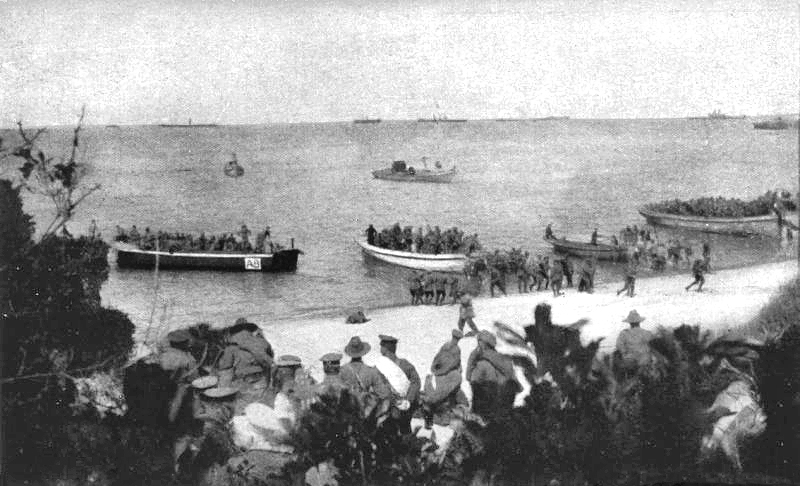
1914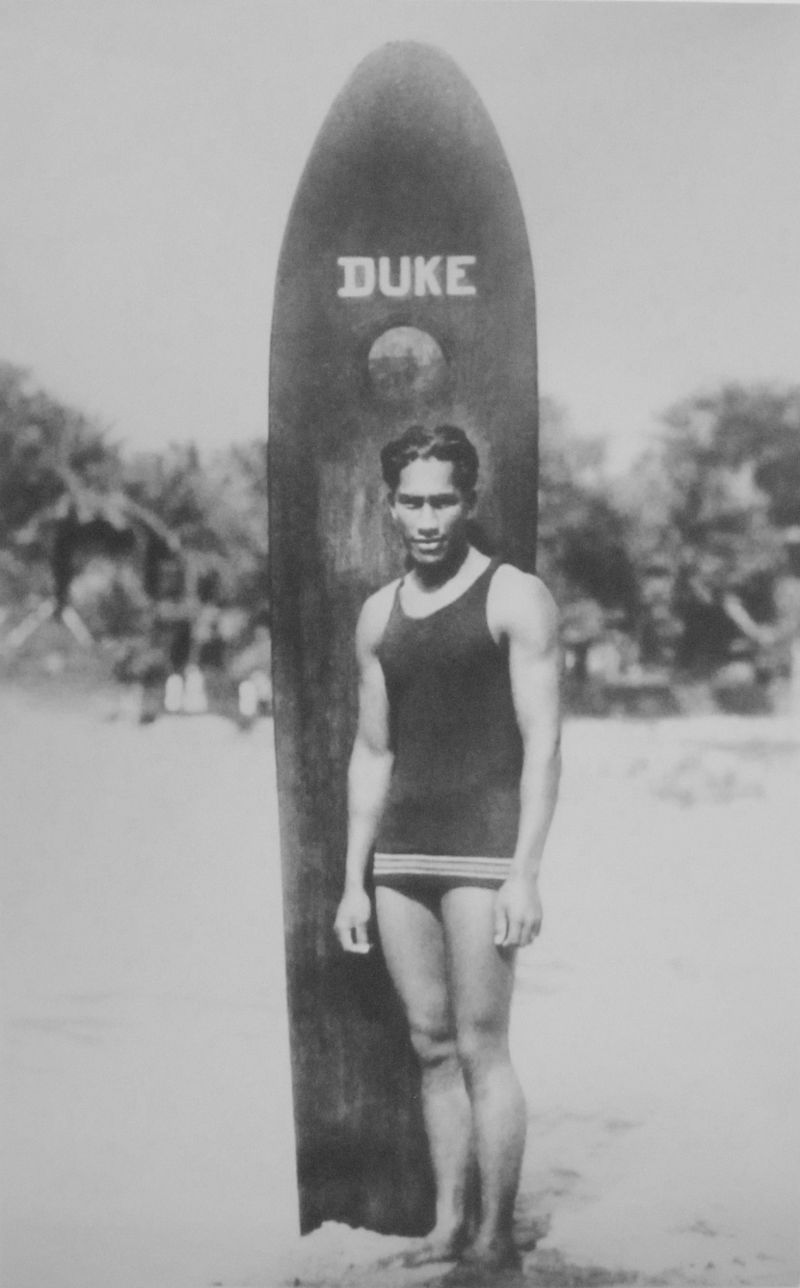
In the early 1900s, surfing made its debut in Australia through the efforts of Hawaiian swimmer and surfer Duke Kahanamoku. His surfing exhibition at Sydney, Australia's Freshwater Beach on December 24, 1914, is widely regarded as a seminal event in the development of surfing in Australia.
The event garnered significant attention due to the thrilling and novel nature of surfing, captivating spectators and inspiring locals to try their hand at riding the waves. Kahanamoku's displays not only showcased his exceptional skills but also served as a catalyst for the growth of surfing culture along the Australian coastline.
The introduction of surfing sparked a new era of beach recreation and water sports in Australia, with enthusiasts flocking to the shores to experience the thrill of riding the waves firsthand. Surfing quickly gained popularity as a recreational activity and soon became ingrained in the cultural fabric of Australian coastal communities.
The event laid the foundation for the development of Australia's vibrant surfing scene, paving the way for the emergence of renowned surf spots, competitions, and surfboard innovation in the years to come. The fusion of Australian beach lifestyle with the excitement of surfing created an enduring legacy that continues to thrive today.
#SurfingInAustralia #DukeKahanamoku #BeachCulture
View detailsAndrew Fisher, a prominent Australian political figure, assumed the role of Prime Minister. Fisher's leadership came at a crucial time, as the nation was navigating the complexities of World War I. Fisher, known for his strong advocacy for social reforms and labor rights, brought his expertise to steer Australia through the challenges of the global conflict.
As Prime Minister, Fisher prioritized supporting the war efforts while also focusing on maintaining social stability at home. Under his leadership, Australia made significant contributions to the war, both in terms of resources and manpower. Fisher's emphasis on unity and resilience resonated with the Australian population, fostering a sense of national pride and solidarity during trying times.
Fisher's tenure as Prime Minister left a lasting impact on Australia's political landscape. His dedication to social welfare and his commitment to upholding the nation's interests elevated his status as a revered leader. Fisher's legacy continues to be celebrated for his contributions to shaping Australia's identity and values.
The appointment of Andrew Fisher as Prime Minister marked a pivotal moment in Australian history. His leadership during World War I and his advocacy for social equality have solidified his position as one of the nation's most esteemed leaders. Fisher's tenure exemplified the strength and resilience of the Australian people, underscoring the importance of unity in times of adversity.
#AndrewFisher #PrimeMinister #Australia #WorldWarI #Leadership #Unity
View details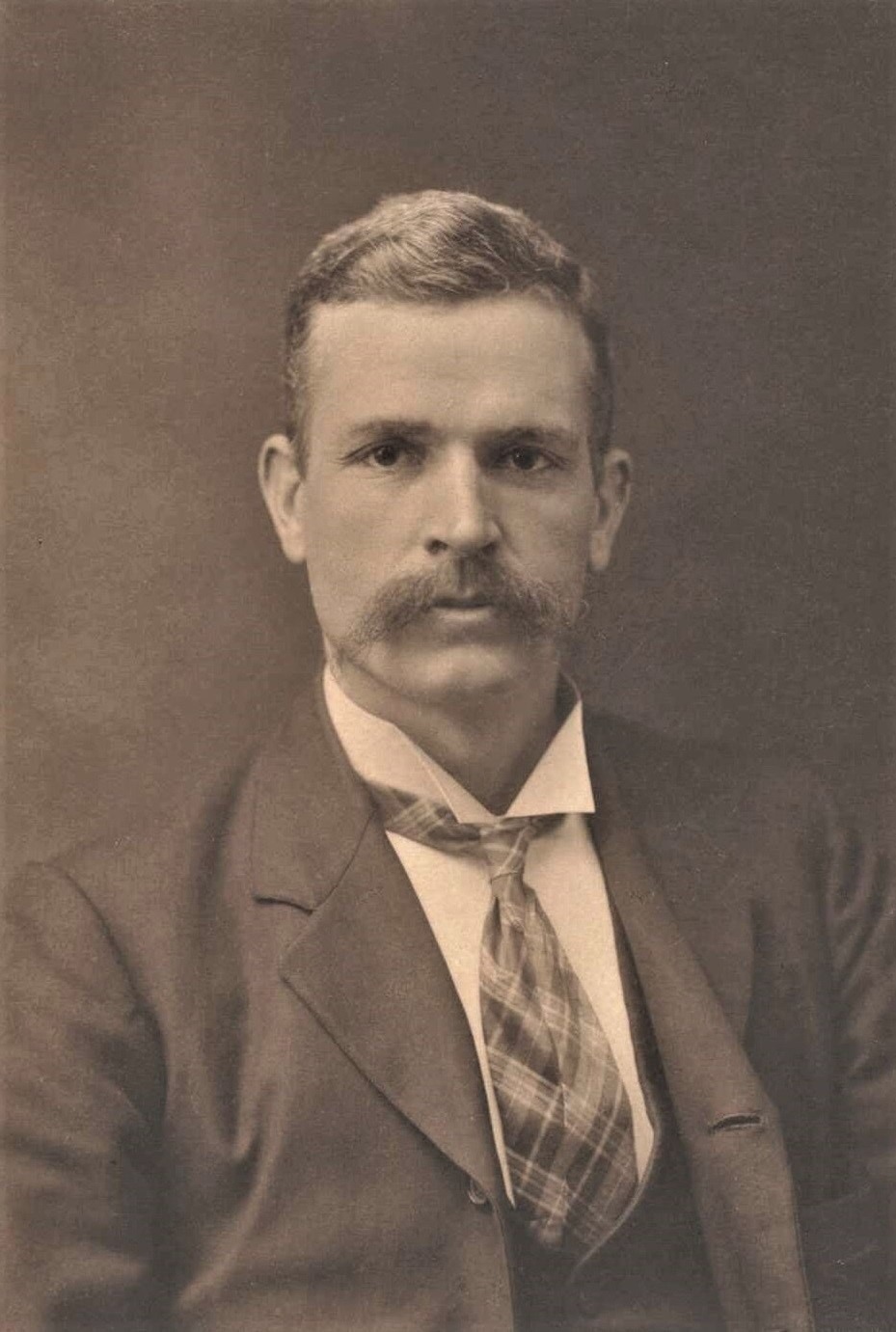
In 1914, Australian soldiers were deployed to the First World War, marking the first occasion they fought under the Australian flag. This event signified a shift towards Australia asserting its own national identity and military presence.
Prior to this deployment, Australian soldiers had previously fought in wars under the flag of Britain. The decision to send troops to the First World War under the Australian flag was a significant moment for the country's history. It demonstrated Australia's growing independence and ability to make decisions autonomously on the global stage.
The impact of this event was profound both at home and abroad. It rallied nationalistic sentiments within Australia as citizens supported their troops fighting in a distant conflict. The bravery and sacrifice of Australian soldiers in the war helped solidify a sense of national pride and unity.
On the global stage, the deployment of Australian troops to the First World War showcased Australia's commitment to international alliances and its willingness to contribute to global conflicts. This event also marked the beginning of Australia's active participation in world affairs as an independent nation.
#AustralianSoldiers #FirstWorldWar #NationalIdentity #GlobalPresence
View details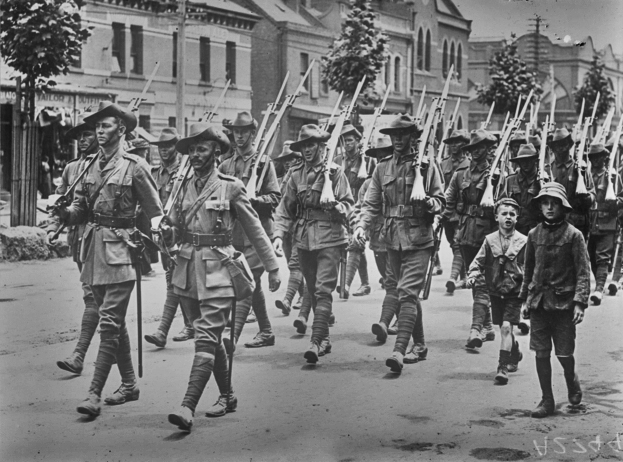
1913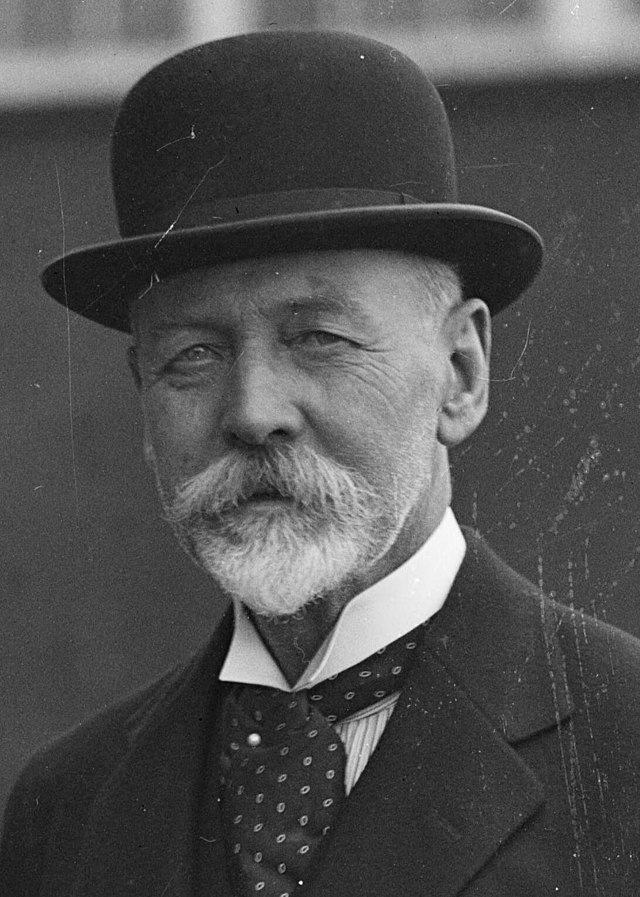
Following the resignation of Prime Minister Andrew Fisher, the Australian Parliament saw the election of Joseph Cook as the 6th Prime Minister. Cook, a member of the Commonwealth Liberal Party, took office during a time when Australia was facing pressing issues such as industrial disputes and military preparations in the lead-up to World War I.
Cook's election marked a shift in leadership style and political priorities. He was known for his pragmatic approach and focus on economic policies. One of his notable achievements was the passing of the War Precautions Act in response to the outbreak of World War I, which granted the government sweeping powers to maintain order and security in the country.
During his tenure as Prime Minister, Cook also sought to strengthen Australia's ties with the British Empire and enhance the country's position on the international stage. His leadership was characterized by a commitment to national defense and a determination to navigate the challenges posed by the global conflict.
Joseph Cook's time as Prime Minister was relatively short-lived, but his contributions to Australian politics were significant. His leadership during a period of uncertainty and upheaval demonstrated his dedication to serving the country's best interests and safeguarding its future.
The election of Joseph Cook as the 6th Prime Minister of Australia underscored the importance of strong and decisive leadership during times of crisis. His tenure left a lasting impact on the country's political landscape and set the stage for future developments in Australian governance.
#JosephCook #AustralianPrimeMinister #Leadership #WorldWarI #PoliticalHistory
View detailsMarch in 1913 marked the formal declaration of Canberra as Australia's capital. The decision to establish a new city as the seat of government came after heated debates between Melbourne and Sydney over which city should hold this honor. The site for the new capital was selected due to its strategic location between the two rival cities.
The naming of Canberra as the capital had a significant impact on the development and growth of the city. It led to a surge in infrastructure development, with construction of government buildings, roads, and public facilities taking place rapidly. The population of Canberra also began to grow as people moved to the city to work in the new government departments.
The designation of Canberra as the capital solidified its position as the political center of Australia. The Parliament House, designed by architect Walter Burley Griffin, became a symbol of the nation's democracy. The city's unique layout with its geometrically planned streets and expansive green spaces reflected the ideals of the new Australian nation.
The official naming of Canberra as the capital marked a turning point in Australia's history, as it represented the country's emergence as a unified and independent nation. It also signified a new chapter in the country's development, with Canberra playing a central role in shaping Australia's future.
#Canberra #CapitalCity #AustralianHistory #GovernmentSeat #InfrastructureDevelopment
View detailsIn 1913, the foundation stone for the city of Canberra was laid. The decision to establish a new capital was made due to a dispute between Sydney and Melbourne, both vying to be the capital of Australia. Canberra's location was strategically chosen, situated between the two rival cities.
The American architect Walter Burley Griffin won an international design competition to plan the city, with his vision of a garden city. Construction began shortly after the foundation stone was laid, and the city gradually took shape over the years.
The establishment of Canberra as the capital brought about significant changes to the region. It led to the development of infrastructure, housing, and public buildings to support the growing government and diplomatic community. The creation of Lake Burley Griffin added to the city's aesthetics and recreational opportunities.
As the capital city, Canberra became the political and administrative hub of Australia, hosting the Parliament House, national museums, and government offices. Its role as a planned city with ample green spaces and modern amenities set it apart from other Australian cities.
Today, Canberra stands as a testament to careful urban planning and design. The city's layout and architecture reflect Griffin's original vision, with a focus on symmetry, geometric patterns, and integration with the natural landscape. The annual celebration of Canberra Day commemorates the laying of the foundation stone and the city's establishment as the capital of Australia.
#Canberra #FoundationStone #UrbanPlanning #AustralianCapital
View details1912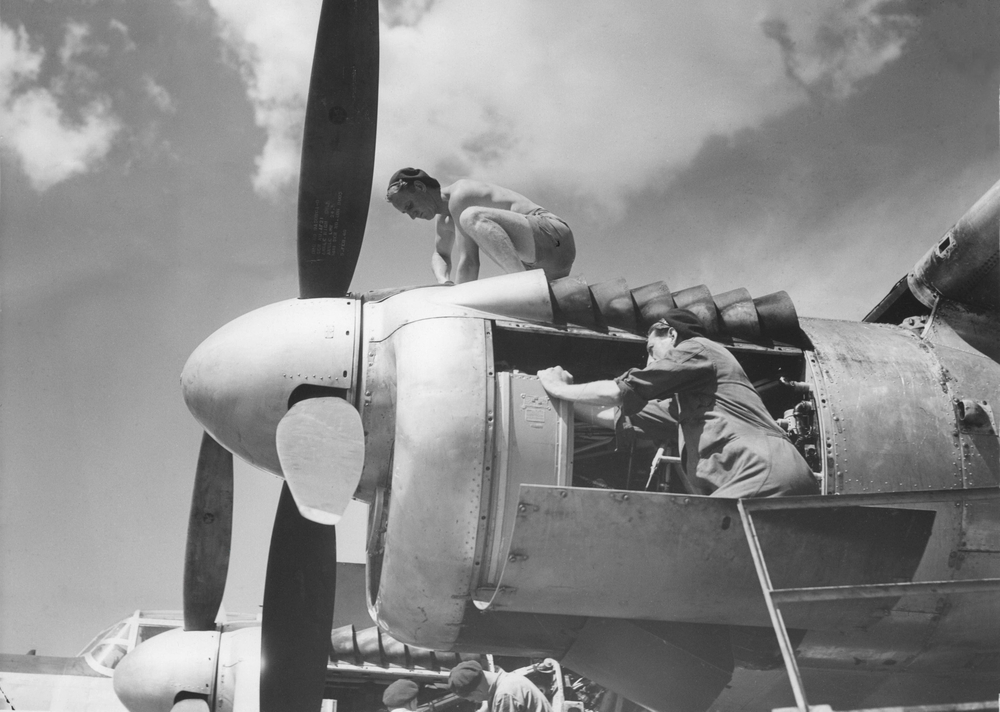
Founding of the Central Flying School, or CFS, marked a pivotal moment in the establishment of the Royal Australian Air Force, shaping its trajectory for years to come. With its inception at Point Cook in Victoria, the CFS became the cornerstone of Australian military aviation training.
Initially operated with a small fleet of aircraft, the CFS played a crucial role in training pilots for both World Wars, solidifying its position as a key institution in the Australian military. Over the years, the school expanded its curriculum to include aeronautical engineering, air traffic control, and flight instruction, further enhancing the capabilities of the Australian Air Force.
The impact of the CFS extended beyond the realm of military training, as it also contributed to advancements in aviation technology and innovation. Many of the pioneering aviation techniques developed at the school have had a lasting influence on Australian aviation practices.
With a rich history spanning over a century, the Central Flying School RAAF continues to uphold its legacy as a premier training institution for the Royal Australian Air Force. Its enduring commitment to excellence and innovation has ensured the ongoing success of the Australian Air Force in maintaining air superiority and national security.
#CentralFlyingSchool #RoyalAustralianAirForce #AviationTraining #MilitaryHistory #Innovation
View detailsIn 1912, Australia made history by sending women athletes to compete in the Olympic Games for the first time. This marked a significant milestone in the country's sporting journey and highlighted the growing inclusion of women in sports. The decision to include women athletes in the Australian Olympic team reflected changing attitudes towards gender equality and opened up new opportunities for female athletes to showcase their talent on the world stage.
The inclusion of women in the Olympic Games was a significant step towards promoting gender diversity in sports and challenging traditional gender roles. It provided female athletes with the platform to demonstrate their skills and abilities, paving the way for future generations of women to pursue their sporting dreams. The participation of Australian women in the Olympic Games not only showcased their athletic prowess but also contributed to breaking down barriers and stereotypes associated with women in sports.
The debut of Australian women at the Olympic Games was met with excitement and pride, both within the sporting community and the broader Australian society. It symbolized progress towards greater gender equality and recognition of women's contributions to the world of sports. The presence of women athletes at the Olympic Games inspired female athletes across Australia to pursue their sporting ambitions and strive for excellence in their chosen disciplines.
The historic moment when Australian women participated in the Olympic Games for the first time holds a special place in the country's sporting history. It serves as a reminder of the ongoing efforts to promote gender equality in sports and the limitless potential of female athletes. The inclusion of women in the Australian Olympic team represented a significant leap forward in the journey towards inclusivity, diversity, and equality in the world of sports.
#AustralianHistory #GenderEqualityInSports #EmpoweringFemaleAthletes
View details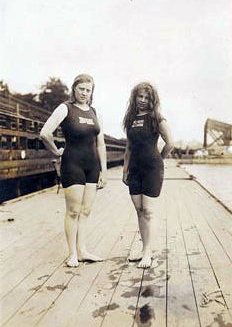
In 1912, the design competition for the new city of Canberra was won by the American architect Walter Burley Griffin. The competition aimed to find a visionary plan for the capital of Australia, which was to be built in the rural hinterland between Sydney and Melbourne. Griffin's design stood out for its innovative approach, combining geometric patterns, natural features, and a focus on sustainability.
Griffin's plan envisioned a city that harmoniously integrated with the surrounding landscape, featuring interconnected green spaces, a central lake, and a layout that followed the natural topography of the area. His design also included a series of distinctive axes and vistas, highlighting key landmarks and creating a sense of grandeur and order.
The impact of Griffin's win was profound, shaping the development and identity of Canberra for decades to come. His vision laid the foundation for a city known for its spacious layout, abundant parks, and distinctive architectural style. Canberra has since grown into a vibrant political and cultural hub, embodying Griffin's principles of balance, harmony, and sustainability.
Walter Burley Griffin's success in the design competition marked the beginning of a new chapter in Australia's architectural and urban planning history. His legacy continues to inspire architects, city planners, and residents, highlighting the enduring relevance of his ideas and the enduring appeal of a city designed with nature in mind.
#WalterBurleyGriffin #Canberra #UrbanPlanning #DesignCompetition #Australia #Sustainability #ArchitecturalInnovation
View details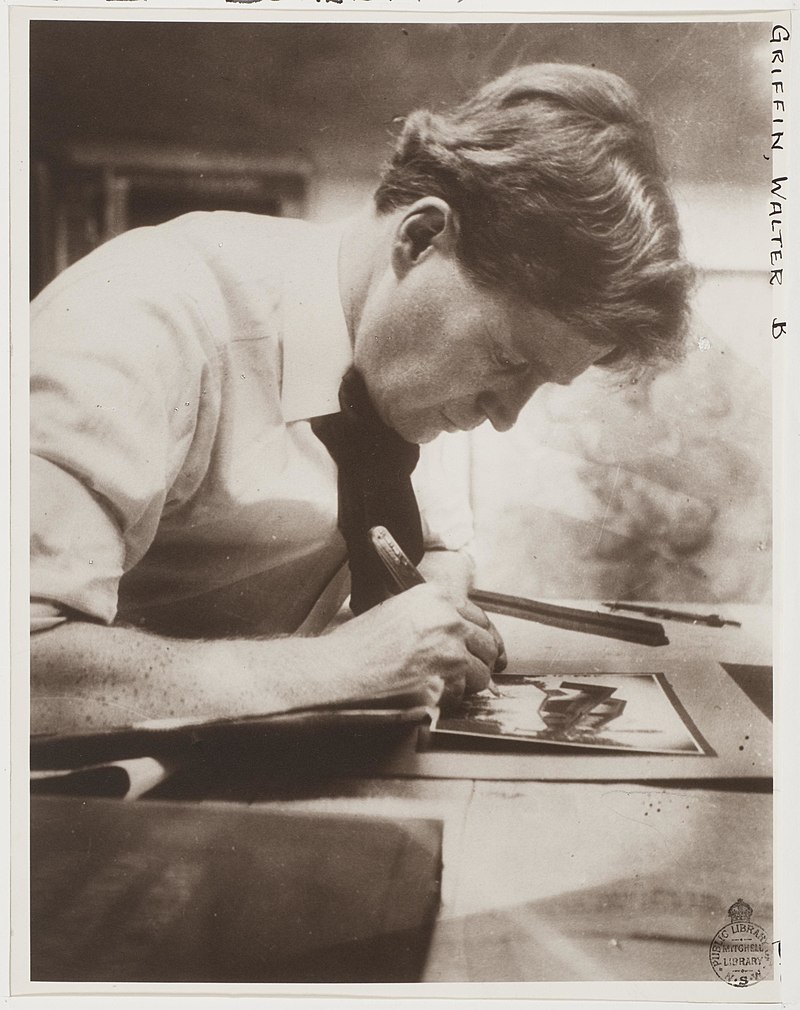
1911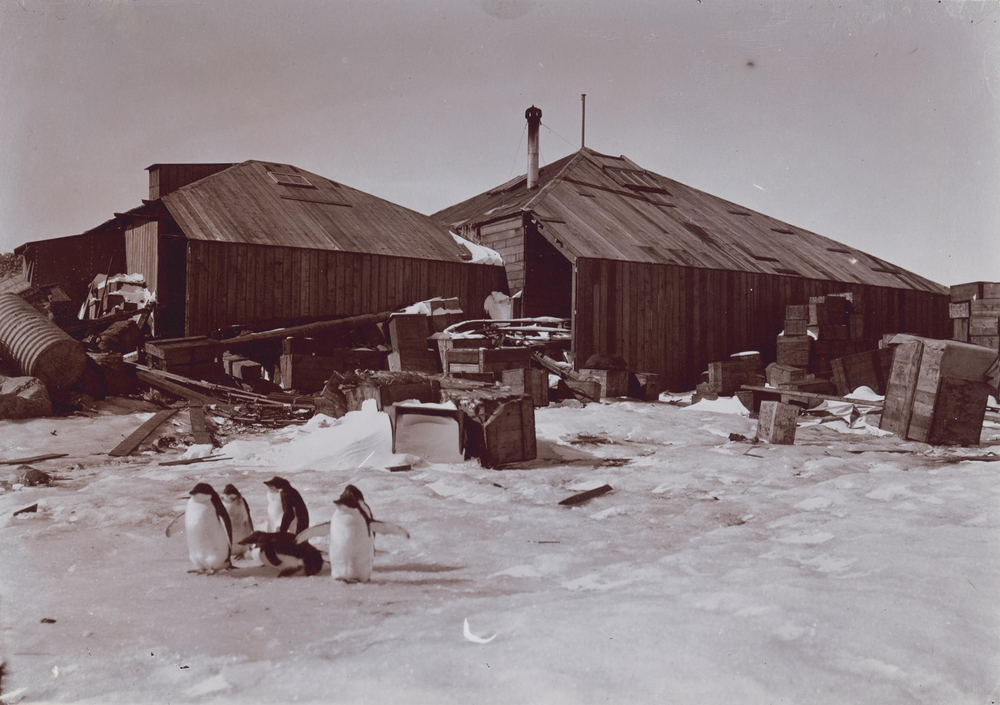
In a remarkable expedition, Sir Douglas Mawson embarked on the task of charting approximately 4,000 miles of the Antarctic coastline under the Australian flag. This monumental feat resulted in Australia claiming 42% of the vast icy continent. Mawson's expedition was a pivotal moment in Australia's history, solidifying its presence in the realm of Antarctic exploration.
The expedition was not without its challenges and dangers. Mawson and his team faced harsh weather conditions, treacherous terrain, and isolation from the outside world. Despite these obstacles, they persevered, accurately mapping the uncharted Antarctic coastline and contributing valuable data to the global scientific community.
The impact of Mawson's expedition was far-reaching. Australia's claim to a significant portion of Antarctica bolstered its position as a key player in polar exploration and research. The meticulous mapping conducted by Mawson laid the groundwork for future scientific endeavors in the region, leading to groundbreaking discoveries and advancements in our understanding of the Antarctic continent.
Mawson's legacy as a pioneering explorer and scientist continues to inspire generations of Australians. His dedication to the pursuit of knowledge and exploration serves as a testament to the spirit of adventure and resilience that defines the Australian identity.
#MawsonExpedition #AntarcticExploration #AustralianClaim #PolarResearch #ScientificLegacy
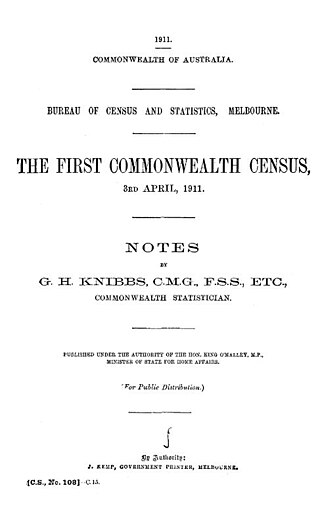
View detailsIn 1911, Australia undertook its inaugural national census. The need for comprehensive data on the population, economy, and social aspects of the vast continent led to this significant undertaking. The census aimed to gather detailed information to aid in policymaking, resource allocation, and planning for the burgeoning nation.
The census collected vital statistics such as population size, gender distribution, age demographics, and cultural diversity. This information proved invaluable for the government in understanding the needs of its people and developing targeted programs and services.
The implementation of the national census had a profound impact on various sectors. It enabled the government to make informed decisions regarding infrastructure development, public health initiatives, and education reforms. Businesses also benefited from access to demographic insights for market research and expansion strategies.
Furthermore, the census played a crucial role in shaping Australia's identity as a nation. By documenting its diverse population and recording demographic trends, the census helped foster a sense of unity and belonging among Australians.
Overall, the first national census in Australia marked a significant milestone in the country's history. It laid the foundation for future data collection efforts and underscored the importance of statistical information in governance and planning.
#Australia #Census #DataCollection #PopulationStatistics #HistoricalEvent
View details