Australia

The Land Down Under
Related Lives

Libya
Oasis of the Sahara

Ethiopia
Federal Democratic Republic of Ethiopia

Bosnia and Herzegovina
The Land of Golden Lilies

Haiti
The Resilient Spirit of Haiti

Hungary
Tales of the Danube

Cuba
The Jewel of the Caribbean

China
Land of Silk

Azerbaijan
The Land of Fire

1911
In 1911, the Northern Territory was formally separated from South Australia and placed under Commonwealth control. The decision to split the Northern Territory was mainly driven by the need for more effective administration and development in the sparsely populated region.
The transfer of control over the Northern Territory to the Commonwealth Government marked a significant shift in governance and paved the way for future development initiatives in the region. Under Commonwealth control, the Northern Territory saw improvements in infrastructure, healthcare, and education, with the aim of better integrating the territory into the wider Australian nation.
The impact of the Northern Territory coming under Commonwealth control was felt across various aspects of life in the region. It brought about changes in governance structures, legal systems, and public services, ultimately shaping the socio-economic landscape of the Northern Territory.
The move also had implications for the Indigenous populations of the region, as it influenced policies and practices regarding land rights, cultural preservation, and community development. The interaction between the Commonwealth Government and Indigenous communities in the Northern Territory during this period laid the foundation for ongoing dialogues and initiatives aimed at reconciliation and support for Indigenous rights.
Overall, the Northern Territory's transition to Commonwealth control in 1911 was a pivotal moment in the region's history, setting the stage for its continued evolution and integration into the broader fabric of the Australian federation. The decision to separate the Northern Territory from South Australia reflected a commitment to fostering growth and progress in a unique and diverse part of the country.
#NorthernTerritory #CommonwealthControl #AustralianHistory #GovernanceShift
View detailsIn 1911, the Australian Capital Territory was officially proclaimed, marking a significant milestone in Australia's history. The decision to establish the ACT was fueled by the need for a neutral location to serve as the nation's capital, separate from the rivalries between Sydney and Melbourne. The site chosen was in New South Wales, as a compromise between the two major cities.
The creation of the ACT had a profound impact on the region, leading to the development of a purpose-built capital city, Canberra. The new city was designed by renowned American architect Walter Burley Griffin, who won an international competition for the task. His visionary plan incorporated geometric shapes, ample green spaces, and a layout that mirrored the surrounding natural landscape.
With the establishment of the ACT, the Australian government gained a dedicated administrative center that symbolized the country's unity and independence. Canberra soon became a hub of political activity, housing the Parliament House, High Court, and other key government institutions. Over the years, the city has grown into a vibrant multicultural community, attracting residents and visitors from around the world.
The proclamation of the Australian Capital Territory paved the way for the development of a dynamic and culturally rich capital city that continues to play a crucial role in the nation's governance. The decision to create a separate territory for the capital ensured that it would have a distinct identity and purpose, separate from the state governments. Today, the ACT stands as a testament to Australia's democratic values and commitment to progress.
#AustralianCapitalTerritory #Canberra #WalterBurleyGriffin #Government #Unity #History
View details1910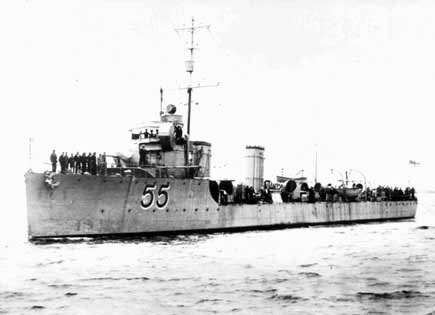
In the early 20th century, the Australian government decided to establish its own naval force to protect the country's vast coastline and secure its maritime interests. Following the passing of the Australian Naval Defence Act, the Royal Australian Navy was officially founded. This marked a significant shift in Australia's defense strategy, transitioning from reliance on the British Royal Navy to having its own maritime defense capability.
With the formation of the Royal Australian Navy, Australia gained greater control over its naval resources and strategic decisions. The Navy played a crucial role in safeguarding the country during times of conflict and peace, contributing to regional stability and national security. It also provided valuable support during both World Wars, demonstrating its capabilities and commitment to protecting Australia's interests.
The establishment of the Royal Australian Navy had a lasting impact on Australia's defense policies and capabilities, shaping its role in the international maritime community. It emphasized the country's commitment to defending its sovereignty and maritime resources, while also fostering closer ties with allied naval forces.
Today, the Royal Australian Navy continues to serve as a key component of Australia's defense forces, carrying out a range of operations from maritime security to humanitarian assistance. Its legacy as a formidable naval force with a proud history of service remains a source of national pride.
#RoyalAustralianNavy #NavalHistory #AustralianDefense #MaritimeSecurity
View detailsAndrew Fisher took office as the Prime Minister of Australia after winning the federal election. Born in Scotland, Fisher immigrated to Australia and became involved in politics. He was a member of the Australian Labor Party and served in various government positions before becoming Prime Minister.
During his time in office, Fisher implemented several key policies that had a lasting impact on Australia. He focused on social reforms, including the expansion of the age pension and workers' compensation. Fisher also worked to establish the Commonwealth Bank of Australia, which played a crucial role in stabilizing the country's finances during times of economic uncertainty.
One of Fisher's most significant achievements was the introduction of the maternity allowance, which provided financial assistance to new mothers. This policy was groundbreaking at the time and set a precedent for future social welfare programs in Australia.
Fisher's tenure as Prime Minister was also marked by his strong support for Australia's growing independence from Britain. He advocated for greater autonomy in foreign affairs and played a key role in shaping Australia's national identity.
Overall, Andrew Fisher's time as Prime Minister was characterized by a commitment to social justice, economic stability, and national sovereignty. His policies had a lasting impact on the country and helped shape Australia into the nation it is today.
#AndrewFisher #PrimeMinister #Australia #SocialReforms #NationalIdentity
View details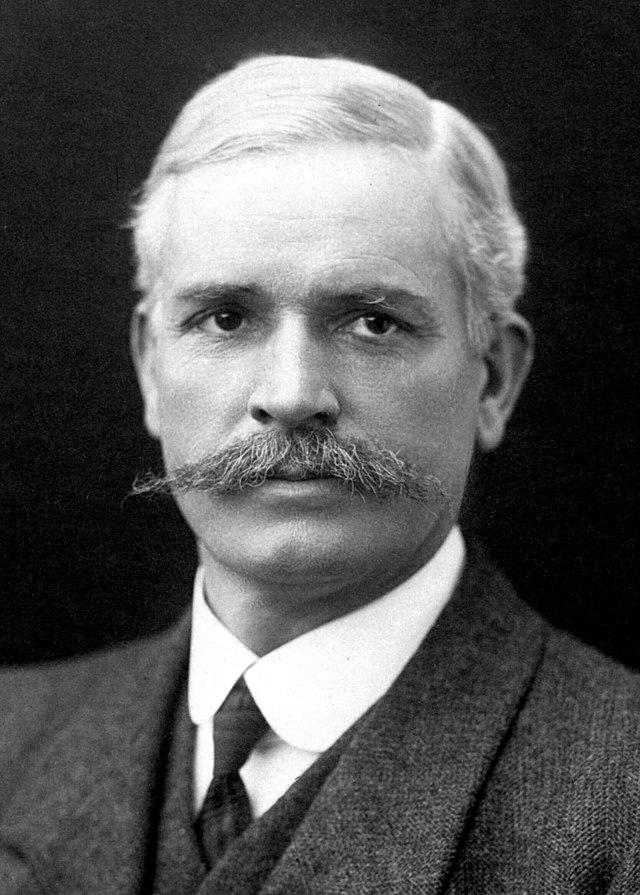
1909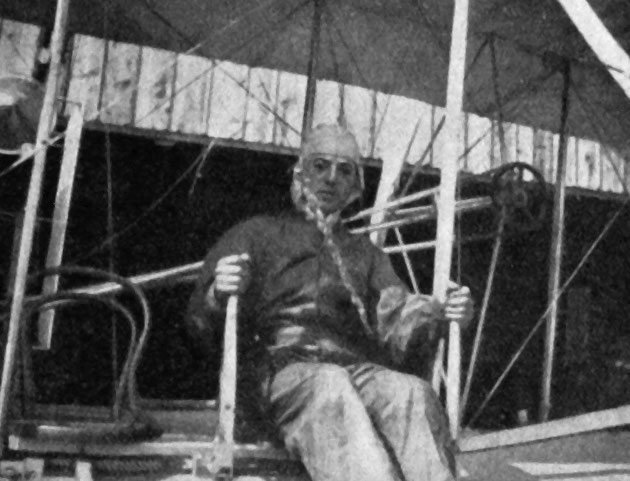
In 1909, history was made in Australia with the first powered aeroplane flight in the country. This aviation milestone marked a significant advancement in technology and transportation. The flight took place in New South Wales, showcasing the pioneering spirit and innovation of the era.
The successful flight captured the attention of the public and the global aviation community, highlighting Australia's place in the ever-evolving field of aeronautics. It paved the way for further developments in aviation technology and laid the foundation for Australia's future contributions to the aerospace industry.
The event brought about a newfound sense of excitement and possibility, inspiring a generation of Australians to pursue careers in aviation. It also sparked interest in aeronautical engineering and research, leading to further advancements in flight technology.
The first powered aeroplane flight in Australia was a momentous occasion that showcased the country's potential and ambition on the world stage. It was a testament to human ingenuity and perseverance, highlighting the endless possibilities of flight and exploration.
#AviationHistory #Innovation #AustraliaFirstResponder
View detailsAlfred Deakin assumed office as Prime Minister following the government’s defeat in the House of Representatives. Deakin was a significant figure in Australian politics, having already served two terms as Prime Minister. His return to the position was met with both anticipation and uncertainty.
Deakin's leadership was marked by several key policies, including the introduction of protectionist economic measures and the establishment of the High Court of Australia. His advocacy for a united Australian nation and the protection of local industries resonated with many citizens.
Deakin’s second term as Prime Minister was not without its challenges. His government faced ongoing debates over trade policy and divisions within the Labor Party. However, Deakin’s ability to navigate these challenges and maintain stability in government demonstrated his political acumen.
During his time in office, Deakin focused on fostering relationships with other nations, particularly within the British Empire. His efforts to establish Australia on the world stage were commendable, solidifying the country's diplomatic presence.
Overall, Alfred Deakin's return to the Prime Ministership marked a pivotal moment in Australian political history. His leadership style, policy decisions, and diplomatic efforts left a lasting impact on the country and its place in the global community.
#AlfredDeakin #PrimeMinister #AustralianPolitics #EconomicPolicy #Diplomacy
View details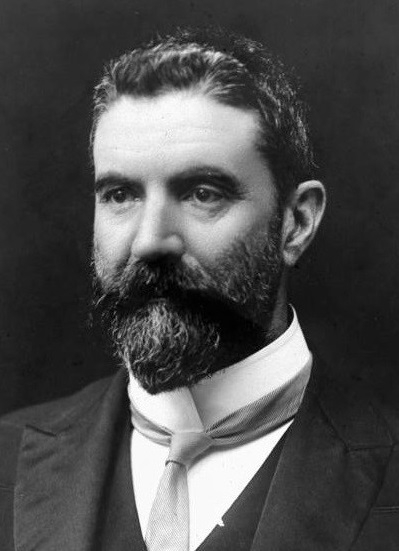
1908
Andrew Fisher's appointment as the 5th Prime Minister of Australia marked a significant development in the country's political landscape. Fisher was born in Ayrshire, Scotland, and worked as a coal miner before immigrating to Australia in 1885. With a strong background in the labor movement, he joined the Australian Labor Party and quickly rose through the ranks.
Upon assuming the role of Prime Minister, Fisher implemented various reforms that aimed to improve the lives of working-class Australians. His policies focused on social welfare, workers' rights, and the expansion of the public sector. Fisher was known for his commitment to progressive ideals and his dedication to advancing the interests of ordinary citizens.
During his tenure, Fisher also played a crucial role in shaping Australia's foreign policy, particularly in relation to the British Empire. He advocated for greater autonomy and independence for Australia, positioning the country as a sovereign nation on the world stage.
Fisher's leadership style was characterized by his strong principles, integrity, and unwavering dedication to the values of equality and social justice. His government's achievements laid the foundation for Australia's modern welfare state and set the stage for future developments in social policy.
The appointment of Andrew Fisher as the 5th Prime Minister of Australia represented a turning point in the country's political history, signaling a shift towards a more progressive and egalitarian society. His legacy continues to be celebrated today for its lasting impact on Australian politics and society.
#AndrewFisher #PrimeMinister #Australia #LaborParty #ProgressiveReforms #SocialJustice #PoliticalLegacy
View detailsIn 1908, Australia underwent a pivotal change in its identity with the decision to reject the Dalgety proposal for the national capital in favor of Canberra. The Dalgety proposal, which suggested a location near the snowy river in New South Wales, was ultimately revoked due to concerns over its distance from Sydney and lack of space for expansion.
The selection of Canberra as the new capital came after rigorous debate and evaluation. The site offered a more central location, ample space for growth, and a clean slate for urban planning. This decision marked a defining moment in Australia's history, showcasing a forward-thinking approach to governance and nation-building.
The impact of choosing Canberra as the capital was profound. The city was purpose-built to reflect Australia's democratic values and serve as a hub for political activities. The design and development of Canberra emphasized open spaces, modern infrastructure, and symbolic landmarks like Parliament House and the Australian War Memorial.
The decision to establish Canberra as the capital also had economic implications, boosting employment and investment in the region. Over the years, Canberra has evolved into a thriving metropolis with a diverse population and a strong sense of civic pride.
Today, Canberra stands as a testament to Australia's heritage and aspirations, embodying the spirit of unity and progress. The city's unique blend of nature, culture, and politics continues to attract visitors from around the world, further solidifying its status as the heart of the nation.
#Australia #Canberra #NationalCapital #DalgetyProposal #UrbanPlanning #Governance
View detailsDorothea Mackellar, an Australian poet, published the iconic poem 'My Country.' Her work beautifully captures the essence of the Australian landscape, expressing her deep love for the country's unique environment. The poem resonated with many Australians who shared her admiration for the vast open spaces, rugged mountains, and sweeping plains that define the nation.
Mackellar's 'My Country' went on to become one of the most beloved and well-known poems in Australian literature. It has been recited in schools, included in anthologies, and celebrated at national events. The poem's evocative descriptions and patriotic themes have helped shape Australia's cultural identity and pride in its natural beauty.
The publication of 'My Country' marked a significant moment in Australian poetry, showcasing the country's rugged beauty and diverse landscapes. Mackellar's words continue to inspire generations of Australians to appreciate and protect the land they call home.
Her poem reflects the enduring connection that many Australians feel with their country's natural environment, making it a timeless piece of literature that continues to resonate with readers around the world.
#DorotheaMackellar #MyCountry #AustralianLiterature #NaturalBeauty
View details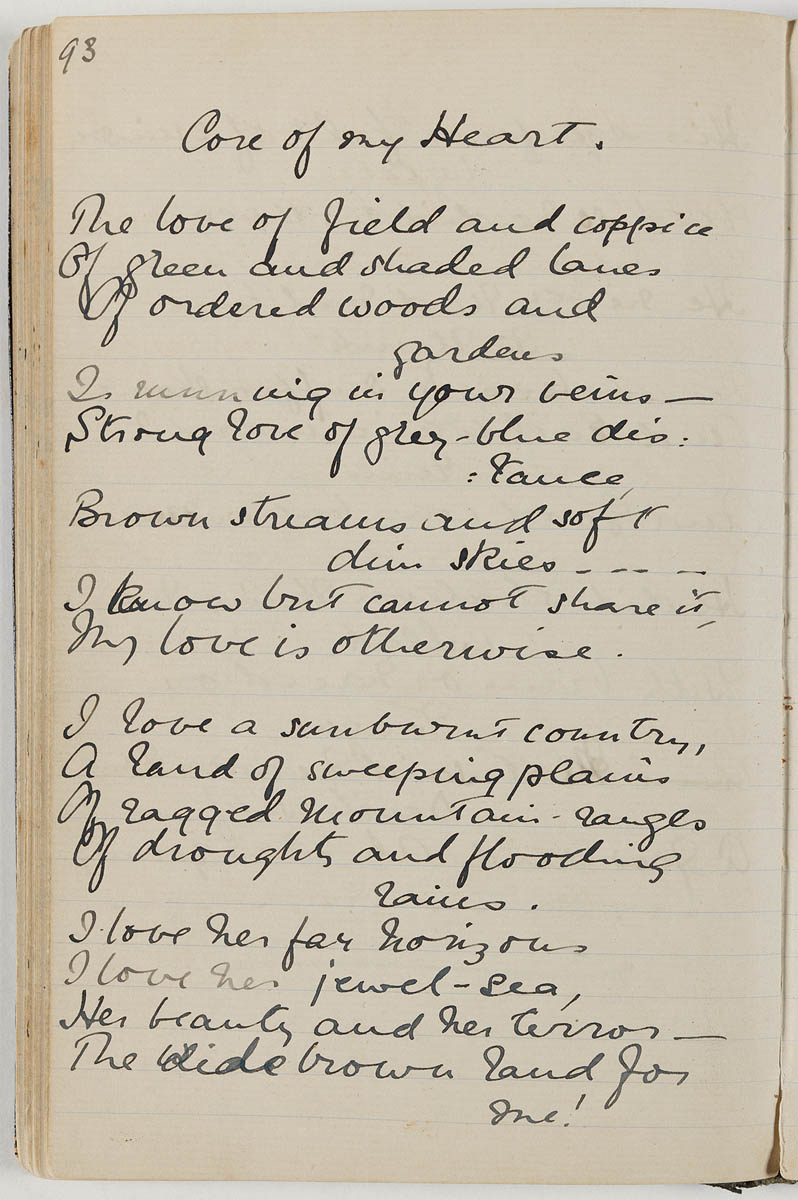
In 1908, the first official Miss Australia contest was held, marking a defining moment in Australian cultural history. The winner was Alice Buckridge from Victoria. At a time when women's roles were still largely restricted, the competition introduced a public platform for young women to showcase beauty, grace, and poise. The inaugural winner, Beryl Mills, was crowned in 1926 during a revived version of the pageant, which had gone unofficial for some years after the original 1908 event. Hailing from Western Australia, Mills went on to represent her country at international events, embodying a new image of modern Australian womanhood.
The Miss Australia pageant would evolve into more than just a beauty contest. Over the decades, it became deeply linked with charity—especially fundraising for the Spastic Centres of Australia—and reflected changing ideals of femininity, public service, and national pride.
From its uncertain beginnings in 1908 to becoming a national institution, the Miss Australia competition captured the dreams and ambitions of generations of women, leaving a lasting legacy on Australian social history.
#MomentsOfLife #MoofLife_Moment #MoofLife #MissAustralia #BerylMills #AustralianHistory #WomenInHistory #PageantLegacy
View details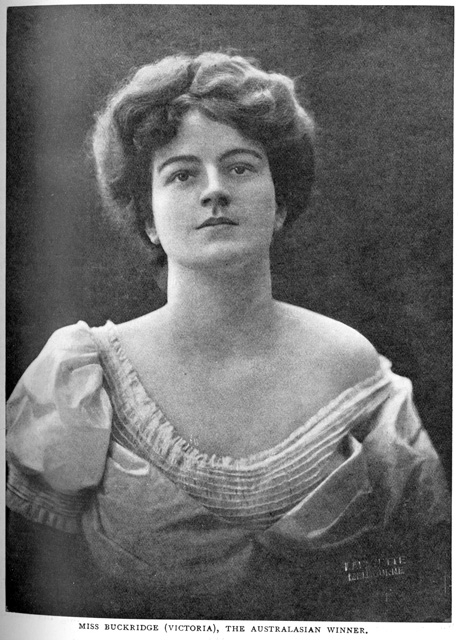
1906
In 12/12/1906, Alfred Deakin secured his reelection as Australia's Prime Minister. Deakin, a prominent figure in Australian politics, had previously served as Prime Minister on two separate occasions. His political career was marked by advocating for national unity and promoting policies to foster economic growth in the young nation.
The reelection of Alfred Deakin in 12/12/1906 was a testament to his leadership abilities and the trust that the Australian people had in his vision for the country. During his tenure, Deakin focused on issues such as industrial relations, immigration, and defense, working towards building a strong and prosperous Australia.
Deakin's policies were instrumental in shaping Australia's early development and laying the foundation for the country's future success. His emphasis on social welfare and infrastructure projects helped improve the standard of living for many Australians and set the stage for further growth and prosperity.
The reelection of Alfred Deakin in 12/12/1906 had a lasting impact on Australian politics, solidifying his legacy as one of the nation's most influential leaders. His commitment to national progress and his ability to navigate the challenges of the time were key factors in his continued success at the polls.
#AlfredDeakin #PrimeMinister #AustralianPolitics
View detailsIn the early 1900s, Australia extended its influence over south-eastern New Guinea, bolstering its territorial control in the region. This move came amidst a backdrop of increasing European powers vying for colonial dominance in the Pacific. With a desire to secure valuable resources and strategic positioning, Australia aimed to solidify its grip on nearby territories.
Australia's consolidation of power in south-eastern New Guinea had profound implications for the local indigenous populations. The takeover led to shifts in governance, economy, and culture, as Australian authorities imposed their administrative systems and policies. This change also brought advancements in infrastructure, education, and healthcare, albeit with the imposition of Western practices on the native communities.
The event marked a crucial moment in Australia's colonial expansion, shaping its presence in the region for years to come. The acquisition of south-eastern New Guinea provided Australia with greater geopolitical leverage and access to resources, enhancing its standing among other imperial powers in the Pacific.
Overall, Australia's control of south-eastern New Guinea stands as a significant juncture in its colonial history, illustrating the country's ambitions for territorial growth and influence in the Asia-Pacific region.
#Australia #ColonialExpansion #PacificInfluence
View details1905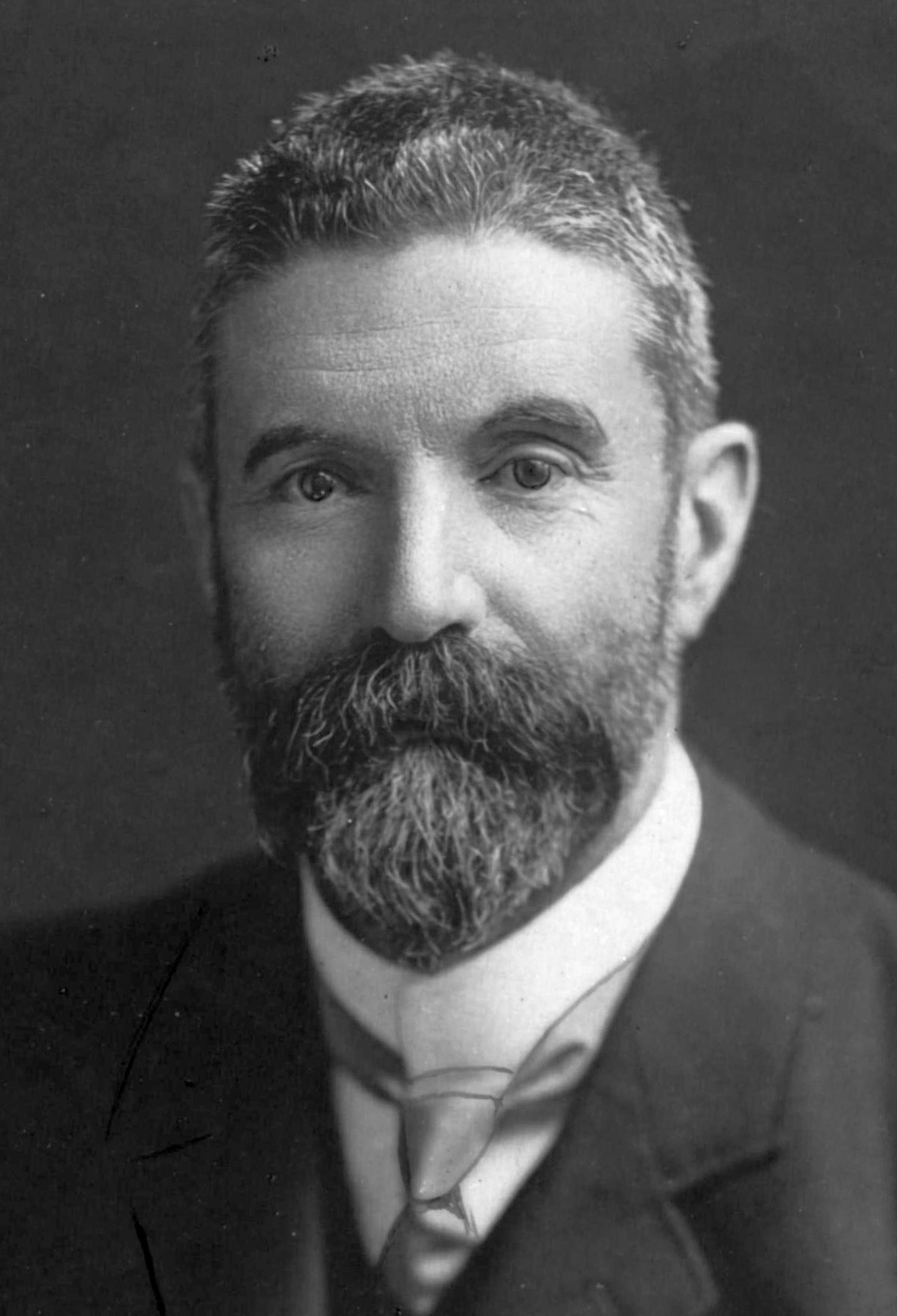
Alfred Deakin, a prominent Australian political figure, assumed the role of Prime Minister once again. Deakin was known for his contributions towards shaping Australia's political landscape. He had previously served as Prime Minister and played a significant role in the Federation of Australia.
Deakin's return to the position of Prime Minister came during a period of political instability in Australia. His leadership was seen as a stabilizing force during this time of uncertainty. Deakin's reputation as a skilled statesman and his ability to navigate complex political situations were valued by many Australians.
During his time as Prime Minister, Deakin focused on issues such as industrial relations, immigration, and defense. He was a strong advocate for social reform and worked towards improving living and working conditions for Australians.
Deakin's return to the position of Prime Minister had a significant impact on Australia's political landscape. His leadership brought a sense of stability and direction to the country. Under his guidance, Australia continued to grow and develop as a nation.
Overall, Alfred Deakin's return to the position of Prime Minister marked a crucial moment in Australia's history. His leadership and vision helped shape the future of the country and left a lasting impact on Australian politics.
#AlfredDeakin #PrimeMinister #AustralianPolitics #Leadership #History
View details1904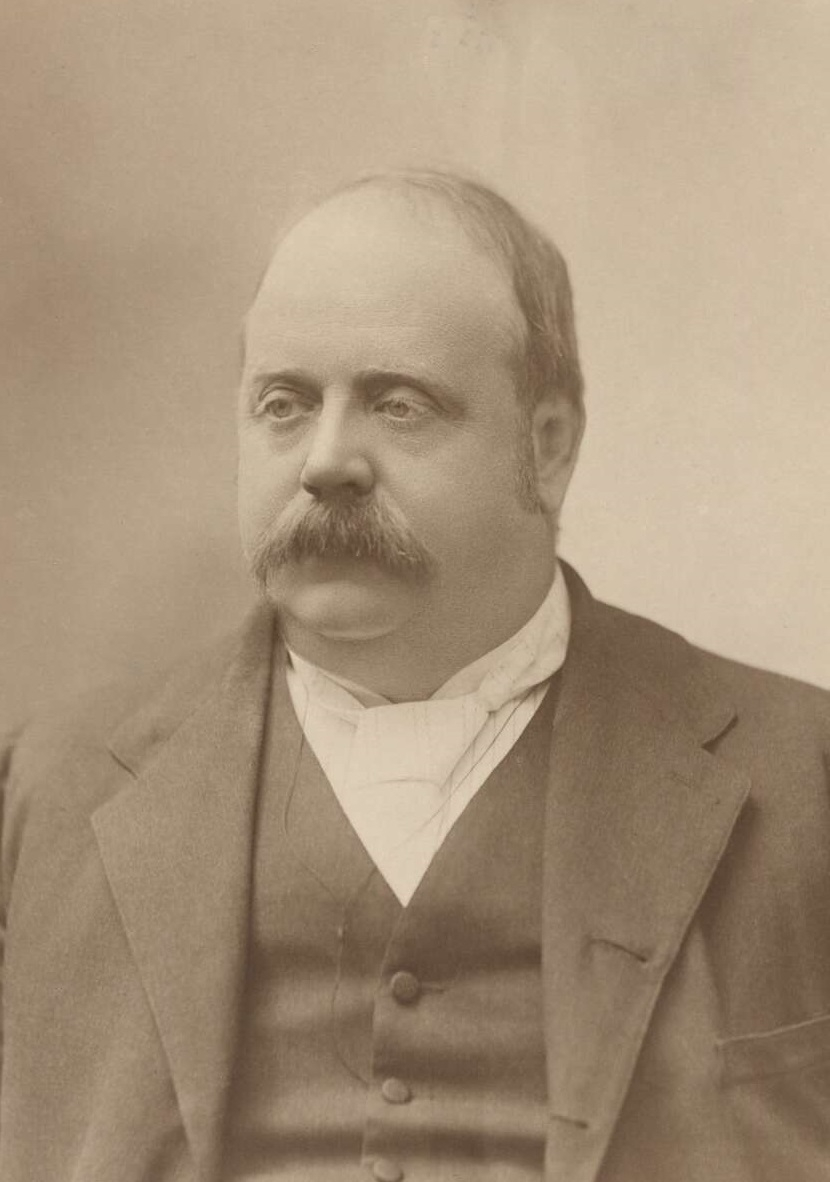
George Reid assumed office as the 4th Prime Minister of Australia following an intense period of political maneuvering. Known for his eloquence and sharp wit, Reid was a prominent figure in Australian politics, having previously served as Premier of New South Wales.
His appointment marked a shift in the country's leadership, as he brought a different vision and approach to governance. Reid's tenure was marked by efforts to promote free trade and strengthen Australia's economic ties with other nations. He also focused on social reforms, advocating for issues such as workers' rights and education.
During his time in office, Reid faced challenges such as balancing the interests of different states within the federation and navigating complex international relations. Despite these obstacles, he is credited with laying the groundwork for future diplomatic endeavors and fostering a sense of national identity among Australians.
Reid's legacy endures in Australia's political landscape, as his contributions to the country's development continue to be recognized. His leadership style and dedication to public service have inspired generations of politicians and citizens alike.
The appointment of George Reid as Australia's 4th Prime Minister represented a pivotal moment in the nation's history, shaping its trajectory in the years to come.
#GeorgeReid #PrimeMinister #Australia #PoliticalHistory #Leadership
View detailsAlfred Deakin, the 2nd Prime Minister of Australia, resigned from office. His departure from the position paved the way for Chris Watson to assume the role as the 3rd Prime Minister of Australia. Watson, a prominent figure in the Australian Labor Party, took office with a vision to address social and labor issues affecting the country.
Deakin's resignation marked the end of his term as Prime Minister, during which he focused on economic development, national defense, and strengthening ties with other nations. His resignation caused a shift in leadership, leading to the appointment of Watson, who became the first Australian Labor Party Prime Minister. Watson's tenure in office was marked by his commitment to advancing workers' rights, promoting social welfare initiatives, and advocating for a more progressive agenda.
The appointment of Chris Watson as Prime Minister signified a significant moment in Australian political history, as it represented a shift towards a more labor-focused government. Watson's policies and initiatives aimed to improve the living and working conditions of Australians, particularly the working class. His leadership style and dedication to social reform garnered support from various sectors of society.
The event of Deakin resigning and Watson assuming office as the 3rd Prime Minister of Australia highlighted the democratic process of peaceful leadership transitions in the country. It showcased the diversity of political ideologies and perspectives within the Australian government, emphasizing the importance of representing the interests of all citizens.
The legacy of Chris Watson as the 3rd Prime Minister of Australia continues to resonate in the country's political landscape, serving as a reminder of the impact of progressive leadership on social and economic development. Watson's contributions to labor rights and social welfare policies have left a lasting impression on Australian politics.
#Australia #PrimeMinister #LeadershipTransition #LaborRights #SocialReform
View detailsIn 1904, Chris Watson made history by forming the first federal Labor (minority) government in Australia. This groundbreaking event was a result of the Australian Labor Party gaining momentum and support across the nation.
Chris Watson, a prominent Labor leader, was chosen as the Prime Minister to lead the minority government. Despite not holding the majority of seats in Parliament, Watson's government marked a significant shift in Australian politics, showcasing the growing influence and power of the Labor Party.
The formation of the federal Labor government under Watson had a lasting impact on Australian politics, setting a precedent for future governments and shaping the country's political landscape. It highlighted the increasing importance of the Labor Party as a major political force in Australia and demonstrated its ability to lead at the federal level.
Although Watson's government was short-lived due to its minority status, it laid the foundation for future Labor governments and paved the way for further advancements in Australian politics. The event also marked a significant milestone in the country's political history, reflecting the changing dynamics and evolving ideologies within the Australian political landscape.
The formation of the first federal Labor (minority) government by Chris Watson was a pivotal moment that signified the growing influence of the Labor Party in Australian politics. It was a milestone that set the stage for future political developments and underscored the party's ability to lead at the federal level. #ChrisWatson #LaborParty #AustralianPolitics
View details
1903
In the early 20th century, Alfred Deakin emerged as a prominent figure in Australian politics. After the federation of the Australian colonies, he played a pivotal role in shaping the newly formed nation's government. Deakin was known for his progressive ideas and policies, advocating for social reforms, trade liberalization, and a unified Australia.
Deakin's election as the 2nd Prime Minister of Australia marked a significant milestone in the country's political landscape. His leadership brought a period of stability and development, guiding Australia through its formative years as a federated nation. Under his tenure, Deakin focused on nation-building initiatives, including the expansion of infrastructure, education, and industry.
Deakin's premiership was characterized by his ability to navigate the complexities of a newly formed government and to unite a diverse nation. His diplomatic skills and strategic vision helped Australia establish itself on the world stage and solidify its place among the global community.
As Prime Minister, Deakin prioritized economic growth and social welfare, laying the foundation for Australia's future prosperity. His commitment to progressive policies and inclusive governance set a precedent for future leaders and shaped the country's identity as a modern and progressive nation.
The election of Alfred Deakin as Australia's 2nd Prime Minister was a watershed moment in the nation's history, symbolizing the aspirations and ambitions of a young and dynamic country. His legacy continues to resonate in Australian politics and society, embodying the values of unity, progress, and inclusivity that define the nation.
#AlfredDeakin #PrimeMinister #Australia #ProgressiveLeadership #NationBuilding #Legacy
View detailsIn 1903, the Australian Army underwent a significant shift when the Defence Act granted the federal government complete authority over its operations. This move came after the Australian colonies federated to form the Commonwealth of Australia in 1901, unifying the previously fragmented military forces under one central command.
The Defence Act empowered the federal government to raise, organize, and maintain the Australian Army, formalizing its control over defense matters. This legislation gave the federal government the ability to deploy troops, manage military resources, and dictate strategic decisions without reliance on individual states. It marked a critical moment in Australia's military history by establishing a centralized command structure for national defense.
The impact of the Defence Act was profound, shaping the future of Australia's defense policies and military operations. It set the foundation for a more cohesive and coordinated approach to national security, enabling the Australian Army to respond effectively to emerging threats and challenges. The legislation also laid the groundwork for the modernization and professionalization of the military, streamlining its administration and enhancing its readiness for safeguarding the nation.
Overall, the Defence Act of 1903 represented a pivotal development in Australia's military evolution, consolidating federal authority over the Australian Army and strengthening the country's defense capabilities. By centralizing control and standardizing procedures, this legislation played a crucial role in shaping the trajectory of Australia's defense forces for years to come.
#DefenceAct #AustralianArmy #FederalControl #MilitaryHistory
View detailsIn August 1903, the High Court of Australia was established, appointing Samuel Griffith as its first Chief Justice. This move came after the Federation of Australia in 1901, where the Constitution outlined the need for a federal judiciary. The High Court was granted the authority to interpret the Constitution and resolve disputes between the states and the federal government.
Samuel Griffith, a prominent figure in the drafting of the Australian Constitution, brought a wealth of legal knowledge and experience to his role as Chief Justice. Under his leadership, the High Court began shaping the legal framework of the newly formed nation. Griffith's tenure set a standard of judicial independence and expertise that would guide the court for years to come.
The establishment of the High Court had a profound impact on the legal landscape of Australia. It provided a central institution for the interpretation and enforcement of the Constitution, ensuring consistency and fairness in the application of laws across the nation. The High Court's rulings became crucial in defining the powers of the federal government and the states, shaping the balance of authority in the Australian political system.
The appointment of Samuel Griffith as the first Chief Justice set a strong foundation for the High Court's role in upholding the rule of law in Australia. His legacy as a respected jurist and influential legal thinker helped establish the court as a vital institution in the Australian legal system. The High Court's establishment with Samuel Griffith at its helm marked a significant moment in Australia's legal history, paving the way for future developments in constitutional law and judicial oversight.
#HighCourtofAustralia #SamuelGriffith #JudicialIndependence #ConstitutionalLaw #LegalHistory #AustralianJudiciary
View detailsIn 1904, a crucial decision was made to select a site in Dalgety, New South Wales for the future national capital of Australia. This choice came after years of debate and discussions on establishing a federal capital that would symbolize unity and represent all states equally.
The selection of Dalgety as the proposed location for the capital sparked mixed reactions among different stakeholders. While some saw it as a strategic choice due to its central location and picturesque surroundings, others argued for alternative sites based on varying criteria such as accessibility and climate. Despite the differing opinions, the decision to choose Dalgety marked a significant step towards realizing the vision of a national capital.
This event had a profound impact on the future development and identity of Australia. It set the stage for the eventual establishment of Canberra as the capital, highlighting the importance of careful planning and consensus-building in shaping the country's governance structure. The selection of Dalgety also reflected the aspirations of a young nation seeking to assert its independence and create a distinct national identity.
Overall, the decision to choose a site in Dalgety, New South Wales for the new national capital was a pivotal moment in Australia's history. It laid the foundation for the development of Canberra as the seat of government and underscored the country's commitment to democratic principles and equitable representation.
#Dalgety #NewSouthWales #NationalCapital #Australia #HistoricalEvent #Governance
View detailsIn 1902, King Edward VII approved the design of the Australian flag. The flag's creation stemmed from the need for Australia to have its distinct national symbol. The winning design emerged from a national competition held to choose the most representative and unifying flag for the country.
The flag features the Union Jack in the canton to represent Australia's historical ties to Britain. Below the Union Jack, the Southern Cross constellation is displayed, symbolizing Australia's geographical location in the Southern Hemisphere. These elements combined to form a unique and meaningful flag for the nation.
King Edward VII's approval of the flag design solidified its legitimacy and acceptance by the Australian government and people. The new flag was a significant step towards Australia establishing its identity as a sovereign nation while still acknowledging its historical connections.
The adoption of the Australian flag had a unifying effect on the diverse population of the country, fostering a sense of national pride and belonging among Australians. It became a powerful symbol of Australian identity, representing the nation at home and abroad.
The approval of the Australian flag design marked a milestone in the country's history, symbolizing its progress towards independence and self-governance. The flag continues to be an enduring emblem of Australia's heritage, values, and aspirations.
#AustralianFlag #NationalIdentity #HistoricalSymbol
View details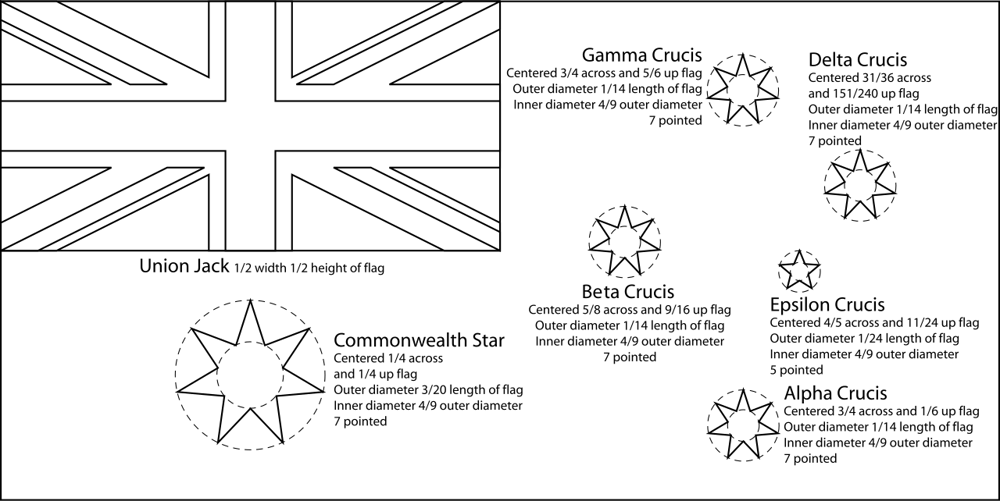
1902
The Franchise Act marked a pivotal moment in Australian history by granting women the right to vote in federal elections. However, the act excluded most non-European ethnic groups, notably Aboriginal people, unless they were already registered on State rolls. This act reflected the prevailing discriminatory attitudes of the time, with the focus on granting voting rights to women of European descent while marginalizing Aboriginal communities.
The impact of the Franchise Act was significant, as it brought about a long-overdue recognition of women's right to participate in the political process. This represented a step towards gender equality in Australia, yet it also highlighted the systemic racism that persisted in the country, particularly towards the Indigenous population. The exclusion of most non-European ethnic groups emphasized the deep-seated discrimination that characterized Australian society during this period.
The implementation of the Franchise Act had lasting effects on the political landscape of Australia, shaping the demographics of voters and influencing the representation of different groups in government. The act's restrictions on voting rights based on ethnicity reinforced existing power imbalances and hindered the progress towards a more inclusive and equitable society.
In conclusion, the Franchise Act of 1902 guaranteed women the right to vote in federal elections in Australia, but its exclusion of most non-European ethnic groups, including Aboriginal people, revealed the entrenched discrimination prevalent at the time. The act's impact on political participation and representation underscored the need for ongoing efforts to address systemic inequalities and promote diversity in Australian democracy.
#FranchiseAct #VotingRights #GenderEquality #SystemicRacism #AustralianHistory
View detailsDuring the Boer War, Breaker Morant was accused of murdering Boer prisoners, sparking a controversial trial. In response to guerrilla warfare tactics used by Boer forces, Morant and his men took drastic measures. Despite arguments of following orders and seeking revenge for fallen comrades, Morant was found guilty and sentenced to death by firing squad.
His execution stirred up heated debates in Australia and beyond, with many questioning the fairness of the trial. Morant's case raised concerns about the treatment of prisoners during wartime and the morality of soldiers' actions in the face of brutal conflict. Some saw Morant as a scapegoat for wider military strategies, while others condemned his actions as war crimes.
The impact of Morant's execution reverberated throughout the military and legal realms, influencing future rules of engagement and the treatment of prisoners of war. The event also fueled discussions about loyalty, justice, and the harsh realities of combat. Morant's story became embedded in Australian folklore, symbolizing the complex nature of warfare and the sacrifices made by soldiers.
The execution of Breaker Morant highlights the ethical dilemmas faced by individuals in times of war and the consequences of crossing moral boundaries. It serves as a reminder of the complexities of armed conflict and the blurred lines between justice and vengeance on the battlefield.
#BreakerMorant #BoerWar #WarCrimes #MilitaryJustice #AustralianHistory
View details
1901
In 1901, the Immigration Restriction Act was introduced in Australia, laying the foundation for the White Australia policy. The background of this Act stemmed from a growing sense of racial superiority among the European settlers towards non-white immigrants, particularly Asian populations. The Act aimed to restrict non-European immigration to maintain a homogenous white population in Australia.
The impact of the Immigration Restriction Act was far-reaching. It effectively barred individuals from Asia and the Pacific Islands from migrating to Australia by implementing a dictation test in any European language. This discriminatory policy reinforced xenophobia and racism within the Australian society, fostering a sense of national identity built on the exclusion of non-white individuals.
Consequently, the White Australia policy became entrenched in various aspects of Australian life, including employment, housing, and social interactions. It perpetuated segregation and limited opportunities for non-white communities, contributing to a systemic marginalization that persisted for decades.
The introduction of the Immigration Restriction Act marked a dark chapter in Australian history, reflecting the prevailing attitudes of the time towards race and immigration. It symbolized a deliberate effort to uphold a white-dominated society while disregarding the cultural and ethnic diversity that could enrich the nation.
#ImmigrationRestrictionAct #WhiteAustraliaPolicy #Discrimination #RacialSegregation #Xenophobia
View detailsIn 1901, the Australian National Flag was flown for the first time. The flag features the Union Jack in the canton, symbolizing Australia's historical link to Great Britain, and a large seven-pointed star known as the Commonwealth Star. Beneath the Union Jack, the Southern Cross constellation is depicted, representing Australia's geographical location in the Southern Hemisphere.
The introduction of the Australian National Flag signified Australia's newly established status as a federation, with the different states coming together to form one nation. It was a moment of unity and identity for the people of Australia, representing their shared values and aspirations as a nation.
The flag's design was chosen through a competition held in 1901, inviting submissions from the public. The winning design, created by five individuals who collaborated on the final version, was officially proclaimed as the Australian National Flag by King Edward VII in 1903.
Since its first hoisting in 1901, the Australian National Flag has become an enduring symbol of Australia's national identity, appearing at official ceremonies, sporting events, schools, and government buildings across the country. It is a source of pride for Australians, representing their heritage, values, and sense of belonging to a unique and diverse nation.
The flying of the Australian National Flag for the first time marked a significant moment in Australia's history, symbolizing the country's unity and independence as a nation. It continues to hold a special place in the hearts of Australians, reminding them of the country's past and guiding its future.
#AustralianNationalFlag #Unity #Identity #Heritage
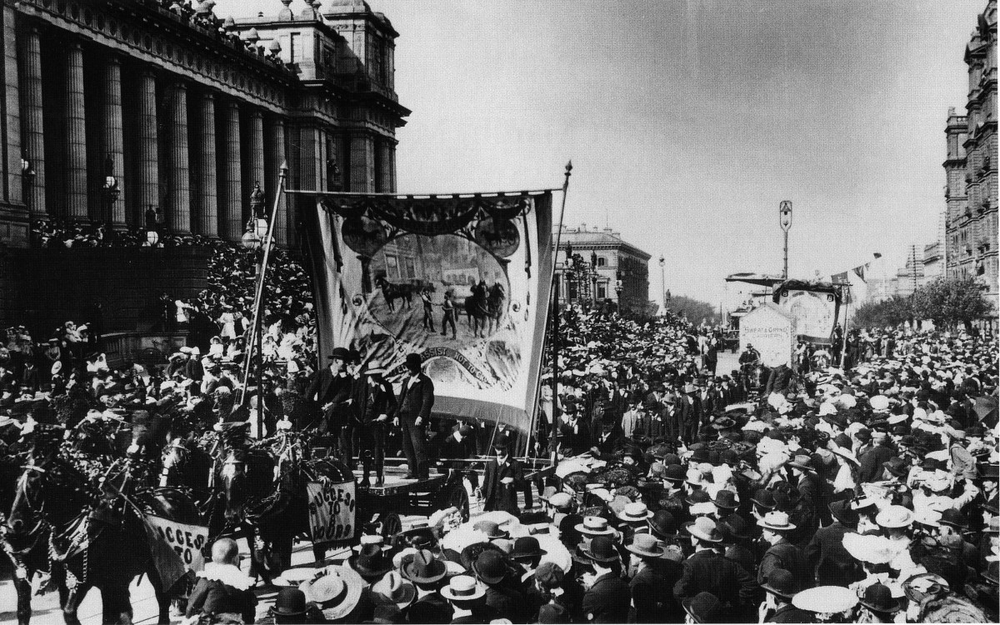
View detailsIn 1901, the inaugural gathering of Australia's Parliament took place in Parliament House, Melbourne. This historic event marked the beginning of a new era for the nation as it transitioned to becoming a federated Commonwealth. The decision to establish the meeting in Melbourne was a significant compromise to address the rivalry between Sydney and Melbourne for the title of the nation's capital.
The Parliament House was chosen as the venue due to its impressive architecture and symbolic significance. It provided a grand setting for the country's leaders to convene and lay the groundwork for the newly federated nation. The meeting was attended by representatives from all states and territories, coming together to discuss the constitution, pass laws, and shape the future of Australia.
The formation of the first parliament in Melbourne had a profound impact on the country's political landscape. It demonstrated a commitment to unity and cooperation among the states and laid the foundation for the democratic processes that continue to shape Australia's governance today. The decisions made in that historic meeting set the course for the country's development and established a framework for the functioning of its government.
The significance of this event is echoed in the halls of Parliament House, Melbourne, where subsequent generations of leaders have continued to gather to debate, legislate, and govern. The legacy of that first parliament meeting lives on in the traditions and institutions of Australian democracy.
#ParliamentHouse #Melbourne #Australia #HistoricEvent
View detailsAustralia's journey to federation culminated in Edmund Barton assuming office as the inaugural Prime Minister, under the watch of Governor-General the 7th Earl of Hopetoun. This historic development marked a significant milestone in Australia's political landscape, symbolizing the unification of its states into one nation.
Amidst the celebrations, a dark cloud loomed over Sydney as the Black Death made its presence felt, claiming the lives of just over 100 individuals. The outbreak sent shockwaves through the community, highlighting the importance of public health measures in the growing nation.
The appointment of Barton as Prime Minister represented a new era for Australia, as he undertook the responsibility of leading the country towards a common goal. His leadership skills and vision for a united Australia set the tone for the nation's future growth and development.
As Governor-General, the 7th Earl of Hopetoun played a crucial role in overseeing the smooth transition of power and representing the interests of the British Empire in the region. His presence added a touch of regal authority to the proceedings, emphasizing the significance of the event on a global scale.
While the Black Death outbreak served as a somber reminder of the challenges ahead, it also prompted a renewed focus on public health initiatives and disease prevention strategies. The tragic loss of lives underscored the need for stronger healthcare infrastructure and coordinated responses to potential epidemics in the future.
Australia's journey to federation, marked by the appointment of its first Prime Minister and Governor-General, was a defining moment in its history, shaping the nation's identity and trajectory for years to come. The events of this day laid the foundation for a unified Australia, poised to navigate the opportunities and challenges of the new century. #Australia #Federation #PrimeMinister #GovernorGeneral #BlackDeath #PublicHealth
View details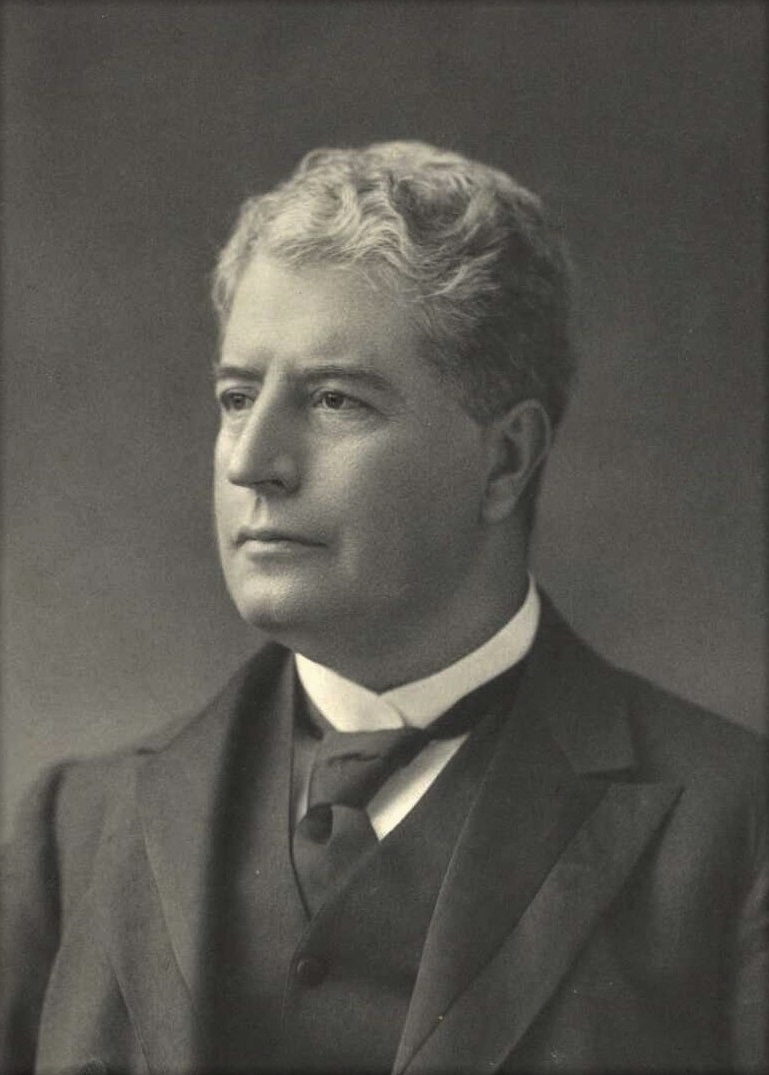
1900
In 1900, the Parliament of the United Kingdom passed the constitution as a schedule to the Commonwealth of Australia Constitution Act, and it received royal assent. This event marked a significant milestone in Australia's journey towards nationhood. The drafting of the constitution involved years of debate, negotiation, and compromise among the Australian colonies.
The constitution outlined the framework for the federal government and the distribution of powers between the national government and the states. It also established the structure of the Parliament, the judiciary, and the executive branch. Additionally, the constitution set out the process for amending the document, ensuring that it could adapt to the changing needs of the young nation.
The passing of the constitution had a profound impact on Australia's governance and legal system. It provided a solid foundation for a unified and democratic country, resolving many of the jurisdictional issues that had previously hindered cooperation between the colonies. The constitution also affirmed Australia's status as a constitutional monarchy within the Commonwealth.
Moreover, the passing of the constitution paved the way for Australia to become a self-governing nation within the British Empire. It laid the groundwork for the country's eventual independence and the development of its own distinct national identity.
Overall, the passing of the constitution as a schedule to the Commonwealth of Australia Constitution Act in 1900 was a crucial moment in Australian history, shaping the country's political, legal, and constitutional framework for generations to come.
#Australia #ConstitutionAct #RoyalAssent #Parliament #Commonwealth #History
View details1899
In December 1899, Western Australia made history by granting full women's suffrage, becoming the first Australian state to do so. This milestone was the result of years of activism and advocacy by women's rights groups in the region. The campaign for women's right to vote in Western Australia gained momentum in the late 19th century, with suffragists organizing public meetings, circulating petitions, and raising awareness about the importance of political representation for women.
The passing of the Women's Suffrage Act in Western Australia marked a significant moment in the women's suffrage movement in Australia and globally. The legislation granted all women in the state the right to vote and stand for election, regardless of their marital status or property ownership. This decision was a major step towards gender equality and political participation, setting a precedent for other Australian states and territories to follow.
The impact of full women's suffrage in Western Australia was profound, empowering women to engage in the political process and have a voice in shaping the future of the state. Women began participating in elections, running for office, and advocating for issues that were important to them. The inclusion of women in the political sphere brought diverse perspectives and experiences to decision-making processes, leading to more inclusive and representative governance.
The enactment of full women's suffrage in Western Australia was a groundbreaking moment in the history of the women's rights movement, demonstrating the power of grassroots activism and collective advocacy. It paved the way for progress towards gender equality in Australia and inspired future generations of women to fight for their rights. #WomensSuffrage #WesternAustralia #PoliticalEmpowerment
View detailsIn Australia, the Australian Labor Party made history by taking office in Queensland for a brief period. This marked the first time a trade union party had governed anywhere in the world. The Australian Labor Party, founded in the 1890s, was established to represent the interests of the working class.
Amidst growing support from labor unions and workers, the party gained traction in Queensland, leading to their momentous victory. However, their time in office was short-lived due to political turmoil and opposition from other parties. Despite their brief tenure, this event was a significant milestone in the global political landscape, showcasing the rise of the labor movement's influence in government.
The Australian Labor Party's temporary governance in Queensland paved the way for future advancements in workers' rights and labor laws. It demonstrated the potential for trade union parties to have a seat at the political table and advocate for policies that benefit the working class.
This event highlighted the shifting power dynamics in Australian politics, as well as the growing importance of labor representation in government. The Australian Labor Party's historic moment in Queensland set a precedent for trade union parties around the world and inspired further advancements in workers' rights and social policies.
#AustralianLaborParty #TradeUnion #PoliticalMilestone #WorkersRights #LaborMovement
View details