
Timor-Leste (East Timor)

Land of the Rising Sun
About
#EastTimor
#TimorLeste
#DiscoverTimor-Leste
#TravelTimorLeste
Life Classification
Country
Life ID
EL2116841953436
Verified Name
timor-leste
Life Type
Entity Life
Life Editor(s)
History Editorial Network (HEN)
Life Privacy
Public
Subscription
Elite
Created On
2024-07-17
Updated On
2025-12-19
Connect
Related Lives

Peru
Land of the Incas

History of Bitcoin
Peer to Peer Electronic Cash System

US Fighter Jets
Fighterjets operated by the United State

Drama Movies
The Heart of Cinema

Mauritius
Island Rythms

Japan
The Land of the Rising Sun

Brazil
The Land of Samba and Soccer

Hungary
Tales of the Danube

2022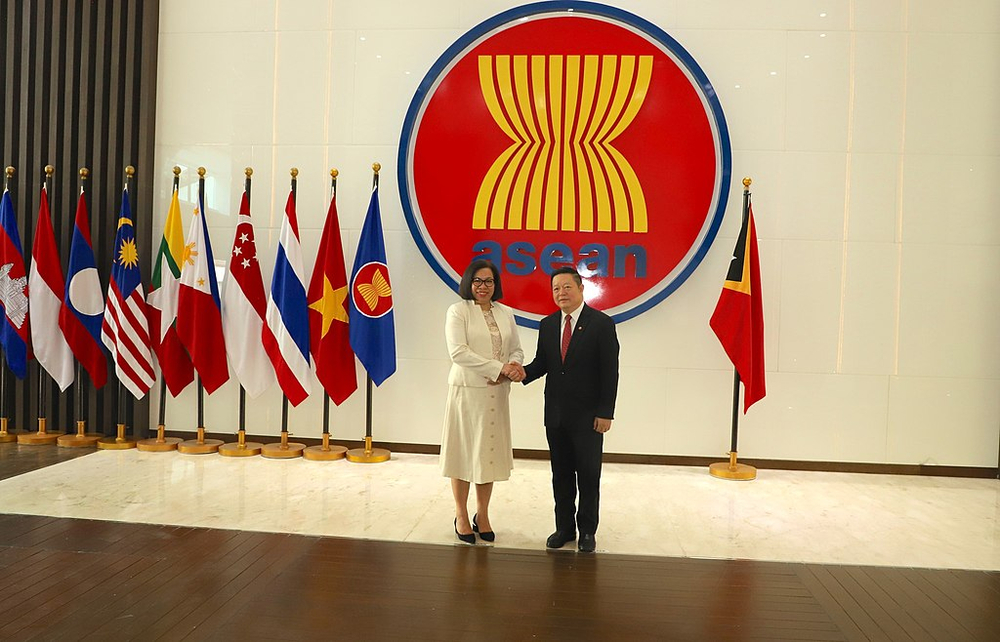
In 2005, East Timor's aspiration to become a member of ASEAN led to its inclusion in the ASEAN Regional Forum. The country's bid for full accession to ASEAN was a strategic move to strengthen its diplomatic ties with Southeast Asian nations. Becoming a part of the forum allowed East Timor to engage in dialogue on political and security issues affecting the region.
This development marked a significant step in East Timor's efforts to integrate itself into the ASEAN community, showcasing its commitment to regional cooperation and collaboration. By joining the forum, East Timor gained a platform to voice its perspectives on regional security challenges and contribute to the common goal of promoting peace and stability in Southeast Asia.
The event highlighted East Timor's diplomatic efforts to deepen its regional partnerships and play a more active role in the ASEAN framework. As an observer in the ASEAN Regional Forum, East Timor could participate in discussions on security matters and build relationships with ASEAN member states, laying the groundwork for its future accession to ASEAN.
#EastTimor #ASEANRegionalForum #RegionalCooperation.
View details2010
Marking the 20th anniversary of the Popular Consultation in Timor-Leste was an event that reflected on the historical significance of the nation's journey towards independence. The Popular Consultation, held in 1999, allowed the people of Timor-Leste to choose between autonomy within Indonesia or independence. The majority voted for independence, leading to a period of violence and unrest before Timor-Leste finally gained its sovereignty.
This event served as a moment of remembrance and reflection for the people of Timor-Leste, honoring the sacrifices made during the struggle for independence. It also highlighted the progress and development the country has achieved since gaining independence, showcasing the resilience and determination of its people.
Gathering together political leaders, activists, and citizens, the event featured speeches, cultural performances, and exhibitions that celebrated Timor-Leste’s rich history and cultural heritage. It was an opportunity to honor the past, celebrate the present, and look towards the future with hope and unity.
#TimorLeste #Independence #Resilience #Unity
View details2006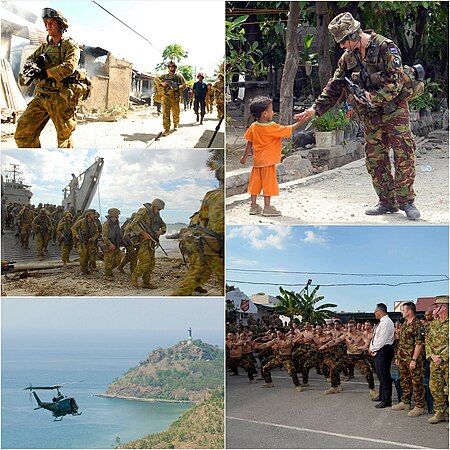
In 2006, East Timor faced a national crisis that culminated in a coup attempt, triggering widespread unrest and violence. The roots of the crisis can be traced back to tensions within the military and government, exacerbated by issues of poverty, unemployment, and regional rivalries.
The coup attempt by disaffected soldiers sparked clashes in the capital, Dili, leading to a breakdown of law and order. The violence quickly spread across the country, resulting in significant destruction of property and infrastructure. Thousands of people were displaced, seeking refuge in makeshift camps with limited access to basic necessities.
The crisis prompted a swift international response, with peacekeeping forces deployed to restore stability and aid in humanitarian efforts. The United Nations played a crucial role in facilitating dialogue between the warring factions and supporting the government in its efforts to rebuild and reconcile the nation.
In the aftermath of the crisis, East Timor faced enormous challenges in rebuilding trust and social cohesion. The scars of the violence ran deep, impacting communities and institutions for years to come. However, the resilience and determination of the Timorese people ultimately prevailed, paving the way for a path towards peace and reconciliation.
#EastTimor #Crisis #CoupAttempt #Rebuilding #Resilience #Peacebuilding
View detailsEast Timor and Australia reached an agreement to share revenues from oil and gas reserves in the Timor Sea, deferring resolution on the maritime border dispute. The deal is crucial for the economic development of East Timor, a young nation gaining independence in 2002 after a long struggle. The negotiation involved delicate diplomatic maneuvers as both countries aimed to benefit from the resource-rich region.
The agreement marks a milestone in the relationship between the two nations, showcasing the potential for collaboration on resource management. It brings stability to the region, fostering economic growth and providing a framework for future engagements. The postponement of discussions on the maritime boundary reflects a pragmatic approach to prioritize economic gains while deferring more challenging political issues.
This momentous event illustrates the importance of international cooperation in resolving disputes and fostering mutual prosperity. It sets a precedent for peaceful negotiations over resource allocation, setting a positive tone for future interactions among neighboring countries in the region. The deal paves the way for continued economic development and stability in East Timor, laying the groundwork for sustainable growth and prosperity for its people. #TimorSeaDeal #EastTimorAustraliaAgreement #ResourceSharingAccord
View details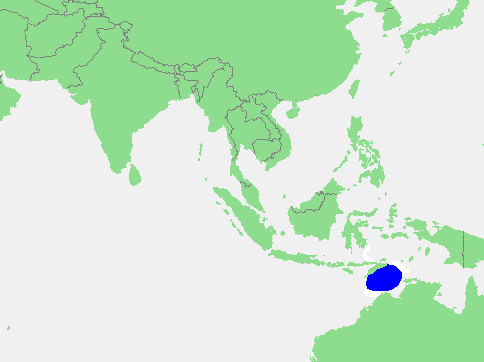
2004
Offshore gas production began at the Bayu Undan project, marking a crucial milestone for Timor-Leste's economy. The project, a joint development between Australia and Timor-Leste, is estimated to generate an annual revenue of $100 million. Bayu Undan's operations involve extracting natural gas and condensate from beneath the Timor Sea, contributing significantly to the country's energy sector.
The commencement of production at the offshore gas field has brought about a positive impact on Timor-Leste's economic growth. The anticipated earnings from the project are expected to boost the nation's revenue streams, providing crucial funds for development projects and infrastructure improvements. Additionally, the project has the potential to create job opportunities for local communities, fostering economic stability and prosperity.
As one of the largest industrial undertakings in Timor-Leste, the Bayu Undan project plays a vital role in the country's journey towards energy self-sufficiency and economic diversification. The revenues generated from the project are earmarked for social welfare programs, education, and healthcare initiatives, benefiting the overall well-being of the population.
#TimorLeste #BayuUndan #OffshoreGas #EconomicDevelopment #EnergySector
View details2002
East Timor was officially accepted as the 191st member of the United Nations, marking a significant milestone in the country's history. The journey towards UN membership began with the nation's struggle for independence from Indonesian occupation. Following a United Nations-supervised referendum in 1999, East Timor voted for independence, leading to a period of transition and nation-building.
Becoming a UN member provided East Timor with a platform to engage with the international community, promoting diplomatic relations, and accessing resources for development. Membership also symbolized recognition of the country's sovereignty and right to self-determination after years of conflict and hardship.
The process of joining the UN involved meeting criteria such as rule of law, human rights protection, and commitment to international cooperation. East Timor's admission demonstrated its progress in establishing a stable government, fostering democratic governance, and advancing economic growth.
As the 191st member of the United Nations, East Timor gained a voice on the global stage to address issues such as poverty, sustainable development, and peace-building. The country's entry into the UN exemplified its resilience and determination to overcome challenges and strive for a better future.
#EastTimor #UNMember #Independence #GlobalEngagement #Sovereignty #Peacebuilding
View detailsTimor-Leste, a former Portuguese colony, had a long history of colonization, including by Indonesia from 1975. After a period of struggle for independence and a United Nations-administered transition, Timor-Leste finally became a sovereign state in the 21st century.
The event marked a significant milestone in the country's history, symbolizing the end of years of oppression and the beginning of a new era of self-governance. The people of Timor-Leste gained control over their own affairs, shaping their future as an independent nation.
As the first new sovereign state of the 21st century, Timor-Leste's achievement inspired hope for other nations striving for self-determination. The international community welcomed the peaceful transition, supporting the country's efforts to establish democracy, human rights, and economic development.
Timor-Leste's journey to independence was not without challenges, but the nation's resilience and determination prevailed. The event served as a testament to the power of perseverance and the will of a united people to overcome adversity and forge their path forward.
#TimorLeste #Sovereignty #Independence #SelfDetermination #Resilience
View detailsAfter years of struggle for independence from Indonesian occupation, Timor-Leste established its National Parliament. The formation of the parliament marked a significant milestone in the country's history, symbolizing its evolution towards democracy and self-governance.
The National Parliament of Timor-Leste plays a crucial role in shaping the nation's political landscape, enacting legislation, and representing the interests of its citizens. The establishment of this governing body provided a platform for diverse voices to be heard and for decisions to be made collectively, fostering transparency and accountability in the new nation.
The event marked a significant shift in power dynamics, as Timor-Leste transitioned from a territory under foreign rule to an independent sovereign state. The founding of the National Parliament laid the foundation for democratic governance, setting the stage for the country's development and progress.
Overall, the establishment of the National Parliament of Timor-Leste was a pivotal moment that shaped the nation's future political landscape and represented a significant step towards self-determination and democracy. #TimorLeste #NationalParliament #Democracy
View details
In 2002, negotiations for the Timor Sea Treaty began between East Timor and Australia. The background of this event lies in the desire of both nations to determine maritime boundaries and access to oil and gas reserves in the Timor Sea. The impact of these negotiations was significant, as it aimed to establish a fair distribution of the resource wealth between the two countries.
This event marked the beginning of a diplomatic process that would eventually lead to the signing of the Timor Sea Treaty, which granted East Timor a more equitable share of the oil and gas reserves in the Timor Sea. The treaty also laid the foundation for a more stable and cooperative relationship between the two nations.
Overall, the start of the Timor Sea Treaty negotiations between East Timor and Australia was a pivotal moment in the history of both countries, reflecting their commitment to resolving disputes through peaceful and diplomatic means.
#TimorSeaTreaty #EastTimor #Australia #Negotiations
View details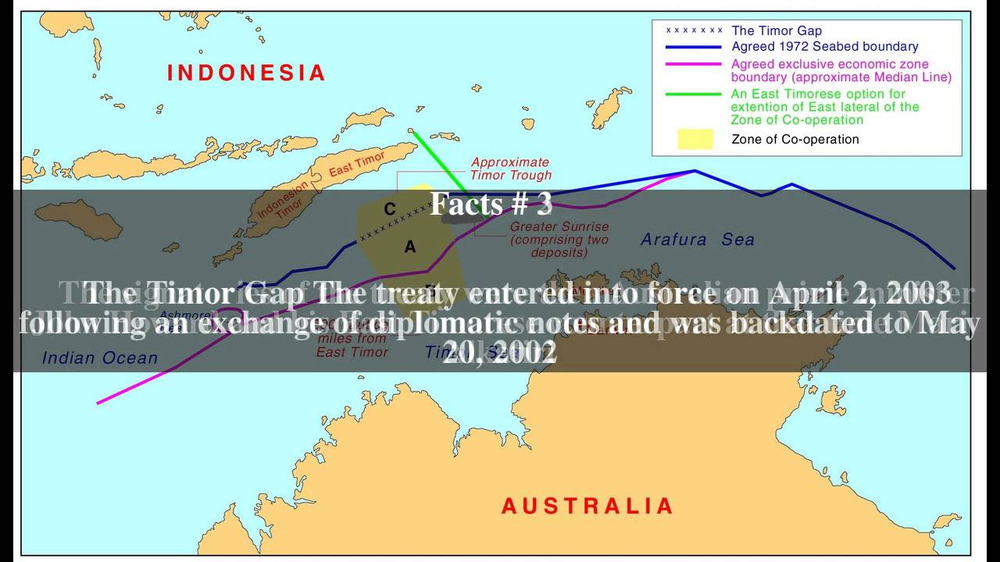
Following years of struggle for independence, the country known as East Timor was officially renamed Timor-Leste. The change in name symbolized its sovereignty and marked a significant moment in its history.
The decision to rename the country was a reflection of the Timorese people's desire to establish their own identity and move past the legacy of colonial rule. It signified a fresh start for the nation as it sought to redefine itself on the global stage.
The renaming of East Timor to Timor-Leste had a profound impact both domestically and internationally. It represented a break from its troubled past and signaled a new chapter of self-determination and national pride. The move was also seen as a step towards reconciliation and healing for the Timorese people, who had endured years of conflict and hardship.
Overall, the renaming of East Timor to Timor-Leste was a pivotal moment in the country's history. It encapsulated the spirit of resilience and determination that had long defined the Timorese people's struggle for independence and self-governance.
#TimorLeste #Independence #Sovereignty #NationalPride
View details
Following decades of occupation and eventual independence from Indonesia, Timor-Leste held its first presidential elections. The election marked a crucial step towards establishing a stable democracy in the newly formed nation. With a population still recovering from the scars of conflict, the presidential election was seen as an opportunity to unite the country and move towards a more peaceful future.
The election saw an enthusiastic turnout, with citizens eager to exercise their right to vote and have a say in shaping the future of their nation. The campaigning period was marked by a sense of optimism and hope for a better tomorrow. Despite some logistical challenges, the elections were conducted fairly and transparently, further solidifying Timor-Leste's commitment to democracy.
The outcome of the election had a profound impact on the country's trajectory. The newly elected president faced the daunting task of leading a nation still grappling with the legacy of war and instability. However, the peaceful transition of power showcased Timor-Leste's resilience and determination to overcome its challenges.
Overall, the presidential elections in Timor-Leste were a pivotal moment in the country's history, setting the stage for future progress and development. The event highlighted the aspirations of the Timorese people for a brighter and more stable future. #TimorLeste #Democracy #Peace #TransitionOfPower
View details
1999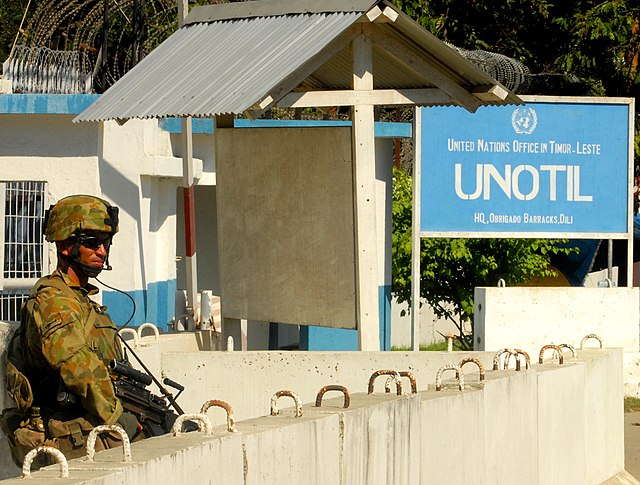
Following the violence that engulfed Timor-Leste in the aftermath of the independence referendum, the United Nations Security Council established the United Nations Transitional Administration in Timor-Leste (UNTAET). This decision aimed to restore peace and stability to the region after years of conflict.
Under the UNTAET mandate, a transitional administration was put in place to oversee the governance of Timor-Leste, facilitate the delivery of humanitarian aid, and support the country in its path towards independence. The mission also included tasks such as rebuilding infrastructure, promoting human rights, and establishing institutions for the fledgling nation.
The impact of the UNTAET mission was significant, as it provided the necessary support and guidance for Timor-Leste to transition from a territory marked by violence and instability to an independent and sovereign nation. The presence of the UN mission helped pave the way for the country to rebuild, heal, and establish the foundations of a democratic society.
The establishment of UNTAET marked a crucial moment in Timor-Leste's history, setting the stage for the country's eventual independence and laying the groundwork for its development as a peaceful and stable nation. #UNTAET #TimorLeste #UnitedNations #Peacebuilding
View detailsIn an unprecedented move, the East Timorese people participated in a referendum to determine their independence from Indonesia. The referendum was a culmination of years of struggle against Indonesian occupation, which began in the 1970s after East Timor declared itself a sovereign state following Portugal's decolonization.
The voting process was marked by violence and intimidation from pro-Indonesian militia groups, resulting in significant bloodshed and widespread destruction. Despite the challenges, an overwhelming majority of East Timorese voted for independence, signaling their strong desire for self-governance and national sovereignty.
The outcome of the referendum had far-reaching implications, leading to the intervention of international peacekeeping forces to restore order and facilitate the transition to independence. In 2002, East Timor officially became an independent nation, marking a historic moment in the country's arduous journey towards self-determination and freedom.
#EastTimor #Independence #Referendum #SelfDetermination #HistoricEvent #InternationalIntervention
View details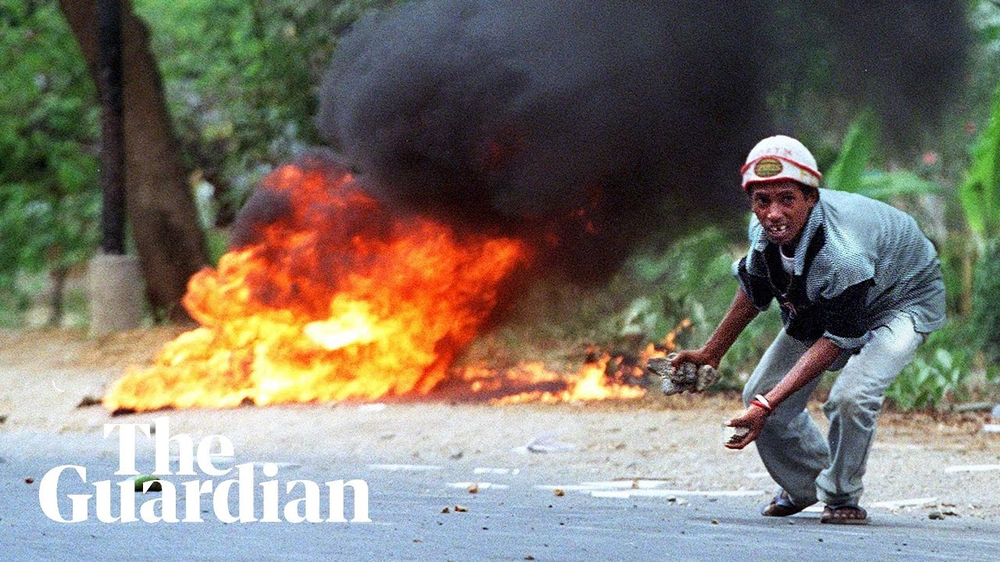
The United Nations-brokered ceasefire between East Timorese pro-independence fighters and Indonesian forces marked a crucial turning point in the conflict that had plagued the region for years. The background of the conflict lay in East Timor's long-standing desire for independence from Indonesian rule, which had led to a violent suppression of pro-independence movements by Indonesian forces.
The ceasefire brought a temporary halt to the bloodshed and allowed for negotiations to take place, ultimately resulting in the United Nations-sponsored referendum in which the people of East Timor voted overwhelmingly for independence. This marked the beginning of a new chapter for the nation as it paved the way for East Timor to achieve its long-awaited independence.
The impact of the ceasefire was profound, as it not only brought an end to the immediate violence but also set the stage for East Timor to transition into an independent nation. The ceasefire opened up opportunities for peace-building efforts and international support to help the country rebuild and establish itself as a sovereign state.
#EastTimor #Ceasefire #Independence #UnitedNations #ConflictResolution
View details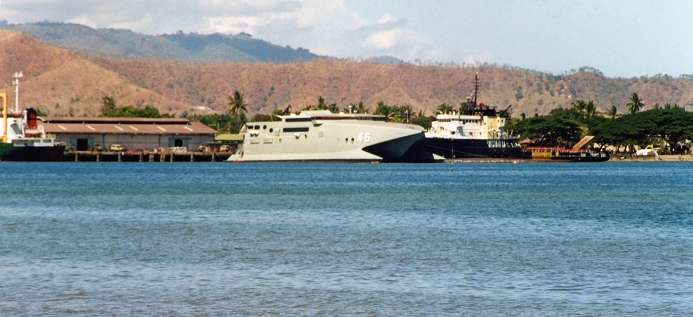
1991
Amidst growing tensions, pro-independence demonstrators gathered at the Santa Cruz cemetery. The group was advocating for Timor-Leste's independence from Indonesian rule. Indonesian forces, viewing the demonstration as a threat, began firing on the unarmed crowd. The indiscriminate shooting resulted in numerous casualties, with reports of both deaths and injuries.
The Santa Cruz massacre had a profound impact, drawing international attention to the situation in Timor-Leste. The violence shed light on the human rights abuses taking place in the region. The event galvanized support for the independence movement and fueled calls for Indonesia to end its occupation of Timor-Leste.
The massacre at the Santa Cruz cemetery served as a turning point in the struggle for Timor-Leste's independence. The brutal crackdown highlighted the lengths to which the Indonesian government was willing to go to suppress dissent. It fueled a growing sense of defiance and resilience among pro-independence activists in Timor-Leste.
#TimorLeste #SantaCruzMassacre #Independence #HumanRights #IndonesianOccupation
View details1975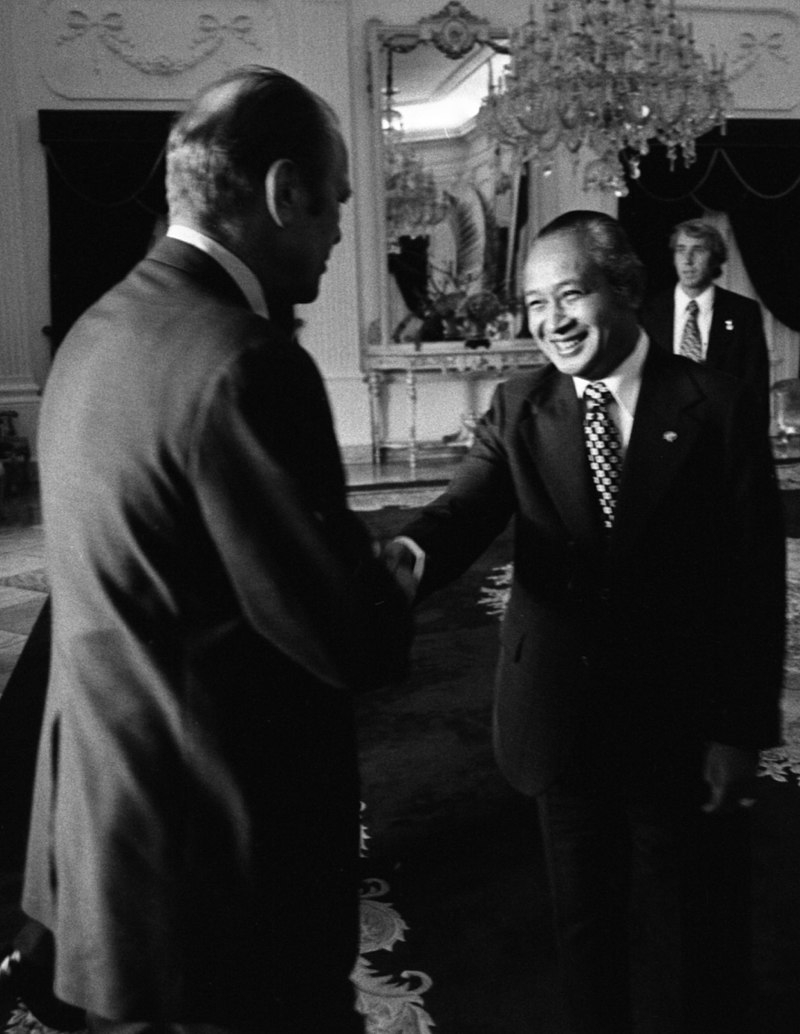
East Timor was under Portuguese rule for centuries before gaining independence in the mid-20th century. Political unrest and a civil war between rival factions led to a power vacuum. Indonesia saw an opportunity to annex the territory, citing historical claims and the need for stability.
On December 7th, Indonesian forces launched a full-scale invasion of East Timor, quickly overpowering the resistance. What followed was a brutal occupation marked by widespread human rights abuses, including forced relocation, mass killings, and torture.
For the next 24 years, East Timor was integrated as a province of Indonesia, despite ongoing resistance and calls for independence. The international community largely turned a blind eye to the suffering of the Timorese people, until mounting pressure eventually forced Indonesia to allow a referendum in which the Timorese voted overwhelmingly for independence.
The Indonesian invasion of East Timor had lasting impacts on the country, leaving behind a legacy of trauma and destruction that would take years to overcome. The struggle for independence forged a strong national identity and a determination to rebuild a shattered nation.
#EastTimor #IndonesianInvasion #Occupation #Independence #HumanRightsAbuses
View detailsEast Timor's journey to independence from Portugal was marked by centuries of colonization and resistance. The declaration of independence in 1975 stirred hopes for self-governance among the Timorese people. However, neighboring Indonesia's invasion shortly after led to a brutal occupation that lasted for over two decades, resulting in widespread atrocities and loss of lives.
Despite the challenges, East Timor's struggle for freedom gained international attention and support. The eventual referendum in 1999, in which the Timorese voted overwhelmingly for independence, paved the way for the nation to finally achieve its long-awaited freedom.
The declaration of independence from Portugal marked the beginning of a tumultuous chapter in East Timor's history, setting the stage for a protracted struggle for self-determination and eventual independence. The resilience and determination of the Timorese people in the face of adversity serve as a testament to the enduring human spirit and the universal desire for freedom and autonomy.
#EastTimor #Independence #Resilience #SelfDetermination #Freedom
View details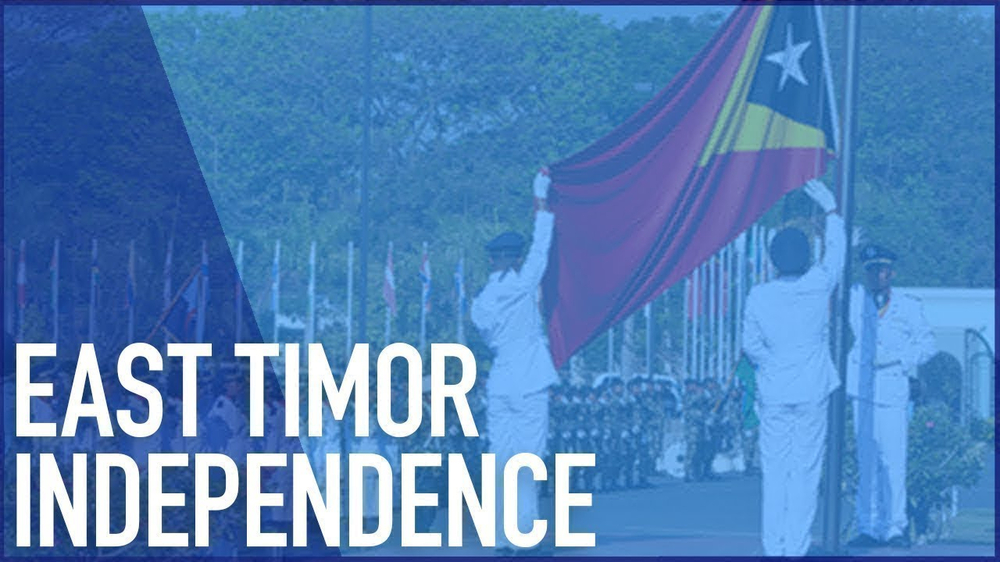
1942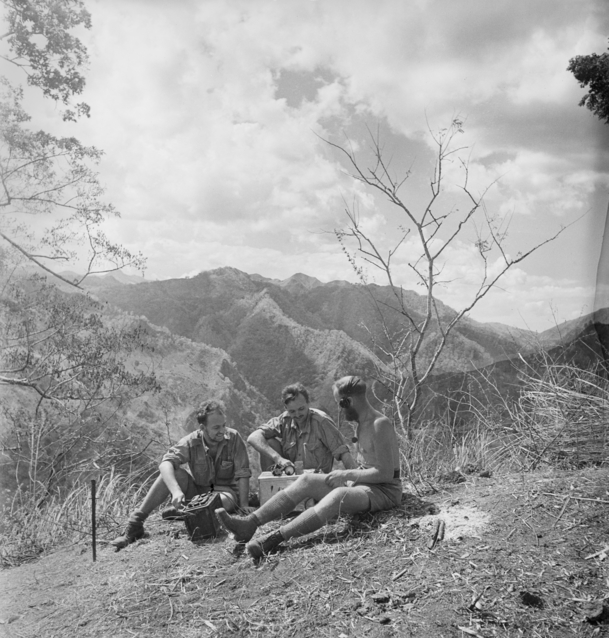
Japanese occupation in Timor during WW2: impacts, resistance, and historical significance discussed.
During World War II, the Japanese military occupied Timor, strategically positioning themselves in the Southeast Asian region. This occupation brought significant challenges to the local Timorese population, who experienced harsh living conditions and oppression under Japanese rule.
The Japanese occupation of Timor had a profound impact on the social, economic, and political fabric of the region. The local economy suffered as resources were exploited for Japan's war efforts, leading to food shortages and economic instability. The Timorese people also faced forced labor, cultural suppression, and brutality at the hands of the Japanese forces.
Despite the hardships endured during the occupation, the Timorese people demonstrated resilience and resistance, engaging in guerrilla warfare and supporting Australian forces in covert operations. This resistance played a crucial role in disrupting Japanese control and ultimately contributed to the liberation of Timor.
The Japanese occupation of Timor during World War II serves as a stark reminder of the lasting impact of war on local communities and the resilience of the human spirit in the face of adversity. #JapaneseOccupation #TimorWWII #Resilience
View details1941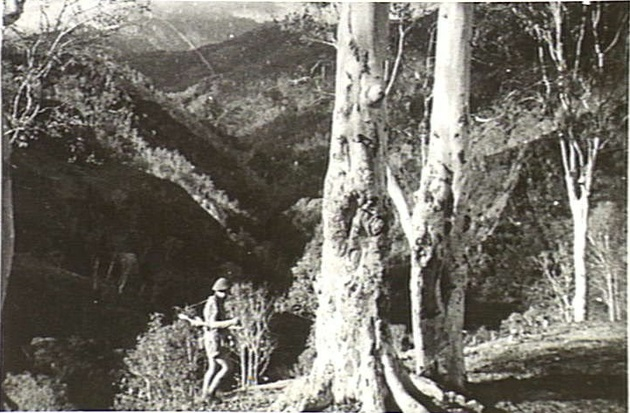
During World War II, Portuguese Timor faced occupation by Australian and Dutch forces to prevent the region from falling under Japanese control. The strategic location of Timor played a crucial role in the Pacific Theatre of the war, as it offered a key vantage point for monitoring Japanese military movements in the region.
The occupation by Australian and Dutch forces was significant as it thwarted Japanese attempts to gain a foothold in the area and provided a base for allied operations in the Pacific. Despite facing challenges and conflicts with the local population, the alliance managed to maintain control over Portuguese Timor until the end of the war.
This event had a lasting impact on the geopolitical landscape of the region, paving the way for subsequent developments that would ultimately shape the future of Timor. The occupation by allied forces also highlighted the complexities of colonial territories during wartime and the delicate balance of power in Southeast Asia.
#PortugueseTimor #Occupation #WorldWarII #AlliedForces #Geopolitics #TimorLeste
View details1916
In the early 20th century, a border dispute arose between Portuguese Timor and Dutch Timor, both colonial territories seeking to establish clear boundaries. Negotiations led to a definitive border delineation between the Portuguese and Dutch territories in The Hague. This agreement brought an end to the uncertainty and conflicts that had long persisted over territorial claims in the Timor region.
The drawing of the border in The Hague had a significant impact on the local populations, as it provided a sense of stability and clarity concerning land ownership and governance. It also allowed for the establishment of more organized and structured administration within each colonial territory.
The event in The Hague marked a milestone in the colonial history of Timor, shaping the future development and governance of the region. The agreement reached between Portugal and the Netherlands paved the way for more peaceful coexistence and cooperation between the two colonial powers in the Timor region.
#TimorColonialHistory #PortugueseDutchBorder #TheHagueAgreement #TerritorialDisputeResolved
View details1912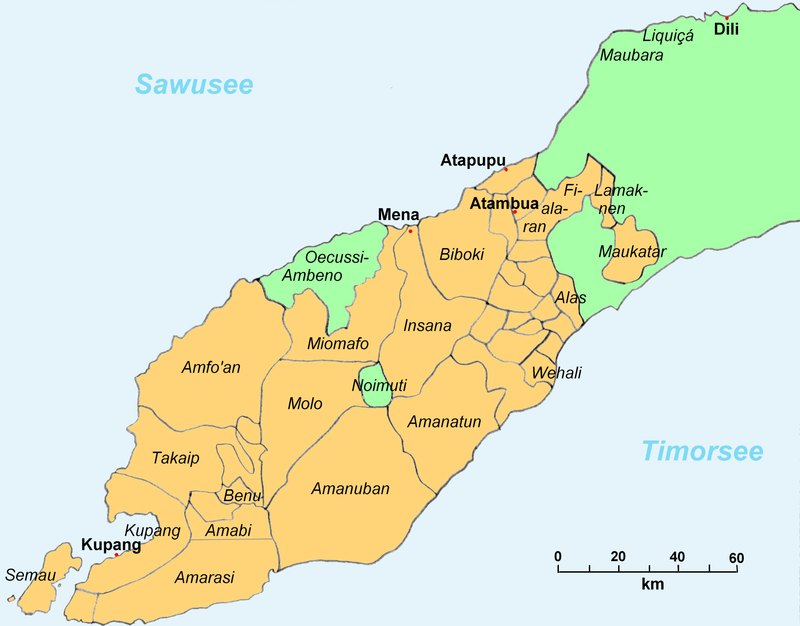
Portugal formally acknowledged the division of Timor island between two colonial powers, Dutch controlling West Timor and Portuguese governing East Timor. This decision stemmed from historical disputes over territorial claims and colonial interests. The recognition solidified existing systems of governance and trade within respective territories. East Timor, under Portuguese rule, became a site of cultural blending and Christian missionary activities, while West Timor maintained closer ties with the Dutch East Indies.
The impact of Portugal's recognition of the division of Timor facilitated the establishment of clear boundaries and administrative structures. This acknowledgment helped stabilize relations between the two colonial powers, enabling them to focus on economic exploitation and governance within their respective areas. East Timor experienced a stronger Portuguese influence in terms of language, religion, and administration, while West Timor was more influenced by Dutch practices.
The division of Timor island highlights the complex colonial history of Southeast Asia and the arbitrary lines drawn across territories by European powers. The decisions made during this period continue to influence the cultural, political, and social dynamics of Timor island to this day.
#Portugal #Timor #ColonialDivision #EastTimor #WestTimor
View details1911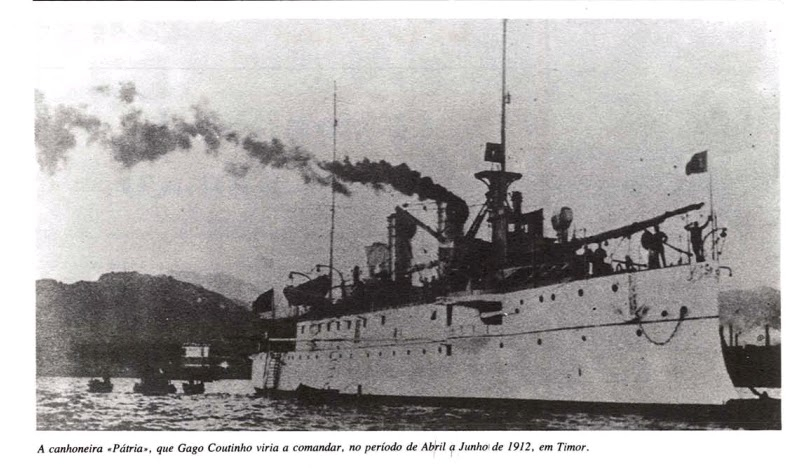
In the early 20th century, in the mountainous region of Manufahi in Timor-Leste, a notable figure named Dom Boaventura emerged as a leader against Portuguese colonial rule. He mobilized his fellow countrymen to resist the oppressive regime that had dominated the region for centuries. Dom Boaventura's revolt was a significant turning point in the struggle for independence, as it marked a united front against the foreign occupiers.
The revolt led by Dom Boaventura in Manufahi had a profound impact on the local community, igniting a spirit of resistance and fostering a sense of national identity among the Timorese people. The uprising inspired similar movements in other parts of the country, ultimately contributing to the momentum for independence.
This event underscores the resilience and determination of the Timorese people in their quest for self-determination. The legacy of Dom Boaventura and the revolt in Manufahi continues to inspire present-day efforts towards preserving Timor-Leste's sovereignty and promoting its rich cultural heritage.
#TimorLeste #Independence #AntiColonialism #Revolt
View details1875
In 1875, violent clashes erupted between Portuguese authorities and local Timorese leaders in Timor Island. Tensions had been brewing due to the oppressive Portuguese colonial rule that disregarded the traditional power structures of the Timorese community. The resistance against the Portuguese presence escalated into open conflict, leading to widespread unrest and bloodshed on the island.
The clashes marked a turning point in the relationship between the colonizers and the indigenous population, fueling anti-colonial sentiments and a fervent desire for independence among the Timorese. The brutal suppression of the uprising by the Portuguese forces further deepened the animosity and sowed the seeds of enduring resentment towards the colonial power.
The event served to galvanize local Timorese leaders and communities in their struggle for self-determination and autonomy. The resistance that emerged from these clashes laid the foundation for future movements fighting against foreign domination and for the sovereignty of Timor-Leste.
#TimorColonialConflict #PortugueseOppression #TimoreseResistance #ColonialViolence #StruggleForAutonomy #TimorLesteIndependence
View details1825
Portugal, facing internal unrest, agreed to recognize Brazilian independence in the Treaty of Rio de Janeiro - a significant moment in colonial history. Portugal relinquished control of East Timor to the Netherlands in exchange for Dutch recognition of Brazil's sovereignty. The treaty marked the end of centuries of colonial rule in Brazil and the beginning of an independent nation. East Timor's transfer to Dutch control brought about new colonial dynamics in the region, impacting the lives of the Timorese people. The signing of the treaty reshaped power structures in South America and Southeast Asia, setting the stage for future geopolitical developments.
#TreatyOfRioDeJaneiro #BrazilianIndependence #EastTimor #Netherlands #ColonialHistory
View details1749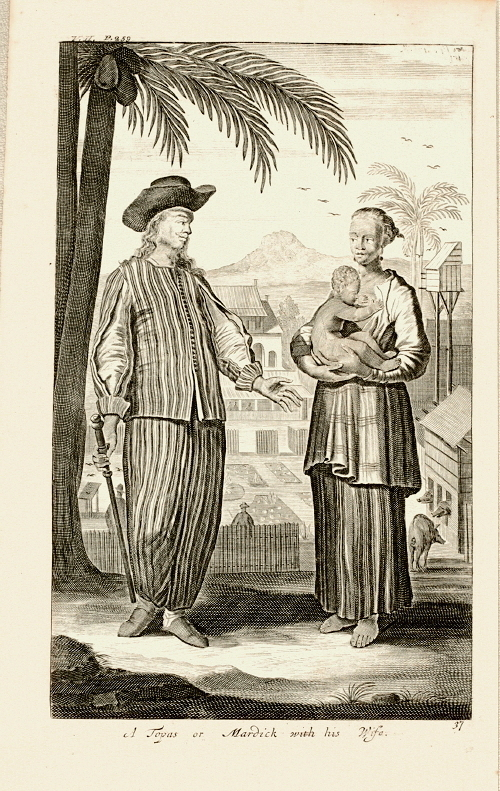
In 1749, conflicts between the Portuguese and the Topasses marked a turning point in the history of Timor-Leste. The Topasses were a group of indigenous Timorese who had assimilated Portuguese culture and technology, becoming a dominant power in the region. Tensions arose as the Portuguese sought to assert their control and influence, leading to clashes over territory and trade.
The competition for power between the two groups escalated, resulting in violent confrontations and power struggles. The Topasses, skilled in guerilla warfare, posed a significant challenge to the Portuguese forces. The conflict had far-reaching impacts on the local population, disrupting their lives and livelihoods, and creating a sense of insecurity and instability in the region.
Ultimately, the conflicts between the Portuguese and the Topasses highlighted the complexities of colonial encounters and the struggles for dominance in Timor-Leste. The events of 1749 serve as a reminder of the enduring legacy of colonialism and the lasting effects it has had on the people of the region.
#Portuguese #Topasses #TimorLeste #ColonialConflict
View details1702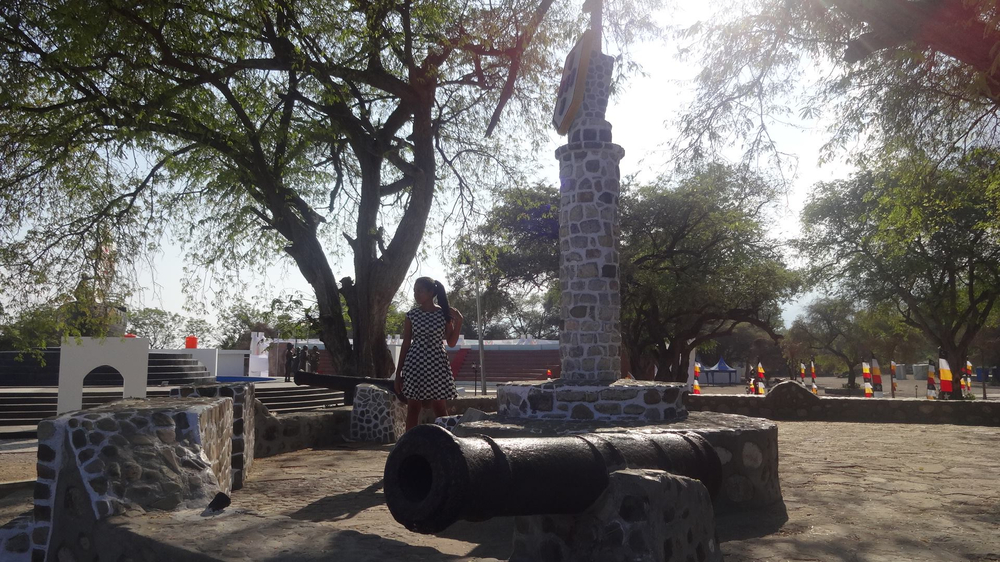
the Portuguese established a fort and trading post in Lifau, present-day Oecusse, marking their primary foothold on the island of Timor. This strategic move was driven by their quest for dominance in the lucrative spice trade in the region, particularly in sandalwood and cloves. The fort served as a key hub for Portuguese colonial activities, facilitating trade with local communities and other European powers in the area.
The establishment of the fort brought significant changes to the region. It introduced new technologies and crops, while also spreading Christianity to the local population. The Portuguese influence reshaped the social, economic, and political dynamics of the island, laying the foundation for centuries of colonial rule in Timor.
The fort at Lifau played a crucial role in Portuguese expansion in Southeast Asia and their efforts to control trade routes in the region. It served as a military outpost, administrative center, and trading hub, solidifying Portugal's presence in Timor and beyond.
#PortugueseColonization #StrategicFoothold #TradeHub #TimorHistory
View detailsIn 1702, a significant event unfolded in Timor with the establishment of a Portuguese enclave. The background of this development can be traced back to the strategic importance of Timor in the regional trade networks, prompting Portuguese interest in securing a presence on the island. This enclave served as a foothold for Portuguese traders, missionaries, and colonial administrators to exert influence in the region.
The impact of the Portuguese enclave in Timor was far-reaching. It facilitated the spread of Christianity, the introduction of Portuguese customs and language, and the integration of Timor into the broader Portuguese colonial sphere. The enclave also played a role in shaping the local political landscape, forging alliances with indigenous rulers and establishing a system of governance under Portuguese authority.
Over time, the Portuguese enclave in Timor became a symbol of colonial power and influence in the region, leaving a lasting legacy that endured even after the eventual decolonization of Timor.
#PortugueseEnclave #TimorColonization #CulturalExchange #ColonialLegacy
View details1690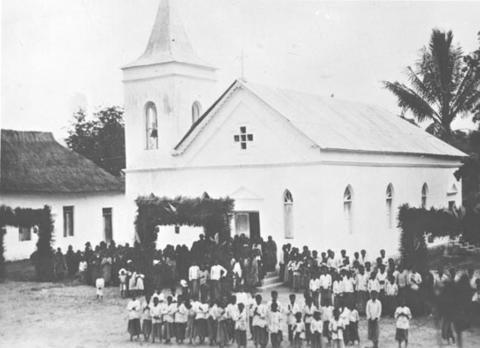
In 1690, Portuguese missionaries initiated efforts to spread Christianity among the indigenous Timorese in Timor-Leste. These missionaries aimed to convert the predominantly animist population to Catholicism, a movement that left a lasting impact on the cultural and religious landscape of the region.
Through the establishment of missions and the teaching of the Christian faith, the Portuguese missionaries successfully converted a significant number of indigenous Timorese. This conversion created a lasting legacy, as Christianity became deeply ingrained in the social fabric of Timor-Leste, influencing traditions, beliefs, and practices for generations to come.
The Portuguese missionary work and the subsequent conversion of the indigenous Timorese to Christianity marked a pivotal moment in the history of Timor-Leste, shaping its identity as a predominantly Catholic nation. This event not only altered the religious composition of the region but also paved the way for subsequent colonial influences and cultural exchanges.
#PortugueseMissionaries #ConversiontoChristianity #CulturalTransformation #TimorLeste
View details1613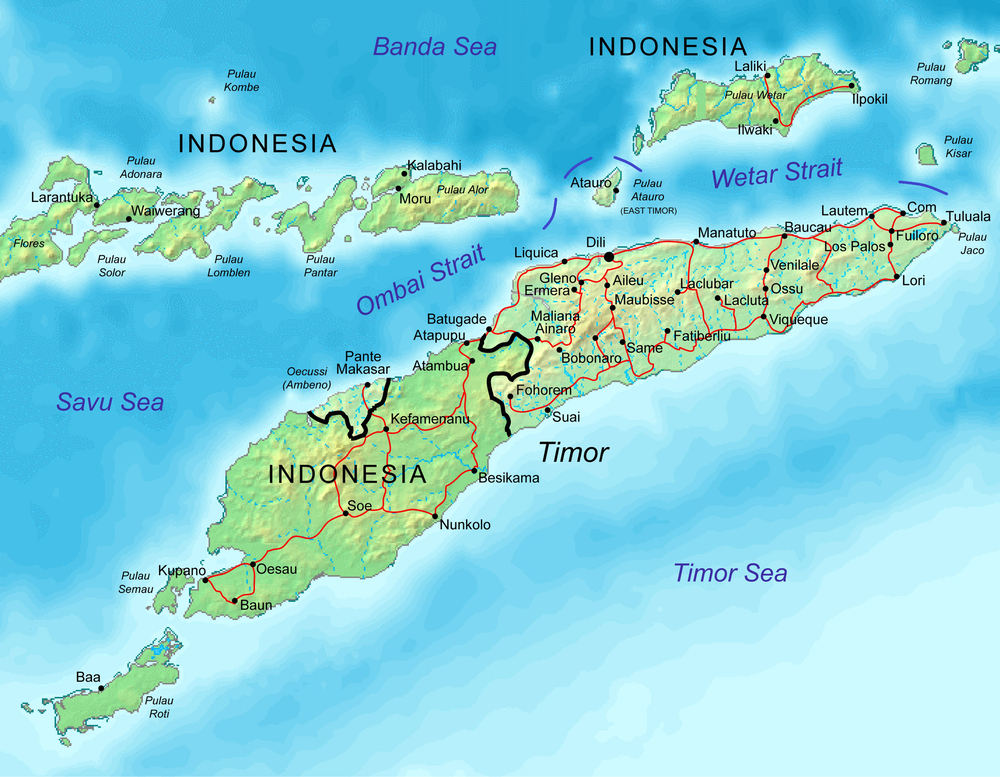
In 1613, the Dutch colony was established in East Timor. This event marked the beginning of Dutch influence in the region, leading to changes in governance, trade, and culture. The Dutch aimed to control the valuable sandalwood trade in the East Indies, gaining a foothold in East Timor to further their economic interests.
The establishment of the Dutch colony had a lasting impact on East Timor's history. It introduced new political structures, legal systems, and trading practices to the region. The Dutch presence also shaped local customs and traditions. This colonization brought both benefits and challenges to the indigenous population, impacting their way of life.
Over time, the Dutch control over East Timor faced resistance from local leaders and neighboring powers. The struggle for power and resources often led to conflicts and tensions in the region. Despite these challenges, the Dutch maintained their presence in East Timor for a significant period, leaving a legacy that would influence the country's development for years to come.
#DutchColonization #EastTimorHistory #ImpactOfColonialism
View details1600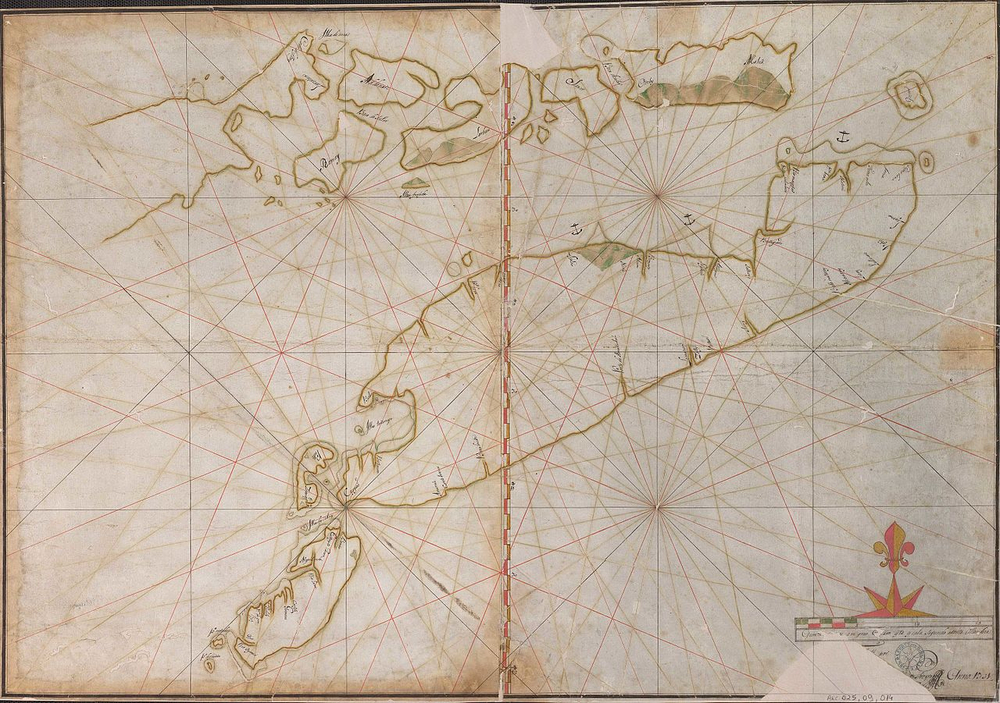
In 1600, Portugal established a trade route with East Timor, a move that would have lasting effects on both regions. As a small island located in Southeast Asia, East Timor was rich in sandalwood and spice, making it an attractive trading partner for the Portuguese. The trade route allowed for the exchange of goods and cultures between the two regions, leading to an increase in economic activity and cultural diversity.
Portugal's presence in East Timor also brought about significant changes in the region's political landscape. The Portuguese colonial administration influenced local governance structures and introduced Christianity, which remains a prominent religion in East Timor to this day. Additionally, the trade route facilitated the movement of people and ideas, shaping the social fabric of both Portugal and East Timor.
Overall, the opening of the trade route with East Timor in 1600 was a pivotal moment in the history of both regions. It marked the beginning of a lasting relationship that would shape the economies, cultures, and societies of Portugal and East Timor for centuries to come.
#Portugal #EastTimor #TradeRoute #CulturalExchange #Colonialism
View details