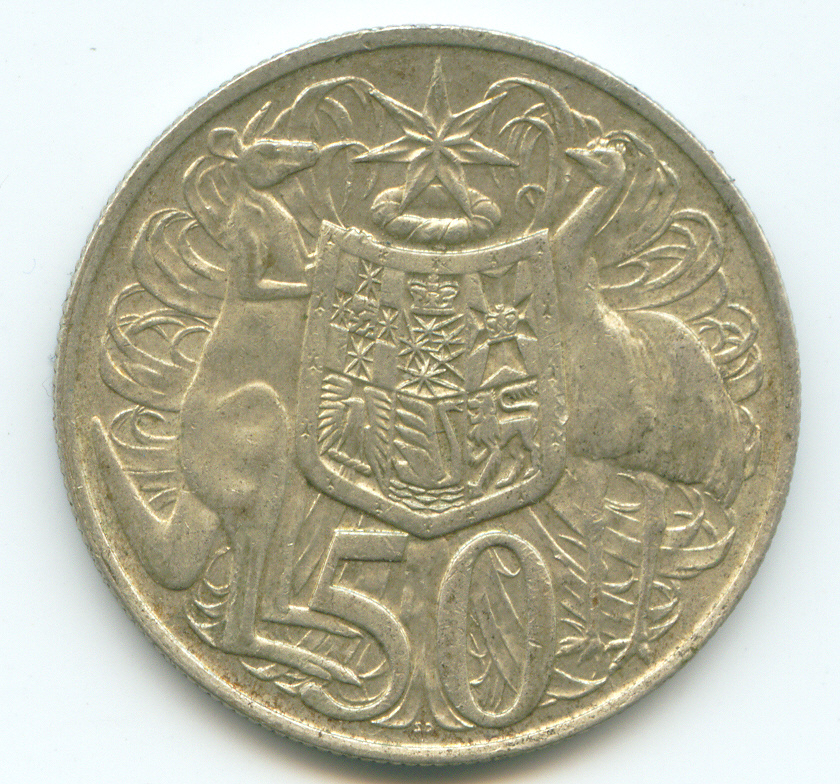
Currency Change: Australian dollar replaces pound in decimalization shift.
Australia
Economic Modernization
4 min read
Updated By: History Editorial Network (HEN)
Published:
In 1966, Australia made a significant change in its currency system by switching from pounds to dollars and cents. The move to decimalization aimed to simplify transactions and align with the international currency standard. The Australian dollar was introduced to replace the Australian pound, with one Australian dollar equaling ten shillings.
The transition to decimal currency involved extensive public awareness campaigns and preparations to educate the population on the new denominations and their values. Businesses, banks, and government agencies worked together to ensure a smooth changeover, with old pounds and shillings gradually being phased out of circulation.
The impact of decimalization on the Australian economy was substantial. It modernized the country's monetary system, making trade and financial transactions more efficient and cost-effective. The introduction of the Australian dollar improved Australia's economic standing and increased its global competitiveness.
The decimalization of the Australian currency also had a cultural significance, symbolizing a break from the country's colonial past and embracing a more contemporary identity. The adoption of dollars and cents reflected Australia's growing independence and integration into the global economy.
Overall, the switch to decimal currency was a crucial turning point in Australia's financial history, marking a new era of economic development and stability. The successful implementation of the Australian dollar demonstrated the country's ability to embrace change and adapt to international standards.
#Australia #Decimalization #AustralianDollar #Currency #EconomicHistory #Modernization

Explore the Life Moments of
 AI Twin