
Australia

The Land Down Under
Related Lives

Libya
Oasis of the Sahara

Ethiopia
Federal Democratic Republic of Ethiopia

Bosnia and Herzegovina
The Land of Golden Lilies

Haiti
The Resilient Spirit of Haiti

Cambodia
The Kingdom of Wonder

Denmark
The Land of Hygge

Ireland
The Emerald Isle

The Prime Ministers of Italy
The President of the Council of Ministers

1877
In 1877, Australia and England competed in the first internationally recognised Test Cricket match at the Melbourne Cricket Ground. The historical game marked the beginning of a riveting sporting rivalry between the two nations.
Test Cricket, the longest format of the game, was developed to test the skills and endurance of players over multiple days. The match at the MCG consisted of four-ball overs and saw Australia, led by captain Dave Gregory, face off against the English team, captained by James Lillywhite.
The game attracted a significant crowd, eager to witness this newfound form of competitive cricket. Despite being a timeless Test match, it concluded within four days, with Australia emerging victorious by 45 runs. Charles Bannerman, an Australian opening batsman, etched his name in history by scoring the first-ever Test century.
The outcome not only solidified Australia's presence in the cricketing world but also laid the foundation for future Ashes series – a renowned cricketing contest between the two nations.
The match's impact reverberated globally, garnering attention and admiration for Test Cricket as the pinnacle of the sport. It set a precedent for international cricketing competitions, shaping the trajectory of the game for years to come.
Today, the inaugural Test match between Australia and England at the MCG remains a pivotal moment in cricket history, symbolizing the spirit of competition, sportsmanship, and tradition that define the sport.
#CricketHistory #SportingRivalry #AshesSeries
View details1875
In September 1875, the Adelaide Steamship Company was established, marking a pivotal moment in Australia's maritime history. The company was formed in response to the growing demand for reliable transportation services between the various ports along the Australian coastline. With the boom in trade and commerce, there was a need for a more efficient and systematic approach to maritime transportation. The Adelaide Steamship Company aimed to fill this gap by providing regular and dependable shipping services to facilitate trade and communication between different regions.
The establishment of the Adelaide Steamship Company had a significant impact on the economic development of Australia. By offering scheduled sailings and cargo services, the company played a crucial role in connecting businesses and communities across the vast Australian coastline. This facilitated the growth of industries such as agriculture, mining, and manufacturing, enabling them to expand their reach and access new markets. The company's fleet of steamships became a lifeline for many remote settlements, allowing them to receive essential supplies and transport their goods to markets efficiently.
As the Adelaide Steamship Company grew in size and reputation, it became a symbol of Australia's progress and modernization. The company's success also spurred competition in the maritime industry, leading to improvements in technology, infrastructure, and services. Over the years, the Adelaide Steamship Company diversified its operations to include passenger services, tourism cruises, and even shipbuilding, further solidifying its position as a key player in the Australian maritime sector.
The formation of the Adelaide Steamship Company exemplifies Australia's maritime heritage and the crucial role that shipping companies played in the country's development. By providing vital transportation services and fostering economic growth, the company left a lasting legacy that is still felt to this day.
#Australia #maritime #economicdevelopment #shippingcompany
View detailsThe SS Gothenburg, a steamship carrying passengers and cargo from Darwin to Adelaide, struck Old Reef off Bowen, North Queensland. The impact caused the ship to sink, resulting in the tragic loss of around 102 lives. The disaster was considered one of the deadliest maritime tragedies in Australian history.
The SS Gothenburg was a state-of-the-art vessel during that time and was known for its speed and luxury. The ship was carrying passengers, mostly miners and their families, along with a valuable cargo of gold and opals. As the ship navigated through the treacherous waters off Bowen, it encountered rough weather and poor visibility, leading to the fatal collision with Old Reef.
The sinking of the SS Gothenburg had a profound impact on the Australian maritime industry and highlighted the dangers of navigating the country's unpredictable coastal waters. The loss of life was devastating for the families of the victims, many of whom never received closure or proper burials for their loved ones.
In the aftermath of the tragedy, investigations were conducted to determine the causes of the disaster and to improve safety measures for future voyages. The sinking of the SS Gothenburg served as a stark reminder of the risks involved in sea travel and the importance of implementing strict maritime regulations to prevent such incidents from reoccurring.
#SSGothenburg #MaritimeTragedy #AustralianHistory #RememberingTheVictims
View details1873
In the early 1870s, a European explorer named William Gosse led an expedition into the heart of Australia's arid center. During this expedition, Gosse and his team came across a massive sandstone formation that rose dramatically from the surrounding flat landscape. This imposing natural wonder was none other than what would later be known as Uluru, a sacred site to the local Indigenous people for thousands of years.
Gosse was captivated by the sheer size and unique beauty of the rock formation and decided to name it Ayers Rock, in honor of the Chief Secretary of South Australia at the time, Sir Henry Ayers. The naming of the rock marked the first recorded European sighting of Uluru, forever altering the way this iconic landmark would be recognized and referred to by the outside world.
The event of Uluru being sighted and named Ayers Rock by Europeans had a profound impact on how the rock formation would be perceived and understood globally. It sparked a wave of interest and curiosity about this natural wonder, drawing travelers, researchers, and adventurers from far and wide to witness its grandeur firsthand. However, it also brought about a controversial chapter in the history of Uluru, as the Indigenous communities who had revered and inhabited the land for generations were marginalized and their connection to the rock disregarded.
Today, Uluru stands as a symbol of the ongoing reconciliation process between Australia's Indigenous peoples and the broader society. It serves as a reminder of the importance of respecting and preserving the land, culture, and heritage of the First Nations people. The event of Uluru being sighted by Europeans and named Ayers Rock underscores the complexities of cultural exchange, colonial legacies, and the enduring significance of natural landscapes in shaping national identity.
#Uluru #AyersRock #IndigenousHeritage #CulturalRespect
View details1872
In August 1872, the Overland Telegraph Line connecting Darwin and Adelaide was officially opened. The 3,200-kilometer telegraph line was a remarkable feat of engineering that brought modern communication to the remote and vast expanses of the Australian outback.
Prior to the completion of the Overland Telegraph Line, communication between Darwin and the rest of Australia was slow and unreliable. The telegraph line not only connected these two distant locations but also enabled faster and more efficient communication throughout the entire continent.
The construction of the telegraph line was a significant milestone in the history of Australia, as it facilitated trade, commerce, and social connections between different regions. It played a crucial role in connecting the remote and isolated northern territories with the more developed south, paving the way for further expansion and development.
The impact of the Overland Telegraph Line was profound and immediate, revolutionizing communication in Australia. It enabled news, messages, and important information to be transmitted in a matter of hours rather than weeks, transforming the way people interacted and conducted business across the continent.
Overall, the opening of the Overland Telegraph Line was a landmark moment in Australian history, bringing the nation closer together and ushering in a new era of connectivity and communication.
#OverlandTelegraphLine #AustralianHistory #CommunicationRevolution
View details1869
In 1869, Australian Aboriginal and Torres Strait Islander children were forcibly taken from their families by the Australian and State government agencies, marking the beginning of a dark chapter in Australian history known as the Stolen Generation. This practice continued for a century, with the aim of assimilating Indigenous children into European society.
The impact of the Stolen Generation was profound and long-lasting. Children were stripped of their cultural identities, languages, and connections to their communities. Many experienced abuse, neglect, and were placed in institutions or foster care where they suffered from loneliness and a sense of displacement. The trauma inflicted on the Stolen Generation has had intergenerational effects, with ongoing social and emotional challenges faced by descendants today.
The removal of children from their families was justified under assimilation policies that aimed to 'civilize' and 'better the lives' of Indigenous communities, but in reality, it was a systematic erasure of culture and identity. The Stolen Generation has left a legacy of pain and loss, with many families still searching for their lost relatives and struggling to heal from the trauma of separation.
The Stolen Generation is a dark period in Australian history that serves as a reminder of the injustices faced by Indigenous peoples. It is a testament to the resilience and strength of Aboriginal and Torres Strait Islander communities, who continue to fight for recognition, justice, and healing.
#StolenGeneration #AustralianHistory #IndigenousRights #CulturalTrauma
View details1868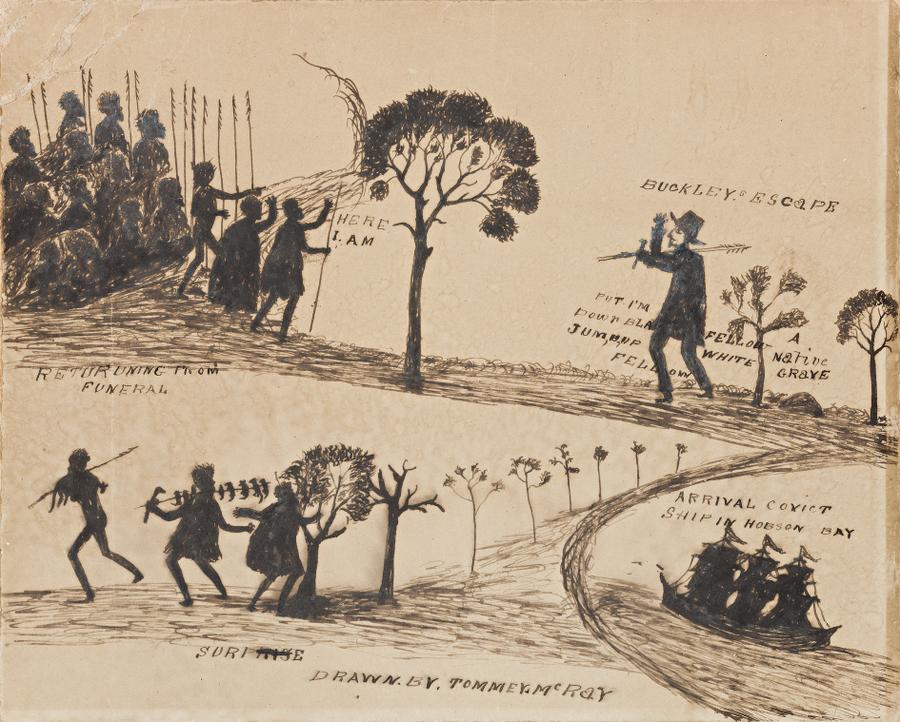
In 1868, the transportation of convicts to Western Australia came to a halt. This decision marked the end of a practice that had been in place for several decades. Convicts were originally transported to Australia as a means of dealing with overcrowded prisons in Britain. The convicts were used as a source of labor in the colonies, particularly in Western Australia, where they were put to work on various projects.
The cessation of convict transportation had a lasting impact on Western Australia. With the influx of convicts decreasing, the colony had to find alternative sources of labor to support its economy. This led to an increased reliance on free settlers and workers, which helped shape the development of Western Australia in the years to come.
The end of convict transportation also reflected changing attitudes towards punishment and rehabilitation. There was a growing recognition that the transportation of convicts was not an effective or humane way of dealing with crime. Instead, efforts were made to reform the penal system and focus more on rehabilitation and reintegration.
Overall, the cessation of the transportation of convicts to Western Australia in 1868 marked a significant shift in the history of the colony. It not only impacted the economy and labor supply but also reflected changing attitudes towards punishment and rehabilitation.
#ConvictTransportation #WesternAustralia #ColonialHistory #LaborSupply #PenalReform
View details1867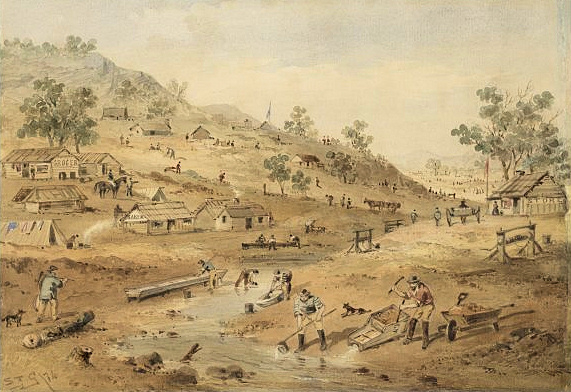
Gold was discovered at Gympie, Queensland, marking the beginning of a significant gold rush in Australia. The discovery attracted a rush of prospectors and settlers to the area, resulting in the rapid development of Gympie from a small sheep station into a bustling mining town. The news of the find spread quickly, drawing people from near and far in search of their fortunes.
The impact of the gold discovery was immense, leading to a population boom in Gympie as thousands flocked to the region in search of gold. The influx of people brought about a surge in economic activity, with businesses thriving to cater to the needs of the growing population. This sudden growth transformed Gympie into a vibrant hub of mining activity and commerce.
The gold rush at Gympie had far-reaching consequences, not only for the local economy but also for the broader history of Queensland. The discovery of gold in the region played a crucial role in shaping the development of Queensland as a colony, contributing significantly to its economic prosperity and growth. The legacy of the gold rush can still be felt in Gympie today, with reminders of its mining past scattered throughout the town.
In conclusion, the discovery of gold at Gympie, Queensland, in 1867 was a pivotal event in Australian history that transformed the region and left a lasting impact on the development of Queensland. The gold rush brought about a period of rapid growth and change, turning Gympie into a bustling center of mining activity and economic prosperity. The legacy of the gold rush continues to be felt in Gympie, serving as a reminder of the town's rich mining history.
#GoldDiscovery #GympieQueensland #AustralianHistory #GoldRush #EconomicImpact
View detailsIn 1867, Saint Mary MacKillop laid the foundation of the Sisters of St Joseph of the Sacred Heart, an order focused on providing education to the poor and rural communities in Australia. Born in Melbourne, Mary MacKillop dedicated her life to serving those in need, particularly focusing on the education of underprivileged children.
The establishment of the Sisters of St Joseph of the Sacred Heart marked a pivotal moment in the history of Australia, as it addressed the lack of educational opportunities for many disadvantaged individuals in the country. The order quickly grew, with sisters spreading across the nation to set up schools, orphanages, and provide community support.
Mary MacKillop's vision and dedication to the marginalized communities left a lasting impact on Australian society. The Sisters of St Joseph of the Sacred Heart continued to expand their services, reaching out to more people in need and advocating for social justice issues.
The event of Saint Mary MacKillop founding the Sisters of St Joseph of the Sacred Heart exemplifies the power of one individual's determination to make a difference in the lives of others. Through education and community support, the order contributed significantly to the betterment of Australian society, leaving a legacy that continues to inspire generations.
#SaintMaryMacKillop #SistersOfStJoseph #EducationForAll #CommunitySupport #AustralianHistory
View details
1864
In 1864, Brisbane experienced a devastating event known as the Great Fire of Brisbane. The fire started in a small shop on Queen Street and quickly spread due to strong winds and the abundance of wooden structures in the city. Despite efforts by the residents and firefighters, the fire raged on for days, destroying numerous buildings and properties.
The impact of the Great Fire of Brisbane was immense, with approximately 50 buildings being consumed by the flames, including businesses, houses, and warehouses. The fire left many residents homeless and caused significant financial losses to the city. It brought the bustling city to a standstill, and the aftermath of the fire led to a period of rebuilding and recovery for the community.
The Great Fire of Brisbane highlighted the need for improved fire safety measures and infrastructure in the city. It also emphasized the importance of disaster preparedness and the coordination of emergency response efforts. The event served as a turning point in the city's history, with new building codes and regulations being implemented to prevent such a catastrophe from happening again.
Overall, the Great Fire of Brisbane was a tragic event that had a lasting impact on the city and its residents. It demonstrated the destructive power of fire and the importance of vigilance in preventing and responding to such disasters. The rebuilding process that followed the fire marked a new chapter in the history of Brisbane, shaping the city into what it is today.
#BrisbaneHistory #GreatFire #DisasterRecovery #CommunityResilience
View details1863
In a significant move, South Australia assumed governance of the Northern Territory, formerly under the administration of New South Wales. The decision came as South Australia sought to expand its territory and land holdings. With the transfer of control, South Australia gained vast stretches of land in the Northern Territory, paving the way for increased settlement and development in the region.
The acquisition of the Northern Territory provided South Australia with access to valuable resources, including land for agriculture and mineral exploration. This transfer also enabled the implementation of infrastructure projects, such as the construction of telegraph lines and transportation routes, to connect the Northern Territory with the rest of South Australia.
The assumption of control over the Northern Territory by South Australia had a profound impact on the region's development and economic growth. It facilitated the establishment of towns, the growth of industries, and the influx of migrants seeking opportunities in the expanding territory. The move also led to the displacement of Indigenous populations and the imposition of colonial policies that affected their way of life.
Furthermore, South Australia's governance in the Northern Territory laid the foundation for the eventual establishment of the Territory as a self-governing entity within the Commonwealth of Australia. The transfer of control marked a significant chapter in the history of Australian colonization and territorial expansion, shaping the future trajectory of the Northern Territory.
Overall, the event of South Australia taking control of the Northern Territory was a pivotal moment in Australian history, with far-reaching implications for the development and governance of the region. #SouthAustralia #NorthernTerritory #ColonialExpansion #AustralianHistory
View details1862
In 1862, explorer John McDouall Stuart successfully reached Port Darwin, establishing a settlement that would later develop into the city we know today. Stuart's expedition was a key milestone for the British exploration of Australia, as he was the first European to traverse the continent from south to north.
The founding of the settlement at Port Darwin had significant implications for the region's development. It opened up opportunities for trade, communication, and further exploration of the Northern Territory. The establishment of the settlement also laid the foundations for future growth and expansion in the area.
Around the same time, Queensland's western border was officially moved to 139° E. This adjustment had important implications for the territory's administration and boundaries, shaping the state's geography as we know it today. The decision to redefine Queensland's border contributed to a more accurate delineation of the state's territory and helped establish clear jurisdictional boundaries.
The events of 1862 marked a significant turning point in the exploration and development of Australia's northern regions. The founding of Port Darwin and the redefinition of Queensland's western border were crucial steps in the expansion and consolidation of British colonial influence in the continent.
Stuart's achievement in reaching Port Darwin and the reconfiguration of Queensland's border underscored the ongoing process of European exploration and settlement in Australia during the 19th century. These events played a vital role in shaping the country's history and had lasting effects on its geography and political landscape.
#ExplorationAustralia #SettlementFounding #BorderRedefined #ColonialHistory
View details1861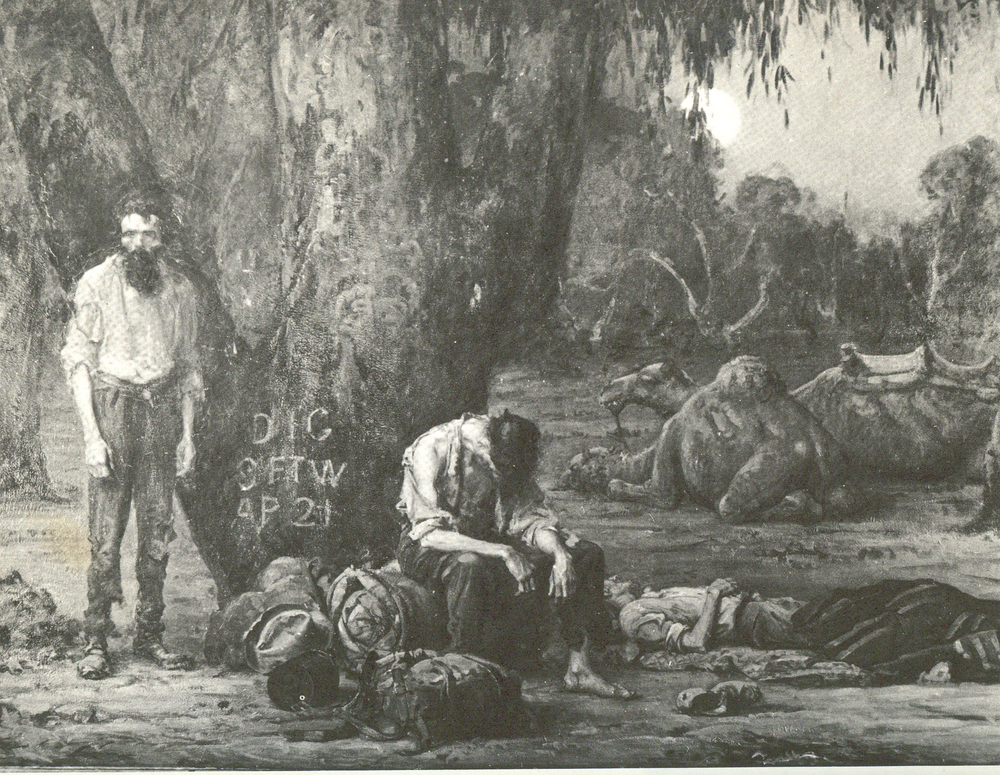
In 1861, the ill-fated Burke and Wills expedition unfolded in Australia. The expedition aimed to cross the continent from south to north, a trek spanning over 3,000 kilometers of harsh and unknown terrain. Robert O'Hara Burke led the expedition of 19 men, with William John Wills as his second-in-command.
Despite initial optimism, the journey soon faced numerous challenges. The team struggled with food shortages, unforgiving weather conditions, and poor decision-making. Tragically, Burke, Wills, and two other members pushed ahead to reach the northern coast, leaving behind a dwindling supply depot at Cooper Creek.
Upon their return to the depot, they found it abandoned, as the remaining team members had departed only hours earlier. With provisions exhausted and weakened by their journey, Burke, Wills, and their companions succumbed to the harsh Outback environment. Wills died first, closely followed by Burke. Their bodies were later discovered by a search party.
The ill-fated Burke and Wills expedition exposed the unforgiving nature of the Australian Outback and the importance of proper planning and preparation in such endeavors. Despite its failure, the expedition contributed valuable geographical knowledge of inland Australia. The tragic outcome sparked national mourning and raised questions about exploration practices at the time.
The legacy of Burke and Wills endures as a cautionary tale of hubris and the challenges of exploration in the Australian landscape. The expedition's story continues to captivate historians and adventurers alike, serving as a reminder of the perils of underestimating the natural world.
#BurkeandWills #AustralianExploration #TragicJourney #LessonsLearned
View detailsIn the midst of the Snowy Mountains gold rush in Kiandra, Australia, a group of Norwegian miners introduced skiing to the town in 1861. With their expertise in navigating snowy terrain back in their homeland, the Norwegians saw the potential for skiing as a mode of transportation and recreation in the snow-covered region.
Skiing quickly gained popularity among the residents of Kiandra, offering a practical way to move through the snowy landscape. The Norwegians also organized skiing races and competitions, further solidifying the sport's presence in the town. The introduction of skiing brought a new form of entertainment and leisure activity to the residents, especially during the long winter months when the town was blanketed in snow.
The Norwegians' contribution to Kiandra's skiing culture had a lasting impact on the town and the wider Australian community. It laid the foundation for the development of skiing resorts in the Snowy Mountains region, which eventually became popular destinations for winter sports enthusiasts. Kiandra's role as a pioneering site for skiing in Australia was crucial in shaping the country's relationship with snow sports.
Over time, skiing in Australia evolved into a beloved pastime and a competitive sport, with enthusiasts and athletes honing their skills in the country's diverse ski fields. The legacy of the Norwegians' introduction of skiing in Kiandra continues to be celebrated, highlighting the town's unique place in Australian skiing history.
#Kiandra #SnowyMountains #NorwegianInfluence #SkiingHistory #AustralianWinterSports
View details1860
In 1860, John McDouall Stuart accomplished a remarkable feat by reaching the center of the Australian continent. This milestone marked a significant achievement in the exploration of the vast and challenging Australian interior. Stuart's expedition contributed immensely to the understanding of the geography and topography of the region.
Following Stuart's successful journey, the South Australian border was adjusted from 132° E to 129° E. This change reflected a more precise demarcation of the state's boundaries based on Stuart's exploration and findings. The redefinition of the border had implications for land management, resource allocation, and governance in the region.
Stuart's expedition opened up new possibilities for further exploration and settlement in the central regions of Australia. His pioneering spirit and determination paved the way for future expeditions and discoveries in the continent's interior. The exploration also played a crucial role in expanding geographical knowledge and understanding the diverse landscapes of Australia.
The event of John McDouall Stuart reaching the center of the continent and the subsequent adjustment of the South Australian border exemplified the spirit of exploration and discovery that characterized the 19th-century exploration of Australia. Stuart's achievement left a lasting impact on the mapping and understanding of the Australian continent, shaping its history and development.
#JohnMcDouallStuart #Exploration #AustralianInterior #SouthAustralianBorder #GeographicalKnowledge
View details1859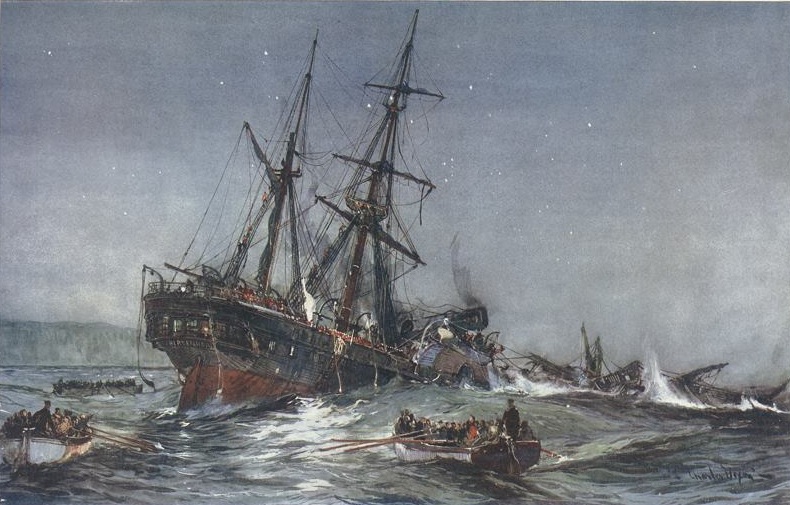
The SS Admella, a passenger steamship, was en route to Melbourne when it encountered severe weather off the south-east coast of South Australia. The ship struck a submerged reef near Carpenter Rocks, causing extensive damage. Despite distress signals being sent out, rescue efforts were hampered by the treacherous conditions. Of the 113 passengers and crew on board, only 24 survived. The tragic event led to the loss of 89 lives.
The impact of the SS Admella shipwreck was profound, as it sparked widespread grief and mourning throughout Australia. Families were devastated by the loss of loved ones, and the tight-knit communities of the region were deeply affected. The disaster also raised questions about maritime safety and the need for improved navigation systems along the treacherous coastline.
In the aftermath of the wreck, an inquiry was launched to investigate the causes of the tragedy and to recommend measures to prevent similar incidents in the future. The findings of the inquiry led to advancements in marine safety protocols and the implementation of new navigational aids along the south-east coast of South Australia.
The SS Admella disaster remains a poignant reminder of the dangers of seafaring and the importance of ensuring the safety of passengers and crew aboard vessels. The memory of the lives lost in the tragedy serves as a somber tribute to those who perished at sea that fateful day.
#SSAdmella #shipwreck #maritimesafety #SouthAustralia #tragedy #memorial #Australia
View detailsIn 1859, Australian rules football was officially codified, leading to the establishment of the Melbourne Football Club. This historical development took place in Melbourne, Australia, setting the foundation for the sport's organized structure. The codification of rules brought consistency to the game, enabling players and teams to compete on a level playing field.
The Melbourne Football Club, founded in the wake of codification, emerged as one of the pioneering clubs in the sport. With a structured set of rules in place, the club played a crucial role in popularizing Australian rules football across the region. This organized approach attracted a growing number of enthusiasts and players, contributing to the sport's rapid growth and establishment as a significant cultural phenomenon in Australia.
As the Melbourne Football Club gained prominence, it helped shape the future trajectory of Australian rules football. The club's early success and competitive spirit set a benchmark for other teams to follow, driving the sport's evolution and competitiveness. Through organized competitions and matches, the Melbourne Football Club showcased the excitement and athleticism that Australian rules football had to offer, captivating audiences and inspiring a new generation of players.
The codification of Australian rules football and the founding of the Melbourne Football Club marked a pivotal moment in the sport's history, laying the groundwork for its enduring popularity and widespread appeal. The legacy of these early milestones continues to resonate in the present day, with Australian rules football remaining a cherished part of the country's sporting heritage.
#AustralianRulesFootball #MelbourneFootballClub #SportingHistory #Codification #OrganizedSports
View detailsIn 1859, Queensland separated from New South Wales, establishing its western border at 141° E longitude. This division was a result of increasing populations in both regions and the need for more effective governance. Queensland's inclusion of vast inland territories allowed for the administration and development of these areas. The border delineation at 141° E aimed to provide Queensland with access to fertile lands while ensuring New South Wales retained control over the coastline and its resources.
The event significantly impacted the social, economic, and political landscapes of both regions. Queensland's establishment as a separate colony facilitated the implementation of tailored policies to address the specific needs of its burgeoning population. The new administrative boundaries also led to the creation of distinct identities for Queensland and New South Wales, fostering a sense of autonomy and pride among residents.
With the western border set at 141° E, Queensland gained control over a diverse range of environments, from expansive outback regions to fertile agricultural lands. This geographical diversity played a crucial role in shaping Queensland's economy, allowing for the development of industries such as mining, agriculture, and tourism. The border's placement also influenced the distribution of Indigenous populations, impacting cultural interactions and land rights in the region.
Overall, the separation of Queensland from New South Wales with its western border at 141° E marked a pivotal moment in Australian history, laying the foundation for the growth and development of the two distinct colonies. The event exemplifies the importance of effective governance and strategic boundary delineation in managing vast and diverse territories.#Queensland #NewSouthWales #BorderSeparation #Governance #ColonialHistory
View details1858
In 1858, men in New South Wales achieved the right to vote after a long and arduous struggle. Prior to this milestone, voting rights were restricted based on property ownership, leaving a large portion of the male population without a voice in the democratic process.
The movement for universal male suffrage gained momentum as working-class men, inspired by similar reforms in other countries, began to demand their right to participate in elections. Pressure mounted on the colonial government to extend voting rights to all men, regardless of their wealth or social status.
Finally, after years of activism and campaigning, the New South Wales parliament passed legislation granting all adult men the right to vote. This victory was a crucial step towards a more inclusive and representative democracy in the colony.
The impact of this decision was profound. Men from diverse backgrounds and walks of life now had the opportunity to have a say in the governance of their colony. The voices of working-class men, who had long been marginalized in the political arena, were finally being heard.
The achievement of male suffrage in New South Wales was a significant moment in the history of Australia, paving the way for further democratic reforms and setting a precedent for other colonies to follow. It marked a shift towards a more egalitarian society, where political participation was not determined by wealth or privilege.
This event underscores the importance of universal suffrage in a democratic society, emphasizing the value of giving all citizens a stake in the political process. It serves as a reminder of the power of collective action and the ability of ordinary people to bring about positive change through activism and advocacy.
#MaleSuffrage #Democracy #NewSouthWales #Australia
View detailsThe event marked the connection of Sydney and Melbourne through the first electric telegraph in Australia. Prior to this technological advancement, communication between the two major cities was slow and unreliable, relying mainly on horse-drawn couriers. The telegraph line spanned over 1,000 kilometers, revolutionizing the way information was exchanged between the cities.
The project was a collaborative effort between the government and private telegraph companies. It involved skilled workers who had to navigate challenging terrains to lay down the telegraph poles and wires. The completion of the telegraph line significantly reduced the time it took to send and receive messages between Sydney and Melbourne, providing a more efficient means of communication for government, businesses, and the public.
The telegraph line had a profound impact on various sectors, particularly in commerce and transportation. Businesses could now quickly relay information about market prices, stock levels, and competition between the two cities. This instant communication also facilitated the coordination of transportation and logistics, leading to improved efficiency in trade and travel.
Furthermore, the telegraph connected the cities in times of emergencies, enabling rapid dissemination of important news and alerts. This was crucial for disaster management, such as bushfires, floods, and other natural calamities, allowing authorities to coordinate responses effectively and keep the public informed.
Overall, the linking of Sydney and Melbourne by the electric telegraph was a pivotal moment in Australian history, symbolizing the country's progress in embracing innovative technologies for societal development. It not only bridged the physical distance between the two cities but also brought them closer in terms of communication and connectivity.
#TelegraphConnection #SydneyMelbourne #CommunicationBreakthrough
View details
1857
In 1857, the Victorian Committee suggested a 'federal union' that could benefit the growing colonies. The proposal aimed to bring the colonies together under a centralized government. However, the lack of interest and enthusiasm among the colonies hindered any progress towards achieving this goal.
At the time, Australia was divided into separate colonies, each with its own government and administration. The idea of a federal union was put forward as a way to streamline governance, promote unity, and facilitate better coordination among the colonies. The Victorian Committee believed that such a union could lead to mutual benefits and stronger collaboration in various aspects, including trade, defense, and infrastructure development.
Despite the potential advantages, the colonies did not show enough eagerness to pursue the idea of a federal union. Some colonies were concerned about losing their autonomy, while others prioritized their own interests over those of a collective entity. As a result, the proposal did not gain traction, and the colonies continued to operate independently.
The lack of unity and cooperation among the colonies had implications for their development and progress. Without a centralized authority to coordinate efforts and resources, the colonies missed out on opportunities for growth and advancement that could have been achieved through collaboration.
The event of the Victorian Committee proposing a federal union in 1857 highlights the challenges of forging unity and cooperation among the Australian colonies during that period. It serves as a reminder of the complexities involved in establishing a common framework for governance and decision-making in a diverse and decentralized political landscape.
#AustraliaHistory #ColonialUnity #FederalUnion #CooperationChallenges
View detailsIn 1857, Victorian men successfully fought for their right to vote, marking a pivotal time in Australian history. Prior to this event, only a select few property-owning men were eligible to vote, excluding a significant portion of the population from political participation. The movement for voting rights gained momentum as men from various backgrounds united to demand equal representation and a voice in the democratic process.
The achievement of the right to vote for Victorian men had a profound impact on the political landscape of the region. It paved the way for more inclusive and representative governance, allowing a wider range of perspectives to be considered in decision-making processes. With increased participation in elections, policies and laws began to better reflect the diverse needs and interests of the population. The empowerment of Victorian men through suffrage also served as a catalyst for further movements advocating for social and political reforms in Australia.
This victory did not come easily, as it required perseverance, resilience, and a collective effort from individuals dedicated to the cause of democratic rights. Through organized protests, campaigning, and advocacy, Victorian men were able to effect change and secure their place in the democratic system. The successful outcome of this struggle underscored the importance of civic engagement and the power of unified action in achieving social justice and equality.
The granting of voting rights to Victorian men in 1857 marked a turning point in the history of Australia, setting a precedent for the expansion of democratic principles and the inclusion of marginalized groups in the political process. This event serves as a reminder of the ongoing struggle for equality and representation in society, highlighting the transformative impact of grassroots movements on shaping the course of history.
#VictorianMen #RightToVote #SuffrageMovement #DemocraticProgress #AustralianHistory
View details
1856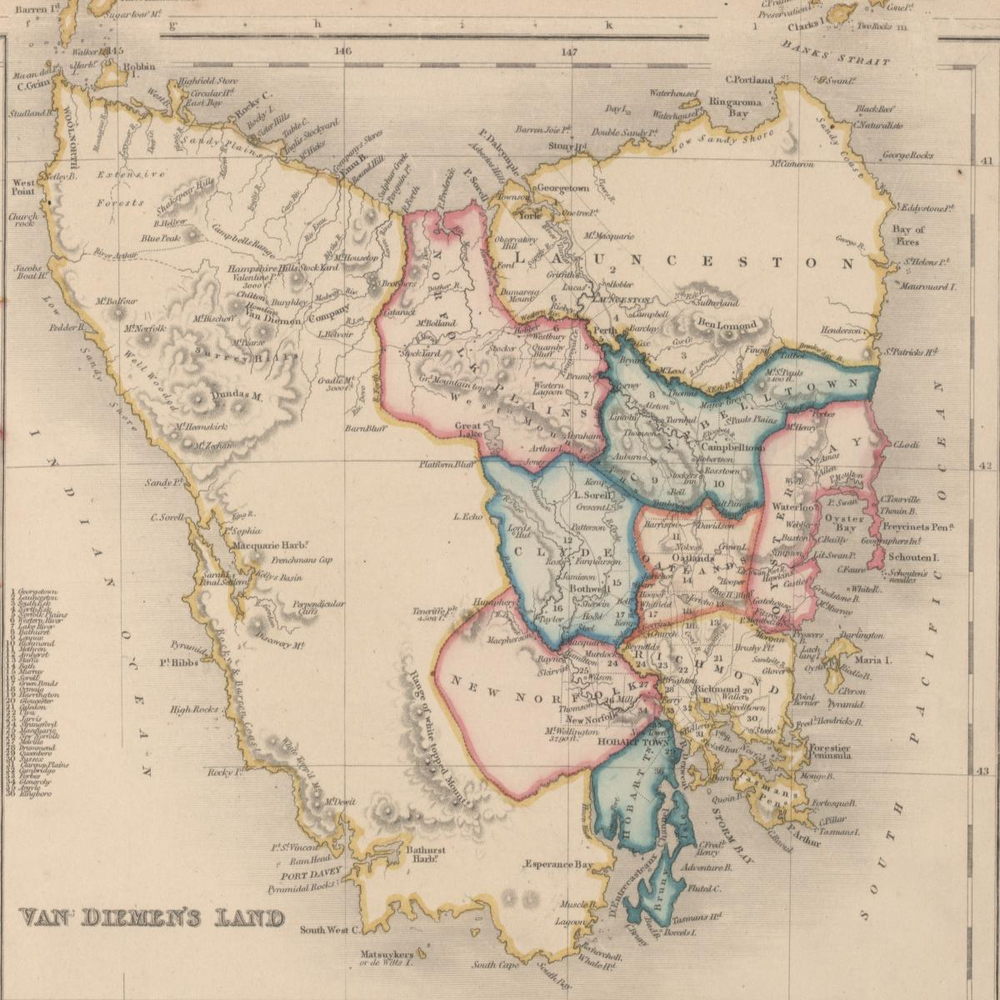
In the mid-19th century, the name change from Van Diemen's Land to Tasmania marked a significant milestone in Australia's colonial history. The decision to rename the island was made to honor the indigenous Tasmanian people and shift away from the association with the former penal colony's oppressive past.
The change from Van Diemen's Land to Tasmania had a profound impact on the island's identity and perception both locally and internationally. It reflected a broader movement towards recognizing and respecting the cultural heritage of the indigenous communities. The name Tasmania embraced the island's natural beauty and heritage, moving away from the stigma of being a convict settlement. This shift had lasting effects on the island's sense of identity and pride.
The renaming of Van Diemen's Land to Tasmania was part of a series of reforms aimed at acknowledging the wrongs of the past and fostering a more inclusive and respectful society. It symbolized a turning point in Australia's history, signaling a new era of reconciliation and understanding.
Overall, the change from Van Diemen's Land to Tasmania was a crucial step towards acknowledging and honoring the indigenous heritage of the island while distancing itself from its convict past. It represented a larger shift in Australian society towards reconciliation and respect for the diverse cultures that make up the nation.
#VanDiemensLand #Tasmania #ColonialHistory #IndigenousHeritage #Reconciliation
View details1855
In 1855, the transportation of convicts to Norfolk Island ceased. This decision marked a significant shift in the penal system of Australia. Norfolk Island had served as a remote penal settlement for hardened convicts since the early days of British colonization in the region. The island's isolated location in the Tasman Sea made it an ideal prison for those deemed too dangerous or unruly for the mainland jails.
However, by the mid-19th century, public opinion was turning against the transportation of convicts, with critics arguing that the practice did little to rehabilitate offenders and often resulted in harsh and inhumane conditions. As a result, the British government decided to end the transportation of convicts to Norfolk Island.
The cessation of convict transportation to Norfolk Island had a lasting impact on Australia's penal system. With the closure of this remote outpost, the focus shifted towards more humane methods of incarceration and rehabilitation. Prisons on the Australian mainland began to implement new programs aimed at reforming offenders and preparing them for reintegration into society.
The decision to end the transportation of convicts to Norfolk Island also had broader implications for Australia's colonial history. It marked a symbolic break with the country's origins as a penal colony and reflected the changing attitudes towards crime and punishment in the 19th century.
Overall, the cessation of convict transportation to Norfolk Island in 1855 was a turning point in Australia's history, signaling a shift towards more progressive approaches to criminal justice and rehabilitation. It represented the end of an era in which harsh punishment and exile were the primary strategies for dealing with crime, and paved the way for new ideas and practices to take hold in the country's legal system.
#Australia #Convicts #PenalSystem #NorfolkIsland #Rehabilitation
View detailsIn 1855, the voting landscape in South Australia underwent a transformative change when all men over 21 years of age were granted the right to vote. Prior to this alteration, voting rights were restricted to male British subjects who owned a certain amount of property. The reform opened up the electoral process to a wider demographic, increasing inclusivity and representation within the political sphere.
This adjustment in voting eligibility marked a significant shift towards democracy in South Australia, empowering a larger portion of the male population to participate in the decision-making process. It reflected a growing recognition of the importance of universal suffrage and the principle of one person, one vote. The extension of voting rights to all men over 21 years of age laid the groundwork for a more equitable and just society where individuals had a say in shaping the future of their community.
The impact of this decision was profound, as it expanded civic engagement and political participation among the male population. It fostered a sense of ownership and responsibility among citizens, encouraging them to take an active role in governance. By granting the right to vote to all men over 21 years of age, South Australia set a progressive example that would later influence electoral reforms in other parts of the world.
This event in South Australia's history symbolizes a pivotal moment in the journey towards universal suffrage and democratic principles. It represents a key milestone in the evolution of political rights and freedoms, highlighting the ongoing struggle for equality and representation. The decision to extend voting rights to all men over 21 years of age in South Australia remains a defining moment in the state's history, emphasizing the importance of inclusivity and democracy in shaping society. #SouthAustralia #VotingRights #Democracy
View details1854
In the mid-1800s, Australian miners faced harsh conditions in the goldfields of Ballarat. Dissatisfaction grew due to the high mining license fees and lack of political representation. A catalyst for rebellion came when a Scottish miner, James Scobie, was killed without justice served.
Miners organized themselves under the leadership of Peter Lalor, establishing the Ballarat Reform League. Their demands included the abolition of the mining license fees and the right to vote for all men. Tensions escalated as the colonial authorities refused to meet these demands, leading to the construction of a stockade by the miners for protection.
On the fateful day, the colonial forces attacked the stockade. The miners, vastly outnumbered and ill-equipped, fought valiantly but were ultimately defeated. The violent conflict resulted in the deaths of many miners and soldiers.
The aftermath of the Eureka Stockade was significant. Though the rebels were defeated, their cause gained sympathy and support. The colonial authorities were forced to address the grievances of the miners, leading to reforms in the goldfields. The events at the Eureka Stockade also played a role in the eventual development of democracy in Australia.
The Eureka Stockade is remembered as a pivotal event in Australian history, symbolizing the fight for justice, democracy, and the rights of the common people against oppressive colonial forces. The spirit of rebellion and resilience displayed by the miners continues to inspire generations.
#EurekaStockade #AustralianHistory #Rebellion #Democracy #Ballarat #Miners #ColonialConflict #Justice
View details1853
In the mid-1800s, in Bendigo, a gold rush town in Australia, tensions arose between Chinese miners and European settlers. European miners were concerned about the increasing competition from the Chinese migrants who were willing to work for lower wages.
The Bendigo Petition was created by European miners, calling for restrictions on Chinese immigration and harsher taxes on Chinese miners. The petition garnered significant support and highlighted the growing anti-Chinese sentiment among the European population in Bendigo.
In response, Chinese miners organized the Red Ribbon Rebellion, a peaceful protest against the discriminatory treatment they were facing. They wore red ribbons as a symbol of solidarity and resilience in the face of adversity.
The events that unfolded in Bendigo were indicative of the broader anti-Chinese sentiment that was prevalent in Australia during the gold rush period. The clash of cultures and economic competition fueled hostility and led to social unrest in mining communities like Bendigo.
The Bendigo Petition and Red Ribbon Rebellion underscored the challenges faced by Chinese migrants in Australia and the struggles for equality and acceptance in a predominantly European society. These events have since been recognized as significant moments in Australian history, shedding light on the complexities of race relations and immigration policies in the country.
The legacy of the Bendigo Petition and Red Ribbon Rebellion serves as a reminder of the importance of understanding and confronting prejudices and discrimination, promoting inclusivity and diversity in society.
#BendigoPetition #RedRibbonRebellion #AntiChineseSentiment #AustralianHistory #EqualityAndAcceptance
View detailsDuring the mid-19th century, the exploration and utilization of river systems for transportation were pivotal in the development of Australia's interior. This period witnessed the first successful journey of paddle steamers on the mighty Murray River during the spring flood.
The Lady Augusta, commanded by Francis Cadell, embarked on a historic voyage from South Australia to Swan Hill, showcasing the potential of steam-powered vessels in navigating the inland waterways. Meanwhile, the Mary Ann, under the leadership of William Randell, managed to reach Moama, close to Echuca, further demonstrating the feasibility of steam navigation on the Murray River.
The arrival of these paddle steamers marked a significant advancement in transportation and trade, opening up new opportunities for settlers, merchants, and farmers in the region. The ability to transport goods and people efficiently along the river transformed the local economy and contributed to the growth of settlements along the Murray River.
These pioneering journeys not only highlighted the ingenuity of steam-powered technology but also paved the way for further exploration and development of Australia's interior. The successful navigation of the Murray River by paddle steamers showcased the potential for inland water transport and underscored the importance of rivers as vital arteries for connecting remote regions.
The voyage of the Lady Augusta and Mary Ann on the Murray River exemplified a significant moment in Australia's history, demonstrating the impact of innovation and exploration on the country's development. The legacy of these pioneering journeys continues to be celebrated as a testament to the spirit of exploration and the enduring importance of river systems in shaping Australia's landscape and economy. #MurrayRiver #PaddleSteamers #AustralianExploration
View details1852
In preparation for establishing a steamer service along the Murray River, Francis Cadell embarked on an exploration journey in 1852. He navigated a canvas boat downstream from Swan Hill, covering a distance of 1300 miles.
Cadell, an experienced navigator and entrepreneur, recognized the economic potential of unlocking the transportation route provided by the Murray River. By undertaking this extensive journey, he aimed to familiarize himself with the river's twists and turns, potential obstacles, and strategic points for setting up ports along the way.
Cadell's expedition was met with challenges and uncertainties, including unpredictable weather conditions, shallow waters, and the constant threat of encountering hostile indigenous populations. However, his determination and strategic planning enabled him to overcome these obstacles and successfully complete the journey.
The exploration of the Murray River by Cadell laid the foundation for the development of a reliable and efficient transportation route that would significantly boost trade and connectivity in the region. The establishment of the steamer service not only facilitated the transportation of goods and passengers but also contributed to the economic growth and prosperity of the surrounding areas.
Cadell's visionary initiative in exploring the Murray River exemplifies the spirit of exploration, innovation, and entrepreneurship that defined the early colonial era in Australia. His legacy continues to be celebrated as a pioneering figure in the development of transportation infrastructure in the country.
#FrancisCadell #MurrayRiverExploration #SteamerService #AustralianHistory
View details1851
In December 1851, miners gathered at Forest Creek near Chewton, close to Castlemaine in Australia. The miners, facing harsh conditions and exploitative practices by authorities, convened to discuss their grievances and advocate for better rights and conditions in the goldfields.
The meeting, which came to be known as the Forest Creek Monster Meeting, drew hundreds of miners who sought to address issues such as exorbitant mining license fees, inadequate law enforcement, and lack of representation in government. The miners were united in their determination to bring about change and improve their working and living conditions.
During the meeting, speeches were made, grievances were aired, and resolutions were passed, with the miners demanding fairer treatment, reduced license fees, and more representation in decision-making processes. The meeting served as a pivotal moment in the history of the Australian goldfields, highlighting the collective power of the miners and their resolve to stand up against injustice.
The impact of the Forest Creek Monster Meeting was significant, as it marked a turning point in the fight for miners' rights and paved the way for future protests and demonstrations in the goldfields. The meeting helped galvanize support for the miners' cause and fuelled a growing sense of solidarity among them.
In the aftermath of the meeting, authorities were forced to acknowledge the grievances of the miners and make concessions to address some of their demands. The Forest Creek Monster Meeting left a lasting legacy in the annals of Australian history, symbolizing the struggles and triumphs of the miners during the gold rush era.
#ForestCreek #MonsterMeeting #AustralianGoldfields #MinersRights
View details