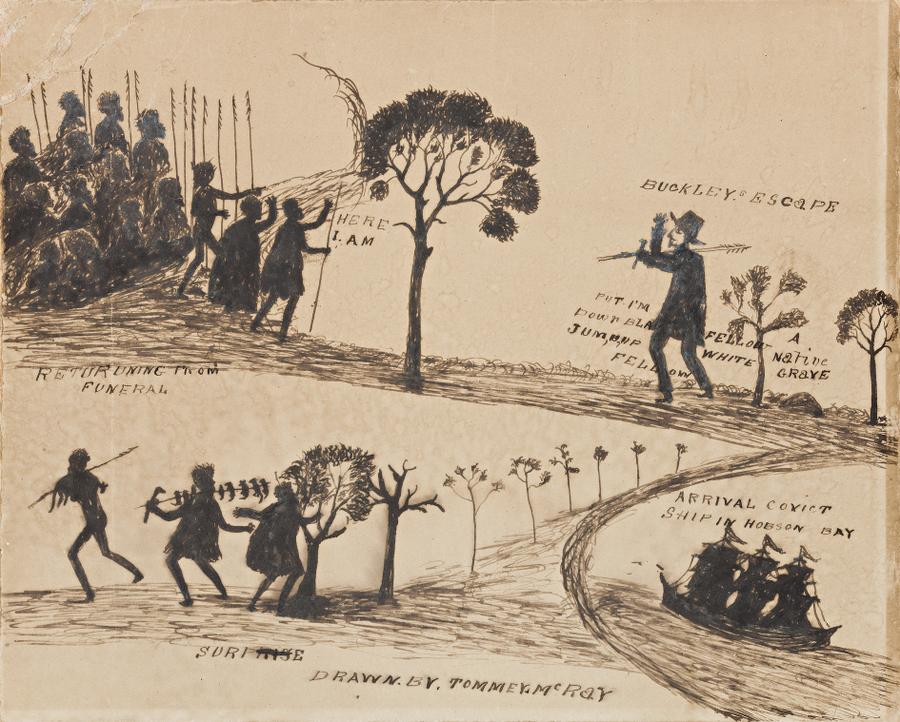
End of Convict Transportation to Western Australia
Australia
Labor & Economy
3 min read
Updated By: History Editorial Network (HEN)
Published:
In 1868, the transportation of convicts to Western Australia came to a halt. This decision marked the end of a practice that had been in place for several decades. Convicts were originally transported to Australia as a means of dealing with overcrowded prisons in Britain. The convicts were used as a source of labor in the colonies, particularly in Western Australia, where they were put to work on various projects.
The cessation of convict transportation had a lasting impact on Western Australia. With the influx of convicts decreasing, the colony had to find alternative sources of labor to support its economy. This led to an increased reliance on free settlers and workers, which helped shape the development of Western Australia in the years to come.
The end of convict transportation also reflected changing attitudes towards punishment and rehabilitation. There was a growing recognition that the transportation of convicts was not an effective or humane way of dealing with crime. Instead, efforts were made to reform the penal system and focus more on rehabilitation and reintegration.
Overall, the cessation of the transportation of convicts to Western Australia in 1868 marked a significant shift in the history of the colony. It not only impacted the economy and labor supply but also reflected changing attitudes towards punishment and rehabilitation.
#ConvictTransportation #WesternAustralia #ColonialHistory #LaborSupply #PenalReform

Explore the Life Moments of
 AI Twin