The Burke and Wills Expedition Tragedy
Australia
Exploration
4 min read
Updated By: History Editorial Network (HEN)
Published:
In 1861, the ill-fated Burke and Wills expedition unfolded in Australia. The expedition aimed to cross the continent from south to north, a trek spanning over 3,000 kilometers of harsh and unknown terrain. Robert O'Hara Burke led the expedition of 19 men, with William John Wills as his second-in-command.
Despite initial optimism, the journey soon faced numerous challenges. The team struggled with food shortages, unforgiving weather conditions, and poor decision-making. Tragically, Burke, Wills, and two other members pushed ahead to reach the northern coast, leaving behind a dwindling supply depot at Cooper Creek.
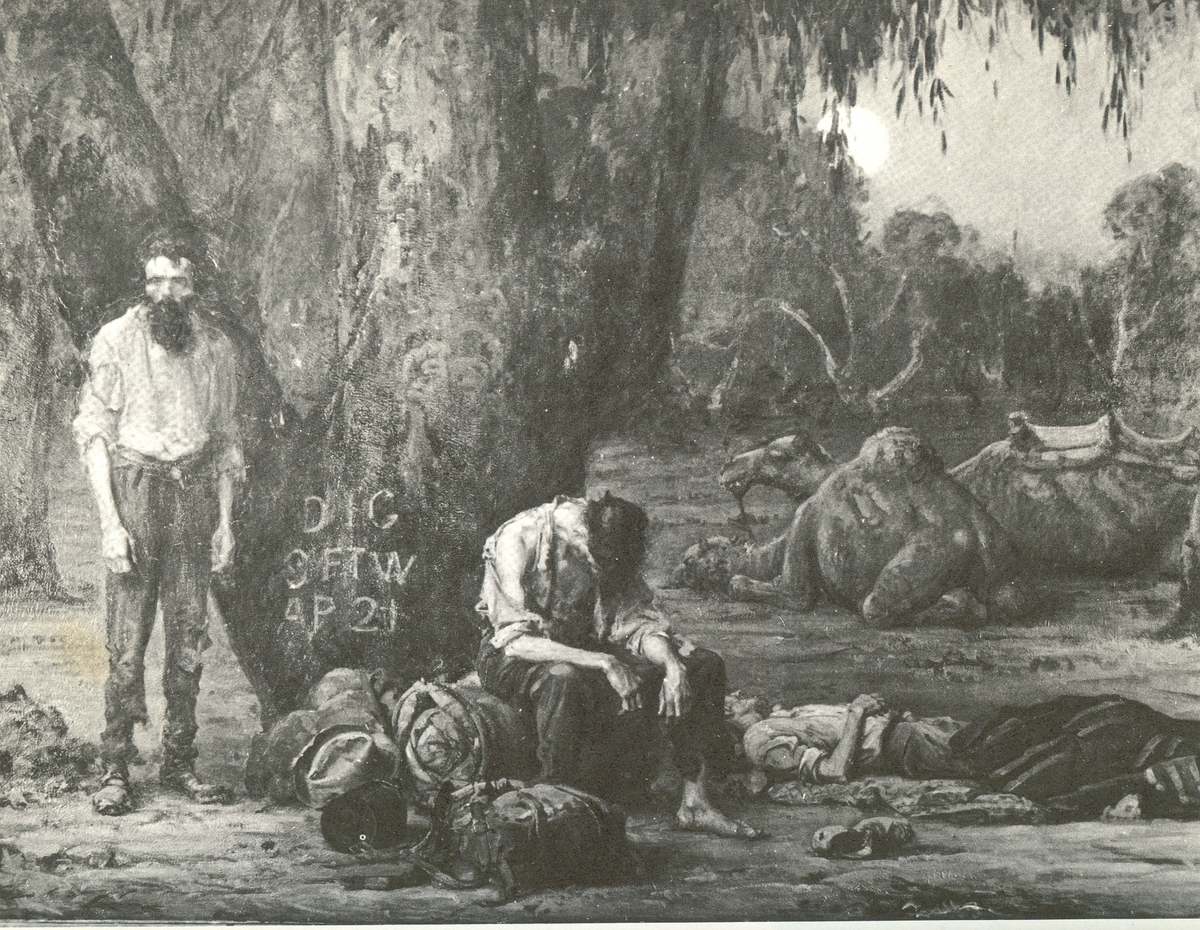
Upon their return to the depot, they found it abandoned, as the remaining team members had departed only hours earlier. With provisions exhausted and weakened by their journey, Burke, Wills, and their companions succumbed to the harsh Outback environment. Wills died first, closely followed by Burke. Their bodies were later discovered by a search party.
The ill-fated Burke and Wills expedition exposed the unforgiving nature of the Australian Outback and the importance of proper planning and preparation in such endeavors. Despite its failure, the expedition contributed valuable geographical knowledge of inland Australia. The tragic outcome sparked national mourning and raised questions about exploration practices at the time.
The legacy of Burke and Wills endures as a cautionary tale of hubris and the challenges of exploration in the Australian landscape. The expedition's story continues to captivate historians and adventurers alike, serving as a reminder of the perils of underestimating the natural world.
#BurkeandWills #AustralianExploration #TragicJourney #LessonsLearned

Explore the Life Moments of
 AI Twin