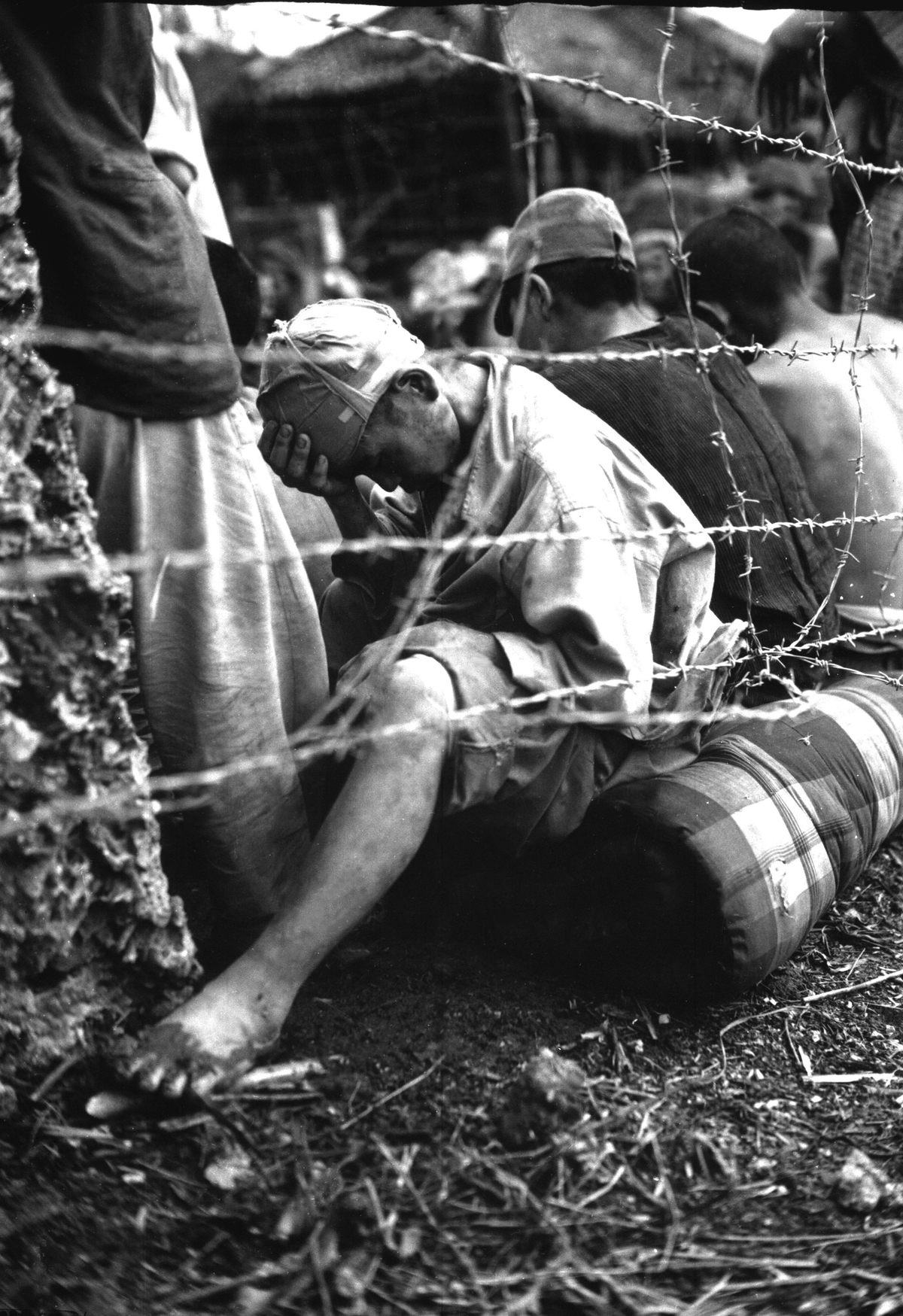
Sandakan Death March: Only 6 Survivors
Australia
War
4 min read
Updated By: History Editorial Network (HEN)
Published:
During World War II, Japanese forces inflicted the Sandakan Death March on 2,000 Australian and British prisoners of war. These individuals were captured during the earlier stages of the war and were held captive in Borneo. As Allied forces began to close in on the area, the Japanese decided to move the prisoners to Ranau, located 260 kilometers away.
The march was a brutal ordeal, with the prisoners subjected to harsh treatment, limited food and water, and physical abuse. Many were already weakened from their time in captivity and were in no condition to endure such a grueling journey. As a result, the death toll mounted rapidly along the way.
By the time the survivors reached their destination, only six remained. The rest had perished from exhaustion, starvation, or at the hands of their captors. The Sandakan Death March is considered the single worst war crime perpetrated against Australians, serving as a stark reminder of the inhumanity of war.
The impact of the Sandakan Death March was profound, not only for the families of the victims but for the nation as a whole. The loss of so many brave soldiers under such horrific circumstances left a lasting scar on the Australian psyche. The survivors who lived to tell the tale bore witness to the atrocities committed by the Japanese during that dark chapter of history.
The Sandakan Death March serves as a somber reminder of the sacrifices made by Australian and British soldiers during World War II. It stands as a testament to the resilience and courage of those who endured unimaginable suffering at the hands of their captors. The memory of the event lives on as a symbol of the brutality of war and the strength of the human spirit. #SandakanDeathMarch #AustralianWarCrimes #RememberingOurHeroes

Explore the Life Moments of
 AI Twin