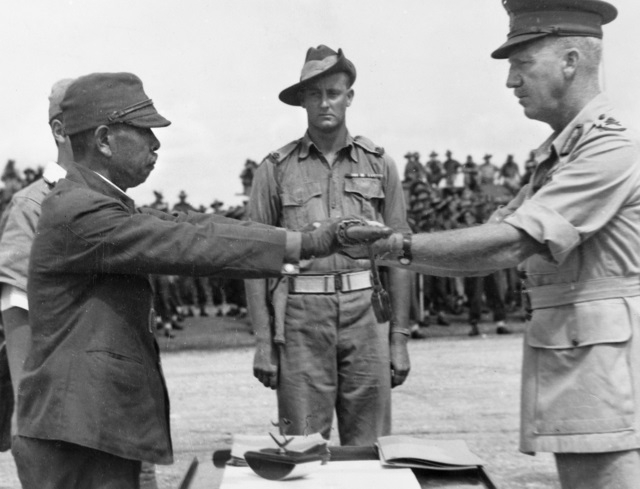
Japan's Surrender in World War II
Australia
Global Impact
EndOfWorldWarII
4 min read
Updated By: History Editorial Network (HEN)
Published:
During the final stages of World War II, Japan found itself facing significant losses and devastation. The United States, along with its allies, had been making steady advancements towards Japanese territory, causing widespread destruction and casualties. The bombings of Hiroshima and Nagasaki inflicted catastrophic damage and loss of life, pushing Japan into a corner.
As the war dragged on, the Japanese military's resources dwindled, and the American forces closed in. The prospect of a prolonged conflict with no guarantee of victory left Japan in a desperate situation. The Allied demand for an unconditional surrender became increasingly inevitable.
Facing the grim reality of further destruction and loss, Japan's leaders made the difficult decision to surrender, bringing an end to years of conflict. The announcement of Japan's surrender brought a mix of relief and disbelief to the people, who had endured the horrors of war for so long.
The surrender of Japan marked a turning point not only in the Pacific theater but also globally, bringing an end to one of the deadliest conflicts in history. The impact of this event reverberated across nations, ushering in a new era of post-war recovery and reconciliation. The war may have ended, but its effects continued to shape the world for years to come.
In Australia, the news of Japan's surrender was met with a sense of relief mixed with somber reflection on the sacrifices made during the war. The return of Australian troops and efforts to rebuild communities became the focus as the nation looked towards a future of recovery and healing.
#JapanSurrenders #EndOfWorldWarII #GlobalImpact #Reconciliation

Explore the Life Moments of
 AI Twin