
Burkina Faso

The Heart of West Africa
About
#WestAfrica
#BurkinaFaso
#LandOfHonestMen
Life Classification
Country
Life ID
EL4811515438777
Verified Name
burkina-faso
Life Type
Entity Life
Life Editor(s)
History Editorial Network (HEN)
Life Privacy
Public
Subscription
Elite
Created On
2024-07-20
Updated On
2025-12-18
Connect
Related Lives
New Zealand
The Journey Through New Zealand

Belarus
Land of Lakes and Forests

History of Internet & Social Media
From Cold War Wires to Global Web

Academy Awards
The Oscars
Iraq
The Cradle of Civilization

Botswana
The Heart of Southern Africa

Ireland
The Emerald Isle

Bosnia and Herzegovina
The Land of Golden Lilies

2026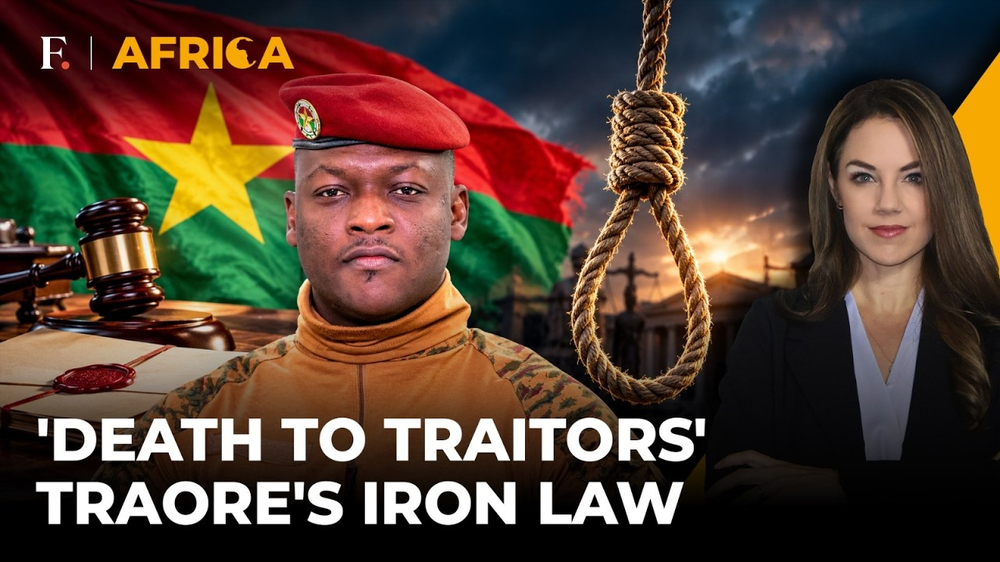
Burkina Faso's transitional legislature reportedly adopted a revised penal code unanimously on 20/10/2026, reinstating the death penalty for offences including terrorism, espionage, high treason, and certain other serious crimes. The decision reversed the abolition of capital punishment for ordinary offences enacted in 2018. The military-led government, headed by Captain Ibrahim Traoré, presented the measure as part of its efforts to strengthen criminal penalties amid continuing attacks by armed groups. The reported vote reflected the authorities' broader emphasis on national security and public order.
Burkina Faso has faced prolonged violence involving armed Islamist groups linked to al-Qaeda and Islamic State, resulting in civilian casualties, displacement, and disruption of public services. The proposed restoration of capital punishment had been discussed by the transitional authorities before the reported October 2026 decision. Human rights organisations have opposed reinstatement, citing concerns about irreversible judicial errors, fair-trial guarantees, and potential misuse against political opponents. The reported legislative adoption would represent a reversal of the country's earlier abolitionist policy, although the precise legal commencement provisions require confirmation.
The legislation was approved by all 71 members of the People's Legislative Assembly, with no votes against or abstentions. Justice Minister Edasso Rodrigue Bayala presented the revised code, which also covers parricide and the importation of prohibited or expired products causing death. Burkina Faso's last known judicial execution occurred in 1988.
View details2025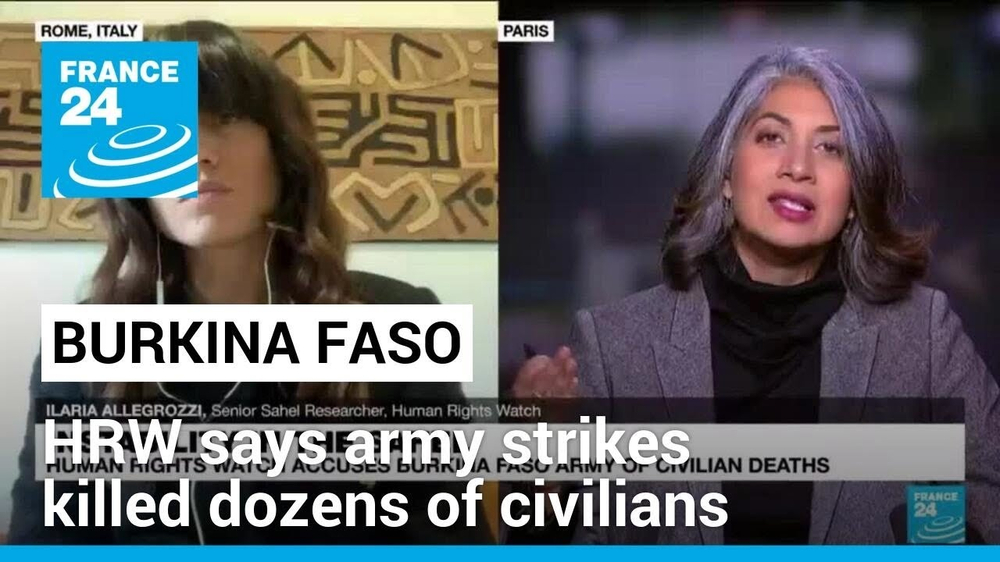
In March 2025, Burkina Faso’s military and allied pro-government militias were accused of killing over 130 ethnic Fulani civilians during a major security operation near the town of Solenzo in the western Boucle du Mouhoun region. The campaign, part of a broader offensive against Islamist armed groups, involved Burkinabè special forces and the Volunteers for the Defense of the Homeland (VDP) militia. Human Rights Watch and other rights groups report that the victims were predominantly unarmed Fulani herders, with many women, children and elderly among the dead, and that the killings occurred as displaced Fulani tried to flee violence. Witnesses described soldiers and VDP units firing on civilians and blocking escape routes, leading to mass executions and widespread displacement into neighboring Mali.
Rights groups have characterized the events as serious human rights abuses and potential war crimes, demanding independent investigations and accountability for those responsible. The Burkinabè government has denied the army intentionally targeted civilians, instead calling some reports misleading and blaming jihadist groups. The Solenzo deaths underline the broader security and ethnic tensions in Burkina Faso, where the military junta’s counter-insurgency operations against jihadist groups have increasingly drawn accusations of abuses and ethnic targeting, intensifying the humanitarian crisis across the Sahel-state.
View details2024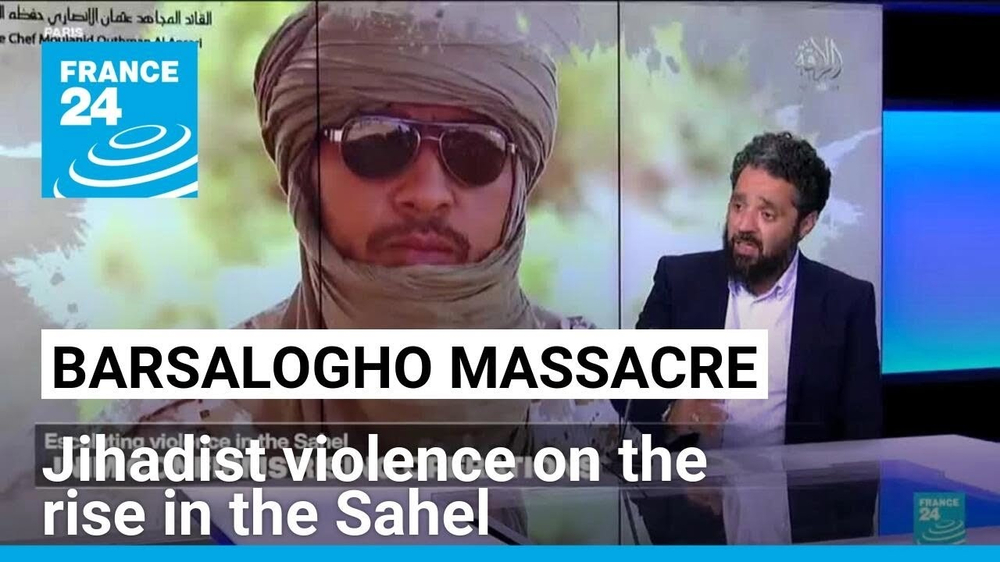
"Barsalogho, a small town in Burkina Faso, witnessed a horrifying event when approximately 600 civilians were killed in an attack by Islamist militants linked to Al-Qaeda. This massacre is one of the deadliest incidents in a region already plagued by violence and instability. The attackers stormed the town with a high degree of coordination, targeting residents and leaving a trail of devastation.
Burkina Faso has been grappling with jihadist insurgency for several years, primarily in its northern and eastern regions. The Islamist groups, including those associated with Al-Qaeda, exploit ethnic tensions and the lack of government control to expand their influence. Activities of these groups have not only resulted in numerous deaths but also the displacement of an estimated 1.4 million people within the country.
Barsalogho, located in the Centre-Nord region, has seen repeated attacks. The massacre raised alarms about the escalating violence and the inability of local and national authorities to protect citizens. According to reports, the assailants arrived on motorcycles and used both firearms and machetes to carry out the killings. The aftermath saw a massive exodus of survivors who fled the area, seeking refuge in more secure locations.
The Burkina Faso government condemned the act and vowed to enhance security measures in vulnerable regions. Additionally, international bodies and neighboring countries expressed concern over the rising intensity of attacks and called for joint efforts to combat terrorism in the Sahel region.
This tragic event highlights the ongoing security crisis in Burkina Faso and the broader Sahel, where extremist violence continues to disrupt lives and hinder development. The massacre in Barsalogho underscores the urgent need for comprehensive strategies addressing not only military responses but also socio-economic factors contributing to radicalization.
#MoofLife #BurkinaFaso #Counterterrorism #HumanRights #SahelCrisis #HumanitarianResponse"
View detailsThree countries, including Burkina Faso, recently withdrew from the Economic Community of West African States (ECOWAS). This decision came after ongoing disagreements on issues related to regional security and economic policies. The withdrawal of Burkina Faso, along with Niger and Mali, has raised concerns about the stability and effectiveness of the regional organization.
Burkina Faso's departure from ECOWAS signifies a shift in regional dynamics, as the country seeks to assert its independence and pursue its own foreign policy objectives. This move could potentially impact regional cooperation efforts on various fronts, such as trade, security, and development initiatives.
The decision to leave ECOWAS reflects a broader trend of countries reassessing their membership in regional bodies and reassessing the benefits of such alliances. The departure of Burkina Faso, Niger, and Mali from ECOWAS underscores the need for the organization to address internal divisions and enhance its relevance in the changing regional landscape.
#BurkinaFaso #ECOWAS #RegionalIntegration #Diplomacy
View details
2022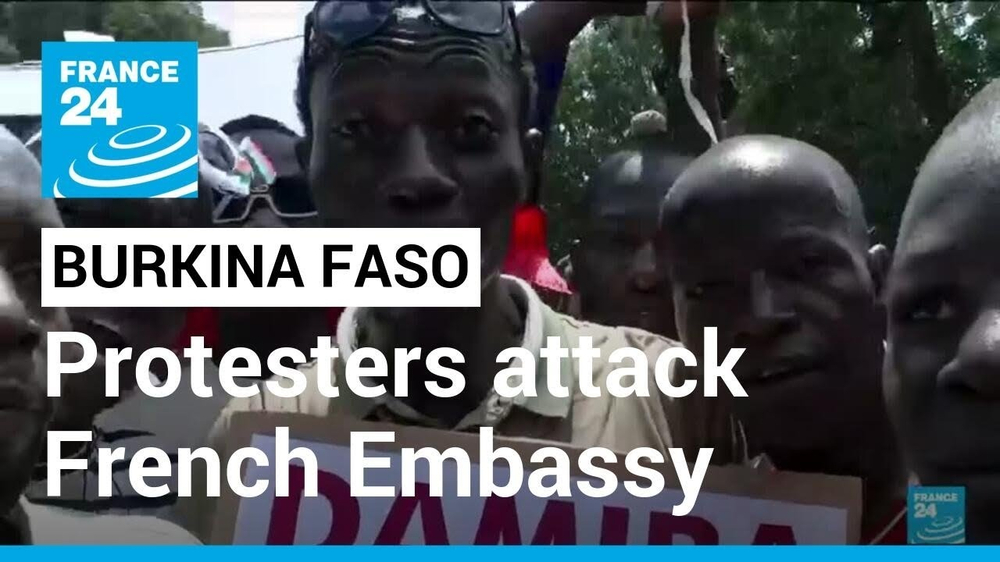
In a tragic event at the French embassy in Burkina Faso, the diplomatic compound came under attack by a group of eight gunmen. The assailants killed sixteen people, including security personnel and civilians. The gunmen stormed the embassy in Ouagadougou, the capital city, in an attempt to cause harm and instill fear.
The attack left a devastating impact on the local community and sparked concerns about the security situation in the region. The government of Burkina Faso swiftly condemned the violence and vowed to take necessary measures to ensure the safety of its citizens and foreign residents. French authorities also expressed solidarity with Burkina Faso and pledged support in the aftermath of the tragedy.
The incident highlighted the ongoing security challenges faced by Burkina Faso and the wider Sahel region, where extremist groups have been active. It underscored the need for continued international cooperation and efforts to combat terrorism and violence in the region. The loss of lives at the French embassy served as a somber reminder of the threats posed by extremism and the importance of promoting peace and stability.
#BurkinaFaso #FrenchEmbassyAttack #SecurityThreats #Terrorism #InternationalSolidarity
View details2016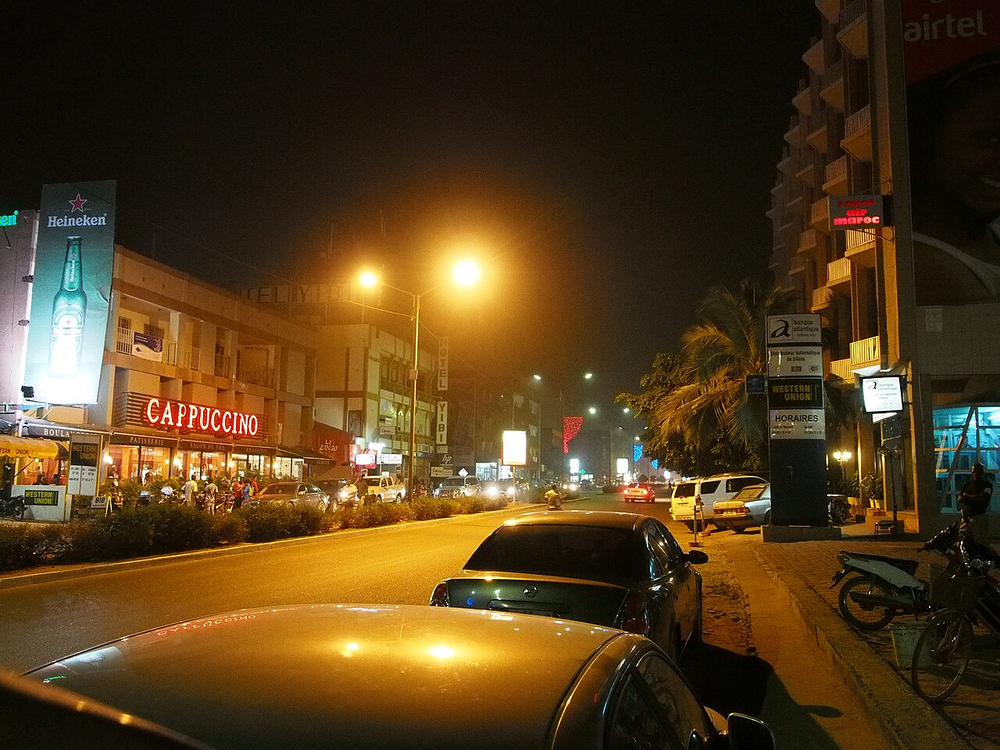
Al-Qaeda in the Islamic Maghreb (AQIM) launched an attack on a hotel and café in Ouagadougou, resulting in numerous casualties. The extremists stormed the popular gathering spots, leading to chaos and fear among locals and tourists. AQIM's violent actions aimed to spread terror and assert dominance in the region.
The attack left a devastating impact on the community, with many lives lost or forever changed. Security forces swiftly responded to the crisis, engaging in a deadly confrontation with the attackers. The tragic event highlighted the ongoing threat of terrorism in Burkina Faso and the broader Sahel region.
In the aftermath, the government implemented heightened security measures to prevent future attacks and protect civilians. The international community condemned the violence, offering support and solidarity to the affected nation. Despite the trauma and loss, the resilience and unity of the people shone through in the face of adversity.
#AQIM #Ouagadougou #Terrorism #BurkinaFaso #SecurityThreat
View details2015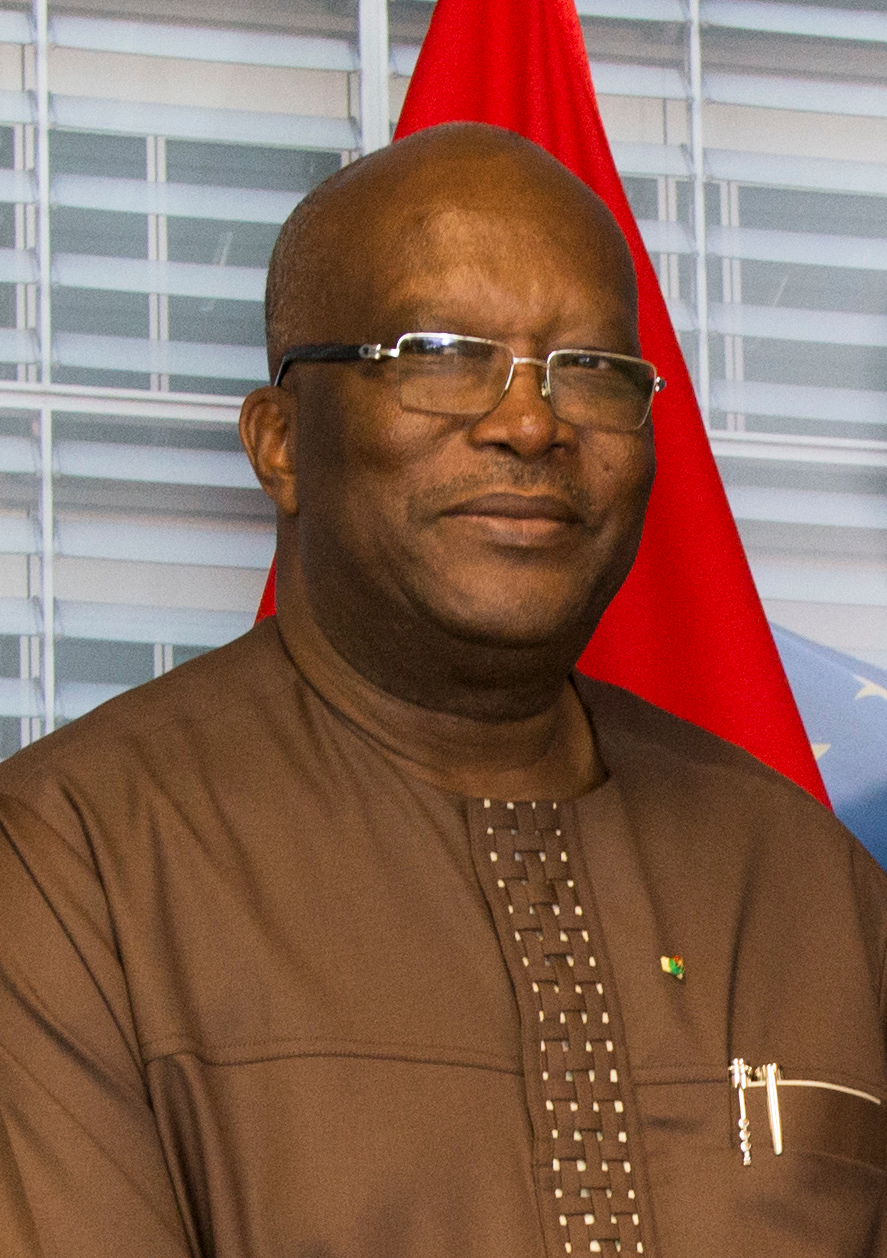
Roch Marc Christian Kaboré was elected as the President of Burkina Faso after a historical election. Kaboré, a former Prime Minister and president of the National Assembly, founded the political party People's Movement for Progress. His presidency marked the first peaceful transition of power through the ballot box in Burkina Faso since its independence.
Kaboré's election brought hope for stability and development in the country, which had experienced a period of political unrest and military coups. His victory was seen as a step towards democracy and good governance in Burkina Faso. Kaboré's government focused on addressing issues such as corruption, security challenges, and unemployment, and he aimed to improve the economy and social services for the people.
The election of Roch Marc Christian Kaboré as President of Burkina Faso signaled a new era for the country, bringing expectations of progress and positive change. His leadership was crucial in guiding Burkina Faso towards a more stable and prosperous future.
#RochMarcChristianKaboré #BurkinaFaso #Election #Democracy #Development
View details2014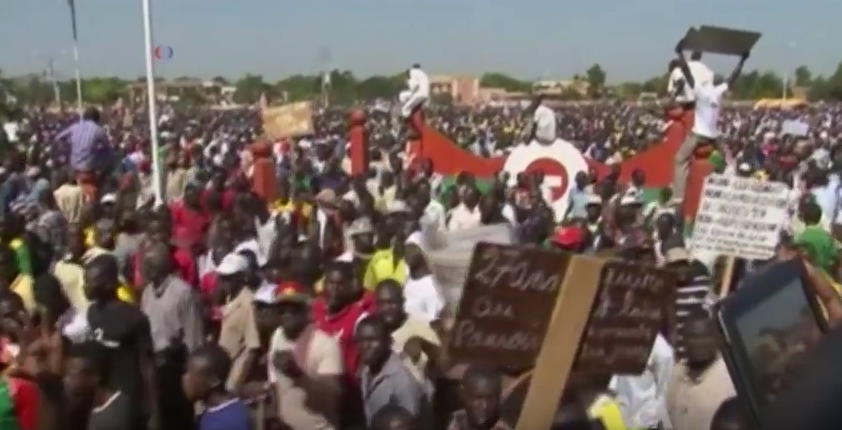
The military coup in Burkina Faso marked the end of President Blaise Compaoré's 27-year rule. The uprising stemmed from public discontent over Compaoré's attempt to extend his presidency through constitutional amendments. On the day of the coup, armed forces seized control of key government buildings and the state broadcaster, declaring a transitional government. The military justified their actions as necessary to protect the constitution and democracy.
Following the coup, mass protests erupted across the country, with citizens celebrating the removal of Compaoré and demanding a civilian-led government. Regional and international bodies condemned the military takeover and called for a speedy return to civilian rule. Amidst this pressure, the military agreed to a transition process, leading to the reinstatement of civilian governance.
The overthrow of Compaoré signified a turning point in Burkina Faso's political landscape, opening up opportunities for democratic reforms and accountability. The event highlighted the power of popular uprisings in shaping political outcomes and emphasized the importance of respecting term limits and constitutional principles. It also underscored the need for inclusive governance and dialogue to address grievances and build a stable and prosperous future for the country.
#BurkinaFaso #MilitaryCoup #TransitionToDemocracy #EndOfAnEra #PopularUprising
View details2013
The International Court of Justice in The Hague settled a lengthy border dispute between Niger and Burkina Faso. The conflict stemmed from unclear demarcations dating back to the colonial era. Both countries laid claim to a resource-rich area, leading to tensions over the years. The resolution provided a definitive border line, bringing an end to decades of uncertainty and occasional skirmishes.
The decision had immediate implications for both nations, as it defined their respective territories and resource rights. It offered a sense of closure to the affected communities and paved the way for improved relations between Niger and Burkina Faso. The outcome allowed for better governance and administration of the region, promoting stability and cooperation.
The ruling of the International Court of Justice underscored the importance of international law in resolving territorial disputes and upholding sovereignty. It set a precedent for peaceful conflict resolution and emphasized the significance of diplomacy in addressing long-standing issues. The event highlighted the role of legal mechanisms in fostering peace and security among neighboring countries.
#InternationalCourtOfJustice #BorderDispute #PeaceAndCooperation #Diplomacy #TerritorialIntegrity
View details2012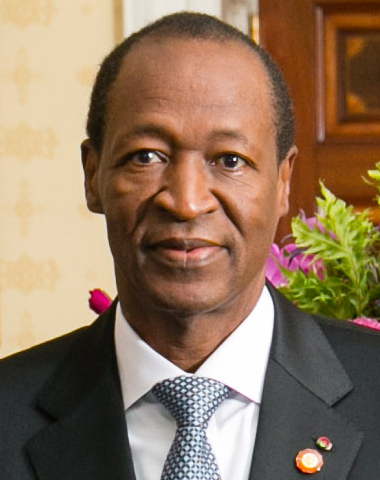
President Compaore of Burkina Faso played a crucial role in mediating talks to address the crisis unfolding in Mali. Islamists had seized control of the northern region, creating a dire situation in the country. President Compaore's intervention aimed to facilitate negotiations between the Malian government and the rebel groups to find a peaceful resolution to the conflict.
The talks mediated by President Compaore sought to bring about stability and security in Mali, with a focus on restoring the government's authority in the northern territories. The involvement of regional leaders like President Compaore underscored the importance of a unified approach to addressing the crisis in Mali.
As a result of President Compaore's mediation efforts, there was hope for a potential breakthrough in the conflict, offering a glimmer of optimism amidst the turmoil in Mali. The negotiations facilitated by President Compaore provided a platform for dialogue and diplomacy to prevail over violence and conflict in the region. The willingness of all parties to engage in talks mediated by Burkina Faso reflected a commitment to finding a peaceful resolution to the crisis in Mali.
#PresidentCompaore #MediationEfforts #CrisisResolution #RegionalLeadership #PeaceTalks #MaliCrisis #Diplomacy
View details2010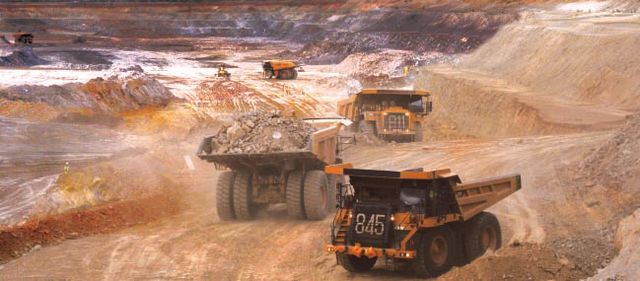
Essakane Gold mine in Burkina Faso was officially opened, marking a milestone in the country's mining industry. The mine, located in a region known for its rich mineral deposits, is expected to contribute significantly to the local economy by creating job opportunities and generating revenue through the extraction and sale of gold.
The opening of the gold mine represents a strategic investment in Burkina Faso's natural resources sector, attracting attention from international investors and bolstering the country's position as a key player in the global mining market. The development is also seen as a positive step towards sustainable development, as mining activities are expected to be conducted in compliance with environmental and social standards.
Local communities stand to benefit from the presence of the gold mine through various social responsibility programs initiated by the mining company, aimed at improving infrastructure, promoting education, and enhancing livelihoods in the region. The inauguration of the mine was attended by government officials, industry stakeholders, and community leaders, highlighting the collaborative effort involved in realizing this project.
#BurkinaFaso #GoldMining #EconomicDevelopment #SustainableGrowth
View detailsFrance and the US issued travel warnings due to the potential threat of kidnappings by al-Qaeda members in Burkina Faso. The warnings highlighted the increased risk for foreign nationals traveling in the region, urging caution and vigilance. This alert came as a response to intelligence reports indicating a growing presence of al-Qaeda operatives in the area, particularly targeting Westerners for ransom.
The travel advisories had a significant impact on tourism and foreign travel to Burkina Faso, with many visitors reconsidering their plans or taking extra precautions. The warnings served as a reminder of the persistent security challenges faced in the region, where terrorist groups operate.
Authorities in Burkina Faso took measures to enhance security and cooperation with international partners to address the threat posed by al-Qaeda. The situation underscored the ongoing security concerns in the Sahel region, emphasizing the need for continued vigilance and precaution when traveling to high-risk areas.
#BurkinaFaso #AlQaeda #TravelWarning #SecurityThreat #ForeignNationals #Kidnappings
View details2007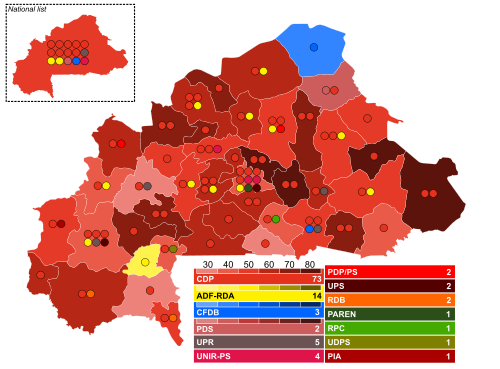
In the parliamentary polls, the ruling party in Burkina Faso secured a majority of seats. This outcome reflected the ongoing support for the party’s policies and leadership among the electorate. The ruling party’s victory in the polls further solidified its position in shaping the country’s political landscape and decision-making process.
The election results signaled continuity in governance and a mandate to pursue the party's agenda. The victory also indicated a level of confidence from the population in the ruling party's ability to address key issues and drive development initiatives forward.
Overall, the ruling party winning a majority in the parliamentary polls underscored its dominance in the political arena and highlighted the voters’ endorsement of its performance and vision for the country’s future.
#BurkinaFaso #ParliamentaryPolls #RulingPartyVictory #PoliticalLandscape
View details2005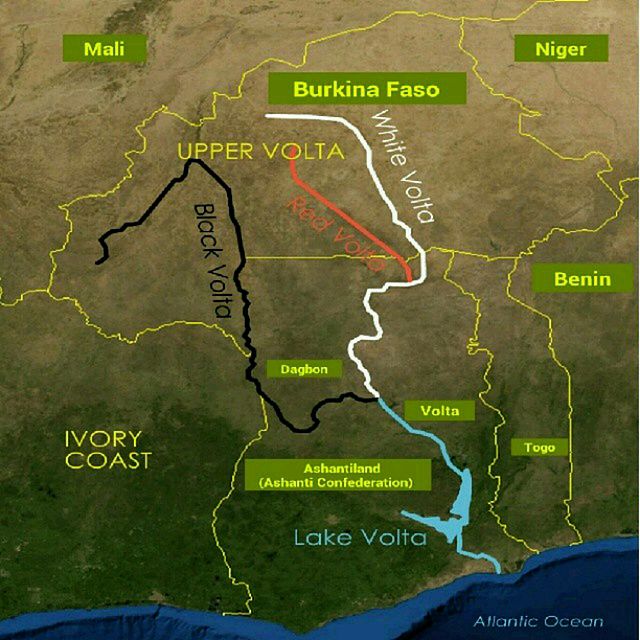
The Volta Basin Research Project was initiated to investigate the hydrology of the Volta River. The project aimed to enhance understanding of the river's flow patterns and dynamics, crucial for sustainable water management in the region. Researchers focused on collecting data on rainfall, evaporation, and river discharge to model and predict water levels accurately.
The launch of the research project sparked interest among scientists, policymakers, and the local community, as the Volta River plays a vital role in agriculture, energy production, and water supply in Burkina Faso. The findings from the study were expected to contribute valuable insights for optimizing water resource utilization and mitigating water-related risks in the region.
By studying the hydrology of the Volta River, the research project sought to address the challenges posed by climate change and population growth, which could impact water availability and quality in the future. The project's outcomes were anticipated to inform evidence-based decision-making and foster sustainable development practices in Burkina Faso and neighboring countries that share the Volta River basin.
#VoltaRiver #HydrologyResearch #WaterManagement #SustainableDevelopment #BurkinaFaso
View details2000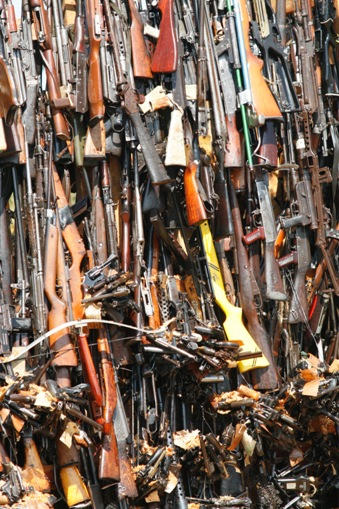
Accused of smuggling arms to rebels in Sierra Leone and Angola, Burkina Faso agreed to establish a UN-run body to oversee weapons imports. This move came after allegations surfaced, tarnishing the country's reputation and implicating its government in fueling conflicts in the region.
The decision to allow the UN to monitor arms imports was a significant step towards transparency and accountability in Burkina Faso's dealings with armed groups. It aimed to prevent further destabilization and violence in Sierra Leone and Angola, where rebel groups had been wreaking havoc with the support of illicit arms.
By agreeing to the establishment of the UN-run oversight body, Burkina Faso demonstrated a commitment to ending its involvement in the illicit arms trade and promoting peace in the region. The cooperation with the UN also signaled a willingness to cooperate with the international community to address security challenges and prevent further escalation of conflicts fueled by arms trafficking.
Overall, the establishment of the UN-run body to oversee weapons imports in Burkina Faso was a crucial step towards ensuring accountability and preventing the proliferation of arms to rebel groups in neighboring countries. It highlighted the importance of international cooperation in addressing security threats and promoting peace in conflict-affected regions. #BurkinaFaso #UN #ArmsControl #PeaceBuilding
View details1999
State-owned mining company Soremib made a crucial decision to close Burkina Faso's largest gold mine due to ongoing operational challenges. The mine played a vital role in the country's economy, being a significant contributor to its GDP and employment. The closure led to a major setback, affecting the local community, workforce, and government revenue.
With the shutdown of the gold mine, hundreds of jobs were lost, causing ripple effects on families and businesses that depended on the mine's activities. The government faced a decrease in revenue from the mining sector, impacting its ability to fund crucial projects and services. Additionally, the closure highlighted the vulnerability of the country's economy to external factors affecting the mining industry.
Communities surrounding the mine experienced a shift in their livelihoods, with a sudden halt in economic opportunities that the mine provided. This event underscored the challenges faced by countries heavily reliant on natural resources for economic development.
#Soremib #GoldMineClosure #BurkinaFasoEconomy #MiningSectorImpact
View detailsA general strike in Burkina Faso was organized over economic grievances and alleged human rights violations. The strike was fueled by rising frustration among the population towards the government's handling of economic challenges and reports of rights abuses. Workers from various sectors participated in the strike, bringing key industries and services to a standstill.
The impact of the strike was significant, as it paralyzed the country's economy and drew attention to the widespread discontent among the citizens. The government was forced to address the protesters' demands and initiate dialogues to quell the unrest. The event highlighted the deep-seated issues facing the nation and the urgent need for reforms.
The general strike over economic grievances and alleged human rights violations underscored the power of collective action in sparking change and holding authorities accountable. It marked a pivotal moment in Burkina Faso's history, shaping the trajectory of the country's socio-political landscape.
#BurkinaFaso #GeneralStrike #EconomicGrievances #HumanRightsViolations #SocialUnrest
View details1998
Roch Marc Christian Kabore won the presidential election in Burkina Faso with a landslide victory. The election took place amid a backdrop of political instability following the ousting of long-time ruler Blaise Compaore. Kabore's victory marked a significant transition for the country, as he became the first civilian leader in decades after a period of military rule.
Kabore's win was seen as a crucial step towards restoring democracy and stability in Burkina Faso, as he promised to address issues such as corruption, economic development, and security. His overwhelming support at the polls reflected the hopes of the Burkinabe people for a new era of governance and progress.
The election results solidified Kabore's position as the leader of Burkina Faso, giving him a mandate to implement his agenda for reform and growth. As he took office, he faced the daunting task of addressing the challenges facing the country, including ongoing security threats from militant groups in the region.
Overall, Kabore's landslide victory in the presidential election represented a turning point in Burkina Faso's political landscape, setting the stage for a new chapter in the country's history.
#BurkinaFaso #Election #Democracy #Stability #Development
View details1992
Following years of single-party rule in Burkina Faso, the first multi-party parliamentary election saw Compaore's Organisation for Popular Democracy-Labour Movement claiming a majority of seats. This marked a significant shift in the country's political landscape.
The victory of Compaore's party had a profound impact on Burkina Faso, signaling a transition towards democracy and pluralism. The election result reflected the populace's desire for change and a more inclusive government that catered to a wider range of interests.
With this electoral success, Compaore's Organisation for Popular Democracy-Labour Movement gained the mandate to lead the country's legislative agenda and enact reforms. The new parliament was tasked with addressing pressing issues, promoting economic growth, and fostering social development in Burkina Faso.
The outcome of the election was a pivotal moment in the history of Burkina Faso, setting the stage for a more democratic and representative political system. It paved the way for greater citizen participation and engagement in governance, laying the foundation for a more transparent and accountable government.
#Compaore #PopularDemocracy #LabourMovement #MultiPartyElection #BurkinaFaso #PoliticalTransition
View details1991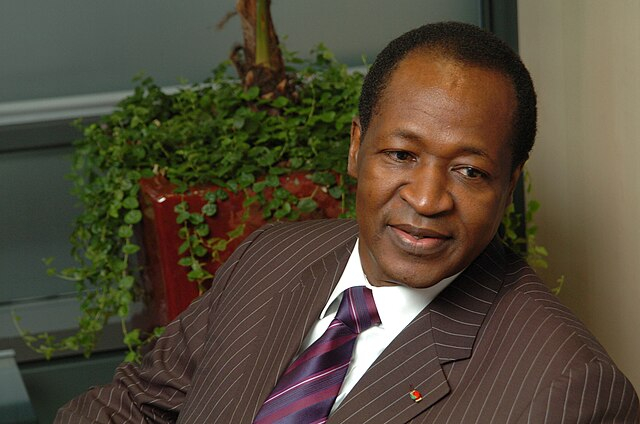
Following a period of political turbulence, Burkina Faso witnessed the re-election of President Blaise Compaore unopposed under a reformed constitution in 1991. The new constitution allowed for multi-party politics, marking a significant shift from the previous one-party state. Compaore's re-election without opposition was seen as a controversial move by some, with critics questioning the authenticity of the process. However, supporters argued that it was a step towards political stability and democratization in the country.
Compaore's re-election under the new constitution had a lasting impact on Burkina Faso's political landscape. It paved the way for increased political participation and competition, laying the foundation for a more pluralistic political system. Despite the concerns raised by opposition groups, Compaore's supporters viewed it as a necessary step to move the country forward.
The re-election of President Blaise Compaore without opposition under a new constitution was a turning point in Burkina Faso's political history, marking the beginning of a new era of multi-party democracy. It set the stage for further political reforms in the country and sparked debates about the future direction of Burkina Faso's political development.
#BurkinaFaso #Compaore #Democratization #PoliticalReform
View details1989
Facing growing pressure from civil society and the international community, Burkina Faso's President Compaore initiated limited democratic reforms. The country had been under his authoritarian rule since taking power in a coup in 1987. The reforms included allowing opposition political parties to operate legally, relaxing restrictions on the press, and implementing term limits for the presidency.
These changes marked a significant shift in Burkina Faso's political landscape, opening up space for opposition voices and fostering a more pluralistic society. Despite criticisms of the reforms being merely cosmetic, they did lead to a more open political environment and increased participation in the democratic process.
The introduction of limited democratic reforms by Compaore was a response to internal and external pressures for greater political liberalization. The reforms were seen as a necessary step towards addressing the country's long history of authoritarian rule and human rights abuses.
#BurkinaFaso #Democracy #Reforms #PoliticalChange
View details1987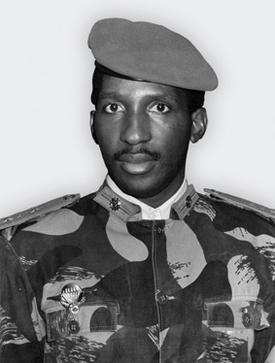
Thomas Sankara, the charismatic leader of Burkina Faso known for his progressive policies and anti-imperialist stance, was ousted and killed in a coup orchestrated by his close aide, Blaise Compaore. Sankara had come to power in a popular revolution in the early 1980s and implemented a series of reforms aimed at empowering the Burkinabe people and reducing the country's dependence on foreign aid.
Compaore, who had once been Sankara's friend and ally, grew resentful of his radical policies and authoritarian leadership style. With the backing of foreign powers and support from within the military, Compaore seized power in a bloody coup that ended Sankara's presidency and his life.
The ousting and assassination of Thomas Sankara had a profound impact on Burkina Faso and the wider African continent. Sankara's death marked the end of a promising era of revolutionary change in the country and was a setback for the pan-African movement. Compaore went on to rule Burkina Faso for over two decades, during which time he was accused of human rights abuses and corruption.
The legacy of Thomas Sankara's short-lived presidency continues to inspire many in Burkina Faso and beyond who are committed to social justice, self-reliance, and African unity. His ideas and principles remain relevant as people strive for a better future.
#ThomasSankara #BurkinaFaso #RevolutionaryLeader #AntiImperialism #Legacy
View details1984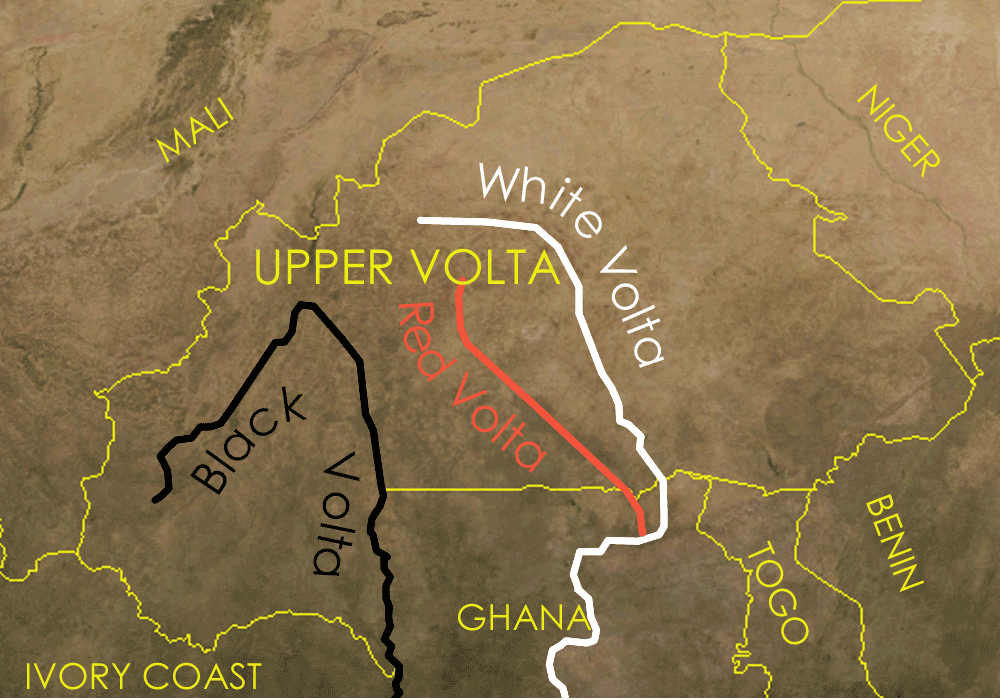
The renaming of Upper Volta to Burkina Faso marked a significant shift in the country's identity. The decision was made to embrace a new nationalistic and culturally rooted name. 'Burkina' translates to 'upright' or 'honest' in Mòoré and Dioula, two of the country's major languages, while 'Faso' means 'fatherland' in Dioula. The new name aimed to reflect the values of integrity and patriotism that the nation aspired to uphold.
This change had a profound impact on the country's sense of pride and solidarity. It symbolized a break from colonial legacies and a reclamation of their African heritage. The new name resonated with the citizens, fostering a sense of unity and shared purpose.
By adopting Burkina Faso as the official name, the government aimed to reorient the country towards a future characterized by self-determination and empowerment. The renaming was not merely symbolic but a declaration of a new era, in which the people of Burkina Faso were determined to forge their own path and shape their destiny.
#BurkinaFaso #NationalIdentity #Decolonization
View details1983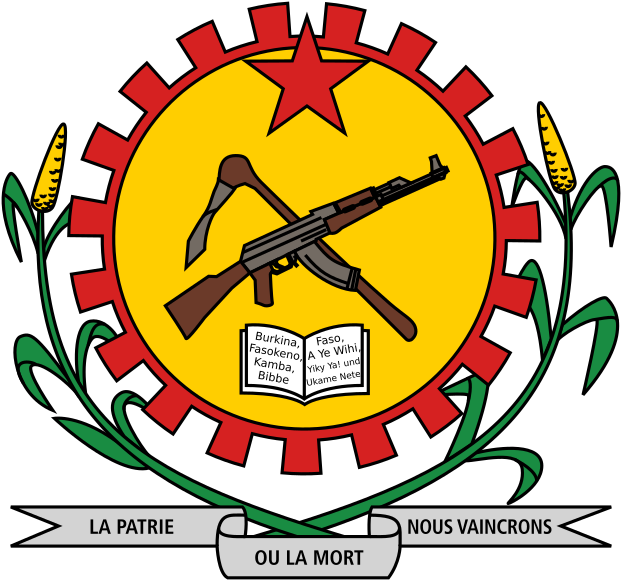
After yet another military coup orchestrated by Saye Zerbo, Thomas Sankara assumed the position of Prime Minister in Burkina Faso. Sankara, a charismatic and revolutionary leader, quickly implemented radical reforms aimed at transforming the country.
Sankara's tenure as Prime Minister saw a significant shift in Burkina Faso's domestic and foreign policies. He focused on eradicating corruption, promoting self-sufficiency, and empowering the marginalized populations. Sankara's government embarked on ambitious programs to improve healthcare, education, and women's rights.
Internationally, Sankara adopted an anti-imperialist stance, challenging global powers and advocating for African unity and self-determination. His bold and uncompromising rhetoric garnered both admiration and criticism, but firmly positioned Burkina Faso on the world stage.
The ascension of Sankara as Prime Minister marked a pivotal moment in Burkina Faso's history. His commitment to social justice, equality, and pan-African solidarity inspired a generation of activists and leaders across the continent.
#ThomasSankara #BurkinaFaso #Revolution #PanAfricanism #SocialJustice
View details1982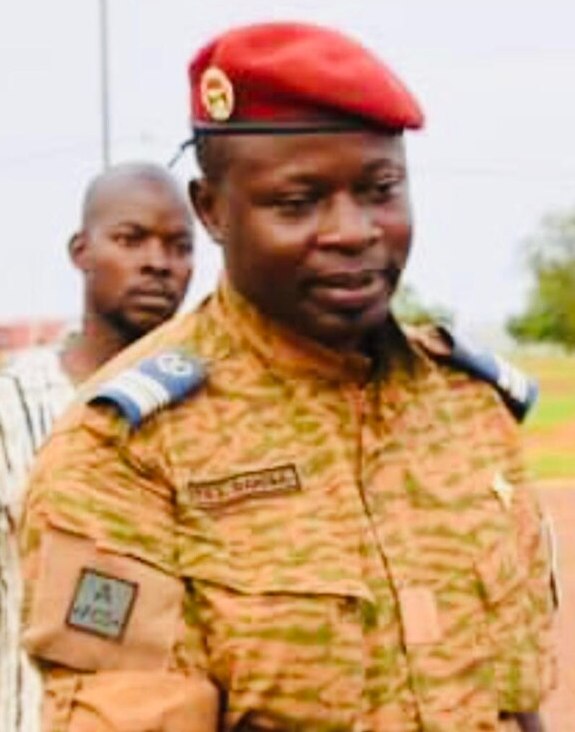
During a period of industrial unrest in Burkina Faso, Saye Zerbo was overthrown in a coup led by Jean-Baptiste Ouedraogo. The discontent stemmed from economic challenges and dissatisfaction with Zerbo's military regime, which had ruled the country since a previous coup. Ouedraogo, a military officer, seized power with promises of restoring civilian rule and addressing the grievances of the people. The overthrow marked a significant shift in Burkina Faso's political landscape.
The coup led by Ouedraogo brought an end to Zerbo's authoritarian rule and opened up possibilities for a more democratic government. The industrial unrest that preceded the coup highlighted the population's desire for change and better living conditions. Ouedraogo's rise to power raised hopes for a more inclusive and responsive leadership that would prioritize the needs of the people.
The event underscored the volatility of political power in Burkina Faso and the resilience of its population in demanding accountability from their leaders. The coup and subsequent transition carried both risks and opportunities for the country's future trajectory, setting the stage for a new chapter in its history. #BurkinaFaso #Coup #PoliticalUnrest #TransitionOfPower
View details1980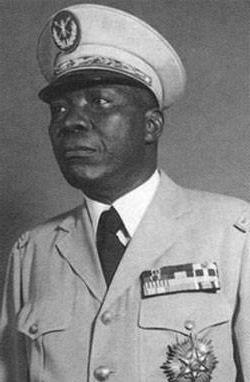
President Lamizana of Burkina Faso was ousted in a coup led by Saye Zerbo. Lamizana was overthrown after a period of political unrest and economic challenges in the country. Saye Zerbo, a military officer, seized power in a bloodless coup and dissolved the government.
The coup had significant implications for Burkina Faso. Zerbo suspended the constitution, dissolved the National Assembly, and banned all political parties. He established the National Revolutionary Council to govern the country in place of the ousted president.
The ousting of Lamizana marked a turning point in Burkina Faso's political landscape, leading to a period of military rule and authoritarian governance under Zerbo. The coup disrupted established political structures and set the stage for further instability in the country.
The international community closely watched the events unfolding in Burkina Faso following the coup. The country faced diplomatic isolation and condemnation from foreign governments for the undemocratic seizure of power.
#BurkinaFaso #Coup #PoliticalUnrest #MilitaryRule #Authoritarianism
View details1976
In 1977, Burkina Faso saw the promulgation of a new multi-party constitution, which allowed President Lamizana to extend his stay in office. The new constitution marked a shift from the previous one-party system to a multi-party system, introducing political pluralism within the country. This change aimed to address the growing calls for democracy and political reforms.
The promulgation of the new constitution had a significant impact on the political landscape of Burkina Faso. It provided an opportunity for opposition parties to participate in the political process and offered a platform for diverse voices to be heard. President Lamizana's ability to remain in office under the new constitution also signaled a continuation of his leadership, albeit within a framework of multi-party democracy.
Despite some initial skepticism and challenges in implementing the new political system, the promulgation of the multi-party constitution laid the foundation for a more inclusive and participatory political environment in Burkina Faso. It paved the way for greater political engagement, competition, and debate among different parties, ultimately shaping the country's democratic trajectory.
#BurkinaFaso #MultiPartyConstitution #PresidentLamizana #PoliticalPluralism
View details1969
Following a period of political turmoil, a new constitution was approved in Burkina Faso via referendum, allowing President Lamizana to extend his term until 1975. This move aimed to bring stability and continuity to the country after years of unrest. The constitution also included provisions for a bicameral legislature and enhanced executive powers for Lamizana.
The approval of the new constitution had a significant impact on the political landscape of Burkina Faso. It solidified Lamizana's grip on power and provided a roadmap for governance in the years to come. However, it also sparked criticism from opposition groups who viewed it as a means for the president to consolidate his authority.
Despite the controversy surrounding the referendum, the new constitution remained in place, allowing Lamizana to lead the country for an extended period. His tenure saw some economic growth and social development initiatives, but also continued political repression and human rights abuses.
Overall, the event marked a defining moment in Burkina Faso's history, shaping its political trajectory for the foreseeable future. It brought both stability and controversy, laying the foundation for the country's ongoing struggle for democracy and good governance.
#BurkinaFaso #ConstitutionalReferendum #PoliticalStability #Lamizana
View details1966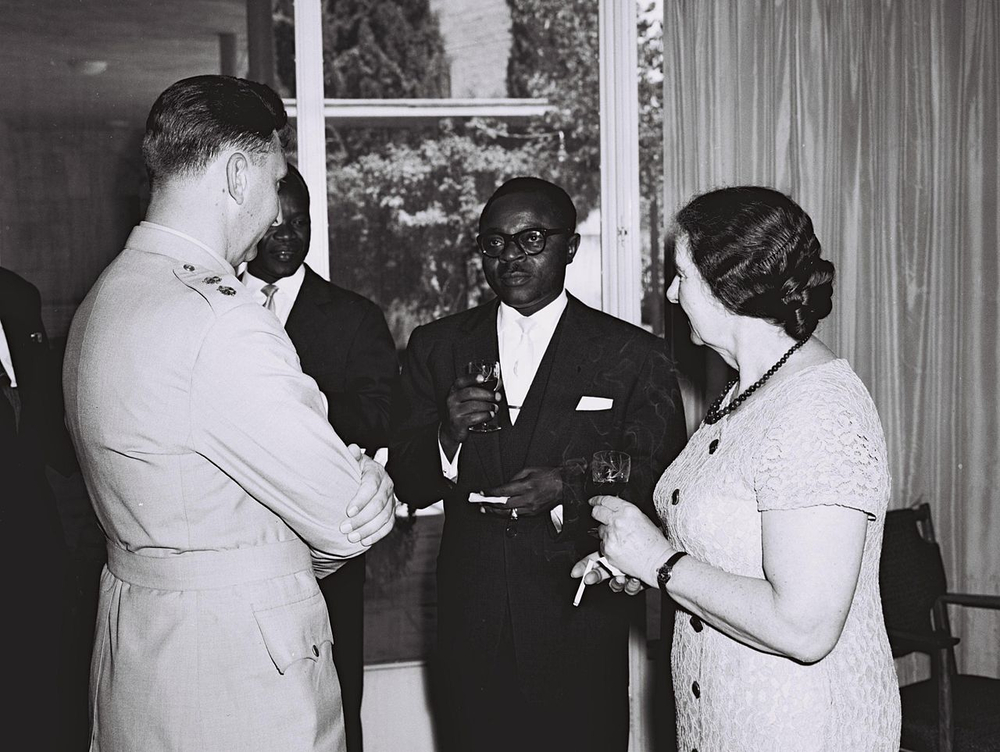
President Maurice Yaméogo of Burkina Faso was overthrown in a military coup led by Sangoulé Lamizana. Yaméogo's regime had been marred by corruption and authoritarianism, leading to widespread dissatisfaction among the populace. Lamizana, a senior military officer, seized the opportunity to stage a coup and remove Yaméogo from power.
Following the coup, Lamizana established himself as the new leader of Burkina Faso, promising to restore stability and improve governance. The overthrow of Yaméogo marked a significant shift in the political landscape of the country, ushering in a period of military rule.
The military junta led by Lamizana implemented several reforms aimed at addressing the grievances of the population, including anti-corruption measures and efforts to promote national unity. Despite initial support for the new regime, Lamizana's government would later face challenges and internal divisions.
The ousting of President Yaméogo and the subsequent rise to power of Sangoulé Lamizana reflected the complex socio-political dynamics prevalent in Burkina Faso during that period. The event underscored the fragility of democratic institutions in the face of authoritarian rule and set the stage for further political upheavals in the years to come.
#BurkinaFaso #MilitaryCoup #PoliticalInstability #SangouléLamizana #MauriceYaméogo
View details1960
After years of French colonial rule, Upper Volta achieved independence and was renamed the Republic of Upper Volta. Maurice Yaméogo was appointed as the new nation's first President. The transition to independence marked a significant turning point for the country, as it gained autonomy in governing its affairs. The establishment of the republic symbolized a new era of self-determination and governance for the people of Upper Volta.
Under President Yaméogo's leadership, efforts were made to promote national unity and development. However, his administration faced challenges, including economic struggles and political unrest which eventually led to his ousting in a military coup. Despite these difficulties, the declaration of independence laid the foundation for Burkina Faso's future progress and identity.
The independence of Burkina Faso from France brought about a sense of pride and sovereignty to its citizens, as they embarked on the journey of nation-building. The establishment of the Republic of Upper Volta was a pivotal moment in the country's history, shaping its political landscape and setting the course for its future. #BurkinaFaso #Independence #MauriceYaméogo
View details