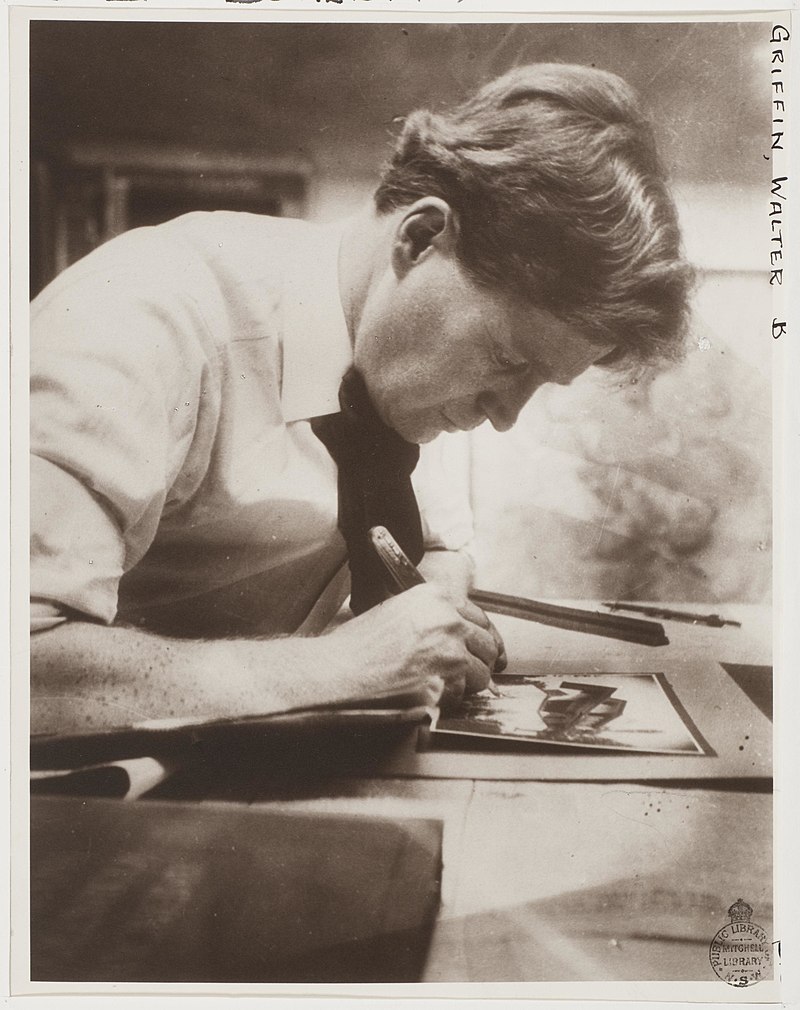
Walter Burley Griffin Wins the Design Competition for the City of Canberra
Australia
Urban Planning
Architectural Innovation
4 min read
Updated By: History Editorial Network (HEN)
Published:
Updated:
In 1912, the design competition for the new city of Canberra was won by the American architect Walter Burley Griffin. The competition aimed to find a visionary plan for the capital of Australia, which was to be built in the rural hinterland between Sydney and Melbourne. Griffin's design stood out for its innovative approach, combining geometric patterns, natural features, and a focus on sustainability.
Griffin's plan envisioned a city that harmoniously integrated with the surrounding landscape, featuring interconnected green spaces, a central lake, and a layout that followed the natural topography of the area. His design also included a series of distinctive axes and vistas, highlighting key landmarks and creating a sense of grandeur and order.
The impact of Griffin's win was profound, shaping the development and identity of Canberra for decades to come. His vision laid the foundation for a city known for its spacious layout, abundant parks, and distinctive architectural style. Canberra has since grown into a vibrant political and cultural hub, embodying Griffin's principles of balance, harmony, and sustainability.
Walter Burley Griffin's success in the design competition marked the beginning of a new chapter in Australia's architectural and urban planning history. His legacy continues to inspire architects, city planners, and residents, highlighting the enduring relevance of his ideas and the enduring appeal of a city designed with nature in mind.
#WalterBurleyGriffin #Canberra #UrbanPlanning #DesignCompetition #Australia #Sustainability #ArchitecturalInnovation

Explore the Life Moments of
 AI Twin