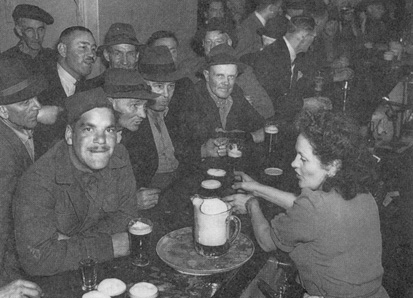
Beginning of the "Six O'Clock Swill".
Australia
Business
8 min read
Updated By: History Editorial Network (HEN)
Published:
Updated:
In 1916, a significant social change occurred in Australia when hotels were mandated to close at 6 p.m., giving rise to what became known as the "six o'clock swill." This regulation had far-reaching impacts on Australian drinking culture, nightlife, and social practices, lasting for several decades.
The introduction of early closing hours for hotels in 1916 was influenced by the broader social and political context of World War I. During the war, there was heightened concern over the moral and physical health of the population, especially the soldiers and workers who were crucial to the war effort. The temperance movement, which advocated for reduced alcohol consumption and had been gaining momentum for years, saw the war as an opportunity to push for stricter alcohol regulations.
In July 1916, the New South Wales government enacted legislation that required hotels to close at 6 p.m. This move was quickly followed by similar laws in other Australian states. The main objectives of the early closing legislation were to curb alcohol consumption, improve public morality, and increase productivity by reducing absenteeism and health issues related to excessive drinking.
The term "six o'clock swill" describes the frantic rush that occurred in the hour leading up to the 6 p.m. closing time. Workers, particularly those in industrial jobs who finished work around 5 p.m., would flock to pubs and hotels to drink as much as possible before the mandatory closing time. This period was characterized by rapid and excessive drinking, with patrons often consuming large quantities of beer in a short amount of time.
Bartenders would prepare by lining up glasses of beer along the bar, ready for the onslaught of customers. The environment was chaotic and crowded, with little emphasis on socializing or enjoying the drinks. The primary focus was on consuming as much alcohol as possible before the deadline.
The regulation fostered a culture of rapid, binge drinking rather than leisurely, social consumption of alcohol. This had negative implications for public health and contributed to a somewhat unhealthy drinking culture.
Establishments had to adapt to the new regulations, often by expanding their bar areas to accommodate the rush. Some pubs even implemented practices such as installing troughs for spilled beer, highlighting the chaotic nature of the swill.
The early closing times disrupted traditional social activities. People had less time to socialize in pubs, which had been important community hubs. This pushed socializing to other venues or private homes, changing the landscape of social interaction.
Interestingly, the six o'clock swill was a largely male-dominated phenomenon. Women, who were less likely to frequent pubs at that time, saw relatively little change in their social habits. However, the regulation did indirectly lead to more inclusive drinking environments in later years as pubs sought to attract a broader clientele.
The six o'clock swill persisted for many years, becoming a deeply ingrained part of Australian culture. However, over time, there was growing recognition of its negative effects. In the 1950s and 1960s, public opinion began to shift, and there were increasing calls for reform. The staggered lifting of the early closing laws began in Tasmania in 1937, with other states following suit over the next few decades.
By the late 1960s and early 1970s, most Australian states had extended pub closing times, effectively ending the era of the six o'clock swill. The change was welcomed by many as it allowed for a more relaxed and responsible approach to drinking, aligned with broader social changes and the evolving cultural landscape.
#MomentsOfLife #MoofLife_Moment #MoofLife #SixOClockSwill #AustralianHistory #DrinkingCulture #TemperanceMovement #PublicHealth #SocialChange
Primary Reference
Six o'clock swill

Explore the Life Moments of
 AI Twin