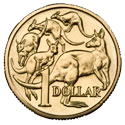
Transition From One Dollar Note to Coin
Australia
Economic Downturn
Business
4 min read
Updated By: History Editorial Network (HEN)
Published:
In Australia, the decision to replace the one dollar note with a one dollar coin was a significant change in the country's currency system. The rationale behind this shift was to improve the longevity and cost-effectiveness of currency circulation. The one dollar coin was introduced to address the short lifespan of the paper note, which often required frequent replacements due to wear and tear.
The introduction of the one dollar coin had a notable impact on daily transactions and businesses, as people transitioned from using notes to coins for their low-value purchases. While initially met with some resistance from the public accustomed to paper notes, the durability and longevity of the coin soon became apparent benefits. Vending machines and public transportation systems also needed to adapt to accommodate the new coin, reflecting a practical adjustment across various sectors.
The new one dollar coin featured distinctive designs, such as the iconic Mob of Roos on the reverse side, showcasing Australia's unique flora and fauna. This change in the currency also aimed to promote national pride and identity through the incorporation of indigenous symbols.
Overall, the issuance of the one dollar coin to replace the one dollar note marked a significant step in modernizing Australia's currency system, aligning with global trends favoring coinage over paper money for lower denominations. The transition not only improved the efficiency of currency circulation but also reflected the country's commitment to innovation and adaptability in financial practices.
#Australia #CurrencyChange #OneDollarCoin #Modernization

Explore the Life Moments of
 AI Twin