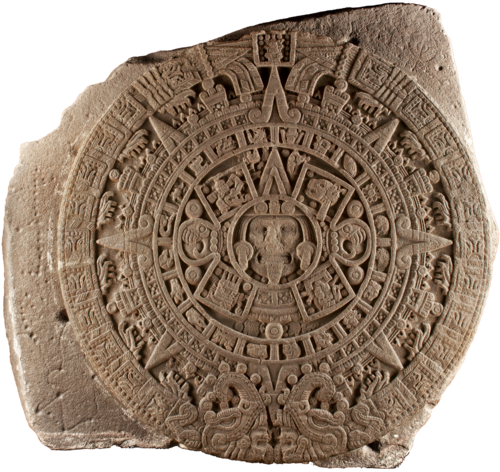
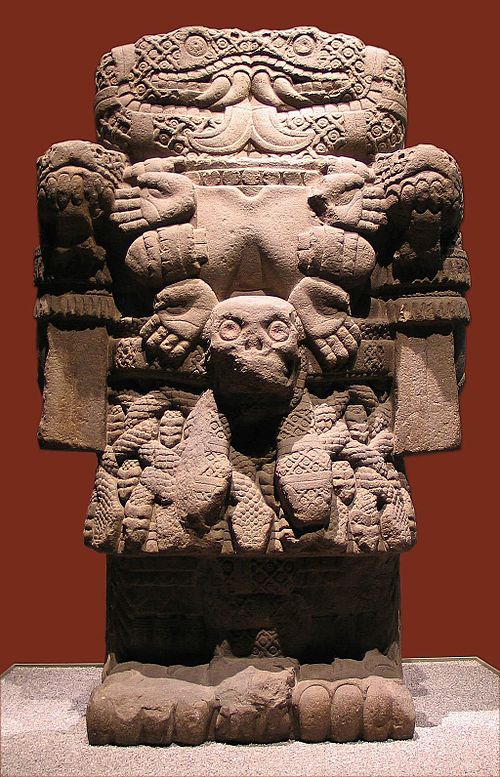
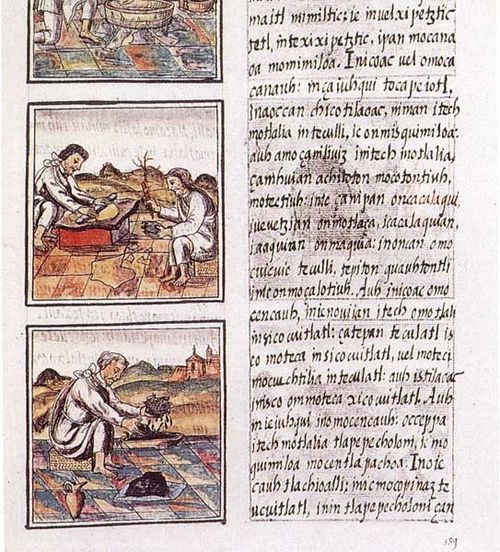
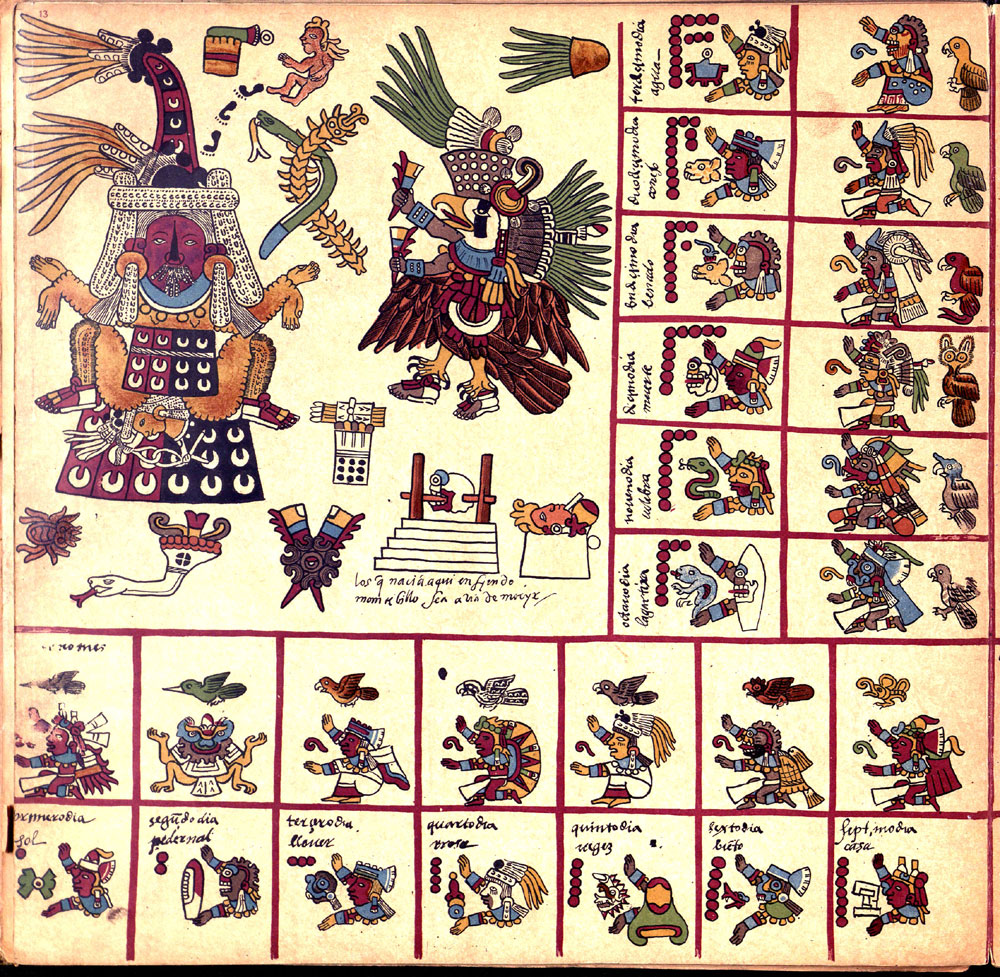
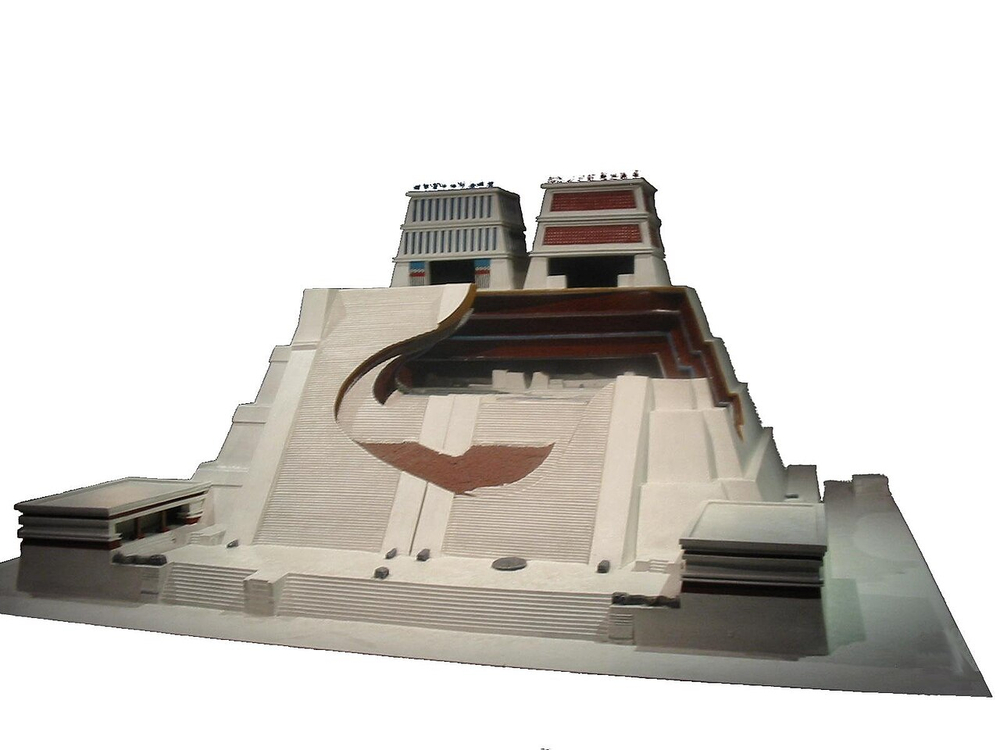
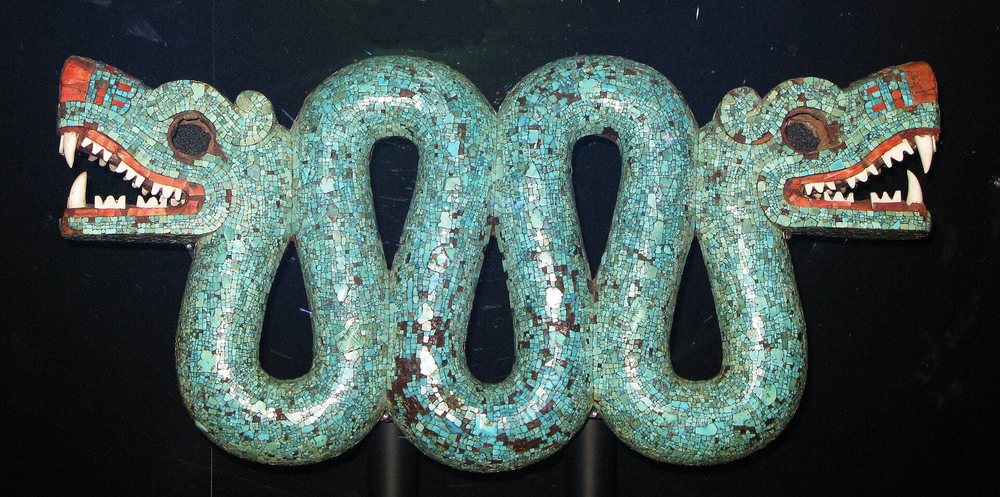
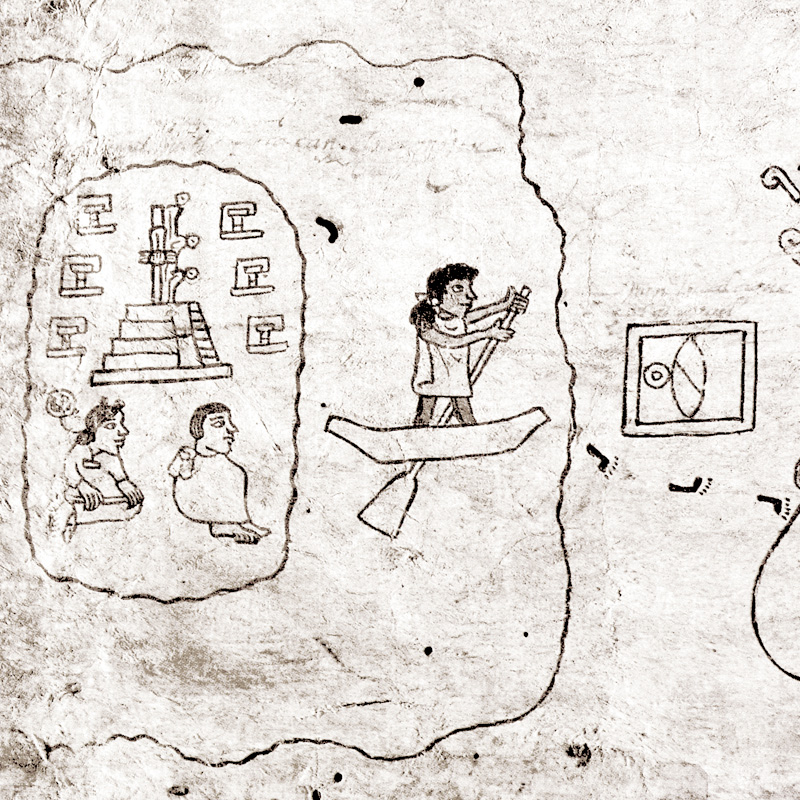
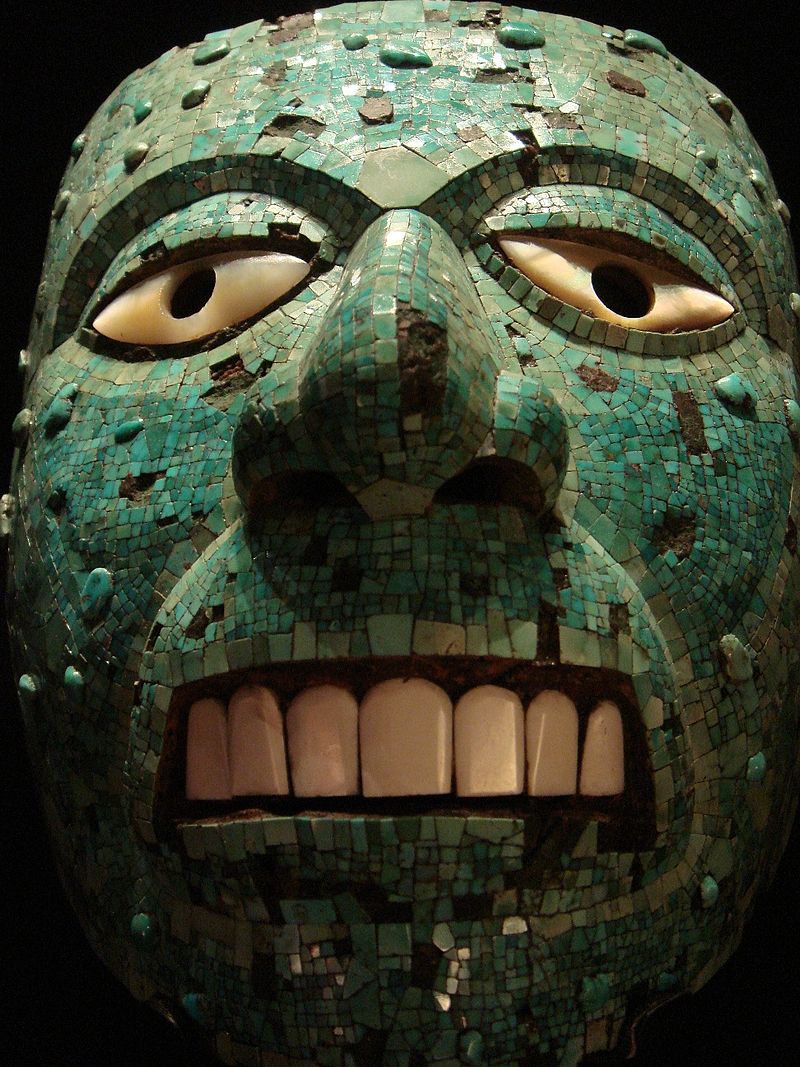
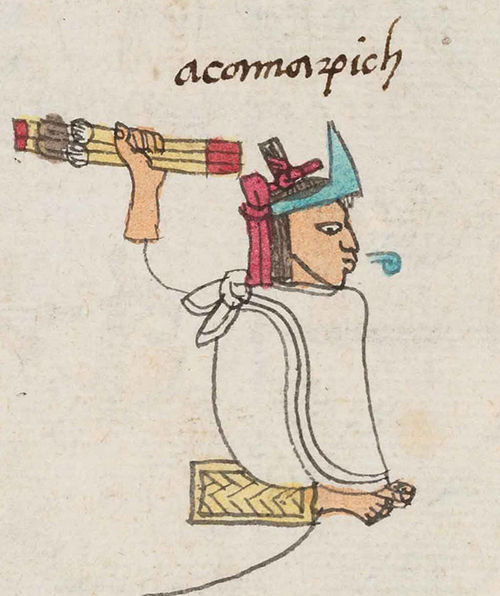
The Aztecs were a powerful Mesoamerican civilization that flourished in central Mexico from the 14th to the 16th century. Known for their impressive architectural achievements, advanced agricultural techniques, and complex social structure, the Aztecs built one of the most sophisticated urban centers of the pre-Columbian Americas — the city of Tenochtitlán, located on an island in Lake Texcoco. At the heart of their society was a deep-rooted religious belief system centered on a pantheon of gods, including Huitzilopochtli, the god of war and the sun, and Quetzalcoatl, the feathered serpent deity associated with wisdom and creation. Rituals, ceremonies, and human sacrifices were common, believed to sustain the universe and appease their gods.
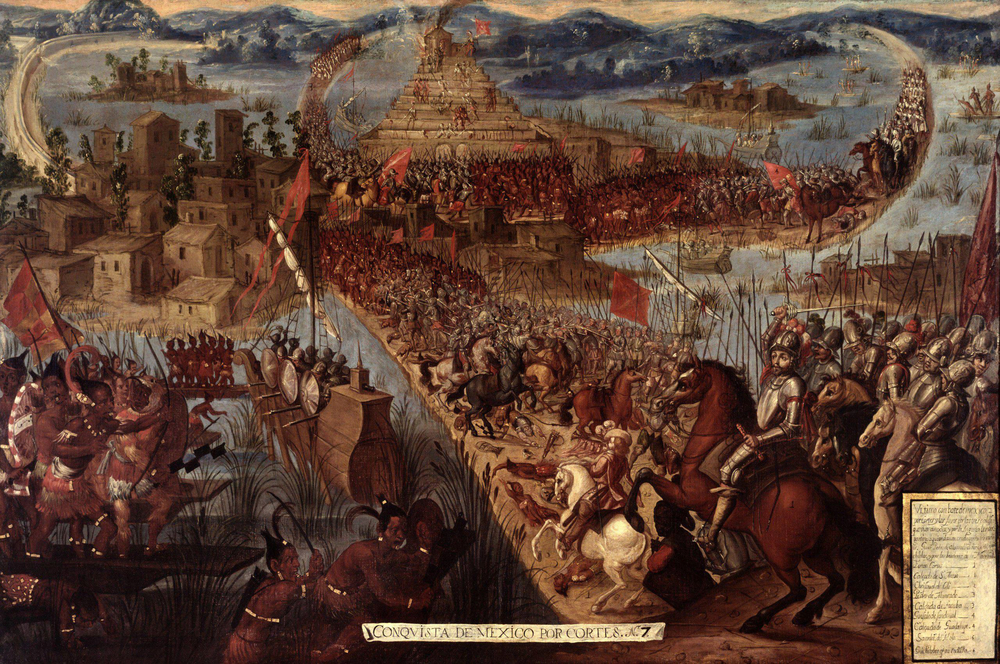
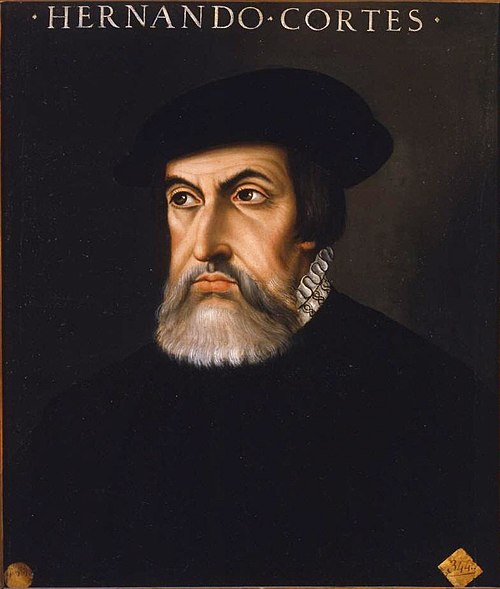
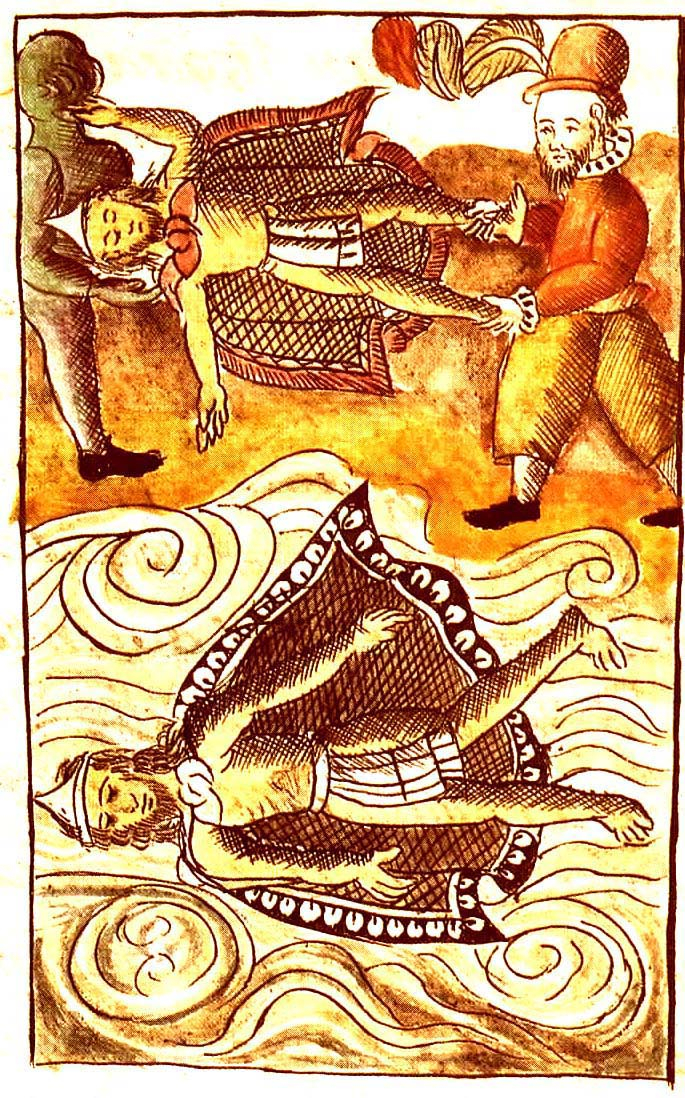
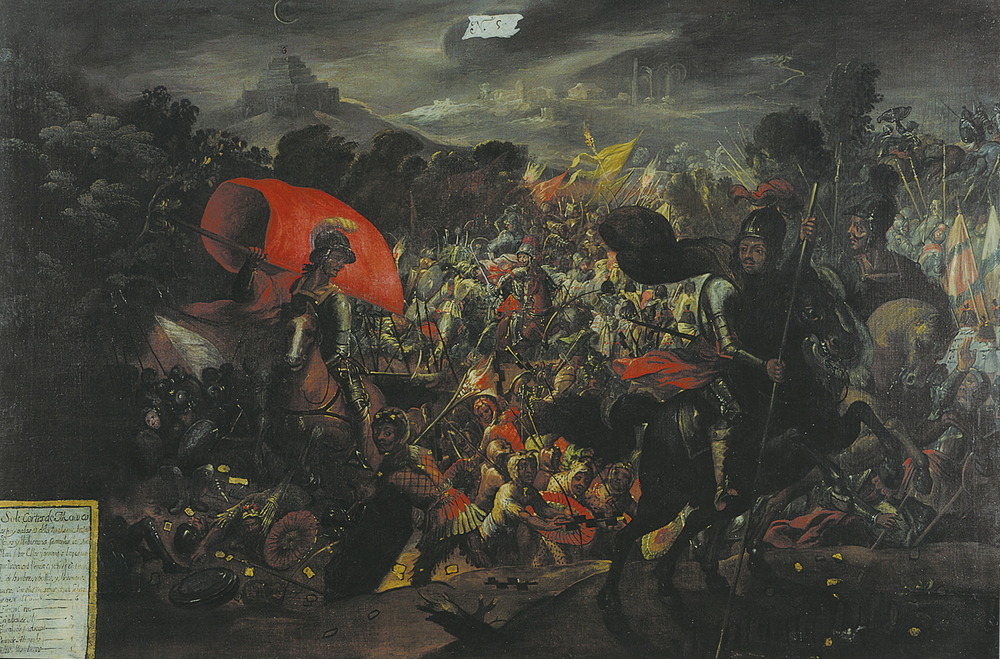
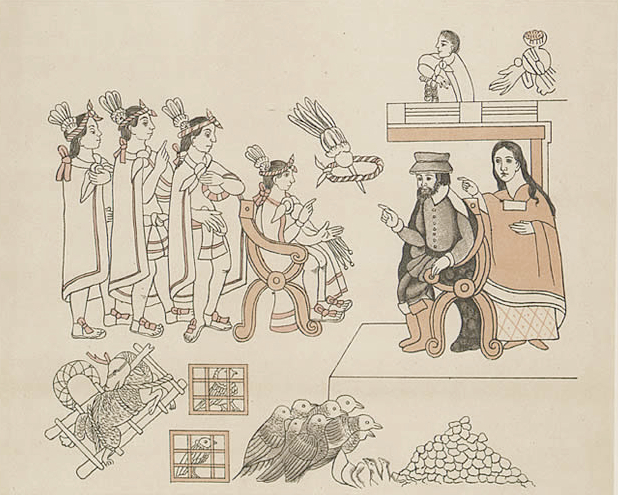
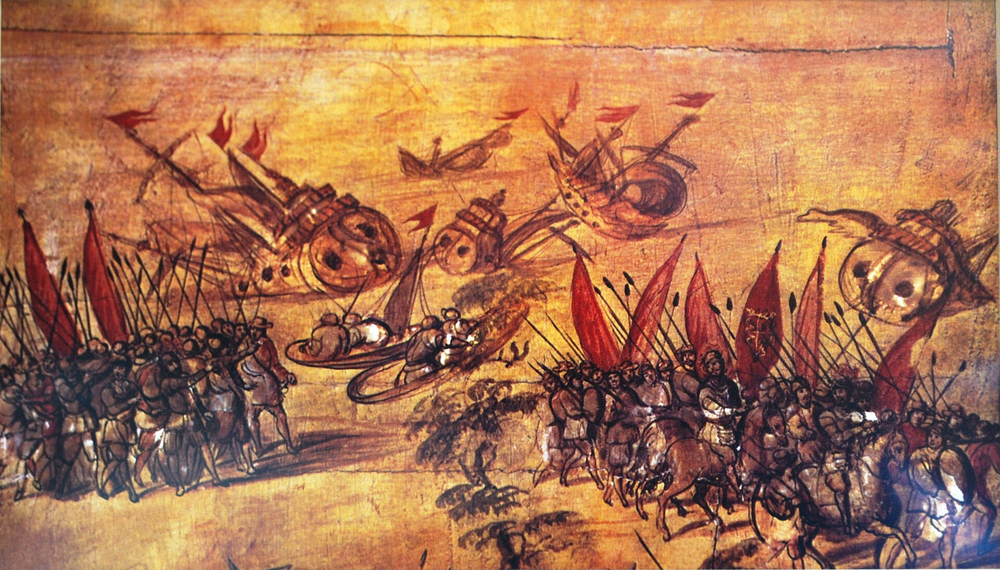
The Aztec economy thrived on a combination of agriculture, trade, and tribute from conquered territories. They developed chinampas, or floating gardens, which were a highly efficient farming method on the shallow lake beds. Their society was organized into classes, with nobles, priests, and warriors at the top, and farmers, artisans, and slaves at the bottom. The Spanish conquest led by Hernán Cortés in 1521 marked the fall of the Aztec Empire, largely due to superior weaponry, alliances with rival tribes, and the devastating impact of European diseases. Despite their fall, the legacy of the Aztecs lives on through archaeological sites, cultural traditions, and influence on modern Mexican identity.
\#MomentsOfLife #MoofLife\_Moment #MoofLife #AztecEmpire #AncientCivilizations #HistoryUncovered #CulturalHeritage #Tenochtitlan #Mesoamerica