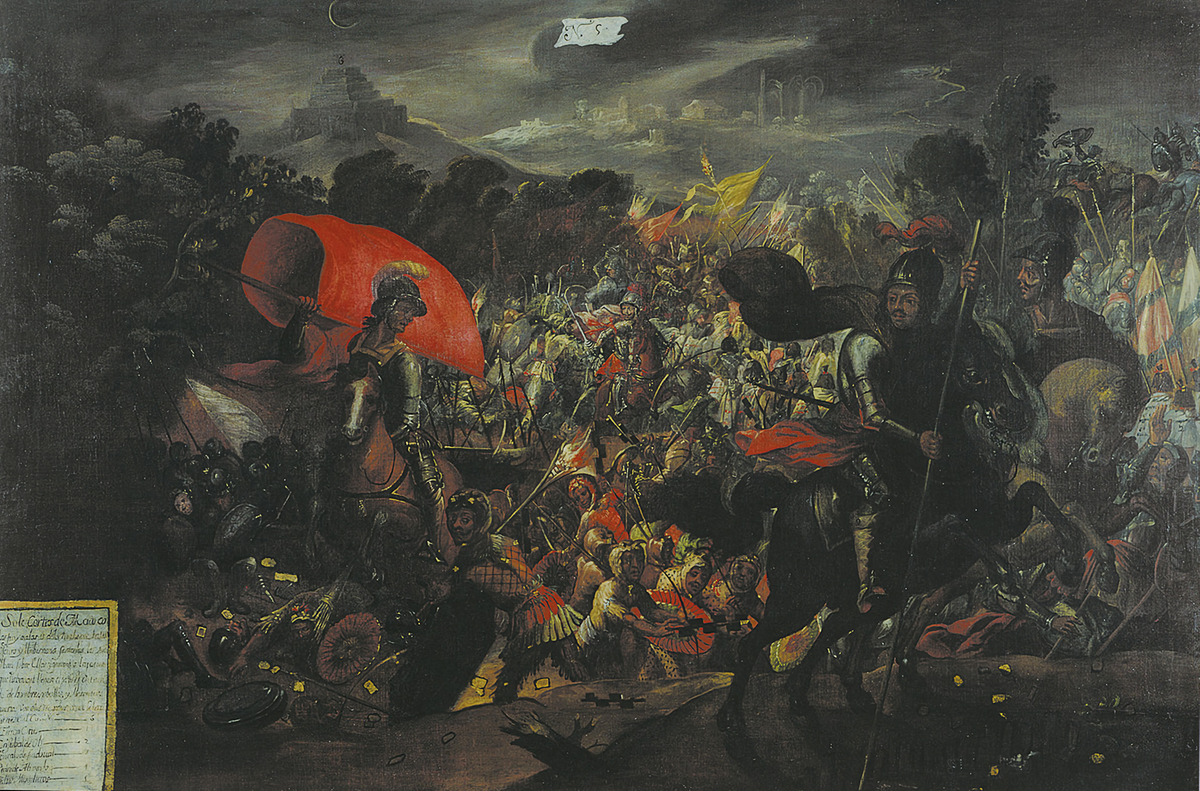
Spanish retreat from Tenochtitlán after uprising.
Mexico
3 min read
Updated By: History Editorial Network (HEN)
Published:
Updated:
The Spanish retreat from Tenochtitlán on the night of June 30, 1520—an event later known as "La Noche Triste" or "The Night of Sorrows"—marked a dramatic and violent turning point in the Spanish conquest of the Aztec Empire. After months of mounting tension, the Mexica people, outraged by the betrayal and captivity of their emperor Moctezuma II and the desecration of their sacred traditions, rose up against the Spaniards and their native allies. The uprising began in earnest following the massacre at the Templo Mayor during a religious festival, when Spanish troops attacked unarmed nobles and priests. The enraged populace laid siege to the Spanish compound, forcing Cortés to plan a perilous escape under cover of darkness.
The retreat quickly turned into a chaotic bloodbath. As the Spanish attempted to cross the narrow causeways out of the city, they were ambushed by Aztec warriors who rained down spears, arrows, and stones. Many Spanish soldiers drowned while trying to flee with stolen treasure, and countless native allies were killed in the melee. The losses were immense, both in lives and morale. However, this devastating defeat did not end the Spanish campaign. Instead, it galvanized Cortés, who regrouped and later launched a final, successful assault on Tenochtitlán. La Noche Triste remains a symbol of both the fierce resistance of the Mexica people and the relentless ambition of the Spanish conquistadors.
Primary Reference
Spanish retreat from Aztec capital

Explore the Life Moments of
 AI Twin