
France

The Land of Romance
About
#France
#VisitFrance
#DiscoverFrance
#ExploreFrance
#FrenchCulture
Life Classification
Country
Life ID
EL3643341836424
Verified Name
france
Life Type
Entity Life
Life Editor(s)
History Editorial Network (HEN)
Life Privacy
Public
Subscription
Elite
Created On
2024-07-19
Updated On
2025-12-19
Connect
Related Lives

Drama Movies
The Heart of Cinema

Panama
The Crossroads of the Americas

New Zealand
The Journey Through New Zealand

Belarus
Land of Lakes and Forests


Olympics
The Grandest Stage of All
Brunei
Abode of Peace
Morocco
The Land of the Atlas

2026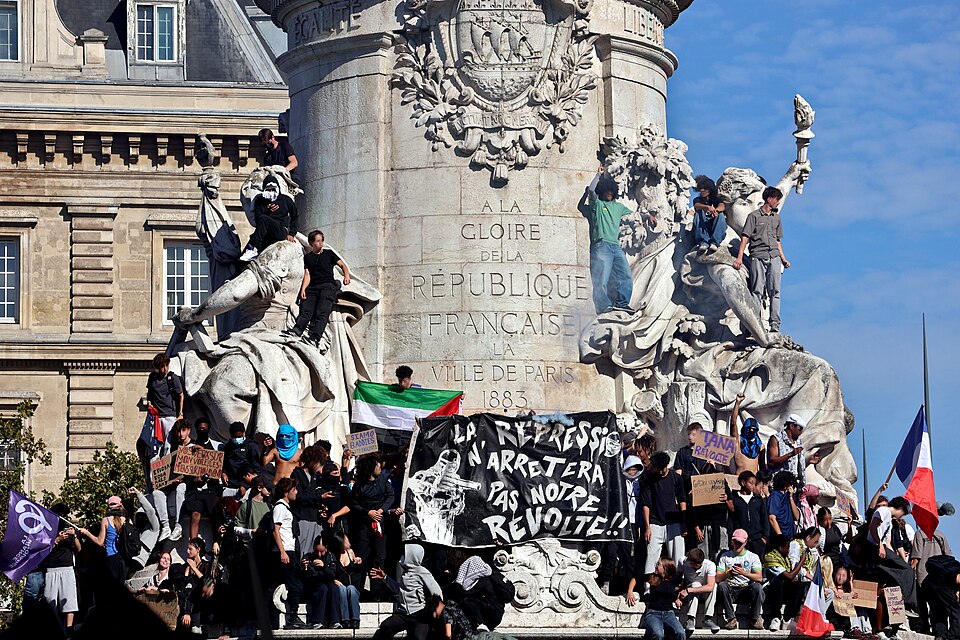
The 2026 French student protests began on 18/09/2026 in the Paris region, with secondary school students demanding increased education funding, more teachers, improved facilities and smaller classes. Demonstrations spread to Lyon, Marseille, Lille, Strasbourg and other French cities, involving school blockades, marches and clashes with police. By 06/10/2026, approximately 266,000 people had participated in nationwide demonstrations, according to France's Interior Ministry, while organizers reported higher figures. More than 6,500 people, mostly minors, had been arrested since the movement began.
During October, the movement expanded to include university students, teachers, parents and trade unions, with demands extending to living costs, housing affordability and public spending. On 24/10/2026, authorities estimated that 410,000 people demonstrated across France, including 110,000 in Paris. Similar student protests emerged in Belgium, Italy, Greece and other European countries, although they were not part of a single coordinated movement.
Historical Significance: The demonstrations broadened from school conditions into a wider debate over education budgets, economic inequality and police responses to youth protests, prompting French government commitments to additional teachers and school renovations.
View details2025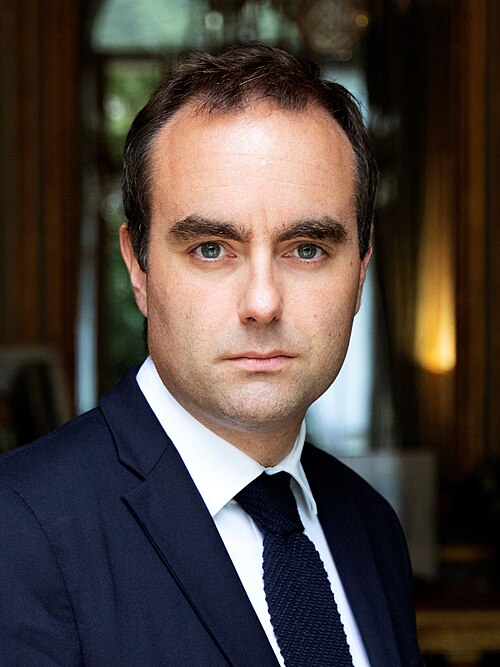
Sébastien Lecornu has been appointed Prime Minister amid an ongoing political crisis, marking a critical moment in the country’s governance and institutional stability. His appointment followed prolonged political uncertainty, characterized by divisions within the legislature, public dissatisfaction, and challenges in forming a stable government. Lecornu, an experienced political figure with a background in defense and public administration, was selected with the aim of restoring continuity and managing urgent national priorities. The appointment process reflected constitutional mechanisms designed to maintain executive function during periods of instability, while also highlighting the pressures faced by political leaders in times of crisis.
The significance of Lecornu’s appointment lies in the expectations placed on his leadership to navigate complex political and social challenges. As Prime Minister, he faces the task of building consensus, addressing public concerns, and ensuring effective policy implementation under difficult circumstances. His leadership will be closely observed both domestically and internationally, particularly regarding economic management, institutional reform, and public trust in government. While the appointment alone does not resolve the underlying crisis, it represents an attempt to stabilize the political environment and provide direction during a period of uncertainty. Overall, Lecornu’s role as Prime Minister underscores the importance of experienced leadership and institutional resilience in maintaining democratic governance during times of political strain.
View detailsThe BWF World Badminton Championships hosted in Paris marked a major milestone for the sport and highlighted the city’s role as a global venue for international sporting events. As one of the most prestigious tournaments in badminton, the championships brought together top-ranked players from around the world to compete in singles, doubles, and mixed doubles events. Paris provided modern facilities, strong organizational support, and a high-profile international setting, ensuring that the competition met global standards. The event offered athletes an important platform to showcase skill, endurance, and tactical excellence on one of the sport’s biggest stages.
The championships carried broader significance beyond the matches themselves. Hosting the event helped promote badminton in Europe, where the sport continues to grow in popularity, and inspired greater participation at grassroots and professional levels. It also contributed to tourism and economic activity in Paris, attracting fans, officials, and media from multiple countries. On an international level, the championships reinforced badminton’s global appeal and competitive diversity, highlighting emerging talents alongside established champions. Overall, the Paris-hosted BWF World Badminton Championships reflected the successful combination of elite sport, international cooperation, and cultural exchange within a world-class host city.
View details
The Tour de France was held entirely within France, starting in the northern city of Lille, marking a return to a fully domestic route that emphasized the race’s national character. Beginning in Lille highlighted the historical importance of the Hauts-de-France region in cycling culture and allowed organizers to showcase diverse French landscapes from the opening stages onward. The route design balanced flat stages, mountain challenges, and time trials, reflecting the traditional structure of the race while prioritizing logistical efficiency and public accessibility. Hosting the entire event within France also facilitated coordination among local authorities and strengthened engagement with communities along the course.
The decision carried broader sporting and cultural significance. A France-only route reinforced the Tour’s identity as a national event with global reach, celebrating French heritage while welcoming international teams and audiences. It supported domestic tourism by drawing spectators to cities and rural areas alike, generating economic activity and media exposure. From a competitive perspective, the route tested riders’ versatility across varied terrain, maintaining the race’s reputation as the most demanding stage race in professional cycling. Overall, starting in Lille and remaining within France underscored the Tour de France’s enduring role as a showcase of athletic excellence, regional diversity, and national pride within the global sporting calendar.
View details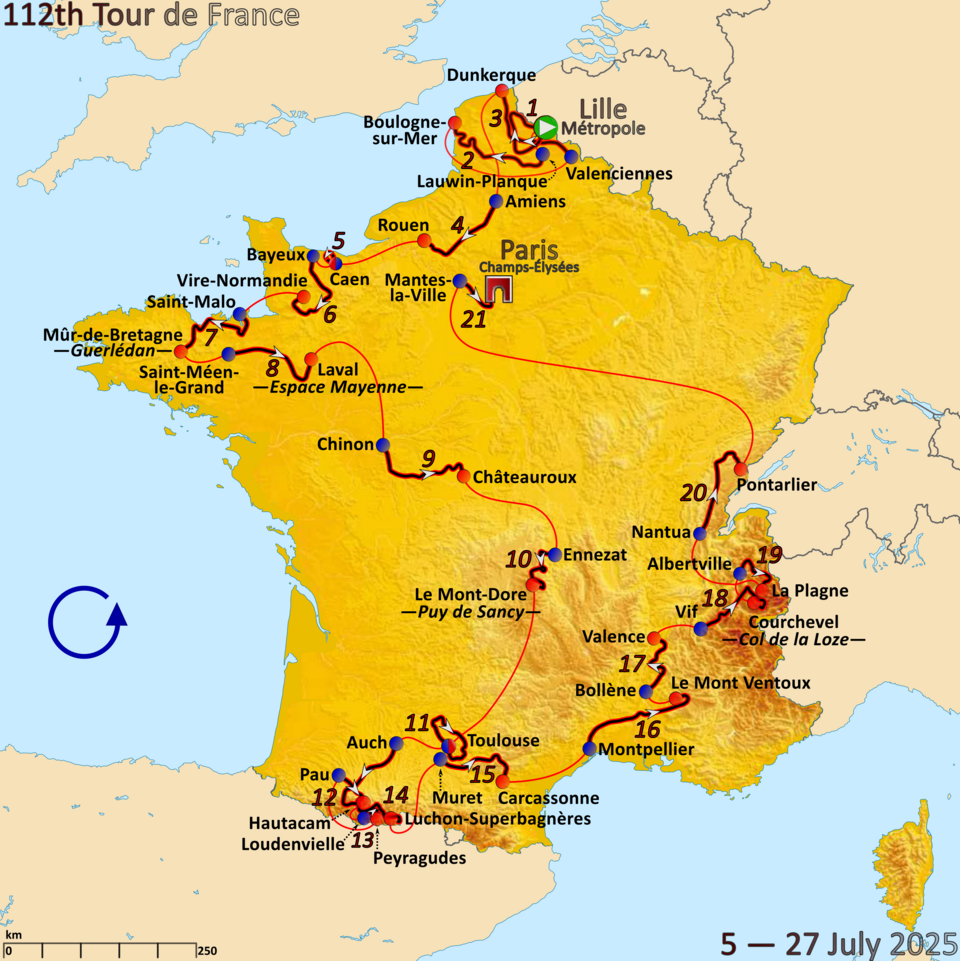
2024
Paris welcomed athletes from around the globe for the Summer Paralympics, a significant chapter in sports history. The event took place at the Stade de France, marking the second time France has hosted the Paralympic Games, following the Winter Games in 1992.
The Games featured approximately 4,400 athletes from over 160 nations competing in 22 sports, including para swimming, wheelchair basketball, and para athletics. These games continued the tradition of showcasing the extraordinary capabilities of athletes with disabilities, promoting inclusivity and resilience. The opening ceremony drew inspiration from France’s rich cultural heritage, underscoring the ongoing commitment to accessibility and diversity.
Paris, well-known for its commitment to environmental sustainability, integrated eco-friendly practices into the event. From the use of renewable energy sources to the implementation of zero-waste policies, the Games set a benchmark for future events. Additionally, the city improved transportation infrastructure to facilitate ease of mobility for athletes and visitors with disabilities.
The International Paralympic Committee (IPC), in collaboration with the French government, provided extensive media coverage, ensuring that millions of viewers could witness the event. This exposure not only celebrated athletic achievements but also aimed to shift societal perceptions towards individuals with disabilities, fostering a more inclusive global community.
Paris 2024 also saw the launch of innovative technologies tailored to enhance athlete performance and accessibility. These advancements ranged from cutting-edge prosthetics to adaptive sports equipment, signifying the crucial role of technology in evolving Paralympic sports.
In sociocultural terms, the Games impacted France's national consciousness, increasing awareness and support for disability rights. Public engagement was high, with substantial volunteer participation and widespread attendance, reflecting community solidarity and support.
#Paris2024 #Paralympics #Inclusivity #Sports #Accessibility #Sustainability #AdaptiveTechnology #MoofLife
View detailsThe Summer Olympics in Paris saw a series of notable events that generated widespread discussion. The opening ceremony, intended as a celebration of French culture, became the center of a controversy. The organizers' decision to incorporate a political message within the ceremony drew mixed reactions globally. While some praised the move for raising awareness about social issues, others argued that it overshadowed the spirit of international unity and sportsmanship traditionally symbolized by the Olympics.
In addition to the opening ceremony’s controversy, the boxing match in the middleweight category also sparked significant debate. The match, held between a French boxer and his rival from the United States, ended in a split decision victory favoring the French athlete. Immediately following the announcement, the U.S. team lodged a formal protest, citing concerns about impartiality and potential judging errors.
In the days following the match, a review of the judges' scoring showed inconsistencies, leading to calls for greater transparency in the judging process. The International Olympic Committee announced that it would conduct a thorough investigation and consider implementing reforms to prevent future discrepancies.
The impact of these events was felt across various spheres. The controversy surrounding the opening ceremony instigated conversations about the role of political messages in sports, with media outlets and public figures weighing in on both sides of the debate. Similarly, the disputed boxing match highlighted the ongoing challenges facing Olympic judging and the necessity for reforms to maintain the integrity of the competition.
Despite these contentious moments, the Paris Olympics also showcased outstanding athletic performances and stories of perseverance and unity. However, the controversies undeniably left an imprint on the event's narrative, reflecting the complex interplay between sports, politics, and international perceptions.
#MoofLife #ParisOlympics #OlympicsOpeningCeremony #BoxingMatchDebate #SportsIntegrity #IOCReforms #France #Olympics2024
View details
In the recent French legislative election, the left-wing coalition known as the New Popular Front emerged as the party with the most seats in the National Assembly. Formed from an alliance among major left-wing and green parties, the New Popular Front campaigned on promises of progressive reforms, social justice, and environmental sustainability. They secured 240 seats out of the 577 available, exceeding earlier projections but falling short of the 289 required for an absolute majority.
This election marked a significant shift in French politics as the right-wing parties, notably The Republicans and the National Rally, saw a decrease in their parliamentary presence. The centrist party La République En Marche, led by the sitting President, also experienced a considerable drop in support, obtaining 140 seats compared to the 308 they held previously.
Without a majority, the New Popular Front faces the challenge of negotiating coalitions or partnerships with other parties to pass legislation. Early signs indicate potential collaborations with the Socialist Party and smaller, independent groups, but the path to stable governance appears complicated.
The election's outcomes reflect growing public dissatisfaction with the status quo and increasing demand for a new direction in policy and governance. Economic stagnation, rising inequality, and climate change have been central issues influencing voter sentiment. The emergence of the New Popular Front underscores the increased polarization and fragmentation within French politics.
Political analysts suggest that the New Popular Front's policies could significantly impact France's approach to climate action, social welfare, and economic reform. The situation places France at a critical juncture, with the potential for significant policy shifts contingent on the coalition-building process and the ability to negotiate across party lines.
#FrenchElections #NewPopularFront #FrenchPolitics #PoliticalFuture #MoofLife
View details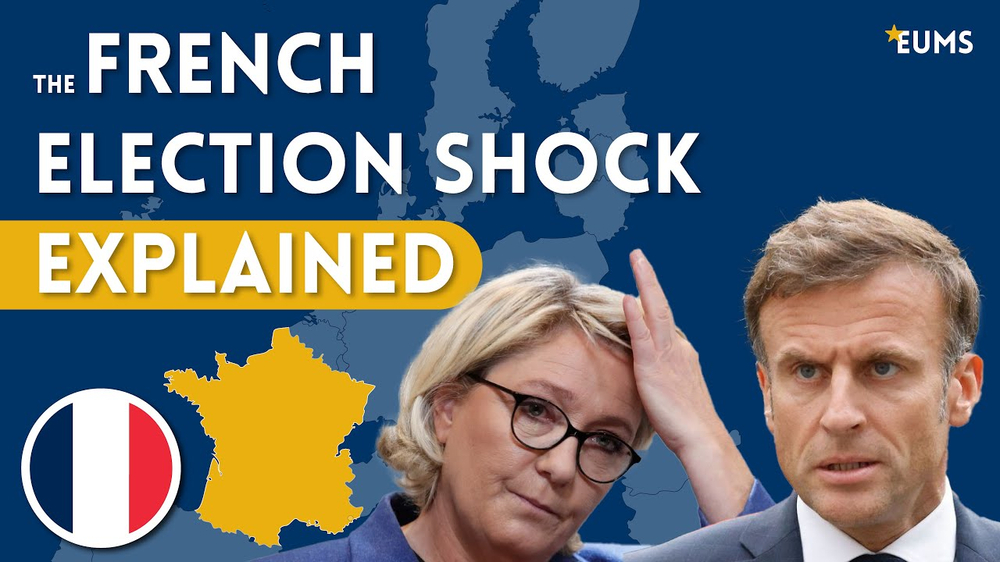
2019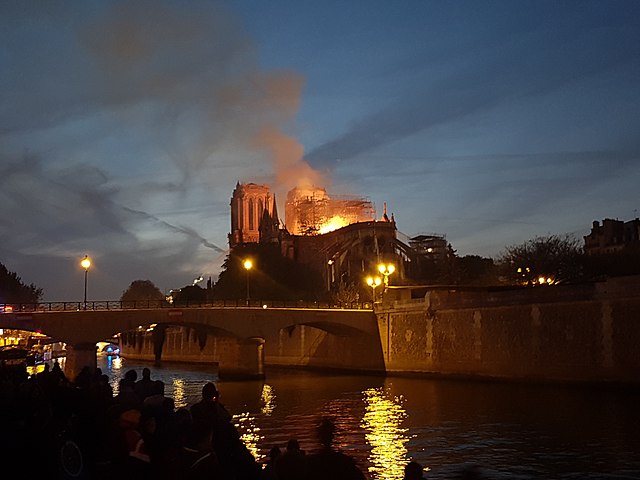
The iconic Notre-Dame Cathedral in Paris experienced a devastating fire that resulted in extensive damage to the historic landmark. The fire broke out in the attic of the cathedral and quickly spread, engulfing the spire and roof in flames. The blaze, which lasted for several hours, caused the spire to collapse and significant damage to the interior and exterior of the centuries-old cathedral.
The Notre-Dame Cathedral, known for its stunning Gothic architecture and rich history dating back to the 12th century, is a symbol of French heritage and an important religious site visited by millions of tourists and worshippers annually. The news of the fire prompted an outpouring of sadness and support from people around the world.
Firefighters worked tirelessly to extinguish the flames and save valuable artifacts and religious relics housed within the cathedral. Despite the extensive damage, there were no reported casualties among the emergency responders or construction workers present at the site.
The aftermath of the fire led to a commitment from French President Emmanuel Macron to rebuild the Notre-Dame Cathedral, with an international fundraising campaign launched to support the restoration efforts. The event served as a reminder of the vulnerability of historic landmarks and the importance of preserving cultural heritage for future generations.
#NotreDame #Paris #Fire #Restoration #CulturalHeritage
View details2018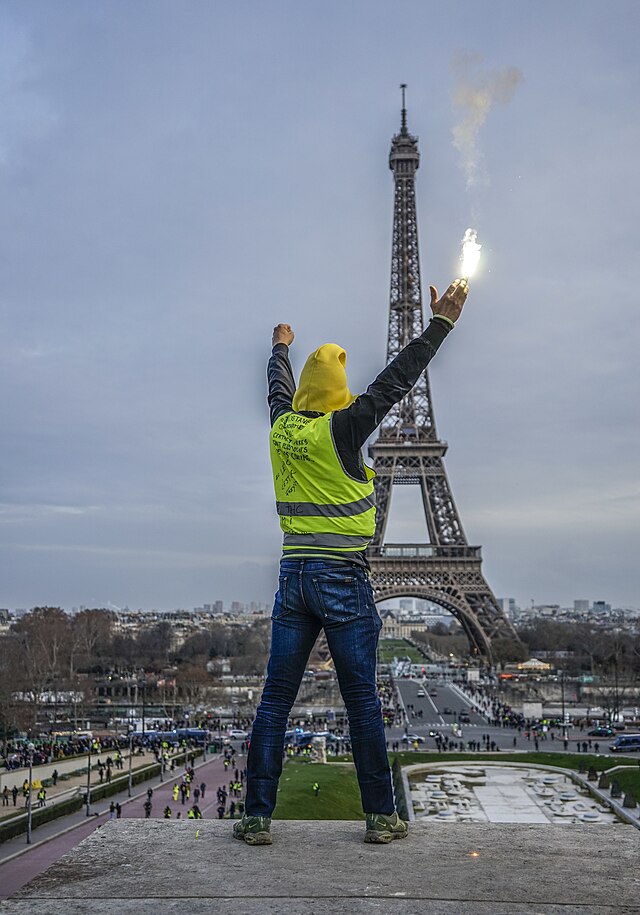
The Yellow Vest protests in France started as a grassroots movement against economic policies and social inequalities. What began as a call to action by frustrated citizens evolved into a nationwide movement. The protesters, wearing high-visibility yellow vests, initially took to the streets to express discontent with rising fuel prices and the high cost of living.
The impact of the protests was significant, leading to widespread disruption, including road blockades and clashes with law enforcement. The protesters demanded greater purchasing power, fairer taxation, and increased government accountability. The movement garnered international attention and sparked a national debate on socioeconomic disparities in France.
The protests resulted in policy changes, including government concessions such as wage increases and tax cuts for low-income earners. The Yellow Vest movement also highlighted the disconnect between the government and the people, driving discussions on political representation and social justice.
#YellowVestProtests #EconomicInequality #SocialJustice #GovernmentAccountability.
View detailsThe 2018 FIFA World Cup, held in Russia from June 14 to July 15, saw France emerge as the champions, clinching their second World Cup title, two decades after their first victory in 1998. The tournament was notable for its competitive matches, stunning upsets, and the emergence of new footballing talents.
Path to Victory
Group Stage
France was placed in Group C alongside Australia, Peru, and Denmark. They opened their campaign with a hard-fought 2-1 victory over Australia, where Antoine Griezmann scored from the penalty spot, and an own goal by Aziz Behich secured the win. Their second match against Peru ended in a 1-0 win, courtesy of a Kylian Mbappé goal, which also made him the youngest French goalscorer in World Cup history. A goalless draw against Denmark in their final group game saw France top the group with 7 points.
Knockout Rounds
In the Round of 16, France faced Argentina in a thrilling encounter that ended 4-3 in their favor. Kylian Mbappé was the star of the match, scoring twice and showcasing his incredible speed and skill. This game was a turning point, as it demonstrated France's attacking prowess and resilience.
The quarter-final against Uruguay saw a more disciplined French performance. Raphael Varane's header and a goalkeeping error by Fernando Muslera, which allowed Griezmann's shot to go in, gave France a 2-0 victory, securing their place in the semi-finals.
Against Belgium in the semi-finals, France faced one of the tournament's most formidable teams. A single goal from Samuel Umtiti, who scored with a header from a corner, was enough to see them through to the final. France's defense, led by the experienced Hugo Lloris in goal, held firm against Belgium's attacks.
The Final
On July 15, 2018, France faced Croatia at the Luzhniki Stadium in Moscow. Croatia, playing in their first World Cup final, had been the surprise package of the tournament, displaying remarkable tenacity and skill.
The final began with high intensity, and France took the lead in the 18th minute when Mario Mandzukic headed a free-kick into his own net, marking the first own goal in a World Cup final. Croatia equalized through Ivan Perišić's powerful strike, but soon after, France was awarded a controversial penalty for handball after a VAR review. Griezmann converted the penalty to give France a 2-1 lead.
In the second half, France's attacking quality shone through. Goals from Paul Pogba and Kylian Mbappé put them 4-1 ahead, with Mbappé becoming the second teenager after Pelé to score in a World Cup final. Mandzukic managed to pull one back for Croatia following a mistake by Lloris, but France held on to win 4-2.
#France2018 #WorldCupChampions #FootballHistory #MomentsOfLife #MoofLife_Moment #MoofLife
View details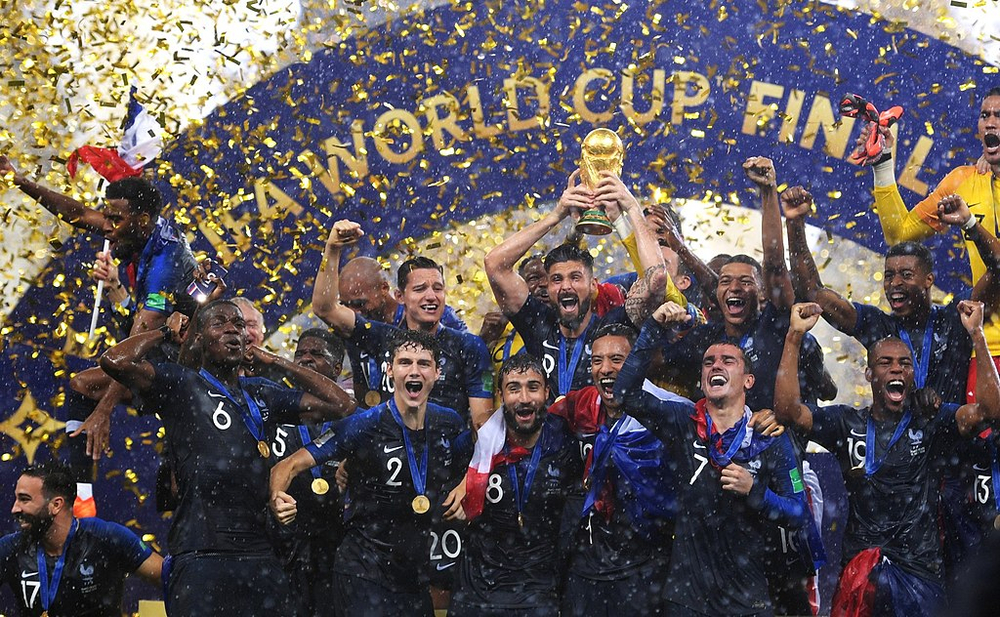
2015
Terror struck Paris as multiple locations became targets of coordinated terrorist attacks. The Bataclan concert hall, Stade de France, and several restaurants were besieged, resulting in a devastating loss of life. The attackers indiscriminately fired upon innocent civilians, causing widespread panic and chaos across the city.
The Bataclan concert hall bore the brunt of the violence, where concert-goers were held hostage for hours before security forces intervened. Simultaneously, explosions reverberated near the Stade de France, where a soccer match was in progress, adding to the sense of fear and confusion.
The assaults on the restaurants further deepened the tragedy, with diners and patrons caught in the crossfire. The city was plunged into mourning as the death toll climbed and the extent of the carnage became apparent. The aftermath saw a massive outpouring of solidarity and support from around the world, as France mourned the loss of so many lives in one of its darkest hours.
#ParisAttacks #Bataclan #StadeDeFrance #Terrorism #Solidarité
View detailsIn the wake of the publication of controversial cartoons depicting the Prophet Muhammad, two terrorist attacks orchestrated by Muslim extremists shook France. The assailants targeted the offices of Charlie Hebdo, a satirical newspaper known for its provocative content, resulting in the deaths of 12 individuals, including cartoonists and journalists. The subsequent manhunt for the perpetrators led to a further tragedy when a policewoman was killed in a related attack. The violent spree reached a grim conclusion at a kosher supermarket, where four hostages were murdered before the shooter was neutralized by law enforcement.
The tragic events sparked global outrage and ignited debates on freedom of speech, religion, and the rise of extremism. The attacks symbolized a clash between the right to express opinions freely and the sanctity of religious beliefs, prompting solidarity marches, condemnations from world leaders, and expressions of grief for the lives lost.
The Charlie Hebdo shooting left an indelible mark on French society, driving discussions on national security, counterterrorism measures, and social cohesion. It served as a poignant reminder of the persistent threat posed by radical ideologies and the complex challenges faced in safeguarding democratic values in the modern world.
#CharlieHebdo #Terrorism #FreedomOfSpeech #Extremism #France
View details
2013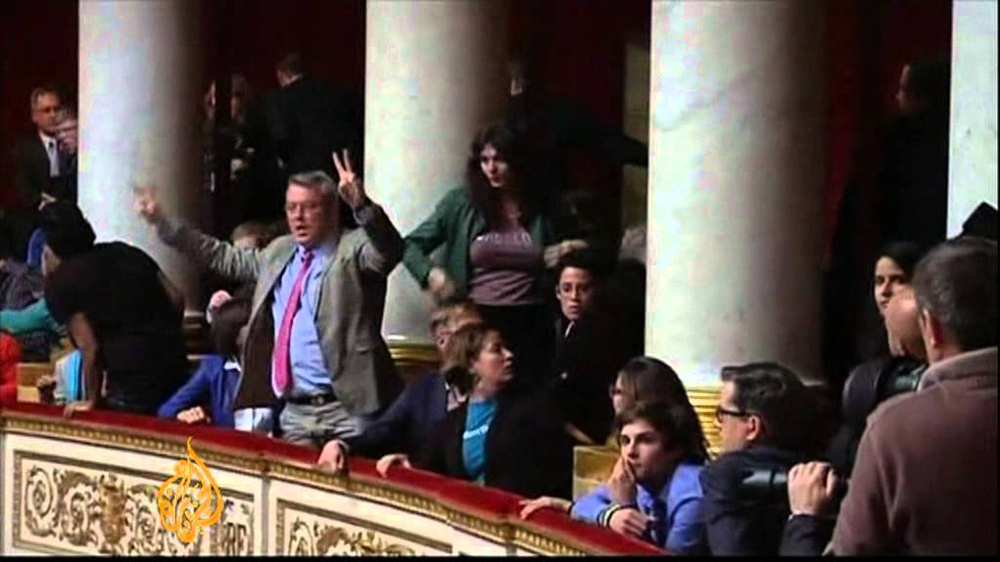
France passed the same-sex marriage bill after months of debates and protests. The bill faced opposition from conservative groups and religious leaders, but it was ultimately approved by the French parliament, making France the 14th country to legalize same-sex marriage. The passing of the bill was celebrated by the LGBTQ+ community and their supporters, who saw it as a significant step towards achieving equality and ending discrimination. The new law not only allowed same-sex couples to marry but also granted them the right to adopt children. This decision marked a shift towards greater acceptance and recognition of different forms of love and families in French society. The passing of the same-sex marriage bill in France was a victory for LGBTQ+ rights and a milestone in the country's history. #France #SameSexMarriage #Equality #LGBTQRights #HistoryMade
View details2005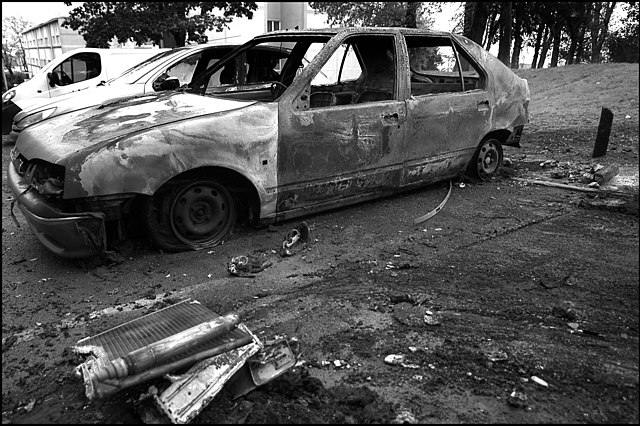
Suburban riots erupted in France, unveiling deep-rooted social disparities and discrimination. The unrest stemmed from long-standing grievances within marginalized communities, triggered by the deaths of two youths fleeing the police. This event unveiled the pervasive issues of unemployment, poverty, and police brutality faced by residents in the suburbs.
The riots quickly spread across the country, with thousands of cars set ablaze, buildings vandalized, and clashes with law enforcement officers. The unrest highlighted the disconnect between the suburban youth and the rest of the society, exposing the failure of the government to address underlying issues of inequality and discrimination.
In response, the French government declared a state of emergency to quell the violence and implemented measures to improve social and economic conditions in the suburbs. However, the riots served as a stark reminder of the simmering tensions and systemic injustices prevalent in French society.
The aftermath of the suburban riots prompted discussions on the urgent need for reforms to bridge the societal divide and ensure equal opportunities for all. The scars left by the unrest continue to shape conversations on social justice and inclusion in France.
#SocialInequality #Discrimination #SuburbanRiots #France
View details2004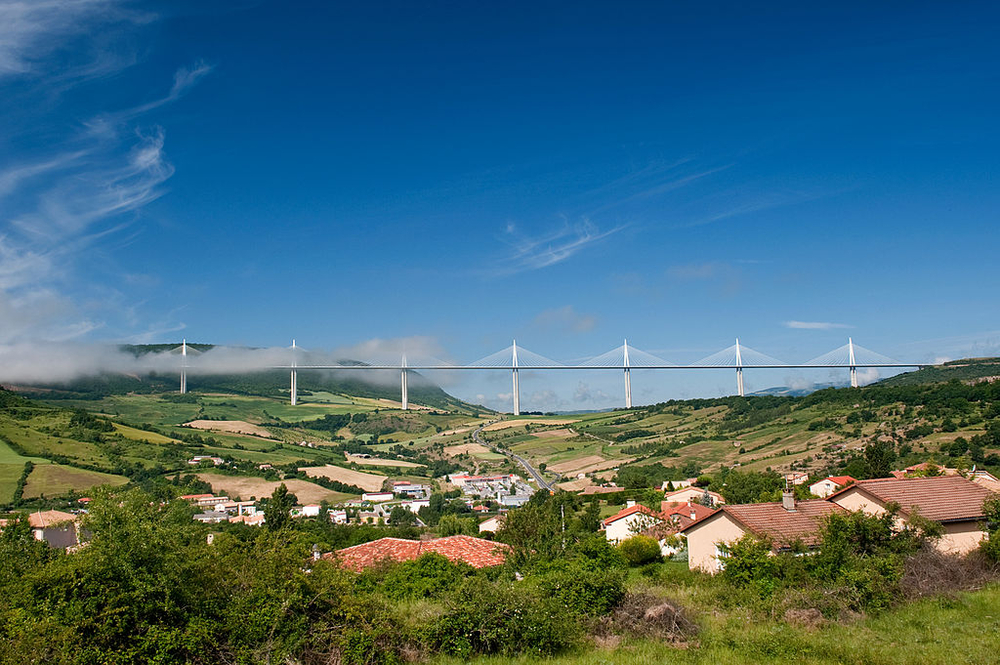
The Millau Viaduct, the tallest bridge in the world, was inaugurated in 2004. Designed by architect Norman Foster, this engineering marvel spans the Tarn Valley in southern France. Standing at a height of 343 meters, the bridge is taller than the Eiffel Tower and has become a symbol of modern construction and design.
The viaduct was constructed to alleviate traffic congestion in the region, particularly during the busy summer months when tourists travel to the Mediterranean coast. Its innovative and aesthetically pleasing design has attracted visitors from around the world, boosting tourism in the area.
The construction of the Millau Viaduct was a collaborative effort between French and international engineering firms, showcasing the expertise and capabilities of the industry. The bridge's completion has significantly reduced travel time and improved connectivity between regions in southern France.
The inauguration of the Millau Viaduct marked a milestone in civil engineering and infrastructure development. Its impact on the local economy, tourism, and transportation has been substantial, making it a landmark achievement in the field of architecture and engineering. #MillauViaduct #TallestBridge #Innovation #Infrastructure #France
View details
On March 15, 2004, France enacted a law that banned the wearing of "conspicuous" religious symbols in public schools, a measure that targeted Islamic headscarves, as well as large Christian crosses, Jewish kippahs, and other noticeable religious attire. This controversial legislation was part of France's broader effort to uphold its strict principle of laïcité, or secularism, in public institutions.
Background
The concept of laïcité has been a cornerstone of French republican values since the early 20th century, enshrined in the 1905 law separating church and state. This principle aims to ensure that public spaces remain neutral and free from religious influence, allowing for the coexistence of diverse beliefs without state endorsement of any particular religion.
In the years leading up to the 2004 law, debates around laïcité intensified, particularly concerning the visibility of Islam in French society. The increasing presence of Muslim immigrants and their descendants in France, coupled with global tensions related to Islamic extremism, heightened public and political scrutiny of Islamic practices, including the wearing of the headscarf by Muslim women.
The Law
The law passed on March 15, 2004, officially titled "Loi n° 2004-228 du 15 mars 2004 encadrant, en application du principe de laïcité, le port de signes ou tenues manifestant une appartenance religieuse dans les écoles, collèges et lycées publics" (Law No. 2004-228 of March 15, 2004, regulating, in application of the principle of secularism, the wearing of signs or attire manifesting religious affiliation in public primary and secondary schools). It explicitly prohibited the wearing of symbols or garments that conspicuously display religious affiliation in public educational institutions.
The law defined "conspicuous" religious symbols as those that are immediately recognizable and overt, including Islamic headscarves (hijabs), Jewish kippahs, large Christian crosses, and Sikh turbans. However, it allowed for more discreet symbols, such as small religious pendants.
Implementation and Impact
The implementation of the law was met with significant debate and controversy. Supporters argued that it was necessary to uphold the secular nature of public schools and to ensure that students are not subject to religious pressure or discrimination. They contended that public schools should be spaces where young citizens learn to coexist and integrate, free from overt religious influences.
Critics, however, viewed the law as a direct infringement on individual freedoms and an act of discrimination, particularly against Muslim girls and women. They argued that the law disproportionately targeted the Islamic headscarf, reflecting broader societal prejudices against Islam and contributing to the marginalization of Muslim communities in France.
The law's enactment led to various responses from the affected communities. Some Muslim students chose to comply by removing their headscarves, while others transferred to private schools or resorted to homeschooling. The controversy also sparked protests and legal challenges, both within France and internationally, with human rights organizations expressing concerns about the law's impact on freedom of religion and expression.
Broader Implications
The 2004 law marked a significant moment in the ongoing debate over secularism and religious expression in France. It highlighted the tensions between upholding national values of laïcité and accommodating the diverse religious practices of a multicultural society. The law has also influenced subsequent legislation and policies aimed at reinforcing secularism in public spaces, including the 2010 ban on full-face veils in public.
France's approach to secularism and religious symbols continues to be a topic of intense debate, reflecting broader issues related to integration, identity, and social cohesion. The 2004 law remains a focal point in discussions about the balance between maintaining public neutrality and respecting individual rights in a pluralistic society.
#MomentsOfLife #MoofLife_Moment #MoofLife #Secularism #France #ReligiousFreedom #IslamicHeadscarf #2004 #Laïcité #Multiculturalism #HumanRights #FrenchLaw
View details
1998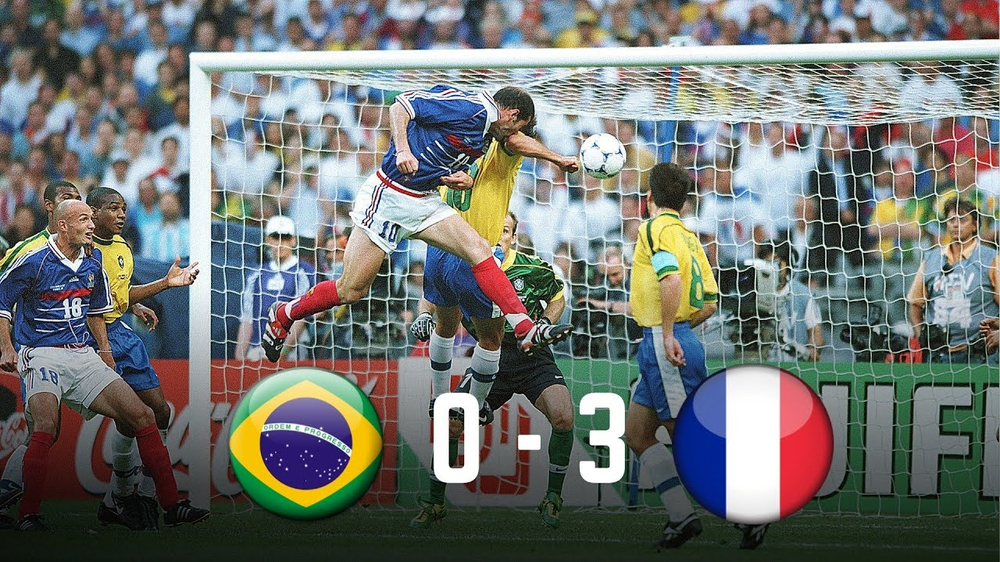
France clinched their first FIFA World Cup title in 1998, marking a historic moment for French football. The team, led by coach Aimé Jacquet, showcased exceptional talent with players like Zinedine Zidane, Emmanuel Petit, and Lilian Thuram. The final match against Brazil was a thrilling display of skill and determination, culminating in a 3-0 victory for France.
The win sparked celebrations across the country, uniting fans in pride and joy. It solidified France's status as a powerhouse in international football and boosted the sport's popularity nationwide. The success of the 1998 World Cup victory inspired a new generation of players and fans, leaving a lasting legacy on French football.
The triumph also had a profound impact on the players, propelling them to global stardom and cementing their places in football history. Zinedine Zidane, in particular, emerged as a football icon after his remarkable performances throughout the tournament.
#France #WorldCupChampions #FootballLegacy
View details1992
The French National Assembly approved the Maastricht Treaty, marking a pivotal step towards the creation of the European Union. This decision followed intense debates within the Assembly as France considered the implications of further European integration. The approval of the treaty highlighted France's commitment to a unified Europe and solidified its position as a leading member state within the EU.
The Maastricht Treaty laid the groundwork for the European Union, establishing key elements such as the single currency, foreign policy cooperation, and the concept of EU citizenship. This event showcased France's belief in the benefits of a united Europe and its willingness to cede some national sovereignty for the greater goal of European unity.
The approval of the Maastricht Treaty by the French National Assembly had far-reaching implications, shaping the future trajectory of the European Union and consolidating France's role within the bloc. This event underscored France's diplomatic leadership and its commitment to fostering collaboration and unity on the European continent.
#MaastrichtTreaty #EuropeanUnion #FrenchNationalAssembly #EuropeanIntegration #Unity #FranceEURelations
View details1986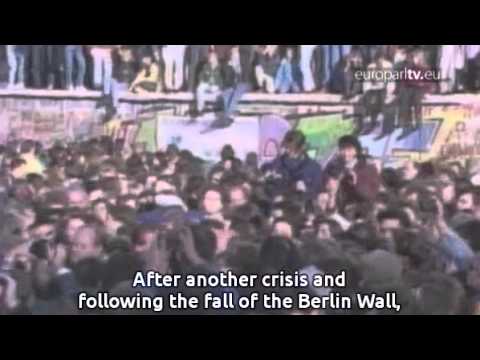
The signing of the Single European Act in 1986 marked a pivotal moment in the history of the European Economic Community, later known as the European Union. The treaty aimed to further integrate the member states economically by establishing a single market by 1992. This initiative sought to eliminate trade barriers, promote economic cooperation, and enhance competitiveness within Europe.
The Single European Act was a response to the need for a more efficient decision-making process and a stronger framework for economic policies. It laid the groundwork for the implementation of policies that would harmonize standards, facilitate the movement of goods, services, and people, and boost overall economic growth. With the signing of this act, member states committed to deepening their cooperation and working towards a more unified Europe.
The impact of the Single European Act was far-reaching. It led to the liberalization of trade, increased foreign investments, and the creation of new opportunities for businesses and consumers. By streamlining regulations and standardizing procedures, the act contributed to the economic prosperity of the region.
#SingleEuropeanAct #CommonMarket #EuropeanIntegration #EconomicCooperation
View details1985
Claude Simon was awarded the Nobel Prize in Literature for his innovative narrative techniques that challenged traditional storytelling. Born in Madagascar and raised in France, Simon fought in World War II before gaining recognition as a novelist. His works, characterized by intricate narrative structures and fragmented timelines, offer a unique reading experience that blurs the lines between past and present.
Simon's writing style, known for its stream-of-consciousness approach and lack of conventional plot progression, revolutionized the literary world. By incorporating multiple perspectives and eschewing linear storytelling, Simon pushed the boundaries of traditional narrative forms. His experimentation with language and storytelling paved the way for future generations of writers to explore new ways of crafting narratives.
The Nobel Prize in Literature brought global attention to Simon's contributions to literature and solidified his legacy as a groundbreaking author. His works continue to inspire writers to think beyond the confines of traditional storytelling and explore the possibilities of narrative innovation.
#ClaudeSimon #NobelPrize #Innovation #Literature #NarrativeTechniques #France
View details1982
The Fête de la Musique, also known as World Music Day, is a vibrant celebration of music that takes place annually on June 21st. Established in France in 1982 by Jack Lang, the then Minister of Culture, the festival was the brainchild of French composer and music journalist Maurice Fleuret. The aim was to bring music out into the streets, making it accessible to everyone and showcasing the diversity of musical genres.
Origins and Inception
In the early 1980s, Jack Lang and Maurice Fleuret were keen to rejuvenate the cultural landscape of France. Fleuret, who had a vision of "music everywhere and the concert nowhere," was inspired by a 1981 study indicating that five million French people, including one child out of two, played a musical instrument. This revelation spurred the idea of a grand, inclusive event where both amateur and professional musicians could perform.
Lang and Fleuret decided to hold this musical extravaganza on June 21st, coinciding with the summer solstice. The choice of date was symbolic, representing the longest day of the year in the Northern Hemisphere and a time traditionally associated with celebrations. The first Fête de la Musique took place on June 21, 1982, and was a resounding success. The streets of Paris came alive with music, and the event quickly garnered attention and enthusiasm.
Growth and Global Spread
The Fête de la Musique rapidly grew in popularity, extending beyond France’s borders within a few years. By the late 1980s, cities across Europe had adopted the festival, and it soon spread to other continents. Today, it is celebrated in more than 120 countries and over 700 cities worldwide, including major metropolises like New York, Tokyo, and Buenos Aires.
The festival’s format is simple yet powerful: musicians of all genres, ages, and skill levels are encouraged to perform in public spaces. From streets and parks to rooftops and gardens, any place can become a stage. The essence of the Fête de la Musique lies in its inclusivity and spontaneity, allowing music to permeate everyday life and create a shared cultural experience.
Impact and Significance
The Fête de la Musique has had a profound impact on the cultural fabric of societies around the world. It has democratized music, breaking down barriers between genres and audiences. By promoting free concerts and encouraging participation from all, the festival has nurtured a spirit of community and creativity.
Moreover, the event has provided a platform for emerging artists to gain exposure and connect with audiences. Many musicians who started performing at the Fête de la Musique have gone on to achieve significant recognition and success. The festival has also fostered collaborations and exchanges between artists from different backgrounds, enriching the global music scene.
Modern Celebrations
Today, the Fête de la Musique continues to thrive and evolve. While maintaining its core principles of free and accessible music, the festival has embraced new technologies and trends. Live streams, virtual performances, and social media have expanded its reach, allowing even more people to participate and enjoy the music.
Each year, the festival often takes on specific themes, reflecting contemporary issues and cultural movements. These themes help to highlight the festival’s relevance and its ability to adapt to changing times while remaining true to its original vision.
#MomentsOfLife #MoofLife_Moment #MoofLife #FeteDeLaMusique #WorldMusicDay #CulturalCelebration #MusicForAll #GlobalFestival #JackLang #MauriceFleuret
View details1973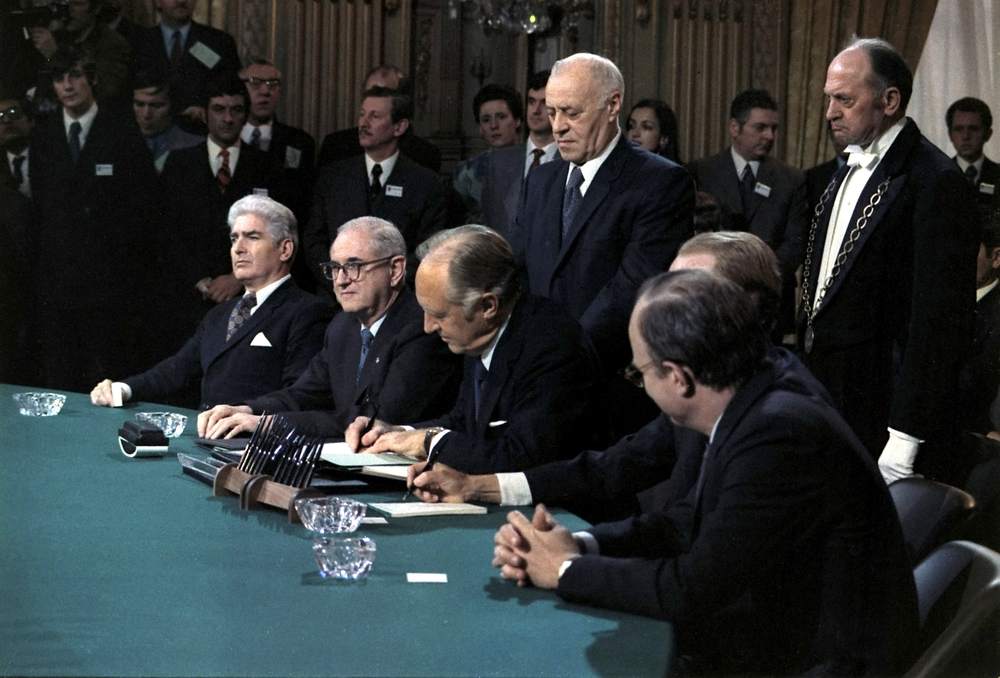
The Paris Peace Accords marked the end of the Vietnam War, a conflict that had lasted for years. Negotiated in France, the agreement was signed by the United States, South Vietnam, North Vietnam, and the Viet Cong. The accord aimed to establish peace in Vietnam and ensure the withdrawal of American troops.
The impact of the Paris Peace Accords was significant, as it led to a ceasefire and the withdrawal of US forces from Vietnam. It also paved the way for the reunification of North and South Vietnam. However, despite the agreement, fighting would resume, and North Vietnam eventually overtook South Vietnam in 1975, leading to the end of the war and the unification of the country under communist rule.
The signing of the Paris Peace Accords was a momentous event in the history of the Vietnam War, bringing an end to a long and devastating conflict. It remains a crucial milestone in the efforts to establish peace in the region and has had lasting implications for Vietnam and its people.
#ParisPeaceAccords #VietnamWar #EndofConflict
View details1968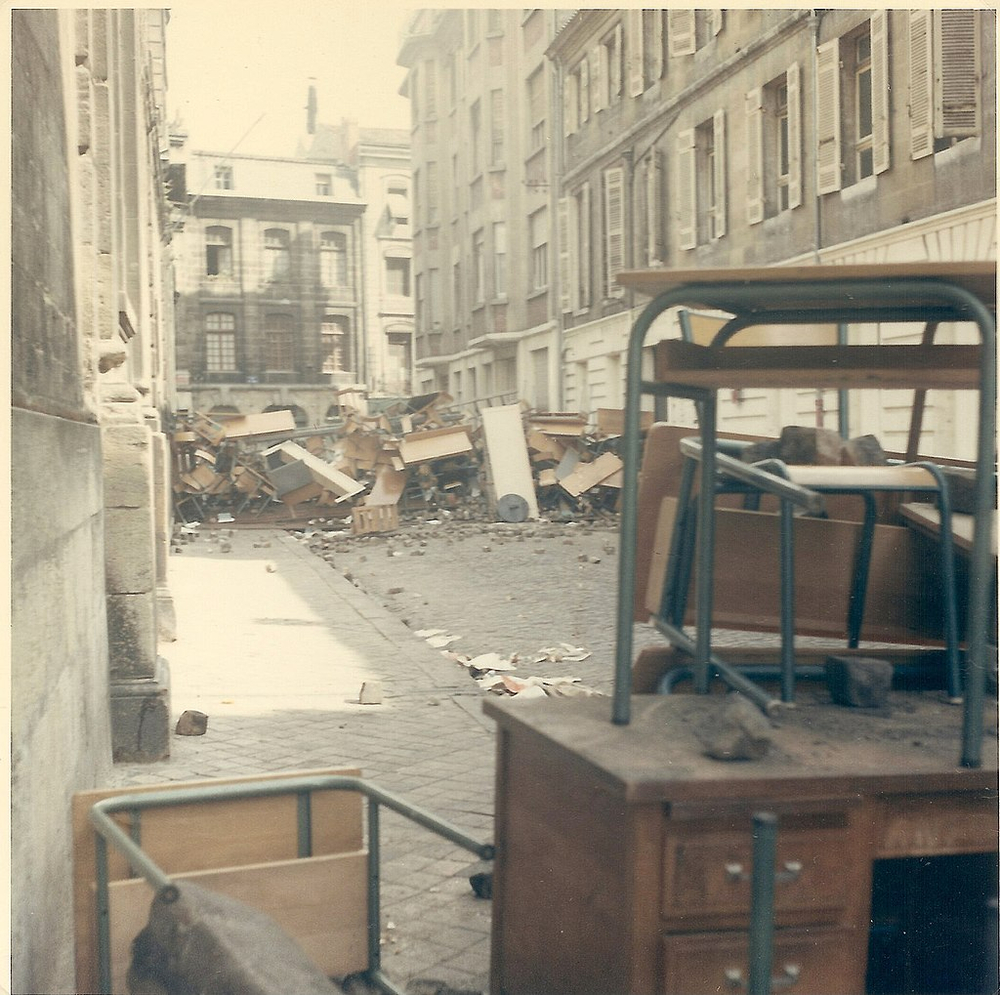
In the midst of societal discontent, the May '68 protests in France catalyzed widespread strikes and occupations, challenging entrenched institutions and societal norms. Students, labor unions, and various other groups united in a wave of dissent, sparking one of the most transformative periods of modern French history.
The protests were rooted in a complex web of grievances, ranging from frustrations with conservative De Gaulle government policies to broader calls for cultural and social revolution. Workers demanded better wages and working conditions, students rebelled against restrictive university practices, and many questioned established hierarchies. The movement quickly gained momentum, with millions participating in strikes that brought the country to a standstill.
Ultimately, the impact of the May '68 protests was far-reaching. The events reshaped French society, leading to significant changes in education, labor rights, and gender equality. The protests also served as a springboard for future social movements and political activism. Although the uprising did not lead to immediate political change, its legacy continued to influence French politics and culture for years to come.
#May68 #FranceProtests #SocialChange
View details1965
Yves Rocher was founded in 1965 by French entrepreneur Yves Rocher. The brand quickly gained popularity for its focus on utilizing natural ingredients in its cosmetics and beauty products. Yves Rocher revolutionized the industry by promoting eco-friendly practices before it became a trend.
The company's commitment to sustainability and environmental consciousness not only set it apart from competitors but also resonated with consumers who were becoming increasingly mindful of the impact of beauty products on both personal health and the environment.
Yves Rocher's use of botanical ingredients sourced from its own organic gardens in La Gacilly, France, further highlighted its dedication to quality and responsible sourcing. This approach not only ensured the efficacy of its products but also contributed to the brand's ethos of natural beauty.
The founding of Yves Rocher marked a turning point in the cosmetics industry, inspiring other brands to prioritize natural and sustainable practices. The brand's legacy continues to thrive, embodying a harmonious blend of beauty, nature, and ethics.
#YvesRocher #FrenchBeauty #NaturalIngredients #Sustainability #CosmeticsIndustry
View details1958
In the 1960s, the concept of a hypermarket was virtually non-existent. However, on June 15, 1963, Carrefour introduced the world to a new shopping experience by establishing one of the first hypermarket chains. The brainchild of Marcel Fournier, Denis Defforey, and Jacques Defforey, Carrefour aimed to revolutionize retail by combining a supermarket and a department store under one roof.
Carrefour's innovative approach quickly resonated with consumers and the hypermarket chain experienced rapid growth, expanding both domestically and internationally. By offering a wide range of products at competitive prices and providing a convenient one-stop shopping destination, Carrefour became a preferred choice for many shoppers around the world.
Today, Carrefour is recognized as one of the largest hypermarket chains globally, with thousands of stores in numerous countries. The establishment of Carrefour back in 1963 laid the foundation for the success of the hypermarket model and transformed the retail industry.
#Carrefour #Hypermarket #RetailRevolution #Innovation
View details1957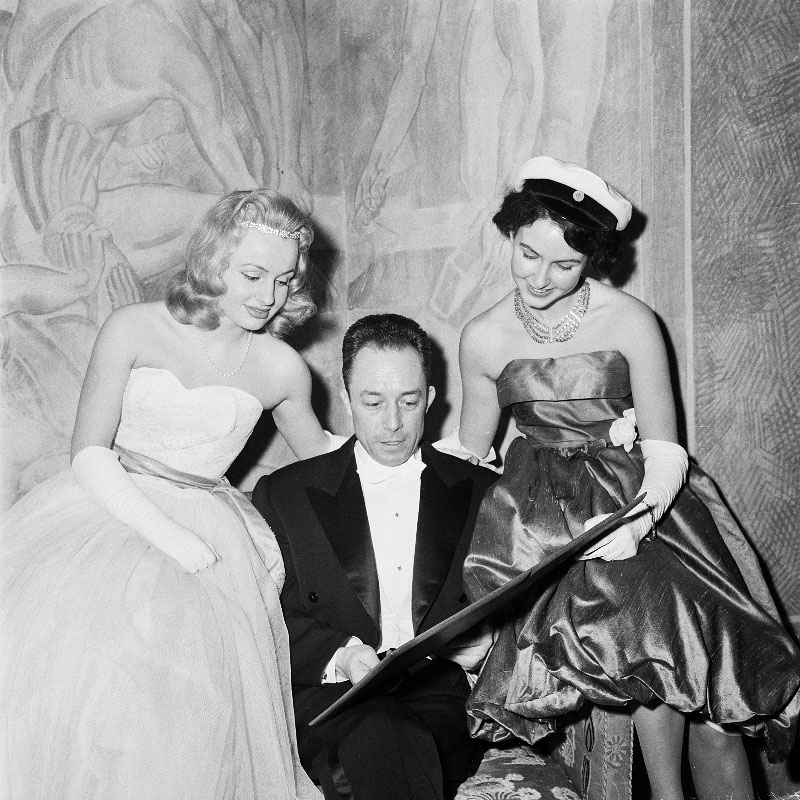
On October 17, 1957, Albert Camus was awarded the Nobel Prize in Literature, recognizing his significant contributions to French and global literature. Camus, a French-Algerian philosopher, author, and journalist, was honored for his body of work that illuminated the human condition, explored themes of existentialism and absurdism, and delved into the moral and political complexities of the 20th century.
Background
Albert Camus was born on November 7, 1913, in Mondovi, French Algeria. His early life was marked by poverty and the challenges of growing up in a colonial society. Despite these hardships, Camus excelled academically and pursued studies in philosophy at the University of Algiers. His experiences in Algeria profoundly influenced his worldview and literary themes, particularly the tension between colonial power and indigenous identity.
Literary Contributions
Camus's literary career began in earnest with his involvement in theater and journalism. His first significant publication, The Stranger (1942), introduced the world to his unique narrative style and philosophical outlook. The novel tells the story of Meursault, a detached and emotionally indifferent protagonist, whose senseless murder of an Arab man and subsequent trial highlight the absurdity and arbitrariness of life. The Stranger became a seminal work in existential literature.
In 1942, Camus also published The Myth of Sisyphus, a philosophical essay that articulates his concept of the absurd—the conflict between humans' desire for meaning and the silent, indifferent universe. He uses the Greek myth of Sisyphus, condemned to eternally push a boulder up a hill only for it to roll back down, as a metaphor for human existence. Camus argues that one must imagine Sisyphus happy, finding meaning in the struggle itself.
Camus's subsequent works, including The Plague (1947) and The Fall (1956), further established his literary and philosophical reputation. The Plague, set in the Algerian city of Oran, is an allegory of the human condition and a reflection on suffering, solidarity, and resistance. The Fall delves into themes of guilt, redemption, and the complexity of human morality through the confessions of a disillusioned Parisian lawyer in Amsterdam.
Nobel Prize Award
The Nobel Committee awarded Camus the Nobel Prize in Literature in 1957 for his "important literary production, which with clear-sighted earnestness illuminates the problems of the human conscience in our time." At 44, he was one of the youngest recipients of the prize. The award recognized not only his literary achievements but also his commitment to addressing profound ethical and philosophical questions through his writing.
Impact and Legacy
Camus's receipt of the Nobel Prize solidified his status as a leading intellectual and literary figure of his time. His works have been translated into numerous languages and continue to be studied and celebrated worldwide. Camus's exploration of the absurd, his emphasis on human dignity, and his moral and political engagement have left an enduring legacy in both literature and philosophy.
Beyond his literary contributions, Camus was also known for his activism and outspoken views on social and political issues. He was a vocal critic of totalitarianism in all forms and advocated for human rights and justice. His stance on the Algerian War of Independence, advocating for a peaceful resolution and reconciliation between French and Algerians, highlighted his commitment to nuanced and humane solutions to complex conflicts.
#MomentsOfLife #MoofLife_Moment #MoofLife #AlbertCamus #NobelPrize #Literature #Existentialism #Absurdism #FrenchLiterature #1957 #HumanCondition #Philosophy #CulturalLegacy
View detailsIn the mid-20th century, six European nations came together in Rome to sign the Treaty of Rome, establishing the European Economic Community (EEC). France, along with Germany, Italy, Belgium, Luxembourg, and the Netherlands, aimed to boost economic cooperation and prevent future conflicts. The treaty paved the way for the single market, customs union, and common policies, fostering economic growth and stability in the region. #TreatyofRome #EuropeanEconomicCommunity #EconomicCooperation
View details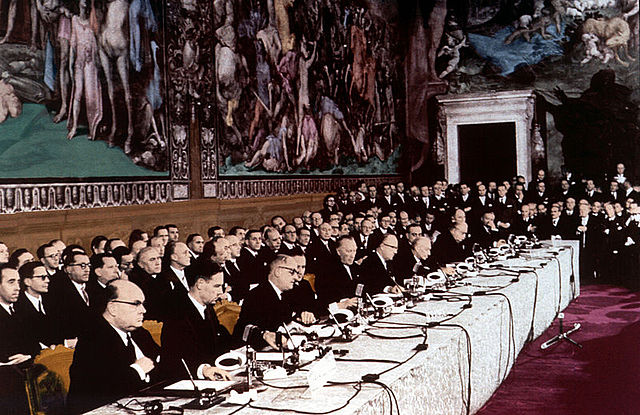
In March 1957, six European countries, including France, came together to sign the Treaties of Rome, establishing the European Economic Community (EEC) and the European Atomic Energy Community (EAEC). This marked a significant step towards economic integration and cooperation in post-World War II Europe.
The main goal of the EEC was to create a common market among member states, promoting free movement of goods, services, and people. This initiative aimed to boost economic growth and facilitate trade within the region. The EAEC, on the other hand, focused on the peaceful development of nuclear energy for the benefit of all member countries.
The Treaties of Rome laid the foundation for the European Union as we know it today, shaping the future of European politics, economy, and society. The signing of these treaties not only fostered closer ties between participating nations but also paved the way for further European integration and cooperation in the following decades.
To this day, the Treaties of Rome remain a pivotal moment in European history, symbolizing a commitment to unity, peace, and prosperity across the continent. #TreatiesofRome #EuropeanIntegration #EconomicCooperation #EuropeanUnion #France
View details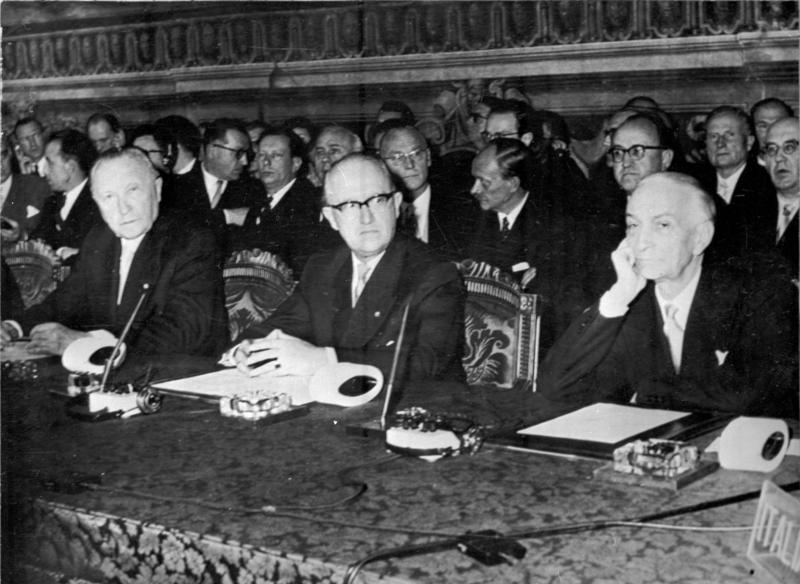
1954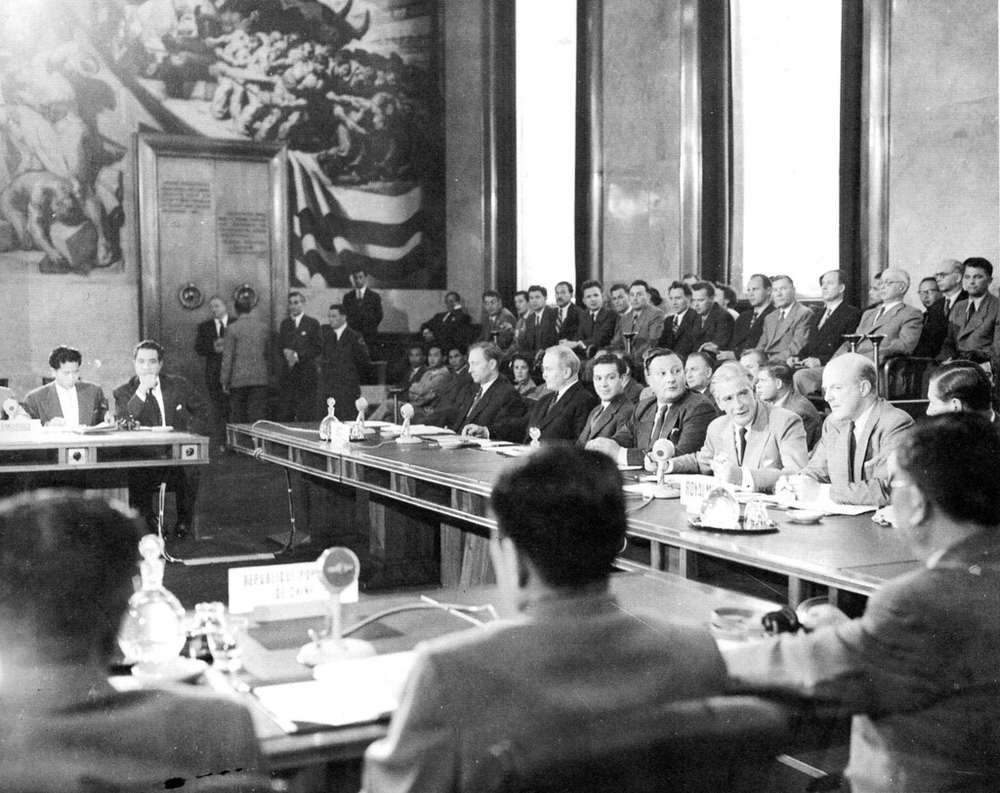
Following years of conflict, the Indochina War reached a turning point with the signing of the Geneva Accords. This agreement marked the end of the war between France and the Viet Minh, leading to the division of Vietnam along the 17th parallel. The northern part of the country fell under communist control, while the south remained under French influence.
The division of Vietnam paved the way for decolonization in the French colonial empire. It signaled the beginning of the end of French colonial rule in Southeast Asia, as other countries in the region sought independence. The Geneva Accords also granted Cambodia and Laos independence from French rule.
The impact of the end of the Indochina War was significant, as it set the stage for further conflicts in Vietnam and the broader region. The division of the country would eventually lead to the Vietnam War, as the communist forces in the north sought to reunite the country under their control.
The end of the war and the division of Vietnam were key milestones in the process of decolonization in Southeast Asia. The events of this period continue to have lasting effects on the region and its people, shaping their histories and politics to this day.
#IndochinaWar #GenevaAccords #Decolonization #FrenchEmpire #VietnamDivision
View details1952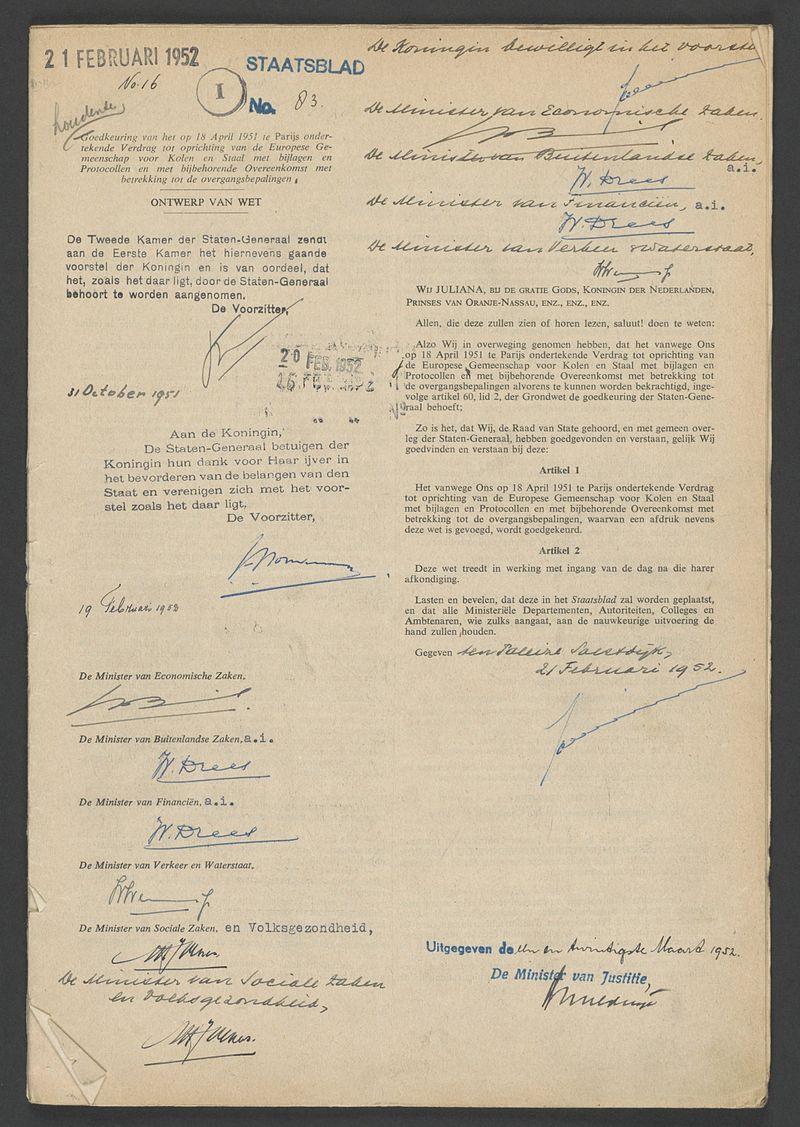
Following the devastation of World War II, the Treaty of Paris established the European Coal and Steel Community (ECSC) to promote economic stability in Europe. This treaty was signed by six countries, including France, with the goal of coordinating coal and steel production to prevent future conflicts by binding the economies of member states. The ECSC aimed to boost economic growth, increase employment, and enhance cooperation among European countries by creating a common market for coal and steel.
The establishment of the ECSC had a significant impact on the economic landscape of Europe. It laid the foundation for further European integration and cooperation, leading to the formation of the European Union. The ECSC helped to rebuild post-war Europe by fostering economic ties and promoting peace and stability in the region. The treaty marked a key turning point in European history, setting the stage for closer political and economic collaboration among European nations.
#TreatyofParis #ECSC #economicstability #Europeanintegration #France #postwarEurope #peaceandcooperation #coalandsteel
View details