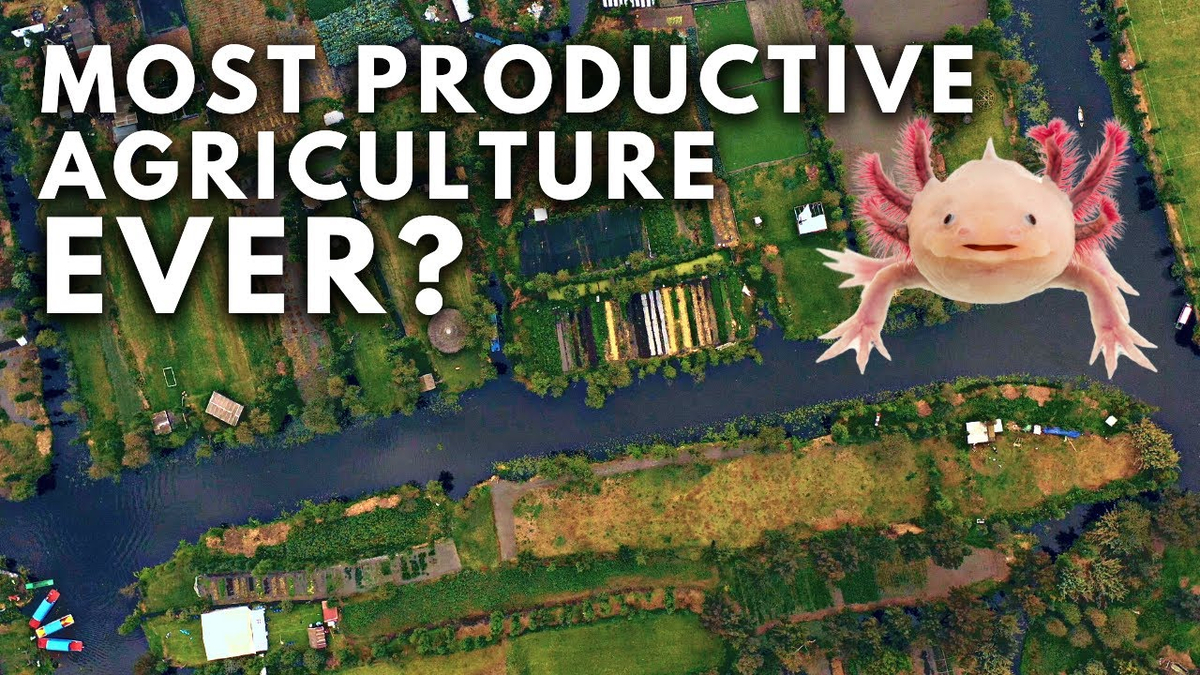
Chinampa: The Floating Gardens of Mexico
Tenochtitlán, Lake Texcoco, Valley of Mexico, Mexico
Agriculture
Geography
8 min read
Updated By: History Editorial Network (HEN)
Published:
Updated:
By the mid 14th century, the Mexica inhabitants of Tenochtitlán had transformed the shallow waters of Lake Texcoco into an extensive agricultural landscape through the development of chinampas, an innovative farming system that supported the rapid growth of the Aztec capital. Founded in 1325 on a small island in the Valley of Mexico, Tenochtitlán initially faced severe limitations in arable land. The surrounding environment consisted largely of marshes and shallow lakes, leaving little room for conventional agriculture as the city’s population expanded.
To address this challenge, the Mexica refined and expanded the chinampa system by approximately 1350. Chinampas were artificial agricultural plots created by layering mud, lake sediment, decaying vegetation, and organic material within shallow sections of the lake. Farmers reinforced the edges of these rectangular plots with woven reeds and planted trees such as ahuejotes, a type of willow, to stabilize the soil and reduce erosion. Narrow canals separated the plots, allowing transportation by canoe and providing continuous access to water.
The chinampa system proved exceptionally productive because the lake environment supplied constant moisture and nutrient-rich sediments. Farmers were often able to harvest multiple crops each year, including maize, beans, squash, chilies, tomatoes, amaranth, and flowers. Historical estimates and modern agricultural studies suggest that chinampa farming produced significantly higher yields per hectare than many traditional agricultural systems of the same period. The technique allowed Tenochtitlán to support a growing urban population while reducing dependence on distant food imports.
Chinampa agriculture also contributed to the broader economic and political expansion of the Mexica state. As agricultural production increased, Tenochtitlán gained the capacity to sustain larger populations, military campaigns, and extensive trade networks across Mesoamerica. The surrounding lakes became integrated into a complex infrastructure system that included canals, causeways, dikes, and aqueducts. Canoes transported food and goods directly into city markets, including the large commercial center at Tlatelolco, which later became one of the busiest marketplaces in the region.
Spanish conquistadors arriving in the early 16th century described the agricultural landscape around Tenochtitlán with admiration. Hernán Cortés and other chroniclers recorded extensive networks of cultivated fields rising from the water, connected by canals crowded with canoes carrying produce into the city. Modern archaeologists and environmental historians continue to study surviving chinampa zones near Xochimilco and Tláhuac, where remnants of the ancient system still exist today.
The success of chinampa farming depended not only on engineering skill but also on organized labor and environmental management. Farmers carefully maintained water levels, dredged canals, and rotated crops to preserve soil fertility. This intensive agricultural strategy allowed the Mexica to maximize food production within a difficult lacustrine environment and helped establish Tenochtitlán as one of the largest urban centers in the pre-Columbian Americas.
Why This Moment Matters
The refinement of chinampa agriculture demonstrated how the Mexica adapted creatively to environmental constraints rather than abandoning an unfavorable location. The system supported the growth of Tenochtitlán from a small island settlement into a densely populated imperial capital and remains one of the best-known examples of sustainable intensive agriculture in premodern history.
#mooflife
#MomentOfLife
#Chinampa
#FloatingGardens
#AztecAgriculture
#SustainableFarming
#MesoamericanCivilization
Primary Reference
The Fascinating History Of Chinampas

Explore the Life Moments of
 AI Twin