Exploring the Codex Borbonicus
Mexico
Art
Culture
9 min read
Updated By: History Editorial Network (HEN)
Published:
Updated:
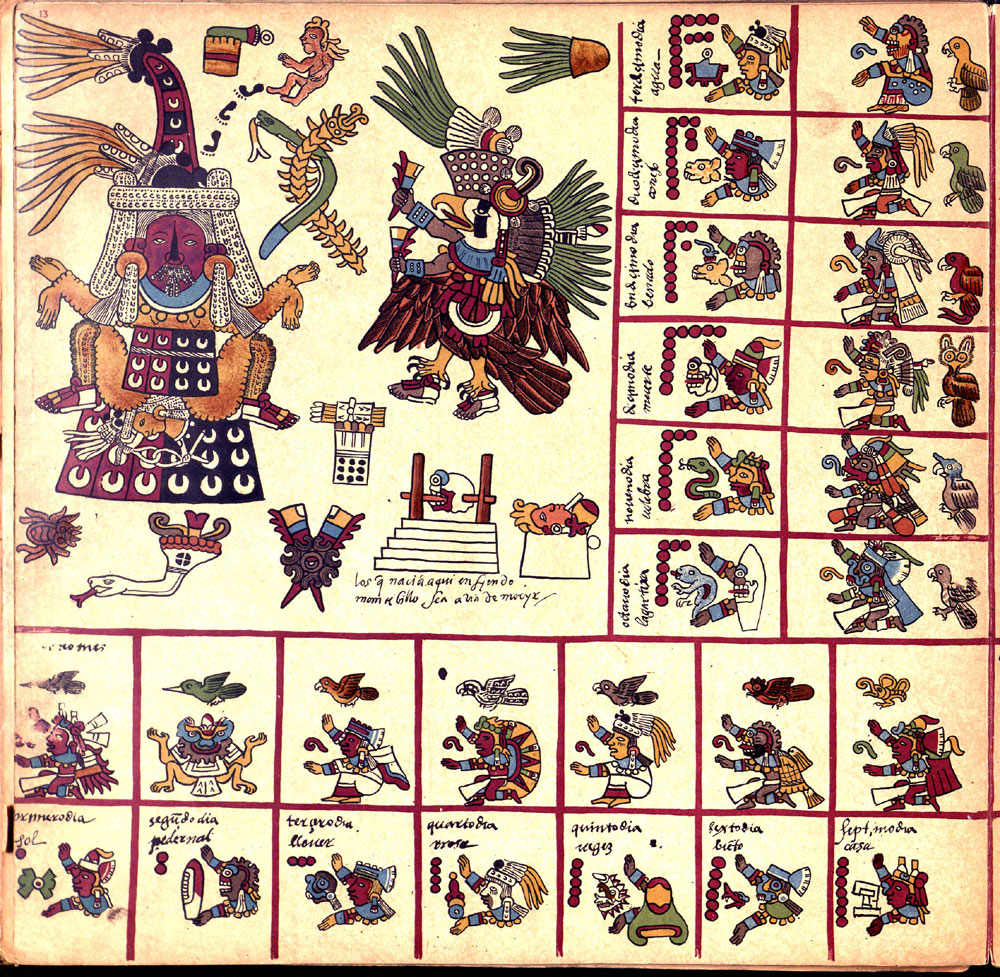
The Codex Borbonicus, created in the early 16th century around the period of the Spanish conquest of Mexico, is one of the most important surviving pictorial manuscripts associated with the Aztec world. Produced by Indigenous priest-scribes known as tlacuilos, the codex preserves religious, calendrical, and ceremonial knowledge from the final years of the Mexica civilization and the beginning of colonial rule in New Spain. Measuring approximately 14 meters in length when fully extended, the manuscript is arranged in a folding screen format typical of pre-Hispanic Mesoamerican codices.
Historians generally date the Codex Borbonicus to the 1520s, shortly before or shortly after the fall of Tenochtitlan in 1521. The manuscript was likely produced in central Mexico by Nahua artists trained in the pre-conquest tradition of pictorial writing. Unlike alphabetic European manuscripts, the codex communicates information primarily through painted imagery, symbols, calendrical signs, and ritual scenes. The style of the artwork strongly reflects Indigenous artistic conventions that survived the transition from Aztec to Spanish colonial rule.
The codex is named after the Palais Bourbon in Paris, where it was once held after arriving in Europe during the colonial period. Today, it is preserved in the library of the French National Assembly. It remains one of the few surviving examples of Aztec screenfold manuscripts because many Indigenous books were destroyed during the conquest and subsequent missionary campaigns against pre-Hispanic religion.
The Codex Borbonicus is divided into several major sections focused on ritual calendars and ceremonial cycles. One of its most important components is the tonalpohualli, the 260-day sacred calendar used by the Mexica for divination, ritual timing, and religious ceremonies. Each page presents combinations of day signs, deities, and symbolic imagery connected to specific calendrical periods. Priests used this system to interpret omens, determine auspicious dates, and organize ceremonial life.
Another section of the codex documents the 52-year calendar cycle, a major concept in Mesoamerican cosmology. At the conclusion of each 52-year cycle, the Mexica performed the New Fire Ceremony, a ritual intended to renew cosmic order and ensure the continuation of the world. The codex includes imagery associated with these ceremonies, preserving important details about Aztec religious practices shortly before Spanish suppression of Indigenous rituals intensified.
The manuscript also contains depictions of deities, ceremonial attire, sacrificial rituals, and priestly activities. Scholars have identified representations of major Mexica gods such as Tlaloc, Tezcatlipoca, Xipe Totec, and Xiuhtecuhtli. The vivid painted imagery provides valuable information about religious iconography, costume design, and ritual symbolism within late Aztec society.
Unlike many colonial-era documents produced under direct European supervision, the Codex Borbonicus retains a predominantly Indigenous visual structure and organization. Some historians believe portions of the manuscript may have been completed before the conquest, while later additions may have been made under early colonial conditions. This transitional character makes the codex particularly important for understanding how Nahua intellectual traditions adapted during the first decades of Spanish rule.
Modern researchers continue to study the codex for insights into Aztec religion, astronomy, calendrical systems, and artistic practice. Because relatively few pre-Hispanic manuscripts survived the 16th century, the Codex Borbonicus remains one of the most valuable primary sources for reconstructing Mexica ceremonial life.
Historical Significance
The Codex Borbonicus preserved important elements of Aztec religious and calendrical knowledge during a period of conquest, cultural upheaval, and destruction of Indigenous manuscripts. Its survival provides rare direct evidence of Nahua intellectual and artistic traditions at the moment when Mesoamerica was entering the colonial era.
#mooflife
#MomentOfLife
#CodexBorbonicus
#AztecCulture
#Pre-columbianDocument
#MesoamericanHistory
#TezcatlipocaAndQuetzalcoatl
Primary Reference
Codex Borbonicus

Explore the Life Moments of
 AI Twin