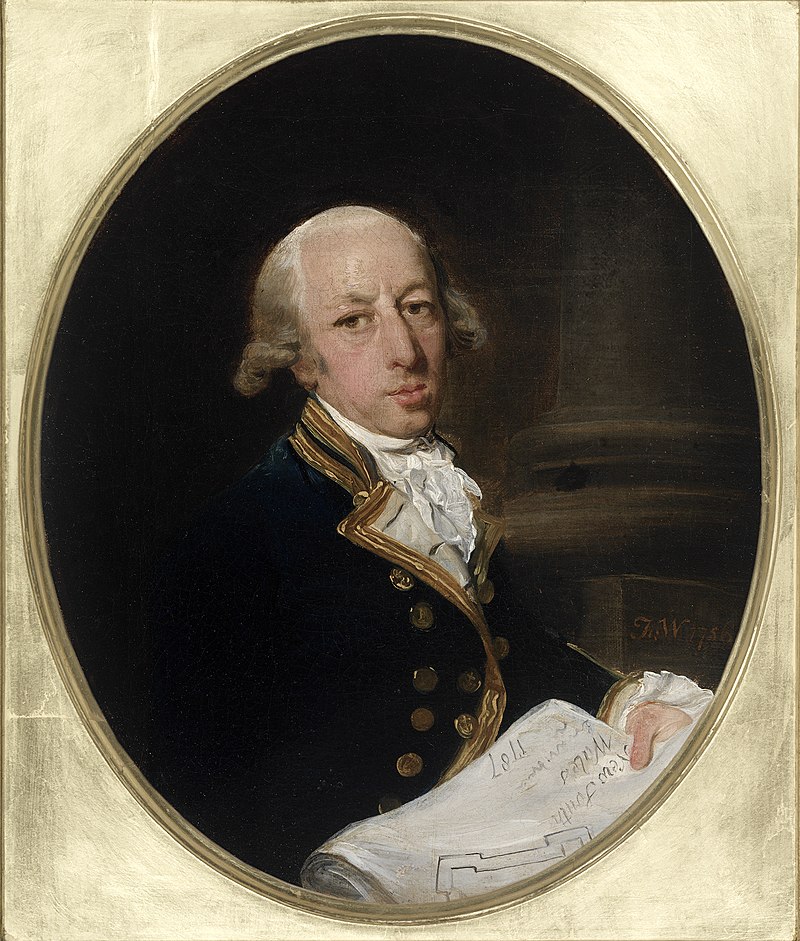
First Fleet departs for European colonisation.
Australia
Colonialism
4 min read
Updated By: History Editorial Network (HEN)
Published:
Updated:
In 1787, Governor Arthur Phillip spearheaded the departure of the First Fleet from Great Britain to Australia, marking the initial phase of European colonization. Comprising of 11 ships, this expedition aimed to establish a new settlement in the distant southern land. The decision to embark on this journey was fueled by various factors, including overcrowded British prisons that led to the idea of establishing a convict colony in Australia.
The fleet's departure set in motion a significant chapter in Australian history, as it laid the groundwork for British colonial rule in the continent. Despite facing numerous challenges on the perilous voyage, such as harsh weather conditions and limited resources, the fleet eventually reached the shores of Botany Bay in New South Wales. This arrival paved the way for the establishment of the first European settlement in Australia.
The impact of the First Fleet's voyage was profound, as it marked the beginning of large-scale European settlement in the region and fundamentally altered the social, cultural, and political landscape of Australia. The arrival of the fleet had far-reaching consequences for the indigenous population, leading to conflicts, displacement, and the erosion of traditional ways of life.
This event laid the foundation for the establishment of modern Australia as we know it today. It marked the beginning of a new era in Australian history, characterized by colonization, immigration, and the interplay of diverse cultures and identities. The legacy of the First Fleet continues to shape contemporary debates surrounding Australian identity, national history, and reconciliation with the country's indigenous peoples.
#FirstFleet #EuropeanColonization #GovernorArthurPhillip #BritishSettlement #AustralianHistory #IndigenousAustralia

Explore the Life Moments of
 AI Twin