Dutch Explorer Charts Southwest Coast, Lands at Rottnest Island
Australia
Exploration
Australian
4 min read
Updated By: History Editorial Network (HEN)
Published:
Updated:
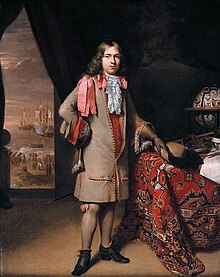
Willem de Vlamingh, a Dutch explorer, embarked on a significant voyage to chart the southwestern coast of Australia, ultimately reaching Rottnest Island. The quest to seek out new lands and establish trade routes was a common motive for explorers during this era of global exploration.
Upon landing at Rottnest Island, de Vlamingh encountered unique wildlife, including quokkas, which he mistook for giant rats. This led to the island being named 'Rattennest' before it was later corrected to 'Rottnest.' The accurate mapping of the coast by de Vlamingh proved essential for future navigational purposes and opened up possibilities for further exploration and colonization in the region.
The expedition also had a lasting impact on the indigenous Noongar people of the area, as the arrival of European explorers initiated significant changes in their way of life due to subsequent colonization efforts.
The charting of the southwestern coast of Australia by de Vlamingh provided valuable information for future explorers and traders, contributing to the ongoing discovery and mapping of the Australian continent. It added to the collective knowledge of the world's geography and facilitated the eventual colonization of Australia by European powers.
The historical journey of Willem de Vlamingh stands as a testament to the spirit of exploration that characterized the Age of Discovery, showcasing the curiosity and ambition that drove explorers to venture into the unknown.
#WillemdeVlamingh #Exploration #RottnestIsland #AustralianHistory #AgeofDiscovery #NoongarPeople
Primary Reference
Rottnest Island

Explore the Life Moments of
 AI Twin