
Palestine

Land of Olives and Resilience
About
#Palestine
#Palestine_Timeline
#Palestine_History
#Palestine_History_Timeline
Life Classification
Country
Life ID
EL5677249697939
Verified Name
palestine
Life Type
Entity Life
Life Editor(s)
History Editorial Network (HEN)
Life Privacy
Public
Subscription
Elite
Created On
2025-01-22
Updated On
2026-01-24
Connect
Related Lives
Kenya
The Cradle of Humankind

Dominican Republic
A Caribbean Paradise

Adventure Movies
Where courage meets the unknown

Luxembourg
The Gibraltar of the North

Norway
Land of Fjords and Northern Lights

Greece
The Cradle of Western Civilization.

Premier League
The Home of English Football
Morocco
The Land of the Atlas

2026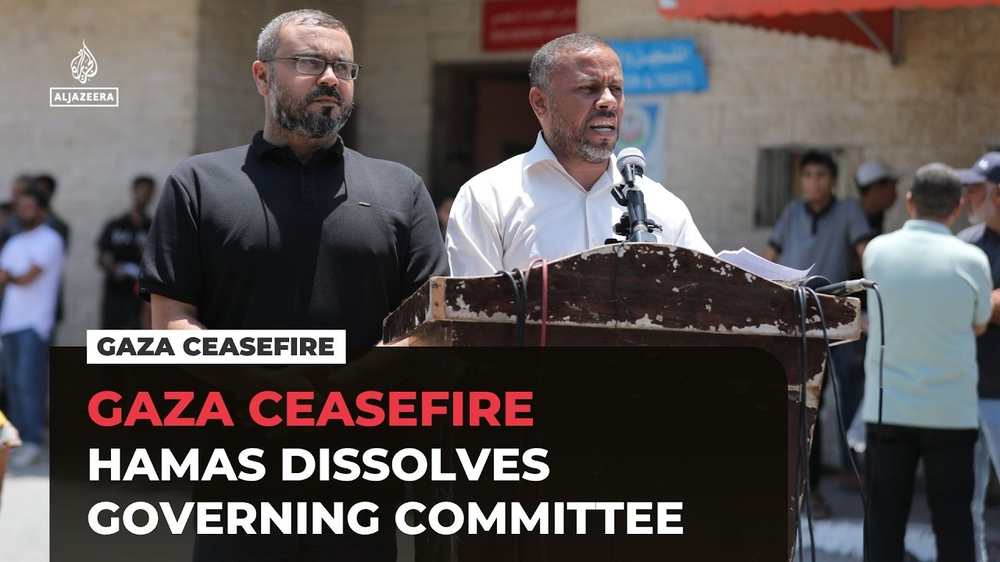
On 06/07/2026, Hamas announced the dissolution of its civilian governing body in the Gaza Strip, marking the first time the group formally stepped back from day to day civil administration since taking control of Gaza in 2007. During a news conference in Deir al Balah, Hamas said that Mohammed al Farra, head of the Government Emergency Committee, had submitted his resignation and that the committee overseeing Gaza's ministries would be dissolved to facilitate the transfer of civilian administration to the National Committee for the Administration of Gaza (NCAG), a 15 member technocratic body established under an internationally backed peace framework.
According to Hamas officials, the move was intended to implement arrangements under the Comprehensive Plan to End the Gaza Conflict, a ceasefire and governance roadmap supported by United Nations Security Council Resolution 2803 and overseen by an international Board of Peace. Hamas stated that while its political leadership would relinquish responsibility for civilian governance, ministries and public service employees would remain in their positions as professional civil servants to ensure the continued delivery of essential services. The NCAG, expected to be led by Palestinian technocrat Ali Shaath, was tasked with assuming responsibility for civilian administration and reconstruction efforts.
The announcement received cautious international reactions. The Board of Peace acknowledged Hamas' decision but stated that its assessment would be based on "actions, not promises." Israeli officials dismissed the announcement, arguing that transferring civilian administration without addressing Hamas' armed wing did not fundamentally change the situation on the ground. Israeli Foreign Minister Gideon Saar described the move as an attempt to avoid the broader requirement for Hamas to disarm under the peace framework. Hamas maintained that the announcement concerned civilian governance only and that issues relating to its military wing remained subject to the wider peace negotiations.
Later developments continued to build on the proposed transition. On 31/07/2026, the Board of Peace announced a draft framework for the phased disarmament of Hamas and other armed groups, while clarifying that implementation would require international verification. The roadmap also linked a full Israeli military withdrawal from Gaza to the verified completion of the agreed disarmament process, illustrating that the transfer of civilian governance formed only one component of a broader and more complex peace plan.
Why This Moment Matters:
The dissolution of Hamas' civilian governing body represented the group's first formal withdrawal from direct civil administration since 2007. While it did not resolve the broader political and security issues surrounding Gaza, the announcement formed an important part of the internationally backed roadmap aimed at establishing a technocratic civilian administration and advancing the ceasefire process.
View detailsU.S. President Donald J. Trump presided over a public charter announcement and signing ceremony to launch an international body he called the Board of Peace, framed as a new mechanism to coordinate peace-building and post-conflict stabilization - initially tied to Gaza’s post-war governance and reconstruction, while also pitched as usable for other global conflicts.
At Davos, President Trump formally unveiled the Board of Peace and signed its charter during a WEF-side event. The launch included remarks by senior U.S. figures involved in the Gaza track, and the Board was presented as a high-level political platform that could expand beyond its original Gaza-centered concept.
• Why was it created (initial focus)?
The Board was introduced as part of Trump’s broader Gaza peace framework (often described as a “20-point” plan), with the UN later cited in reporting as having backed a U.S. plan for the Board to oversee Gaza governance and reconstruction under a renewable mandate. In parallel, Trump and allies described it as something that could also be used to broker or manage other conflicts worldwide, positioning it as a more “nimble” peace-building vehicle working “in conjunction” with the UN.
Leadership and key people involved:
• Chairman (inaugural): The charter explicitly names Donald J. Trump as the inaugural Chairman.
• Founding executive council (reported at launch): Trump was described as being supported by a top “founding executive council” including Marco Rubio (U.S. Secretary of State), Steve Witkoff (U.S. envoy), Jared Kushner, Tony Blair, Robert Gabriel (U.S. national security role cited in reporting), Ajay Banga (World Bank President), and Marc Rowan (Apollo Global Management CEO).
• Gaza-linked officials highlighted at/around launch: The event and related coverage referenced Nickolay Mladenov as High Representative for Gaza, and included a Gaza governance announcement by Ali Shaath, described as head of a future technocratic Palestinian government in Gaza.
• Countries joined: Argentina, Albania, Armenia, Azerbaijan, Bahrain, Belarus, Bulgaria, Egypt, Hungary, Indonesia, Israel, Jordan, Kazakhstan, Kosovo, Morocco, Mongolia, Pakistan, Qatar, Saudi Arabia, Turkey, United Arab Emirates, Uzbekistan, Vietnam.
• Norway, Sweden, Slovenia, France, and the UK confirmed they would not join, while a wider set of countries said they received invitations but had not clearly accepted at the time of reporting.
What the charter says?
• Mission (high level): The charter frames the Board as a peace-building body intended to “secure peace” where it has been elusive, emphasizing a departure from institutions and approaches described as having often failed.
• Membership model: Membership is limited to states invited by the Chairman.
• Each member state is represented by its Head of State or Government.
• Standard membership term is up to three years, renewable by the Chairman.
• The three-year term does not apply to member states that contribute more than USD $1,000,000,000 in cash within the first year after entry into force.
Decision-making and powers:
• Board decisions are by majority vote but require approval of the Chairman (who can also break ties).
• The Chairman has expansive authority, including exclusive authority to create/modify/dissolve subsidiary entities and a central role in interpreting the charter.
• An Executive Board exists; its decisions take effect immediately but are subject to veto by the Chairman.
• Legal status and operations: The charter states the Board and subsidiaries have international legal personality, can contract, hold property, open bank accounts, employ staff, and seek privileges/immunities via agreements with host states. Funding is described as voluntary from member states and other sources. The charter also allows for establishing a headquarters and field offices via host-state agreements, and sets English as the official language.
• Entry into force: The charter indicates it enters into force upon consent of three states, with provisions for provisional application and non-voting participation pending domestic ratification.
Notable announcements and immediate implications mentioned at launch:
• At the Davos event, Ali Shaath announced the Rafah crossing between Egypt and Gaza would open in both directions the following week (as reported). he Board’s Gaza vision was also described as aiming to shift Gaza away from long-term aid dependence using “free market principles,” with redevelopment concepts discussed publicly by Kushner.
View details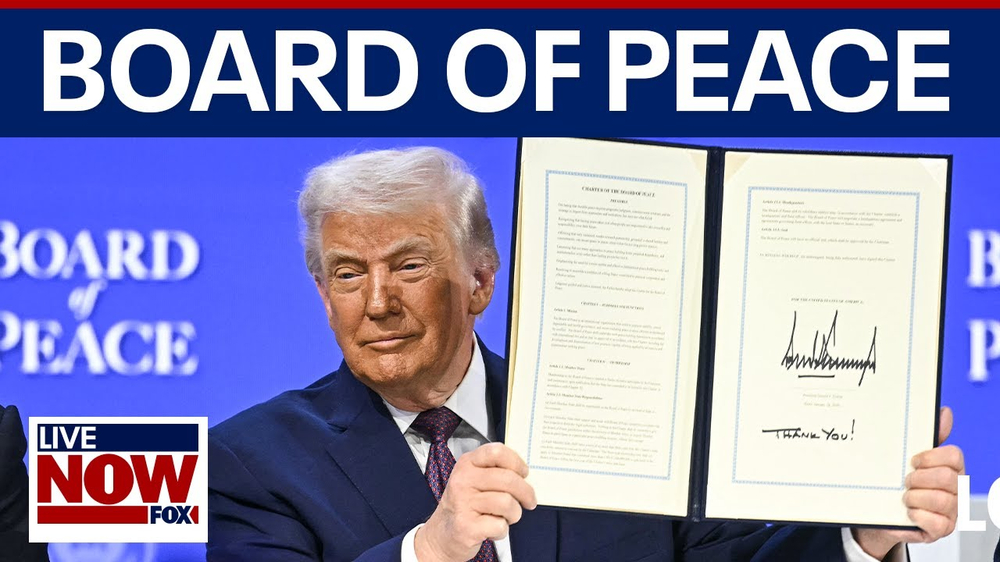
2025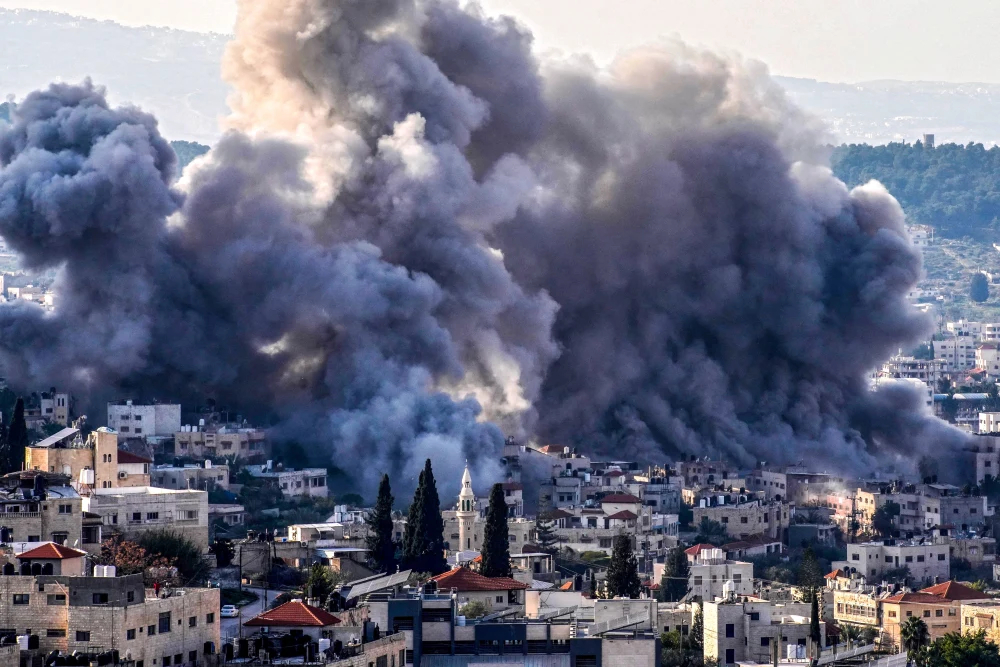
In early 2025, the Israel Defense Forces (IDF) launched a large-scale military operation in the West Bank, marking one of the most extensive campaigns in the region since the Second Intifada. This offensive, which began on 21 January 2025, primarily targeted the cities of Jenin and Tulkarm, aiming to dismantle militant networks and their infrastructure. The operation was a response to escalating tensions and increasing attacks on Israeli security forces and settlers. The Palestinian Authority (PA), while officially opposed to the incursion, was drawn into an uneasy cooperation with Israeli forces, further complicating the already tense political landscape.
The campaign opened with drone strikes on militant positions in Jenin, followed by a swift ground incursion. By 22 January, the IDF had kidnapped over 600 individuals, including suspected militants and activists. A notable and controversial event during this period was the arrest of a suspected militant inside a hospital by PA forces, raising alarm about the PA’s cooperation with Israeli military objectives. On 23 January, hundreds of residents from the Jenin refugee camp were forcibly evacuated as Israeli forces intensified their presence. Journalists covering the events faced severe restrictions, with at least one reporter detained by the PA, drawing criticism from press freedom advocates.
By 27 January, the military campaign expanded into Tulkarm, a long-time stronghold of resistance factions. Israeli airstrikes targeted key Hamas figures in the city, resulting in further casualties and the displacement of hundreds more. Ground operations grew increasingly violent, displacing families and destroying homes as clashes erupted between Israeli soldiers and Palestinian fighters. On 29 January, the Israeli Defense Minister declared that the IDF intended to maintain a permanent security presence in parts of Jenin following the operation, a move seen as an attempt to prevent the resurgence of militant activity.
The humanitarian impact of the operation was devastating. Approximately 40,000 Palestinians were displaced, the largest displacement in the West Bank since 1967. Entire neighborhoods in Jenin and Tulkarm were reduced to rubble, while access to essential services, including healthcare and water, was severely disrupted. Humanitarian organizations struggled to provide aid as the region was placed under tight military control. Families were forced to seek refuge in overcrowded shelters or flee to other parts of the West Bank, exacerbating the existing humanitarian crisis.
The political and social fallout was immediate and profound. The Palestinian Authority’s cooperation with Israeli forces drew sharp backlash from the Palestinian public, with accusations of complicity in the occupation. Hamas condemned both the operation and the PA’s involvement, calling for increased resistance against Israel. The operation exposed deep fractures within Palestinian leadership, further weakening the PA’s legitimacy in the eyes of many Palestinians.
Internationally, the military campaign drew widespread condemnation. Human rights groups criticized Israel’s excessive use of force and the displacement of civilians, while Western powers, including the United States and members of the European Union, expressed concern over the escalating violence. Calls for restraint and respect for international humanitarian law echoed through diplomatic channels. However, Israel defended its actions, citing the need to ensure security and prevent militant groups from using the West Bank as a launchpad for attacks.
The 2025 West Bank operation underscored the fragile and volatile nature of the Israeli-Palestinian conflict. It highlighted the tension between Israel’s security policies and the humanitarian needs of Palestinians, leaving the region on edge and raising fears of further unrest.
#MomentsOfLife #MoofLife #WestBankOperation #IDF #Jenin #Tulkarm #PalestinianDisplacement #MiddleEastConflict
View detailsOn 19 January 2025, a pivotal ceasefire agreement came into effect, bringing a temporary halt to the devastating 15-month conflict between Israel and Hamas in Gaza. This truce, brokered by Egypt, Qatar, and the United States, aimed to end hostilities that had resulted in thousands of deaths, massive displacement, and extensive destruction in Gaza.
The ceasefire commenced at 8:30 AM local time, halting military operations from both sides. Residents of Gaza experienced a moment of relief as the immediate violence subsided. The agreement also facilitated the entry of humanitarian aid into the region, with convoys delivering essential supplies through the Rafah and Kerem Shalom border crossings.
A significant aspect of the ceasefire was the prisoner and hostage exchange. Hamas agreed to release 33 Israeli hostages, primarily women and children, while Israel committed to freeing 1,000 Palestinian prisoners, focusing on women and minors. This exchange was intended to build trust and pave the way for future peace negotiations.
The agreement also stipulated the gradual withdrawal of Israeli troops from strategic positions within Gaza. By 9 February 2025, Israel began pulling back from the Netzarim Corridor, a critical route that had divided Gaza during the conflict. This withdrawal allowed displaced Palestinians to return to their homes, though many encountered significant devastation.
Despite the ceasefire, tensions remained high. Reports indicated that, as of 19 February 2025, Israel had committed 285 violations of the ceasefire, including shootings, airstrikes, and restrictions on aid delivery. These actions resulted in the deaths of at least 137 Palestinians during the ceasefire period. Notable incidents involved Israeli forces opening fire on civilians, airstrikes targeting various locations, and hindrances to humanitarian aid, such as restricting the flow of essential supplies and limiting medical evacuations.
These violations strained the fragile truce and raised concerns about the commitment of both parties to a lasting peace. The international community continued to monitor the situation closely, emphasizing the need for adherence to ceasefire terms and the pursuit of a sustainable resolution to the conflict.
#MomentOfLife #MoofLife #GazaCeasefire #IsraelPalestine #19JanuaryCeasefire #HumanitarianRelief #PrisonerExchange #PeaceEfforts #CeasefireViolations
View details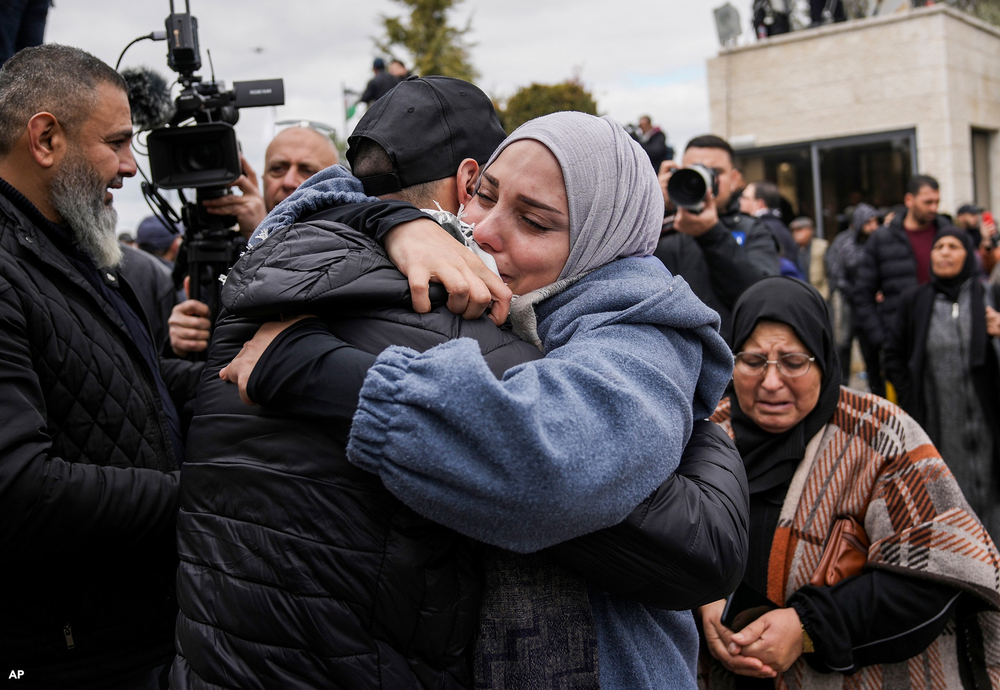
2024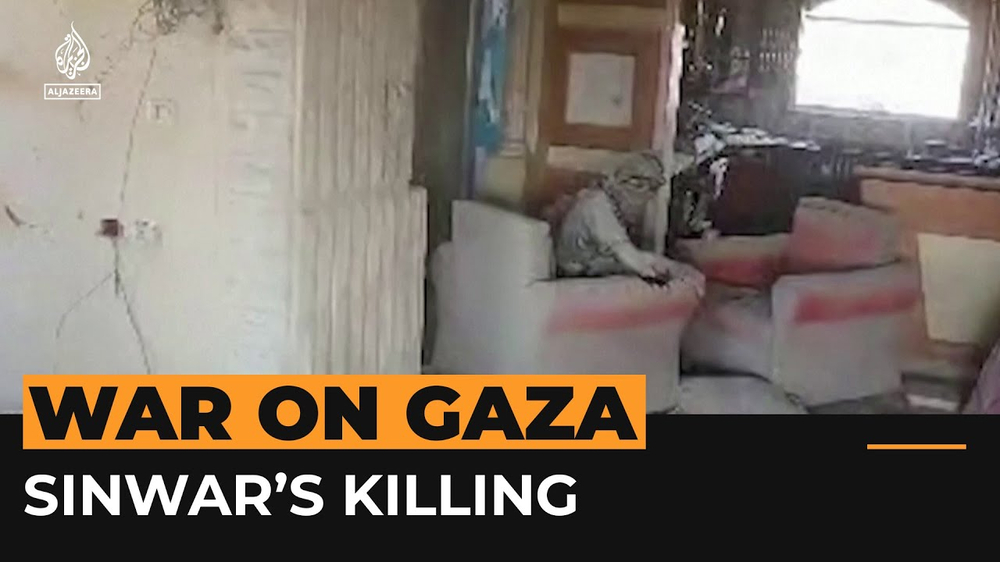
Yahya Sinwar, the prominent leader of Hamas in the Gaza Strip, killed on October 16, 2024. His leadership was pivotal in shaping the political landscape of Palestine, particularly in the context of the ongoing Israeli-Palestinian conflict. Sinwar, who was known for his strong ties with Iran and his opposition to U.S. policies in the region, played a crucial role in the governance of Gaza, which has been under Hamas control since 2007. His tenure was marked by significant challenges, including economic hardships and military confrontations with Israel. Sinwar's death is expected to create a power vacuum within Hamas and could lead to shifts in the group's strategies and alliances. The implications of his passing will likely reverberate throughout Palestinian politics, as new leadership emerges and the dynamics of the conflict evolve. As the situation develops, observers will be closely monitoring how this change affects both internal governance in Gaza and the broader Israeli-Palestinian relations.
View detailsOn July 31, 2024, Ismail Haniyeh, the political leader of Hamas, was assassinated in Tehran, Iran. Haniyeh was in the Iranian capital to attend the inauguration of President Masoud Pezeshkian. The attack occurred at approximately 2:00 a.m. local time in his accommodation at a military-run guesthouse. Reports on the method of assassination vary: some sources suggest a remotely detonated explosive device was planted in his room months prior, while others indicate a short-range projectile was launched from outside the building. Haniyeh's personal bodyguard, Wasim Abu Shaaban, was also killed in the attack.
The assassination led to widespread condemnation from Iran and Hamas, both attributing the attack to Israel. Iran's Supreme Leader, Ali Khamenei, led funeral prayers for Haniyeh in Tehran, emphasizing the deep ties between Iran and Hamas. Haniyeh's death marked a significant escalation in the Israel–Hamas conflict, intensifying regional tensions and raising concerns about potential retaliatory actions.
#MomentOfLife #MoofLife #IsmailHaniyeh #Hamas #MiddleEastConflict
View details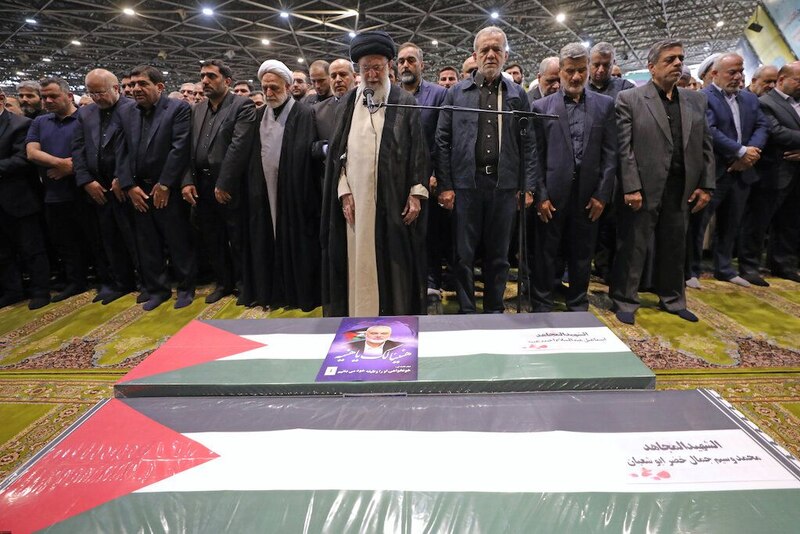
In mid-2024, the Gaza Strip experienced its first polio outbreak in 25 years, marking a significant public health crisis in the region. The outbreak was first identified on July 16, 2024, when circulating vaccine-derived poliovirus type 2 (cVDPV2) was detected in wastewater samples from Khan Yunis and Deir al-Balah. This environmental surveillance indicated the presence of the virus in the community, even before any clinical cases were reported.
The first confirmed human case emerged on August 16, 2024, involving a 10-month-old child from Deir al-Balah who developed paralysis in the lower limb. This case underscored the severity of the outbreak and the vulnerability of unvaccinated children. Prior to the conflict escalation in October 2023, polio vaccination coverage in Gaza was optimal, exceeding 99%. However, by early 2024, coverage had declined to below 90%, primarily due to disruptions in healthcare services and access caused by ongoing hostilities.
In response to the outbreak, the Gaza Health Ministry, in collaboration with the World Health Organization (WHO) and UNICEF, launched an emergency vaccination campaign. The first round commenced on September 1, 2024, targeting over 640,000 children under the age of ten. Despite challenges posed by the conflict, including access restrictions and safety concerns, the campaign achieved a coverage rate of over 95% in its initial phase. A second round followed in October 2024, further bolstering immunity among the pediatric population.
In early-November 2024, WHO stated it would resume polio vaccinations in northern Gaza but only in Gaza City. The following day, however, an Israeli drone reportedly bombed the polio vaccination site, the Sheikh Radwan Clinic, wounding three children.The World Health Organization later stated six people, including four children, were injured in the strike.
The outbreak's emergence was attributed to several factors, including decreased immunization rates, overcrowding in shelters due to displacement, and deteriorating sanitation infrastructure. These conditions created an environment conducive to the spread of the poliovirus. The international community emphasized the need for sustained vaccination efforts and improvements in public health infrastructure to prevent future outbreaks.
As of February 2025, the WHO announced the continuation of mass polio vaccination campaigns in Gaza, aiming to vaccinate over half a million children. This ongoing effort reflects the commitment to eradicating polio and safeguarding the health of Gaza's children amidst challenging circumstances.
#MomentsOfLife #MoofLife_Moment #MoofLife #GazaPolioOutbreak #PublicHealthCrisis #VaccinationCampaign
View details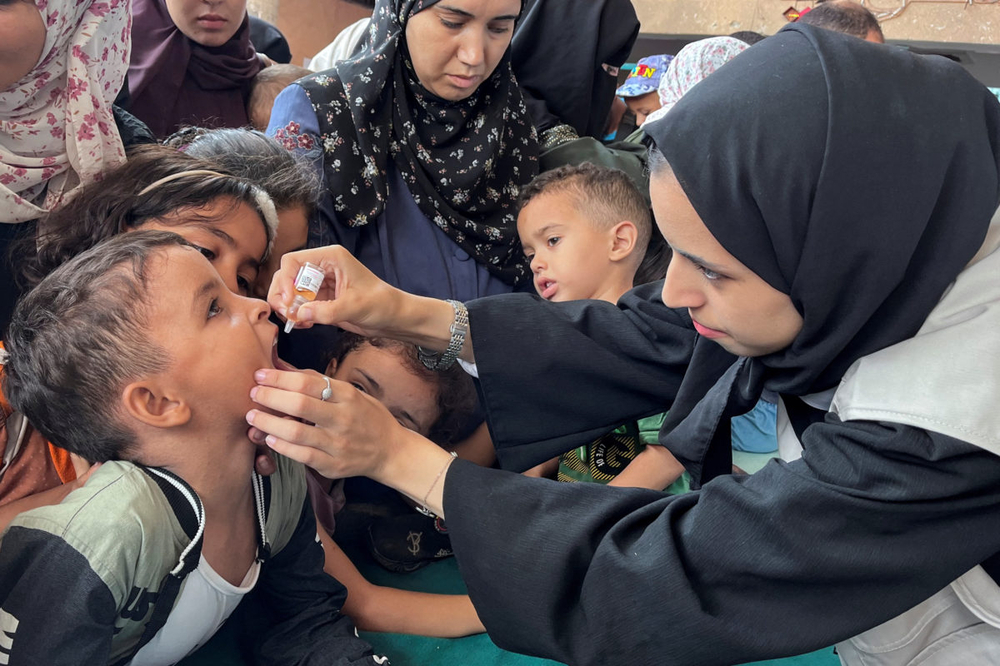
On July 9, 2024, the Gaza Strip experienced a series of devastating attacks resulting in significant civilian casualties. In Gaza City, Israeli Defense Forces (IDF) conducted operations in the neighborhoods of Tel al-Hawa, Sabra, and Shuja'iyya. These assaults led to the deaths of at least 50 Palestinians and left dozens more injured. The Gaza Health Ministry reported that these attacks were part of a broader escalation in the region, contributing to a rising death toll among the Palestinian population.
On the same day, the IDF targeted the Al-Awda School in Abasan al-Kabira, near Khan Younis. This United Nations Relief and Works Agency (UNRWA)-run school had been serving as a shelter for displaced individuals fleeing ongoing hostilities. The airstrike resulted in the deaths of at least 31 Palestinians, predominantly women and children, and injured over 53 others. This incident marked the fourth attack on Gaza schools within a span of four days, raising serious concerns about the safety of civilians seeking refuge in designated shelters.
#MomentsOfLife #MoofLife #GazaUnderAttack #AlAwdaSchool #HumanitarianCrisis
View details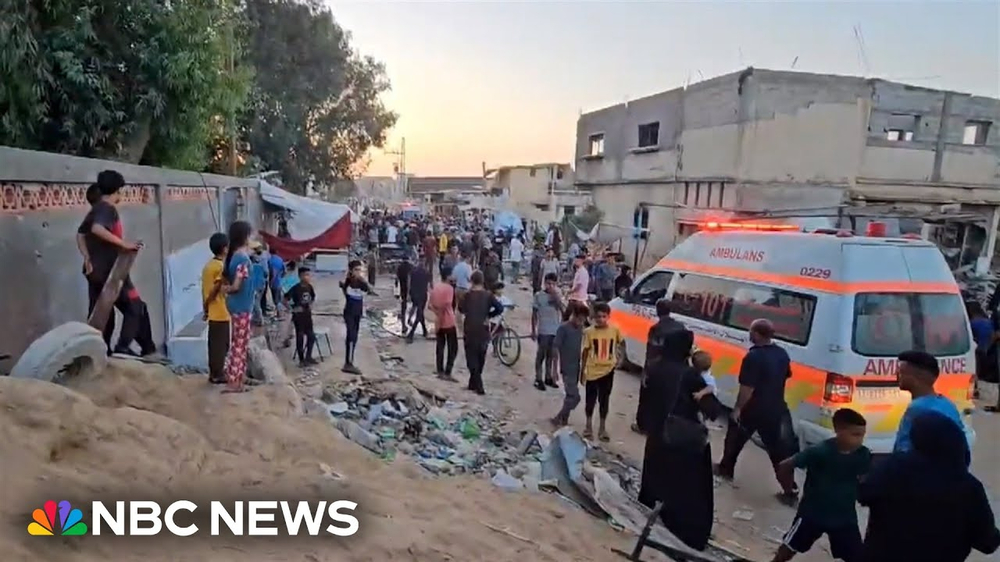
On 28 May 2024, a significant diplomatic development unfolded as Norway, Ireland, and Spain officially recognized the State of Palestine. This joint decision marked a notable shift in European support towards Palestinian statehood and was seen as a call for renewed international efforts to resolve the ongoing Israeli-Palestinian conflict. The recognition was celebrated across Palestinian territories, with hopes for increased international pressure towards achieving a two-state solution.
This event came against the backdrop of a growing wave of international recognition of Palestine in 2024. Prior to this, on 23 April 2024, Jamaica had also formally recognized Palestine, becoming the first Caribbean nation to do so in the year, further signaling the expanding global support for Palestinian sovereignty.
Following the actions of Norway, Ireland, and Spain, momentum continued. On 21 June 2024, Armenia joined the growing list of nations recognizing the State of Palestine. Armenia's recognition was viewed as a continuation of the global shift towards acknowledging Palestinian statehood and the right to self-determination.
The combined actions of these nations reflected increasing international frustration with the stagnation of peace negotiations and the humanitarian situation in Gaza and the West Bank. They underscored a broader global demand for a just and lasting solution to the Israeli-Palestinian conflict.
#MomentOfLife #MoofLife #PalestineRecognition #NorwayIrelandSpain #JamaicaRecognition #ArmeniaRecognition #PalestinianStatehood #TwoStateSolution #DiplomaticShift
View details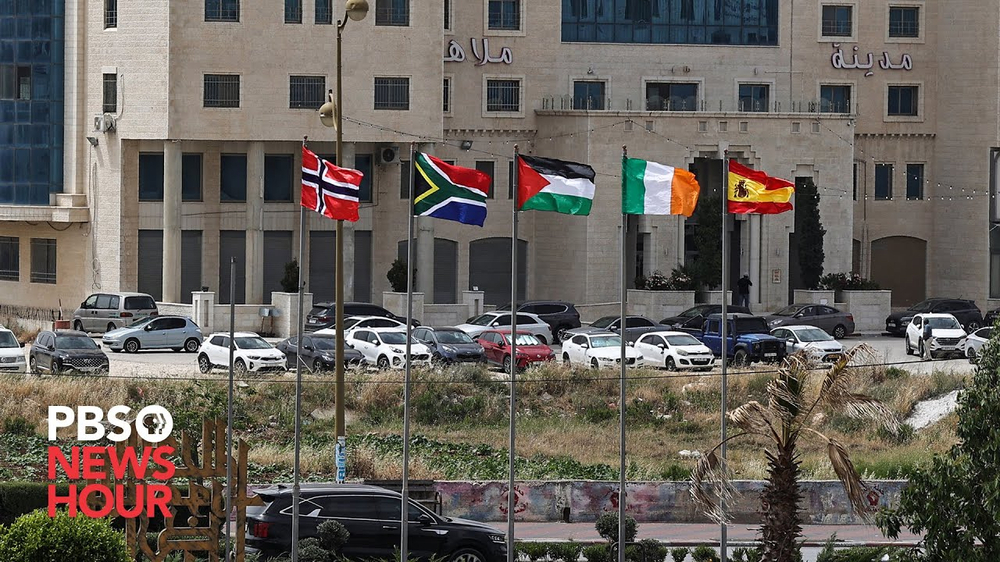
In May 2024, a landmark resolution was adopted by the United Nations General Assembly (UNGA), recognizing the right of Palestine to become a full member state. This resolution marked a pivotal moment in the ongoing quest for Palestinian recognition within the international community. With this new status, Palestinians are now empowered to submit proposals and amendments, allowing them to actively participate in the legislative processes of the UN. Furthermore, Palestine has been granted the opportunity to take a seat alongside other member states in the assembly, symbolizing a significant step towards greater inclusion and representation. Despite this progress, the resolution faced opposition from the United States, which has historically utilized its veto power to block Palestine's full membership in the UN. The passage of this resolution reflects a growing international consensus on the need for Palestinian statehood and underscores the complexities of geopolitical dynamics in the region. As the situation evolves, the implications of this resolution will be closely monitored by global observers and stakeholders invested in peace and stability in the Middle East.
View details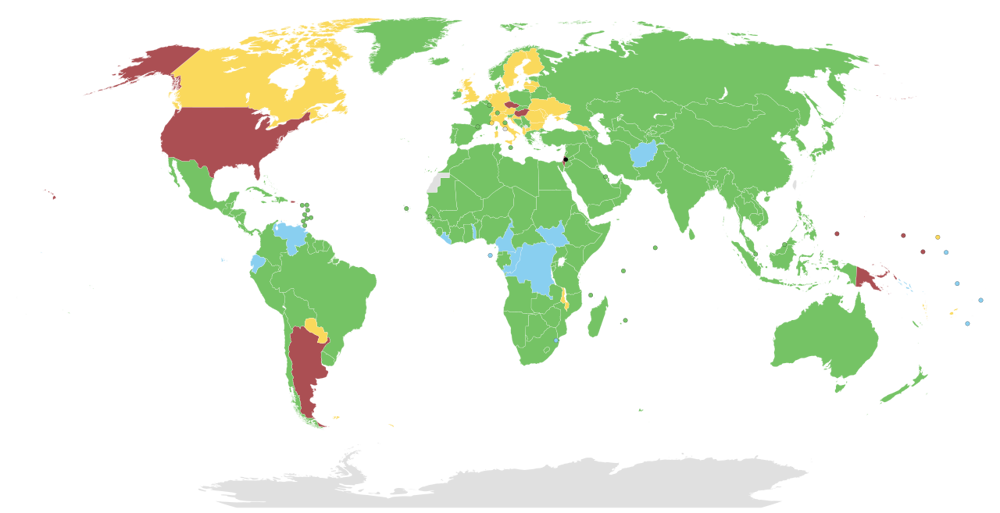
Israeli forces launched a major military offensive in Rafah, a city in the southern Gaza Strip near the Egyptian border. Rafah had become a refuge for over 1.4 million displaced Palestinians who had fled there from other parts of Gaza amid earlier phases of the conflict. The offensive, described by Israel as a targeted operation to dismantle Hamas infrastructure, involved airstrikes, ground incursions, and the seizure of the Rafah Crossing, a critical humanitarian corridor. However, the densely populated nature of the area led to significant civilian casualties, with reports indicating that hundreds were killed or injured in the initial days of the operation.
The offensive exacerbated an already dire humanitarian crisis in Gaza. Airstrikes and shelling destroyed homes, hospitals, and infrastructure, killing at least 200 civilians in the first week alone, including women and children, and injuring hundreds more. Thousands were forced to flee once again, with no safe place to go. The seizure of the Rafah Crossing severely disrupted the flow of humanitarian aid, including food, medicine, and fuel, leaving the population in even more desperate conditions. The United Nations and humanitarian organizations warned that the death toll could rise sharply as the offensive continued and access to medical care dwindled.
The Rafah offensive drew sharp criticism from world leaders, with many calling for an immediate ceasefire. Countries such as Egypt and Jordan, as well as regional and global powers, expressed deep concern over the high civilian casualties and the risk of mass displacement. The International Court of Justice (ICJ) issued a ruling urging Israel to halt its operations in Rafah, citing the risk of irreparable harm to the Palestinian population. Despite these calls, Israel maintained that the offensive was necessary to eliminate Hamas’s remaining battalions and secure the release of hostages, though the mounting civilian deaths raised questions about the proportionality of the operation.
The Rafah offensive marked a critical and controversial phase in the ongoing Israel-Gaza conflict. By the end of May, estimates suggested that over 500 civilians had been killed, 1 UN staff member killed, 1 WHO staff member injured, 2 Egyptian border guards killed, 8 Israeli hostages killed and over a million Palestinians displaced. The operation underscored the immense human cost of the war, with entire families wiped out and survivors left to grapple with unimaginable loss. It also highlighted the challenges of balancing military objectives with the protection of civilian lives in densely populated urban areas. As the conflict continued, the international community faced mounting pressure to broker a lasting ceasefire and address the root causes of the crisis, while humanitarian organizations struggled to provide aid amidst the devastation.
#MomentOfLife #MoofLife #RafahOffensive #GazaConflict #HumanitarianCrisis
View details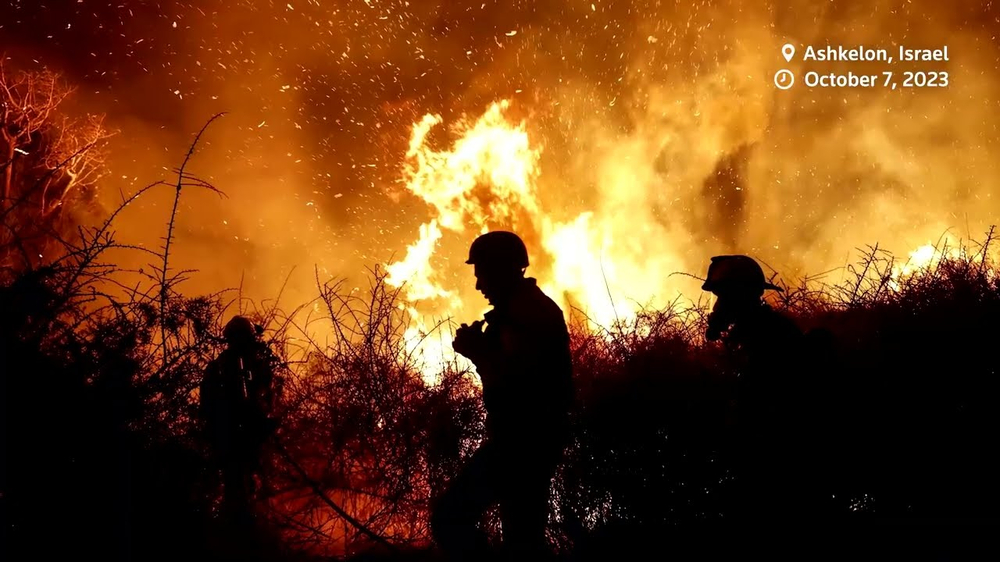
Mass graves were discovered on the grounds of Nasser Hospital in Khan Yunis following the partial withdrawal of Israeli forces from the area. The graves, containing dozens of bodies, were found in shallow pits, with many victims believed to be patients, medical staff, and civilians who had sought refuge at the hospital during intense fighting. Reports suggest some of the deceased showed signs of possible execution or summary killings, though these claims remain under investigation. The discovery has raised serious concerns about violations of international humanitarian law, which designates hospitals as protected spaces.
The uncovering of the mass graves has drawn widespread condemnation from international organizations, including the United Nations and Human Rights Watch, as well as numerous governments. Calls for an independent, transparent investigation have grown, as Palestinian authorities accuse Israeli forces of responsibility, while Israel denies wrongdoing, stating its operations targeted Hamas infrastructure. The lack of access for independent investigators has complicated efforts to determine accountability, leaving many questions unanswered about the circumstances of the deaths and burials.
The mass graves highlight the devastating toll of the conflict on Gaza’s civilian population and healthcare system. Hospitals, which are supposed to be sanctuaries, have repeatedly become battlegrounds, leaving patients and medical workers vulnerable. This discovery has further strained Gaza’s already overwhelmed healthcare infrastructure, deepening the trauma of its people and underscoring the erosion of protections for civilians in war zones.
The incident has reignited calls for an immediate ceasefire and renewed focus on protecting civilians in conflict zones. As investigations continue, the mass graves at Nasser Hospital serve as a grim reminder of the human cost of war and the urgent need for accountability. The international community faces mounting pressure to ensure justice for the victims and to prevent further atrocities in the ongoing conflict.
View details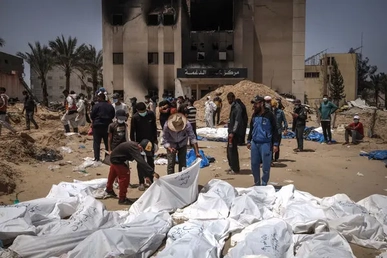
In 2024, the United Nations Security Council once again failed to recommend full membership for the State of Palestine, primarily due to the consistent use of veto power by the United States, a permanent member of the Council. This ongoing situation highlights the complexities surrounding Palestine's quest for recognition and membership within the UN framework. The U.S. has historically utilized its veto to block resolutions that would support Palestine's bid for full membership, citing concerns over the peace process and regional stability. This has created a significant barrier for Palestine, which has sought to gain international recognition and legitimacy as a sovereign state. The lack of support from the Security Council not only affects Palestine's diplomatic efforts but also reflects broader geopolitical dynamics, where U.S. foreign policy plays a crucial role in shaping outcomes in the Middle East. As the debate continues, the implications of this veto extend beyond Palestine, influencing international relations and the pursuit of peace in the region.
View details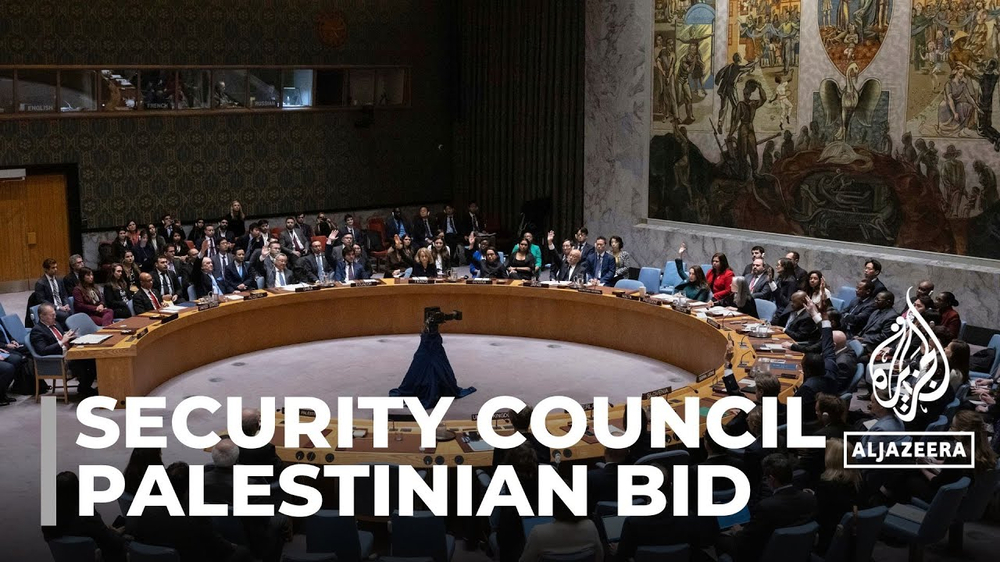
The convoy, comprising three vehicles clearly marked with WCK logos, was delivering essential food supplies to alleviate the severe humanitarian crisis in the region. Despite prior coordination with the Israeli Defense Forces (IDF) regarding their movements, the convoy was targeted by a series of drone strikes. Over a span of approximately five minutes, each vehicle was hit, resulting in the deaths of seven aid workers from diverse nationalities, including Australian, British, Palestinian, Polish, and dual American-Canadian citizens.
The attack drew immediate and widespread condemnation from the international community, with governments, humanitarian organizations, and global leaders expressing outrage. The IDF acknowledged the strikes, claiming they were the result of a misidentification of the convoy as a potential threat. An internal investigation revealed significant lapses in communication and decision-making processes, leading to the dismissal of two senior officers and reprimands for others involved. However, WCK and many international observers criticized the IDF’s internal investigation, calling for an independent inquiry to ensure transparency and accountability.
The incident highlighted the extreme dangers faced by aid workers operating in conflict zones, particularly in Gaza, where the humanitarian crisis has reached catastrophic levels. The deaths of the WCK workers underscored the fragility of humanitarian missions and the urgent need for stronger protections for those delivering life-saving aid. The attack also raised serious questions about the IDF’s adherence to international humanitarian law, which mandates the protection of humanitarian personnel and infrastructure.
#MomentOfLife #MoofLife #WorldCentralKitchen #HumanitarianAid #GazaCrisis #AidWorkerSafety
View details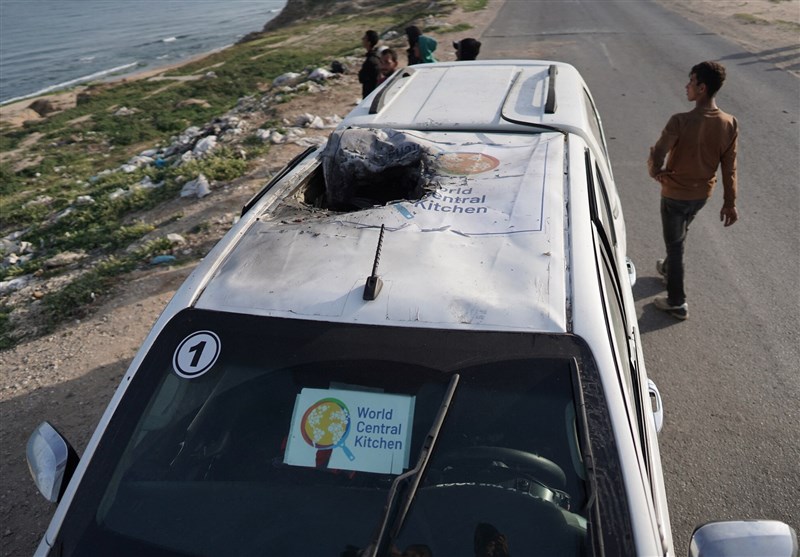
In 2024, Mohammad Mustafa was appointed as the new Prime Minister of Palestine, succeeding Mohammad Shtayyeh, who resigned amid growing political tensions. This leadership change occurs during a pivotal moment for the Palestinian government, which is currently divided between the Palestinian Authority (PA) in the West Bank, led by Fatah, and the Gaza Strip, which is under the control of Hamas. Mustafa's appointment is anticipated to bring a shift in the political and administrative strategies of the PA, which has faced criticism for its authoritarian governance practices, including the repression of activists and journalists. As the new Prime Minister, Mustafa will need to navigate these challenges while addressing the needs of the Palestinian people and fostering unity between the two governing bodies. His leadership will be closely monitored both domestically and internationally, as stakeholders hope for a more inclusive and democratic approach to governance in Palestine. The political landscape remains complex, especially following the recent death of Yahya Sinwar, the leader of Hamas in Gaza, which may further influence the dynamics of Palestinian politics moving forward.
View details
On February 29, 2024, a devastating event now known as the "Flour Massacre" unfolded in Gaza City, marking one of the deadliest incidents in the region during that period. A humanitarian aid convoy carrying essential supplies arrived on Al-Rashid Street, where thousands of Palestinians had gathered, desperate for food and other necessities amid a severe Israeli blockade. As the crowd surged forward, Israeli forces reportedly opened fire, resulting in the deaths of at least 118 civilians and injuring over 760 others. The scene was one of chaos and devastation, with eyewitnesses describing widespread panic and bloodshed.
Survivors and witnesses recounted harrowing scenes of people being shot as they tried to access the aid convoy. Many victims suffered gunshot wounds, with forensic reports indicating the use of 5.56x45mm NATO bullets, a type of ammunition commonly employed by the Israeli military. The use of such lethal force against civilians seeking humanitarian aid sparked outrage and condemnation from international observers. The incident highlighted the dire conditions faced by Palestinians in Gaza, where the blockade has led to widespread food insecurity and a collapse of basic services.
The United Nations and numerous human rights organizations, including Human Rights Watch and Amnesty International, swiftly condemned the attack, calling it a blatant violation of international humanitarian law. They emphasized the disturbing pattern of targeting civilians and humanitarian aid efforts in Gaza, which has exacerbated the already dire humanitarian crisis. Despite the international outcry, similar violent incidents continued to occur in the weeks following the massacre, further deepening the suffering of the Palestinian population.
#MomentOfLife #MoofLife #Gaza #FlourMassacre #HumanitarianCrisis #StandWithPalestine
View details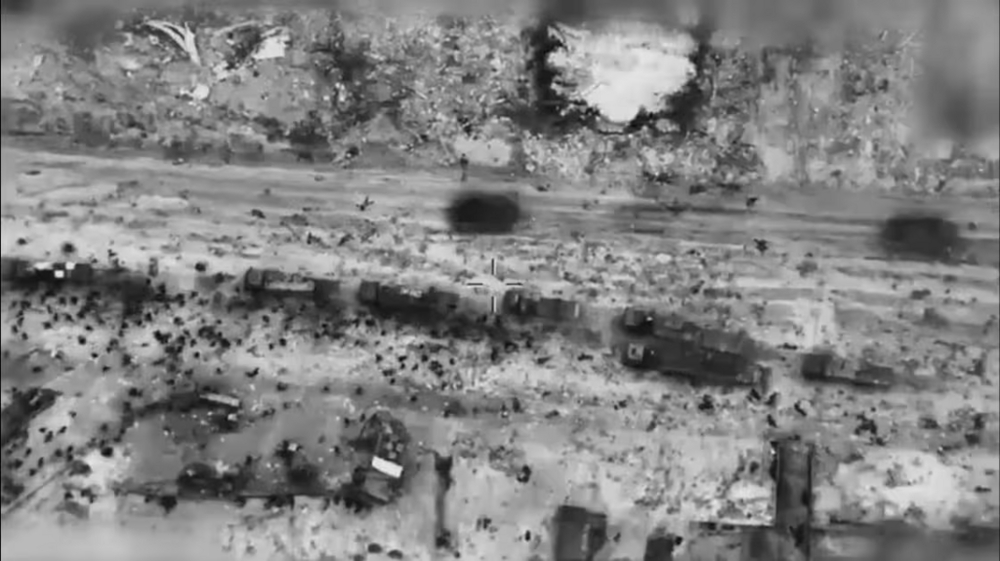
On January 29, 2024, during the Israeli invasion of the Gaza Strip, five-year-old Hind Rajab and her family were attempting to flee the Tel al-Hawa neighborhood in Gaza City. Their vehicle, a black Kia, was struck by an Israeli tank shell, resulting in the immediate deaths of Rajab's aunt, uncle, and four cousins. Hind and her 15-year-old cousin, Layan Hamadeh, survived the initial attack and managed to contact the Palestinian Red Crescent Society (PRCS) for assistance. Tragically, while still on the call, Hamadeh was fatally shot as the tank continued to fire upon their vehicle. Hind remained trapped and injured, pleading for help over the phone for several hours. Despite coordination efforts, the PRCS ambulance dispatched for rescue was also attacked, leading to the deaths of two paramedics. The bodies of Hind, her family members, and the paramedics were discovered 12 days later, following the withdrawal of Israeli forces from the area.
This incident drew widespread international condemnation. Independent experts from the United Nations Human Rights Council suggested that the deliberate targeting of civilians and medical personnel could constitute a war crime. Investigations by organizations such as Forensic Architecture provided evidence indicating that Israeli tanks were present in the vicinity and likely responsible for the attacks on both the family's vehicle and the ambulance. In response to this and similar incidents, the Hind Rajab Foundation was established in Belgium to pursue legal action against individuals involved in alleged war crimes in Gaza, aiming to hold perpetrators accountable and prevent future atrocities.
#MomentOfLife #MoofLife #HindRajab #GazaConflict #WarCrimes #HumanitarianCrisis
View details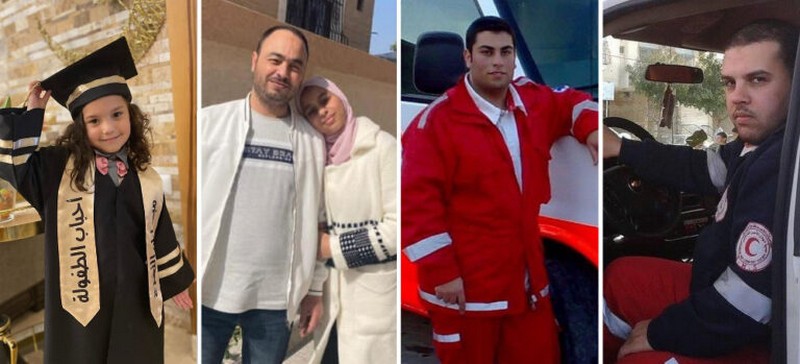
On 24 January, a building complex in Khan Yunis, sheltering tens of thousands of displaced Palestinians, was struck by Israeli forces, resulting in a catastrophic fire. The blaze tore through the densely populated structure, trapping many inside and causing mass casualties. Rescue efforts were severely hindered by the ongoing conflict and limited resources, leaving survivors and first responders to grapple with the devastating aftermath.
The attack was part of a broader wave of Israeli airstrikes in Khan Yunis, which claimed at least 214 lives in the preceding 24 hours. Many of the victims were women, children, and elderly individuals, highlighting the disproportionate impact on civilians. The strikes targeted multiple locations across the city, including residential areas and shelters, further deepening the humanitarian crisis in Gaza.
This tragic incident underscored the severe toll of the conflict on civilian populations, particularly those already displaced by the violence. The destruction of the building complex, which served as a refuge for thousands, marked a grim moment in the ongoing escalation, drawing international condemnation and calls for an immediate ceasefire to prevent further loss of life.
View details2023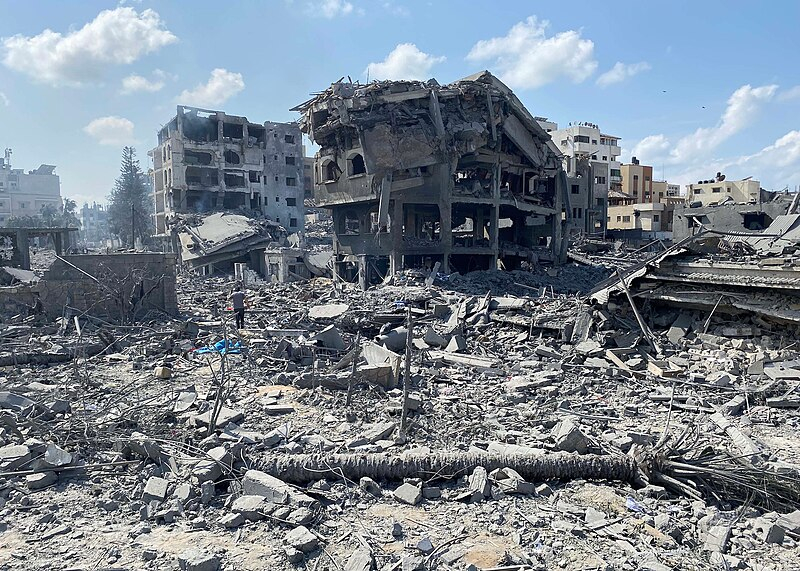
On October 7, 2023, a sudden and unprecedented escalation erupted in the Israel-Palestine conflict, marking the beginning of what became known as the Gaza War. Early in the morning, the militant group Hamas launched a large-scale attack on Israel from the Gaza Strip. Thousands of rockets were fired, and heavily armed fighters breached Israeli borders, infiltrating several communities near Gaza. The attack led to the deaths of approximately 1,200 Israelis, with many civilians targeted and over 250 individuals taken hostage into Gaza.
This assault, considered the deadliest in Israel’s history, prompted an immediate and forceful response. Israel declared war and launched an extensive aerial bombardment campaign over Gaza, followed by a ground invasion. The conflict rapidly escalated into a humanitarian crisis, with thousands of Palestinians killed, including many women and children, as residential areas, hospitals, and refugee camps were struck. The densely populated Gaza Strip faced widespread devastation, with essential infrastructure destroyed, leaving over 2 million residents in desperate need of aid.
The war stirred global outcry, polarizing international opinion. Calls for a ceasefire clashed with Israel’s insistence on eliminating Hamas. Regional tensions surged, and protests erupted worldwide, reflecting the deeply rooted divisions over the conflict.
As the war dragged on, the suffering on both sides highlighted the tragic cost of prolonged violence in the region. The events of October 7, 2023, marked a turning point in the Israel-Palestine conflict, ushering in another dark chapter in their long history of bloodshed and struggle for peace.
#GazaWar #IsraelPalestineConflict #HamasAttack #October7 #MiddleEastCrisis #WarInGaza #MomentOfLife #MoofLife
View detailsThe July 2023 Jenin incursion was a significant military operation conducted by the Israel Defense Forces (IDF) in the Jenin refugee camp, located in the West Bank. This large-scale operation, which began on July 3 and lasted for two days, was one of the most intense Israeli military actions in the area in nearly two decades. The incursion aimed to dismantle militant networks and seize weapons, following escalating tensions and a series of attacks linked to the region. The IDF deployed ground troops, drones, and airstrikes, marking a rare use of aerial power in the West Bank, which led to widespread destruction and civilian displacement. The operation resulted in the deaths of at least 12 Palestinians, including militants and civilians, while over 100 others were injured. On the Israeli side, one soldier was killed during the clashes.
The incursion into Jenin drew international attention and sparked condemnation from various human rights organizations. Critics highlighted the excessive use of force and the devastating impact on civilians, including damage to infrastructure and the displacement of hundreds of residents. Local healthcare services were strained as ambulances faced difficulties reaching the wounded due to the conflict. The operation underscored the deep-rooted tensions in the Israeli-Palestinian conflict and the volatility of the West Bank. It further fueled resentment among Palestinians, contributing to fears of a broader escalation in violence. The events of July 2023 in Jenin remain a stark reminder of the fragile security situation and the ongoing struggle for stability and peace in the region.
#MomentsOfLife #MoofLife #JeninIncursion #WestBankConflict #PalestinianStruggle #MiddleEastTensions #HumanRights #CrisisInJenin #IDFOperations #PeaceAndJustice #WarAndPeace
View details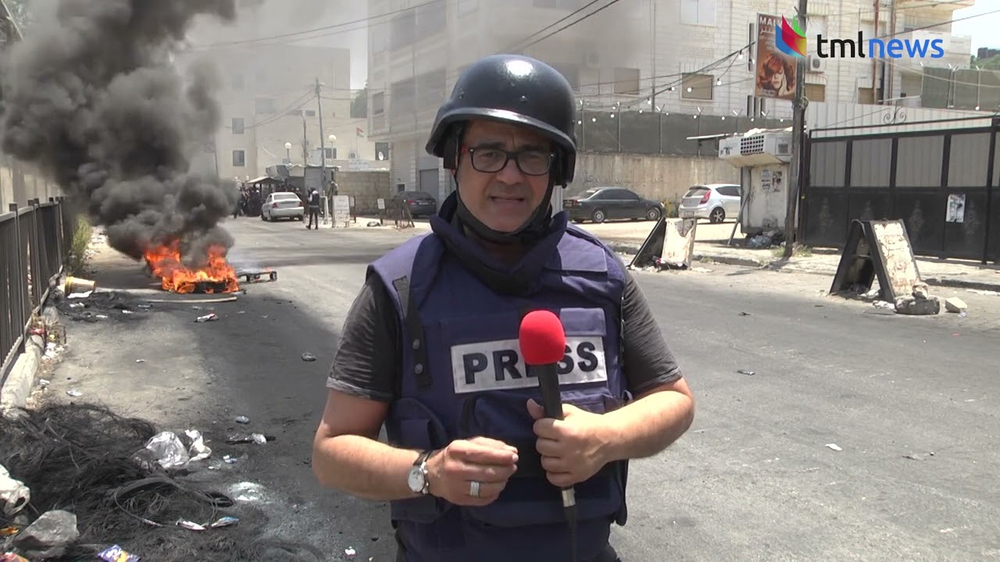
In 2023, conservation efforts in the West Bank are gaining momentum despite the absence of officially recognized national parks or protected areas in Palestine. Various regions within the West Bank are acknowledged for their ecological and cultural significance, leading to the establishment of nature reserves and protected zones. One notable area is Wadi Qelt, located near Jericho, which is a desert valley renowned for its unique flora and fauna. This reserve features rugged landscapes, natural springs, and historical sites, including the ancient St. George Monastery. Conservation initiatives in Wadi Qelt aim to protect its biodiversity and preserve its natural beauty, ensuring that both the ecological integrity and cultural heritage of the area are maintained. Additionally, the Judaean Desert, known for its 'Judaean Camels', adds to the region's ecological diversity. While the Qalqilya Zoo remains the only active zoo in Palestine, efforts continue to enhance wildlife conservation and education in the area. It is important to note that the Israeli government has established various national parks in Area C, which raises legal and ethical concerns under international law. Overall, the ongoing conservation efforts in the West Bank highlight the importance of preserving these unique natural landscapes and their cultural significance for future generations.
View details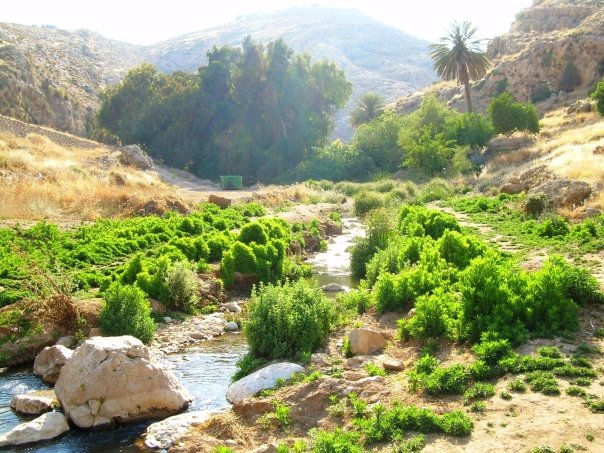
The February 2023 Nablus incursion was a large-scale military operation conducted by the Israeli Defense Forces (IDF) in the historic city of Nablus, located in the northern West Bank. Taking place on February 22, the raid resulted in the deaths of at least 11 Palestinians, with over 100 others injured, marking it as one of the bloodiest incidents in the West Bank in recent years. The IDF stated that the operation targeted members of the "Lions’ Den," a newly emerging militant group that had claimed responsibility for attacks against Israeli settlers and soldiers. However, the incursion took place in a densely populated area, leading to violent clashes between the military and local residents. Witnesses described scenes of chaos as gunfire erupted, explosions rocked the old city, and civilians scrambled for cover. Businesses shuttered their doors, and the narrow streets of Nablus turned into battlegrounds, leaving the local population terrified and grieving.
The incursion sparked widespread anger and protests throughout the West Bank and Gaza, as Palestinians mourned the lives lost and condemned what they saw as excessive force by the Israeli military. The operation further escalated tensions in an already volatile region, fueling fears of a broader outbreak of violence. The killings intensified calls from Palestinian leaders and international organizations for accountability and restraint, with concerns raised over the humanitarian impact on the civilian population. Nablus, often considered a cultural and historical heart of Palestinian life, became another symbol of the ongoing conflict and the harsh realities faced by those living under military occupation. The events of February 2023 underscored the fragility of peace in the region and the pressing need for renewed efforts toward dialogue and de-escalation.
#MomentOfLife #MoofLife #NablusRaid #WestBankViolence #MiddleEastConflict #PalestinianLivesMatter #OccupationRealities #HumanRightsCrisis #LionsDenNablus #IDFOperations #PeaceInPalestine #ConflictZone #ResistOccupation #HopeForPeace
View details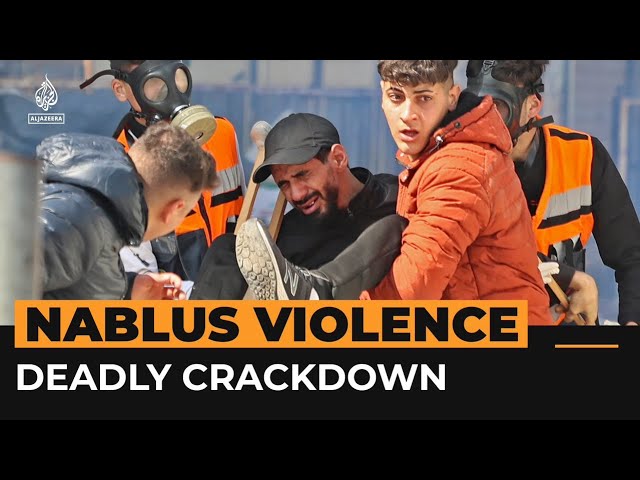
The January 2023 Jenin incursion was a significant and deadly military operation carried out by the Israeli Defense Forces (IDF) in the Jenin refugee camp, located in the West Bank. The raid, conducted on January 26, resulted in the deaths of at least ten Palestinians, including both militants and civilians, and left dozens more injured. The incursion was described as one of the deadliest in the region in years, exacerbating tensions between Israelis and Palestinians. The IDF stated that the operation aimed to dismantle terrorist networks and prevent imminent attacks, while Palestinian officials condemned it as an excessive and aggressive use of force. The heavy gunfire, explosions, and destruction of property during the raid left residents in shock and grief, with many viewing the incursion as part of a broader pattern of escalating violence in the occupied territories.
The aftermath of the Jenin incursion saw an upsurge in violence across the region, with retaliatory attacks and heightened security tensions. Protests erupted in several Palestinian cities, while the international community expressed concern over the growing instability. The operation further strained the already fragile relations between Israel and Palestine, igniting fears of a broader conflict. Humanitarian groups raised alarms over the impact on civilians, particularly in densely populated refugee camps like Jenin, where residents often find themselves caught in the crossfire. The events of January 2023 highlighted the deep-rooted complexities and volatility of the Israeli-Palestinian conflict, underscoring the urgent need for renewed diplomatic efforts and a lasting resolution to the decades-long dispute.
#MomentOfLife #MoofLife #JeninRaid #WestBankConflict #MiddleEastTensions #HumanRights #PalestinianStruggle #ConflictZone #GlobalAwareness #PeaceForPalestine #IDFOperations #RefugeeCampCrisis #ViolenceInJenin #WarAndPeace
View details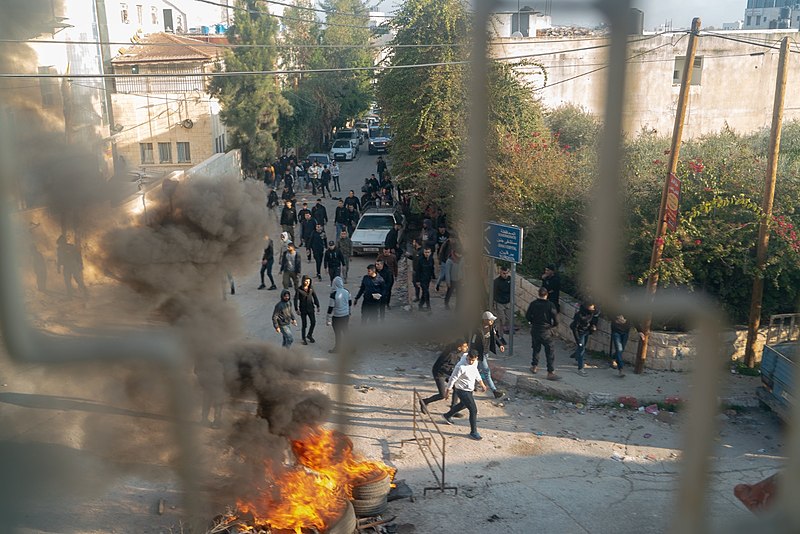
2022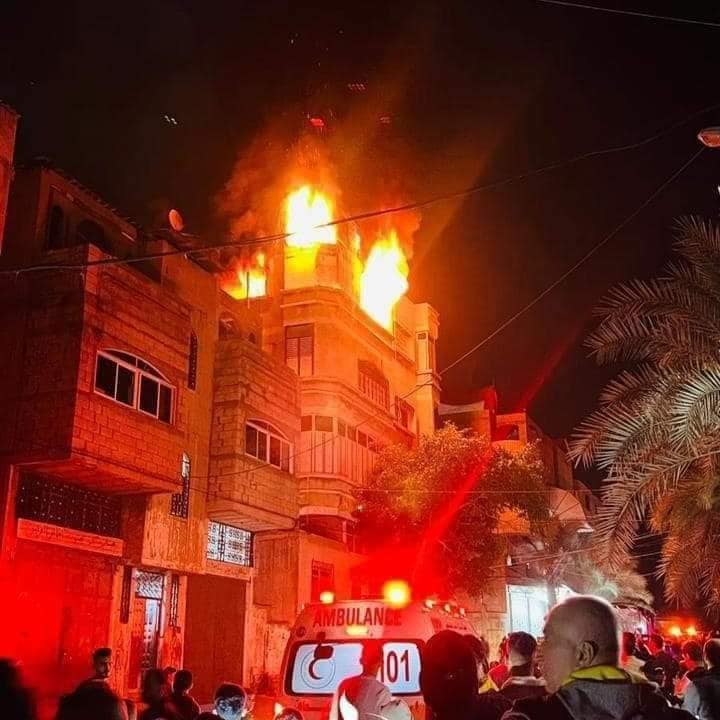
The 2022 Jabalia Fire was a devastating tragedy that struck the Jabalia refugee camp in the northern Gaza Strip on November 17, 2022. The horrific incident took place in a residential building during a family celebration. A fire erupted in the top-floor apartment, quickly engulfing the space and leaving residents trapped inside. The blaze, fueled by stored gasoline and other flammable materials, led to the deaths of at least 21 people, including women and children. The tightly packed nature of buildings in the refugee camp and the lack of adequate emergency services contributed to the severity of the incident, making it one of the deadliest residential fires in Gaza in recent history.
The tragedy not only highlighted the dangerous living conditions in the overcrowded Jabalia refugee camp but also brought international attention to the ongoing humanitarian crisis in Gaza. Families in the region often resort to storing fuel due to constant power outages, a consequence of the long-standing blockade and resource shortages. This heartbreaking fire underscored the vulnerability of Gaza’s residents, emphasizing the urgent need for improved safety regulations, better emergency response systems, and long-term solutions to the energy crisis. The incident left an indelible mark on the community, with the grief and loss reverberating far beyond the borders of the camp.
#JabaliaFire #GazaTragedy #RefugeeCampCrisis #HumanitarianCrisis #CommunitySafety #NeverForget #MomentOfLife #MoofLife
View detailsThe 2022 Gaza–Israel Clashes, code-named Operation Breaking Dawn by the Israeli military, were a brief but intense conflict that erupted between August 5 and August 7, 2022. The confrontation primarily involved the Israeli Defense Forces (IDF) and the Palestinian Islamic Jihad (PIJ), marking a significant escalation in violence in the Gaza Strip. The clashes began when Israel launched airstrikes targeting senior leaders of the Islamic Jihad, citing imminent threats of attacks. In response, PIJ militants fired hundreds of rockets into Israeli territory, prompting widespread alarms and sheltering measures in southern and central Israel. Over the course of three days, more than 1,000 rockets were launched from Gaza, while Israeli airstrikes targeted militant positions and infrastructure.
The escalation resulted in the deaths of 49 Palestinians, including civilians and children, and injuries to hundreds more. No fatalities were reported on the Israeli side, largely due to the effectiveness of the Iron Dome missile defense system, which intercepted the majority of incoming rockets. The violence severely impacted the already fragile humanitarian situation in Gaza, disrupting daily life and deepening the suffering of its residents. A ceasefire brokered by Egypt ultimately brought the fighting to an end, but the conflict highlighted the ongoing volatility and deep-rooted tensions in the region. The operation further underscored the precarious reality faced by civilians in both Gaza and Israel, with the cycle of violence leaving lasting scars on both communities.
#OperationBreakingDawn #GazaIsraelConflict #MiddleEastTensions #HumanitarianCrisis #Palestine #Israel #PeaceForGaza #EndTheViolence #MomentOfLife #MoofLife
View details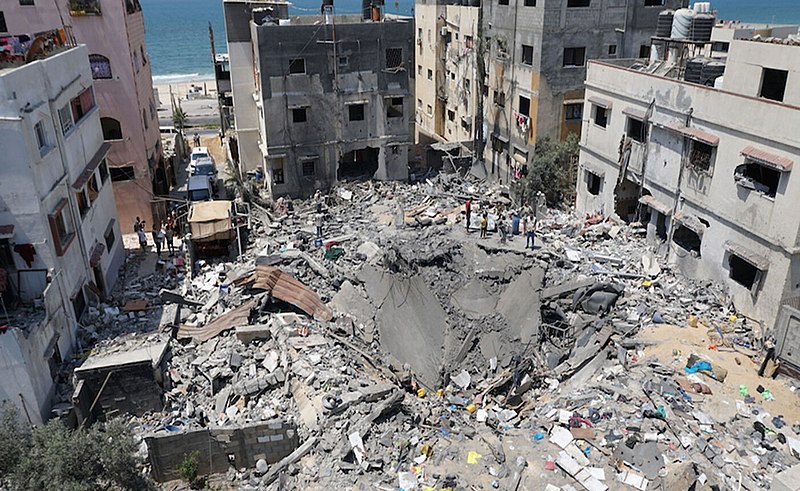
The Murder of Shireen Abu Akleh shook the world on May 11, 2022, when the veteran Palestinian-American journalist was fatally shot while covering an Israeli military raid in the Jenin refugee camp in the occupied West Bank. Shireen, a well-respected correspondent for Al Jazeera, had been reporting on the realities of life under Israeli occupation for over two decades. On that tragic morning, she was wearing a clearly marked press vest and helmet, standing alongside other journalists when she was struck by a bullet in the head. Despite her protective gear and her identification as a member of the press, she was killed in what many witnesses and media investigations described as a deliberate attack.
The killing of Shireen sparked international outrage and widespread condemnation, with calls for accountability growing louder. Several independent investigations, including reports by the United Nations, CNN, and The New York Times, concluded that the gunfire most likely came from Israeli forces. However, the Israeli government initially denied responsibility before later acknowledging there was a "high possibility" she had been unintentionally shot by a soldier. Her death not only highlighted the dangers faced by journalists in conflict zones but also brought global attention to the broader issues of press freedom and the ongoing Israeli-Palestinian conflict. Her funeral in Jerusalem turned into another scene of violence as Israeli police attacked mourners carrying her casket, further intensifying the grief and anger felt across Palestine and the world.
#JusticeForShireen #PressFreedom #Palestine #JournalistSafety #HumanRights #EndImpunity #NeverForget #MomentOfLife #MoofLife
View details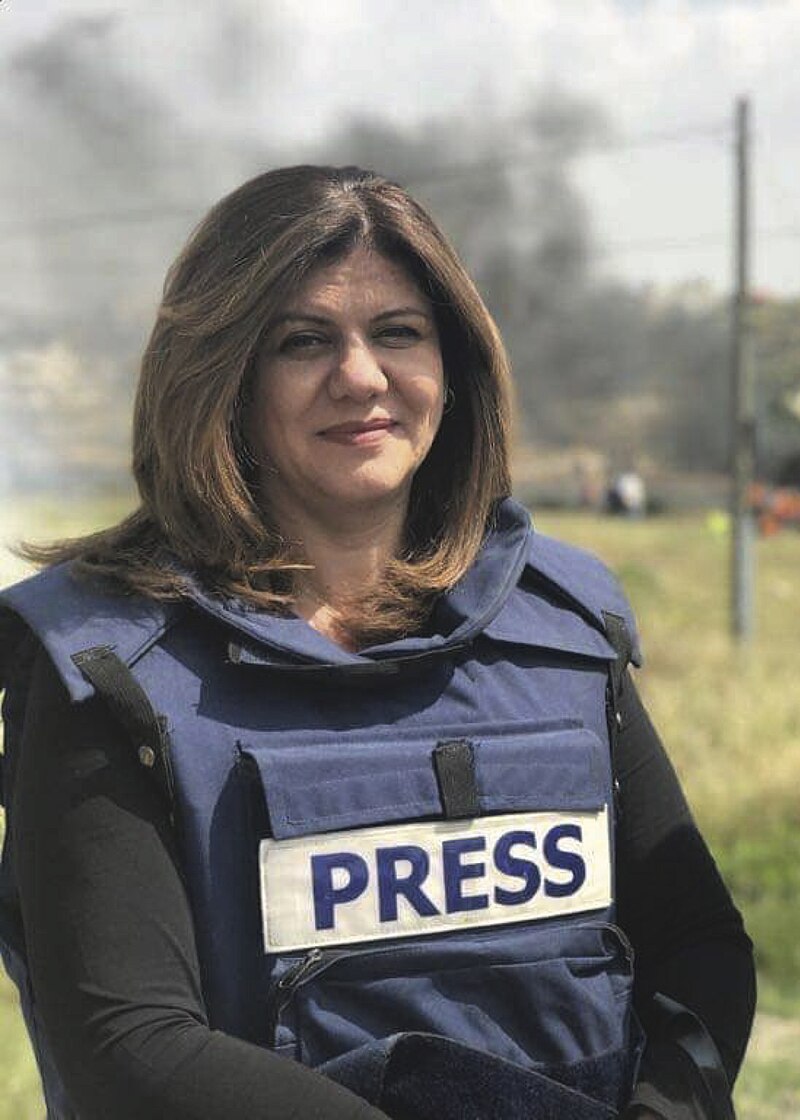
In a historic achievement for Palestinian sports, Mohammed Hamada has made headlines by winning the gold medal at the 2022 International Weightlifting Federation Junior World Championships held in Greece. This remarkable feat marks him as the first weightlifter from Palestine to achieve such a prestigious honor on the global stage. Hamada's victory not only highlights his exceptional talent and dedication but also serves as an inspiration for aspiring athletes in Palestine and beyond. His success is a testament to the hard work and determination of Palestinian athletes, who continue to strive for excellence despite the challenges they face. This milestone is expected to pave the way for greater recognition of Palestinian sports and encourage more young athletes to pursue their dreams in various sporting disciplines. As the world watches, Mohammed Hamada's gold medal win is a proud moment for Palestine, showcasing the potential and resilience of its athletes.
View detailsThe 2022 Al-Aqsa Clashes were a series of violent confrontations that erupted between Palestinian worshippers and Israeli security forces at the Al-Aqsa Mosque compound in Jerusalem during the holy month of Ramadan in April 2022. The clashes were triggered by heightened tensions over Israeli security measures, visits by Jewish groups to the holy site, and growing fears of forced evictions of Palestinian families in East Jerusalem. The Al-Aqsa Mosque, revered as Islam’s third holiest site, has long been a flashpoint for tensions, as it is also considered sacred by Jews, who refer to it as the Temple Mount. When Israeli police entered the mosque compound to disperse Palestinian worshippers, scenes of violence unfolded, with security forces using rubber bullets, stun grenades, and tear gas, while Palestinians responded by throwing stones and fireworks.
The confrontations resulted in over 150 Palestinians being injured, including women, elderly individuals, and children, sparking condemnation from across the Arab world and beyond. Videos of Israeli forces storming the prayer halls of the mosque went viral, intensifying anger and calls for international intervention. The violence at Al-Aqsa, a deeply symbolic and sensitive site, not only stoked fears of a broader conflict but also evoked painful memories of the 2021 Gaza War, which was similarly ignited by tensions in Jerusalem. The clashes underscored the volatile nature of the Israeli-Palestinian conflict and the ongoing struggle over control and access to holy sites, further fueling the sense of injustice and dispossession felt by many Palestinians.
#AlAqsaClashes #Jerusalem #Palestine #HolySiteTensions #FreePalestine #HumanRights #MiddleEastCrisis #MomentsOfLife #MoofLife_Moment #MoofLife
View details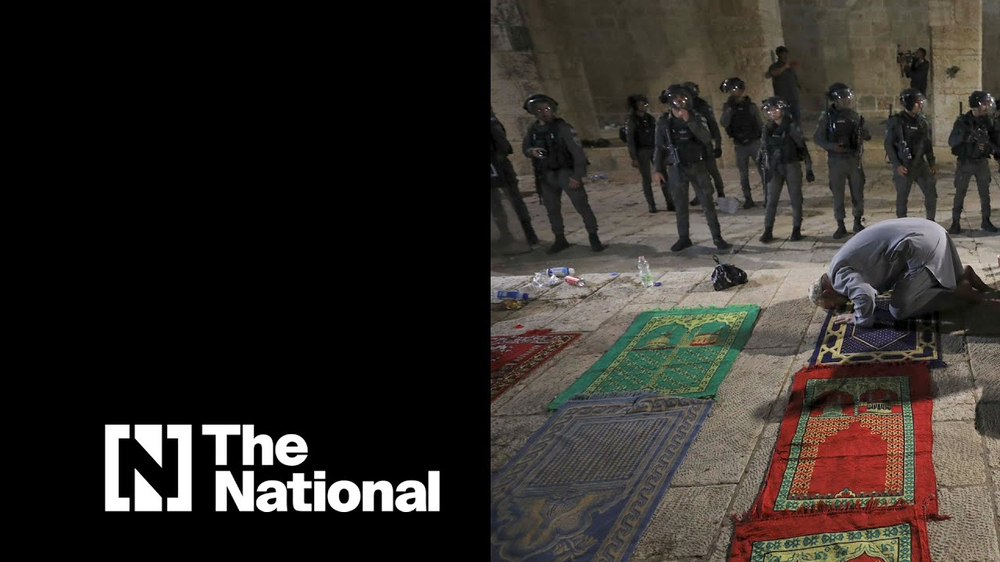
On March 26, 2022, the second phase of the 2021–22 Palestinian local elections was held, this time in larger towns and cities across the West Bank. This phase was seen as more politically significant, as it included major urban centers like Ramallah, Hebron, and Nablus, where political competition was much fiercer.
While Fatah-affiliated candidates won control of some councils, the results demonstrated a major setback for the ruling party. In several key cities, independent candidates and opposition-affiliated lists secured victories, reflecting widespread frustration with the Palestinian Authority (PA). Many of these independents were backed by Islamist-leaning factions, showing a growing shift away from traditional party dominance.
Unlike the first phase, where many councils were formed uncontested, the second phase saw strong competition, particularly from groups critical of Fatah’s governance. Hamas did not officially participate, but several Hamas-aligned independent candidates managed to win seats, demonstrating the group’s continued political influence despite its boycott.
The results of this election underscored a declining trust in traditional Palestinian leadership and highlighted the ongoing political divisions that have stalled broader national elections. While these local elections reinforced Palestinian commitment to democracy, they did little to resolve the deeper political deadlock between Fatah and Hamas.
#PalestinianElections #LocalDemocracy #WestBankVotes #ElectionResults #PoliticalChange #MomentOfLife #MoofLife
View details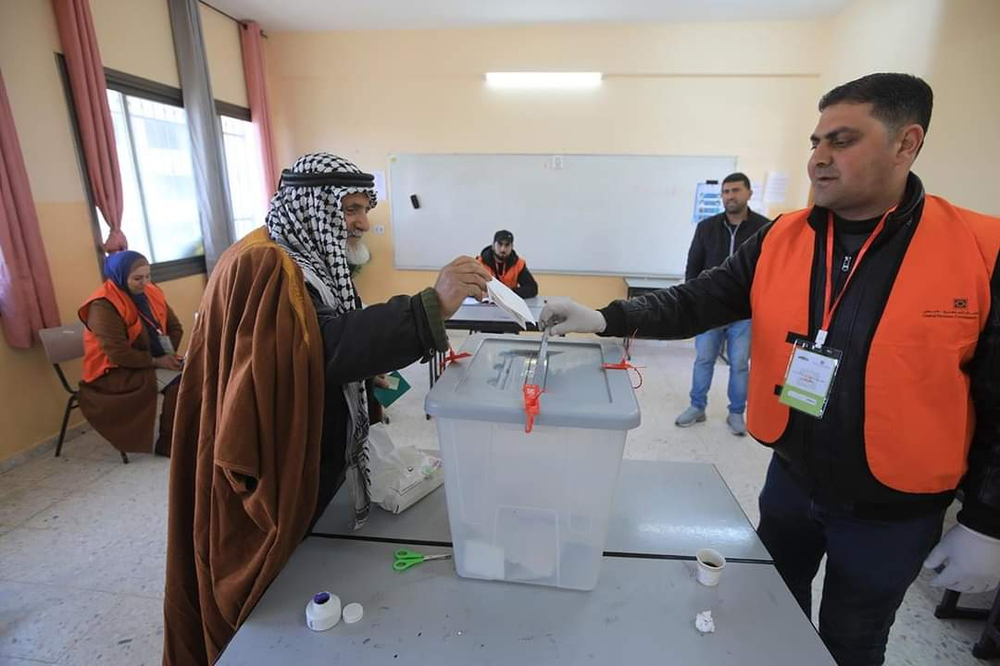
2021
On December 11, 2021, the first phase of the 2021–22 Palestinian local elections took place in the West Bank, focusing on rural areas and smaller municipalities. Originally, these elections were meant to include both the West Bank and Gaza Strip, but Hamas, the ruling authority in Gaza, refused to participate, leading to elections being held exclusively in the West Bank.
A total of 154 rural localities participated, with Fatah-affiliated candidates securing a large number of seats. However, independent candidates performed strongly, reflecting growing public dissatisfaction with the Palestinian Authority (PA) and traditional party structures. Many of these independent candidates were backed by Islamist-leaning factions and local leaders opposed to Fatah’s dominance.
The elections were marked by a lack of competition in some areas, as several councils were formed uncontested. Despite this, the results highlighted a shift in voter sentiment, with independent and opposition-affiliated candidates gaining ground. This phase of the elections set the stage for the second phase, where larger municipalities, including key urban centers, would hold their elections.
Although this was a local election, it carried major political implications, showing public discontent with Fatah’s leadership and a growing appetite for alternative political voices in Palestinian governance.
#PalestinianElections #LocalDemocracy #WestBankVotes #ElectionResults #PoliticalChange #MomentOfLife #MoofLife
View details