
Luxembourg

The Gibraltar of the North
About
#Luxembourg
#CityofLuxembourg
#VisitLuxembourg
Life Classification
Country
Life ID
EL5513217503099
Verified Name
luxembourg
Life Type
Entity Life
Life Editor(s)
History Editorial Network (HEN)
Life Privacy
Public
Subscription
Elite
Created On
2024-03-04
Updated On
2025-12-19
Connect
Related Lives

Art movement
A Journey Through Visual History

Turkey
The Land of Singing Trees
Angola
Land of contrasts, from bustling cities to breathtaking landscapes.

Roman Republic
Res Publica Romana
Morocco
The Land of the Atlas

Comoros
A Blend of Cultures, Natural Beauty, and Challenges
Vietnam
Land of the ascending dragon.

Australia
The Land Down Under

2025
Post Luxembourg has migrated its national telecommunications infrastructure to what is described as Europe’s first autonomous, AI-ready fiber network, marking a major technological milestone for the country. The upgrade involves a fully fiber-based network designed to support advanced automation, real-time monitoring, and artificial intelligence–driven network management. By integrating AI capabilities, the new system can automatically detect faults, optimize traffic flows, and improve service reliability without constant human intervention. The migration reflects Post Luxembourg’s long-term strategy to modernize digital infrastructure and meet growing demand for high-speed, low-latency connectivity from households, businesses, and public institutions. Officials emphasized that the network is built to support future technologies, including 5G, cloud computing, smart cities, and data-intensive services.
The significance of this development extends to economic competitiveness, digital resilience, and innovation capacity. An autonomous, AI-ready fiber network strengthens Luxembourg’s position as a leading digital hub in Europe, supporting sectors such as finance, logistics, space technology, and data services. For businesses, the enhanced network enables more reliable operations, improved cybersecurity responses, and scalable digital solutions. From a public policy perspective, the upgrade aligns with national and European digital transformation goals, including sustainability and efficient resource use, as automated networks can reduce energy consumption and operational costs. The migration also highlights the growing role of artificial intelligence in critical infrastructure management. Overall, Post Luxembourg’s transition represents a forward-looking investment in digital connectivity, reinforcing the country’s readiness for future technological and economic challenges.
View detailsLuxembourg has assumed the Presidency of the FABEC States, a regional cooperation framework for air traffic management that brings together several European countries to improve the efficiency and safety of airspace operations. FABEC, or the Functional Airspace Block Europe Central, includes Belgium, France, Germany, Luxembourg, the Netherlands, and Switzerland, and was created to better coordinate air traffic across national borders. By taking over the presidency, Luxembourg assumes a leadership role in guiding strategic priorities, coordinating member states, and representing the group in discussions with European aviation institutions. The presidency focuses on strengthening cooperation among civil and military aviation authorities, enhancing operational performance, and ensuring safe and smooth air traffic flow in one of Europe’s busiest airspaces.
The significance of Luxembourg’s presidency extends to broader European aviation goals. FABEC airspace handles a large proportion of Europe’s air traffic, making effective coordination essential for reducing delays, improving fuel efficiency, and lowering environmental impact. Under Luxembourg’s leadership, priorities are expected to include digitalization of air traffic management, resilience of airspace operations, and alignment with the European Union’s Single European Sky objectives. The presidency also highlights Luxembourg’s growing role in European transport and aviation governance despite its small size. International observers note that effective leadership within FABEC can contribute to safer skies, more sustainable aviation, and better service for airlines and passengers. Overall, Luxembourg’s assumption of the FABEC presidency represents an important step in advancing regional cooperation, operational efficiency, and long-term modernization of European air traffic management.
View details2024
Henri, Grand Duke of Luxembourg, announced that his son, Crown Prince Guillaume, would assume royal duties starting October. This transition marks a significant step in the evolution of Luxembourg's constitutional monarchy. Crown Prince Guillaume, born on 11 November 1981, has been groomed for the role for years. He holds a degree in International Politics, having studied at University College London and the Royal Military Academy Sandhurst.
The decision for Crown Prince Guillaume to take on more royal responsibilities signals continuity and stability for the Grand Duchy. It reflects a strategy to prepare him for his future role as Grand Duke. Guillaume's involvement in public duties has been progressively increasing, and his new responsibilities are expected to include representing Luxembourg in diplomatic matters and participating in official state functions.
The transition is anticipated to have several impacts. It ensures the active engagement of the younger generation in the monarchy's day-to-day operations, thereby maintaining public interest and support for the royal family. Additionally, Crown Prince Guillaume's modern approach and education may influence how royal duties are conducted, potentially introducing innovative perspectives into traditional practices.
Statistically, Luxembourg is one of the world's wealthiest countries per capita, with a strong financial sector and high standard of living. The enhanced role of Crown Prince Guillaume aims to strengthen Luxembourg's international presence and reinforce its socio-economic stability. His previous engagements, including his presidency of the Board of Economic Development and involvement with the Grand Duke Henri and Grand Duchess Maria Teresa Foundation, highlight his commitment to economic and social issues.
Social media reacted positively to the announcement, with many expressing support for Crown Prince Guillaume's increased duties. The move illustrates the monarchy’s intent to stay relevant and connected with the populace through active participation in national affairs.
#Luxembourg #RoyalFamily #CrownPrinceGuillaume #Leadership #MoofLife
View details2023
Luxembourg continued its focus on digital transformation and innovation in various sectors, including finance, education, and public services. This initiative was part of a broader strategy aimed at aligning the country with the European Union's digital agenda, promoting economic competitiveness, and ensuring social inclusion.
In the financial sector, Luxembourg leveraged its established reputation as a global financial hub. The government launched several programs to encourage the adoption of blockchain technology and digital banking solutions. According to the Luxembourg Financial Sector Supervisory Commission (CSSF), the number of fintech startups increased by 25%. This growth attracted international investments and fostered a more dynamic financial ecosystem.
Education was another key area targeted for digital innovation. The Ministry of Education developed a comprehensive plan to integrate digital tools into the curriculum across all educational levels. By investing in digital infrastructure and teacher training programs, the government aimed to equip students with necessary skills for the future job market. A survey conducted by STATEC showed that 95% of schools had implemented digital learning platforms, significantly enhancing the educational experience.
Public services also saw substantial advancements. The Luxembourg Government IT Centre (CTIE) introduced several e-government initiatives to streamline administrative processes and improve accessibility for citizens. This included the launch of mobile applications for various public services, such as tax filing and healthcare services. Data from CTIE indicated that these e-government solutions resulted in a 40% reduction in processing times, improving efficiency and customer satisfaction.
Overall, Luxembourg's focused efforts in digital transformation have positioned the country as a leader in innovation within Europe. The collaboration between government, industry, and educational institutions played a critical role in these advancements. As Luxembourg continues to invest in digital infrastructure and skills development, it is expected to maintain its competitive edge and foster a more inclusive, efficient, and robust economy.
#DigitalTransformation #Fintech #EduTech #PublicServices #Innovation #Luxembourg #MoofLife
View details2020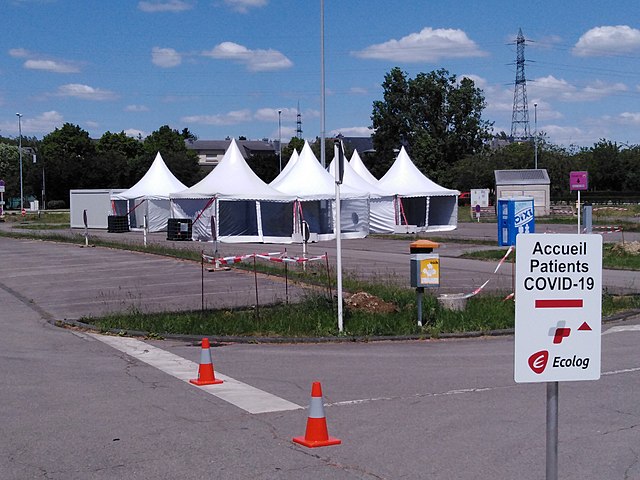
The COVID-19 Pandemic Response in Luxembourg launched a series of swift actions to counter the spread of the novel coronavirus. On March 1, the government quickly recognized the potential threat and initiated a series of public health measures. Preliminary steps included mandatory quarantine for individuals presenting symptoms and the establishment of checkpoints to monitor and control transmission.
The government mobilized healthcare resources, scaling up hospital capacities and equipping medical personnel with necessary protective equipment. Public awareness campaigns were intensified, promoting hygiene practices like hand-washing and the use of face masks. Social distancing measures were enforced in public spaces, and remote work became encouraged in both public and private sectors.
Economic measures were also part of the response strategy. The government introduced financial relief programs to support affected businesses and allocated substantial funds for research on the virus. The educational sector saw immediate transitions to digital platforms, with schools and universities adopting online learning methodologies.
Statistically, the initial wave saw an exponential increase in infection rates, stressing the healthcare system. Testing capabilities were enhanced to manage and trace cases more effectively. Mobile testing units were deployed to facilitate widespread access to COVID-19 tests. By implementing these measures, Luxembourg aimed to flatten the infection curve and reduce pressure on medical facilities.
The strategic approach balanced between safeguarding public health and mitigating economic disruption. Strict travel restrictions were imposed to minimize cross-border virus transmission. The response included collaboration with international health organizations and neighboring countries, ensuring cohesive and informed action.
The impact was tangible, as the healthcare system managed to avert the worst-case scenarios predicted by epidemiologists. Recovery plans were laid out focusing on long-term health surveillance and economic recovery. The government's prompt and layered response provided a robust framework to handle the challenges posed by the pandemic.
#MoofLife #PandemicResponse #LuxembourgCovid #PublicHealth #EconomicSupport #SocialDistancing #HealthcareMobilization #RemoteLearning
View details2019
Luxembourg marked a transformative chapter in its democratic journey with the adoption of universal male suffrage. Prior to this development, the electoral landscape was characterized by significant restrictions and limitations on voting rights, largely dictated by property qualifications and tax requirements. Consequently, only a minority of well-off citizens wielded electoral power, disenfranchising a significant portion of the male population.
The push for comprehensive electoral reform had been gaining momentum, driven by social movements and political factions advocating for broader enfranchisement. The introduction of universal male suffrage was a result of intense debates and negotiations within the governing bodies. Pressure from neighboring countries, many of which had already adopted more inclusive electoral systems, also played a role in this legislative shift.
By enabling all male citizens, irrespective of their social status or economic standing, to participate in the electoral process, Luxembourg took a significant step towards ensuring a more representative and inclusive democracy. The impact on the political landscape was immediate and profound. For the first time, the views and interests of a broader segment of the male population were reflected in the composition of the legislative assembly. This inclusivity paved the way for more diverse policymaking that took into account the needs of a wider array of the citizenry.
Statistically, the electorate expanded markedly, with voter registration numbers increasing substantially as previously disenfranchised individuals exercised their right to vote. This era saw heightened political engagement and participation, as citizens who had previously been excluded became active stakeholders in the democratic process.
The introduction of universal male suffrage also set a precedent for further electoral reforms, eventually leading to the inclusion of women and other marginalized groups. It was a pivotal development that underscored the principle of equality and laid the groundwork for future democratic advancements in Luxembourg.
#UniversalSuffrage #ElectoralReform #PoliticalChange #InclusiveDemocracy #Luxembourg #MoofLife
View detailsLuxembourg made a groundbreaking decision to become the first country in the world to offer free public transport. The initiative aimed to address multiple issues, including traffic congestion, environmental pollution, and social equality. By eliminating fares on buses, trams, and trains, the government sought to encourage more residents and visitors to utilize public transportation.
Background details reveal that Luxembourg has long faced challenges with traffic congestion due to its small size and high car ownership rates. According to the Ministry of Mobility and Public Works, nearly 200,000 people commute to work in Luxembourg from neighboring countries like France, Germany, and Belgium. This high volume of daily commuters strained the existing infrastructure and heightened pollution levels. Prior to implementing free public transport, Luxembourg's public transportation network was already extensive, but fare costs may have been a deterrent for widespread use.
Introducing free public transport aligned with Luxembourg’s broader environmental goals. The European Environment Agency reported that transportation accounted for more than 20% of the country's CO2 emissions. By making public transport free of charge, the government hoped to reduce the number of private vehicles on the roads, potentially cutting emissions significantly.
The financial implications of this policy were carefully planned. The government predicted an operational cost of €41 million annually, based on the previous year's revenue from public transport tickets. This cost was to be covered through general taxation, ensuring no compromise in the quality or frequency of services.
Public response to the initiative was generally positive. Surveys conducted by the National Institute of Statistics and Economic Studies indicated that around 45% of daily commuters were willing to switch from cars to public transport. This policy was also viewed as a measure to promote social equality by reducing transportation expenses for low-income residents.
While some skeptics questioned the long-term sustainability, early indicators suggested a promising shift in commuter behavior. Environmental groups and international organizations hailed Luxembourg's decision as an innovative approach to addressing urban mobility issues.
In summary, Luxembourg's move to provide free public transportation was a strategic effort to mitigate traffic congestion, reduce carbon emissions, and promote social equality. It offered a model for other nations grappling with similar challenges.
#Luxembourg #FreePublicTransport #Innovation #Sustainability #UrbanMobility #MoofLife
View details
2018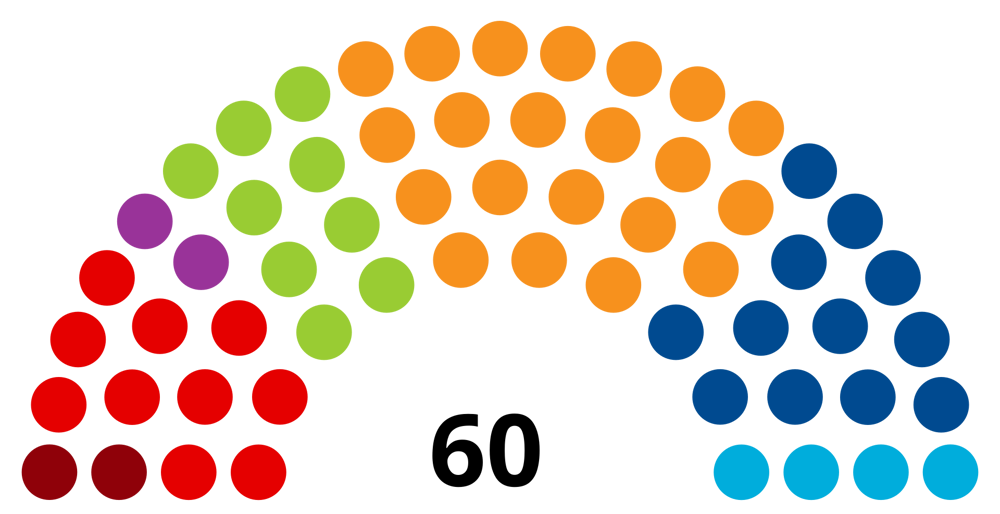
The 2018 General Elections in Luxembourg were a pivotal event, reflecting the nation's democratic maturity and evolving political landscape. This electoral process determined the composition of the Chamber of Deputies, the unicameral national legislature, with 60 seats contested.
The incumbent coalition, formed by the Democratic Party (DP), the Luxembourg Socialist Workers' Party (LSAP), and The Greens (déi gréng), sought to retain their governing status. Their tenure had introduced various policies aimed at progressive social reforms and economic stability. The leading opposition, the Christian Social People's Party (CSV), hoped to reclaim dominance, having been a longtime influential political force in Luxembourg's history.
Economically, Luxembourg's robust financial sector continued to be a central campaign issue, alongside education, housing affordability, and national identity amidst growing multiculturalism. Voter turnout demonstrated strong civic engagement, aligning with Luxembourg's tradition of active political participation.
The results were as follows: the DP secured 12 seats, LSAP obtained 10 seats, and The Greens garnered 9 seats. Together, the coalition managed to achieve a combined strength of 31 seats, allowing them to continue their joint governance. On the other hand, the CSV emerged as the largest single party with 21 seats but fell short of forming a majority.
This election underscored the electorate's preference for continuity in governance, favoring parties that balanced social welfare initiatives with economic prudence. The coalition's success signified public approval of their previous term’s performance. It also highlighted Luxembourg's political stability within the broader European context.
Notably, the election maintained the country's reputation for political diversity and coalition governments. The dynamics of power-sharing and multiparty collaboration were emblematic of Luxembourg's democratic model.
This moment reaffirmed Luxembourg's commitment to participatory democracy and set the stage for subsequent policy developments in areas affecting both residents and the European Union at large. The overall peaceful and orderly conduct of the election reinforced the nation’s democratic values.
#LuxembourgElections #DemocracyInAction #EuroPolitics #MoofLife
View details2017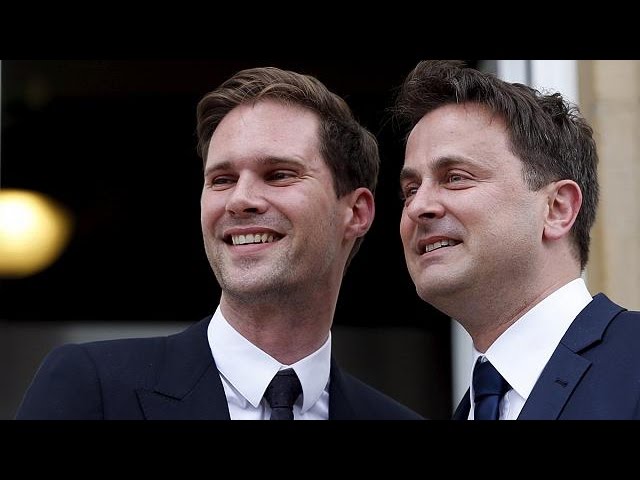
In a historic milestone, Luxembourg's Prime Minister, Xavier Bettel, married his partner, Gauthier Destenay. This event marked the first time a serving Prime Minister entered into a same-sex marriage, highlighting the country's progressive stance on LGBTQ+ rights. Bettel, who had been in office since 2013, became a symbol of change as Luxembourg joined the growing list of nations embracing marriage equality.
Luxembourg implemented same-sex marriage legislation months before Bettel's wedding, positioning the Prime Minister’s personal milestone as a testament to the law's immediate societal impact. The legal shift allowed same-sex couples the same marital rights as heterosexual couples, a significant move for a country that values human rights and equality.
The wedding was a private affair, attended by close friends and relatives, reflecting Bettel's personal approach to his life and relationship, despite his public role. Bettel’s marriage received a warm reception from the public and international community, garnering media attention globally. This modern portrayal of a leader's personal life was instrumental in fostering greater acceptance and understanding of same-sex relationships.
The law was a result of sustained advocacy by various local LGBTQ+ groups and politicians, coming after years of campaigning. Surveys around that time showed growing public support for same-sex partnerships, with a majority of Luxembourgers in favor of marriage equality. This societal support was crucial in pushing the legislation through the political process.
Internationally, Bettel's marriage was a beacon of progress for LGBTQ+ rights. It was also a reminder of ongoing struggles for acceptance and equality in other regions. The moment played a role in encouraging other nations to revisit their own policies on same-sex marriage and LGBTQ+ rights.
#MoofLife #Luxembourg #MarriageEquality #LGBTQRights #XavierBettel
View details2015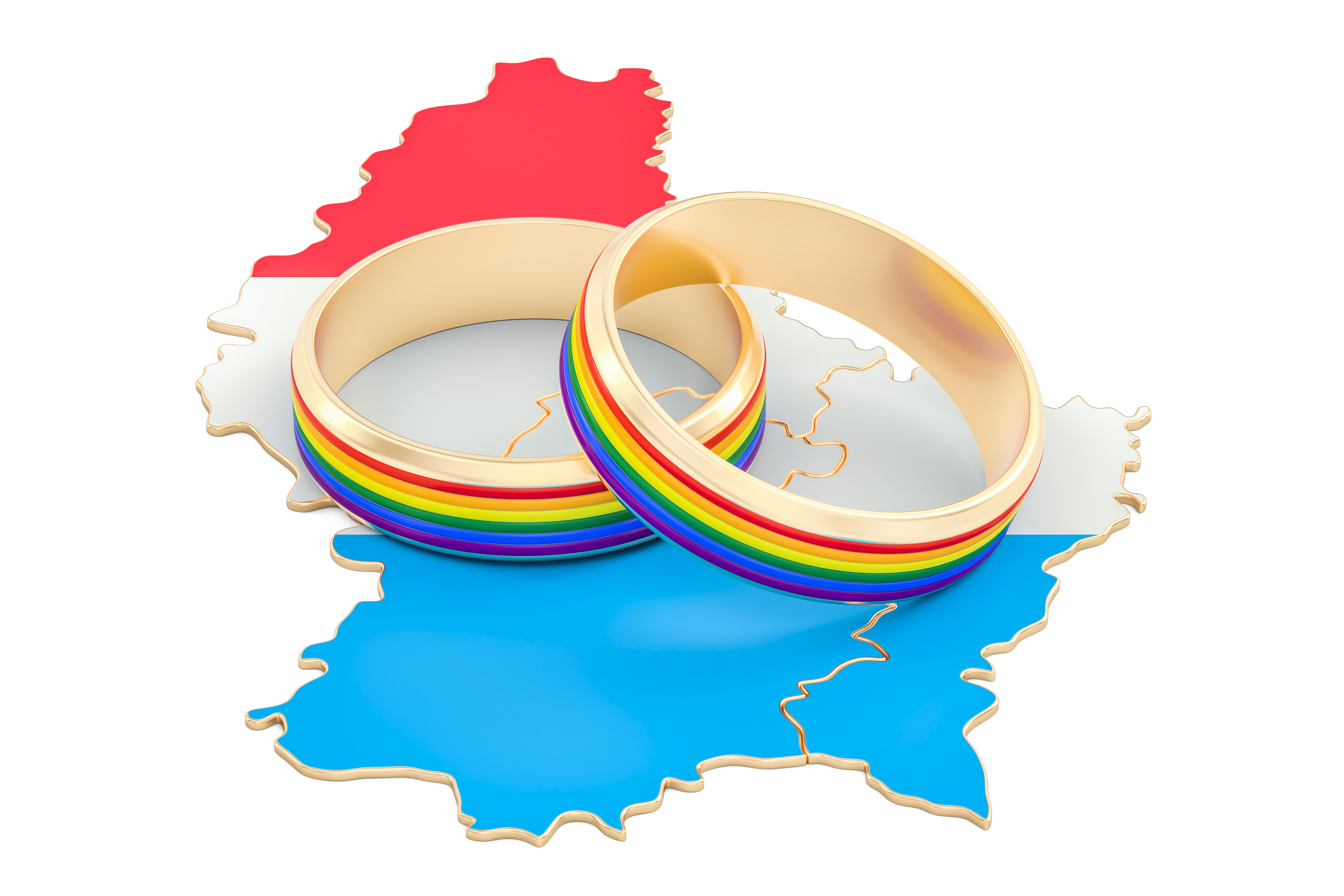
Luxembourg's legalization of same-sex marriage marked a pivotal point in the country’s journey toward equality. Before this decision, same-sex unions were recognized but did not afford couples the same rights as heterosexual marriages. This legislative change ensured full marital rights and responsibilities for same-sex couples, aligning the nation with a growing number of European countries during that period.
Luxembourg, a small yet influential country in Europe, has been known for its progressive stance on various social issues. The road to this legislation involved robust public discourse, significant parliamentary debates, and advocacy from LGBTQ+ organizations. The legislative process experienced support from multiple political parties, reflecting a broad consensus on the importance of equality and nondiscrimination.
The law's immediate impact was considerable, granting same-sex couples the right to legally marry and access benefits such as joint tax filing, inheritance rights, and parental rights. Statistical data supports that a significant number of same-sex couples have since utilized this right, integrating these marriages into societal norms without substantial opposition or societal disruption following the decision.
This legislative milestone had broader implications, highlighting Luxembourg's commitment to human rights and bolstering its reputation as an inclusive and progressive state. The ripple effect extended beyond national borders, inspiring similar movements in other countries and contributing to a global shift towards recognizing LGBTQ+ rights.
Legalizing same-sex marriage in Luxembourg demonstrated the growing acceptance and normalization of diverse family structures. The policy shift underscored the country's dedication to equality and nondiscrimination, setting a foundation for more comprehensive LGBTQ+ protections and fostering a society valuing all citizens' rights equally.
#LGBTRights #MarriageEquality #Luxembourg #HumanRights #MoofLife
View details2014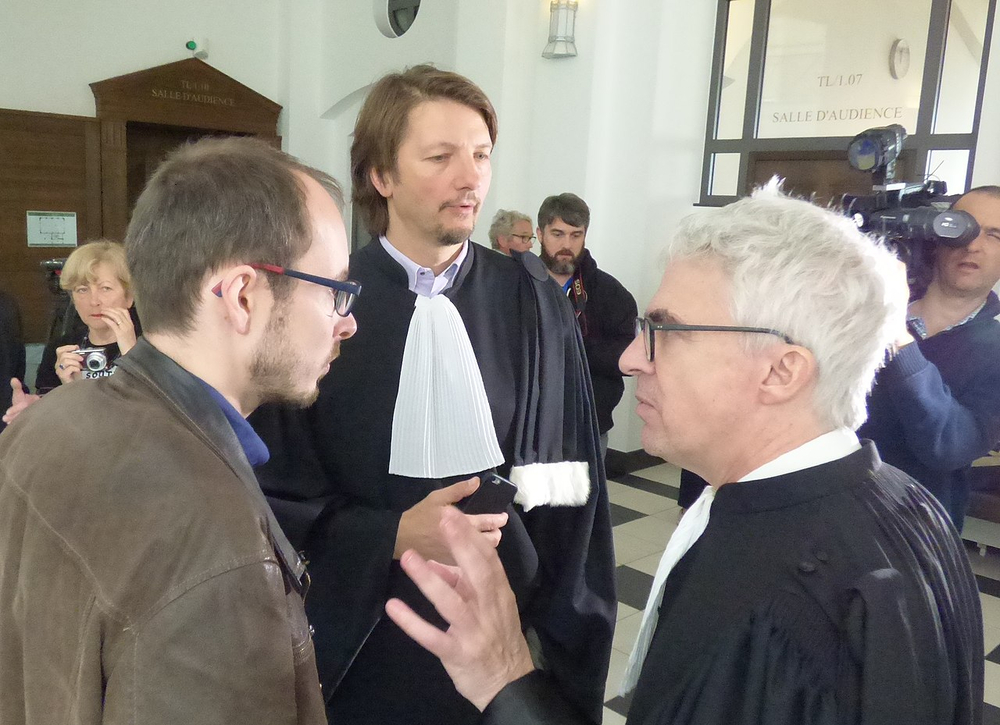
The LuxLeaks scandal, a major financial controversy that erupted in 2014, exposed the extensive use of offshore tax avoidance schemes by multinational corporations. The scandal centered around confidential documents leaked from PricewaterhouseCoopers (PwC) in Luxembourg, revealing that hundreds of global companies, including prominent names like Pepsi, IKEA, and Amazon, had negotiated secret deals with Luxembourg's tax authorities. These agreements, known as tax rulings, allowed these corporations to significantly reduce their tax liabilities by shifting profits to Luxembourg, where they benefited from extraordinarily low tax rates. The leaked documents demonstrated how these companies could avoid paying billions in taxes to other countries where they actually conducted their business operations, sparking widespread outrage and calls for greater tax transparency and reform.
The LuxLeaks scandal highlighted the complex and opaque nature of international tax systems, drawing attention to the ethical implications of tax avoidance strategies employed by wealthy corporations. While these practices were technically legal, they were widely condemned as immoral, as they deprived governments of vital tax revenues needed for public services. The scandal led to increased scrutiny of tax havens and prompted a global conversation about the need for coordinated efforts to tackle tax avoidance. It also underscored the importance of whistleblowers in exposing unethical practices and sparked significant changes in EU tax legislation aimed at closing loopholes and increasing corporate tax accountability.
#MomentsOfLife #MoofLife_Moment #MoofLife #TaxAvoidance #LuxLeaks #CorporateEthics #TaxReform
View details2013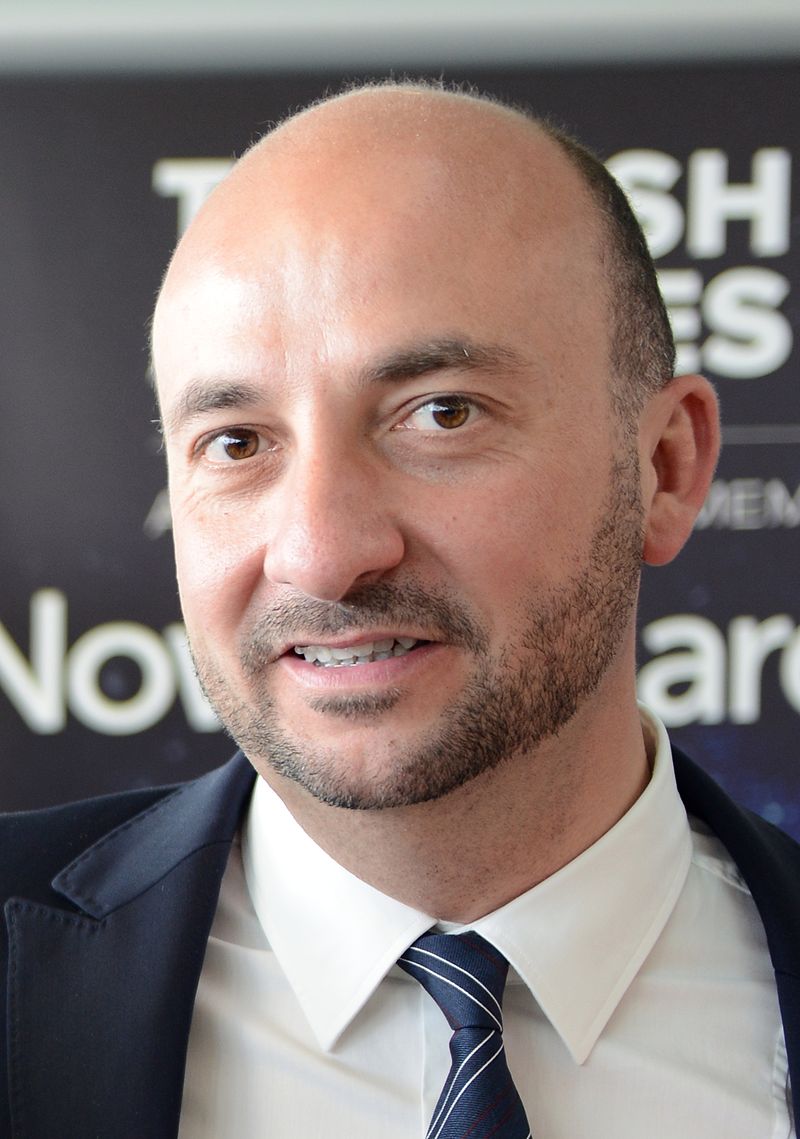
The establishment of the Bettel-Schneider Government marked a pivotal development in Luxembourg’s political history. The preceding elections saw significant shifts in voter sentiment, leading to changes within the Chamber of Deputies. This transformation subsequently forged a coalition between the Democratic Party, the Luxembourg Socialist Workers' Party, and the Greens. This partnership culminated in Xavier Bettel becoming the Prime Minister.
Bettel, leader of the Democratic Party, brought with him a background as a Member of Parliament and Mayor of Luxembourg City. Joining him was Etienne Schneider from the Luxembourg Socialist Workers' Party, who assumed the position of Deputy Prime Minister. This new coalition government indicated a transition from the long-dominant Christian Social People's Party, which had led for decades.
This governmental shift had notable implications for Luxembourg's policies, focusing on modernization and progressive reforms. The coalition underscored economic diversification, digital innovation, and environmental sustainability. Key initiatives included enhancing the digital economy, enacting social policies aimed at improving living conditions, and implementing green energy solutions.
Statistically, the coalition steered Luxembourg towards achieving higher rankings in various international indices, reflecting improvements in quality of life, digital readiness, and ecological footprints. The collaborative dynamic between Bettel and Schneider led to significant legislative actions that sought to strengthen Luxembourg's socio-economic structure.
#MoofLife #LuxembourgPolitics #CoalitionGovernment #BettelSchneider #DigitalEconomy #Sustainability
View details2002
The dual circulation period in Luxembourg, when both the Luxembourgish franc (LUF) and the euro were legal tender, ended on 28 February 2002, completing the country's seamless transition to the euro. This two-month overlap, which began on 1 January 2002, was carefully designed to allow citizens and businesses to adapt to the new currency while phasing out the old.
The Purpose of Dual Circulation
The dual circulation period was essential for easing the shift from the LUF to the euro. During this time, people could use both currencies in transactions, while receiving their change exclusively in euros. This ensured a steady withdrawal of the LUF from circulation and familiarized the public with euro banknotes and coins.
Businesses and financial institutions were crucial to this phase. Retailers recalibrated cash registers, and banks processed large volumes of francs as they were exchanged for euros. Public campaigns reassured citizens about the process, emphasizing the simplicity of currency conversion and the advantages of the euro.
The Final Transition
By 28 February 2002, most Luxembourgers had fully adopted the euro in their daily lives. After this date, the LUF lost its status as legal tender, and transactions could only be conducted in euros. However, the Central Bank of Luxembourg continued to exchange francs for euros indefinitely, ensuring no citizen lost their money during the transition.
#EuroTransition #LuxembourgCurrency #EuropeanIntegration #MomentsOfLife #MoofLife_Moment #MoofLife
View detailsThe introduction of euro banknotes and coins in Luxembourg on 1 January 2002 marked a significant milestone in European integration. This event was part of a broader, coordinated launch across the Eurozone, which saw the physical euro currency replace national currencies in 12 member states. For Luxembourg, this transition represented not only an economic adjustment but also a reaffirmation of its commitment to European unity.
Background and Transitional Period
The euro officially became Luxembourg’s currency on 1 January 1999, but during the three-year transitional period, it existed only as "book money." This meant it was used primarily in electronic transactions and accounting, while the Luxembourgish franc (LUF) remained in circulation for cash payments. During this time, businesses, financial institutions, and government agencies prepared extensively for the dual transition to physical euros.
This preparatory phase was crucial for a smooth shift. Banks and businesses trained employees, updated systems, and conducted public information campaigns to ensure citizens were ready for the change.
The Big Day: 1 January 2002
The midnight of 31 December 2001 marked the moment when euro banknotes and coins entered circulation in Luxembourg, alongside other Eurozone nations. Luxair flight crews and volunteers distributed euro starter kits to travelers and citizens to familiarize them with the new currency. The kits included a mix of euro coins, showcasing the distinct national designs on one side and the standard euro design on the other.
Luxembourg's euro coins were unique. Though the country didn’t mint its coins locally, its national side featured the profile of Grand Duke Henri, reflecting Luxembourg’s monarchy and heritage. The coins were minted in Belgium under strict EU specifications.
Significance and Reception
Luxembourgers quickly embraced the euro, facilitated by extensive public education and the practicality of a single currency for a small, trade-dependent nation. As a founding member of the European Economic Community (EEC) in 1957, Luxembourg was deeply invested in the idea of a unified Europe. The euro’s adoption underscored the country's role as a central player in European financial and political affairs.
The introduction of the euro was also symbolic of a broader European identity, bridging Luxembourg's economy with a common currency that simplified trade and travel within the bloc. This was particularly significant for Luxembourg, whose economy relies heavily on cross-border workers and international banking.
#EuroLaunch2002 #LuxembourgHistory #EuropeanUnion #CurrencyChange #MomentsOfLife #MoofLife_Moment #MoofLife
View details2000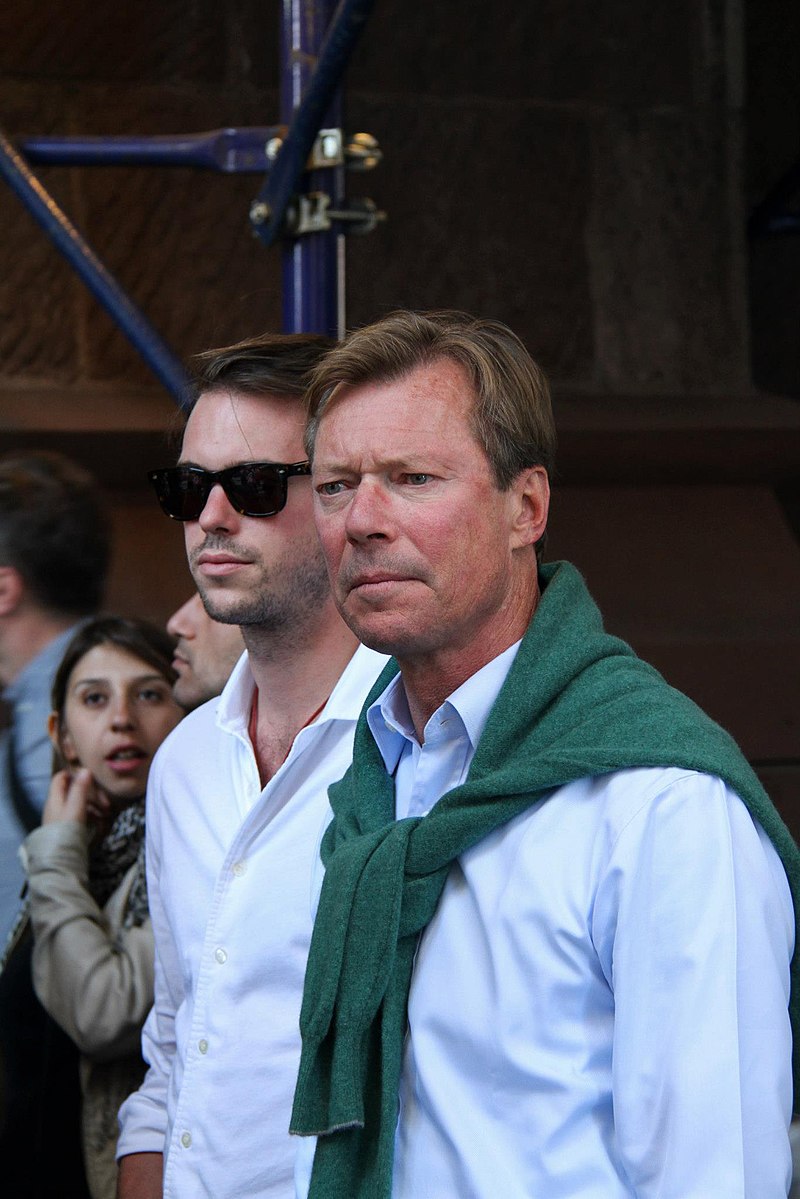
Grand Duke Jean of Luxembourg made the decision to abdicate in favor of his son, Prince Henri. Jean had been the reigning monarch since 1964, following the resignation of his mother, Grand Duchess Charlotte. His tenure marked an era of stability and modernization for the Grand Duchy. Throughout his reign, Jean was a symbol of continuity and unity for a nation that saw considerable economic and social changes.
Jean's abdication came after 36 years on the throne, making it one of the longest reigns in the country's history. His son, Henri, who had been the Hereditary Grand Duke, assumed the role with considerable preparation and experience. Henri had been educated at the Royal Military Academy Sandhurst and had studied political science, ensuring he was well-prepared to lead his nation.
The transition of power was conducted with careful planning to ensure a smooth succession. In Luxembourg, where the Grand Duchy is a symbol of national unity and identity, the abdication reinforced the constitutional monarchy's stability. This event received significant attention from both domestic and international observers, who noted the seamless manner in which the transfer of duties and responsibilities was enacted.
Following the abdication, Jean retained the title of Grand Duke and continued to participate in public life, albeit in a more limited capacity. His tenure had been marked by a strong sense of duty and loyalty to country, which was equally expected of his son, Henri.
For Luxembourg, this transfer of power was not just a change in leadership; it solidified the country's commitment to its monarchical traditions while embracing a modern and forward-looking perspective under a new leader. Henri’s ascension was viewed as the beginning of a new chapter that promised continuity and progress.
#Monarchy #Luxembourg #Leadership #Dynasty #MoofLife
View details1999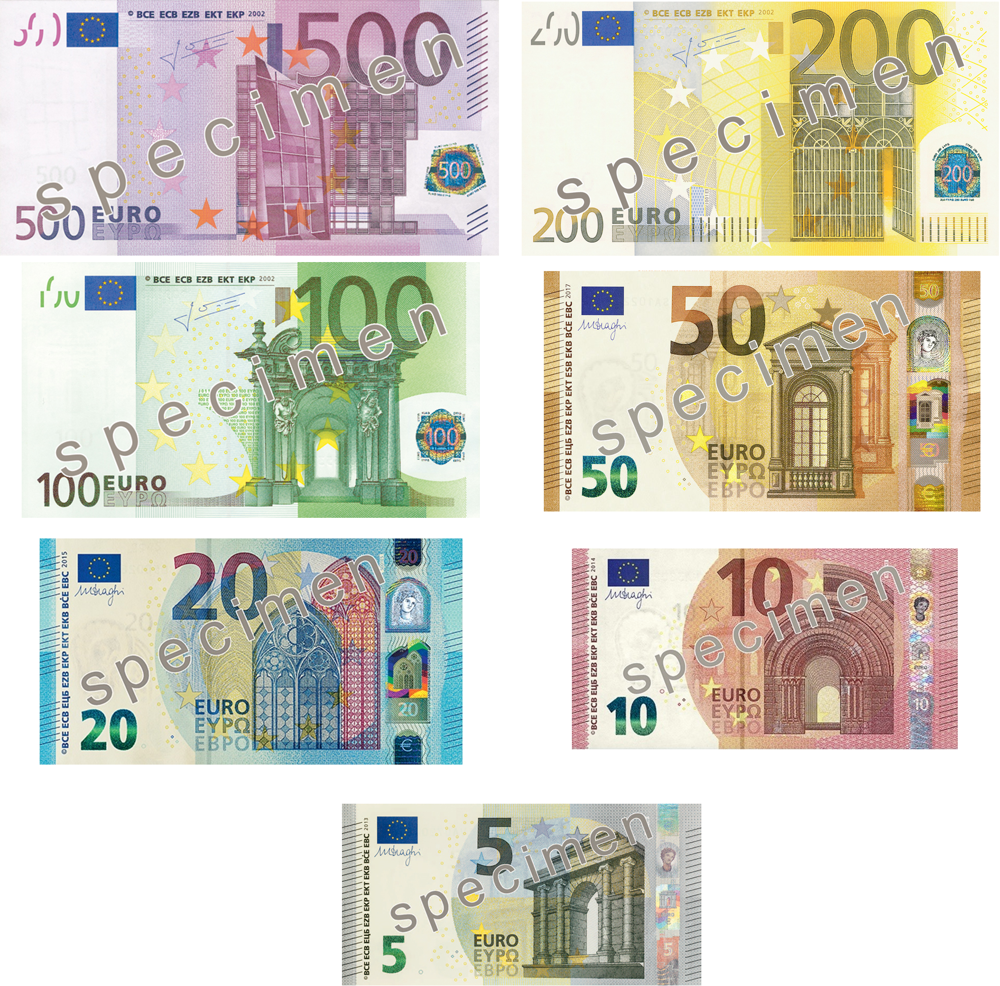
Luxembourg transitioned to the Euro as its official currency after intensive preparations and integration efforts by the European Union. This event marked the culmination of several years of meticulous planning. As a founding member of the EU and the third-smallest country in Europe, Luxembourg’s adoption of the Euro symbolizes its commitment to deeper economic integration with its European neighbors.
Luxembourg's economy, heavily reliant on banking, finance, and steel industries, faced considerable changes. Prior to the adoption, the Luxembourgish franc had been used alongside the Belgian franc within the Belgian-Luxembourg Economic Union, simplifying trade and economic relations between the two countries. The introduction of the Euro aimed to eliminate conversion costs and stabilize exchange rates, enhancing the predictability and efficiency of financial transactions.
The transition involved significant logistical efforts. The government, in collaboration with financial institutions and businesses, embarked on a public awareness campaign to educate citizens on the new currency. Banks and ATMs were restocked with Euro banknotes and coins, and retailers recalibrated their pricing systems to accommodate the new currency. In the initial weeks, both the Luxembourgish franc and the Euro were accepted to ease the transition for the populace.
Financial markets responded positively, bolstered by the promise of greater economic cohesion in the Eurozone. Luxembourg's financial sector, a crucial backbone of the national economy, anticipated benefits from the expanded market and uniform currency system. The adoption also brought an end to exchange rate uncertainties, bolstering investor confidence and fostering a climate conducive to economic growth.
The adoption of the Euro created a shared pricing system, facilitating easier trade across borders within the Eurozone. Consumers enjoyed the convenience of price transparency and the ability to compare costs directly with neighboring countries. Businesses benefited from reduced transaction costs and streamlined accounting processes.
The implications extended beyond economics; the Euro adoption also reinforced Luxembourg’s political alignment with European integration policies. It demonstrated Luxembourg’s endorsement of collective European initiatives aimed at bolstering unity and cooperation among member states.
#EuroAdoption #EuropeanIntegration #FinancialTransition #BankingReform #EconomicAlignment #LuxembourgFinance #MoofLife
View details1992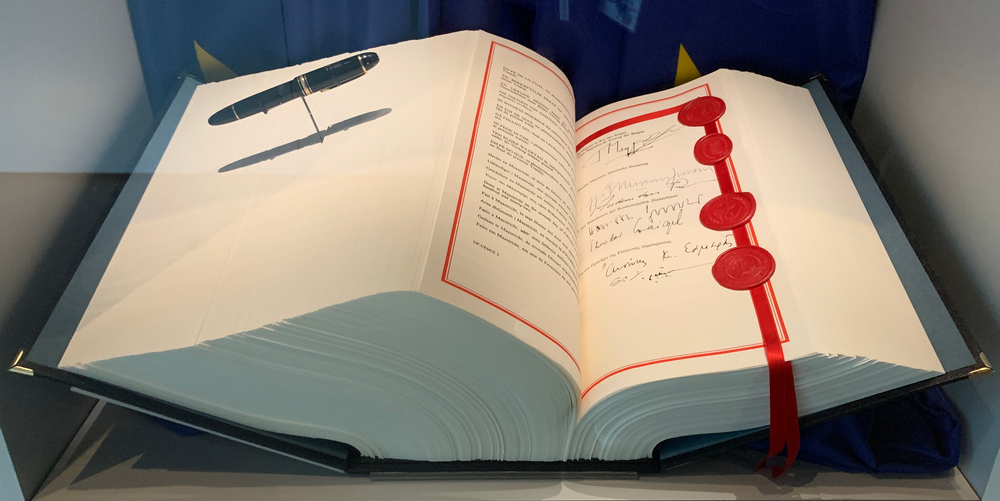
The Maastricht Treaty marked the formation of the European Union, an economic and political union involving numerous European countries. This treaty represented a significant evolution from the European Communities, originally focusing on economic cooperation, to a more comprehensive union fostering political, social, and economic integration. Luxembourg, as one of the founding members, played a crucial role in shaping the dynamics of this new arrangement.
The Maastricht Treaty introduced three pillars: the European Community pillar (encompassing economic, social, and environmental policies), the Common Foreign and Security Policy pillar, and the Police and Judicial Co-operation in Criminal Matters pillar. These pillars aimed to promote synergies and coherence among member states.
The treaty established guidelines for the future establishment of a single currency, which eventually resulted in the adoption of the euro. It also introduced the concept of European citizenship, allowing citizens to move and reside freely within the Union. Furthermore, it broadened the competencies of the Union, enhancing cooperation in areas such as education, public health, consumer protection, and infrastructure.
In financial terms, the agreement set the stage for economic convergence, requiring member states to meet specific criteria about inflation rates, public finances, interest rates, and exchange rate stability. These criteria were fundamental in paving the way for a common monetary policy led by the European Central Bank.
Luxembourg, with its strategic location and robust financial sector, benefited from the deeper integration and unified market. The treaty fortified Luxembourg's influence in European policymaking and allowed it to leverage its financial expertise within the broader Union framework.
The Maastricht Treaty also strengthened democratic engagement in European governance. The European Parliament's legislative and supervisory roles were expanded, and the decision-making process in the Council of the European Union was reformed to include more qualified majority voting, thereby enhancing the efficiency and effectiveness of Union actions.
Overall, the Maastricht Treaty laid the foundational framework for an integrated and multifaceted European Union, with Luxembourg continuing its active and pivotal participation.
#EuropeanUnion #EuropeanIntegration #Luxembourg #MaastrichtTreaty #Eurozone #EuropeanCitizenship #EconomicUnion #MoofLife
View details1964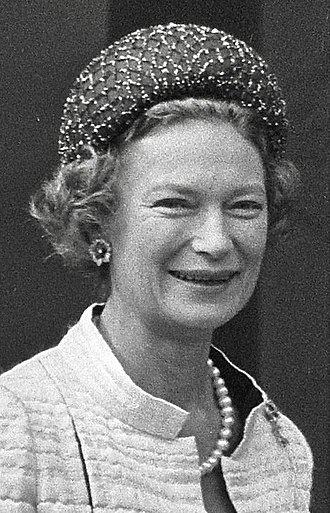
Grand Duchess Charlotte, a pivotal figure for Luxembourg, passed away, marking the end of an era and transitioning leadership to Grand Duke Jean. Charlotte's reign began during tumultuous times and was marked by her defiant stance against Nazi occupation during World War II. She became a symbol of national resistance and unity, contributing significantly to Luxembourg's post-war reconstruction and prosperity.
Upon her death, the title of Grand Duke was inherited by her son, Jean, who had been groomed for leadership from an early age. His succession was smooth, reflecting a well-prepared transition that ensured stability for the nation. Grand Duke Jean had already accumulated substantial experience, having served as Lieutenant Representative during his mother's lifetime. This period enabled him to gain the confidence and respect needed to uphold the duties of the monarchy effectively.
The passing of Charlotte and the succession of Jean carried significant implications for Luxembourg's continuity of governance and national identity. Grand Duke Jean's leadership was anticipated to maintain the gradual modernization seen during his mother's tenure, while also addressing new challenges in an increasingly globalized world.
Statistically, Charlotte's time on the throne saw significant economic development in Luxembourg, with GDP per capita rising notably. The country's strategic diversification into industries like finance and telecommunications began under her guidance and were expected to continue flourishing under Jean. Social policies also evolved, with improvements in health care, education, and broader social justice.
The transition underscored the importance of the monarchy in Luxembourg's national framework, reflecting the people's trust in the stability and continuity it provided. The lineage of leadership, undisturbed by her passing, ensured that Luxembourg would navigate its future with assurance and foresight.
#MoofLife #Luxembourg #GrandDuchessCharlotte #GrandDukeJean #Monarchy #NationalIdentity #WorldHistory #LeadershipTransition
View details1957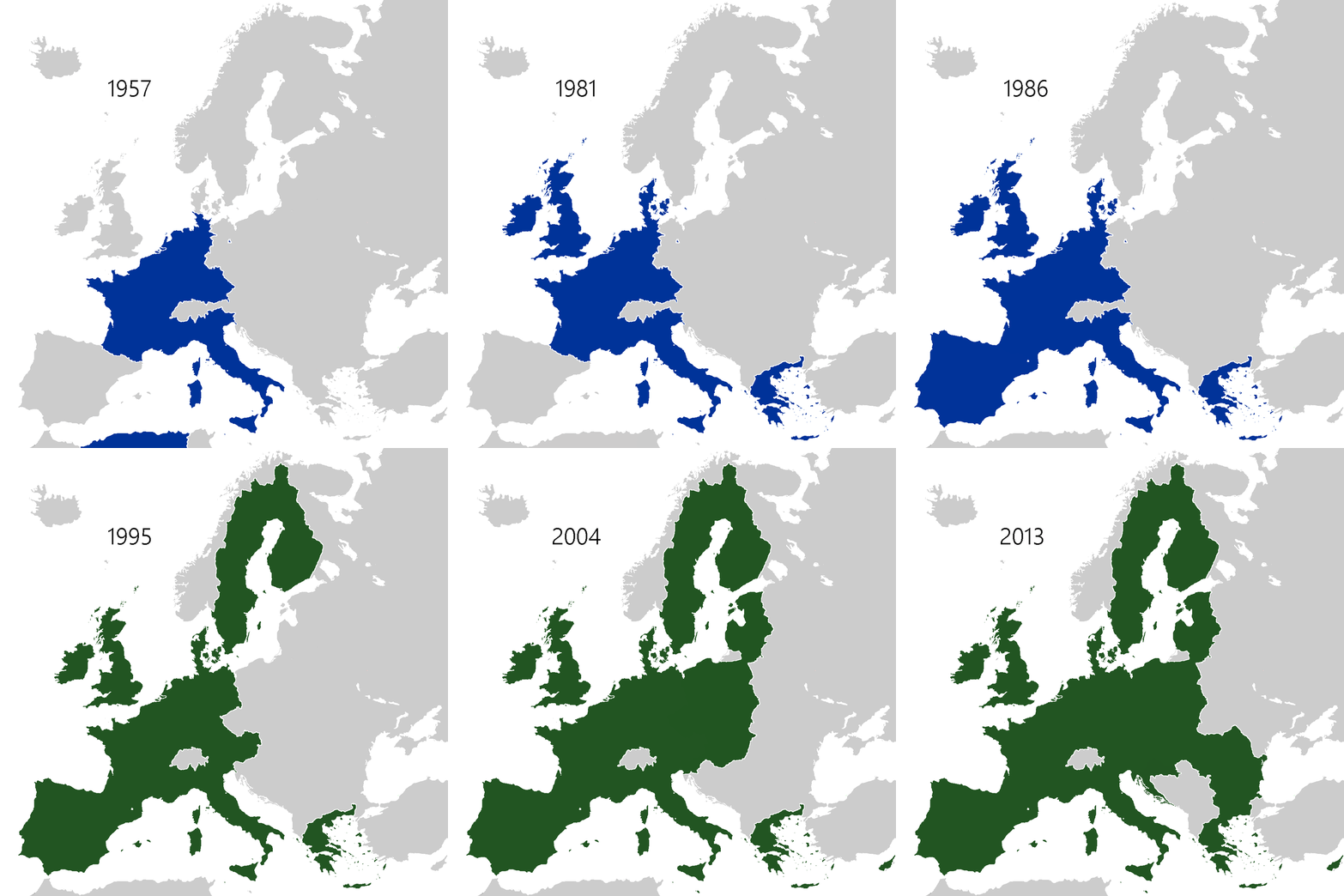
Luxembourg, a small yet influential European country, played a pivotal role in shaping modern Europe by becoming a founding member of the European Economic Community (EEC). The EEC's creation sought to foster economic integration and free trade among its member states, which included Belgium, France, Germany, Italy, Luxembourg, and the Netherlands. This initiative aimed to prevent future conflicts by integrating economies, promoting cooperation, and establishing a common market.
Luxembourg's decision and subsequent membership reflected its commitment to international cooperation and economic stability. It capitalized on its strategic location at the heart of Europe and its strong financial sector. By joining the EEC, Luxembourg aimed to enhance trade opportunities, ensure market access, and strengthen economic ties with its neighboring countries.
The founding of the EEC signified a critical step towards deeper economic and political integration in Europe, impacting the member states' economies significantly. Luxembourg benefitted from the removal of trade barriers, the establishment of a customs union, and improvements in political cohesion and regional stability. The country also contributed to the definition and implementation of common policies in areas such as agriculture, transport, and competition.
Statistics from the period following the establishment of the EEC showed notable economic growth and increased intra-community trade among the member states. Luxembourg, with its robust banking and financial sector, saw an uptick in investment and cooperation with other EEC countries. The EEC's success laid the groundwork for future expansion and the eventual creation of the European Union.
In conclusion, Luxembourg's role as a founding member of the EEC marked a significant step towards European integration and economic cooperation, contributing to regional stability and growth. This move showcased the importance of collaboration among European nations, setting a precedent for future economic and political unions.
#LuxembourgHistory #EuropeanIntegration #EEC #EconomicCooperation #MoofLife
View detailsIn the mid-20th century, Europe was determined to prevent the devastations that marked its recent history. Against this backdrop, leaders from six nations convened in Rome to sign a landmark treaty that would lay the foundation for lasting peace and economic cooperation. The Treaty of Rome established the European Economic Community (EEC), including the Benelux countries—Belgium, the Netherlands, and Luxembourg—along with France, Italy, and West Germany.
One significant aspect of this treaty was the creation of a common market, aimed at fostering economic integration through the elimination of trade barriers. Luxembourg, a small but strategically important country, played a crucial role in this transformative event. Owing to its central location in Europe and established financial sector, Luxembourg became a key participant in this new alliance, which promised enhanced economic growth and stability.
The treaty outlined provisions for the free movement of goods, services, people, and capital among member states. This initiative aimed to boost economic efficiency and integration, pooling resources and markets to create a robust collective economy. All six member nations committed to harmonizing their economic policies, creating a customs union, and establishing common regulations to protect industry standards.
Early impacts of the Treaty of Rome were visible in the gradual lifting of trade barriers and the stimulation of cross-border investments. Luxembourg, benefiting from its new status within the EEC, saw increased trade and investment activities, contributing to its economic prosperity. Moreover, the treaty established institutions such as the European Commission, the Council of Ministers, and the European Parliament, which played pivotal roles in guiding policy and ensuring compliance with EEC objectives.
Statistics from the initial period following the treaty's implementation showed a marked increase in intra-EEC trade, underscoring the success of the common market principles. Luxembourg's industrial and financial sectors, in particular, experienced significant growth, reinforcing its position as a key player within the European economic landscape.
Through the Treaty of Rome, Luxembourg and its fellow signatories embarked on a path of unprecedented economic cooperation and unity. The agreements laid down set the stage for future expansions and integrations, ultimately leading to the complex and comprehensive European Union (EU) of today.
#TreatyOfRome #EEC #EuropeanIntegration #Luxembourg #CommonMarket #EconomicCooperation #MoofLife
View details
1951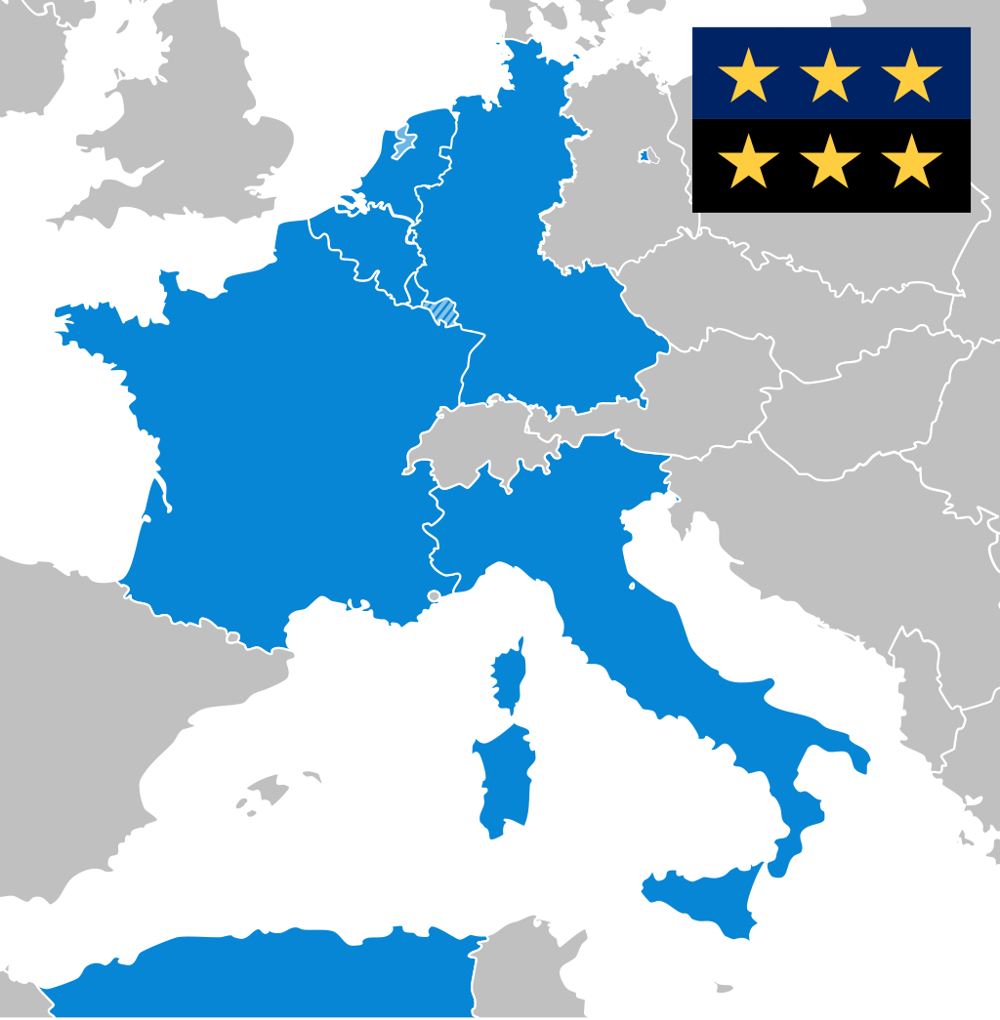
In the post-World War II era, Western Europe was focused on reconstruction and preventing future conflicts. This led to the establishment of the European Coal and Steel Community (ECSC). The ECSC was formed with the signing of the Treaty of Paris by six European nations, including Belgium, France, Italy, the Netherlands, West Germany, and Luxembourg. The agreement aimed at integrating the coal and steel industries of member states, ensuring that no single nation could mobilize these industries for war purposes independently.
The formation of the ECSC marked the first step towards European integration, promoting peace and economic cooperation among its members. By pooling coal and steel resources, the ECSC sought to create a common market which would stimulate economic growth and boost employment. It provided a framework for free trade in coal and steel, removing tariffs and trade barriers, thus fostering unprecedented economic collaboration.
Luxembourg played a notable role in the ECSC not only as a founding member but also as the host of its Secretariat. The choice of Luxembourg underlined the importance of smaller nations in the European integration process and underscored the cooperative spirit of the initiative. Luxembourg, already industrially advanced, benefited significantly from the common market, improving its own economic standing while contributing to regional stability.
The ECSC's establishment also led to creating institutions such as the High Authority, a precursor to the European Commission, which coordinated policies among the member states. This institutional framework laid the foundation for future European bodies governing economic and political cooperation.
In terms of impact, the ECSC succeeded in stabilizing the coal and steel sectors, leading to significant increases in production and cross-border investment. By mid-decade, the ECSC countries saw notable growth in coal production, reducing reliance on imports from non-member states, and aiding in their collective post-war recovery. The ECSC is widely recognized as a precursor to the European Union, planting the seeds of today's economic and political union across Europe.
#EuropeanIntegration #EconomicCooperation #PostWarReconstruction #LuxembourgRole #ECSC #MoofLife
View details1950
In the initial stages of rebuilding Europe after World War II, a significant strategic proposal emerged, known as the Schuman Declaration. Spearheaded by French Foreign Minister Robert Schuman, the proposal sought to prevent another devastating conflict by fundamentally transforming relations between European nations.
The Schuman Declaration outlined the creation of a supranational organization designed to pool the coal and steel production of its member states. The aim was to ensure that these key industries, vital for military infrastructure, would be collectively managed and thus remove the practical means of waging war against each other. Luxembourg, together with France, West Germany, Italy, Belgium, and the Netherlands, became a founding member of this pioneering entity which came to be known as the European Coal and Steel Community (ECSC).
The ECSC marked the first step towards economic integration in Europe. By placing the coal and steel industries under a common High Authority, it addressed both economic recovery and military security. The plan was met with considerable support, as it promised to foster economic collaboration, create jobs, and establish a peace-keeping framework. This agreement involved substantial production capacities; it encompassed approximately 10% of coal and 20% of steel production in Western Europe at the time.
The establishment of the ECSC laid the groundwork for further initiatives that ultimately culminated in the creation of the European Union. It played a crucial role in diminishing nationalist fervor and encouraging cooperation among European states by showing that shared governance over resources could augment peace and prosperity. The ECSC served as a compelling model for future economic and political ventures in Europe, emphasizing the benefits of integration and collective management.
Through this Declaration, Europe witnessed the birth of a new era of collaborative politics, significantly impacting the continent's socio-economic landscape. The essence of the Schuman Declaration resonates profoundly in Europe's ongoing journey towards unity and cooperation.
#MoofLife #Europe #Collaboration #EconomicIntegration #PeaceBuilding
View details1948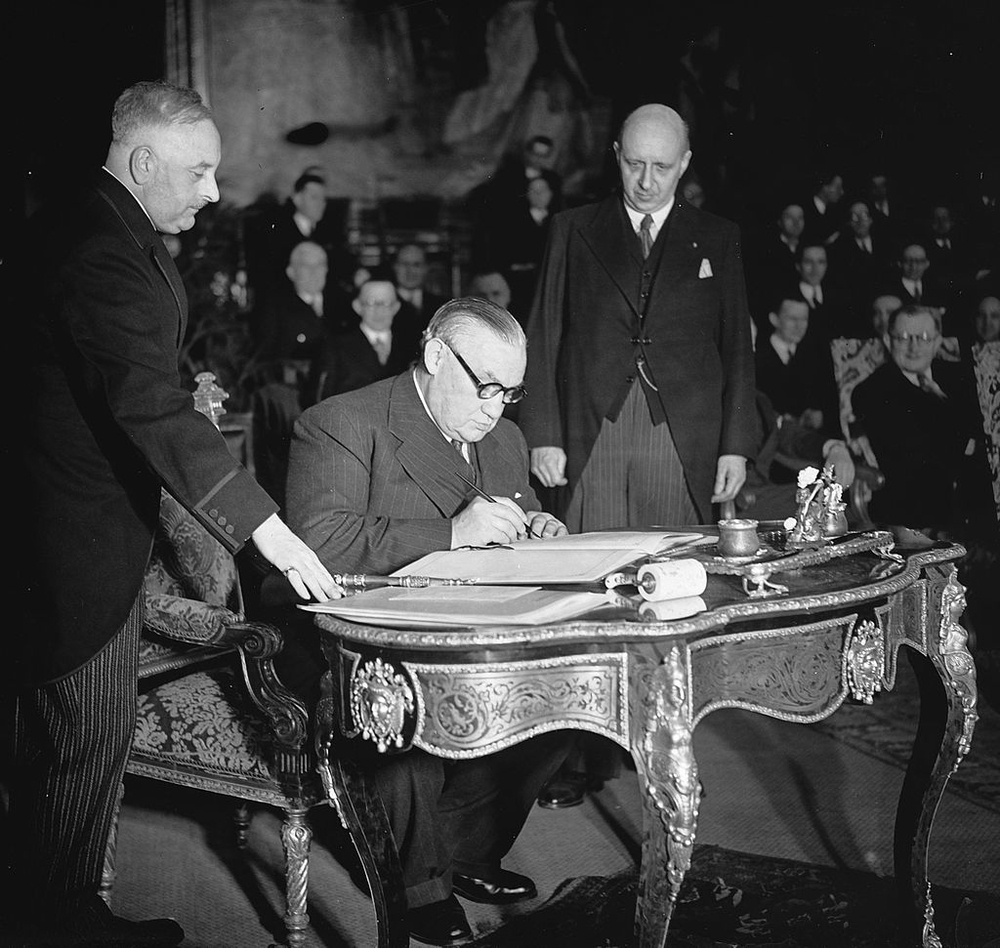
The Treaty of Brussels was officially established with the signing by Belgium, France, Luxembourg, the Netherlands, and the United Kingdom. The primary objective was to create a collective defense effort in Western Europe as a response to the rising threat of the Soviet Union's influence post-World War II. The treaty aimed to ensure mutual defense and promote economic, social, and cultural collaboration among the member states.
Luxembourg's inclusion in the treaty marked a significant step in its foreign policy and security strategy. Historically a small, neutral country, Luxembourg faced the strategic challenge of safeguarding its sovereignty amidst larger geopolitical forces. By joining the Treaty of Brussels, Luxembourg committed to a collective security arrangement, underscoring its transition from neutrality to a more active role in European defense.
The Western European Union (WEU) emerged as an essential component of Western Europe's defense structure. It laid the groundwork for future cooperative efforts against potential aggression and fostered European integration. The treaty provided a framework for operational cooperation and initiated policies that would later influence the formation of NATO and the European Economic Community (EEC).
Statistically, the signing of the Treaty of Brussels involved five countries covering approximately 1.5 million square kilometers and representing a population of about 165 million people at the time. This collective defense pact aimed to strengthen alliance structures, which subsequently played a pivotal role in stabilizing post-war Europe and deterring Soviet expansion.
Luxembourg's involvement was a testament to the country's strategic alliances and commitment to broader European peace and stability. This move was integral in shaping its role within the larger context of European politics and security frameworks for decades to come.
#MoofLife #TreatyOfBrussels #Luxembourg #EuropeanUnion #WesternEuropeanUnion #CollectiveDefense
View details1945
In the midst of the geopolitical aftermath of World War II, Luxembourg took a pivotal step on the international stage by becoming a founding member of the United Nations. Established with the primary goal of fostering global peace, security, and cooperation among nations, the United Nations aimed to prevent the recurrence of the conflicts that had devastated many regions, including Luxembourg.
Luxembourg's decision to join the United Nations was influenced by its strategic need to ensure international cooperation and security. The Grand Duchy's participation was significant given its small size and its experience of occupation during the war. Luxembourgers understood the importance of a collective security framework and saw it as essential to safeguard their sovereignty and national interests.
By joining the United Nations, Luxembourg committed to upholding the principles of the UN Charter. This move demonstrated the country's dedication to diplomacy, human rights, and economic development. The UN provided Luxembourg with a platform to contribute to global discussions and decision-making processes, enabling it to punch above its weight in the international arena.
Luxembourg's involvement in the United Nations also had implications for its national policies. It necessitated adherence to international norms and participation in various UN programs and initiatives. This commitment eventually facilitated Luxembourg's integration into broader European and global economic frameworks, contributing to its modernization and economic growth.
Statistically, Luxembourg, with a population of just under 300,000 at the time, was one of the smallest nations to support and sign the United Nations Charter. Despite its size, Luxembourg's membership highlighted the inclusive nature of the newly formed organization, which aimed to represent a diverse global community.
In concluding, Luxembourg's role as a founding member of the United Nations represented a strategic move towards securing peace and fostering international collaboration. This decision underpinned Luxembourg's future as an active participant in global governance and international relations.
#UNFoundingMember #LuxembourgHistory #GlobalPeace #InternationalRelations #MoofLife
View details1944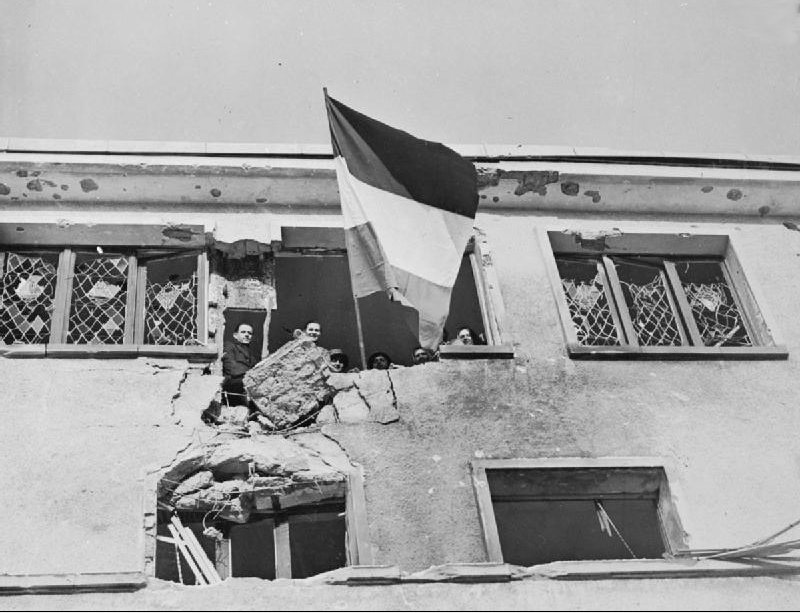
During the latter stages of World War II, the liberation of Luxembourg marked a pivotal moment for the small European nation. After four long years of occupation by Nazi Germany, Luxembourg’s liberation unfolded as a result of strategic advances by the Allied forces. This period of occupation had been characterized by oppression, forced conscription, and the suppression of freedoms.
The Allied advance into Luxembourg was part of a broader push to reclaim European territories from Axis powers. American and British troops spearheaded the operations, moving through the Ardennes region before entering Luxembourg. This advance was meticulously planned, with forces systematically dismantling German defenses. The liberation effort was marked by coordinated assaults and the cutting off of German supply lines, which ultimately weakened the occupying forces.
For the people of Luxembourg, liberation meant the end of oppressive rule and the beginning of a long and arduous path to recovery. The local population had endured significant hardships, including forced labor and the persecution of the Jewish community. Following liberation, Luxembourg's economy, infrastructure, and social fabric required substantial rebuilding efforts.
The significance of the event extended beyond Luxembourg’s borders. It represented a tactical victory for the Allies, contributing to the momentum that would eventually lead to the defeat of Nazi Germany. The liberation also highlighted the resilience and bravery of Luxembourg’s citizens, many of whom had participated in resistance activities throughout the occupation.
The military campaign involved detailed manoeuvres and strategic insights, with the Allied forces navigating difficult terrain and overcoming numerous obstacles. The successful operation was a testament to the Allied strength and coordination, meticulously documented in military reports and historical records.
The liberation had immediate and long-term impacts, fostering a deep-seated appreciation for freedom and democracy among Luxembourgers. It also laid the groundwork for Luxembourg's future as a member of the international community, contributing to the establishment of organizations aimed at preventing future conflicts.
#MoofLife #WWII #LuxembourgLiberation #AlliedForces #FreedomAndRecovery
View detailsIn the crucial period of World War II, Belgium, the Netherlands, and Luxembourg decided to take an impactful economic step by forming the Benelux Customs Union. The agreement marked a significant commitment to regional cooperation and economic integration at a time when Europe was beginning to envisage a future beyond the immediate turmoil.
The historical backdrop to this formation was the collective occupation and hardships faced by these three nations during the war. From the shared experiences of conflict and disruption, a mutual consensus emerged on the need for a closer economic bond to accelerate post-war recovery. The envisioned customs union aimed to abolish customs barriers and establish a singular economic block that would facilitate the free movement of goods, capital, and services.
The signing, which took place in London, where many governments-in-exile were based, signified the intent to create an economic partnership geared towards rebuilding their economies and enhancing collective resilience. This was among the first conscious steps towards European unity, predating other regional integrations like the European Coal and Steel Community, which eventually led to the formation of the European Union.
The agreement had profound economic implications. The combined population of the three countries formed a significant market, and the customs union facilitated efficient trade, which contributed to the rapid post-war economic recovery of the member states. The cooperative move was also indicative of the broader geopolitical shift towards regional alliances and collective strategies as mechanisms for stability and growth.
The establishment of the Benelux Customs Union laid essential groundwork. It demonstrated the viability and benefits of regional cooperation, influencing subsequent economic and political integrations within Europe. The union not only enhanced trade through the elimination of tariffs but also served as a model and impetus for broader European cooperation, eventually contributing substantially to the groundwork for what would become the European Common Market and later the European Union.
#BeneluxCustomsUnion #EconomicIntegration #PostWarEurope #RegionalCooperation #Luxembourg #MoofLife
View details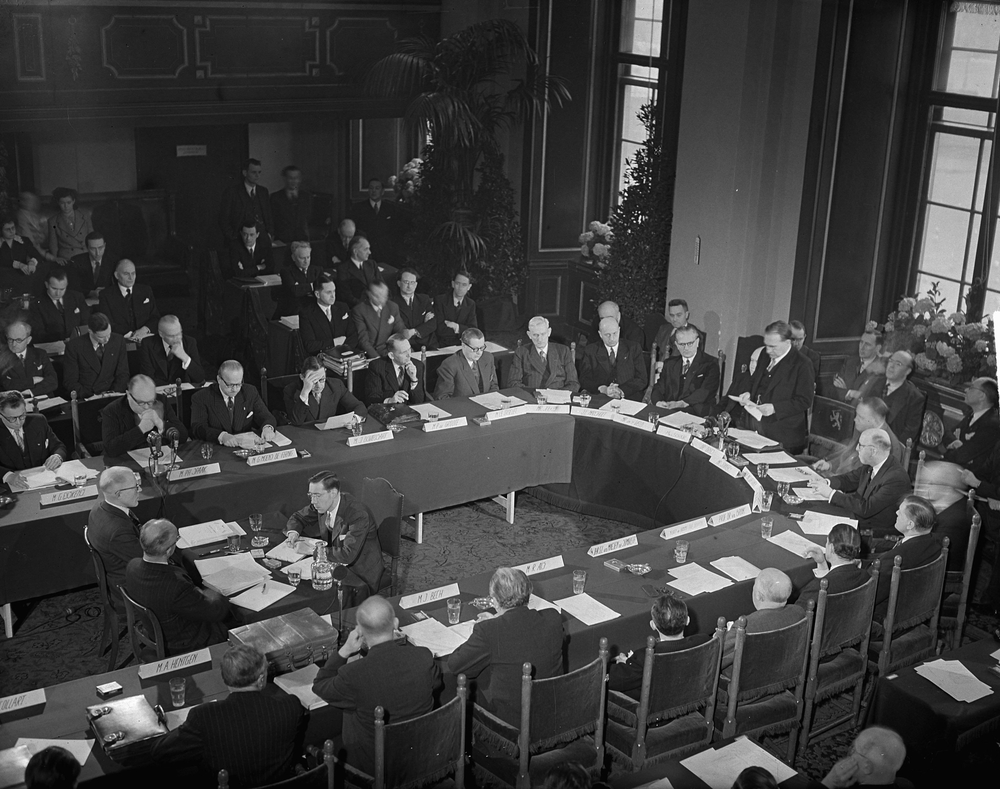
1867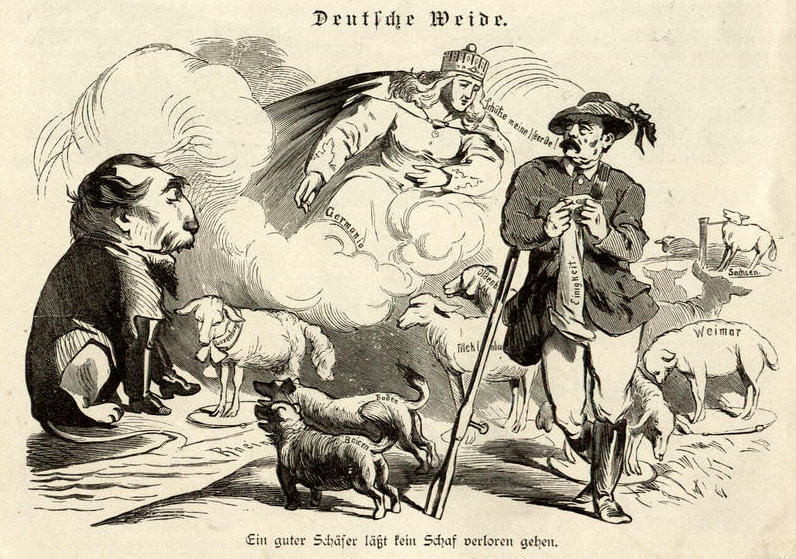
The Luxembourg Crisis emerged from the broader context of European power dynamics in the 19th century. Luxembourg, a small but strategically significant country, was at the heart of mounting tensions between France and Prussia. At the time, Luxembourg was part of the German Confederation, which had been established after the Napoleonic Wars to manage Central Europe’s complex political landscape.
The crisis began when France expressed interest in purchasing Luxembourg from the Netherlands, which held sovereignty over the region. The proposition was particularly alarming to Prussia, which viewed the acquisition as a direct threat to its own security and influence. At the time, Luxembourg housed a significant Prussian garrison, highlighting its military importance.
The situation escalated when Prussian Chancellor Otto von Bismarck refused to back down. France, under Emperor Napoleon III, was equally unyielding, seeking to extend its power in the face of a rapidly industrializing and militarizing Prussia. Diplomatic exchanges between the two nations grew increasingly heated, raising the specter of war.
To alleviate the escalating crisis, the major European powers convened a conference in London. The resulting Treaty of London served as a diplomatic resolution to the conflict. One of the treaty’s key terms was the neutralization of Luxembourg. This meant that Luxembourg would remain a sovereign entity, free from foreign military presence, and its fortifications would be dismantled. Additionally, the Netherlands would retain control over the Grand Duchy, while Prussia agreed to withdraw its garrison.
The resolution of the Luxembourg Crisis had a lasting impact on European politics. It temporarily diffused tensions between France and Prussia, delaying the outbreak of conflict. However, this did not quell the broader competition between the two powers, which would eventually culminate in the Franco-Prussian War. The neutralization of Luxembourg also contributed to the country’s eventual emergence as a fully independent state free from the influence of larger neighboring powers.
The crisis underscored the fragile balance of power in Europe and illustrated how smaller states could become focal points of broader geopolitical struggles.
#MoofLife #EuropeanHistory #Luxembourg #Geopolitics #Diplomacy #TreatyOfLondon #NeutralNation
View detailsNegotiations culminated in the signing of the Treaty of London, recognizing both the independence and perpetual neutrality of the Grand Duchy of Luxembourg. This event unfolded against the backdrop of escalating tensions between major European powers, specifically Prussia and France. The cornerstone of these tensions was the desire of both powers to exert control over Luxembourg, strategically located between them.
Prussia had maintained a military presence in Luxembourg City due to its previous association with the German Confederation. France, perceiving Prussia’s control as a growing threat, sought to annex Luxembourg to counterbalance Prussian influence. The rivalry put the Grand Duchy at the center of a potential confrontation.
Mediated by Britain and other European powers, the Treaty mandated the withdrawal of Prussian troops and the dismantling of the Luxembourgish fortress. The Grand Duchy was declared a neutral state, with its borders guaranteed by the signatories of the Treaty. This measure was intended to reduce the risk of military conflict in an already volatile European landscape.
This diplomatic resolution had lasting impacts. It provided a safeguard for Luxembourg's political stability and territorial integrity, preventing it from becoming a pawn in Franco-Prussian hostilities. It established a framework of neutrality, which Luxembourg would uphold through future European conflicts, including both World Wars. This period solidified its identity as a small yet significant player on the European stage.
With independence and neutrality enshrined by international agreement, Luxembourg embarked on a path of steady development. The dissolution of the Luxembourg Fortress allowed for urban expansion and economic growth.
#MoofLife #Luxembourg #EuropeanHistory #Diplomacy #Treaty #Neutrality
View details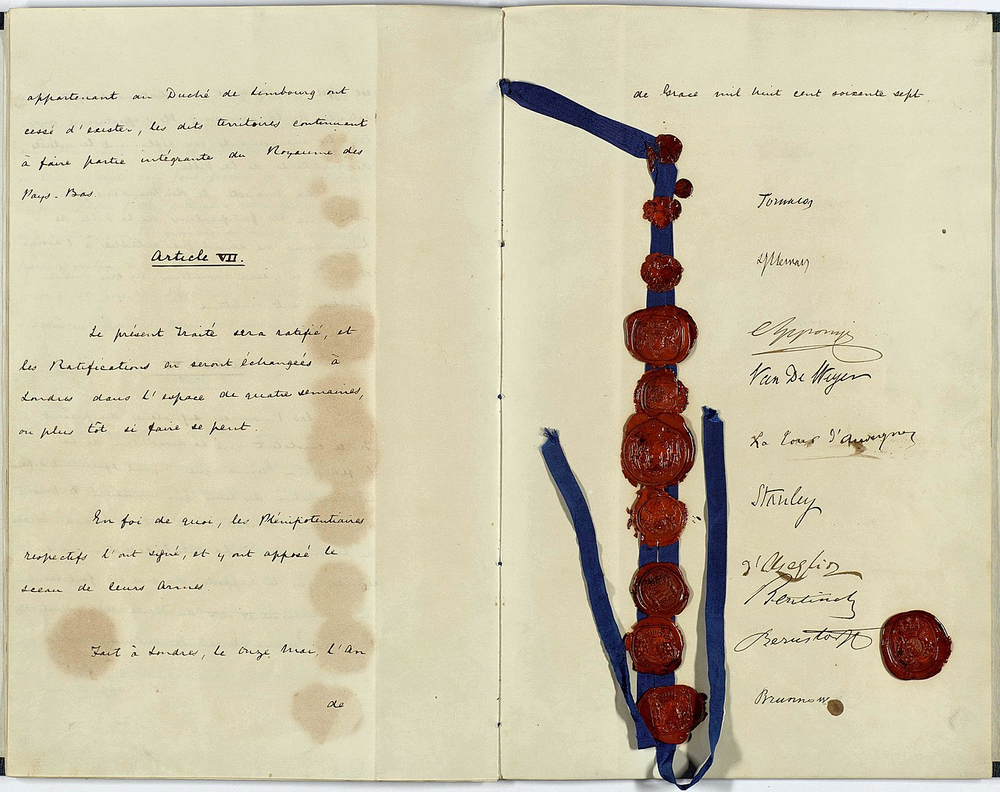
1829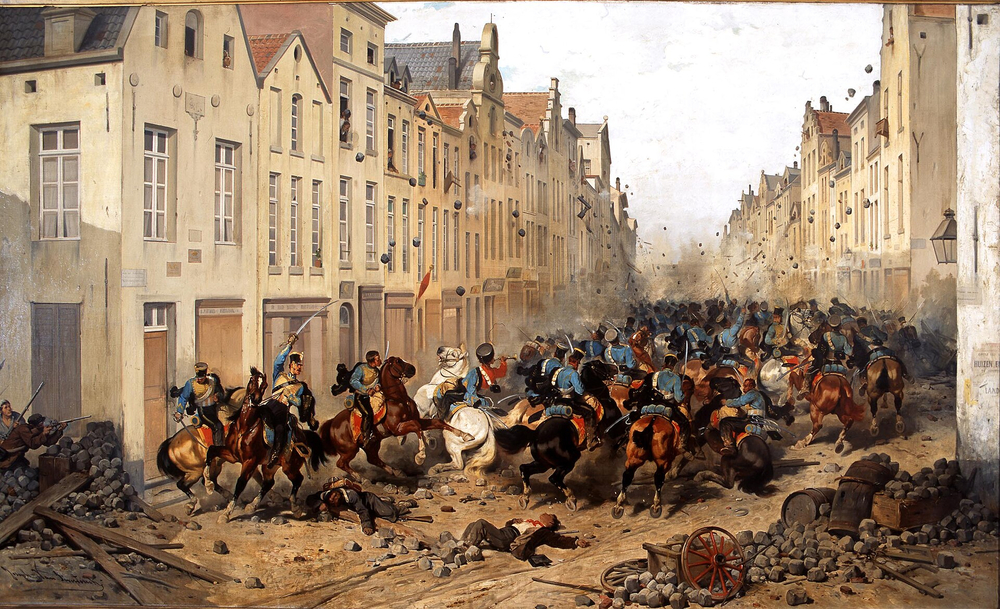
The Belgian Revolution marked a pivotal point in European history, leading to the secession of the southern provinces of the United Kingdom of the Netherlands. Tensions had been building between the predominantly French-speaking southern provinces and the Dutch-speaking northern provinces. The southern provinces were largely Catholic, whereas the north was mainly Protestant. Economic disparities aggravated these differences, with the south experiencing economic hardship, while the north benefited from trade and industry.
The revolution began in Brussels following a performance at the theater of Auber's La Muette de Portici, which stirred nationalist sentiments. The unrest quickly spread to other cities, igniting a wave of protests and demonstrations. The Dutch King William I attempted to quell the uprising with military force, but his efforts failed. Southern insurgents, with considerable public support, resisted and eventually gained control over key regions.
Several diplomatic efforts, including interventions by European powers such as Britain, France, and Prussia, sought to stabilize the situation. These efforts resulted in the London Conference, which acknowledged the independence of Belgium. Luxembourg, which was part of the dispute due to its strategic importance and mixed population, was divided. The western part joined the newly established Belgian state, while the eastern part remained under Dutch control but later achieved a greater degree of self-governance.
The revolution significantly altered the political landscape of Europe. It marked the decline of the United Kingdom of the Netherlands and the emergence of Belgium as an independent state. The events also highlighted the complexities of national identity and the powerful influence of cultural and religious differences.
#MoofLife #BelgianRevolution #EuropeanHistory #Luxembourg #Netherlands #IndependenceMovement #PoliticalChange
View details1815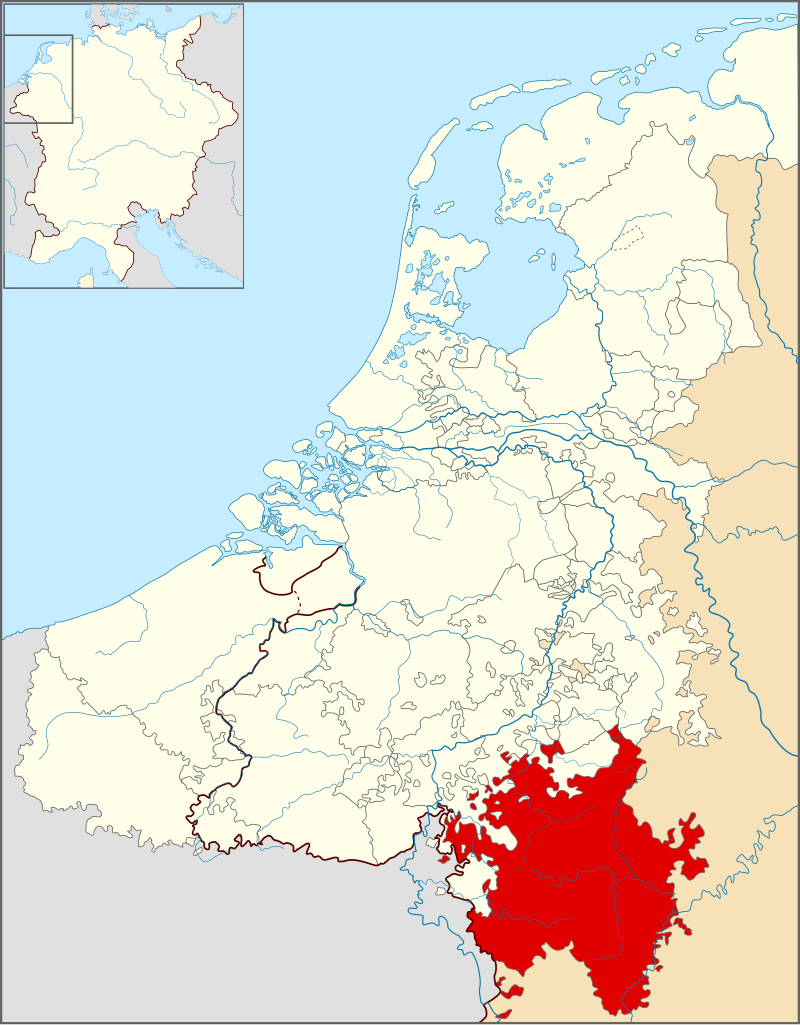
Luxembourg, a small, strategically located territory in Western Europe, found its status elevated within a changing political landscape under the rule of Napoleon's French Empire. Formerly a battleground for various European powers, Luxembourg had experienced a tumultuous history marked by frequent occupations and territorial disputes.
During this period of political restructuring, Napoleon Bonaparte wielded significant influence over much of Europe. The reorganization of territories was commonplace, influenced by military conquests and diplomatic maneuvers. Luxembourg, with its advantageous geographical position and formidable fortifications, caught Napoleon’s attention.
A decree elevated Luxembourg to the status of a Grand Duchy. As a Grand Duchy, Luxembourg's governance and administrative structures were directly tied to the larger framework of the French Empire. This new status reflected Napoleon’s strategy of consolidating and stabilizing his empire by granting specific regions semi-autonomous governance under loyalist rulers. Luxembourg’s transformation into a Grand Duchy also meant the imposition of Napoleonic laws and administrative practices, which brought a layer of modernization to its institutions.
This reclassification had significant impacts on Luxembourg and its people. With closer integration into the French Empire, Luxembourg experienced changes in its legal and educational systems. The Napoleonic Code, which emphasized civil rights and property laws, was introduced. Educational reforms led to the establishment of more structured schooling, aligning with the broader French educational reforms of the time. As part of the empire, Luxembourg was also involved in the conscription efforts to support Napoleon’s military campaigns, which left a lasting imprint on its population.
The elevation to a Grand Duchy under Napoleon's rule laid groundwork for Luxembourg’s future political identity. It marked the beginning of Luxembourg's evolution from a contested territory to a recognized entity with its own administrative apparatus and distinct political status. This moment in Luxembourg’s history is a reflection of the broader changes during the Napoleonic era, characterized by extensive territorial reorganization and the spread of French governance models.
#History #Luxembourg #Napoleon #GrandDuchy #PoliticalChange #EuropeanHistory #MoofLife
View details