
Palestine

Land of Olives and Resilience
Related Lives

Kenya
The Cradle of Humankind

Dominican Republic
A Caribbean Paradise

Adventure Movies
Where courage meets the unknown

Luxembourg
The Gibraltar of the North

Namibia
Landscapes of Resilience

Bangladesh
Resilience in Harmony

Botswana
The Heart of Southern Africa

Olympics
The Grandest Stage of All

1723
In 1723, Salih Pasha Tuqan was appointed as the governor of the Nablus, Lajjun, and Gaza sanjaks, marking a significant period in the political landscape of the region. The Tuqan and Nimr families emerged as the dominant political forces in Nablus, often extending their influence to other districts and subdistricts. This era saw the Jarrar clan rise as the leading power in the Nablus hinterland, while other influential families, such as the Mamluk-era Jayyusis, maintained their presence in specific subdistricts. The political structure in Jabal Nablus remained relatively stable, with only minor interruptions, until the mid-19th century. This stability allowed for the flourishing of local businesses, including soap factories, and fostered intermarriage and partnerships with local ashraf and mercantile families, further entrenching the power of these clans in the socio-economic fabric of the region.
View details1703
In 1703, Jerusalem witnessed a significant uprising known as the Naqib al-Ashraf Revolt, which was spearheaded by Muhammad ibn Mustafa al-Husayni, the chief of the ashraf families. This revolt was supported by the city's notable figures, reflecting a collective discontent with the existing Ottoman authority. The rebels targeted the home of the qadi, the Islamic judge and a symbol of imperial power, which was ransacked during the uprising. Tragically, the violence escalated when the qadi's translator was killed by the insurgents. Following the initial success, al-Husayni and his supporters took control of the city, governing it independently for a period. However, their rule was short-lived as an Ottoman siege, coupled with internal conflicts, compelled al-Husayni and his followers to retreat from Jerusalem in October 1705. This revolt not only highlighted the tensions between local leaders and the Ottoman Empire but also marked a pivotal moment in the history of Jerusalem's governance during the early 18th century.
View details1660
In 1660, the Ottoman Empire, under the leadership of the Köprülü viziers, initiated significant reforms aimed at re-establishing centralized authority over its distant provinces. One of the pivotal measures taken by Grand Vizier Köprülü Mehmed Pasha was the establishment of the Sidon Eyalet. This new administrative division effectively separated the Safad Sanjak from the rest of Palestine, which continued to be governed as part of the Damascus Eyalet. The creation of the Sidon Eyalet was a strategic move designed to diminish the power of the ambitious governors in Damascus and to exert tighter control over the rebellious emirs of Mount Lebanon. This reorganization not only aimed to streamline governance but also to stabilize the region during a time of unrest and fragmentation within the empire. The establishment of the Sidon Eyalet marked a significant step in the Ottoman efforts to reinforce their authority and maintain order in their territories during the mid-17th century.
View details1657
In 1657, the Ottoman Empire initiated a military expedition in Palestine aimed at reestablishing its authority over the region. This action was primarily motivated by the strategic significance of Palestine, which served as a vital link to Egypt and played a crucial role in the funding and protection of the Hajj caravan. The Sublime Porte was increasingly concerned about the consolidation of power among local dynasties, particularly the Ridwan-Farrukh-Turabay alliance, which had been controlling the Hajj caravan and significantly reducing the revenues generated from this annual pilgrimage. The situation escalated when Husayn Pasha, a key figure in the governance of the region, was accused of incompetence in leading the Hajj caravan during the years 1662-63. His subsequent imprisonment and execution marked the beginning of the Sublime Porte's efforts to dismantle the influence of the Ridwan-Farrukh-Turabay dynasty. Following Husayn Pasha's death, the Ottoman authorities gradually eliminated the remaining members of this extended dynasty by the late 1670s, although Ridwan rule in Gaza persisted until 1690. This military expedition and the subsequent political maneuvers underscored the Ottomans' commitment to maintaining control over this strategically important region.
View details1622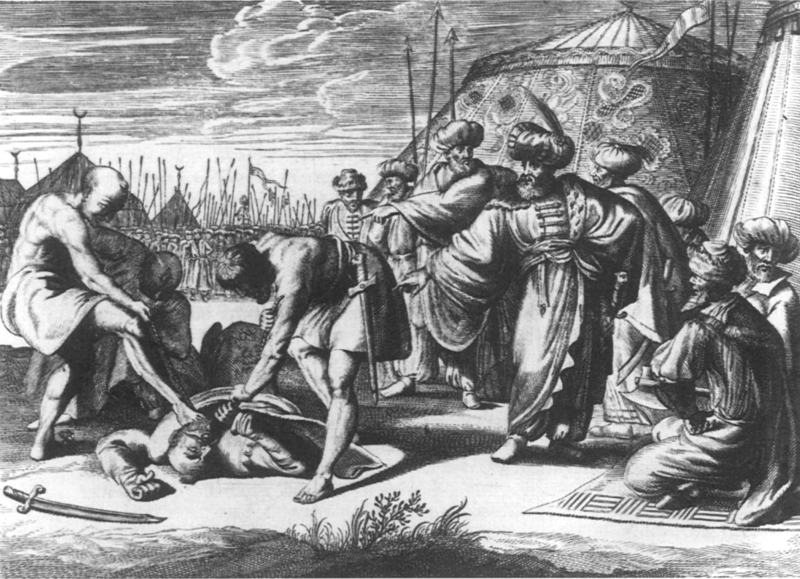
In 1622, the Druze emir of Mount Lebanon, Fakhr-al-Din II, gained control of Safad Sanjak and was appointed governor of Nablus and mutasallim (chief tax collector) of Gaza. Alarmed at the looming threat to their rule, the Ridwan-Farrukh-Turabay alliance prepared for a confrontation with Fakhr ad-Din by pooling their financial resources to acquire arms and bribe Bedouin tribes to fight alongside them. They were also tacitly supported by the Sublime Porte, which was wary of Fakhr ad-Din's growing autonomy. When Fakhr ad-Din's better-equipped army launched an offensive to gain control of Palestine's coastal plain and Jerusalem, the army of Hasan Arab Ridwan, Ahmad Turabay, and Muhammad ibn Farrukh routed his forces at the Awja River near Jaffa. In 1624, following the Battle of Anjar, Fakhr ad-Din was appointed the 'Emir of Arabistan' by the Ottomans, which gave him official authority over the region between Aleppo and Jerusalem. He was deposed and hanged a decade later by the Wali of Damascus.
View details1516
In 1516 CE, the Ottoman Empire successfully conquered the region of Palestine, marking a significant shift in the political landscape of the area. This conquest was part of the larger Ottoman-Mamluk War, which resulted in the defeat of the Mamluk Sultanate. Following the conquest, Palestine was integrated into the Ottoman administrative framework as part of Ottoman Syria. The Ottoman rule over Palestine lasted for several centuries, providing a period of relative stability and integration within the broader Ottoman Empire. During this time, the Ottomans implemented their administrative, legal, and economic systems, which had a lasting impact on the development of the region. The period of Ottoman governance is also noted for its cultural and architectural contributions, as the empire invested in infrastructure and public works that enhanced the urban landscape. This era continued largely undisrupted until the early 20th century, when the geopolitical dynamics of the region began to change significantly.
View details1496
In 1496, the historian Mujir al-Din composed a significant work titled 'The Glorious History of Jerusalem and Hebron,' which serves as a vital source for understanding the historical and cultural landscape of Palestine during the Mamluk period. This comprehensive account not only highlights the importance of Jerusalem and Hebron as religious and cultural centers but also documents the rich history of the region, including its notable figures, events, and transformations over time. Mujir al-Din's work reflects the reverence Muslims have for these cities, which are considered sacred in Islam. His writings contributed to the preservation of Palestinian heritage and provided future generations with insights into the socio-political dynamics of the time. The text is a testament to the enduring significance of Palestine in Islamic history and its role as a pilgrimage destination, especially during a period when many Muslim sanctuaries were being rediscovered and attracting numerous pilgrims. Mujir al-Din's historical narrative remains an essential reference for scholars and enthusiasts interested in the intricate tapestry of Palestine's past.
View details1377
In 1377, the death of al-Ashraf Sha'ban triggered significant unrest in the major cities of Palestine and Syria, leading to a widespread revolt. This uprising was ultimately suppressed, paving the way for a coup d'état orchestrated by Barquq in Cairo in 1382, which established the Burji Mamluk dynasty. During this transformative period, Palestine was revered by Arab and Muslim writers as the 'blessed land of the prophets and Islam's revered leaders.' The region experienced a resurgence of interest in its Muslim sanctuaries, which were 'rediscovered' and attracted numerous pilgrims. The Mamluks played a crucial role in enhancing infrastructure by constructing a 'postal road' that connected Cairo to Damascus, complete with lodgings for travelers and bridges, some of which still stand today. Additionally, this era saw the establishment of numerous schools and the renovation of mosques that had been neglected or destroyed during the Crusader period, contributing to the cultural and religious revival of the region.
View details1291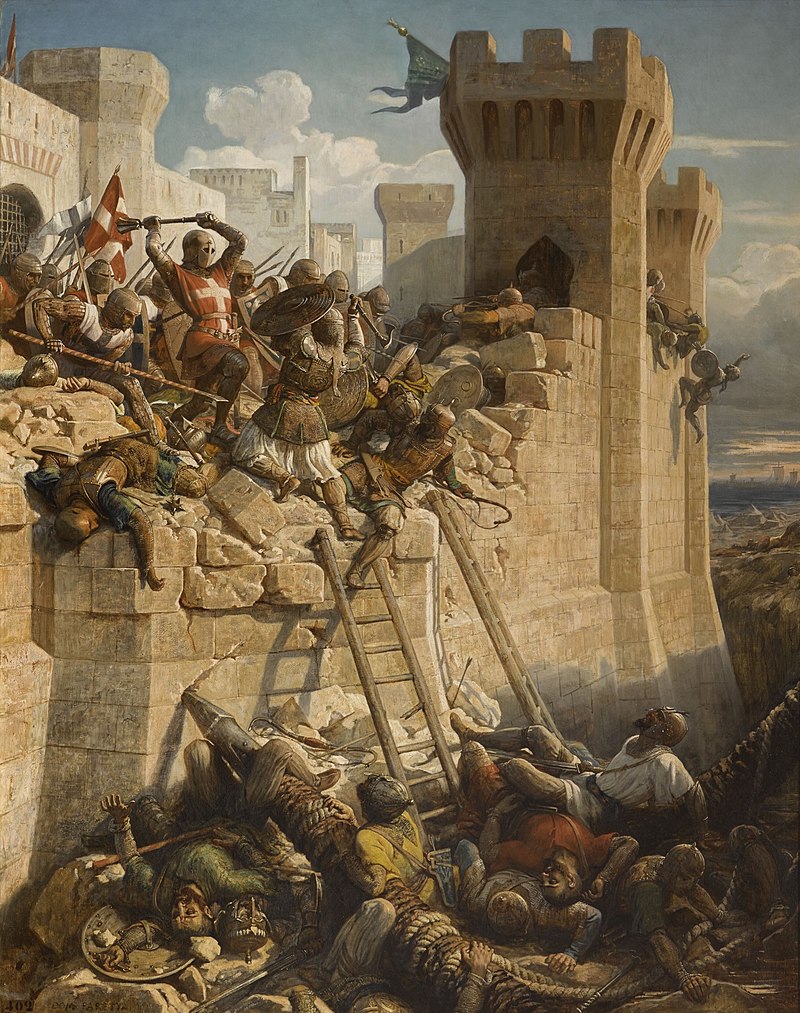
In 1291, the Mamluks launched a decisive assault on Acre, marking the end of the Kingdom of Jerusalem's capital and its last stronghold. This event signified a pivotal moment in the history of the Crusades, as it not only represented the military prowess of the Mamluks but also highlighted the waning interest in crusading among Europeans. Over the years, the concept of what constituted a 'good Christian life' evolved, leading to a diminished focus on seeking redemption through military action in the Holy Land. Concurrently, heretical beliefs within Europe began to take precedence, diverting attention away from the struggles in Palestine. In response to the threats faced in the region, military orders were established, composed of pious knights who combined monastic discipline with martial skills. Among these, the Knights Templar gained prominence, named after their headquarters located in the al-Aqsa mosque, which they referred to as the Temple of Solomon. The nearby Dome of the Rock also played a significant role in their operations. The fall of Acre not only marked the decline of Latin Christian influence in the region but also set the stage for a shift in focus within Europe, as the ideals of crusading began to fade into history.
View details1260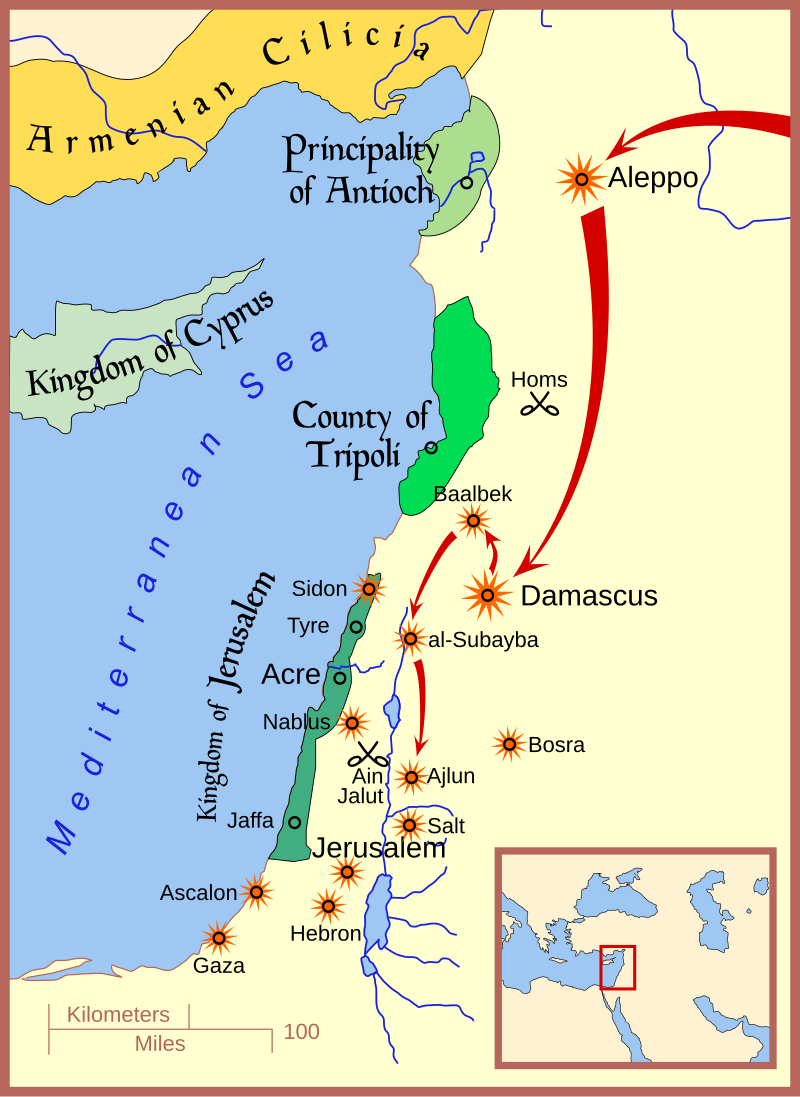
In the late 13th century, the Mongol Empire expanded rapidly, reaching Palestine for the first time in 1260. This incursion was led by the Nestorian Christian general Kitbuqa, who commanded a Mongol army that aimed to establish control over the region. Hulegu Khan, the Mongol leader, communicated with Louis IX of France, indicating that Jerusalem had been returned to Christian control as part of the Franco-Mongol alliance. However, the situation changed dramatically when Hulegu had to return to Mongolia following the death of Möngke Khan, leaving Kitbuqa with a diminished force. This led to a critical confrontation with the Mamluks, who were under the command of Baybars. The pivotal Battle of Ain Jalut, fought in the Jezreel Valley, resulted in a decisive victory for the Mamluks. This battle not only halted the Mongol advance into Palestine but also marked a significant turning point in the region's power dynamics, establishing the Mamluks as a dominant force in the area. The Mongol raids into Palestine thus represent a crucial moment in the historical interplay between the Mongol Empire and the Islamic world, highlighting the complexities of alliances and conflicts during this tumultuous period.
View details1250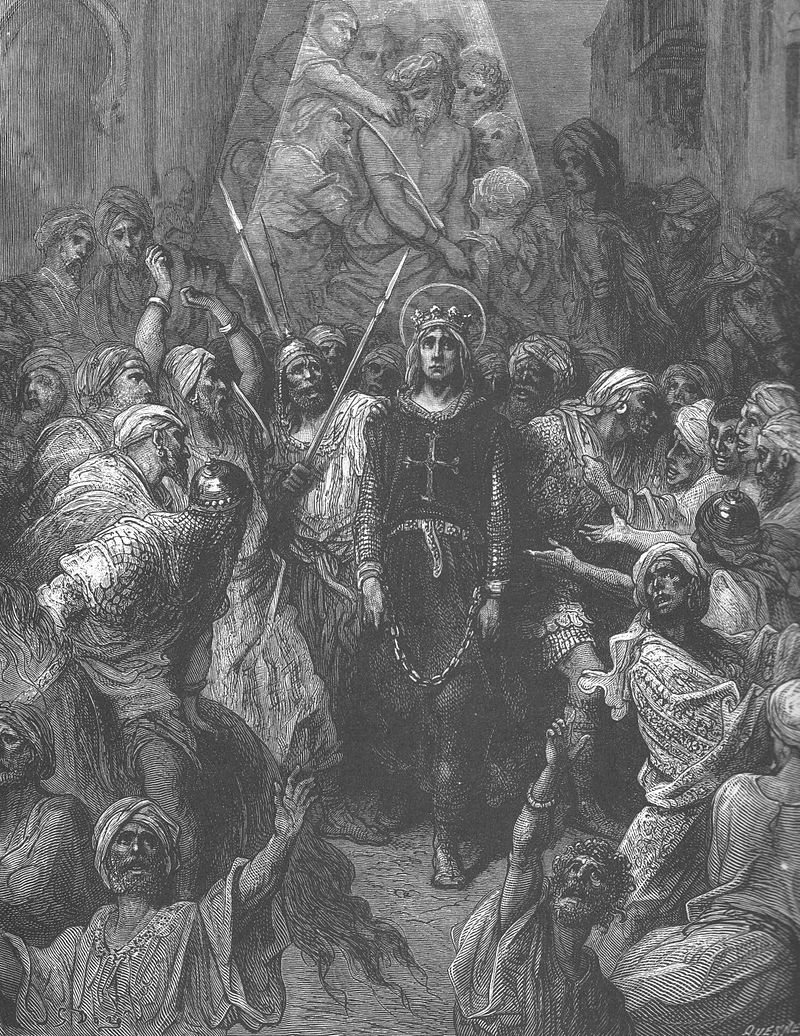
The Bahri Mamluk dynasty was established in 1250, marking a significant turning point in the history of Egypt and the broader Islamic world. This dynasty emerged in the aftermath of the Seventh Crusade, which was launched in response to the 1244 destruction of Jerusalem. The crusade ended in failure for the Crusaders, particularly for Louis IX of France, who was defeated and captured by the Ayyubid sultan al-Muazzam Turanshah at the Battle of Fariskur. Following this defeat, Turanshah was assassinated by his own Mamluks just a month later, leading to a power vacuum in Egypt. Shajar al-Durr, Turanshah's stepmother, seized the opportunity to become the first female sultana of Egypt. She later married Aybak, a Mamluk who served as Atabeg, solidifying the Mamluk control over Egypt. The Ayyubid dynasty, meanwhile, retreated to Damascus, where they continued to exert influence over Palestine for another decade. The establishment of the Bahri Mamluk dynasty not only marked the rise of a new ruling class but also set the stage for a period of military and cultural prominence in the region, lasting until 1382.
View detailsIn the late 1250s, following the devastating invasion of the Mongol Empire, the Egyptian Mamluks emerged as a formidable power in the region and successfully reunified Palestine under their control. This period marked a significant shift in governance, as the Mamluks established a stable and prosperous rule that would last for over two centuries. Their administration was characterized by a focus on economic development, infrastructure improvements, and the promotion of trade, which contributed to the overall prosperity of Palestine during this era. The Mamluks were known for their military prowess and their ability to repel further Mongol incursions, solidifying their dominance in the region. This stability allowed for cultural and architectural advancements, with notable constructions such as mosques and schools that reflected the Mamluk architectural style. The Mamluk rule continued until the Ottoman Empire conquered Palestine in 1516, integrating the region into a larger imperial framework that would last until the 20th century. The legacy of the Mamluks in Palestine is still evident today, as their contributions to the region's cultural and historical landscape remain significant.
View details1229
In 1229, the Kingdom of Jerusalem was awarded control over Jerusalem, Bethlehem, and Nazareth, along with a narrow strip of land connecting these cities to the coast, following the negotiations that concluded the Sixth Crusade. This agreement came after a tumultuous period marked by the Ayyubids' strategic destruction of Jerusalem's city walls a decade earlier, aimed at preventing Latin forces from seizing a fortified stronghold. However, the situation deteriorated in 1244 when Jerusalem fell to the Khwarizmians, who committed atrocities against the Christian population, including the burning of churches and mass killings. These shocking events prompted a significant response from the Latin states, leading to the mobilization of the largest field army in the region since the late 12th century. This coalition, bolstered by troops from dissenting Muslim rulers, faced the Ayyubid-Khwarizmian forces at the Battle of La Forbie, located northeast of Gaza. Unfortunately, the Latins suffered a catastrophic defeat, which effectively marked the decline of Latin influence in southern and central Palestine, reshaping the political landscape of the region for years to come.
View details1193
After the death of Saladin in 1193, Jerusalem remained under the control of the Ayyubid dynasty, which continued to uphold a policy of religious tolerance. The Ayyubids allowed Jewish and Orthodox Christian communities to settle in the region, fostering a diverse cultural and religious landscape. One of the significant achievements during this period was the restoration of the Haram al-Sharif and the Dome of the Rock, which were returned to Muslim worship, reinforcing the Islamic significance of these sites. Additionally, Saladin had previously constructed the Mosque of Omar outside the Church of the Holy Sepulchre. This mosque commemorated the decision of the Rashid caliph Umar to pray outside the church, a move intended to preserve the church's status as a Christian site and prevent any future claims that could jeopardize its sanctity. The Ayyubid dynasty's approach to governance in Jerusalem was characterized by a commitment to coexistence among the three Abrahamic faiths, which played a crucial role in maintaining relative peace in the city during a tumultuous period in history.
View details1187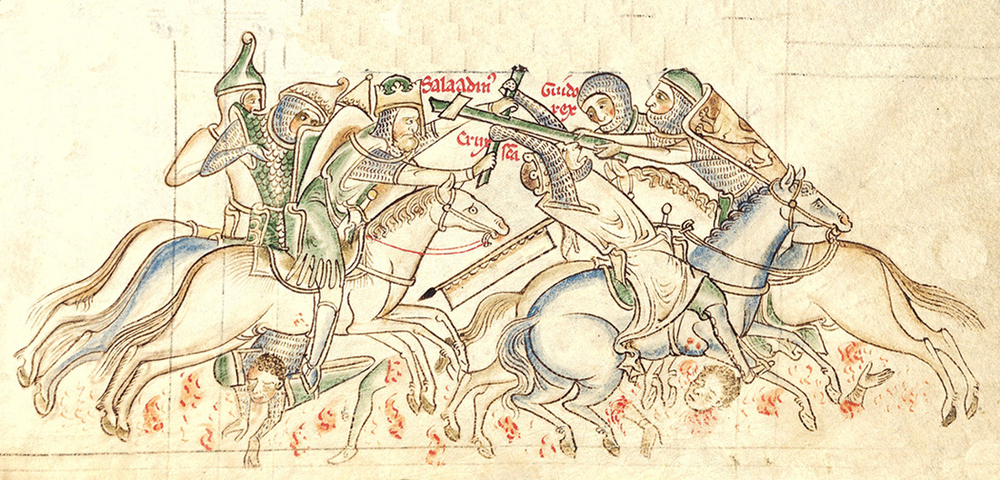
In 1187 CE, the Ayyubid Sultanate, led by the renowned military leader Saladin, achieved a significant milestone by reconquering Jerusalem from the Crusaders. This pivotal event marked the end of the Crusader Kingdom of Jerusalem and reinstated Muslim governance over the city, which had been under Crusader control since the First Crusade in 1099. Saladin's victory was not only a military triumph but also a moment of immense pride in the Muslim world, solidifying his reputation as a formidable leader. The reconquest was part of a larger campaign aimed at reclaiming territories lost to the Crusaders, reflecting the Ayyubid commitment to restoring Islamic authority in the region. Following the reconquest, Jerusalem experienced a revitalization of its religious and cultural significance, as the Ayyubid period emphasized the restoration of Islamic governance and the flourishing of the city's heritage. Saladin's leadership and the Ayyubid reconquest of Jerusalem remain a defining moment in the history of the Middle East, influencing the region's political and cultural landscape for centuries to come.
View details1100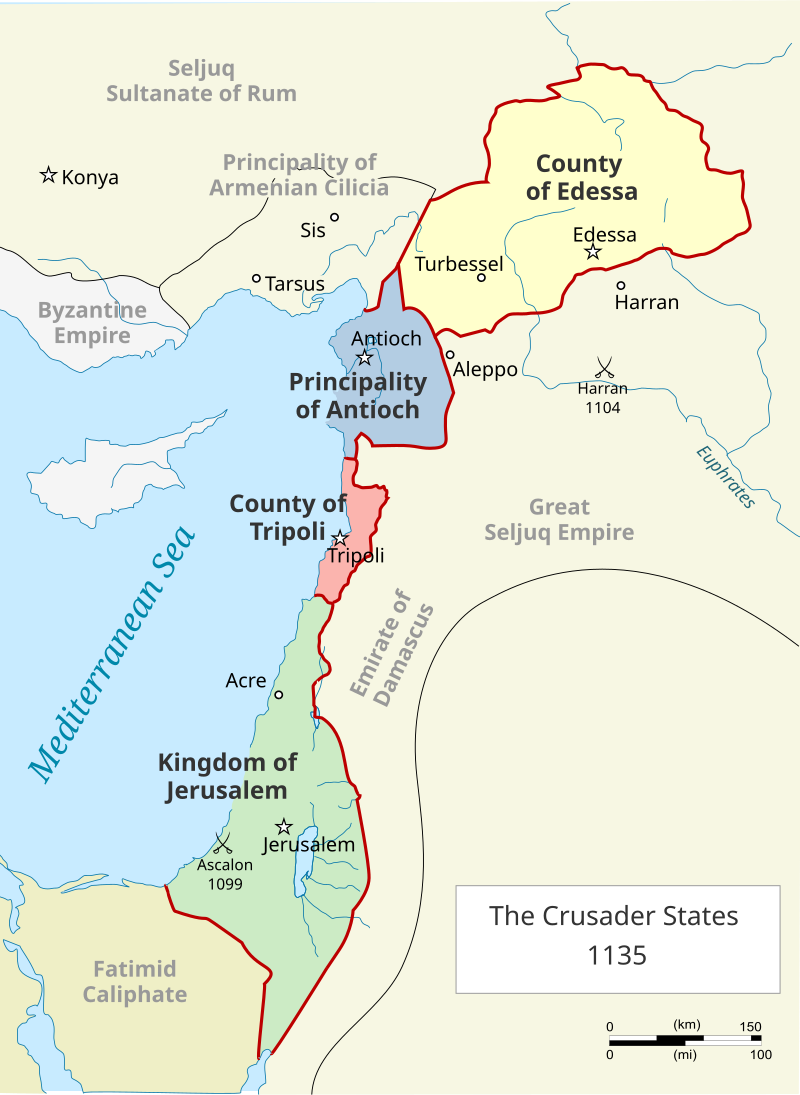
The Kingdom of Jerusalem was established in 1100 following the initial successes of the Crusades, marking a significant moment in medieval history. This kingdom encompassed a large portion of Palestine and modern-day Lebanon, serving as a stronghold for Latin Christians in the region. The establishment of the kingdom led to a series of conflicts as Crusaders and Muslim forces vied for control over these territories. In 1187, the Ayyubid dynasty, based in Egypt, successfully captured Jerusalem, a pivotal event that shifted the balance of power in the region. Despite this loss, the Ayyubids were unable to seize the northern Crusader states, including Tyre, which allowed the Crusaders to launch another campaign. By 1192, they had regained control over much of the Palestinian coastline down to Jaffa, although they failed to retake Jerusalem. Ultimately, negotiations led to a treaty that ensured Christian pilgrims could access the Church of the Holy Sepulchre in Jerusalem, but the city remained under Ayyubid control. The legacy of the Kingdom of Jerusalem and the subsequent Crusades continues to influence historical narratives and religious dynamics in the region today.
View details1099
In 1099, the Crusaders successfully established the Kingdom of Jerusalem, marking a significant event in the history of the Crusades, a series of religious wars initiated by Christian states in Europe. The primary objective of these campaigns was to reclaim the Holy Land, particularly Jerusalem, from Muslim control. The establishment of the Kingdom of Jerusalem was a culmination of the First Crusade, which began in 1096 and saw various European factions unite in their quest for the Holy City. The Crusaders, composed of knights and soldiers from different regions, captured Jerusalem after a protracted siege, leading to the establishment of a Christian kingdom in the heart of the Middle East. This new kingdom served as a stronghold for Christian rule in the region and was characterized by a feudal system, with various Crusader lords governing different territories. However, the Kingdom of Jerusalem faced continuous challenges from surrounding Muslim states. It remained under Crusader control until 1187 when it was reconquered by the Ayyubid Sultanate led by Saladin, marking a pivotal shift in the balance of power in the region. The legacy of the Kingdom of Jerusalem continues to influence historical narratives and the complex relationships between different cultures and religions in the Middle East.
View details1098
In 1098, a pivotal event unfolded in the history of Jerusalem when the Fatimids successfully recaptured the city from the Seljuks. This marked a significant shift in control over the region, as the Fatimids regained power after a period of brutal Seljuk rule. The Seljuks had established their dominance in Palestine, ruling with an iron fist and committing atrocities against the local population. They had promised pardon to the people of Jerusalem but instead slaughtered many, while also devastating cities like Gaza, Ramla, and Jaffa. The Fatimid recapture of Jerusalem not only restored their influence but also symbolized a turning point in the ongoing power struggles in the region. This event occurred against a backdrop of natural disasters, as the 11th century saw three major earthquakes that further complicated the socio-political landscape of Palestine. The last of these earthquakes in 1068 had catastrophic effects, virtually demolishing Ramla and resulting in the loss of approximately 15,000 lives. The Fatimid victory in 1098 thus represented not only a military success but also a moment of hope for the beleaguered inhabitants of Jerusalem, who had suffered under the harsh rule of the Seljuks.
View details1095
The Crusades, spanning from 1095 to 1291, were a series of military campaigns initiated by European Christians, primarily under the auspices of the Papacy, aimed at reclaiming the Holy Land from Muslim control. The significance of Palestine as a sacred site for Christians fostered a deep connection between the region and Europe, despite the geographical distance. In the late 11th century, various obstacles hindered pilgrimage to Palestine, raising alarm among the Christian populace. This concern contributed to the emergence of a doctrine of holy war, which framed warfare as a virtuous act to protect and support Christianity. The relationship between the Eastern Orthodox and Western Catholic churches was also evolving positively, leading to a call for assistance from the Byzantine Empire against Muslim forces. In response, Western Europeans mobilized their resources and launched the First Crusade, marking the beginning of a series of military expeditions that would shape the course of history in the region for nearly two centuries. The Crusades not only aimed to reclaim territory but also sought to reinforce Christian unity and assert religious dominance in the face of perceived threats from Islam.
View details1071
In the 11th century, the Seljuk Empire, a powerful Muslim Turkic state, launched a significant invasion of West Asia, leading to substantial territorial losses for both the Byzantine Empire and the caliphates. The fall of Baghdad in 1055 marked a pivotal moment, but it was the invasion of Palestine between 1071 and 1073 that truly destabilized the region. This invasion ended a period of relative calm, plunging Palestine into chaos characterized by internal strife among the Turks and conflicts with their adversaries. The Seljuk rule was notorious for its brutality, marked by widespread slaughter, vandalism, and severe economic hardship for the local populace. In 1077, a rebellion against the unpopular Seljuk governance erupted in Palestine, but it was swiftly suppressed with extreme violence. The Seljuks, despite initially promising clemency, brutally massacred the inhabitants of Jerusalem and devastated cities such as Gaza, Ramla, and Jaffa. This period of turmoil not only reshaped the political landscape of Palestine but also left a lasting impact on its cultural and social fabric, setting the stage for future conflicts in the region.
View details1068
In 1068, Ramla, a significant city in Palestine, was struck by a catastrophic earthquake that virtually demolished the area and resulted in the tragic loss of approximately 15,000 lives. This earthquake was the third major seismic event to impact Palestine during the 11th century, following earlier quakes in 1015 and 1033. The devastation caused by the 1068 earthquake marked one of the most severe natural disasters in the region's history, exacerbating the already tumultuous conditions under Seljuk rule. The Seljuks, known for their brutal governance, had already inflicted significant suffering on the local population through warfare and oppression. The combination of natural disaster and political turmoil left Ramla in ruins, with its infrastructure severely damaged and its community shattered. The aftermath of the earthquake not only highlighted the vulnerability of the region to natural disasters but also underscored the challenges faced by its inhabitants during a period of instability and conflict. The recovery from such a disaster would take years, as the city struggled to rebuild amidst ongoing strife and the shifting power dynamics in the region.
View details1033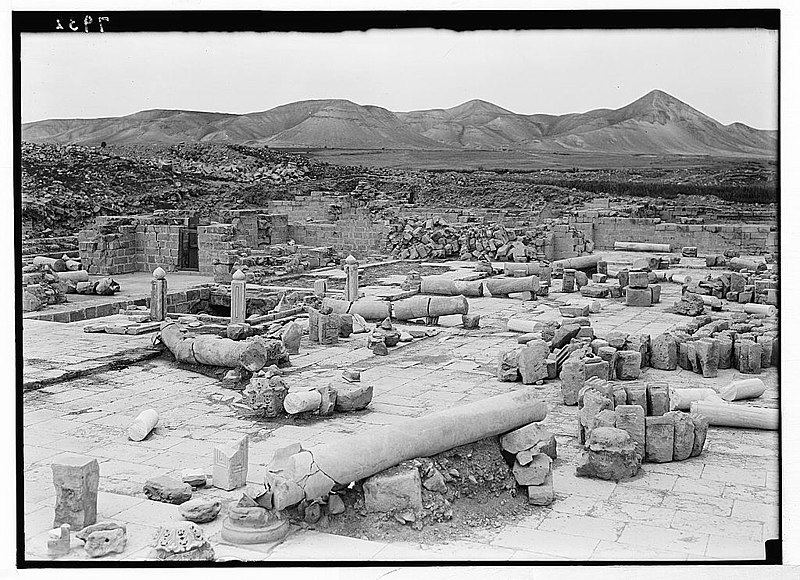
The 1033 Jordan Valley earthquake was one of the most powerful and destructive seismic events to strike the region, leaving a lasting impact on Palestine, Jordan, Syria, and Egypt. This catastrophic earthquake, believed to have had a magnitude of 7.0 or higher, occurred in October 1033 and was followed by aftershocks into 1034. Originating along the Jordan Rift Valley, a seismically active fault line, the tremors spread across a vast area, causing devastation in multiple cities and leading to the deaths of tens of thousands of people.
The quake struck with such force that it leveled towns and cities, including major urban centers such as Jerusalem, Ramla, and Tiberias. In Jerusalem, historical accounts suggest that parts of the Al-Aqsa Mosque and Dome of the Rock sustained significant damage, necessitating later repairs. Ramla, an important administrative hub under the Fatimid Caliphate, suffered widespread destruction, with homes and public buildings reduced to rubble. In the north, the Galilee region and Tiberias saw entire structures collapse, with some reports indicating that portions of buildings fell into the Sea of Galilee. The destruction extended beyond Palestine, with tremors felt as far as Cairo, Egypt, and Damascus, Syria, where buildings cracked and water sources were disrupted.
In the wake of the disaster, survivors faced immense hardship. The earthquake triggered landslides, disrupted water supplies, and left thousands homeless, leading to a humanitarian crisis. The Fatimid rulers initiated restoration efforts, focusing on the rebuilding of key cities, including religious sites in Jerusalem. However, the devastation was so severe that recovery took years, and aftershocks continued to shake the region, prolonging the suffering of its inhabitants. The 1033 earthquake remains one of the most destructive in Middle Eastern history, serving as a reminder of the seismic fragility of the Jordan Rift Valley and the resilience of the communities that endured its devastation.
View details1015
In the year 1015, a powerful earthquake struck the region of Palestine, causing widespread destruction and loss of life. This event was part of a series of significant seismic activities that affected the Levant during the medieval period. Though historical records on this earthquake are limited, it is known to have severely impacted several key cities, including Jerusalem, Ramla, and surrounding areas.
The Earthquake and Its Impact
On an unknown date in 1015, the ground shook violently, toppling buildings, damaging infrastructure, and leaving communities in ruins. The city of Ramla, which served as an important administrative and trade center under the Fatimid Caliphate, suffered heavy devastation. Structures collapsed, and many lives were lost as homes and mosques crumbled under the force of the tremors.
Jerusalem, another major city in the region, also endured significant damage. Historical accounts suggest that parts of the Al-Aqsa Mosque, one of the holiest sites in Islam, may have sustained damage, necessitating later repairs. The tremors were felt across the surrounding regions, with reports indicating destruction in other parts of the Levant.
Aftermath and Reconstruction
In the wake of the disaster, efforts were made to rebuild the affected cities. The Fatimid rulers, who controlled Palestine at the time, likely undertook restoration projects, repairing key structures and reinforcing buildings against future earthquakes. However, this earthquake was one of many that plagued the region over centuries, highlighting the long-standing seismic vulnerability of the Levant.
The 1015 earthquake serves as a reminder of the natural forces that have shaped the history of Palestine and the broader Middle East. It stands as an early example of how communities in the region have continually rebuilt in the face of natural disasters.
View details1009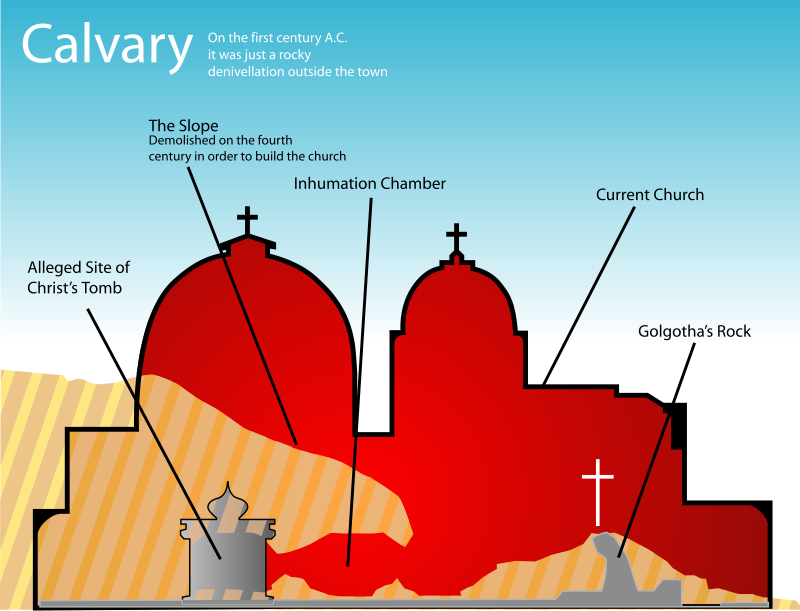
In the year 1009, a significant and tragic event unfolded in the history of religious architecture and interfaith relations. Caliph Al-Hakim bi-Amr Allah, in a wave of religious persecution, ordered the demolition of all churches and synagogues within his empire, a decree that included the revered Church of the Holy Sepulchre in Jerusalem. This act of destruction sent shockwaves throughout Christian Europe, inciting outrage and condemnation. The demolition was perceived not only as an attack on a sacred site but also as a broader assault on Christianity itself. In the aftermath, many Christians blamed the Jewish community for the caliph's actions, reflecting the complex and often fraught relationships between different religious groups during this period. Al-Hakim's policies, which also mandated that Christians and Jews wear distinctive clothing, were likely aimed at consolidating his power and addressing dissent against his father's more tolerant approach towards non-Muslims. Although his successor eventually allowed for the reconstruction of the Church of the Holy Sepulchre, the repression against non-Muslims persisted, highlighting the ongoing struggles for religious freedom and coexistence in the region.
View details0969
In 969, the Fatimid Caliphate, which had its roots in North Africa, expanded its influence by conquering the Ikshidid's territory in Palestine. This pivotal event marked the onset of a tumultuous period characterized by nearly sixty years of relentless warfare in the region. The Fatimids faced numerous adversaries, including the Byzantine Empire, which sought to reclaim its lost territories, and the Qarmatians, a radical Islamic sect known for their militant activities. Additionally, the Fatimids contended with various Bedouin tribes, who resisted their control and sought to maintain their autonomy. Internal strife also plagued the Fatimid forces, as infighting erupted between Berber and Turkic factions within their army. This complex web of conflicts not only destabilized Palestine but also had far-reaching implications for the political landscape of the region, setting the stage for future power struggles and territorial disputes. The Fatimid conquest and subsequent conflicts significantly shaped the historical trajectory of Palestine, influencing its cultural and political dynamics for generations to come.
View details0939
In 939, the Abbasid Caliphate granted Muhammad ibn Tughj al-Ikhshid, the governor of Egypt and Palestine, autonomous control over his territories, leading to the establishment of the Ikshidid dynasty. This new dynasty was characterized by significant political and social upheaval, particularly marked by acts of persecution against Christians. Historical records indicate that the Ikshidid rule was marred by violence and intolerance, with notable incidents such as the torching and looting of the Church of the Resurrection in 937 and severe anti-Christian riots in Jerusalem in 966. The situation deteriorated further after the death of the Ikshidid regent in 968, resulting in widespread anarchy. This chaos ultimately paved the way for the Fatimid Caliphate's conquest of the Ikhshid state in 969, which many local inhabitants welcomed as a relief from the oppressive rule of the Ikshidids. The Ikshidid dynasty's legacy is a complex interplay of governance, religious persecution, and the eventual rise of new powers in the region.
View details0873
In 873, Ahmad Ibn Tulun, the governor of Egypt, declared independence from the Abbasid Caliphate, marking the establishment of the Tulunid dynasty. This declaration came during a time of significant internal instability within the Abbasid realm, particularly in its western provinces. Ahmad Ibn Tulun's rule was characterized by military expansion, as he successfully occupied Syria shortly after declaring independence. One of the notable aspects of the Tulunid administration was its progressive stance towards religious tolerance; the dynasty ended the persecution of Christians and initiated the renovation of churches in Jerusalem, fostering a more inclusive environment for diverse religious communities. Additionally, the port city of Acre underwent significant renovations, enhancing its importance as a trade hub. Despite these advancements, the Tulunid dynasty's rule was relatively short-lived, as the Abbasids managed to regain control over Palestine by 906, effectively ending the Tulunid era. This period remains a significant chapter in the history of Egypt and the broader Islamic world, illustrating the complexities of governance and religious coexistence during a tumultuous time.
View details0840
In the 840s, the Yaman Al-Mubarqa uprising emerged as a significant revolt against the Abbasid regime, mobilizing peasants and tribesmen in a fierce challenge to the ruling authority. This uprising was marked by widespread violence and destruction, as the rebels wreaked havoc across the region. They looted monasteries, which were centers of wealth and culture, and devastated numerous cities, leading to a period of lawlessness in Palestine. The intensity of the uprising highlighted the growing discontent among the lower classes and the inability of the Abbasid caliphate to maintain order in its western provinces. As the 9th century progressed, the Abbasids faced increasing challenges to their authority, signaling a decline in their control over these territories. The Yaman Al-Mubarqa uprising serves as a critical example of the social and political unrest that characterized this tumultuous period in Islamic history, reflecting the broader struggles between the ruling elite and the marginalized populations.
View details0796
The Qays-Yaman feud, a significant conflict during the Abbasid Caliphate, emerged in the 790s and led to a series of violent confrontations in Palestine. This feud was primarily between two Arab tribes: the Qays and the Yamani. The tensions escalated into open warfare, with the most notable battle occurring in 796. In this conflict, Qaysi rebels rose against the Yamani faction and the Abbasid regime, which was struggling to maintain control over its territories amidst ongoing rebellions. The Abbasid authorities were compelled to deploy substantial military resources to suppress the uprising, highlighting the challenges faced by the caliphate in managing tribal rivalries and maintaining order. The outcome of the 796 battle not only affected the immediate region but also had lasting implications for the political landscape of Palestine and the authority of the Abbasid rulers. This period exemplifies the complexities of tribal politics in the Islamic world and the difficulties the Abbasids encountered in their efforts to unify the diverse factions within their empire.
View details0750
The overthrow of the Umayyads by the Abbasids in 750 marked a significant turning point in Islamic history. The Abbasids, who established their power base in Persia, shifted the capital of the caliphate from Damascus to Baghdad in 762. This relocation had profound implications for the regions previously under Umayyad control, particularly Palestine. Once a central hub of political and economic activity, Palestine's status diminished as it became a peripheral province within the Abbasid caliphate. The Abbasids, focusing their resources and attention on their new capital, often neglected the issues facing Palestine, leading to a decline in the region's influence and investment. The tribes in Syria, including those in Palestine who had supported the Umayyads, saw their prestige wane, losing their ability to shape political affairs and becoming more involved in local rebellions rather than governance. While the region did not experience an outright decline, the shift in power dynamics marked the end of the Umayyads' extravagant investments in Palestine, altering its historical trajectory and diminishing its role in the broader Islamic world.
View details