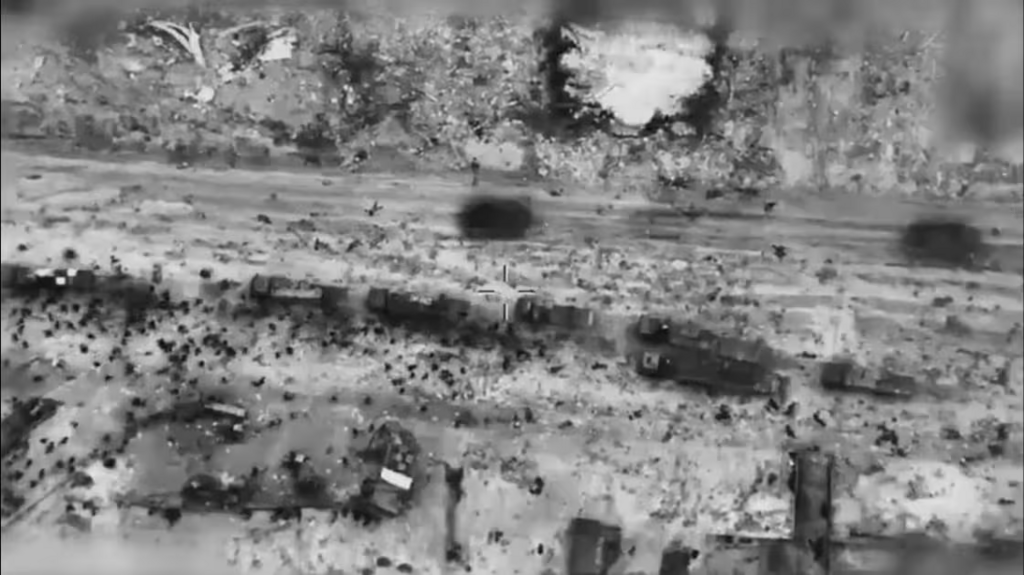
Flour Massacre: Al-Rashid Humanitarian Aid Incident
Palestine
Terrorism
IOF
Massacre
4 min read
Updated By: History Editorial Network (HEN)
Published:
On February 29, 2024, a devastating event now known as the "Flour Massacre" unfolded in Gaza City, marking one of the deadliest incidents in the region during that period. A humanitarian aid convoy carrying essential supplies arrived on Al-Rashid Street, where thousands of Palestinians had gathered, desperate for food and other necessities amid a severe Israeli blockade. As the crowd surged forward, Israeli forces reportedly opened fire, resulting in the deaths of at least 118 civilians and injuring over 760 others. The scene was one of chaos and devastation, with eyewitnesses describing widespread panic and bloodshed.
Survivors and witnesses recounted harrowing scenes of people being shot as they tried to access the aid convoy. Many victims suffered gunshot wounds, with forensic reports indicating the use of 5.56x45mm NATO bullets, a type of ammunition commonly employed by the Israeli military. The use of such lethal force against civilians seeking humanitarian aid sparked outrage and condemnation from international observers. The incident highlighted the dire conditions faced by Palestinians in Gaza, where the blockade has led to widespread food insecurity and a collapse of basic services.
The United Nations and numerous human rights organizations, including Human Rights Watch and Amnesty International, swiftly condemned the attack, calling it a blatant violation of international humanitarian law. They emphasized the disturbing pattern of targeting civilians and humanitarian aid efforts in Gaza, which has exacerbated the already dire humanitarian crisis. Despite the international outcry, similar violent incidents continued to occur in the weeks following the massacre, further deepening the suffering of the Palestinian population.
#MomentOfLife #MoofLife #Gaza #FlourMassacre #HumanitarianCrisis #StandWithPalestine

Explore the Life Moments of
 AI Twin