
Palestine

Land of Olives and Resilience
Related Lives

Kenya
The Cradle of Humankind

Dominican Republic
A Caribbean Paradise

Adventure Movies
Where courage meets the unknown

Luxembourg
The Gibraltar of the North

Cuba
The Jewel of the Caribbean

Andorra
Hidden Gem of the Pyrenees

Jordan
Land of Ancient Wonders

Angola
Land of contrasts, from bustling cities to breathtaking landscapes.

1936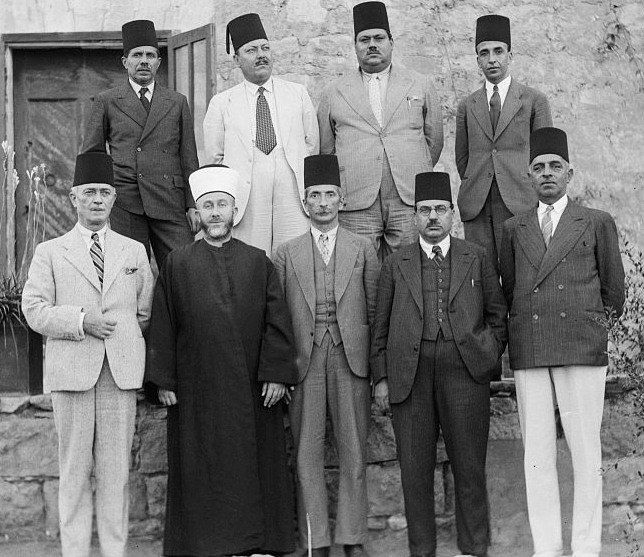
The Arab Higher Committee (al-Lajna al-'Arabiyya al-'Ulya) was formed in 1936 in response to the escalating tensions and the outbreak of the Great Revolt in Palestine. This pivotal organization was composed of influential members from prominent Palestinian families, notably the Husaynis and Nashashibis. The committee's primary objective was to unify and lead the Palestinian national movement, coordinating efforts to resist British colonial rule and counteract the increasing Zionist activities in the region. The establishment of the Arab Higher Committee marked a significant moment in Palestinian history, as it sought to articulate the aspirations and grievances of the Palestinian people during a tumultuous period. The committee played a crucial role in mobilizing public sentiment and organizing protests, ultimately shaping the political landscape of Palestine in the years to come. Its formation underscored the growing desire for self-determination among Palestinians and set the stage for future political developments in the region.
View detailsThe Arab Revolt in Palestine, which erupted in the 1930s, marked a significant turning point in the region's history. Arab nationalists, fueled by growing discontent over Jewish immigration and the desire for self-determination, called for an end to the influx of Jewish settlers and the establishment of an independent Arab state. This period of unrest was characterized by widespread protests, strikes, and violent confrontations between Arab groups and British authorities. In response to the escalating tensions, the British government deployed military forces to the region and instituted stringent security measures aimed at suppressing the revolt. The conflict not only highlighted the deep-seated divisions between Jewish and Arab communities but also set the stage for future geopolitical challenges in the area. The Arab Revolt ultimately underscored the complexities of national identity and colonial rule in Palestine, leaving a lasting impact on the region's political landscape.
View details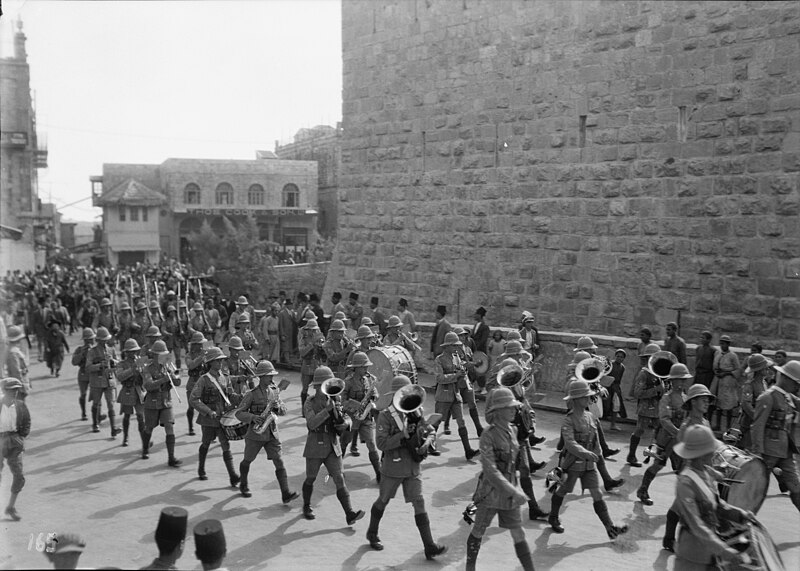
1933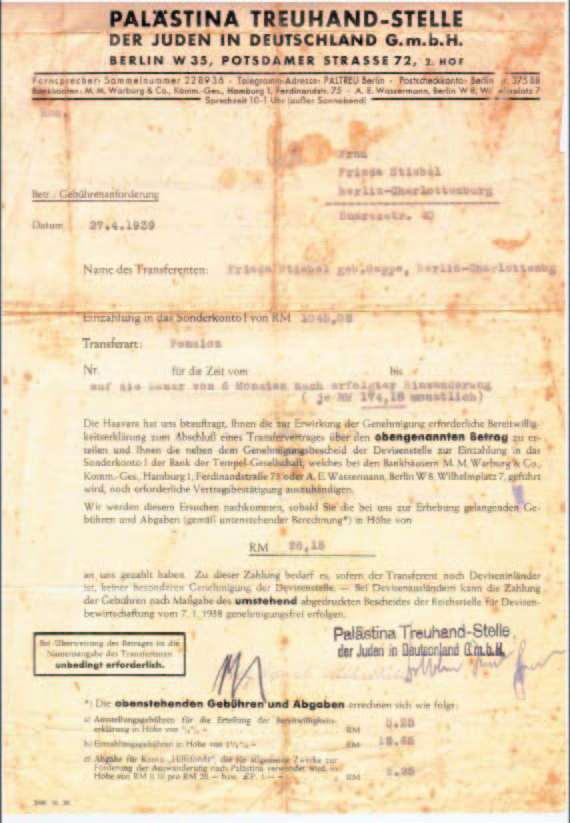
On August 25, 1933, the Haavara Agreement was signed between Nazi Germany and the Jewish Agency for Palestine, allowing the legal emigration of German Jews to Palestine. This controversial agreement facilitated the transfer of Jewish assets from Germany to British-controlled Palestine by enabling emigrants to deposit their money in German banks, which was then used to purchase German goods exported to Palestine. Upon arrival, Jewish immigrants could then recover a portion of their funds in Palestine.
The agreement was negotiated in response to the growing persecution of Jews under the Nazi regime and the economic boycott of German goods by Jewish communities worldwide. For Zionist leaders, the deal was seen as a way to rescue German Jews and strengthen Jewish settlement in Palestine. For Nazi Germany, it aligned with their policy of Jewish emigration while also supporting German exports.
Between 1933 and 1939, an estimated 50,000 German Jews emigrated to Palestine under the Haavara Agreement, transferring millions of Reichsmarks worth of German goods. Despite its role in facilitating Jewish migration, the agreement remained highly controversial, with critics condemning any form of economic cooperation with the Nazi regime. Nonetheless, it played a significant role in shaping Jewish migration to Palestine before World War II.
View details1932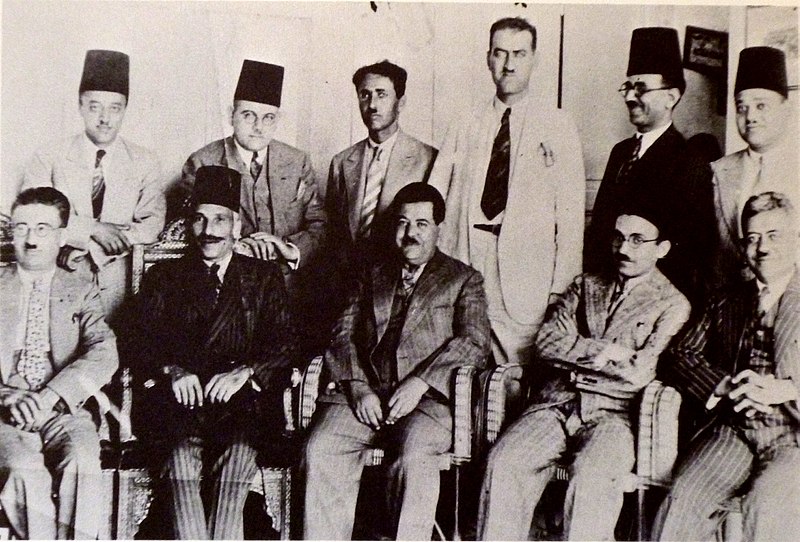
In 1932, Al-Istiqlal, the Arab Independence Party, was officially established, marking a pivotal moment in the political history of Mandatory Palestine. Although it had been operating unofficially since 1930, the formal establishment of Al-Istiqlal signified a unified effort among Arab nationalists to advocate for independence from British colonial rule. The party emerged in response to the growing discontent among the Arab population regarding British policies and the increasing Jewish immigration to Palestine. Al-Istiqlal played a crucial role in mobilizing public opinion and organizing political activities aimed at achieving Arab self-determination. Its formation was part of a broader movement that sought to address the aspirations of the Arab community in Palestine, ultimately contributing to the political landscape that would shape the region's future. The party's influence continued to grow, especially during the tumultuous years leading up to the Great Revolt in 1936, where it became a significant player in the struggle for Arab rights and independence. Al-Istiqlal's legacy remains an important chapter in the history of Palestinian nationalism and the quest for sovereignty.
View details1929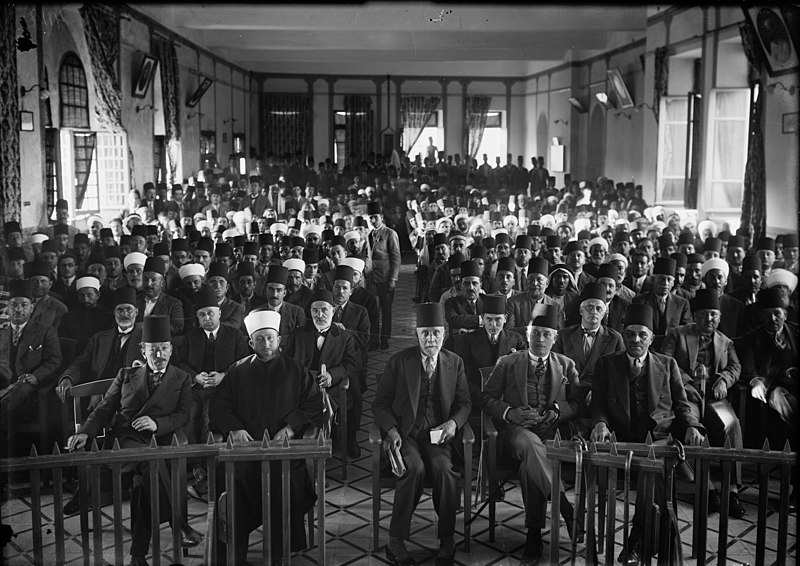
The 1929 Palestine Riots marked a significant turning point in the escalating tensions between Jewish and Arab communities in Palestine under British rule. Triggered by disputes over Jewish immigration and access to the Western Wall in Jerusalem, these riots resulted in widespread violence and loss of life. The Western Wall, a sacred site for Jews, became a focal point of contention, leading to fears among the Arab population regarding the implications of increased Jewish presence in the region. The riots began in August 1929 and quickly spread to various cities, including Hebron and Safed, where numerous Jewish residents were attacked, and several were killed. The British authorities struggled to maintain order, and the violence highlighted the deep-seated animosities that would continue to shape the region's future. The events of 1929 not only intensified the conflict between Jewish and Arab communities but also underscored the challenges faced by the British mandate in managing the competing national aspirations of both groups. This period set the stage for further unrest and conflict in the years leading up to the establishment of the State of Israel in 1948.
View details1928
The year 1928 marked a pivotal moment in the historical narrative of Palestinian identity. For the first time, the term 'Palestinians' was officially referenced in a document submitted to the British authorities by the Permanent Executive Committee, which comprised both Muslim and Christian representatives. This document, dated July 26, 1928, presented a series of formal complaints regarding the governance and treatment of the local population under British rule. Notably, this reference did not qualify Palestinians as Arabs, indicating a significant step towards recognizing a distinct Palestinian identity separate from the broader Arab identity. This development occurred during the British Mandate of Palestine, a period characterized by complex socio-political dynamics and growing national consciousness among the local populace. The acknowledgment of Palestinians as a unique group laid the groundwork for future political movements and discussions surrounding national identity in the region. As the Palestinian identity continued to evolve, this early recognition played a crucial role in shaping the discourse around Palestinian rights and aspirations in the decades that followed.
View details1923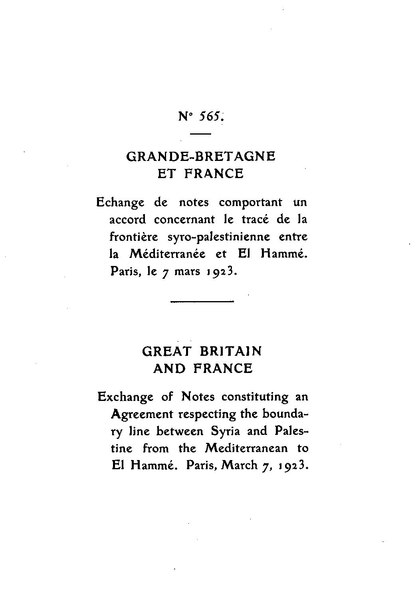
In 1923, a significant agreement was reached between the United Kingdom and France that delineated the border between the British Mandate of Palestine and the French Mandate of Syria. This agreement was pivotal in shaping the geopolitical landscape of the region. As part of the negotiations, the British transferred control of the southern Golan Heights to the French authorities. In exchange, the British received the northern Jordan Valley, thereby reconfiguring the territorial boundaries to better reflect the interests of both powers. The newly established border ensured that both banks of the Jordan River, along with the entirety of the Sea of Galilee, were incorporated into the British Mandate of Palestine. Notably, a 10-meter-wide strip along the northeastern shore of the Sea of Galilee was also included in this arrangement. Importantly, the agreement stipulated that Syria would retain fishing and navigation rights in the lake, highlighting the cooperative aspect of the agreement despite the territorial divisions. This border agreement not only influenced the immediate political dynamics but also laid the groundwork for future conflicts and negotiations in the region, as the implications of such territorial changes continue to resonate in contemporary discussions about Middle Eastern geopolitics.
View details1922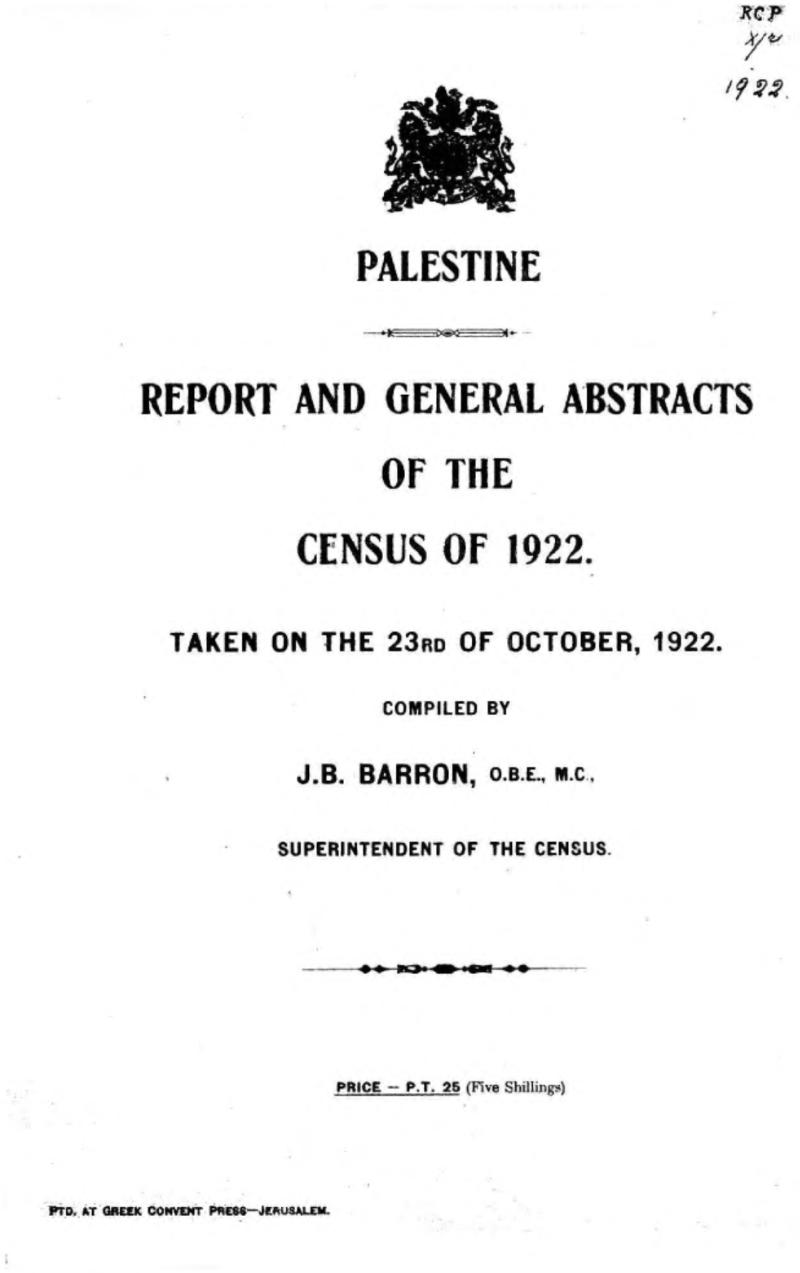
The 1922 Census of Palestine marked a significant moment in the demographic history of the region, recording a total population of 763,550 individuals. This census revealed that a substantial 89 percent of the population identified as Arabs, while only 11 percent were Jews. This demographic data underscored the Arab majority in Palestine during this period. The British authorities, under the Mandate, played a crucial role in facilitating Jewish immigration to Palestine, which was part of their commitment to support Zionist settlement. This influx of Jewish immigrants was a source of concern for the Arab population, as it raised fears about the changing demographic landscape and the potential implications for their political and social status. The 1922 Census thus not only provided a snapshot of the population at the time but also highlighted the tensions that would arise from the British policies and the growing Zionist movement in the region.
View detailsOn July 24, 1922, the League of Nations formally approved the British Mandate for Palestine, marking a significant moment in the region's history. The mandate was rooted in the Balfour Declaration of November 2, 1917, which expressed the British government's support for the establishment of a national home for the Jewish people in Palestine. The preamble of the mandate emphasized the responsibility of the Mandatory Power to implement this declaration while ensuring that the civil and religious rights of the existing non-Jewish communities in Palestine were not prejudiced. This dual commitment aimed to balance the aspirations of Jewish settlers with the rights of the Arab population. Additionally, the mandate included provisions for the administration of Transjordan, which was exempt from the clauses related to the Jewish national home, reflecting the complexities of governance in the region. The British Mandate for Palestine laid the groundwork for future developments in the area, influencing the socio-political landscape for decades to come.
View details1921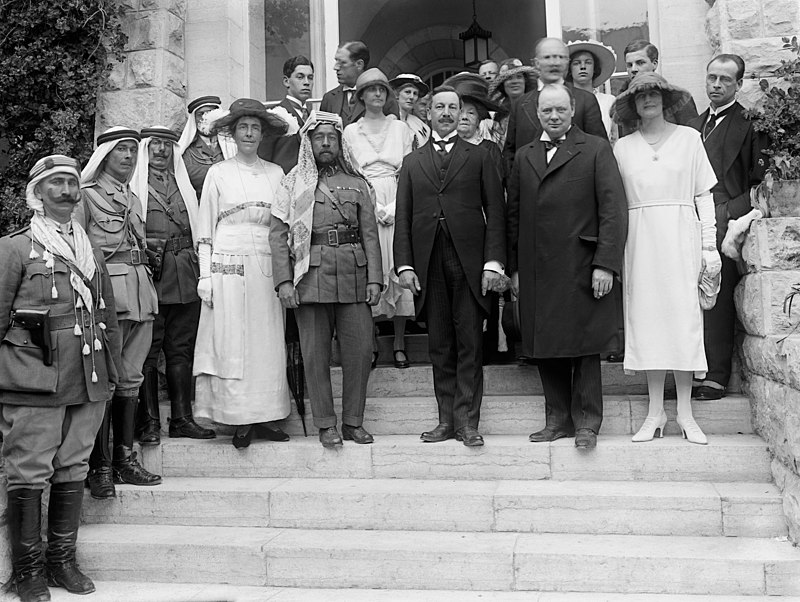
In 1921, the British authorities established the Muslim Higher Council in Palestine, a significant institution aimed at providing religious leadership to the Muslim population. This council was recognized by the British as the representative body for the Arabs of Palestine, despite the presence of the nationalist Executive Arab Committee, which sought a similar role. The council's responsibilities included the administration of religious endowments, the appointment of religious judges, and local muftis, thereby centralizing religious authority within a framework that the British could control. Haj Amin al-Husayni was appointed as the head of the council, and his family members were given precedence in its composition. This strategic move by the British was part of a broader policy to foster divisions among the Palestinian elite, which ultimately led to a schism that hindered the development of cohesive national organizations for many years. The establishment of the Muslim Higher Council not only altered the religious landscape of Palestine but also had lasting implications for the political dynamics within the region, contributing to the complexities of the Palestinian struggle for independence that would unfold in the following decades.
View details1920
Though Palestinian elites, in particular urban notable families who worked within the Ottoman bureaucracy, generally retained their loyalty to the Ottomans, they also played a significant role proportionately in the rise of Arab nationalism, and the Pan-Arabic movements that arose in response to both the emergence of the Young Turks movement and the subsequent weakening of Ottoman power in World War 1. The onset of the Zionist movement, which sought to establish a Jewish homeland in Palestine, also exercised a strong influence on Palestinian national consciousness. Abdul Hamid, the last sultan of the Ottoman Empire, opposed the Zionist movement's efforts in Palestine. The end of the Ottoman Empire's rule in Palestine coincided with the conclusion of World War I. The failure of Emir Faisal to establish a Greater Syria in the face of French and British colonial claims to the area, also shaped Palestinian elites' efforts to secure local autonomy. In the aftermath of the war Palestine came under British control with the implementation of the British Mandate for Palestine in 1920.
View detailsThe British Mandate for Palestine, established in 1920, marked a significant turning point in the region's history following the defeat of the Ottoman Empire in World War I. The League of Nations granted Britain the authority to govern Palestine, which initiated a period of British administration that would last until 1948. This mandate was intended to prepare the territory for self-governance, but it quickly became a source of tension between the Jewish and Arab communities. By 1920, these tensions escalated into violent clashes and riots, reflecting the deep-seated grievances and aspirations of both groups. Throughout the 1920s, Palestine witnessed a rise in nationalist movements, with both Jewish and Arab populations increasingly resisting British policies. This resistance often manifested in sporadic violence and protests, as each community sought to assert its identity and claim to the land. The British administration faced the challenge of balancing these competing nationalisms while attempting to maintain order, a task that proved increasingly difficult as the decade progressed. The legacy of the British Mandate continues to influence the socio-political landscape of the region today.
View detailsIn April 1920, the 1920 Palestine riots erupted in Jerusalem, marking a significant moment in the history of Arab-Jewish relations. These violent disturbances were fueled by rising tensions surrounding the implications of Zionist immigration, which had been a contentious issue in the region. The British military administration, tasked with maintaining order, responded erratically, failing to effectively contain the violence that lasted for four days. The aftermath of the riots saw a notable erosion of trust among the British authorities, the Jewish community, and the Arab population. In response to the escalating violence and instability, the Jewish community began to take steps towards establishing an autonomous infrastructure and security apparatus, parallel to that of the British administration. This shift indicated a growing sense of self-reliance and the need for protection amidst increasing hostilities. The 1920 Palestine riots not only highlighted the fragility of coexistence in the region but also set the stage for future conflicts and the ongoing struggle for national identity and security among both Jews and Arabs in Palestine.
View details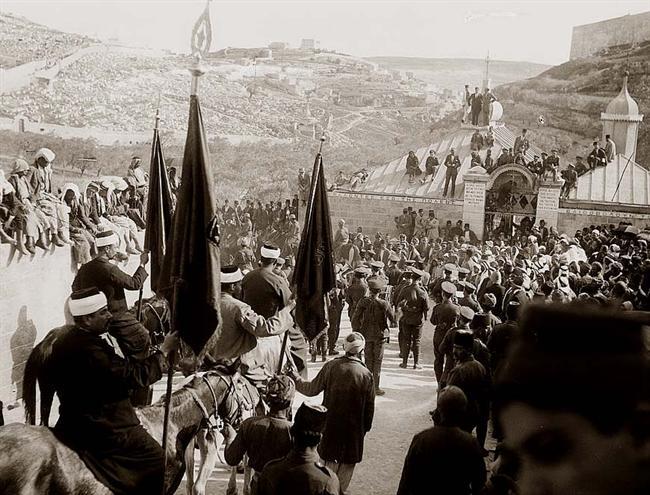
1917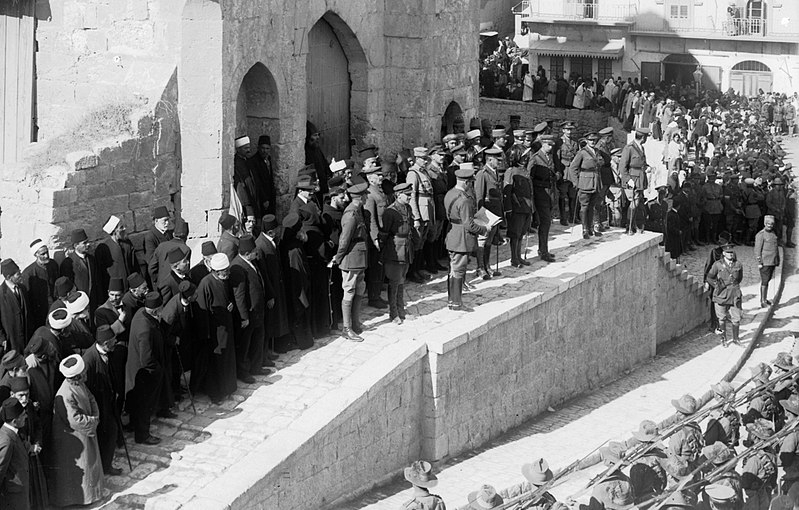
On December 9, 1917, the British Egyptian Expeditionary Force, under the command of General Edmund Allenby, successfully captured Jerusalem from Ottoman control. This pivotal event during World War I not only marked the end of centuries of Ottoman rule in the city but also signified a broader shift in the geopolitical landscape of the Middle East. The capture of Jerusalem was part of a larger campaign that saw British forces driving the Ottomans from much of the region. Following this victory, the British continued their military operations, culminating in the decisive Battle of Megiddo in September 1918, which led to the occupation of the entire Levant. The eventual capitulation of Turkey on October 31, 1918, further solidified British control over the area. The aftermath of the British capture of Jerusalem set the stage for significant political and social changes, including rising tensions between Jewish and Arab communities in Palestine, which would escalate into violent clashes in the years to follow. This historical moment remains a critical point of reference in understanding the complex dynamics of the region during and after World War I.
View details1916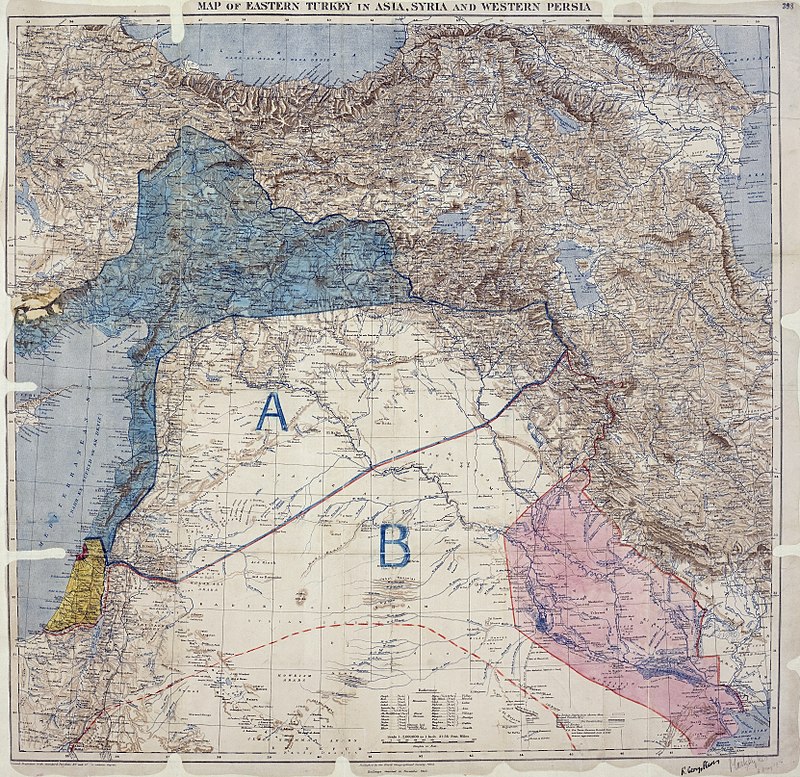
The Sykes-Picot Agreement of 1916 was a pivotal moment in the geopolitical landscape of the Middle East, particularly concerning Palestine's future. Conceived in secrecy during World War I, the agreement outlined the division of Ottoman territories between Britain and France. Notably, it proposed that most of Palestine would be designated as an international zone, free from direct colonial governance by either power. This vision aimed to address the aspirations of various ethnic and national groups in the region. However, the agreement contradicted earlier promises made to Arab nationalists, who were led to believe that they would gain independence in exchange for their support against the Ottomans. The conflicting commitments laid the groundwork for future tensions and conflicts in the region, as the aspirations of the local populations clashed with the imperial interests of European powers. The Sykes-Picot Agreement remains a significant historical reference point for understanding the complexities of Middle Eastern politics and the ongoing struggles over national identity and territorial claims in Palestine and beyond.
View details1911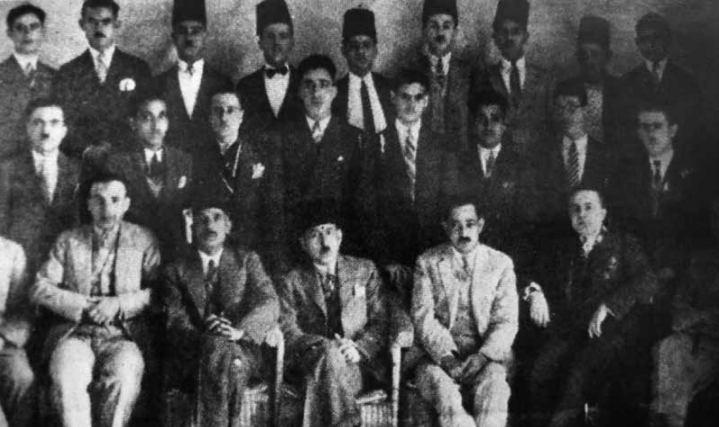
The publication of the daily newspaper Falastin in 1911 marked a significant moment in the evolution of Palestinian identity and the concept of 'Filastin' among the educated Arab populace. This term, which referred to various geographical scopes including the entirety of Palestine, the Jerusalem sanjak, or the vicinity of Ramle, became increasingly prominent during this period. The early 20th century was characterized by the rise of Zionism, a national movement advocating for the establishment of a Jewish homeland in Palestine, which led to increased Jewish immigration to the region. This influx not only altered the demographic landscape but also intensified the socio-political dynamics between the Arab and Jewish communities. The emergence of Falastin as a daily publication served as a platform for articulating Arab perspectives and concerns, reflecting the growing awareness and mobilization around Palestinian identity amidst the backdrop of rising nationalism and external pressures. As such, Falastin played a crucial role in shaping public discourse and fostering a sense of unity among Palestinians during a transformative era in their history.
View details1881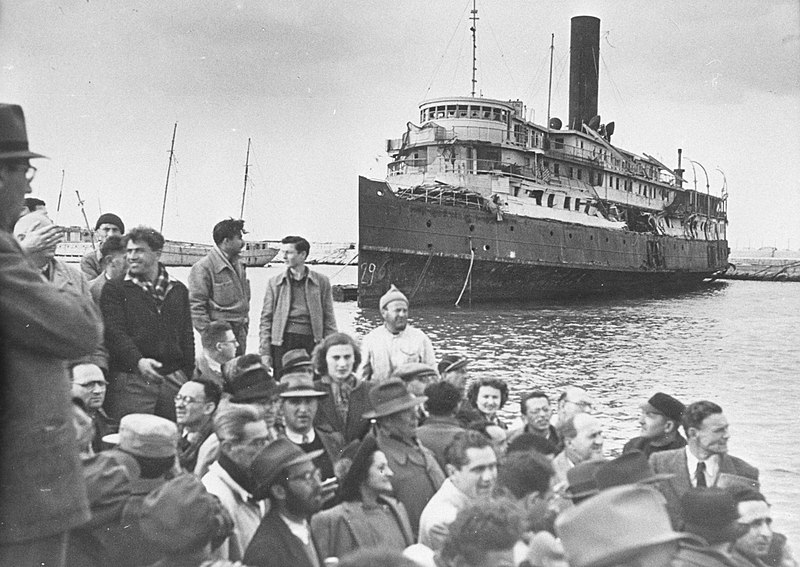
The First Aliyah, which began in 1881 and lasted until 1903, marked a significant turning point in the history of Jewish immigration to Palestine. This movement was part of the broader rise of Zionism, a national movement that sought to establish a Jewish homeland in the land of their ancestors. Approximately 25,000 Jews, primarily from Eastern Europe and Yemen, made the journey to Palestine during this period. The motivations for this migration were varied, including escaping persecution and seeking better economic opportunities. However, the influx of Jewish immigrants was met with resistance; in 1891, notable figures in Jerusalem petitioned the Ottoman government to halt Jewish immigration and land purchases. Following the First Aliyah, the Second Aliyah occurred between 1904 and 1914, bringing an additional 35,000 Jews, mainly from Russia and Poland. This wave of immigration further solidified the Jewish presence in Palestine and laid the groundwork for future developments in the region.
View details1847
In the 1830s, Aqil Agha, a Palestinian Bedouin and former soldier in Ibrahim Pasha's army, began to establish a militant group that significantly increased his influence in Northern Palestine. His growing power and activities drew the ire of Muhammad Kubrisi, the Ottoman-appointed kaimakam of Acre. In response to the tensions, Aqil sought alliances east of the Jordan River, which ultimately bolstered his position. By 1847, with the support of the Bani Sakher tribe, Aqil conducted raids that prompted Kubrisi to invite him back to Galilee and grant him a pardon. This marked a turning point in Aqil's influence, as he began to exert control reminiscent of the historical figure Zahir al-Umar. However, this period of autonomy was curtailed by the Tanzimat reforms of 1862, which aimed to centralize Ottoman authority and significantly diminished local resistance in Palestine. Aqil Agha's legacy is a testament to the complex interplay of local power dynamics and Ottoman governance during a transformative era in the region.
View details1841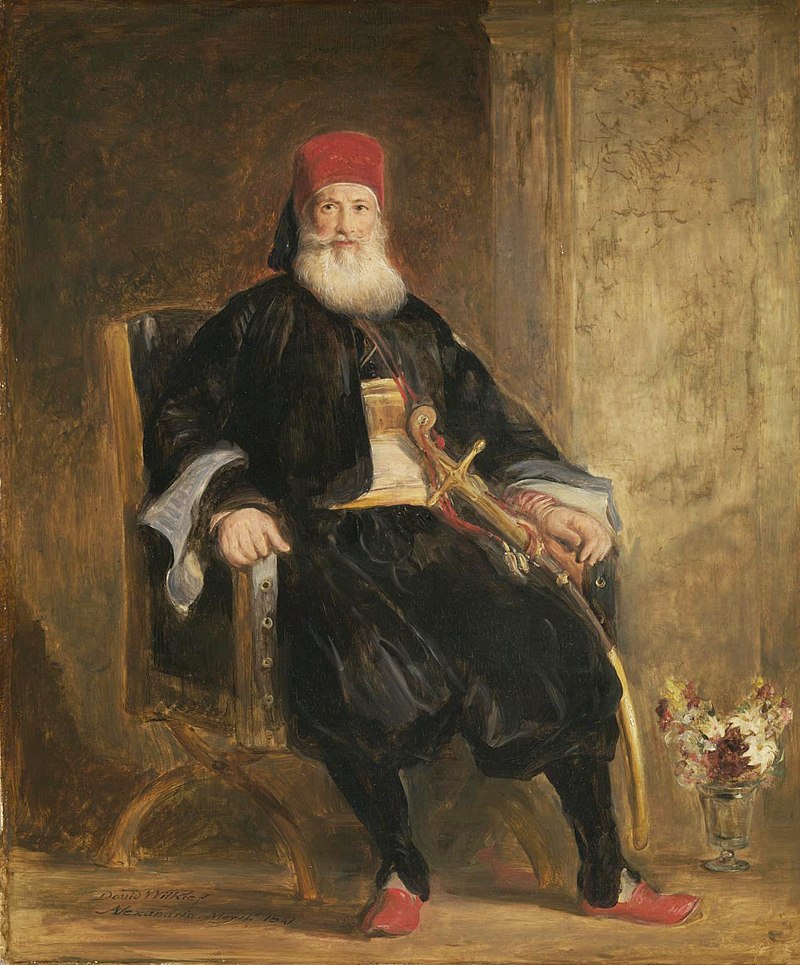
In 1841, following a series of local uprisings against Egyptian occupiers and the intervention of a British naval squadron, the Egyptian army retreated to Egypt. Muhammad Ali signed the Treaty of 1841, which returned control of the Levant to the Ottomans. As a result, Britain was able to increase the extraterritorial rights that various European nations had enjoyed throughout previous centuries under the terms of the Capitulations of the Ottoman Empire. One American diplomat noted that extraordinary privileges and immunities had become so embodied in successive treaties between the great Christian Powers and the Sublime Porte that for most intents and purposes many nationalities in the Ottoman Empire formed a state within the state. From 1840 onward, 'Palestine' was commonly used to describe the consular jurisdictions of the Western powers or for a region extending from Rafah to the Litani River, with the western boundary being the sea and the eastern boundary being the poorly defined place where the Syrian desert began. The Negev Desert was not included. The Consuls were originally magistrates who tried cases involving their own citizens in foreign territories. The Ottomans perpetuated the legal system they inherited from the Byzantine Empire, where the law in many matters was personal, not territorial, and the individual citizen carried his nation's law with him wherever he went. Capitulatory law applied to foreigners in Palestine, and only Consular Courts of the State of the foreigners concerned were competent to try them. This system extended protections to large communities of Jewish protégés who had settled in Palestine. The Muslim, Christian, and Jewish communities of Palestine were allowed to exercise jurisdiction over their own members in matters of personal status.
View details1834
The Peasants' Revolt in 1834 was a major uprising against Egyptian rule in Palestine. The core of the rebels were based in Jabal Nablus and led by subdistrict chief Qasim al-Ahmad, who had previously contributed peasant irregulars to Ibrahim Pasha's forces during the conquest of Syria. The revolt represented a major threat to the flow of arms and conscripts between Egypt and Syria and to Muhammad Ali's program of modernizing Egypt. Rebel forces captured most of Palestine, including Jerusalem, by June. However, Muhammad Ali arrived in Palestine, opened negotiations with various rebel leaders and sympathizers, and secured a truce in July. He also managed to secure the defection of the powerful Abu Ghosh clan of Jerusalem's hinterland from the rebel forces. During the truce period, numerous religious and political leaders from Jerusalem and other cities were either arrested, exiled, or executed. Afterward, Qasim recommenced the rebellion, viewing the truce as a ruse. Egyptian forces launched a campaign to defeat the rebels in Jabal Nablus, destroying 16 villages before capturing Nablus itself on 15 July. Qasim was pursued to Hebron, which was leveled in August, and was later captured and executed with most of the rebel leadership. In the wake of Egypt's victory, the virtual autonomy of Jabal Nablus was significantly weakened, the conscription orders were carried out with 10,000 peasant conscripts sent to Egypt, and the population was largely disarmed. The latter measure effectively introduced a monopoly of violence in Palestine, as part of Egypt's centralization policies. Egyptian rule and the defeat of the powerful rural sheikhs of Jabal Nablus led to the political elevation of the Abd al-Hadi family of Arraba. Its sheikh, Husayn Abd al-Hadi, supported Ibrahim Pasha during the revolt and was promoted as the Wali of Sidon, which included all of Palestine. His relatives and allies were appointed the mutasallims of Jerusalem, Nablus, and Jaffa.
View details1831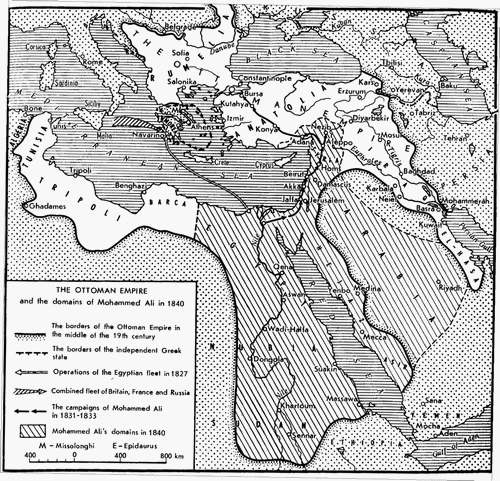
In October 1831, Muhammad Ali of Egypt dispatched his modernized army commanded by his son Ibrahim Pasha in a campaign to annex Ottoman Syria, including Palestine. Ibrahim Pasha's forces had previously defeated the Ottomans and gained control of Sudan and the western Arabian Peninsula. Their entry into Palestine was not resisted by the local inhabitants nor by the rural sheikhs of the central highlands. However, Abdullah Pasha resisted the conquest from Acre, which was besieged and ultimately surrendered in May 1832. Ibrahim Pasha introduced significant reforms to Palestine and Ottoman Syria, representing a radical change from the semi-autonomous rule that existed in the region prior to Muhammad Ali's conquest. Among the significant measures established by Ibrahim Pasha to bring all of Syria under a single administration was the introduction of advisory councils to standardize the diverse political configurations of Syria. These councils, based in major cities, were composed of religious leaders, wealthy merchants, and urban leaders, and functioned as administrative centers. Ibrahim Pasha also instituted the disarmament and conscription of the peasantry, a policy carried out by Muhammad Ali in Egypt to establish centralized rule and a modern army. Conscription and disarmament were highly unpopular among the peasantry and their leaders, who refused to implement the orders. New taxation policies also threatened the role of urban notables and rural sheikhs as mutasallims, while Egypt's effective law enforcement measures threatened the livelihood of Bedouin tribes who derived their income from extorting merchants and travelers. The diverse array of social and political groups hostile to Egyptian reforms throughout Palestine developed into a coalition, leading to the Peasants' Revolt in 1834.
View details1830
In 1830, the Sidon Eyalet, governed by Abdullah Pasha, undertook a significant administrative consolidation of Palestinian territories by incorporating the sanjaks of Nablus, Jerusalem, and Hebron. This strategic move aimed to enhance Ottoman control over the region, streamlining governance and resource management. However, Abdullah Pasha's rule was not without challenges; local revolts, notably the Jarrar-led uprising, posed significant threats to his authority. In response, Abdullah Pasha resorted to military action, besieging and ultimately destroying the fortress of Sanur to quell the dissent. Despite his efforts to maintain economic dominance in Acre, the administration faced declining revenues and rising poverty levels, which undermined the region's stability. Nevertheless, Acre continued to play a crucial role in Ottoman Syria, particularly during a period marked by instability in Damascus and the Ottoman Empire's distractions due to the Greek War of Independence. This consolidation of power and the subsequent challenges faced by Abdullah Pasha highlight the complexities of governance in the Ottoman Empire during this era.
View details1820
In 1820, Abdullah Pasha was appointed as the governor of Sidon Eyalet, succeeding Sulayman Pasha al-Adil. His rise to power was significantly influenced by Haim Farhi, who skillfully lobbied for Abdullah's appointment despite initial reluctance from the Ottoman authorities. Abdullah Pasha continued the policies of his predecessor, maintaining strong alliances, particularly with Emir Bashir Shihab II of Mount Lebanon. His governance marked a pivotal moment in the consolidation of Palestinian territories into a single province, enhancing administrative efficiency. However, Abdullah's tenure was not without challenges; he faced declining revenues from the cotton trade, which was a critical economic driver, and he sought to reassert Acre's monopolies amidst growing competition. Additionally, his rule was characterized by internal revolts and external pressures, reflecting the intricate dynamics of Ottoman provincial governance. The situation escalated to the point where the Wali of Damascus attempted to oust Abdullah, leading to a siege against Acre. However, Muhammad Ali, the Wali of Egypt, intervened and persuaded the Ottomans to retain Abdullah in his position, highlighting the complex interplay of power within the Ottoman Empire during this period.
View details1810
In 1810, Sulayman Pasha al-Adil was appointed to the Damascus Eyalet, overseeing a significant portion of Ottoman Syria. His administration marked a notable shift in governance, focusing on balancing central authority with local autonomy, contrasting sharply with the more violent tactics employed by his predecessor, Jazzar Pasha. During his tenure, Sulayman successfully annexed the sanjaks of Latakia, Tripoli, and Gaza to the Sidon Eyalet, enhancing the administrative reach of the Ottoman Empire in the region. However, his rule was not without challenges; in 1817, a civil war erupted in Jabal Nablus between the Tuqan family and a coalition of other influential families. Demonstrating diplomatic acumen, Sulayman mediated the conflict, leading to a temporary peace in 1818. His efforts to engage with local leaders, such as Musa Bey Tuqan, reflected a strategic approach to governance that prioritized stability and cooperation over conflict. Sulayman's tenure, though brief, left a lasting impact on the political landscape of Ottoman Syria, setting a precedent for future administrations.
View details1804
In 1804, the influential Ottoman governor of Sidon, Jazzar Pasha, passed away, leading to the succession of his trusted mamluk, Sulayman Pasha al-Adil. Under the mentorship of Haim Farhi, Sulayman Pasha initiated significant economic reforms that transformed the region's trade dynamics. He notably loosened the monopolies that Jazzar had established over the cotton, olive oil, and grain trades. This strategic move not only encouraged competition but also established Acre as the exclusive Levantine port city permitted to export these vital cash crops. Furthermore, Sulayman Pasha implemented substantial cuts to Acre's military forces and adopted a policy of decentralization, granting greater autonomy to his deputy governors. This marked a significant shift from Jazzar Pasha's violent and monopolistic governance style, paving the way for a more progressive and economically vibrant administration. Sulayman Pasha's reforms laid the groundwork for a more open and prosperous economy in the region, reflecting a departure from the past and a vision for a more decentralized governance structure.
View details1800
In 1800, the Ottoman Empire launched a military campaign to pursue French forces into Egypt, following their defeat in Palestine. This strategic move was initiated from Gaza, which served as a critical launch point for the Ottomans. The campaign was part of the larger conflict between the Ottomans and Napoleonic France, which had sought to expand its influence in the region. The Ottomans, with the support of British forces, had recently achieved a significant victory by repelling Napoleon's invasion of Acre. This victory not only bolstered the military reputation of Jazzar Pasha, the Ottoman governor of Sidon, but also reinvigorated Ottoman efforts to expel French forces from their territories. The pursuit into Egypt represented a determined effort by the Ottomans to reassert control over their lands and counter the French threat, marking a pivotal moment in the ongoing struggle for dominance in the Eastern Mediterranean.
View details1799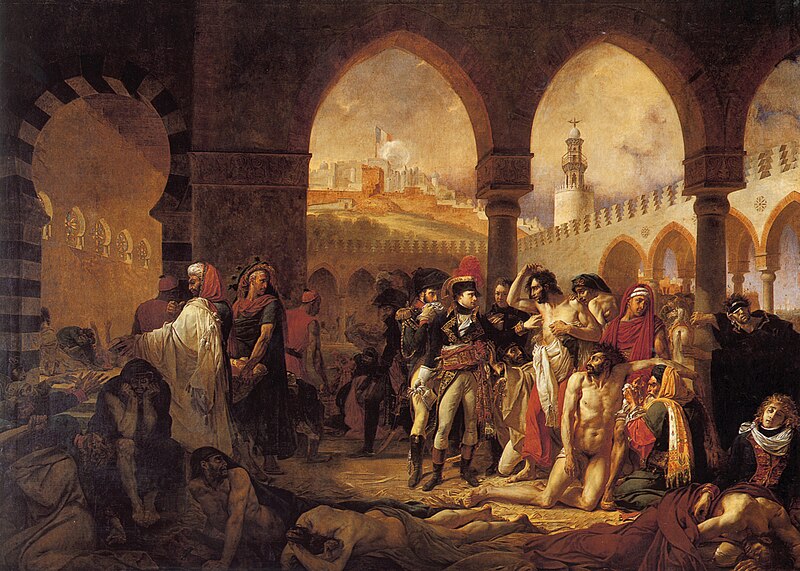
In February 1799, Napoleon Bonaparte made a significant military move by entering Palestine after his successful conquest of Egypt. This maneuver was part of his broader campaign against the Ottoman Empire, which was allied with the British Empire, his primary adversary. Upon entering Palestine, Napoleon's forces quickly occupied Gaza and advanced north along the coastal plain. One of the most notable events during this campaign was the capture of Jaffa, where Napoleon's troops committed a massacre against approximately 3,000 Ottoman soldiers who had surrendered, as well as many civilians. Following the brutal conquest of Jaffa, Napoleon's forces captured Haifa, which served as a crucial staging ground for their subsequent siege of Acre. During this campaign, Napoleon sought to rally support from the Jewish community, calling for their assistance in capturing Jerusalem, highlighting his strategic approach to garner local support in his military endeavors. This period marked a significant moment in the history of the region, as it intertwined military conquest with the complex socio-political dynamics of the time.
View details1774
Although Acre and the Galilee were part of Sidon Eyalet while the rest of Palestine administratively belonged to Damascus, it was the rulers of Acre, beginning with Zahir al-Umar, that dominated Palestine and the southern Syrian districts. Damascus governors typically held office for short periods of time and were often occupied with protecting and leading the Hajj caravan, preventing them from asserting their authority over semi-autonomous areas such as the Nablus region. In contrast, Zahir established Acre as a virtually autonomous entity, a process seen in other parts of the Ottoman Empire including Egypt, Mount Lebanon, and Mosul. Moreover, Acre became the de facto capital of Sidon Eyalet during and after Zahir's reign, and like Zahir, his successors ruled Acre until their deaths. There were several military confrontations between Zahir and the Jarrar clan starting in 1735 when the former occupied the latter's territory of Nazareth and the Jezreel Valley, which served as trade and transportation hubs. Meanwhile, in 1766, the Tuqan family had ousted the Jayyusis from the Bani Sa'b subdistrict, which was then occupied by Zahir in 1771, stripping Nablus of its sea access. The conflict between Zahir and the Tuqans culminated with the former's unsuccessful siege of Nablus later that year.
View details1771
In June 1771, Zahir al-Umar, a prominent leader in the Levant, allied with Ali Bey of Egypt and his deputy commanders Ismail Bey and Abu al-Dhahab, launched a significant military campaign against Damascus and Sidon, supported by the Russian Navy. Their forces successfully captured Damascus, marking a pivotal moment in the regional power dynamics. However, the victory was short-lived as Ali Bey's commanders abruptly withdrew, forcing Zahir to retreat from Sidon shortly thereafter. In response, Uthman Pasha al-Kurji, the Wali of Damascus, intensified his efforts to eliminate Zahir. Despite this, Zahir achieved a decisive victory at Lake Hula in September 1771, routing Uthman Pasha's forces. Following this triumph, Zahir continued his military successes, defeating Emir Yusuf Shihab's Druze forces at Nabatieh. By 1774, Zahir's influence had expanded significantly, with his rule stretching from Gaza to Beirut and encompassing most of Palestine. However, in 1775, a coalition of Ottoman forces besieged Zahir at his headquarters in Acre, leading to his death. The subsequent campaign led by Ottoman commander Jazzar Pasha resulted in the destruction of Deir Hanna's fort and the end of Zaydani rule in the Galilee by 1776.
View details1730
In 1730, Zaydani sheikh Zahir al-Umar was directly appointed by the Wali of Sidon as the multazem of Tiberias. He soon fortified Tiberias along with other Zaydani strongholds such as Deir Hanna, Arraba, and Nazareth. Between that time and 1750, Zahir consolidated his control over the entire Galilee. He transferred his headquarters to the port village of Acre, which he renovated and refortified. Acre became the center of an expanding autonomous sheikhdom financed by a monopoly on cotton and other agricultural commodities from Palestine and southern Lebanon established by Zahir. Zahir's control of cotton and olive oil prices drew great revenues from European merchants, enabling him to marshal military resources needed to fend off military assaults by the governors of Damascus. Moreover, the monopolies ended the foreign merchants' manipulation of prices and financial exploitation of the local peasantry. Together with significantly improved general security and social justice, Zahir's economic policies made him popular with the local inhabitants. Zahir also encouraged immigration to Palestine, attracting large numbers of Jews and Melkite and Greek Orthodox Christians from throughout Ottoman Syria, revitalizing the region's economy. Zahir founded modern-day Haifa in 1769.
View details