
Bahrain

The Pearl of the Gulf
About
#Bahrain
#MiddleEast
#Travel
Life Classification
Country
Life ID
EL0647914886599
Verified Name
bahrain
Life Type
Entity Life
Life Editor(s)
History Editorial Network (HEN)
Life Privacy
Public
Subscription
Elite
Created On
2024-07-04
Updated On
2025-12-19
Connect
Related Lives

Gambia
The Smiling Coast of Africa

Feminism
Heartbeat of Social Change

India
The Land of Diversity and Vibrant Culture.

Grenada
Spice Isle of the Caribbean

Bulgaria
A Tapestry of History and Modernity

Georgia
The Crossroads of Europe and Asia

China
Land of Silk

Tunisia
Golden beaches, Sunny weather, and Affordable luxuries.

2026
Iran launched missile and drone attacks against Bahrain on 28/02/2026 amid the outbreak of wider hostilities involving Iran, the United States, and Israel. The attacks targeted locations associated with American military operations, including facilities linked to the United States Navy's Fifth Fleet, headquartered in Bahrain. Bahraini authorities activated air-defence systems and issued public safety warnings as missiles and drones approached the island kingdom. The strikes formed part of Iran's military response to US and Israeli operations, extending the confrontation to Gulf states hosting American military installations.
Bahrain's strategic location in the Persian Gulf and its role as headquarters of the US Fifth Fleet placed it directly within the regional confrontation. Subsequent attacks and falling debris reportedly damaged civilian and critical infrastructure, disrupted transportation, and heightened security concerns. Bahraini authorities responded with emergency measures and coordinated defensive operations. The attacks also raised concerns about maritime security and commercial activity in the Gulf, where major international shipping routes and energy infrastructure are concentrated.
View detailsBahrain began its two-year term as a non-permanent member of the United Nations Security Council on 01/01/2026, following its election by the UN General Assembly on 03/06/2025. The kingdom was elected to represent the Asia-Pacific Group, receiving 186 votes. Its membership runs until 31/12/2027 and marks Bahrain's second term on the Council, following its previous service in 1998–1999. On 08/01/2026, Bahrain was participating in the Council's work as one of its ten elected members, alongside five permanent members.
Bahrain's membership gives the kingdom voting rights on Security Council resolutions concerning international peace and security, sanctions, peacekeeping operations, and conflict-related diplomatic measures. As an elected member, Bahrain participates in Council negotiations and discussions addressing regional and international crises, including developments in the Middle East. The term also provides an opportunity for Bahrain to advance diplomatic priorities through the United Nations framework, while decisions remain subject to the Council's voting procedures and the veto powers of its five permanent members.
View details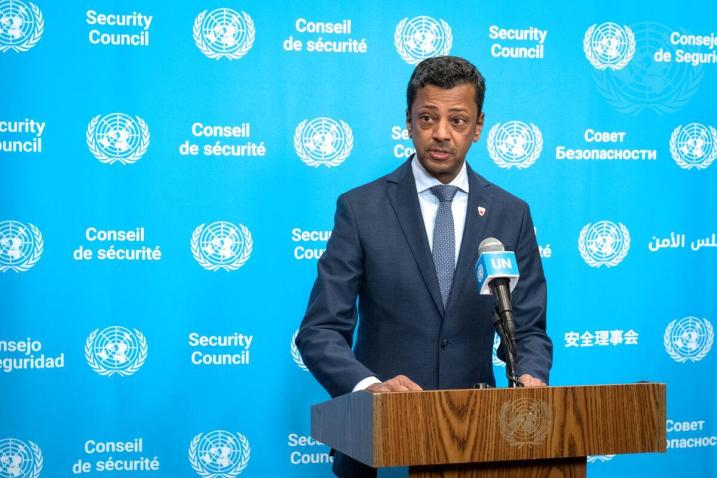
2025
In a pivotal alignment with global tax norms, Bahrain unveiled Decree-Law No. 11 of 2024 on September 1, 2024, introducing a 15% Domestic Minimum Top-up Tax (DMTT) on profits of large multinational enterprises (MNEs) operating in the kingdom, effective January 1, 2025. This landmark legislation, published by the National Bureau for Revenue (NBR), targets constituent entities—including subsidiaries, branches, and permanent establishments—of MNE groups with consolidated annual revenues exceeding €750 million in at least two of the prior four fiscal years, ensuring a jurisdictional effective tax rate (ETR) of no less than 15%.
As a partial adoption of the OECD's Pillar Two Global Anti-Base Erosion (GloBE) rules—without the income inclusion or undertaxed payments mechanisms—the DMTT calculates top-up liabilities by aggregating Bahraini entities' adjusted profits, subtracting substance-based income exclusions (up to 5-9.8% for payroll and assets), and bridging any ETR shortfall to 15%. Bahrain's move, following executive regulations issued December 15, 2024, mandates a nominated filing entity for registration, returns, and payments, with safe harbors and anti-avoidance provisions to streamline compliance.
Proponents, including OECD Inclusive Framework members, applaud the step as bolstering Bahrain's appeal as a low-tax hub—previously at 0% corporate income tax—while securing local revenue from oil giants and financial services firms amid fiscal diversification from hydrocarbons. It positions the Gulf state competitively against UAE (9% CIT) and Saudi Arabia (20%), potentially generating BD 100-200 million annually in new funds for infrastructure and green initiatives.
Critics, however, warn of administrative burdens on SMEs intertwined with MNEs and risks of double taxation without robust treaty networks, urging clearer guidance on de minimis exclusions and transitional relief. As Bahrain's first foray into corporate taxation, this DMTT underscores a maturing economy's embrace of equitable globalization, fostering sustainable growth in a post-oil era.
View details2020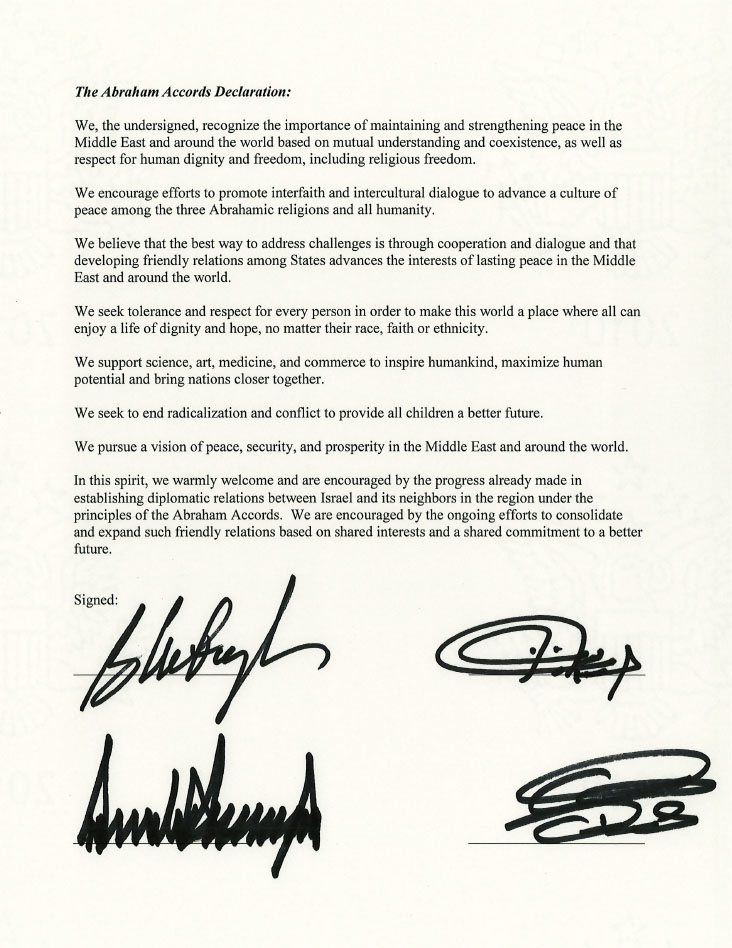
Bahrain and Israel formalized diplomatic ties as part of the Abraham Accords, marking a historic shift in Middle Eastern relations. The agreement aimed to promote peace, stability, and cooperation in the region. This normalization followed similar steps taken by other Arab nations. The United Arab Emirates was the first to reach such an agreement.
The move was significant as it included several agreements in areas like trade, technology, and healthcare cooperation. It also allowed direct flights between the two countries, which was a milestone in their relationship. The agreements were met with mixed reactions, with some hailing it as a step towards peace while others criticized it for not addressing the Palestinian issue.
Bahrain's decision to normalize relations with Israel was influenced by strategic, economic, and security interests. It was seen as a way to strengthen ties with the United States and counter regional threats. The move also aimed to boost Bahrain's economy through trade and investment opportunities with Israel.
Overall, the normalization of relations between Bahrain and Israel under the Abraham Accords marked a significant development in the Middle East's geopolitical landscape, with potential implications for the region's future.
#Bahrain #Israel #AbrahamAccords #MiddleEastPeace #Diplomacy
View details2018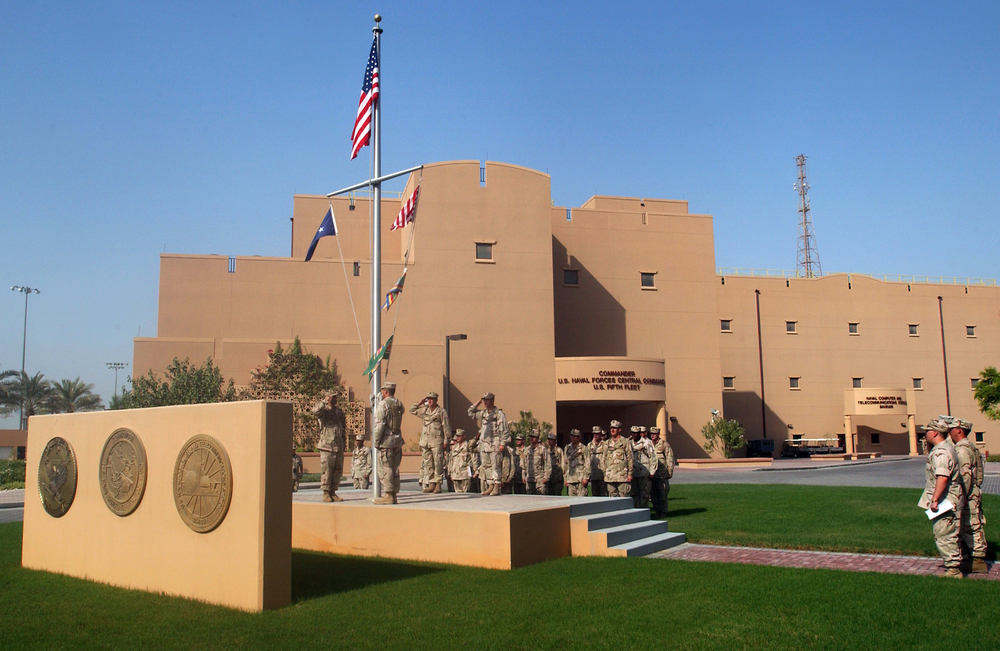
The United States Navy revealed plans for a $580 million enlargement of its base in Bahrain. The expansion aimed to enhance the base's capacity to house additional ships and personnel. This decision was influenced by the growing strategic importance of the Middle East region and the base's pivotal role in supporting naval operations in the area.
The project's impact was significant, as it signaled a long-term commitment by the U.S. Navy to bolster its presence in the region. The increased capabilities would enable the base to accommodate more advanced naval assets and streamline logistical operations. The expansion would also provide a boost to the local economy through job creation and infrastructure development.
The announcement underscored the U.S. Navy's efforts to strengthen its military posture in key strategic locations. The base in Bahrain served as a crucial hub for operations in the region, facilitating coordination with regional partners and ensuring maritime security in the area.
#USNavy #BahrainBase #MilitaryExpansion #MiddleEastSecurity
View details2015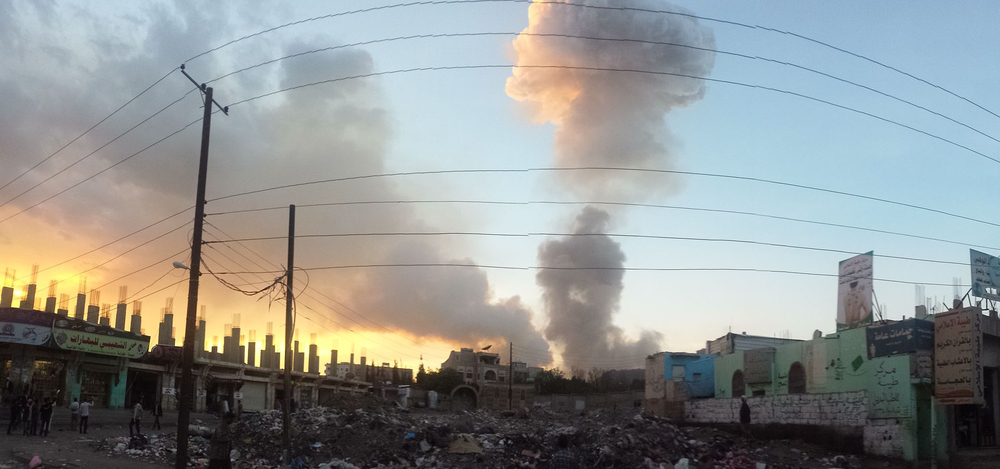
Bahrain joined four other states in participating in airstrikes led by Saudi Arabia against Houthi rebels in Yemen. The Houthi rebels had taken control of the Yemeni capital and were advancing towards the southern city of Aden, where the Yemeni president had taken refuge. The airstrikes aimed to halt the rebel advance and restore stability in Yemen.
The involvement of Bahrain in the airstrikes highlighted the country's commitment to regional security and its support for the Yemeni government. The airstrikes were met with mixed reactions, with some countries condemning the military intervention and calling for a peaceful resolution to the conflict, while others supported the action as necessary to combat the rebel threat.
The airstrikes caused significant damage to infrastructure and civilian casualties in Yemen, leading to concerns about the humanitarian impact of the military intervention. The conflict in Yemen escalated into a protracted and devastating civil war, causing widespread suffering and displacement of civilians.
The participation of Bahrain in the Saudi-led airstrikes underscored the complex geopolitical dynamics in the Middle East and the ongoing struggle for influence in the region. The event highlighted the challenges of addressing conflict and instability in the region through military means and the importance of diplomatic efforts to achieve lasting peace. #Bahrain #SaudiArabia #Yemen #HouthiRebels #Airstrikes #MiddleEast #Geopolitics
View details2011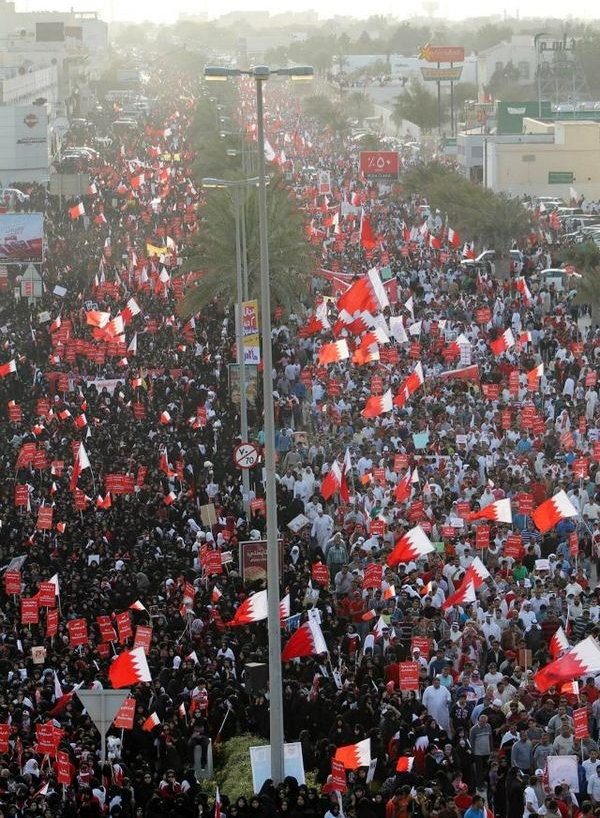
The Arab Spring protests emerged in Bahrain with citizens demanding political reforms and greater freedoms. The unrest stemmed from longstanding grievances against the ruling monarchy, which was accused of corruption and human rights abuses. The protests quickly escalated, with demonstrators occupying Pearl Roundabout in the capital, Manama, calling for an end to the government's suppression.
The authorities responded by deploying security forces to disperse the protesters, leading to violent clashes and casualties on both sides. The unrest sparked international concern, with calls for dialogue and respect for human rights. Despite government promises of reform, the protests continued, fueled by the growing discontent among the population.
The upheaval in Bahrain had regional implications, reflecting the broader wave of uprisings across the Middle East and North Africa. The protests highlighted the demands for democracy, accountability, and social justice in the region. The events in Bahrain underscored the complexities of political dynamics and power struggles within the monarchy.
In conclusion, the Arab Spring protests in Bahrain underscored the aspirations for change and the challenges of governance in the region. #ArabSpring #BahrainProtests #DemocracyDemand
View details2004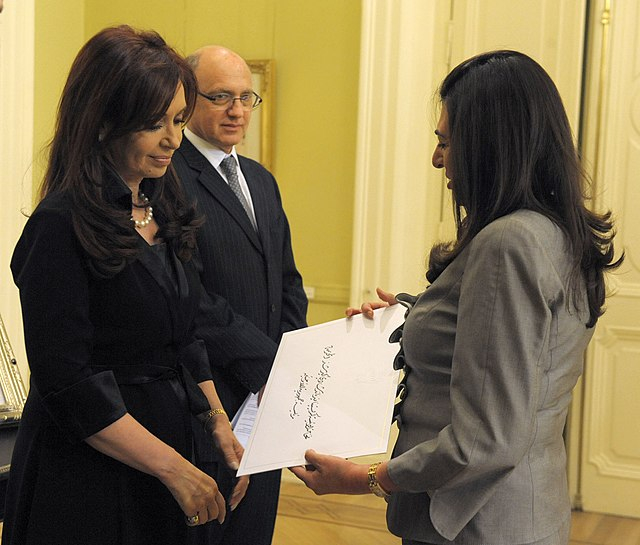
The Emir of Bahrain appointed the first non-Muslim and female members to the Consultative Council, marking a historic moment in the country's political landscape. Among the four women appointed was a Christian, breaking barriers and promoting inclusivity in governance.
This decision reflected Bahrain's commitment to diversity and equal representation in the decision-making process. It showcased progress towards gender equality and religious tolerance within the traditionally conservative society. The inclusion of a Christian member highlighted the Emir's efforts to ensure that all Bahraini citizens, regardless of their religion, have a voice in shaping the nation's policies.
The appointment of these groundbreaking members brought a fresh perspective to the Consultative Council, enriching discussions and contributing to a more inclusive and representative government. It set a precedent for future appointments and inspired hope for further diversity in Bahrain's political institutions.
#Bahrain #Inclusivity #Diversity #GenderEquality #ReligiousTolerance
View detailsThe Free Trade Agreement between the United States and Bahrain marked a pivotal economic milestone for both nations. This agreement aimed to reduce barriers to trade and investment, fostering closer economic ties and promoting growth. The negotiations leading up to the agreement were thorough and reflective of the mutual commitment to strengthen bilateral relations.
Upon implementation, the agreement brought a surge in trade between the US and Bahrain, boosting exports in various sectors such as manufacturing, agriculture, and services. It facilitated a smoother flow of goods and services, creating a more conducive environment for businesses on both sides to expand their operations.
The agreement also had broader implications, serving as a symbol of the deepening partnership and cooperation between the US and Bahrain. It underscored a shared vision for a more interconnected global economy and set a precedent for future trade agreements in the region.
Overall, the signing of the Free Trade Agreement between the United States and Bahrain was a significant step towards enhancing economic cooperation and reaping the benefits of increased trade opportunities.
#US #Bahrain #FreeTradeAgreement #EconomicGrowth #BilateralRelations
View details
The inaugural Formula One Grand Prix in the Middle East took place in Bahrain in 2004. This marked a significant milestone for the region, as it was the first time a race of this caliber was held in the Middle East. The event was hosted at the Bahrain International Circuit, a state-of-the-art facility that had been purpose-built to accommodate Formula One racing.
The Grand Prix in Bahrain had a profound impact on the country, attracting international attention and showcasing Bahrain as a major player in the world of motorsports. The event drew in thousands of spectators from around the world, boosting tourism and putting Bahrain on the map as a top destination for racing enthusiasts.
The race itself was highly competitive, with top Formula One drivers battling it out on the challenging desert track. The Bahrain Grand Prix quickly became a fan favorite, known for its thrilling races and unique desert setting.
Overall, the first Formula One Grand Prix in the Middle East was a resounding success, establishing Bahrain as a key player in the world of motorsports and paving the way for future races in the region. #BahrainGP #MiddleEast #FormulaOne
View details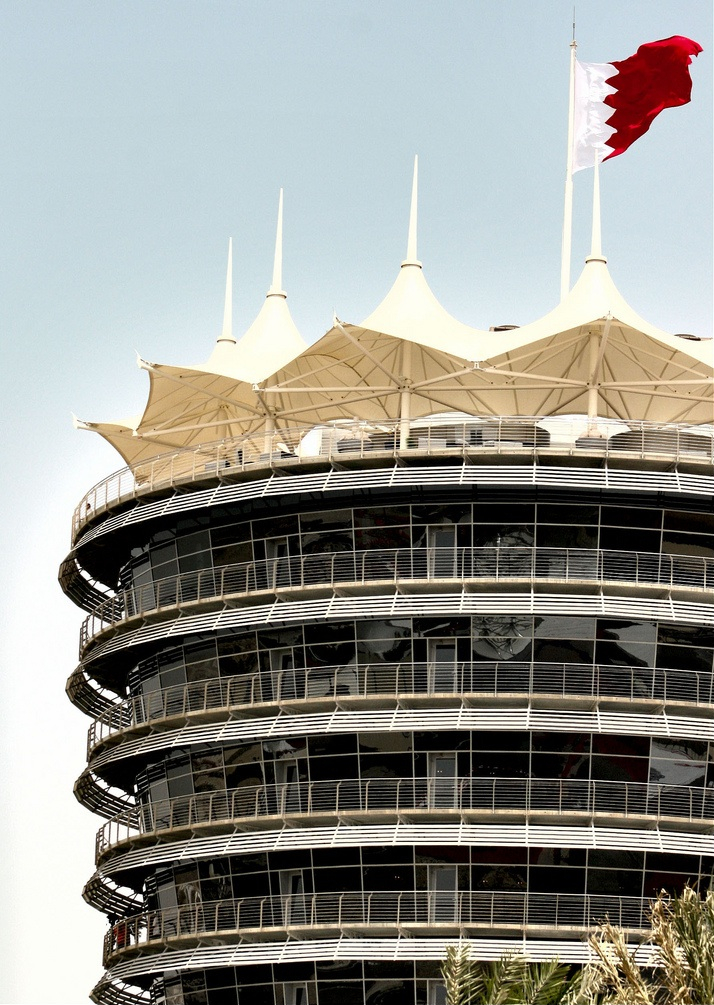
2002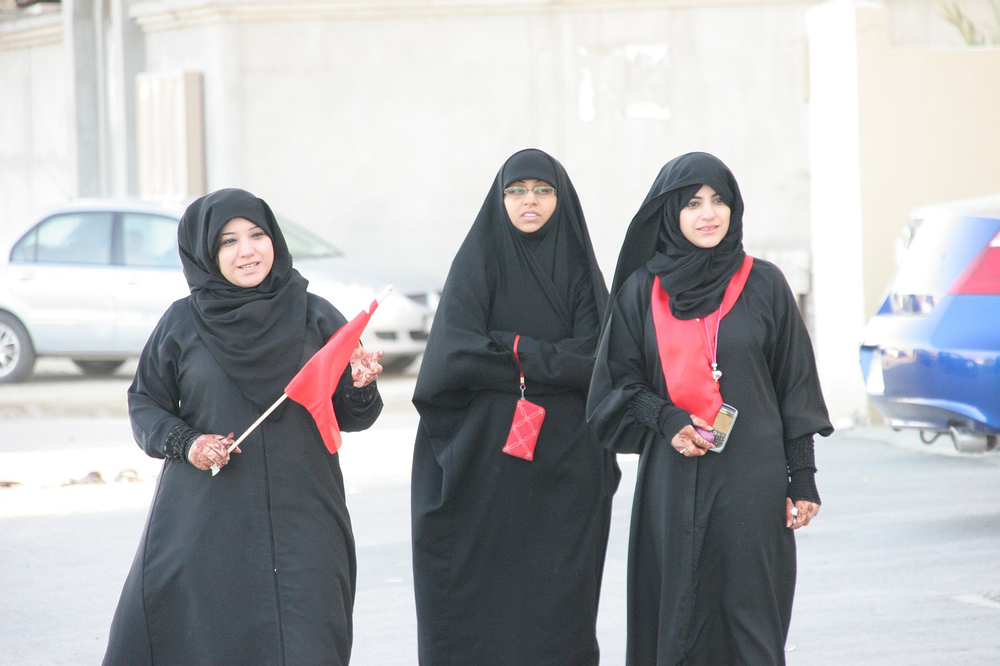
In 2002, Bahraini women achieved the right to vote and run for office, marking a milestone in the country's history. Prior to this historical decision, women were excluded from participating in the political process. The movement towards gender equality in Bahrain gained momentum with this change, enhancing the representation of women in the government.
The impact of this event was profound, as it empowered Bahraini women to have a voice in shaping the nation's future policies and laws. It opened doors for women to actively engage in politics, bringing diverse perspectives to the forefront of decision-making processes. The inclusion of women in the electoral process promoted a more inclusive and representative democracy in Bahrain.
This pivotal moment in Bahrain's history underscored the government's commitment to promoting gender equality and women's rights. By granting women the right to vote and stand for election, Bahrain took a significant step towards achieving greater gender equity in the country. The event marked a turning point in the political landscape of Bahrain, setting a precedent for female participation in governance and leadership roles.
#Bahrain #WomenEmpowerment #GenderEquality #PoliticalInclusion #WomenInLeadership
View details2001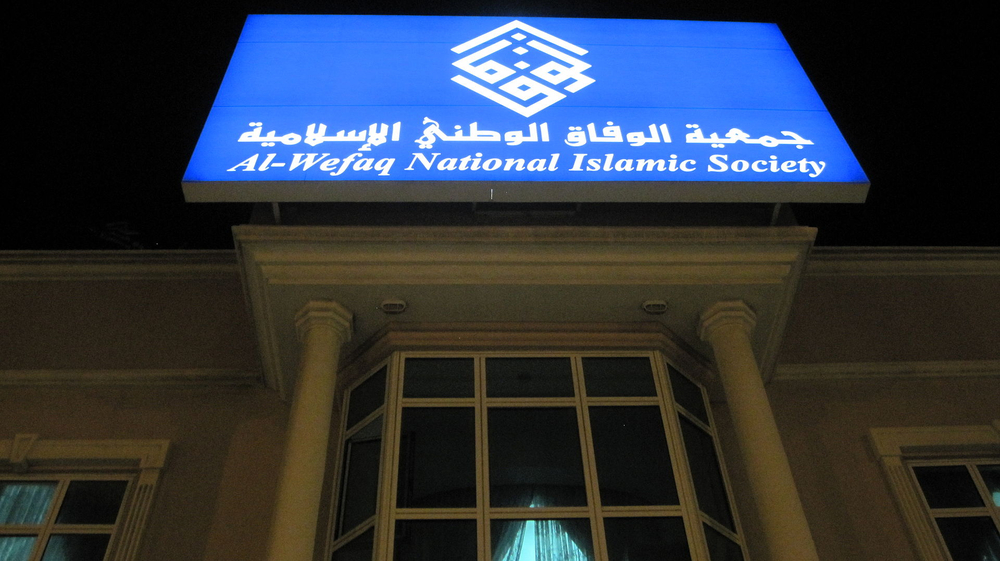
In 2001, the Al-Wefaq opposition movement was founded in Bahrain in response to calls for political reform and increased representation in government. Comprised of various political and religious groups, Al-Wefaq advocated for greater democracy, human rights, and social justice in the country.
The movement gained traction quickly, attracting a significant following among the Shia population, which had long felt marginalized in Bahrain's political landscape. Al-Wefaq became a prominent voice challenging the ruling Sunni monarchy and calling for a more inclusive and representative government.
As a result of its efforts, Al-Wefaq played a key role in the push for political reforms in Bahrain, including the introduction of a new constitution in 2002 that reinstated an elected parliament after decades of suspension. The movement's influence continued to grow, leading to its participation in parliamentary elections and its emergence as a major political force in the country.
Al-Wefaq's founding marked a turning point in Bahrain's political history, galvanizing support for democratic change and paving the way for increased political participation and activism. The movement's legacy remains significant in shaping the ongoing discourse around governance and representation in the country. #AlWefaq #Bahrain #OppositionMovement #PoliticalReform
View details1998
Bahrain played a pivotal role in 'Operation Desert Fox', a military campaign led by the US and Britain against Iraq. The strategic location of Bahrain provided vital military facilities for planning and executing the airstrikes on Iraq. The cooperation between Bahrain and the coalition forces facilitated quick deployment of troops and resources, ensuring a swift and effective operation.
The decision to allow the use of military facilities in Bahrain showcased the country's commitment to regional security and stability. It also strengthened Bahrain's strategic alliance with the US and Britain, underscoring their shared interests in safeguarding the region against threats to peace and security.
The impact of Bahrain's involvement in 'Operation Desert Fox' was significant in demonstrating a united front against Iraq's non-compliance with UN resolutions. The airstrikes targeted key military and security installations in Iraq, aiming to degrade Saddam Hussein's ability to produce and deploy weapons of mass destruction.
This event underscores Bahrain's role as a key partner in regional security efforts and highlights the country's willingness to support international missions aimed at maintaining peace and stability in the Middle East. #Bahrain #OperationDesertFox #USUKAlliance #RegionalSecurity
View details1992
In 1992, a 30-Member Consulate Council was established in Bahrain. This council was appointed by the Emir to serve a four-year term. The purpose of this council was to advise the government on various matters and to represent the interests of Bahraini citizens.
The establishment of the Consulate Council marked a significant step towards enhancing representation and participation in governmental decision-making processes. It aimed to provide a platform for diverse perspectives and voices to be heard, contributing to more inclusive governance.
The members of the Consulate Council were selected from different sectors of society, including business, education, and public service. Their diverse backgrounds and expertise brought a wealth of knowledge to the table, ensuring a comprehensive approach to addressing the country's challenges and opportunities.
Overall, the creation of the 30-Member Consulate Council reflected Bahrain's commitment to promoting democratic principles and fostering dialogue within the political landscape. It set a precedent for greater transparency and accountability in government actions, as well as for increased civic engagement among the population.
#Bahrain #ConsulateCouncil #Emir #Governance #Representation
View details1991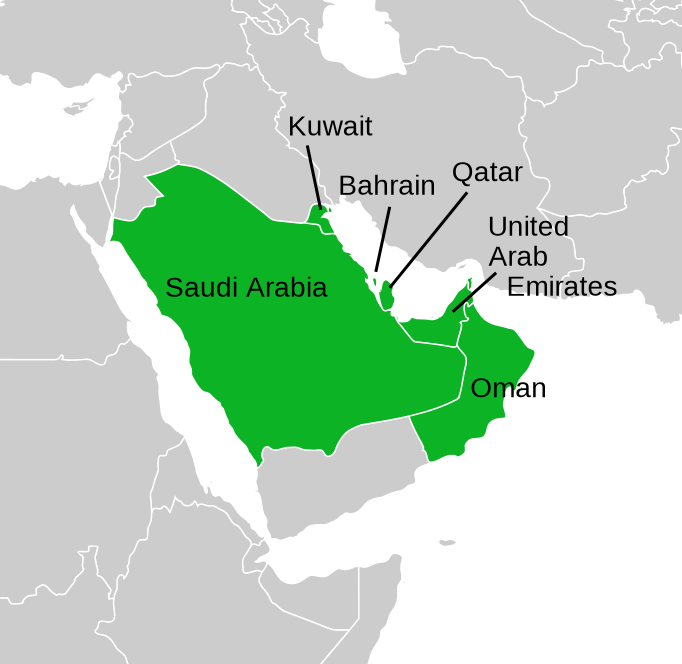
Bahrain's participation in the US-led Operation Desert Storm against Iraq was part of its involvement in the Gulf Cooperation Council Peninsula Shield Force. This military action aimed to liberate Kuwait from Iraqi occupation. Bahrain's decision to join the coalition stemmed from its commitment to regional security and stability.
The Bahraini contingent in Operation Desert Storm consisted of troops from the Bahrain Defense Force, who worked alongside forces from other GCC countries and the US-led coalition. Their involvement included providing air and naval support, as well as logistical assistance.
Bahrain's participation in Operation Desert Storm had a significant impact on the outcome of the conflict. The collective efforts of the coalition forces led to the successful liberation of Kuwait and the restoration of its sovereignty. Additionally, Bahrain's involvement demonstrated its dedication to maintaining peace and security in the region.
The cooperation and coordination between Bahrain and its allies during Operation Desert Storm strengthened their military partnerships and laid the foundation for future security collaborations. This event underscored the importance of collective defense efforts in addressing regional threats and challenges.
#Bahrain #OperationDesertStorm #GCCPeninsulaShield #CoalitionForces #RegionalSecurity
View details1986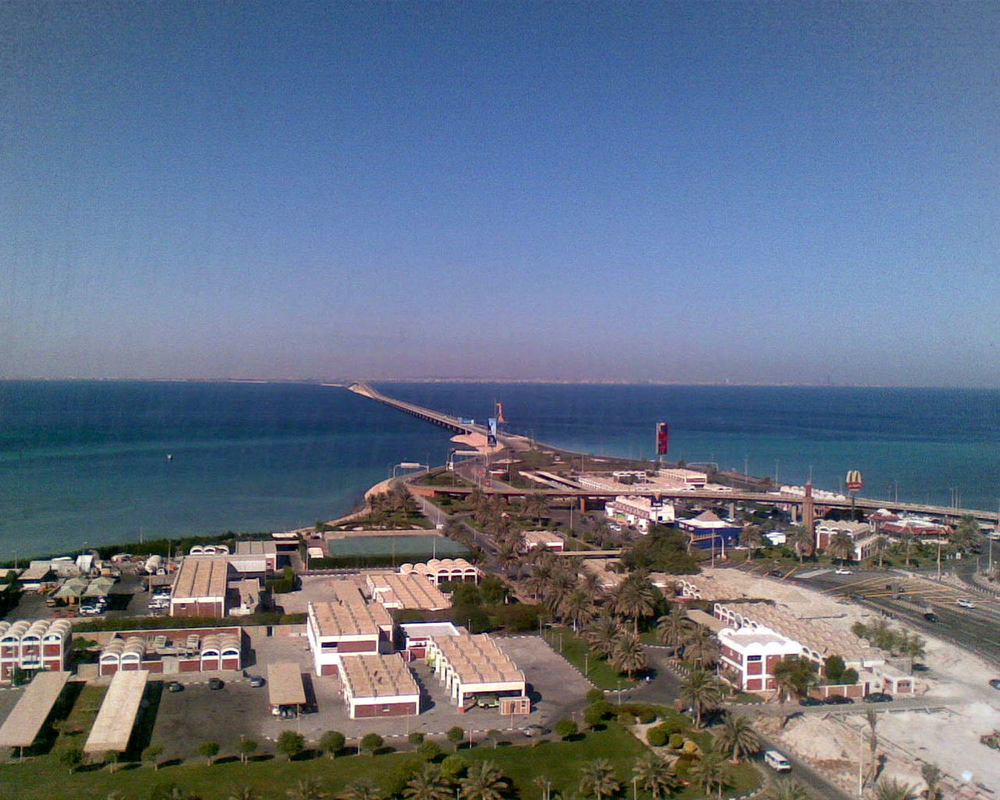
The King Fahd Causeway, connecting Bahrain and Saudi Arabia, greatly enhanced the accessibility between the two nations through a 25-kilometer bridge spanning the Gulf of Bahrain. The causeway, named after King Fahd bin Abdulaziz Al Saud, is considered a vital link for trade, tourism, and cultural exchange between the two countries. Its construction began in 1982, and it officially opened in 1986.
The opening of the causeway marked a significant milestone in the history of both Bahrain and Saudi Arabia, strengthening their economic and social ties. It facilitated easier movement of goods and people, boosting commerce and tourism on both sides. The causeway also played a crucial role in enhancing regional integration and cooperation in the Gulf region.
The King Fahd Causeway serves as a symbol of the strong bilateral relations between Bahrain and Saudi Arabia. It has become a vital artery for the exchange of goods, services, and people, promoting economic growth and cultural exchange. The causeway continues to be a key infrastructure project that has had a lasting impact on the connectivity and progress of both nations.
#Bahrain #SaudiArabia #KingFahdCauseway #Bridge #BilateralRelations #RegionalIntegration #Connectivity
View detailsIn 1986, Qatar troops occupied Fasht al-Dibal Island, raising tensions with Bahrain over territorial disputes in the Gulf region. The occupation sparked concerns about potential escalation of conflicts in the area. Saudi Arabia intervened by mediating negotiations between the two nations to defuse the situation.
During the mediation process, both Qatar and Bahrain were able to reach a diplomatic resolution. The Qatari troops withdrew from the island in June, easing the tension and avoiding further military confrontation. The peaceful resolution highlighted the importance of dialogue and diplomacy in resolving territorial disputes and maintaining stability in the region.
The event underscored the complex geopolitical dynamics in the Gulf region and the role of regional powers in facilitating peaceful resolutions. It also demonstrated the significance of maintaining open communication channels to prevent conflicts from escalating.
#Qatar #Bahrain #FashtalDibal #SaudiArabia #mediation #territorialdispute #diplomacy
View details1981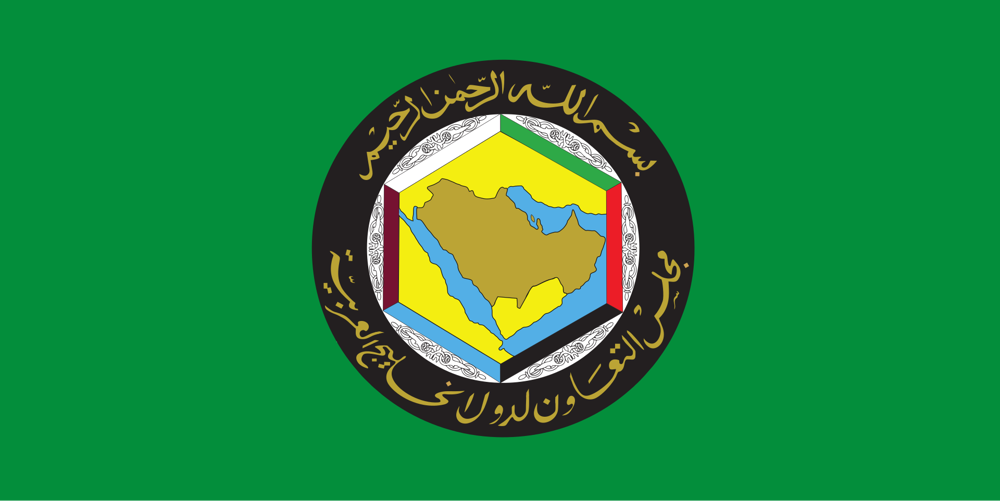
In 1981, Bahrain played host to the first summit of the Gulf Cooperation Council (GCC), a significant gathering among Gulf countries aimed at enhancing cooperation and solidarity in various fields. The establishment of the GCC marked a pivotal moment in the region's history, emphasizing the importance of unity and collaboration among its member states at a time of growing geopolitical challenges and opportunities.
The summit in Bahrain provided a platform for leaders from the six GCC countries to discuss shared interests, address regional issues, and strengthen economic, political, and security ties. This historic event laid the foundation for future collaborations within the region, fostering a sense of collective identity and purpose among Gulf nations.
The hosting of the inaugural GCC summit in Bahrain signaled the Kingdom's commitment to regional stability and prosperity, showcasing its diplomatic leadership and strategic significance in the Gulf. It set a precedent for subsequent summits and initiatives that continue to shape the geopolitics of the Middle East today.
#GCC #Bahrain #Summit #Cooperation #Unity #Diplomacy
View details1972
During the event, the elections took place for a National Assembly advisory body in Bahrain. The body comprised of 14 cabinet members and 30 MPs, elected by male voters over the age of 20. This marked a significant development in Bahrain's political landscape, aiming to promote greater representation and inclusivity.
The background to this event lies in Bahrain's efforts to strengthen democratic practices and engage citizens in the decision-making process. By allowing male voters to elect a portion of the National Assembly members, the government sought to incorporate diverse perspectives and foster dialogue between officials and the public.
The impact of these elections was notable as it granted greater voice to the male population, enabling their participation in shaping the country's policies and legislation. The advisory body served as a channel for expressing the concerns and priorities of the people, influencing governmental actions and initiatives.
This event underscored Bahrain's commitment to democratic principles and responsive governance. It set the stage for broader political engagement and the evolution of representative structures in the country. The National Assembly advisory body became a platform for collaboration and accountability, reflecting the aspirations of the electorate.
#Bahrain #NationalAssembly #DemocraticProgress #PoliticalEngagement
View details1971
Bahrain transitioned from being a British protectorate to an independent state. The move followed a United Nations survey in the early 1960s which indicated the people's desire for autonomy. Negotiations between Bahrain's leaders and the British government resulted in a new constitution and the establishment of the country as an independent nation. This marked the end of almost a century of British influence on Bahrain's affairs. The country's newfound independence opened up opportunities for self-governance, allowing Bahrain to chart its own political and economic course.
Gaining independence brought about a sense of nationalism and pride among Bahrainis. The event also paved the way for enhanced diplomatic relations with other nations, enabling Bahrain to engage in international affairs autonomously. The transition towards sovereignty emphasized Bahrain's rich history and cultural identity, bolstering the country's confidence on the global stage.
In conclusion, Bahrain's independence from British protectorate status was a pivotal moment in the nation's history, unleashing a wave of optimism and self-determination. #Bahrain #Independence #BritishProtectorate #History #Sovereignty #Autonomy
View details1961
Following the death of his father, Sheikh Isa Bin Salman Al Khalifah succeeded as the ruler of Bahrain. Sheikh Isa played a key role in steering the country towards independence from British rule. His leadership marked a significant shift in Bahrain's governance.
Under Sheikh Isa's rule, Bahrain saw advancements in areas such as education, healthcare, and infrastructure. He also implemented economic reforms that boosted the country's growth and development. Sheikh Isa prioritized strengthening ties with neighboring countries and fostering regional stability.
Sheikh Isa's tenure was characterized by a focus on modernization and progress, aiming to elevate Bahrain on the international stage. His leadership style emphasized unity, stability, and prosperity for all Bahraini citizens.
The ascension of Sheikh Isa Bin Salman Al Khalifah as ruler marked a turning point in Bahrain's history, laying the foundation for the country's future development and progress.
#BahrainHistory #SheikhIsaBinSalman #Modernization #Independence
View details1938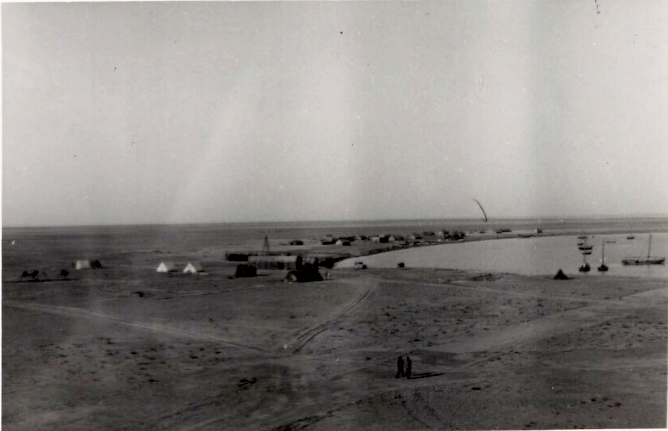
Following deliberations, Britain determined that the Hawar Islands belonged to Bahrain and not Qatar. The decision brought an end to a longstanding territorial dispute between the two Gulf countries. The Hawar Islands, strategically located in the Arabian Gulf, had been a source of contention due to their rich marine resources and strategic significance. Bahrain's sovereignty over the islands was reaffirmed, solidifying its maritime borders and territorial integrity.
The verdict had a significant impact on the relations between Bahrain and Qatar. Bahrain's control over the Hawar Islands bolstered its maritime influence and economic opportunities in the region. The decision also led to increased cooperation between Bahrain and Britain, strengthening their diplomatic ties.
The resolution of the Hawar Islands dispute marked a defining moment in Bahrain's history, underscoring the country's commitment to upholding its territorial rights. The event highlighted the importance of international arbitration in settling territorial disputes and ensuring stability in the region.
#Bahrain #HawarIslands #TerritorialDispute #Diplomacy
View details1931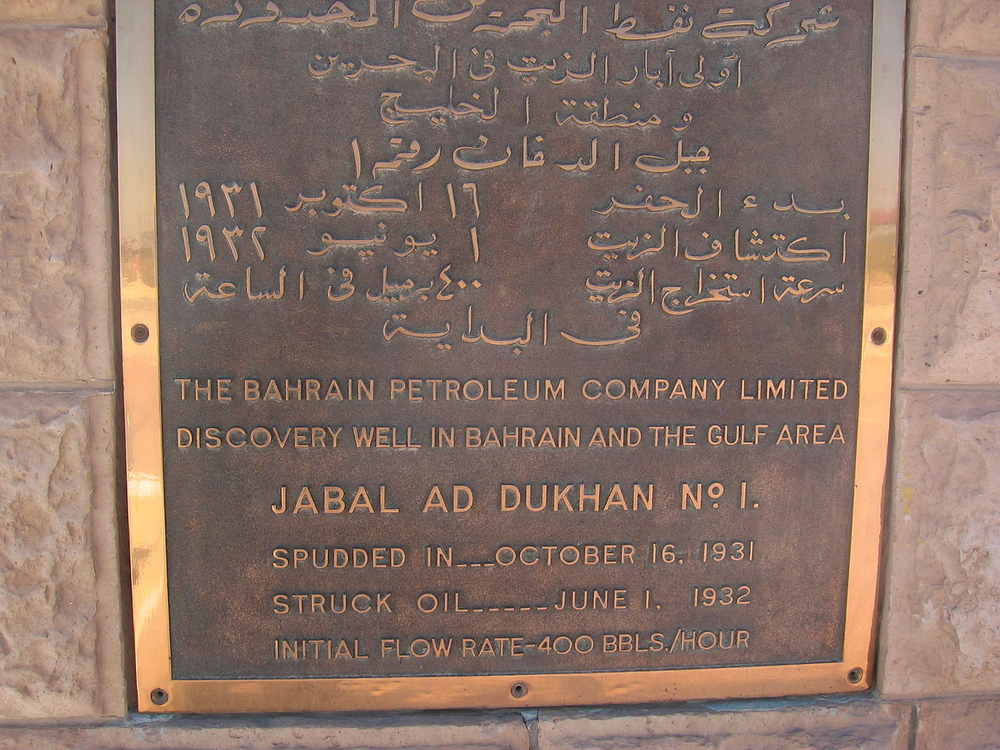
The drilling of the first oil well in Bahrain by the Bahrain Petroleum Company marked a pivotal moment in the country's history. This milestone transformed Bahrain's economy and positioned it as a key player in the global oil industry. The discovery of oil brought about significant socio-economic development, creating jobs, infrastructure, and attracting foreign investment to the region.
The exploration and extraction of oil not only boosted Bahrain's GDP but also enhanced its geopolitical significance in the Middle East. The newfound oil reserves solidified Bahrain's position as a strategic player in the oil market, fostering international partnerships and alliances.
The oil well drilled by the Bahrain Petroleum Company contributed to the modernization and industrialization of Bahrain, fueling growth in various sectors and improving the standard of living for its citizens. The establishment of the oil industry laid the foundation for sustained economic prosperity and growth in the country.
#Bahrain #OilDiscovery #EconomicTransformation #GlobalSignificance
View details1929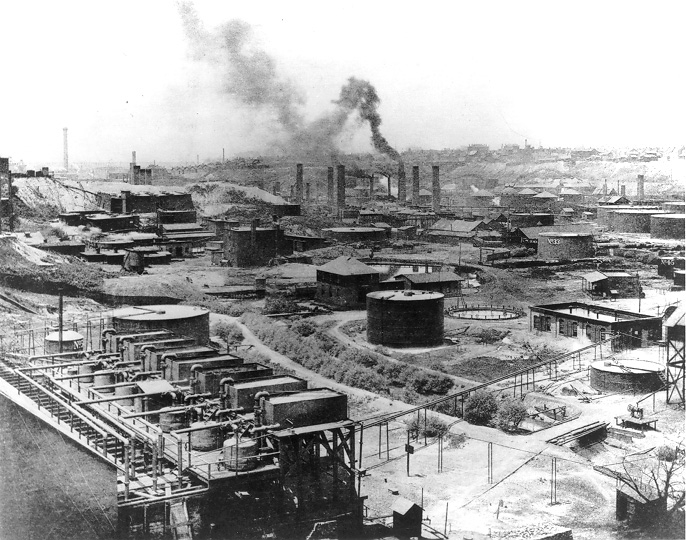
The Bahrain oil survey conducted by the Standard Oil Company of California marked a pivotal moment in the history of the region. The survey was aimed at exploring the oil potential of Bahrain, a small island nation in the Persian Gulf. Standard Oil Company of California carried out extensive geological studies and drilling operations to assess the presence of oil reserves.
The impact of this survey was substantial, as it led to the discovery of significant oil reserves in Bahrain. This ultimately transformed the economy of the country, shifting its dependence from agriculture and pearl diving to oil production. The newfound oil wealth brought economic prosperity to Bahrain and paved the way for industrial development and infrastructure projects.
The oil survey conducted by the Standard Oil Company of California in Bahrain laid the foundation for the country's modern oil industry, attracting further investments from other international oil companies. This event marked the beginning of Bahrain's emergence as a key player in the global oil market.
#BahrainOilSurvey #StandardOilCompany #OilDiscovery #EconomicTransformation #IndustrialDevelopment #OilIndustryTransformation
View details1864
In 1864, the first telegraph line was constructed in Bahrain, connecting the island to the mainland. This initiative aimed to improve communication and facilitate faster transmission of information between the island and the mainland. The telegraph line played a crucial role in enhancing trade, commerce, and overall connectivity in the region.
The construction of the telegraph line marked a significant milestone in Bahrain's technological advancement, paving the way for future developments in communication infrastructure. It enabled faster and more reliable communication, reducing the time required to send and receive messages between the island and the mainland.
The telegraph line had a profound impact on various sectors, including trade, diplomacy, and governance. It facilitated quicker decision-making processes and improved coordination between different regions. Additionally, it played a vital role in connecting Bahrain to the global telecommunications network, opening up new opportunities for economic growth and development.
Overall, the construction of the first telegraph line in Bahrain was a transformative event that revolutionized communication in the region. It set the foundation for future technological advancements and underscored the importance of connectivity in driving progress and innovation. #Bahrain #Telecommunications #Connectivity
View details1861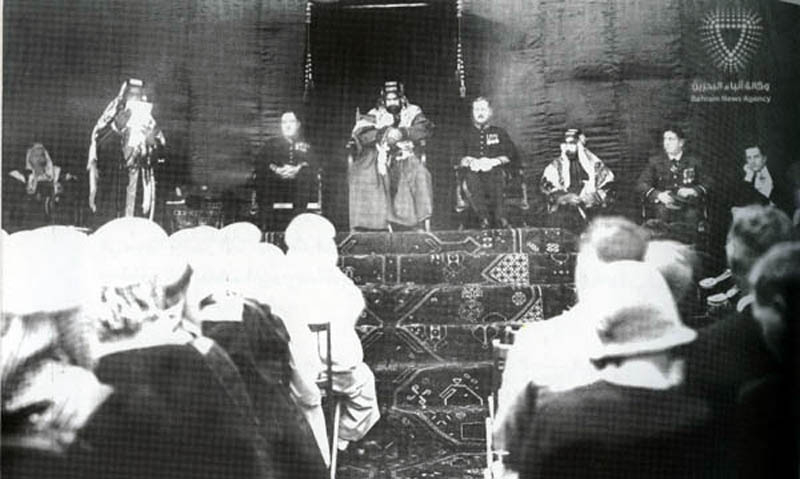
During the establishment of the Hakim of Bahrain by the British in 1861, a pivotal shift in power dynamics occurred in the region. The British government appointed Hakim, Sheikh Isa bin Ali Al Khalifa, consolidating their influence in Bahrain and signaling the beginning of direct British intervention in the area. This move aimed to safeguard British interests, including protecting trade routes and ensuring stability in the Gulf.
The Hakim's appointment led to the formalization of British control in Bahrain, enabling the administration of foreign affairs and defense matters in collaboration with local rulers. The British presence brought modernization to Bahrain, such as infrastructure development and administrative reforms. Moreover, it facilitated economic growth through increased trade opportunities and access to new markets.
The establishment of the Hakim of Bahrain by the British laid the foundation for a lasting relationship between the two entities, shaping Bahrain's political landscape for years to come. This event marked a significant transition towards British hegemony in the region, influencing governance structures and diplomatic ties in Bahrain. Overall, the appointment of the Hakim symbolized the initiation of direct British involvement in Bahraini affairs.
#BritishInfluence #HakimofBahrain #Colonialism #PoliticalTransition #ForeignIntervention
View detailsIn the 19th century, the British assumed control over Bahrain's defense and foreign relations, solidifying their influence in the region. This move came after a series of treaties between Bahrain and Britain, ultimately leading to the protection of Bahrain from external threats and conflicts.
With the British taking responsibility for Bahrain's defense and foreign relations, the island nation saw a period of relative stability and security. This arrangement allowed Bahrain to focus on internal development and growth, benefiting from British support and expertise in governance and trade.
The British presence in Bahrain also helped establish diplomatic ties with other nations, opening up new opportunities for the island's economic and political growth. Additionally, British protection ensured the safety of Bahrain's maritime trade routes, crucial for the island's prosperity and connectivity with the rest of the world.
This event marked a significant turning point in Bahrain's history, shaping its trajectory towards modernization and international engagement. The legacy of British influence can still be seen in Bahrain's governance structures, legal system, and cultural heritage.
#BritishControl #BahrainHistory #ForeignRelations
View details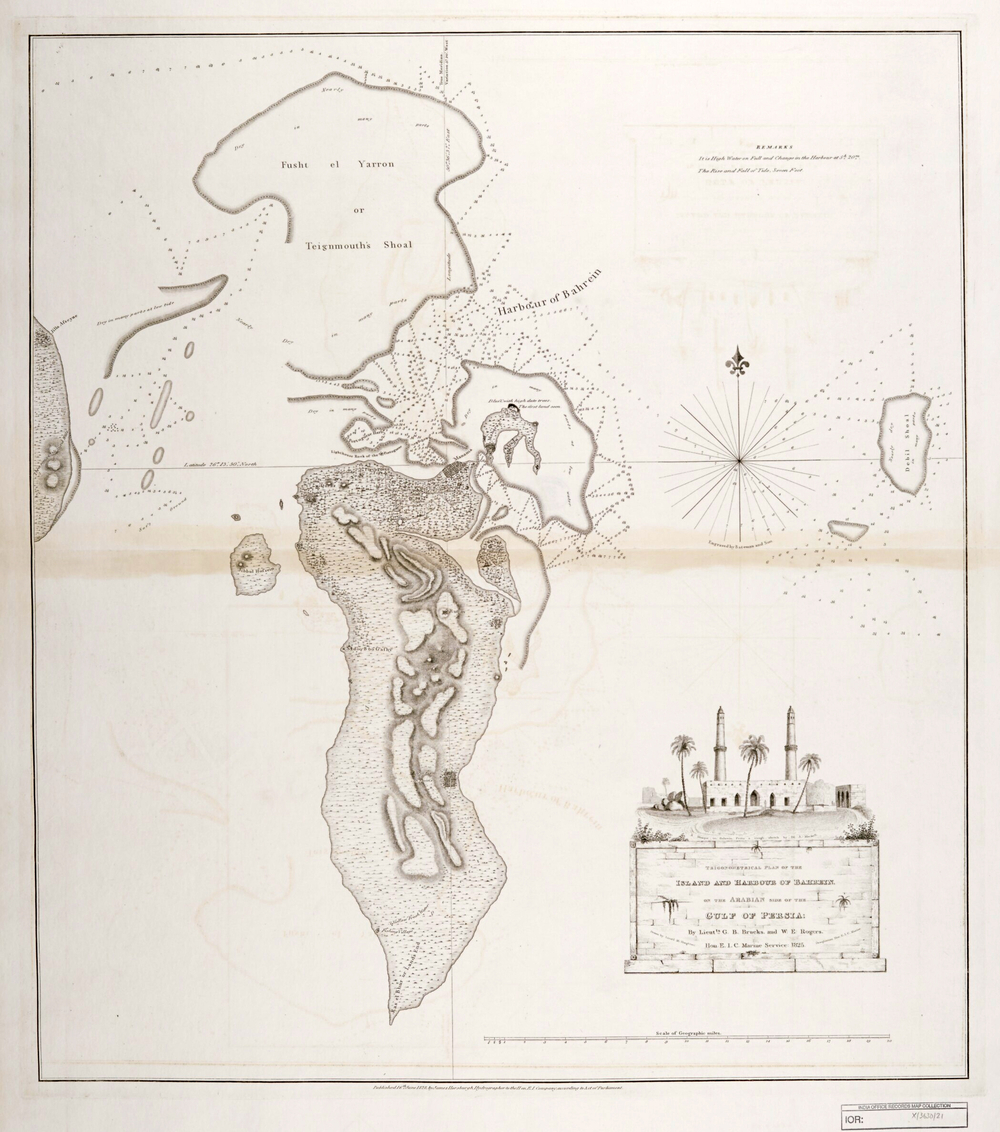
1820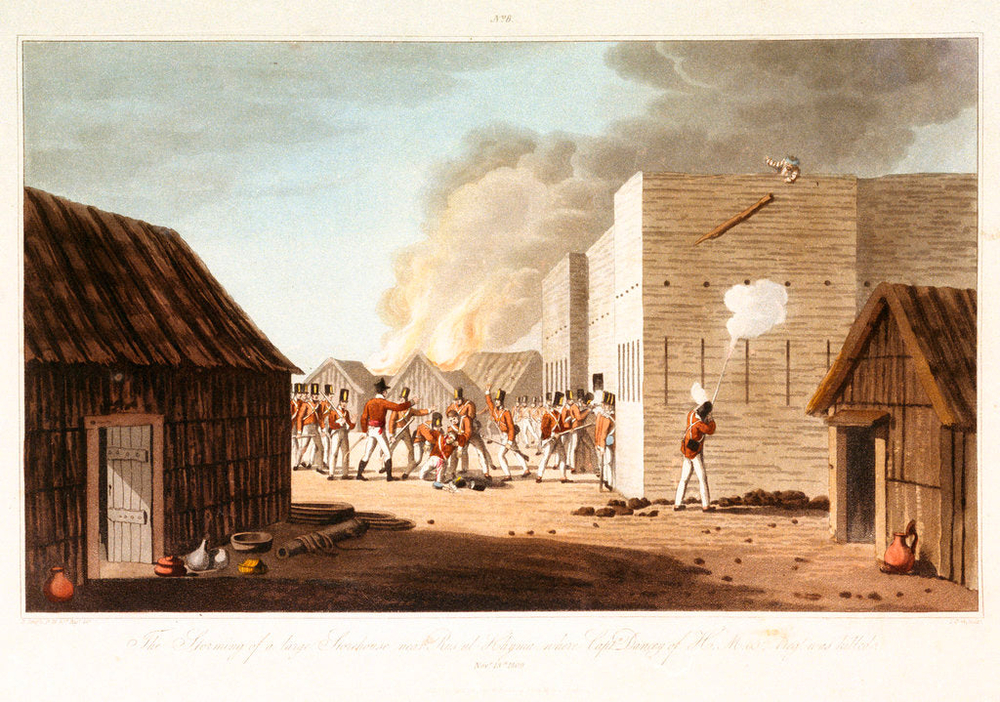
In Ras Al Khaimah, a key agreement was reached between the British and the Al Khalifa family, establishing Bahrain as a British protectorate. This treaty came about due to growing British interests in the Persian Gulf and the need to secure trade routes. With this accord, the British gained influence in Bahrain while promising protection to the Al Khalifa rulers.
The Treaty of Ras Al Khaimah had a significant impact on Bahrain's political landscape, as it shifted the balance of power in the region. Under British protection, Bahrain enjoyed stability and economic growth, benefiting from increased trade and infrastructure development facilitated by the British presence.
This agreement marked the beginning of a lasting relationship between Bahrain and the British Empire, with the latter maintaining a significant presence in the region for years to come. The treaty solidified Bahrain's status as a key player in the Gulf, setting the stage for further developments and modernization in the country.
#TreatyofRasAlKhaimah #BahrainHistory #BritishProtectorate #AlKhalifaFamily
View details1752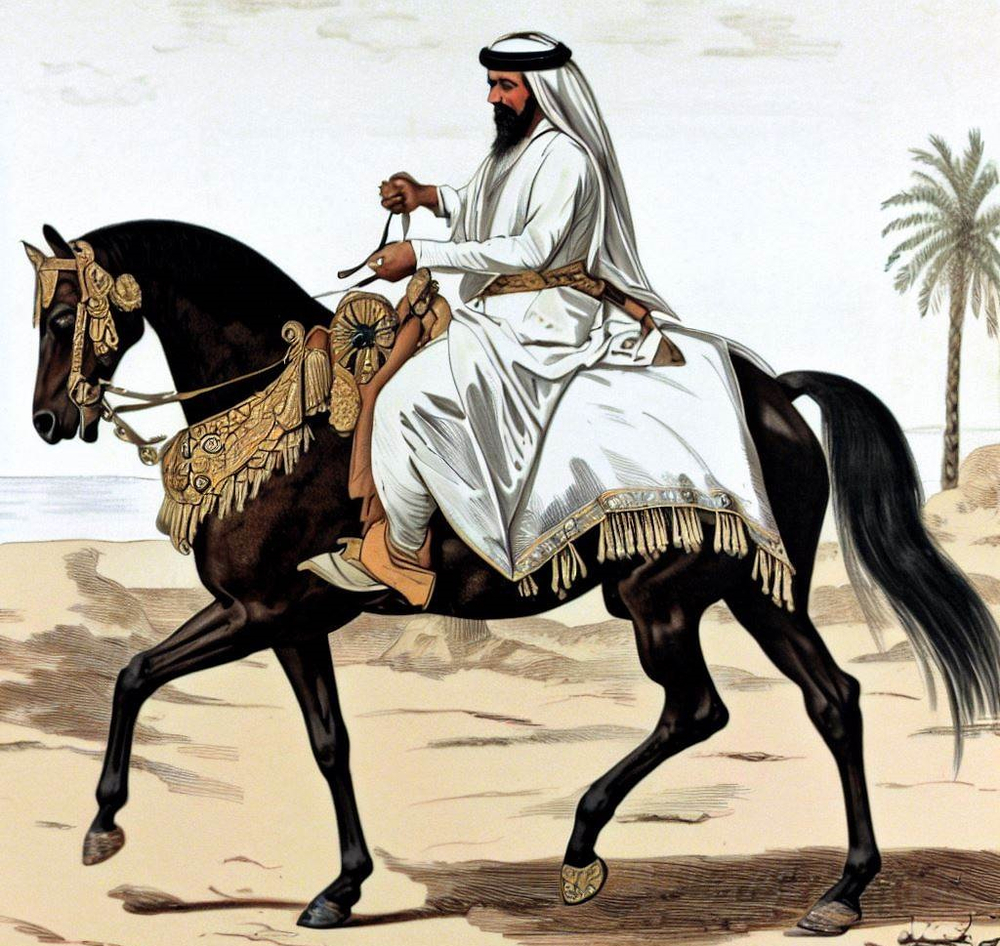
In 1753, Bahrain was occupied by the Arabs of Abu Shahr from the Bushire-based Al Madhkur family. The Al Madhkur family, known for their strong naval presence in the Persian Gulf, seized control of Bahrain, establishing their authority over the region.
The occupation marked a significant shift in power dynamics in Bahrain, as the Al Madhkur family ruled the region for a period of time. Their influence extended over various aspects of Bahraini society, including governance, trade, and culture.
The occupation had a lasting impact on Bahrain, shaping its political landscape and contributing to the cultural exchange between the Arab tribes in the region. The Al Madhkur family's rule left a mark on Bahrain's history, influencing its development and interactions with neighboring territories.
The event underscored the strategic importance of Bahrain in the Persian Gulf and highlighted the complex relationships between the various Arab tribes vying for control over the region. It also exemplified the fluid nature of power dynamics in the Gulf during that period.
#BahrainHistory #AlMadhkurFamily #ArabOccupation #PersianGulfPowerDynamics
View details1730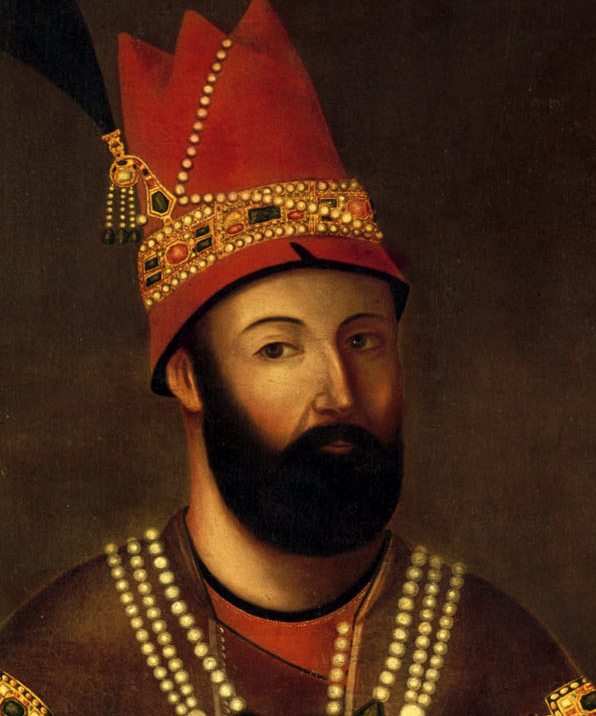
Following the invasion of Bahrain by the Arabs in the 18th century, the Persian ruler Nader Shah sought to re-establish Persian control over the region. Nader Shah's military campaign successfully expelled the Arab forces from Bahrain and reinstated Persian sovereignty over the island.
The re-assertion of Persian control had a significant impact on the political landscape of Bahrain, as it marked the end of Arab domination and restored Persian influence in the region. Nader Shah's victory not only secured Bahrain as a Persian territory but also demonstrated his military prowess and strategic acumen.
Under Persian rule, Bahrain experienced a period of stability and economic growth, benefiting from Persian trade networks and infrastructure developments. The Persian administration brought about cultural exchanges and advancements in various fields, contributing to the flourishing of arts, architecture, and education in Bahrain.
Nader Shah's successful re-assertion of Persian sovereignty in Bahrain solidified the island's ties to Persia and established a lasting legacy of Persian influence in the region. The event underscores the historical importance of Bahrain as a strategic territory in the Persian Gulf and highlights the intricate geopolitical dynamics of the time.
#NaderShah #PersianSovereignty #BahrainHistory
View details