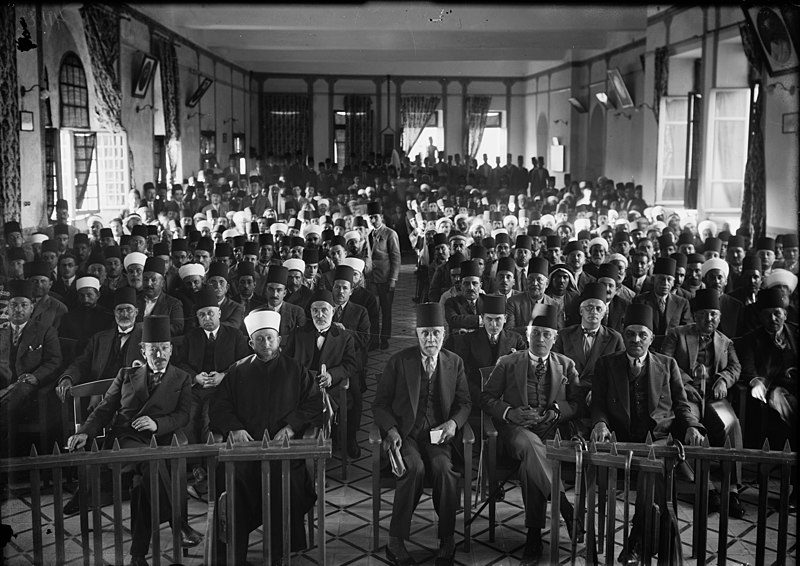
Riots Erupt in Palestine Amid Disputes Over Jewish Immigration and Access to the Western Wall
Palestine
Current Events
Middle East
Social Issues
3 min read
Updated By: History Editorial Network (HEN)
Published:
Updated:
The 1929 Palestine Riots marked a significant turning point in the escalating tensions between Jewish and Arab communities in Palestine under British rule. Triggered by disputes over Jewish immigration and access to the Western Wall in Jerusalem, these riots resulted in widespread violence and loss of life. The Western Wall, a sacred site for Jews, became a focal point of contention, leading to fears among the Arab population regarding the implications of increased Jewish presence in the region. The riots began in August 1929 and quickly spread to various cities, including Hebron and Safed, where numerous Jewish residents were attacked, and several were killed. The British authorities struggled to maintain order, and the violence highlighted the deep-seated animosities that would continue to shape the region's future. The events of 1929 not only intensified the conflict between Jewish and Arab communities but also underscored the challenges faced by the British mandate in managing the competing national aspirations of both groups. This period set the stage for further unrest and conflict in the years leading up to the establishment of the State of Israel in 1948.
#mooflife
#MomentOfLife
#1929PalestineRiots
#JewishImmigration
#WesternWall
#Arab-jewishTensions
#BritishMandate

Explore the Life Moments of
 AI Twin