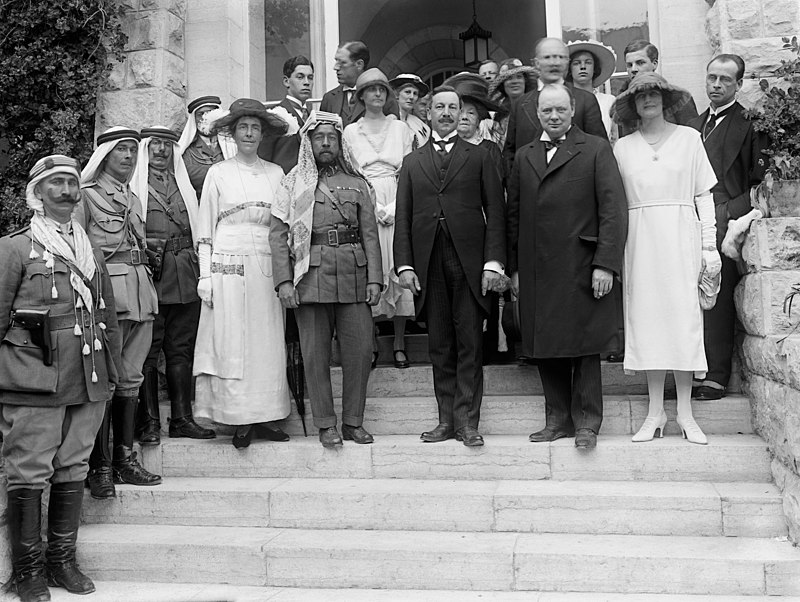
British Authorities Establish Muslim Higher Council in Palestine
Palestine
Historical Institutions
Middle Eastern History
Religious Leadership
3 min read
Updated By: History Editorial Network (HEN)
Published:
Updated:
In 1921, the British authorities established the Muslim Higher Council in Palestine, a significant institution aimed at providing religious leadership to the Muslim population. This council was recognized by the British as the representative body for the Arabs of Palestine, despite the presence of the nationalist Executive Arab Committee, which sought a similar role. The council's responsibilities included the administration of religious endowments, the appointment of religious judges, and local muftis, thereby centralizing religious authority within a framework that the British could control. Haj Amin al-Husayni was appointed as the head of the council, and his family members were given precedence in its composition. This strategic move by the British was part of a broader policy to foster divisions among the Palestinian elite, which ultimately led to a schism that hindered the development of cohesive national organizations for many years. The establishment of the Muslim Higher Council not only altered the religious landscape of Palestine but also had lasting implications for the political dynamics within the region, contributing to the complexities of the Palestinian struggle for independence that would unfold in the following decades.
#mooflife
#MomentOfLife
#MuslimHigherCouncil
#Palestine
#HajAminAl-husayni
#BritishMandate
#PalestinianNationalism
Primary Reference
Supreme Muslim Council

Explore the Life Moments of
 AI Twin