
Tunisia

Golden beaches, Sunny weather, and Affordable luxu...
About
#TunisiaHistory
#BerberRoots
#CarthageLegacy
#RomanProvince
#ArabConquest
#OttomanEra
#FrenchColonization
#Independence1956
#JasmineRevolution
#ArabSpring
Life Classification
Country
Life ID
EL5455948906808
Verified Name
tunisia
Life Type
Entity Life
Life Editor(s)
History Editorial Network (HEN)
Life Privacy
Public
Subscription
Elite
Created On
2024-03-04
Updated On
2025-12-18
Connect
Related Lives

Argentina
Land of the Tango

Art movement
A Journey Through Visual History

Turkey
The Land of Singing Trees
Angola
Land of contrasts, from bustling cities to breathtaking landscapes.

Japan
The Land of the Rising Sun

Olympics
The Grandest Stage of All

Belarus
Land of Lakes and Forests

Italy
The Land of Art and Romance

2025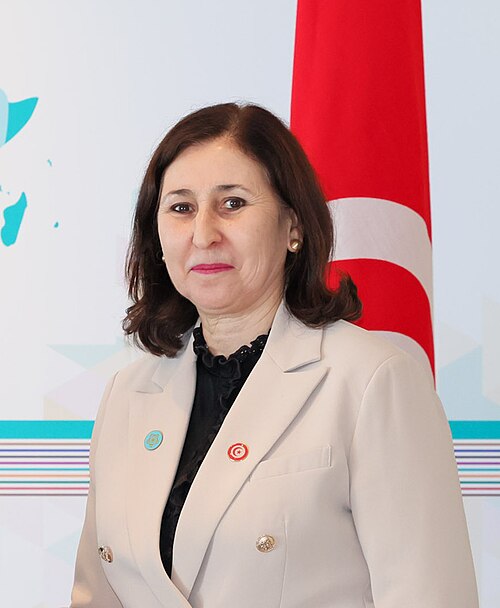
On 21 March 2025, Tunisian President Kais Saied dismissed Prime Minister Kamel Madouri and appointed Sara Zaafarani Zenzri as the new Prime Minister of Tunisia, amid intensifying political and economic challenges facing the North African country. Zaafarani, a seasoned engineer and long-time public servant who previously served as Minister of Equipment and Housing since 2021, succeeds Madouri as head of government after less than a year in office for her predecessor. Her appointment marked a continuation of frequent leadership changes — she became the third prime minister in under two years — underscoring ongoing political volatility under Saied’s presidency.
Zaafarani, 62 years old and fluent in multiple languages, also became the second woman in Tunisia’s history to serve as prime minister, following Najla Bouden. President Saied emphasised in official statements that her selection was aimed at strengthening government coordination and addressing pressing national issues, including a sluggish economy, high unemployment, and public dissatisfaction with basic services. Tunisia has been grappling with limited economic growth, mounting public debt, and social discontent, factors that have driven Saied’s frequent cabinet reshuffles. Zaafarani’s government is expected to focus on improving administrative performance and meeting the expectations of the Tunisian people amid these ongoing crises.
View detailsIn a tragic start to 2025, two overloaded migrant boats sank off the coast of Sfax, Tunisia, in the central Mediterranean Sea, resulting in the deaths of at least 27 people, including women and children. The boats—carrying more than 100 passengers—were attempting the perilous journey from North Africa to Europe, a route frequently used by migrants and refugees fleeing poverty, conflict, and instability in sub‑Saharan Africa. Many of those aboard were from countries south of the Sahara, and the disasters highlighted the dangers inherent in irregular sea crossings on makeshift or unseaworthy vessels. Tunisian authorities and the coast guard coordinated rescue efforts, managing to save dozens, with officials reporting that about 83 people were rescued and transferred for aid, while the bodies of those who died were recovered and taken to forensic services.
The Sfax region has become a major departure point for migrants seeking to reach Italy and other European destinations, as geopolitical and economic pressures push more people toward dangerous illegal crossings. The shipwrecks underscored both the human cost of migration policies and the chronic risks faced by those desperate to reach safer or more prosperous shores. The incident prompted renewed international calls for safer migration pathways and enhanced search‑and‑rescue operations in the Mediterranean.
View details2024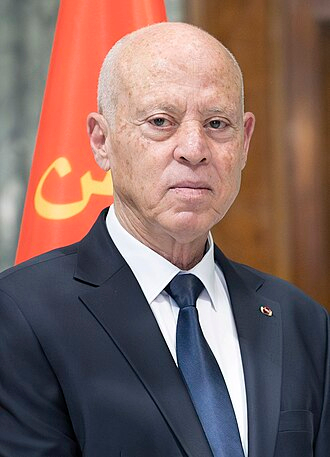
Kais Saied, an independent politician and former law professor, secured a second term in the highly contested Tunisian presidential election. Saied, who first came into office as an outsider with promises to overhaul the political system, received a clear mandate from the public to continue his efforts. His first term was marked by significant political and economic reforms, alongside a focus on anti-corruption measures.
The election saw a record turnout of Tunisian voters, which reflected the high stakes and public interest in the political future of Tunisia. According to official statistics, Saied received 57% of the total votes, highlighting his continued popularity among the electorate. His nearest competitor, a candidate from the established political party Ennahda, garnered 35% of the vote.
Saied's re-election occurs against a backdrop of ongoing economic challenges in Tunisia, including high unemployment rates and inflation. His administration's approach towards tackling these issues will now come under closer scrutiny. Some of his critics argue that his centralization of power and bypassing of the parliamentary process have created a democratic deficit. However, his supporters view his leadership style as necessary for enforcing the changes needed to stabilize the country.
International reactions to Saied's re-election have been mixed. While some countries have expressed hope for continued cooperation, others remain cautious due to concerns over his consolidation of power. The international community will likely be watching Tunisia closely in terms of its commitments to democratic principles and human rights.
Overall, Saied's re-election is a pivotal moment in Tunisia's contemporary political landscape, setting the stage for the next phase of his administration's policies and reforms. While he retains substantial support, the challenges ahead will test his ability to deliver on his promises and maintain public trust.
#TunisiaElections #KaisSaiedReelected #PoliticalReform #TunisianPolitics #MoofLife
View details2022
Tunisia's healthcare system faced strain as COVID-19 cases surged, leading the government to impose new restrictions to contain the virus spread. The rise in infections resulted in overwhelmed hospitals, shortage of medical supplies, and healthcare staff exhaustion.
The government implemented measures such as curfews, restrictions on gatherings, and closure of non-essential businesses. These actions aimed to reduce transmission rates and alleviate pressure on the healthcare system. Public compliance with safety protocols played a crucial role in managing the crisis.
The spike in cases highlighted the importance of vaccination campaigns in controlling the outbreak. Authorities urged the public to get vaccinated and adhere to preventative measures to curb the spread of the virus.
Efforts were made to ramp up testing and tracing capabilities to identify and isolate cases promptly. The situation underscored the need for continuous monitoring and adaptation of response strategies to address evolving challenges posed by the pandemic.
#Tunisia #COVID19 #HealthcareStrain #ContainmentMeasures #VaccinationCampaigns
View detailsNationwide protests erupted in Tunisia over economic hardships, unemployment, and government corruption. The population's growing frustration and discontent were evident in the demonstrations that spread across the country. The protesters demanded solutions to the high cost of living, lack of job opportunities, and rampant corruption within the government. The unrest highlighted the deep-seated issues affecting ordinary Tunisians and their dissatisfaction with the current state of affairs.
The protests had a significant impact, bringing attention to the longstanding economic challenges facing Tunisia. The government faced mounting pressure to address the grievances of the people and implement reforms to improve the situation. Social media played a crucial role in mobilizing support for the protests and spreading awareness of the issues at hand. The international community also took notice of the unrest, calling for a peaceful resolution and dialogue between the government and the protesters.
As the protests continued, there was a sense of unity among the demonstrators, who were determined to make their voices heard and push for meaningful change. The events in Tunisia served as a reminder of the importance of addressing economic inequalities and tackling corruption to ensure a better future for all citizens. #Tunisia #Protests #EconomicHardships #Unemployment #GovernmentCorruption
View details
2021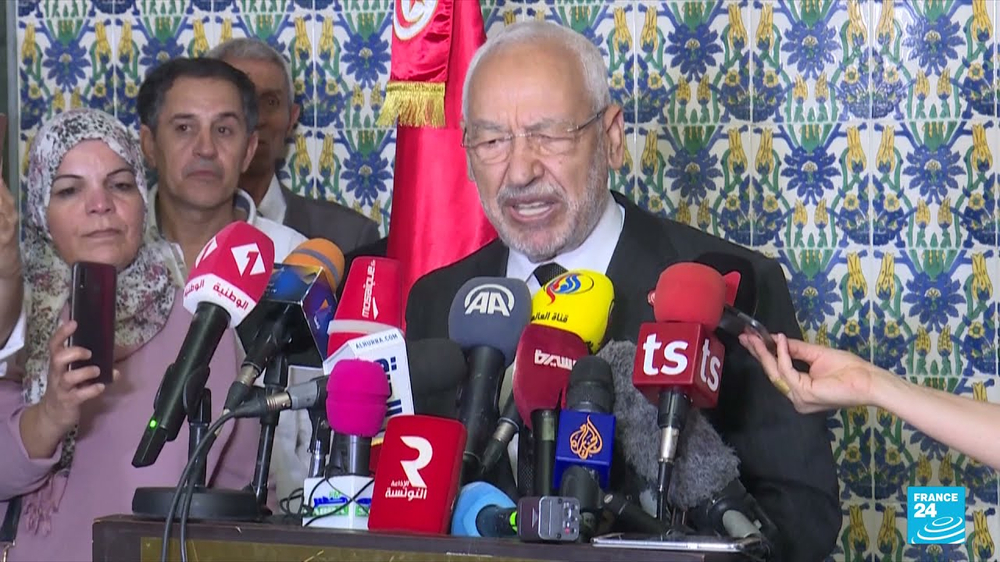
President Kais Saied of Tunisia suspended parliament and lifted the immunity of its members, concentrating power in his hands. This move sparked protests and ignited debates on the country's democratic institutions. Saied invoked a national emergency, citing concerns over political deadlock, corruption, and public outrage. The decision was met with both support and criticism from citizens and political factions.
The suspension of parliament and dismissal of the prime minister were seen as drastic measures to address the ongoing political and economic crisis in Tunisia. Some viewed it as a necessary step towards restoring stability and combating systemic corruption, while others expressed concerns about the concentration of power and potential authoritarianism.
The move led to demonstrations in the streets, with some expressing support for Saied's actions, while others demanded a return to democratic norms. The situation remained tense as the country grappled with uncertainty and diverging opinions on the way forward.
The event highlighted the fragile state of democracy in Tunisia and raised questions about the balance of power between the executive, legislative, and judicial branches of government. It also underscored the deep-seated political divisions and socio-economic challenges facing the North African nation.
#Tunisia #PresidentSaied #ParliamentSuspension #DemocraticInstitutions #Protests
View details2020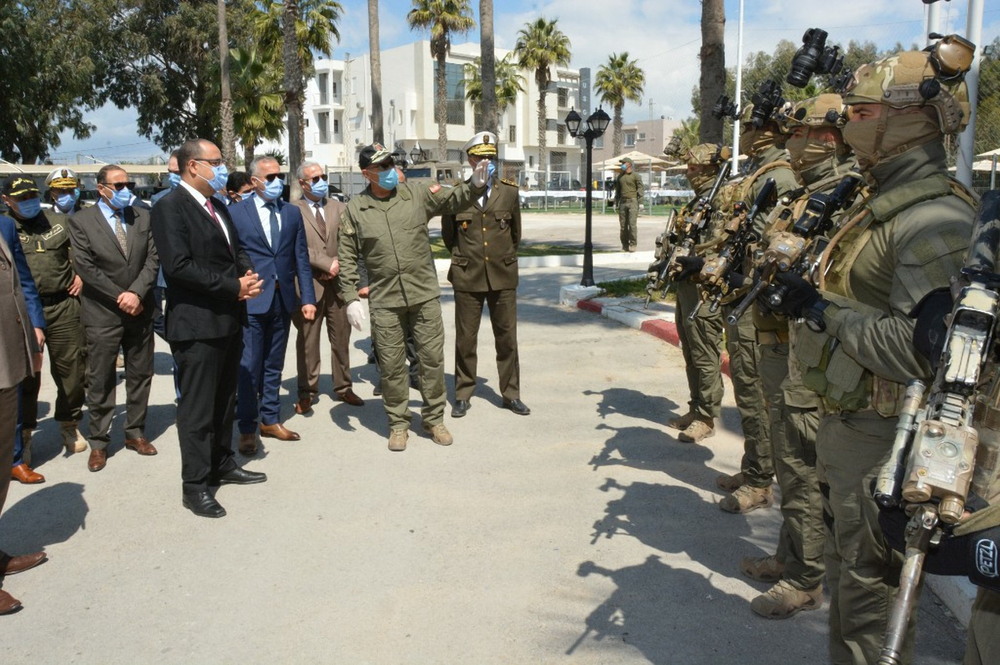
The Tunisian parliament approved a technocratic government led by Prime Minister Hichem Mechichi to tackle economic challenges and address the COVID-19 pandemic. The move aimed to bring stability to the country amidst growing concerns over the health crisis and economic downturn.
The technocratic government was formed with a focus on managing the pandemic, implementing necessary reforms, and stabilizing the economy. Prime Minister Mechichi, a former interior minister, emerged as a consensus candidate to lead the new government, receiving broad support from different political parties in parliament.
The approval of the technocratic government signaled a shift towards prioritizing expertise and efficiency in governance, with the goal of addressing pressing issues facing Tunisia. The new government faced the challenging task of implementing reforms to stimulate economic growth, control the spread of COVID-19, and restore confidence in the country's leadership.
Overall, the approval of the technocratic government under Prime Minister Hichem Mechichi marked a significant step towards navigating the complex socio-economic landscape in Tunisia, with a focus on effective governance and crisis management.
#Tunisia #TechnocraticGovernment #HichemMechichi #EconomicChallenges #COVID19 #ParliamentApproval
View detailsProtests erupted across Tunisia following the death of a young man in police custody. The incident shed light on systemic issues within the police force, sparking a wave of calls for reform. The young man's death fueled long-standing grievances regarding police brutality and misconduct in the country.
Demonstrators took to the streets in various cities, demanding accountability for the death and urging authorities to address police reform. The protests reflected widespread frustration with the lack of transparency and accountability within the Tunisian police force.
Social media played a crucial role in mobilizing protesters and drawing attention to the issue. The online activism helped amplify the calls for justice and reform, garnering support from a wide cross-section of Tunisian society.
The government responded by launching investigations into the young man's death and promising to address the underlying issues in the police system. The protests ultimately catalyzed a national conversation on police reform and accountability.
#Tunisia #PoliceReform #JusticeForVictims #Accountability #ProtestActions
View details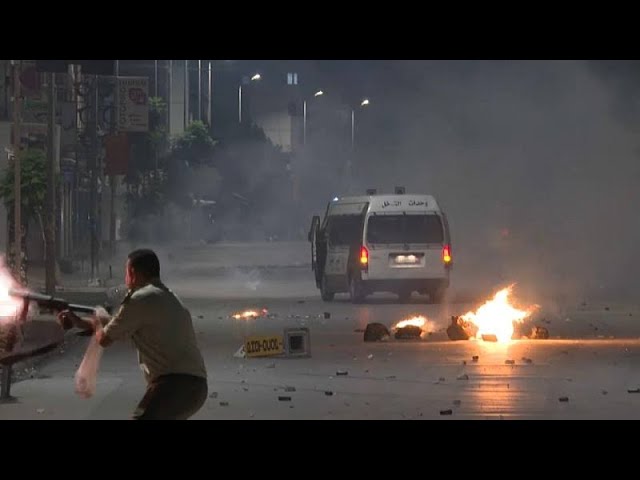
2019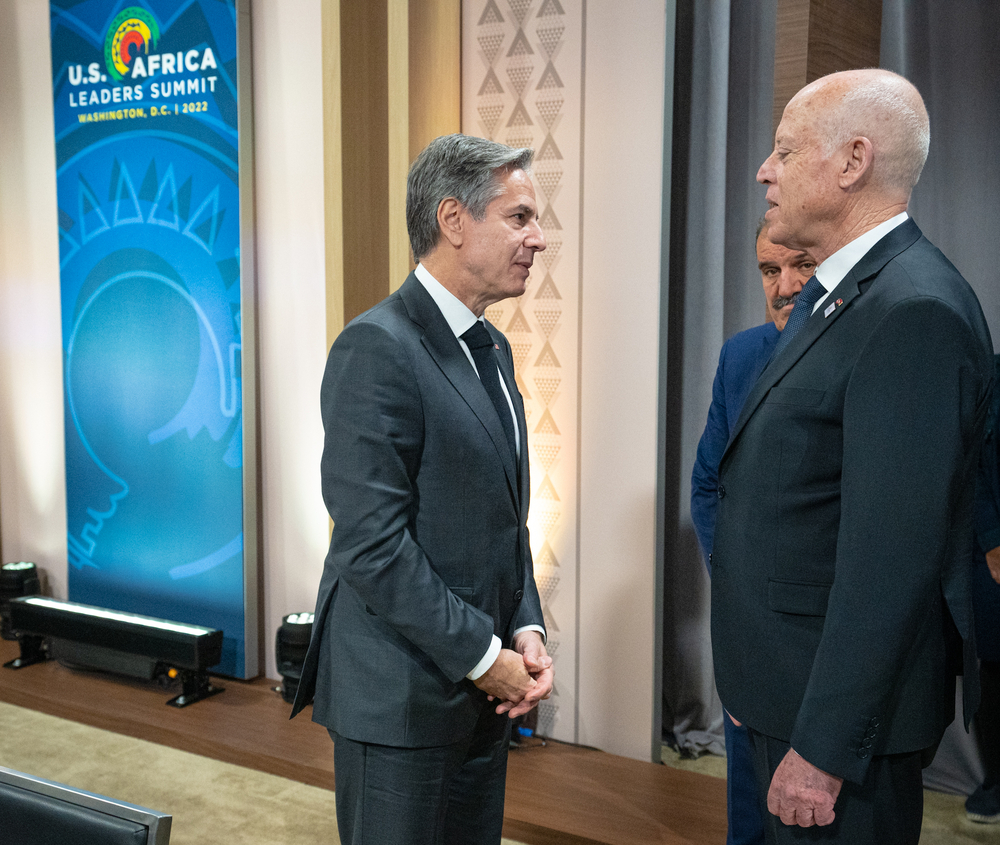
Kais Saied, a political newcomer with no party affiliation, secured a remarkable triumph in the Presidential election. His unexpected victory was fueled by frustration with the ruling elite and a desire for change among Tunisian citizens. Saied's background as a law professor and his emphasis on integrity and anti-corruption resonated with voters seeking a break from the status quo.
The impact of Saied's win is profound, signaling a shift towards a more grassroots, unconventional approach to governance in Tunisia. His landslide election points to a popular demand for transparency and accountable leadership in the country's political landscape. Saied's promise to decentralize power and involve citizens in decision-making processes struck a chord with many disillusioned Tunisians.
This victory highlights the growing trend of outsider candidates challenging traditional political structures worldwide. It underscores the power of individual integrity and grassroots support in shaping political outcomes. Saied's win is a testament to the potential for change when a candidate connects authentically with the concerns and aspirations of the electorate.
#Tunisia #KaisSaied #PoliticalChange #GrassrootsMovement #Transparency #ElectionImpact
View detailsFollowing the resignation of the previous government in Tunisia over corruption allegations, a new government was formed under the leadership of Prime Minister Elyes Fakhfakh. The resignation of the former government came after weeks of nationwide protests calling for accountability and transparency in the government.
Prime Minister Fakhfakh swiftly began assembling a new cabinet, focusing on including technocrats and professionals from various sectors to address the country's pressing issues. The new government faced the immediate challenge of restoring public trust and implementing reforms to combat corruption and improve the country's economic situation.
The formation of the new government led by Prime Minister Elyes Fakhfakh was met with a mixture of hope and skepticism from the Tunisian people. Many viewed it as an opportunity for a fresh start and a chance to steer the country in the right direction. However, others remained cautious, emphasizing the need for tangible actions to address the root causes of corruption and inefficiency in the government.
Overall, the formation of the new government marked a significant turning point in Tunisia's political landscape, reflecting a growing demand for transparency and good governance. It highlighted the ongoing challenges facing the country and the critical need for effective leadership to address them. #Tunisia #GovernmentReform #AntiCorruption
View details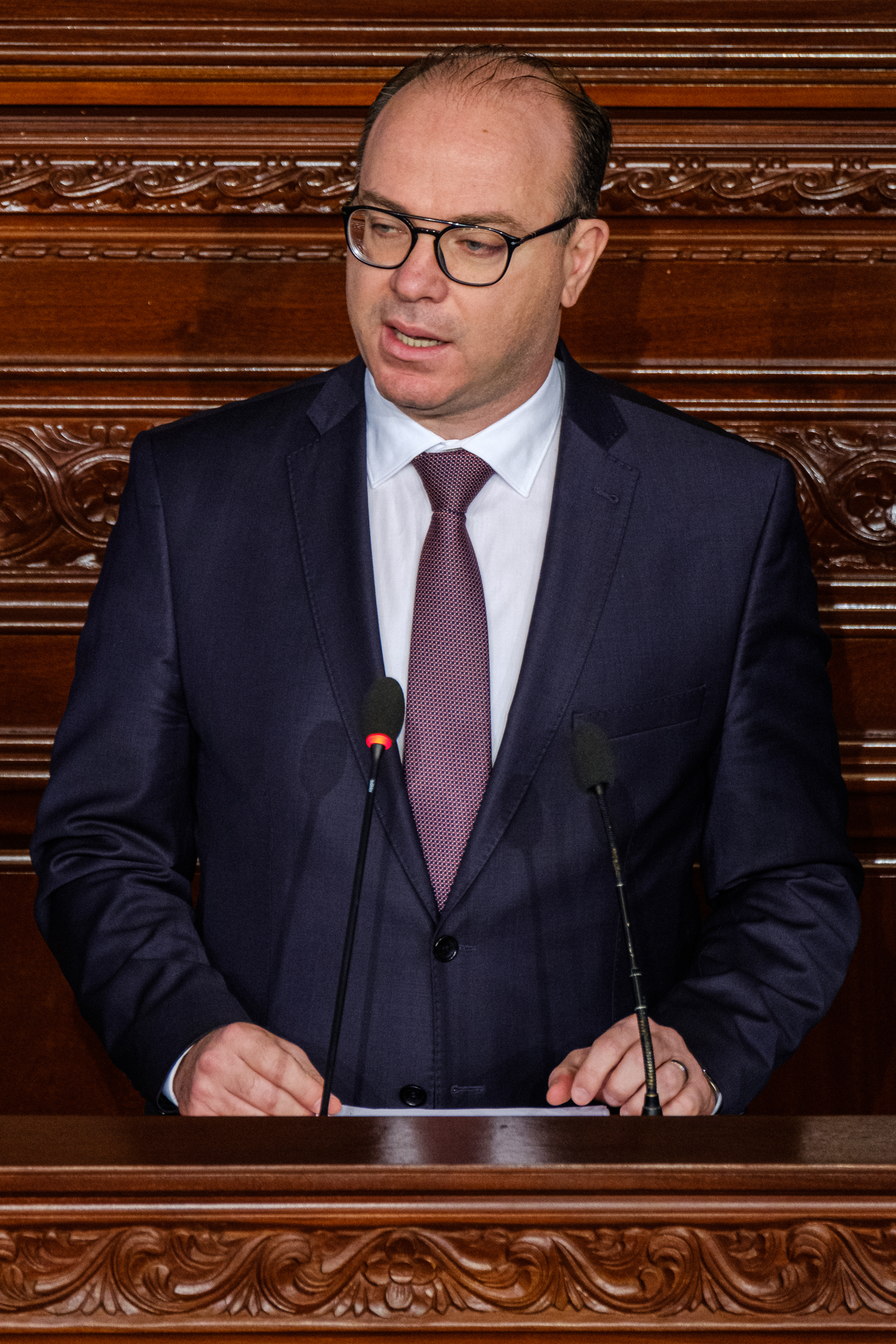
2017
Nationwide protests erupted in Tunisia against economic reforms and austerity measures introduced by the government. The measures were aimed at cutting spending and increasing taxes to tackle the country's economic challenges. The reforms led to increased prices of essential goods, exacerbating the already high levels of inflation and unemployment.
Citizens from various socio-economic backgrounds came together to denounce the policies, expressing their frustration over deteriorating living conditions and demanding better economic opportunities. The protests spread across major cities, with participants calling for the government to address their grievances and prioritize the needs of the people.
As the demonstrations gained momentum, the government faced mounting pressure to reconsider the austerity measures. The protests highlighted deep-seated issues of inequality and hardship faced by many Tunisians, sparking a national conversation on economic justice and government accountability.
In response to the public outcry, the government engaged in dialogues with representatives from civil society to find a more sustainable and equitable solution to the economic challenges faced by the country. The protests served as a reminder of the power of collective action and the necessity of inclusive decision-making in shaping economic policies. #Tunisia #Protests #AusterityMeasures #EconomicReforms
View details2016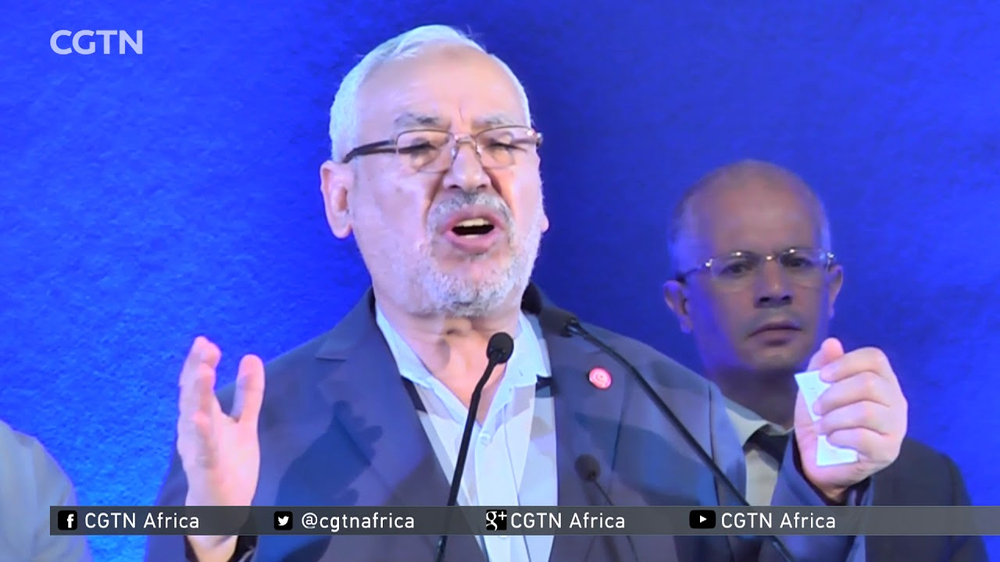
Leaders from various political parties in Tunisia gathered to sign the Carthage Declaration, a national unity agreement aimed at creating a roadmap for political and economic reforms. The declaration was a response to the pressing need for stability and progress in the country.
The signing of the Carthage Declaration had a significant impact on Tunisia's political landscape, as it signified a rare moment of unity among parties with differing ideologies. It paved the way for cooperation in addressing key issues facing the nation, such as combating corruption and boosting economic development.
The agreement outlined concrete steps for reforms, including the establishment of a national unity government and the implementation of measures to improve governance and tackle social challenges. It was seen as a crucial step towards fostering stability and growth in Tunisia.
The Carthage Declaration underscored the commitment of Tunisian leaders to work together for the common good of the country. It provided a framework for collaboration and dialogue, ultimately aiming to bring about positive change and advancements in various sectors.
#Tunisia #UnityAgreement #PoliticalReforms #EconomicDevelopment #NationalUnity
View detailsIn a pivotal moment in Tunisia, a controversial reconciliation law was passed granting amnesty to officials accused of corruption during the previous regime. This law stirred widespread debate and division among the public, with many viewing it as a setback to the country's efforts in combating corruption and seeking justice for past wrongdoings.
The background of the event traces back to the aftermath of the revolution, where calls for accountability and transparency were at the forefront. The law aimed to reconcile with former officials linked to corruption under the ousted regime, offering amnesty in exchange for the return of embezzled funds. Supporters argued it would help stabilize the country and promote economic growth, while critics viewed it as a blow to the principles of justice and accountability.
The impact of the law was significant, shaping the political landscape and public discourse in Tunisia. It sparked protests and heightened tensions between different factions within the society. The decision to pass the controversial law continues to influence the country's trajectory towards reform and governance to this day.
#Tunisia #ReconciliationLaw #Corruption #Amnesty #Accountability
View details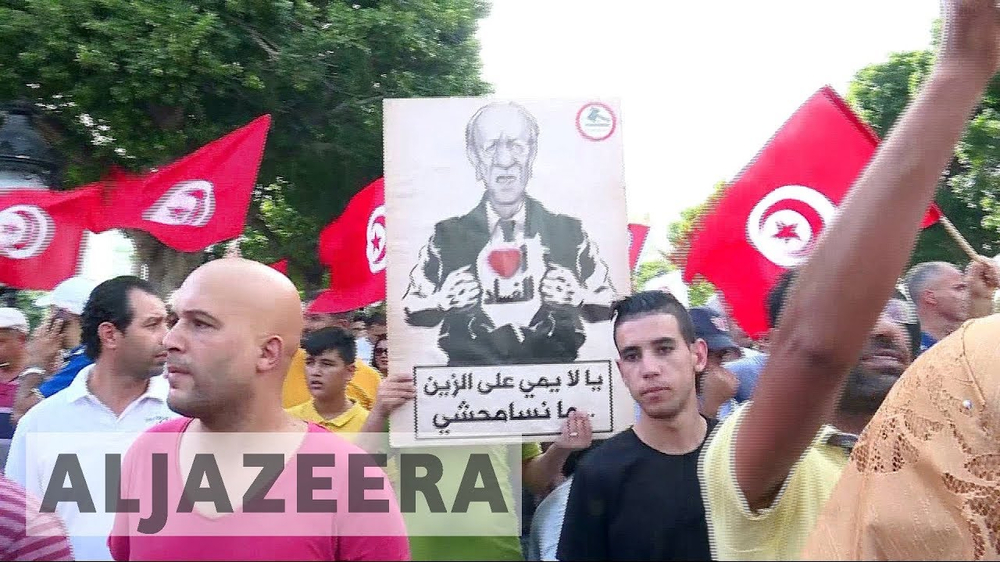
2015
The National Dialogue Quartet, comprising civil society organizations in Tunisia, was awarded the Nobel Peace Prize for their role in advancing democracy in the country. In the wake of the Arab Spring, Tunisia faced political turmoil, with the Quartet mediating dialogue between political parties to foster stability. Their efforts culminated in a new constitution, paving the way for free elections and democratic governance. The Quartet's inclusive approach ensured that diverse voices were heard, promoting a pluralistic society. Their work was instrumental in preventing a descent into violence and authoritarianism, setting an example for peaceful conflict resolution in the region. The recognition of the Quartet's achievements on the global stage highlighted Tunisia's progress towards peace and democracy, inspiring hope for similar transformations in other countries facing similar challenges. The award served as a testament to the power of civil society in driving positive change and fostering unity in times of crisis. #Tunisia #NobelPeacePrize #NationalDialogueQuartet #Democracy #CivilSociety
View details2011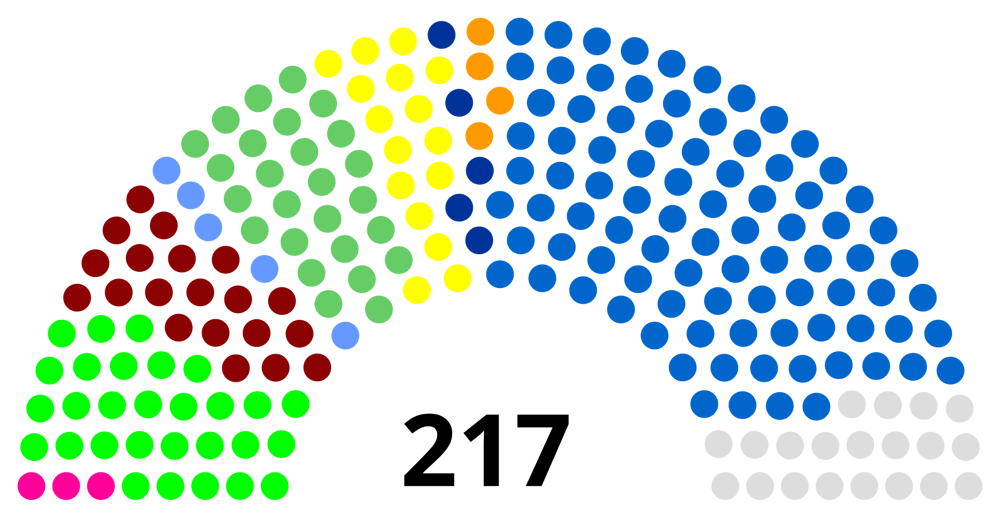
Ennahda, an Islamist party in Tunisia, secured the highest number of seats in the constituent assembly elections, prompting the establishment of a coalition government. This achievement marked a significant milestone in Tunisia's political landscape, with Ennahda having been a banned opposition group before the Arab Spring. Following the revolution, Ennahda emerged as a prominent player in the country's transition to democracy.
The victory of Ennahda in the elections showcased the growing political influence of Islamist parties in the region and raised questions about the role of religion in governance. As part of the coalition government, Ennahda worked with secular parties to navigate the complexities of transitioning from authoritarian rule to democratic governance. Despite concerns about the party's Islamist roots, Ennahda emphasized its commitment to inclusive politics and respect for democratic principles.
The formation of the coalition government was seen as a positive step towards stability and consensus-building in Tunisia. The collaboration between Ennahda and other political factions demonstrated a willingness to compromise for the greater good of the country. The success of the coalition government in navigating various challenges helped to ensure a smoother transition towards a more pluralistic and democratic system.
#Ennahda #Tunisia #CoalitionGovernment #IslamistParty #DemocraticTransition
View detailsFollowing the Arab Spring uprisings that led to the ousting of President Ben Ali, Tunisia embarked on a journey towards democracy. The first free elections were held to choose a constituent assembly tasked with drafting a new constitution and guiding the country's democratic transition. The elections were a significant milestone in Tunisia's history, symbolizing the people's desire for change and a shift towards a more inclusive political system.
The constituent assembly election saw a high voter turnout, with Tunisians embracing their newfound freedom to participate in shaping the future of their nation. The results reflected a diverse political landscape, with a range of parties winning seats in the assembly. This diversity was a testament to Tunisia's pluralistic society and the emergence of a multiparty system after years of authoritarian rule.
The election of the constituent assembly paved the way for a period of intense debate and negotiation as members worked together to draft a new constitution that would enshrine democratic principles and protect fundamental rights. The assembly's work was a reflection of Tunisia's commitment to building a more transparent and accountable government that serves the interests of its citizens.
Overall, the first free elections in Tunisia marked a crucial turning point in the country's history, setting the stage for a new era of governance based on popular participation and respect for human rights. #Tunisia #Democracy #ConstituentAssembly #ArabSpring
View details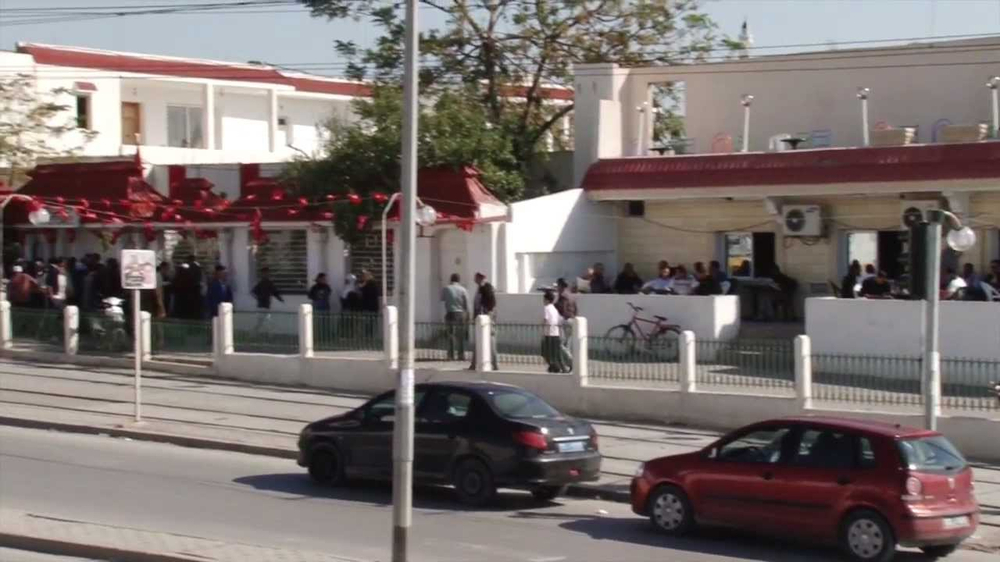
After enduring weeks of demonstrations and unrest, President Zine El Abidine Ben Ali was forced to flee the country, putting an end to his 23-year autocratic rule. The protests, sparked by widespread discontent over corruption, high unemployment rates, and lack of political freedoms, gained momentum as security forces cracked down on dissent.
The tipping point came when Ben Ali's promises of political reforms and economic incentives failed to quell the anger of the Tunisian people. The scale and persistence of the protests, fueled by social media and grassroots movements, led to a mass uprising demanding the president's immediate resignation.
As Ben Ali left the country, the power vacuum left in his wake prompted a period of uncertainty and transition. The events in Tunisia inspired similar movements across the region, collectively known as the Arab Spring, as people in other countries rose up against their own authoritarian rulers in pursuit of democracy and social justice.
The ousting of Ben Ali marked a historic moment for Tunisia, paving the way for the country's democratic transition and the drafting of a new constitution. However, challenges such as political instability, economic disparities, and security threats persisted in the aftermath of his departure.
#Tunisia #BenAli #ArabSpring #Democracy
View details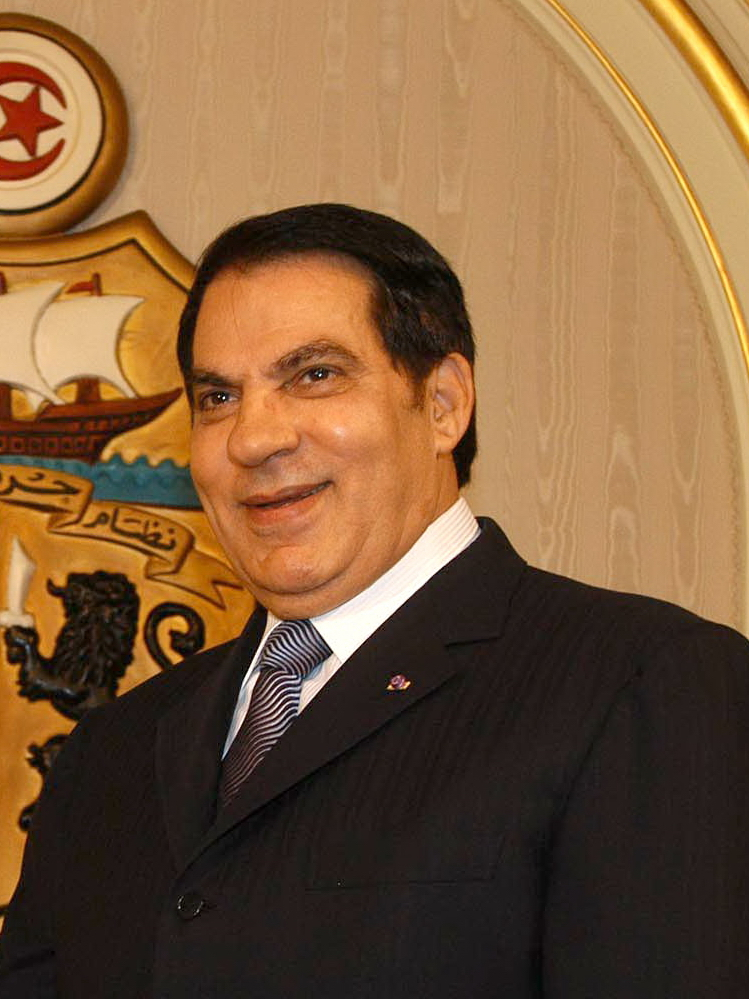
2010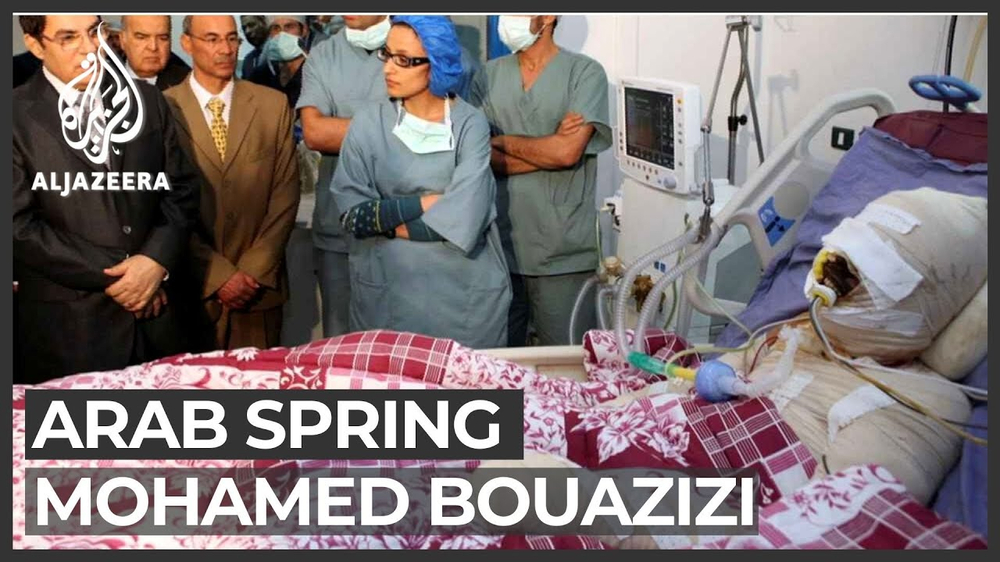
Mohamed Bouazizi's self-immolation ignites nationwide protests against police harassment in Tunisia.
Mohamed Bouazizi, a street vendor in Tunisia, self-immolated in protest of police mistreatment. This act served as a catalyst for widespread protests across the nation. Bouazizi's action shed light on issues of corruption, unemployment, and lack of opportunities faced by many Tunisians. His sacrifice resonated with the population, leading to a surge of demonstrations demanding political reform and social justice.
The impact of Bouazizi's protest was profound, triggering a wave of anti-government rallies that eventually ousted President Zine El Abidine Ben Ali, who had been in power for decades. The Tunisian Revolution not only inspired similar movements in other Arab countries but also symbolized the power of individual acts of resistance in sparking collective change.
Bouazizi's act became a symbol of the fight against oppression and injustice, galvanizing the Tunisian people to demand a better future. The event highlighted the role of ordinary citizens in bringing about political transformation and served as a reminder of the power of unity and perseverance in the face of adversity.
#Tunisia #MohamedBouazizi #Revolution #Protest #SocialJustice #PoliticalReform #Inspiration #Unity
View details2007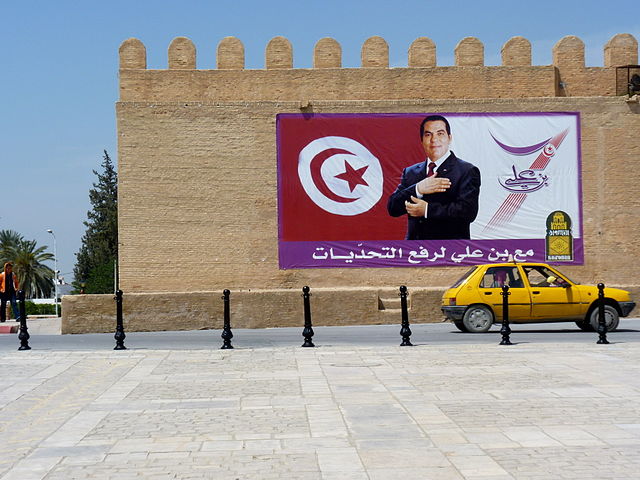
President Zine El Abidine Ben Ali secured a fifth term as he won the presidential elections with an overwhelming majority of 89.62% of the vote. This event was marred by allegations of electoral fraud and lack of fair competition due to the control Ben Ali's regime had over the media and political landscape. The opposition and international observers criticized the elections, citing a lack of transparency and democracy.
Ben Ali's re-election further entrenched his authoritarian rule, causing unrest among the populace who sought political change and reform. The outcome reinforced the perception of Tunisia as a one-party state under Ben Ali's leadership, stifling dissent and limiting civil liberties.
The re-election of President Ben Ali highlighted the challenges facing Tunisia in terms of political freedom, human rights, and democratic governance. It underscored the need for reform and a more inclusive political process to ensure transparency and legitimacy in future elections.
#Tunisia #BenAli #ElectionFraud #Authoritarianism
View details1999
In the legislative elections, the ruling party, the Rally for Constitutional Democracy (RCD), emerged victorious by securing the majority of seats. This outcome marked a continuation of the party's dominance in Tunisian politics. The RCD's success was attributed to its strong organizational structure and widespread support across the country.
The election results had a significant impact on the political landscape of Tunisia, solidifying the RCD's position as the leading political force in the country. With a majority in the legislature, the RCD was able to exert greater influence over policy-making and decision-making processes. This outcome also raised questions about the opposition's ability to effectively challenge the ruling party's control.
Overall, the RCD's victory in the legislative elections underscored its enduring popularity and highlighted the challenges facing the opposition in gaining traction against the ruling party. The results reinforced the RCD's stronghold on power and set the stage for continued political stability under its leadership.
#Tunisia #RCD #LegislativeElections #PoliticalDominance
View details1996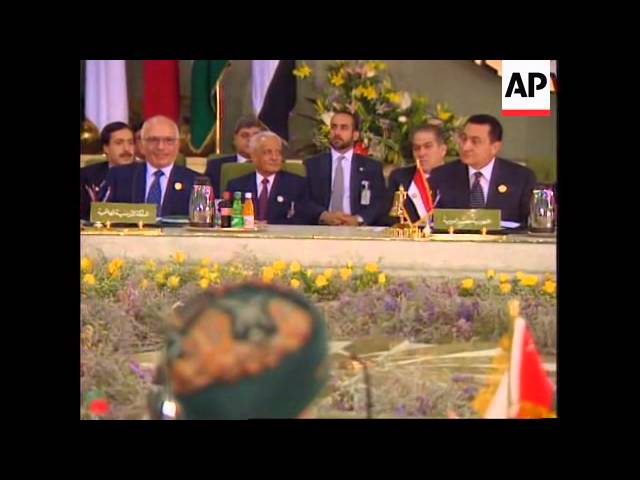
Tunisia hosted the 9th session of the Arab Summit in Cairo, Egypt, marked by the suspension of Libya's membership due to its involvement in the Pan Am Flight 103 bombing. This development led to disagreements among Arab leaders, with some supporting the suspension as a necessary measure, while others expressed concerns about the implications for unity within the Arab League.
The event highlighted the complexities of maintaining cohesion and solidarity among Arab countries in the face of political tensions and conflicting interests. The discussions during the summit underscored the challenges of balancing regional cooperation with individual national priorities, particularly in the context of ongoing geopolitical issues.
The suspension of Libya's membership at the Arab Summit in Cairo served as a reminder of the consequences of actions that contravene international norms and agreements. It also brought to the forefront the importance of upholding accountability and justice in addressing transnational crimes and acts of terrorism.
#Tunisia #ArabSummit #ArabLeague #Libya #Cairo #Geopolitics #Unity #InternationalRelations
View details1995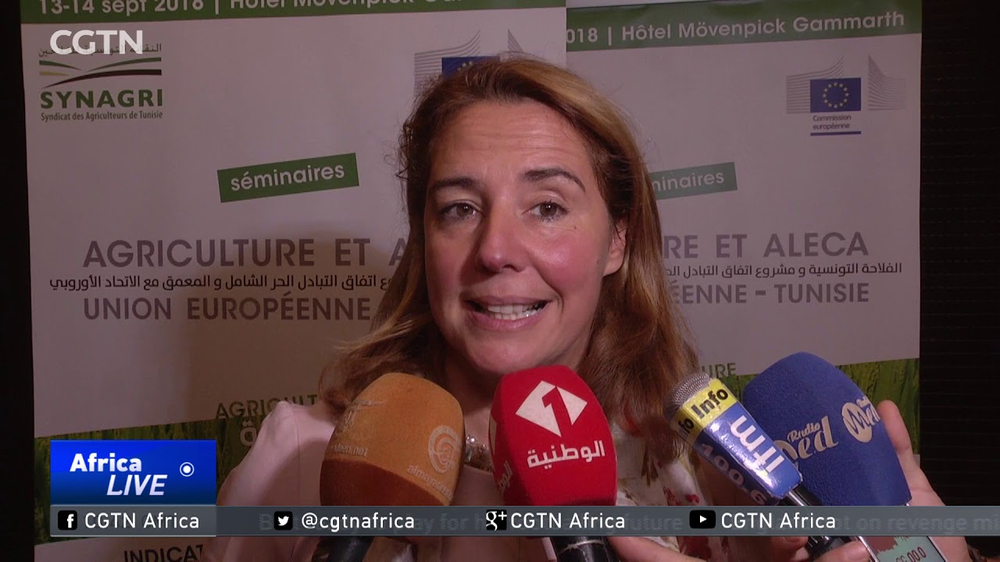
Tunisia and the European Union established a Free Trade Agreement to boost economic cooperation. This agreement aimed to eliminate tariffs and barriers to trade, promoting a more open and competitive market. Tunisia's strategic location as a gateway to Africa and its stable economy made it an attractive partner for the EU. The agreement also included provisions for political dialogue and cooperation on various issues.
The Free Trade Agreement provided Tunisia with access to the EU's large consumer market, leading to increased export opportunities for Tunisian products such as textiles, olive oil, and agricultural goods. This agreement also encouraged foreign investment in Tunisia, stimulating economic growth and creating job opportunities. Additionally, it facilitated the transfer of technology and know-how from the EU to Tunisia, supporting the country's development goals.
Overall, the Free Trade Agreement between Tunisia and the European Union was a significant step towards strengthening bilateral relations and fostering economic development. It positioned Tunisia as a key player in the region and enhanced its integration into the global economy. The agreement marked a new chapter in the partnership between Tunisia and the EU, highlighting the mutual benefits of cooperation and collaboration. #Tunisia #EU #FreeTrade #EconomicDevelopment
View details1990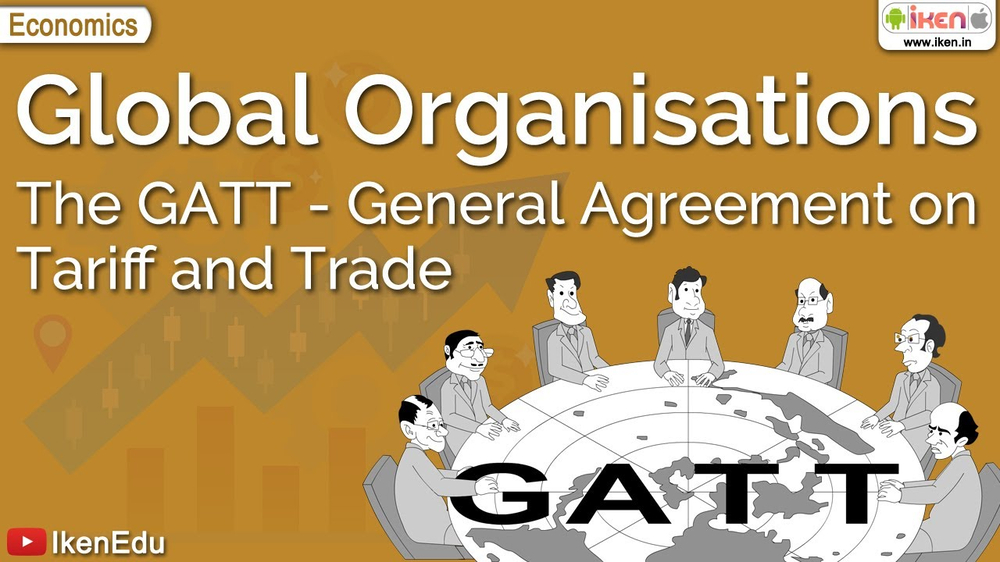
In 2/17/1990, Tunisia became a member of the General Agreement on Tariffs and Trade (GATT), a landmark decision that marked a significant step in the country's economic development. Tunisia's accession to GATT aimed to integrate the nation into the global trading system and promote international trade relationships.
Joining GATT opened up new opportunities for Tunisia by granting the country access to a vast network of international trade agreements and promoting a more competitive economic environment. By aligning its trade policies with GATT regulations, Tunisia aimed to enhance its export capabilities, attract foreign investments, and boost economic growth.
Tunisia's membership in GATT signaled the country's commitment to free trade principles, paving the way for increased market liberalization and economic reforms. This milestone positioned Tunisia as a key player in the global economy, facilitating trade partnerships and fostering economic stability.
In conclusion, Tunisia's decision to join GATT in 2/17/1990 was a pivotal moment in the nation's economic history, underscoring its dedication to open markets and international cooperation.
#Tunisia #GATT #TradeAgreements #EconomicDevelopment #GlobalTrade
View details1989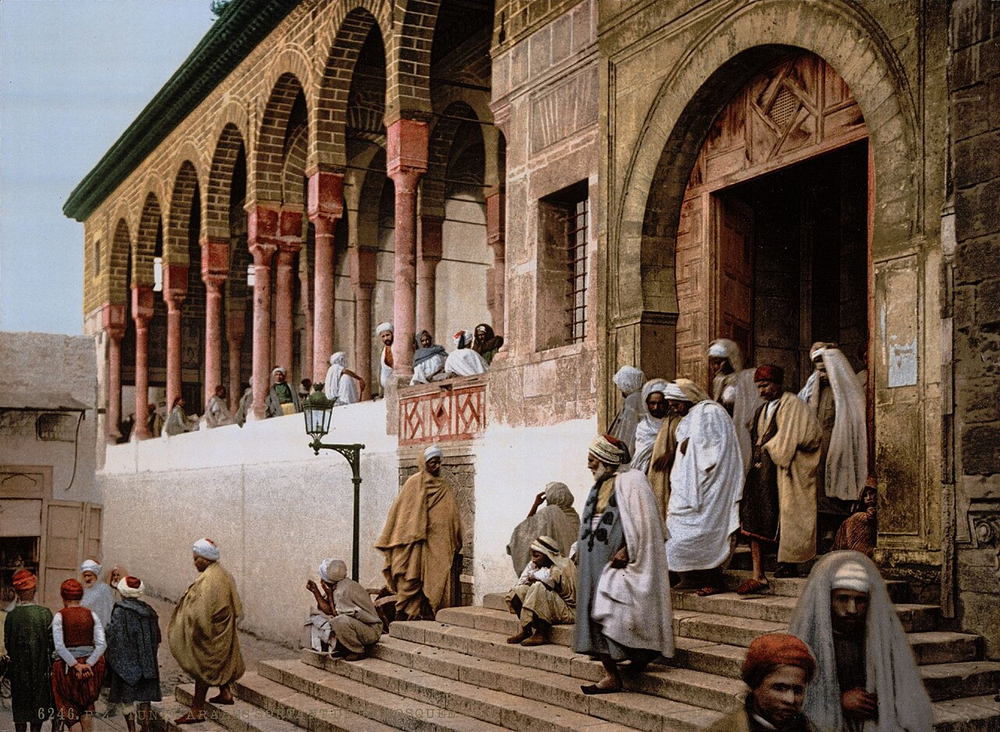
The Zitouna Mosque in Tunis, one of the oldest and most revered religious sites in Tunisia, underwent a significant renovation. The mosque, dating back to the 8th century, holds great cultural and historical importance for the people of Tunisia. The refurbishment aimed to preserve the architectural and spiritual essence of the mosque.
The renovation project involved restoring the intricate tile work, repairing the domes, and enhancing the interior decorations. Skilled artisans were employed to ensure that the renovations stayed true to the mosque's original design. The revitalized Zitouna Mosque now stands as a testament to Tunisia's rich architectural heritage and serves as a place of worship and reflection for both locals and visitors.
The completion of the renovation project brought a renewed sense of pride to the Tunisian community, symbolizing a commitment to preserving their cultural identity. The Zitouna Mosque continues to be a focal point for religious and cultural activities in Tunis, attracting believers and tourists alike.
#ZitounaMosque #Tunis #Renovation #CulturalHeritage
View detailsThe Arab Maghreb Union was established with Tunisia as one of the founding members. This regional organization aimed to promote cooperation and integration among North African countries. Tunisia's participation in the union highlighted its commitment to regional unity and collaboration. The union's creation paved the way for joint efforts in various fields, including economic development, security, and cultural exchange.
Tunisia's role as a founding member of the Arab Maghreb Union showcased its proactive approach towards strengthening ties with its neighboring countries. Through this initiative, Tunisia sought to enhance regional stability and foster mutual growth. The union provided a platform for member states to address common challenges and pursue shared goals. Tunisia's involvement underscored its strategic position in North Africa and its willingness to engage in collective endeavors for the benefit of the region.
The establishment of the Arab Maghreb Union with Tunisia as a key player marked a significant step towards closer regional cooperation. By joining hands with other Maghreb nations, Tunisia demonstrated its commitment to building a more integrated and interconnected North Africa. The union's formation signified a new chapter in the collective efforts of member states to chart a path towards shared prosperity and progress.
#Tunisia #ArabMaghrebUnion #RegionalCooperation #NorthAfrica #Unity
View details
1987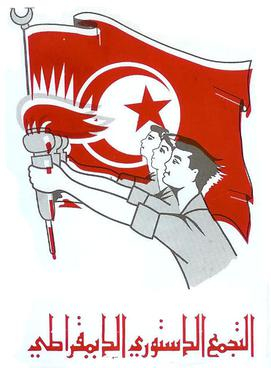
Amidst growing political unrest, the Democratic Constitutional Rally {RCD} party was established to consolidate power in Tunisia. The party was formed to ensure the dominance of then-President Zine El Abidine Ben Ali and to maintain stability within the country. The RCD emerged as a way to control opposition forces and centralize authority under Ben Ali's rule.
The impact of the formation of the RCD was significant, as it solidified Ben Ali's grip on power and stifled dissenting voices. The party effectively controlled all aspects of political life in Tunisia, leaving little room for opposition to challenge the government.
The RCD's dominance lasted for years, with the party being the only legal political entity in the country. However, the lack of political pluralism and suppression of alternative voices eventually led to widespread discontent among Tunisians.
The formation of the RCD marked a turning point in Tunisian politics, shaping the country's trajectory for years to come. It highlights the authoritarian tendencies of the government at that time and the limitations on political freedom.
#Tunisia #RCDParty #PoliticalDominance #BenAliRegime
View details1977
The Tunisian National Movement for Human Rights {Ligue Tunisienne des Droits de l'Homme} was founded
The Tunisian National Movement for Human Rights, also known as Ligue Tunisienne des Droits de l'Homme (LTDH), was established with the aim of promoting and protecting human rights in Tunisia. It was founded in response to the oppressive political climate and human rights violations that were prevalent in the country at that time. The formation of the LTDH marked a significant milestone in the fight for human rights in Tunisia.
The establishment of the LTDH had a profound impact on the human rights landscape in Tunisia. The organization played a crucial role in advocating for political reforms, freedom of expression, and the protection of basic human rights. It provided a platform for Tunisians to voice their concerns and hold the government accountable for its actions.
Over the years, the LTDH has continued to be a strong advocate for human rights in Tunisia, conducting research, raising awareness, and lobbying for change. The organization has faced challenges and obstacles along the way, but its commitment to promoting human rights has remained unwavering.
The founding of the Tunisian National Movement for Human Rights was a pivotal moment in the country's history, paving the way for greater respect for human rights and civil liberties. It remains a key player in the ongoing struggle for human rights in Tunisia.
#Tunisia #HumanRights #LTDH #Advocacy #CivilRights
View details1966
Following the Arab defeat in the Six-Day War, Tunisia intensified its War of Attrition against Israel. This conflict aimed to weaken Israel through continuous guerilla attacks and diplomatic isolation. Tunisia provided support to Palestinian groups engaged in armed struggle against Israel, using its territory as a base for launching attacks. These actions were a response to the occupation of Palestinian territories by Israel and aimed to garner support from other Arab nations.
The intensification of the War of Attrition against Israel had a significant impact on the region. It heightened tensions between Tunisia and Israel, leading to sporadic clashes and retaliatory actions. The conflict also drew international attention, highlighting the Palestinian struggle for liberation and the broader Arab-Israeli conflict. Tunisia's support for Palestinian resistance groups bolstered its image as a champion of Arab nationalism and anti-colonialism.
This event underscores the complex dynamics of the Arab-Israeli conflict and the role played by different Arab nations in supporting the Palestinian cause. It also highlights Tunisia's willingness to confront Israel despite its limited military capabilities. The War of Attrition against Israel in Tunisia exemplifies the ongoing struggle for Palestinian self-determination and the challenges faced by Arab states in confronting Israeli aggression. #Tunisia #WarofAttrition #PalestinianStruggle #ArabIsraeliConflict
View details1960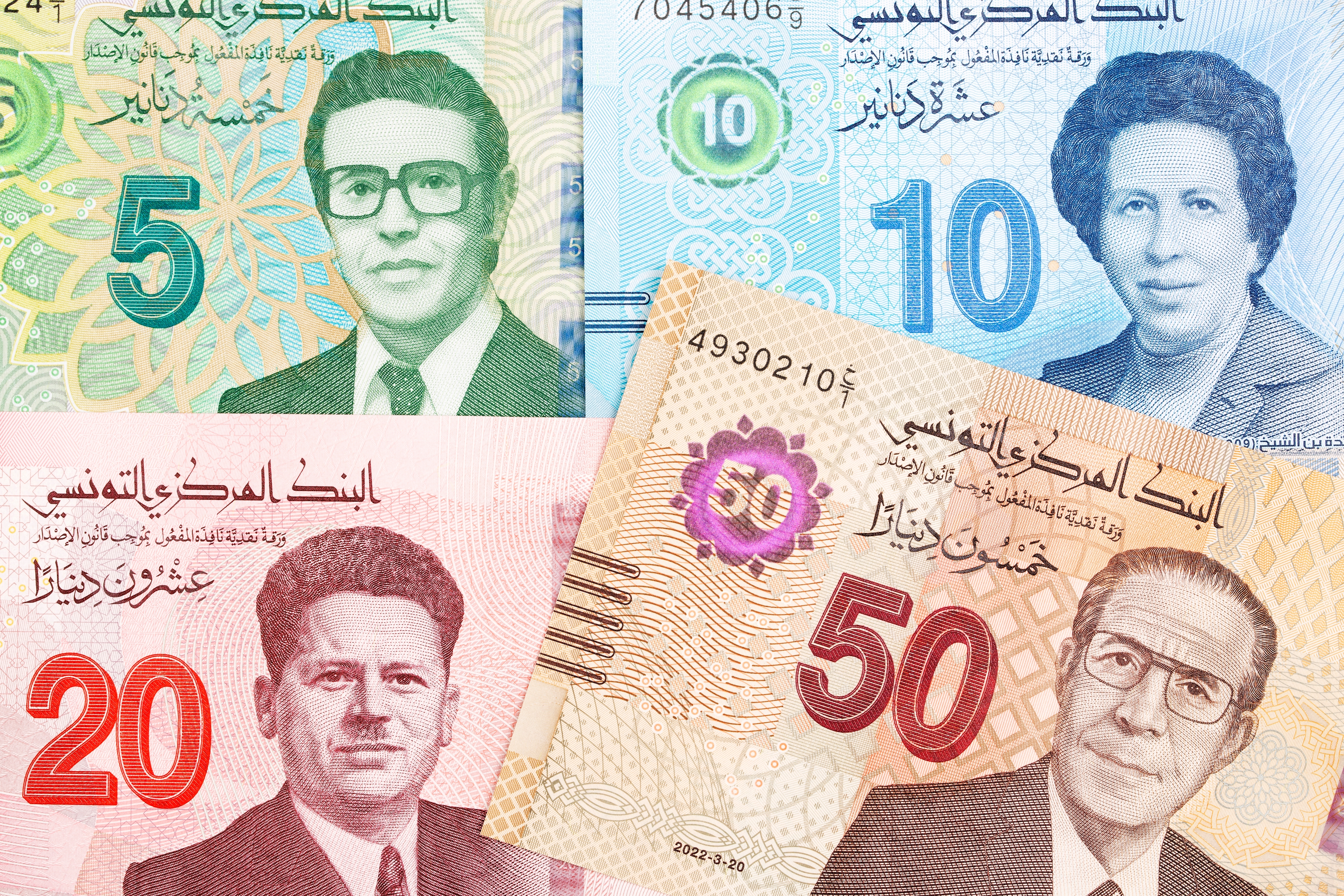
In (11/1/1958), Tunisia introduced the Dinar as its official currency, replacing the French Franc. This decision aimed to assert the country's economic independence and sovereignty after gaining independence from France. The establishment of the Dinar symbolized a critical step towards consolidating Tunisia's national identity and autonomy in the financial realm.
The introduction of the Dinar had a profound impact on Tunisia's economy, facilitating internal trade and enhancing economic stability. It provided a sense of stability and confidence to the citizens, as they now had a currency that represented their nation. The shift to the Dinar also allowed Tunisia to have more control over its monetary policies and exchange rates, contributing to the country's economic growth and development.
Since its inception, the Dinar has evolved to become a symbol of Tunisia's economic resilience and independence. It has weathered various economic challenges and has remained a pillar of the country's financial system. The establishment of the Dinar stands as a testament to Tunisia's journey towards economic self-determination and national pride.
#Tunisia #Dinar #Independence #EconomicEmpowerment
View details1956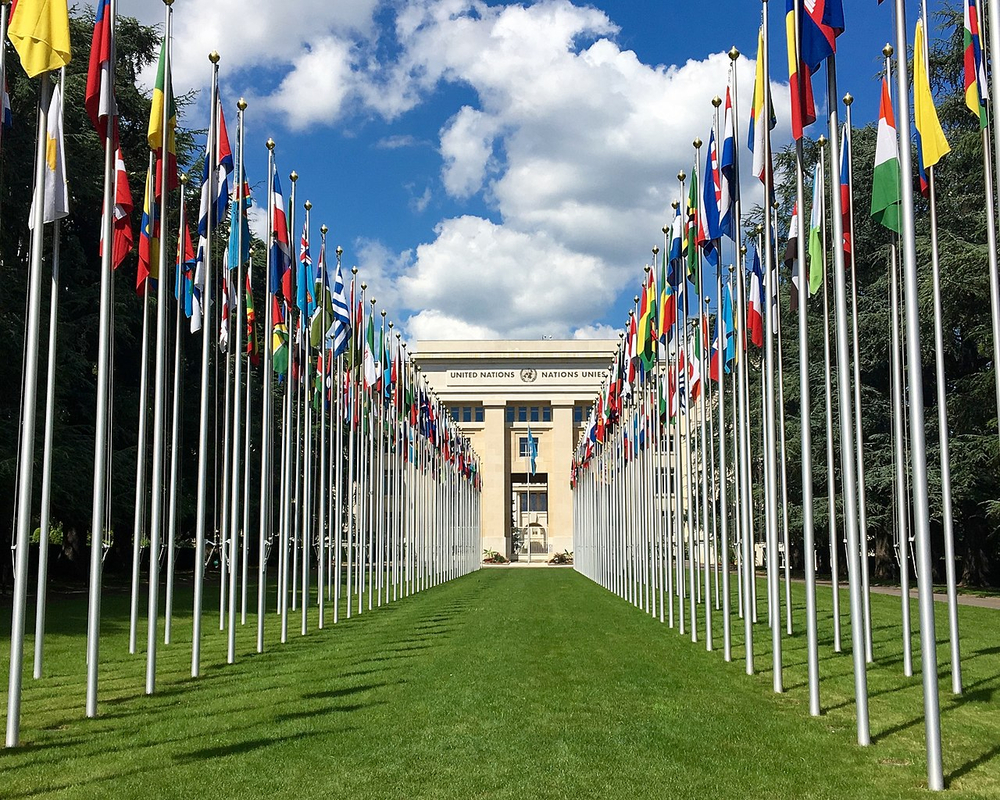
Tunisia's admission as a UN member marked a pivotal moment in the country's history. After gaining independence from French colonial rule, Tunisia sought international recognition and solidarity. Becoming a member of the UN provided a platform for Tunisia to participate in global decision-making processes, advocate for its interests on an international stage, and strengthen diplomatic relations with other nations.
The event signaled Tunisia's commitment to upholding the UN's principles of promoting peace, security, and cooperation among nations. It also highlighted the country's desire to engage with the international community in addressing global challenges and advancing common goals. Tunisia's membership in the UN symbolized its transition to a sovereign state with a voice in matters of international significance.
This milestone moment solidified Tunisia's position as a key player in North Africa and the Arab world, bolstering its standing as a respected member of the global community. By joining the UN, Tunisia demonstrated its willingness to contribute to global peace and development efforts while also benefiting from the organization's resources and support.
#Tunisia #UNMember #GlobalDiplomacy #Independence #InternationalRelations
View details