
India

The Land of Diversity and Vibrant Culture.
About
#India
#History_of_India
#Indian_History
#Indian_History_Timeline
#Bharat
#Hindustan
#Jambudvipa
#Jambudvīpa
#indian_civilization
#Indus_Valley_civilization
Life Classification
Country
Life ID
EL6590823663832
Verified Name
india
Life Type
Entity Life
Life Privacy
Public
Subscription
Elite
Created On
2024-07-22
Updated On
2026-01-09
Connect
Related Lives

Academy Awards
The Oscars

Burundi
The Land of a Thousand Hills

Nobel Prize in Literature
Inspiring through literature

Rugby World Cup
International Rournament in Rugby

European Union
United in Diversity

China
Land of Silk

Azerbaijan
The Land of Fire

France
The Land of Romance

2026
The India AI Impact Summit 2026, held from 16/02/2026 to 20/02/2026 at Bharat Mandapam in New Delhi, brought together representatives from more than 100 countries, over 20 heads of state, and leading technology executives to focus on moving global artificial intelligence governance from “dialogue to delivery.”
Hosted at Bharat Mandapam, the summit was positioned as the first major global AI gathering convened in the Global South. The five-day event featured policy sessions, business announcements, and technology showcases centered on infrastructure, data sovereignty, and inclusive AI development.
Organizers announced that the summit concluded with global infrastructure pledges exceeding $250 billion, alongside an additional $20 billion earmarked specifically for deep-tech initiatives.
At the event, Sundar Pichai, CEO of Google, outlined a $15 billion investment plan to establish a 1GW foundational AI data center hub in Visakhapatnam. He also introduced the “America-India Connect” initiative, involving new subsea fiber-optic cables linking India to the United States, Singapore, South Africa, and Australia.
Nvidia announced partnerships with Indian cloud providers to supply advanced processors for domestic data centers. Meanwhile, Microsoft committed $17.5 billion to expand its AI infrastructure footprint in India and support workforce training programs.
Sam Altman of OpenAI participated in discussions and praised India’s “sovereign AI” strategy, stating that the country has the “scale and ambition” to be a builder, not just a user, of artificial intelligence systems.
India’s “Sovereign AI” Framework:
Prime Minister Narendra Modi unveiled the MANAV Vision-standing for Moral, Accountable, National, Accessible, and Valid-as an ethical framework prioritizing data sovereignty and human-centric AI deployment.
Among the domestic technology launches:
• BharatGen Param2, a foundational AI model designed to support all 22 officially recognized Indian languages.
• Sarvam AI, which unveiled two large language models trained entirely within India.
• Gnani.ai, which introduced a multilingual voice model operating across 12 Indian languages, optimized for low-bandwidth conditions.
These initiatives were presented as part of India’s strategy to reduce reliance on foreign AI infrastructure while expanding digital access domestically.
Global South Priorities and Policy Commitments:
The summit framework was structured around three guiding “Sutras”-People, Planet, and Progress-and seven thematic “Chakras” or working groups. These groups addressed AI resource democratization, multilingual evaluation standards, compute access, and evidence-based policymaking for developing economies.
A voluntary framework titled the “New Delhi Frontier AI Commitments” was introduced to strengthen multilingual model evaluations and encourage transparent safety benchmarks tailored to the needs of developing nations.
António Guterres, Secretary-General of the United Nations, cautioned against concentrating AI development in the hands of “a few powerful billionaires” and called for equitable global access to emerging technologies.
During the summit, India set a Guinness World Record for the most pledges made to an AI responsibility campaign within 24 hours, recording 250,946 valid pledges.
Notable Developments:
• Galgotias University was asked to withdraw from the expo segment after its showcased “indigenous” robot dog was identified as a commercially available Chinese-manufactured model.
• Although scheduled to deliver a keynote address, Bill Gates canceled his appearance shortly before the event began. No detailed public explanation was provided at the summit.
The India AI Impact Summit 2026 concluded on 20/02/2026 with participating governments and companies signaling continued engagement on infrastructure deployment, governance frameworks, and cross-border digital cooperation.
View detailsOn January 27, the India–European Union Free Trade Agreement (FTA) was formally signed, concluding nearly 20 years of negotiations between India and the European Union. The agreement marked one of the most comprehensive trade pacts entered into by both sides, aiming to significantly deepen economic integration between two of the world’s largest markets.
The FTA provides for the elimination or reduction of tariffs on a wide range of goods and services, covering sectors such as manufacturing, pharmaceuticals, automobiles, textiles, agriculture, digital services, and financial services. In addition to tariff liberalization, the agreement includes provisions on investment protection, intellectual property rights, government procurement, and regulatory cooperation. Combined, India and the EU represent a market of over 1.9 billion people and account for a substantial share of global trade and GDP, giving the agreement broad international economic significance.
The signing of the agreement reshaped trade relations between the two regions by lowering barriers, improving market access, and establishing clearer rules for cross-border commerce. It also reflected a strategic shift toward diversified trade partnerships amid evolving global supply chains and geopolitical dynamics.
#IndiaEU #FreeTradeAgreement #GlobalTrade #EconomicPartnership #InternationalRelations
View details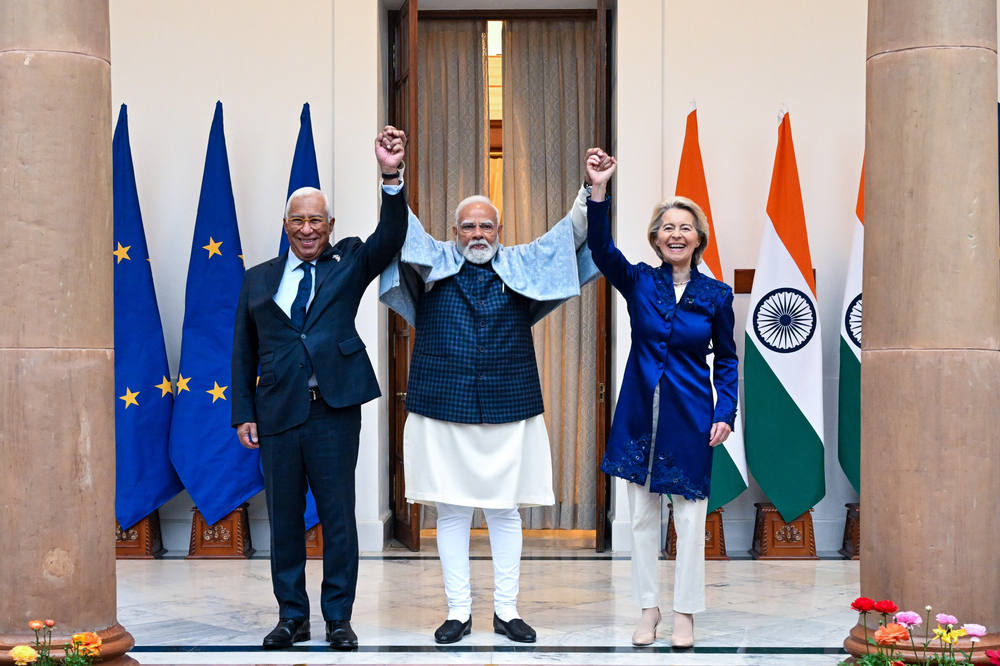
2025
ISRO has launched the heaviest foreign satellite it has ever carried, BlueBird Block-2, aboard its LVM3 heavy-lift launch vehicle, marking a significant milestone in India’s commercial space capabilities. The mission demonstrated the reliability and growing international acceptance of ISRO’s launch services, particularly the LVM3, which is designed to place large payloads into orbit. BlueBird Block-2, developed by a foreign private company, is a high-capacity communications satellite intended to enhance advanced connectivity services. The successful launch highlighted ISRO’s technical expertise in handling complex missions involving heavy payload integration, precise orbital insertion, and strict international standards.
The launch holds broader significance for India’s space sector and global space cooperation. By successfully deploying the heaviest foreign satellite on an Indian rocket, ISRO strengthened its position as a competitive player in the global commercial launch market. The mission also reflects increasing trust from international partners in India’s cost-effective and dependable launch infrastructure. For India, such launches support the growth of its space economy, encourage private sector participation, and expand opportunities for future commercial contracts. Overall, the LVM3 launch of BlueBird Block-2 represents a major step forward in India’s ambition to become a leading hub for heavy satellite launches, while reinforcing international collaboration in space technology and communications.
View detailsIndia has won its first-ever Women’s Cricket World Cup, marking a historic milestone in the nation’s sporting journey and women’s cricket globally. The victory came after a series of consistent and determined performances throughout the tournament, where the Indian team demonstrated strong teamwork, tactical awareness, and resilience under pressure. Key contributions from both experienced players and emerging talents played a decisive role in India’s success, with disciplined bowling, dependable batting, and sharp fielding defining their campaign. The final match showcased the team’s ability to handle high expectations and deliver on the biggest stage, earning widespread praise from fans, former players, and cricketing authorities.
The significance of this achievement extends far beyond the trophy itself. India’s triumph represents a breakthrough moment for women’s sports in the country, inspiring millions of young girls to pursue cricket and other competitive sports. It also reflects years of investment in women’s cricket, including improved domestic structures, greater visibility, and professional support for players. Internationally, the win strengthens India’s position as a major force in women’s cricket and contributes to the growing popularity of the women’s game worldwide. Overall, India’s first Women’s Cricket World Cup victory stands as a symbol of progress, perseverance, and changing attitudes toward women in sport, with lasting impact on future generations.
View details
C. P. Radhakrishnan has been elected Vice President of India, marking an important development in the country’s constitutional and political framework. The election was conducted through an electoral college consisting of members of both houses of Parliament, in accordance with constitutional provisions. Radhakrishnan, a senior political leader with experience in governance and public administration, has held various responsibilities at the national level prior to his election. His elevation to the vice presidency reflects parliamentary support and confidence in his ability to uphold constitutional values and institutional stability. As Vice President, he also assumes the role of Chairman of the Rajya Sabha, where he is responsible for presiding over proceedings and ensuring the smooth functioning of the upper house of Parliament.
The significance of his election lies in the responsibilities associated with the office. The Vice President plays a crucial role in maintaining legislative discipline, facilitating debate, and safeguarding democratic procedures within Parliament. Although largely a non-executive position, the role carries substantial influence in shaping parliamentary conduct and promoting consensus among political parties. Radhakrishnan’s tenure is expected to contribute to continuity and stability in legislative affairs during a period of active political engagement in India. Overall, his election represents an orderly constitutional transition and reinforces the functioning of democratic institutions, highlighting the importance of experienced leadership in upholding parliamentary traditions and national governance.
View details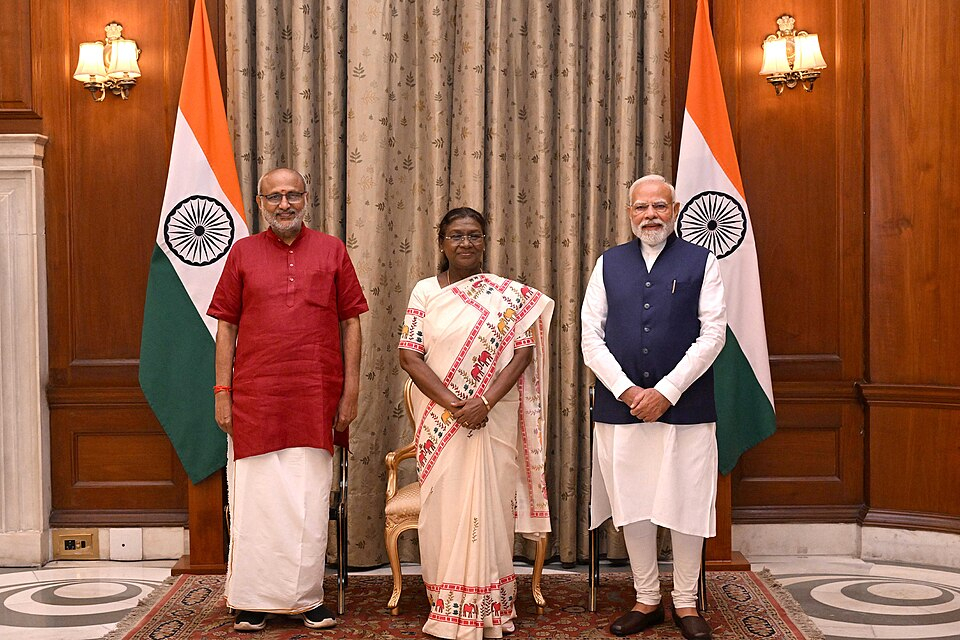
The NISAR satellite has been successfully launched as part of a joint mission between the Indian Space Research Organisation (ISRO) and the United States’ National Aeronautics and Space Administration (NASA), marking a major milestone in international space cooperation. NISAR, which stands for NASA-ISRO Synthetic Aperture Radar, is designed to observe Earth with high precision using advanced radar technology. The satellite is capable of monitoring land and ice surfaces day and night, regardless of weather conditions, making it especially valuable for continuous Earth observation. Its development reflects years of technical collaboration, combining NASA’s L-band radar system with ISRO’s S-band radar and launch capabilities.
The mission holds significant scientific and practical importance. Data from NISAR will support research on climate change, earthquakes, volcanic activity, landslides, sea-level rise, and ecosystem changes. Governments and scientists can also use the information for disaster preparedness, agriculture planning, and infrastructure monitoring. Beyond its scientific value, the launch highlights the strength of international partnerships in addressing global challenges that cross national boundaries. By sharing expertise, technology, and data, the ISRO-NASA collaboration sets an example of peaceful and productive use of space. Overall, the NISAR mission represents a major advancement in Earth observation and demonstrates how global cooperation can enhance understanding and protection of the planet.
View details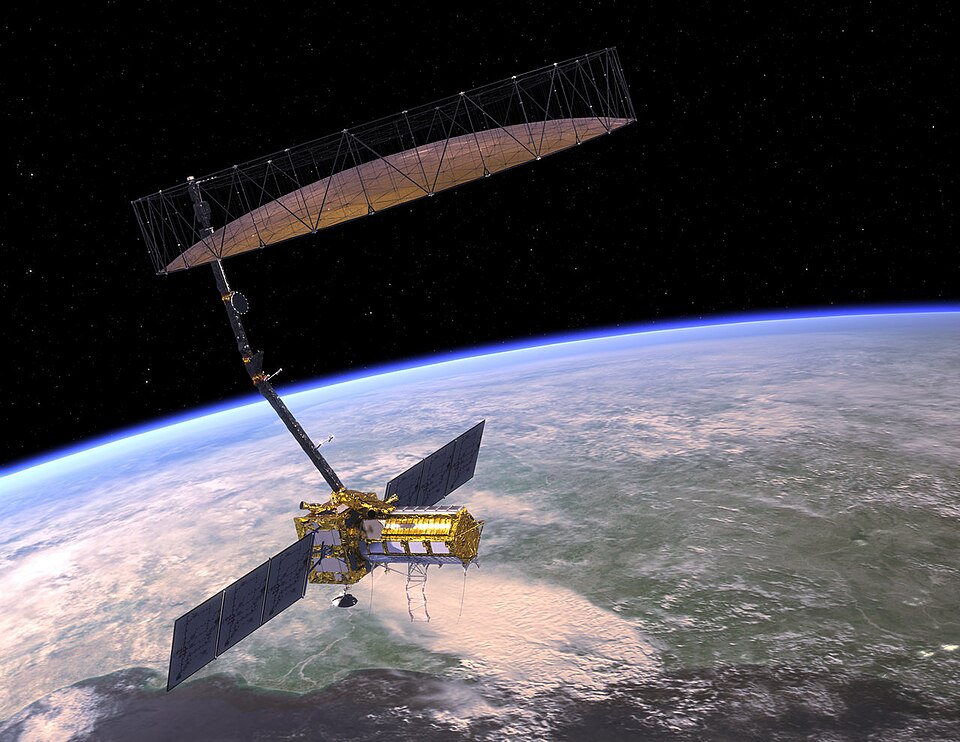
India has surpassed Japan to become the world’s fourth-largest economy, marking a major milestone in its long-term economic growth and global standing. This achievement reflects sustained expansion driven by strong domestic consumption, a growing services sector, and increased public investment in infrastructure. India’s large and youthful population has supported labor supply and consumer demand, while economic reforms, digitalization, and improved ease of doing business have contributed to productivity gains. In contrast, Japan has faced prolonged economic stagnation, demographic decline, and deflationary pressures, which have limited its growth rate. The shift in rankings highlights changing dynamics in the global economy, with emerging markets playing an increasingly prominent role.
The significance of India’s rise extends beyond numerical rankings. Becoming the fourth-largest economy enhances India’s influence in global economic forums and strengthens its position in international trade, investment, and geopolitical discussions. It also increases expectations for India to contribute to global growth, supply chains, and climate-related initiatives. Domestically, the milestone underscores both progress and challenges, as rapid growth must be matched with job creation, income equality, and sustainable development. Policymakers continue to focus on manufacturing expansion, skills development, and technological innovation to maintain momentum. Overall, India’s surpassing of Japan represents a structural shift in the global economic order, reflecting the growing weight of emerging economies and signaling India’s expanding role in shaping future economic trends.
View details2024
Wayanad district in Kerala experienced devastating landslides resulting in at least 334 fatalities, over 200 injuries, and 281 individuals reported missing. The region, known for its scenic landscapes and tea plantations, is prone to heavy rainfall, particularly during the monsoon season. The landslides, triggered by incessant rains, caused significant destruction to homes, infrastructure, and agricultural fields.
The immediate aftermath saw rescue operations led by the National Disaster Response Force (NDRF) and local authorities, focused on retrieving survivors and providing emergency relief. The landslides impacted several villages, with substantial damage to roads, making rescue efforts challenging. The local government set up temporary shelters and initiated relief measures, including food and medical aid, for the affected population.
Reports suggest that the intensity of the rainfall exceeded average levels for the region, exacerbating soil erosion and instability on the slopes. The landslide incident has raised concerns among environmentalists regarding deforestation and unplanned constructions in hilly areas, contributing to such disasters. The economic impact includes the loss of livelihood for many farmers, as vast tracts of tea and coffee plantations were destroyed.
Efforts are underway to ensure the safety of the remaining residents and to rebuild the affected areas. Long-term measures have been proposed to improve disaster preparedness, including better weather forecasting, strengthening infrastructure, and enforcing stricter building regulations in vulnerable areas. The disaster highlights the urgent need for sustainable development practices to mitigate the impact of natural calamities.
#KeralaLandslides #DisasterRelief #Wayanad #MonsoonSafety #EnvironmentalImpact #MoofLife
View detailsIn the recent Indian general election, the Bharatiya Janata Party (BJP) did not achieve an outright majority in the Lok Sabha (House of the People). Despite this setback for BJP, the National Democratic Alliance (NDA), of which BJP is a key member, managed to retain its majority and remain in power.
This election saw a significant voter turnout, reflecting India's thriving democratic process. According to the Election Commission of India, approximately 67% of the eligible voters participated in the election. The BJP secured 229 seats out of the 543 in the Lok Sabha, a decrease from their previous count of 303. The decline is attributed to anti-incumbency sentiment and emerging regional alliances. The Indian National Congress (INC), the main opposition party, increased its seat tally to 102, marking a rise from the previous 52 seats. Other regional parties and independents also made notable gains, reflecting the diverse political landscape of India.
The NDA, comprising several regional parties alongside BJP, totaled 281 seats, ensuring governance continuity. The alliance included parties such as Shiv Sena, Janata Dal (United), and Lok Janshakti Party, each adding critical seats to the NDA majority. Political analysts noted that the NDA's retained majority is due to strategic coalitions and targeted campaigning in key states.
The implications of this outcome are significant. The BJP will need to navigate governance with enhanced collaboration within the NDA and potentially seek support from other parties on specific legislative issues. Economically, markets may witness fluctuations as the government focuses on stability and coalition management. Policy-making is expected to involve substantial negotiations, given the reduced singular influence of BJP within the alliance.
This general election has underscored the multifaceted nature of India's political system, where coalition dynamics play a pivotal role. The electorate's inclination towards diversifying power across parties highlights a shift towards more balanced and representative governance.
#ElectionResults #India2024 #BJP #NDA #IndianDemocracy #PoliticalShift #CoalitionGovernment #MoofLife
View details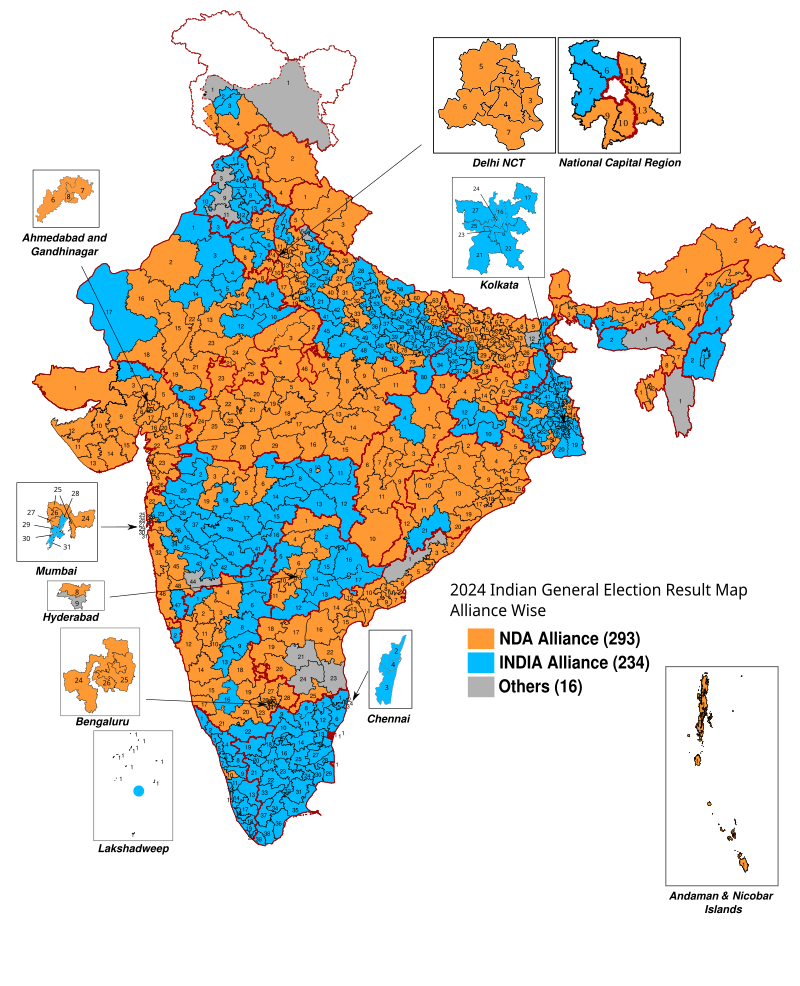
2023
The Indian Space Research Organisation (ISRO) achieved a milestone by launching Aditya-L1, India's inaugural solar observation mission. This endeavor marks a significant development in India's space exploration program, enhancing its reputation in the global space community. The mission aims to study the Sun's outermost layer, the corona, and the chromosphere, observing solar flares and mass ejections that impact space weather.
Aditya-L1 is equipped with various instruments to capture high-resolution images of the Sun, providing valuable insights into its processes and phenomena. Such data will contribute to a better understanding of solar activities and their influence on communications, navigation systems, and power grids on Earth. Additionally, the mission is expected to advance solar physics research, paving the way for innovations in space technology.
This successful launch signifies India's growing expertise in space exploration, positioning it as a key player in the realm of solar observation missions. Collaborations with international space agencies and scientific communities are anticipated to further enrich the outcomes of Aditya-L1. The mission reflects ISRO's commitment to pushing boundaries and expanding knowledge about the solar system.
The impact of Aditya-L1 extends beyond national borders, resonating with space enthusiasts and researchers worldwide. Its findings are poised to contribute to broader scientific endeavors and foster a culture of space exploration and discovery. As India takes strides in space missions, Aditya-L1 stands out as a testament to its dedication to advancing knowledge and technology for the benefit of all humankind.
#ISRO #Aditya-L1 #SolarObservation #SpaceResearch #IndiaInSpace
View detailsIndia's Chandrayaan-3 mission made history by becoming the first spacecraft to successfully land near the south pole of the Moon. Carrying the lunar lander Vikram and the lunar rover Pragyan, this achievement marks a significant milestone in India's space exploration endeavors.
The Chandrayaan-3 mission was launched with the primary goal of furthering India's understanding of the Moon's surface, geology, and mineral composition. Landing near the Moon's south pole is particularly significant as this region remains relatively unexplored, offering valuable insights into the lunar surface that could benefit future missions.
Vikram, the lunar lander, played a crucial role in safely delivering Pragyan, the lunar rover, to the Moon's surface. Once deployed, Pragyan began its mission of exploring the lunar terrain, conducting experiments, and sending valuable data back to Earth. The successful operation of both Vikram and Pragyan showcases India's growing expertise in space technology and mission execution.
The achievement of Chandrayaan-3 landing near the Moon's south pole emphasizes India's commitment to pushing the boundaries of space exploration and expanding its presence in the international space community. The data gathered from this mission is expected to contribute significantly to scientific research and pave the way for future lunar missions.
Overall, the successful landing of Chandrayaan-3 near the south pole of the Moon marks a proud moment for India's space agency and the country as a whole. This milestone demonstrates India's technological capabilities, scientific advancements, and ambitious pursuit of knowledge beyond Earth.
#Chandrayaan3 #MoonLanding #SpaceExploration #SouthPoleMission
View details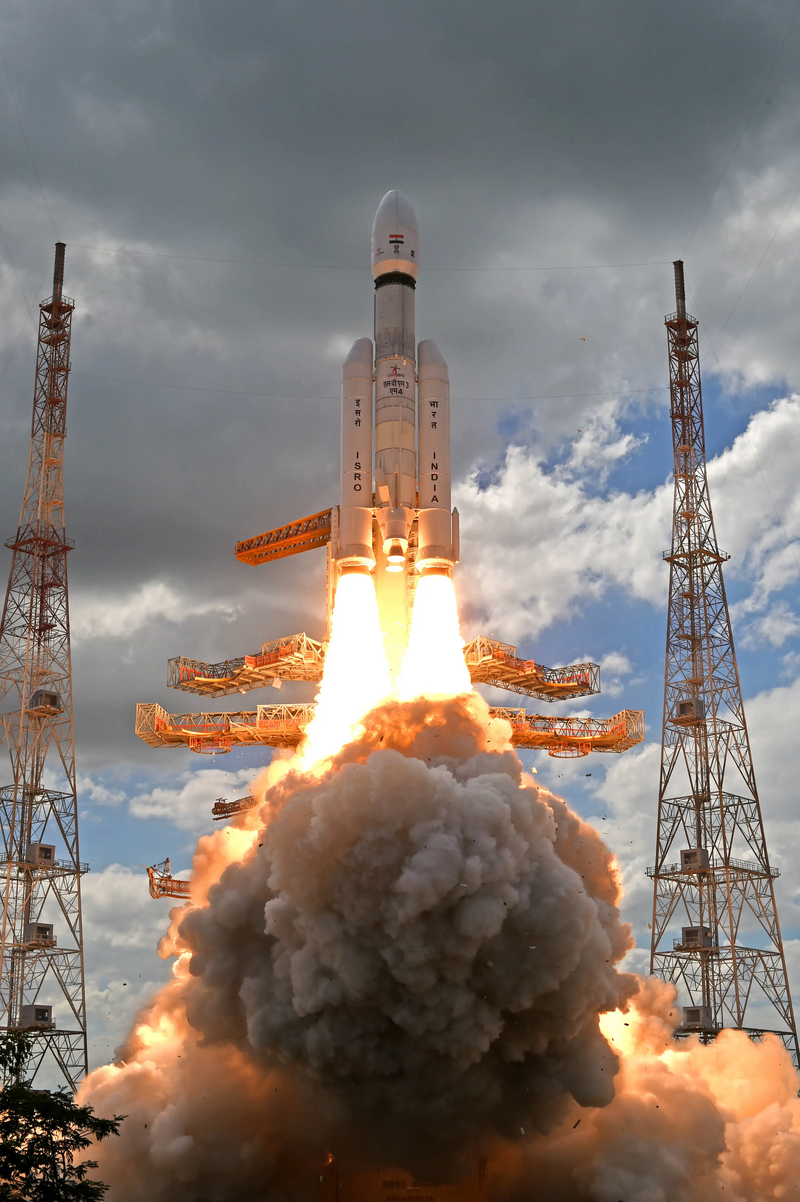
2019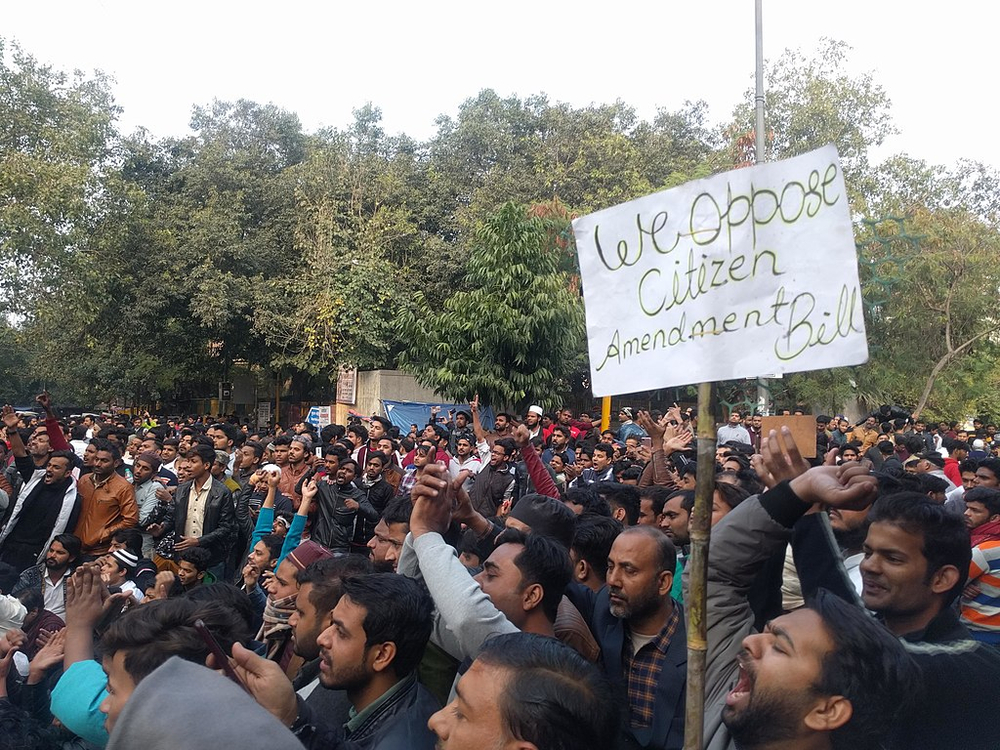
The passing of the Citizenship (Amendment) Act, 2019 by the Parliament of India brought significant changes to the existing Citizenship Act of 1955. The amendment aimed to provide a pathway to Indian citizenship for religious minorities - Hindus, Sikhs, Buddhists, Jains, Parsis, and Christians - who had escaped persecution in Pakistan, Bangladesh, and Afghanistan before December 2014.
The passing of this act stirred both support and controversy within the country and internationally. Proponents of the act argued that it offered refuge to persecuted minorities from neighboring countries, granting them a chance at a better life in India. On the other hand, critics voiced concerns about the exclusion of Muslims from the provisions, labeling the act as discriminatory and unconstitutional.
The impact of the Citizenship (Amendment) Act, 2019 was immediate, sparking protests and unrest across various parts of India. Citizens took to the streets in peaceful demonstrations, while others engaged in more confrontational forms of protest. The act was seen as a threat to the secular fabric of the nation by many, leading to heated debates and discussions about the true essence of Indian democracy and inclusivity.
The aftermath of the passing of the act saw a surge in public discourse about religious tolerance, constitutional principles, and the protection of minority rights. The Indian government faced scrutiny from human rights organizations and foreign governments, urging a reevaluation of the act to ensure fairness and non-discrimination.
The Citizenship (Amendment) Act, 2019 remains a contentious issue in India, symbolizing the delicate balance between religious freedom, national security, and democratic values. It continues to shape political narratives and social movements, reflecting the complexities of multiculturalism and identity in the modern world. #CitizenshipAmendmentAct #India #MinorityRights #ReligiousFreedom
View detailsIndia conducted airstrikes on a terrorist camp in Balakot, Pakistan, retaliating to a terrorist attack in Pulwama, Jammu and Kashmir. The Pulwama attack, where a suicide bomber targeted a convoy of Indian paramilitary personnel, resulted in the loss of over 40 lives. Blamed on a Pakistan-based extremist group, it sparked outrage in India.
In response, Indian fighter jets crossed the Line of Control and targeted the terrorist camp in Balakot. The operation was described as a pre-emptive strike to prevent further attacks being planned against India. The Indian government stated that the action was necessary for self-defense, invoking the country's right to protect its sovereignty.
The airstrikes in Balakot significantly escalated tensions between India and Pakistan. Both countries possess nuclear capabilities, raising concerns about the potential for a larger conflict. Pakistan condemned the airstrike as a violation of its sovereignty and vowed to retaliate. The situation remained volatile, with fears of a potential military escalation.
The international community called for restraint and de-escalation, urging both countries to resolve their differences through dialogue. Efforts were made to prevent further hostilities and ease the heightened tensions in the region. Diplomatic channels were utilized to address the crisis and prevent further escalation of the conflict.
The airstrikes in Balakot underscored the persistent security challenges faced by India and Pakistan, rooted in historical animosities and territorial disputes. The event highlighted the complex dynamics of South Asian geopolitics and the delicate balance of power in the region.
#India #Pakistan #Balakot #Pulwama #Terrorism #SecurityCrisis #Geopolitics #ConflictResolution #PeaceDiplomacy
View details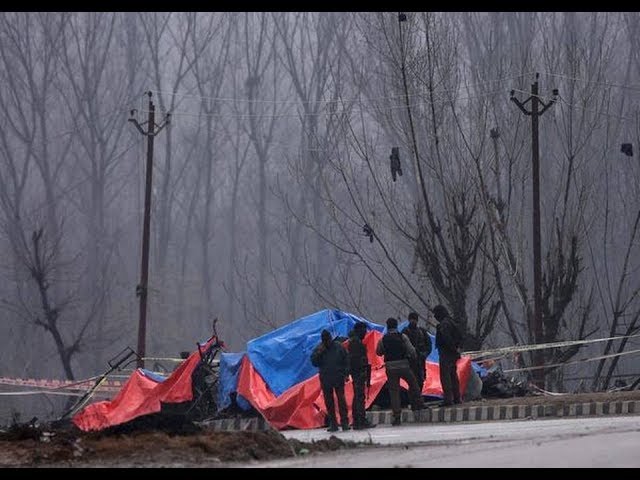
2018
India's Supreme Court repealed section 377 of the Indian Penal Code, decriminalizing homosexuality. This law, dating back to the British colonial era, punished consensual homosexual acts with imprisonment.
The repeal marked a significant shift in the country's legal landscape regarding LGBTQ+ rights. The LGBTQ+ community had long fought against discrimination and stigma under this law. The decision was celebrated by activists, who saw it as a step towards equality and inclusion.
With the repeal, LGBTQ+ individuals in India received legal validation and protection for their relationships. It meant that love between individuals of the same sex was no longer considered a crime. The judgment acknowledged the importance of respecting diverse sexual orientations and upholding the right to privacy and dignity for all citizens.
This legal victory opened the door for greater acceptance and understanding of LGBTQ+ individuals in Indian society. It paved the way for conversations about LGBTQ+ rights, acceptance, and inclusion to become more mainstream. The ruling was seen as a triumph for human rights and a symbol of progress towards a more equitable and just society.
Overall, the repeal of section 377 was a historic moment in India's legal history and a significant step towards recognizing and protecting the rights of LGBTQ+ individuals. It was a victory for love, equality, and human rights in the country.
#India #LGBTQ+ #Equality #HumanRights
View details2017
On June 30, 2017, India witnessed the launch of the Goods and Services Tax (GST), marking the most significant tax reform in the country's history. The GST was designed to replace the complex and fragmented system of indirect taxes levied by both the central and state governments, creating a unified and streamlined tax structure aimed at enhancing economic efficiency and compliance.
Background
Before the implementation of GST, India's indirect tax system was characterized by a multitude of taxes, including Central Excise Duty, Service Tax, Value Added Tax (VAT), Central Sales Tax (CST), Octroi, and various state-specific levies. This fragmented tax regime led to inefficiencies, double taxation, and a lack of uniformity across states, which hindered business operations and economic growth.
The Journey to GST
The journey towards GST was long and complex, involving extensive deliberations and negotiations among various stakeholders, including the central and state governments, industry bodies, and political parties. The idea of GST was first proposed in 2000, and it took nearly 17 years of discussions, planning, and legislative action to bring it to fruition.
Key milestones in the journey included:
2000: The concept of GST was introduced and a committee was formed to design the GST model.
2006: The then Finance Minister P. Chidambaram announced the target date for GST implementation as April 1, 2010.
2011: The 115th Constitutional Amendment Bill was introduced in the Parliament to facilitate the introduction of GST, but it lapsed with the dissolution of the 15th Lok Sabha.
2014: The new NDA government under Prime Minister Narendra Modi reinvigorated the efforts to implement GST. The 122nd Constitutional Amendment Bill was introduced in the Parliament.
2016: The GST Bill was passed by both Houses of Parliament and received Presidential assent, becoming the 101st Constitutional Amendment Act.
The Launch of GST
On the midnight of June 30, 2017, at a special session of the Indian Parliament, GST was officially launched by Prime Minister Narendra Modi and President Pranab Mukherjee. The launch event was symbolic of the historic shift in India's tax regime, aiming to create a "One Nation, One Tax" system.
Key Features of GST
Unified Tax Structure: GST replaced multiple indirect taxes with a single tax on the supply of goods and services, applicable throughout India.
Destination-Based Taxation: GST is a destination-based tax, meaning it is levied at the point of consumption rather than the point of origin, thereby simplifying tax collection and distribution.
Input Tax Credit: GST allows businesses to claim credit for taxes paid on inputs, reducing the cascading effect of taxes and lowering the overall tax burden.
Four-Tier Tax Structure: GST has a four-tier tax structure with rates of 5%, 12%, 18%, and 28%, along with a few exempt categories and a special rate for luxury and sin goods.
Technology-Driven Compliance: The implementation of GST is heavily reliant on a robust IT infrastructure, the Goods and Services Tax Network (GSTN), which facilitates online registration, filing, and tax payment.
Impact of GST
Economic Impact
Ease of Doing Business: By creating a single market with uniform tax rates, GST simplified the tax compliance process, making it easier for businesses to operate across state boundaries.
Reduction in Tax Evasion: The input tax credit mechanism and technology-driven compliance reduced the scope for tax evasion and increased tax revenue.
Increased Efficiency: GST minimized the cascading effect of taxes, leading to lower production costs and enhanced competitiveness of Indian goods and services.
Consumer Impact
Price Stability: In the long term, GST aimed to bring price stability by eliminating double taxation and reducing tax burdens on goods and services.
Transparent Taxation: With a single transparent tax system, consumers had a clearer understanding of the tax component in prices.
Challenges and Criticisms
Implementation Hurdles: The initial phase of GST implementation faced several challenges, including technical glitches on the GSTN portal, confusion over compliance procedures, and resistance from some business sectors.
Complexity in Rates: The multiple tax rates and frequent changes in the GST structure were criticized for creating confusion and administrative burden.
#MomentsOfLife #MoofLife_Moment #MoofLife #GST #GoodsAndServicesTax #IndianEconomy #TaxReform #OneNationOneTax #EconomicReform #India2017 #HistoricalEvents
View details2016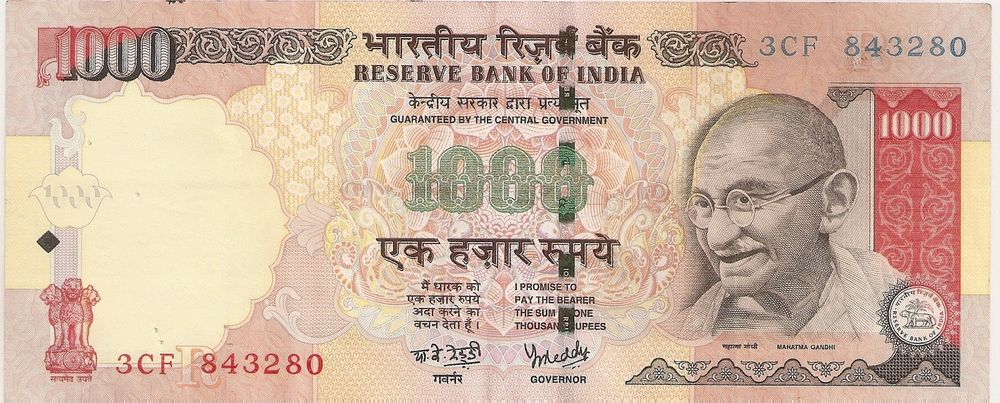
In 2016, the Indian government initiated the demonetization policy, aiming to curb corruption, counterfeit currency, and black money in the country. Overnight, high-value currency notes were declared invalid to be used as legal tender.
The sudden move brought about significant challenges for the general public, as people rushed to exchange their old notes for new ones. Long queues formed at banks and ATMs, leading to cash shortages and disruptions in daily life. Small businesses, which heavily relied on cash transactions, were particularly affected.
Despite the initial chaos, demonetization had several positive outcomes. It boosted digital payments, leading to a more transparent economy. It also encouraged tax compliance and formalization of the informal sector. Additionally, the move disrupted terrorist financing and money laundering activities.
However, the policy was not without criticism. Some questioned its effectiveness in curbing black money and argued that it disproportionately affected the poor. The Indian economy did experience short-term disruptions, with a temporary slowdown in growth rates.
Overall, demonetization was a bold step taken by the Indian government to tackle long-standing issues of corruption and black money. It sparked a nationwide debate on the merits and demerits of such a policy, leaving a lasting impact on the Indian economy and society.
#IndianGovernment #Corruption #BlackMoney #DigitalPayments #EconomicReform
View details2014
India's first interplanetary mission, Mangalyaan, achieved a major milestone by entering Mars orbit, marking India as the first Asian nation to accomplish this feat. Launched by the Indian Space Research Organisation, Mangalyaan aimed to study the Martian atmosphere, surface, and mineral composition.
The spacecraft's successful insertion into Mars orbit garnered global attention, showcasing India's capabilities in space exploration and technological advancement. This achievement highlighted India's growing presence in the global space community and its ability to undertake complex missions at a fraction of the cost compared to other space agencies.
Mangalyaan's entry into Martian orbit provided valuable data for scientists to better understand the Red Planet and its similarities with Earth. The mission's success demonstrated India's competency in executing challenging space missions and paved the way for future interplanetary exploration endeavors.
The event sparked pride and enthusiasm among the Indian population, with many celebrating the country's technological prowess and breakthrough in space exploration. The successful Mars orbit insertion positioned India as a key player in the space race and inspired a new generation of scientists and engineers to pursue careers in space research.
Overall, India's Mangalyaan mission reaching Mars orbit was a momentous achievement that put the country on the map as a formidable presence in space exploration. It showcased India's scientific capabilities, innovation, and determination to explore the unknown realms of the universe.
#India #Mangalyaan #MarsMission #SpaceExploration
View details2008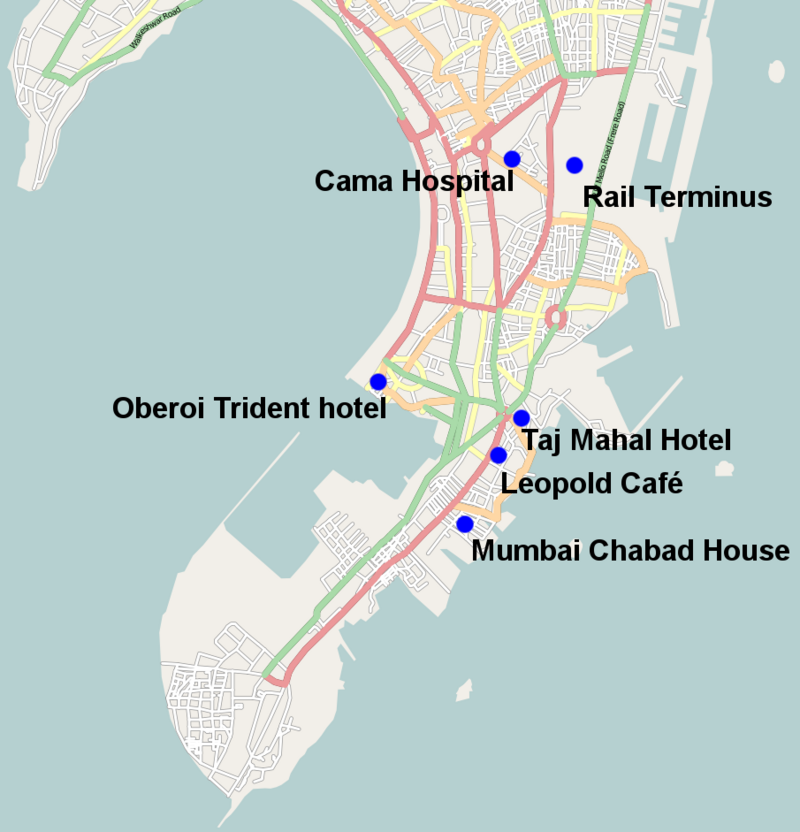
The 2008 Mumbai attacks, nicknamed 26/11, resulted in the deaths of 174 individuals, with nine terrorists affiliated with Lashkar-e-Taiba, a Pakistani terrorist group, among the casualties. The assailants carried out coordinated shootings and bombings in various locations, including luxury hotels, a railway station, and a Jewish center. The terrorists' siege lasted for days, captivating the world with its brutality and chaos.
Following the attacks, India faced intense pressure to retaliate against Pakistan, the suspected home base of the terrorist organization. Despite widespread public outrage and calls for military action, the Indian government opted for a diplomatic approach. Instead of engaging in immediate military confrontation, India focused on gathering international support to isolate Pakistan diplomatically and pressure them to take action against the perpetrators.
The aftermath of the Mumbai attacks had far-reaching implications for India-Pakistan relations, global counterterrorism efforts, and internal security measures within India. It exposed the vulnerability of major cities to terrorist attacks and underscored the urgent need for enhanced intelligence sharing and strategic cooperation among nations to combat terrorism effectively.
India's decision to exercise restraint and pursue diplomatic channels in the wake of the attacks reflected a strategic choice to prioritize long-term stability in the region over immediate retaliation. By opting for diplomatic avenues, India aimed to prevent further escalation of hostilities and maintain international support for its fight against terrorism.
The 2008 Mumbai attacks stand as a somber reminder of the persistent threat posed by extremist groups and the importance of international cooperation in addressing transnational security challenges. The incident highlighted the need for robust counterterrorism efforts, intelligence sharing mechanisms, and diplomatic initiatives to prevent similar atrocities in the future.
#MumbaiAttacks #LashkareTaiba #Counterterrorism #IndiaPakistanRelations #Diplomacy
View details2007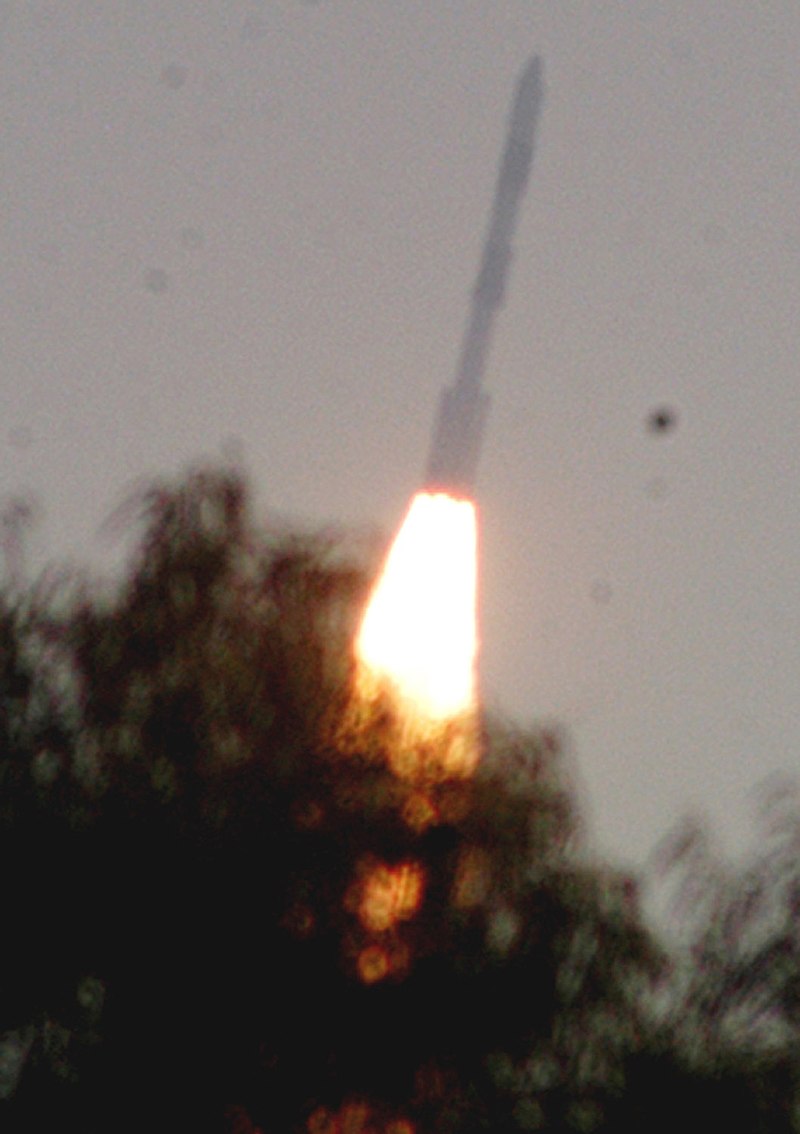
In 2007, India marked a significant milestone in its space exploration journey with the launch of its first commercial space rocket, the Polar Satellite Launch Vehicle (PSLV) C8, carrying an Indian satellite along with several international payloads. This event underscored India's growing capabilities in space technology and its emergence as a key player in the global space industry.
Background
India's space program, spearheaded by the Indian Space Research Organisation (ISRO), had been making steady progress since its inception in 1969. The PSLV program, initiated in the 1990s, was instrumental in establishing India's credentials in launching satellites into low Earth orbit (LEO). The PSLV had earned a reputation for reliability and cost-effectiveness, making it a preferred choice for international clients.
The PSLV-C8 Mission
On April 23, 2007, ISRO launched the PSLV-C8 from the Satish Dhawan Space Centre (SDSC) SHAR, Sriharikota. The mission's primary payload was the Italian satellite AGILE (Astro-rivelatore Gamma a Immagini LEggero), a lightweight satellite designed for astrophysics research. Alongside AGILE, the PSLV-C8 also carried an Indian auxiliary payload, the Advanced Avionics Module (AAM), which was part of ISRO's continuous efforts to enhance its technological capabilities.
Key Objectives
Commercial Launch Services: The primary objective was to demonstrate ISRO's ability to provide reliable and cost-effective commercial launch services to international clients, positioning India as a competitive player in the global space market.
Technological Demonstration: The launch aimed to showcase the advanced avionics systems developed by ISRO, which were tested through the AAM payload.
The Launch
The PSLV-C8 successfully lifted off at 14:00 IST on April 23, 2007. The rocket followed a precise flight path, and approximately 20 minutes after liftoff, it deployed the AGILE satellite into its intended orbit. This successful deployment marked a major achievement for ISRO and demonstrated its capability to execute commercial missions with precision.
Significance
Economic and Strategic Impact
Global Market Entry: The successful launch of a commercial satellite for an international client solidified ISRO's position in the global commercial satellite launch market. It opened new revenue streams for ISRO, reducing its dependency on government funding.
Cost-Effective Solutions: India's ability to offer low-cost launch services made it an attractive option for countries and organizations looking to deploy satellites without incurring high expenses.
Technological Advancements
Innovation and Testing: The PSLV-C8 mission included the AAM, which allowed ISRO to test and validate new avionics technologies. This continuous innovation is crucial for maintaining competitiveness and enhancing the reliability of future missions.
Boost to Indigenous Capabilities: The mission underscored India's self-reliance in space technology, with ISRO successfully developing and deploying advanced satellite launch systems.
Inspirational Impact
National Pride: The successful launch was a source of immense pride for India, showcasing the nation's scientific and technological prowess on the global stage.
Encouraging STEM: Such achievements inspire the younger generation to pursue careers in science, technology, engineering, and mathematics (STEM), contributing to the country's long-term growth in these critical fields.
Legacy and Future Prospects
The 2007 PSLV-C8 mission was a stepping stone for ISRO, paving the way for subsequent commercial launches and more ambitious space endeavors. It demonstrated the feasibility and reliability of India’s launch capabilities, attracting more international clients and fostering partnerships with global space agencies.
ISRO's continued success in commercial launches, including the deployment of multiple satellites in a single mission, has reinforced its reputation. The PSLV program, in particular, has become a cornerstone of India's space missions, supporting not only commercial endeavors but also critical national projects such as remote sensing, navigation, and scientific research.
#MomentsOfLife #MoofLife_Moment #MoofLife #ISRO #PSLVC8 #SpaceExploration #IndiaInSpace #CommercialLaunch #SatelliteLaunch #IndianSpaceProgram #TechnologicalAdvancement #HistoricalEvents
View details2000
In a major restructuring initiative, the Indian government carved out three new states from existing territories. Jharkhand was formed by separating from Bihar, Chhattisgarh from Madhya Pradesh, and Uttarakhand from Uttar Pradesh. This decision was a result of long-standing demands from various communities within these regions, seeking greater autonomy and focused development.
Jharkhand, known for its rich mineral resources, particularly coal, had been demanding statehood to gain better control over its own governance and resources. Chhattisgarh, with a significant tribal population and abundant natural reserves, aspired for economic and social empowerment through statehood. Uttarakhand, characterized by its hilly terrain and unique cultural heritage, sought separate state status to address regional disparities and promote local development.
The creation of these states brought administration closer to the people and facilitated targeted policies for addressing specific needs and aspirations. It also led to the establishment of new capitals, such as Ranchi for Jharkhand, Raipur for Chhattisgarh, and Dehradun for Uttarakhand, driving regional growth and governance decentralization. The formation of these states provided opportunities for local leadership to emerge and cater to the distinct socio-economic challenges of their regions.
The event marked a significant milestone in India's federal structure, showcasing a responsive approach to regional demands and aspirations. It set a precedent for peaceful state formation through administrative reorganization, based on the principles of cultural identity, equitable development, and administrative efficiency. The newly formed states embarked on a journey of self-governance, fostering a sense of pride and ownership among their residents.
#Jharkhand #Chhattisgarh #Uttarakhand #Statehood #RegionalDevelopment #AdministrativeReorganization
View details1999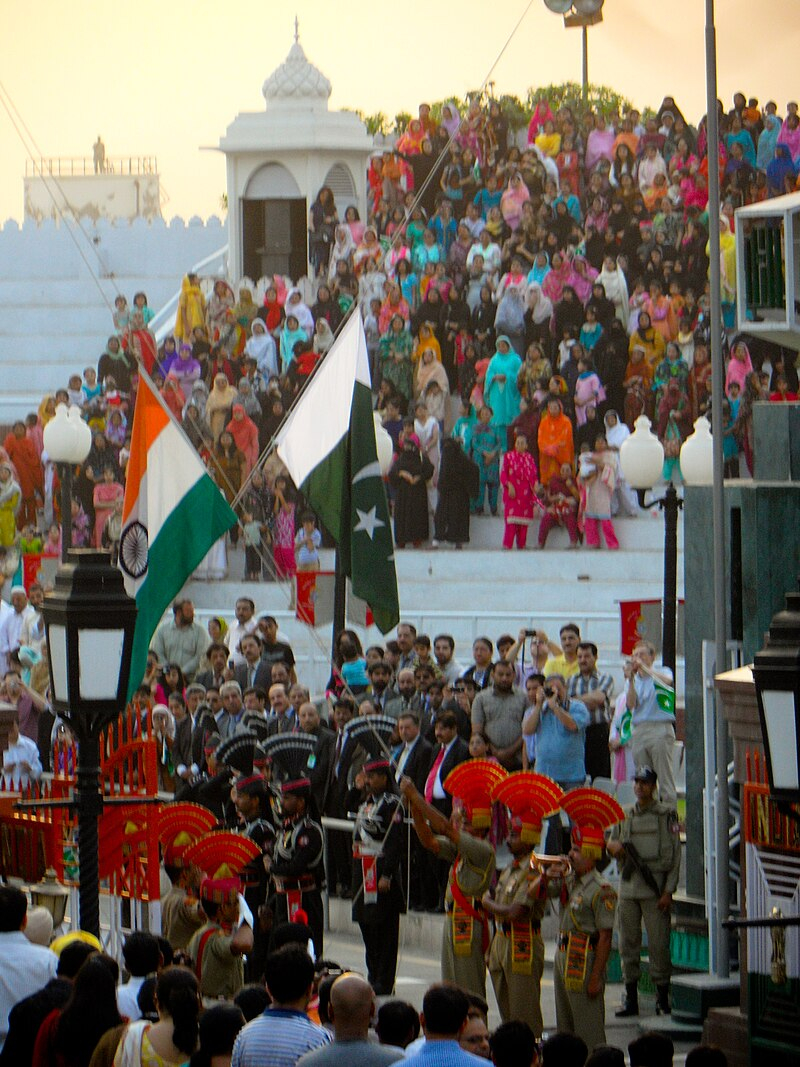
In the late 1990s, tensions between India and Pakistan were at an all-time high. The neighbors had long been embroiled in territorial disputes and frequent conflicts. Amidst this backdrop, Prime Minister Vajpayee of India embarked on a historic bus trip to Pakistan to meet with Prime Minister Sharif, marking a significant milestone in their strained relationship.
The Lahore peace declaration was a breakthrough agreement signed by Vajpayee and Sharif, aimed at fostering peace and stability in the region. The declaration outlined a commitment to resolving bilateral issues through dialogue and diplomacy, rather than resorting to military escalation.
The event was met with cautious optimism by the international community, who saw it as a rare moment of rapprochement between the two nuclear-armed nations. The bus trip and subsequent signing of the Lahore declaration were seen as symbolic gestures of goodwill, signaling a potential thaw in relations between the long-standing rivals.
The impact of the Lahore peace declaration was palpable, as it set the stage for renewed dialogue and cooperation between India and Pakistan. While the agreement faced challenges and setbacks in the years that followed, it remains a testament to the power of diplomacy in resolving longstanding conflicts.
Overall, the historic bus trip undertaken by Prime Minister Vajpayee to meet with Prime Minister Sharif and the subsequent signing of the Lahore peace declaration marked a pivotal moment in the complex and tumultuous relationship between India and Pakistan. It served as a beacon of hope for peace and reconciliation in the region, and a reminder of the importance of dialogue in resolving conflicts.
#IndiaPakistanRelations #LahorePeaceDeclaration #Vajpayee #Sharif #Diplomacy
View details1992
In December 6, 1992, the Babri Masjid, a centuries-old mosque in India, was demolished by a large crowd of Hindu nationalists in a highly controversial incident. The demolition was fueled by a belief that the mosque was built on the birthplace of Lord Rama, a deity widely revered by Hindus. This event had its roots in a longstanding dispute between Hindu and Muslim communities over the site.
The Babri Masjid demolition sparked widespread communal tensions across India, leading to violent clashes between Hindus and Muslims in various parts of the country. The incident exacerbated existing religious divides and resulted in a significant loss of life and property.
Following the demolition, the government established a commission of inquiry to investigate the events leading up to the incident. The commission's findings, known as the Liberhan Commission Report, concluded that the demolition was a planned act of sabotage.
The Babri Masjid demolition and its aftermath continue to be deeply contentious issues in India, with both religious communities holding strong and opposing views on the matter. The incident has had long-lasting implications for religious harmony and secularism in the country.
The repercussions of the Babri Masjid demolition are still felt today, with ongoing legal battles and political debates surrounding the site. The event serves as a stark reminder of the challenges of religious pluralism and the importance of fostering mutual respect and understanding among India's diverse communities.
#BabriMasjid #Demolition #CommunalTensions #ReligiousConflict #IndiaHistory
View details1991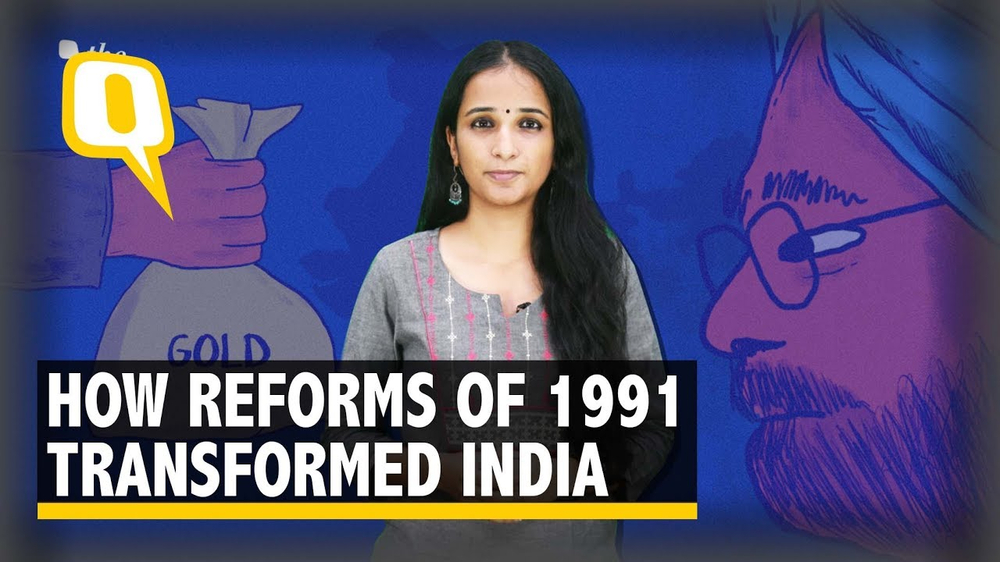
In India, economic liberalization policies were implemented, resulting in the dismantling of the License Raj system that had stifled the economy for decades. The License Raj, characterized by extensive government regulations and permits required for businesses to operate, had led to bureaucratic inefficiencies, stifled competition, and hindered economic growth.
The move towards liberalization was driven by the need to revive a stagnating economy, dwindling foreign exchange reserves, and a balance of payments crisis. The government initiated reforms aimed at opening up the economy, encouraging foreign investment, deregulating industries, and reducing trade barriers. These policies marked a significant shift towards a more market-oriented economy, promoting privatization and competition.
The liberalization efforts led to an influx of foreign investment, technological advancements, and a surge in economic growth. Industries that were previously restricted by licensing requirements were able to expand and innovate. The removal of restrictions on imports led to a wider variety of goods and services available to consumers, stimulating demand and fostering competition.
As a result of economic liberalization, India witnessed a significant increase in GDP growth rates, a rise in foreign direct investment, and a burgeoning middle class. The reforms also paved the way for the IT revolution and the rise of Indian multinational corporations on the global stage.
In conclusion, the initiation of economic liberalization policies in India marked a crucial turning point in the country's economic history. The dismantling of the License Raj system unleashed the potential of the Indian economy, fostering innovation, growth, and increased competitiveness on a global scale. #EconomicLiberalization #LicenseRaj #IndiaEconomy
View details1987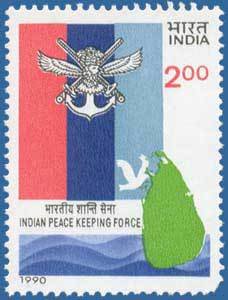
In the late 1980s, India took a significant step to mediate the ethnic conflict in Sri Lanka by deploying its troops for a three-year peacekeeping operation. The conflict between the Sri Lankan government and the Liberation Tigers of Tamil Eelam (LTTE) had escalated, leading to widespread violence and instability in the region. India's intervention aimed to facilitate peace negotiations and restore stability.
The deployment of Indian troops, known as the Indian Peace Keeping Force (IPKF), marked a crucial moment in the conflict. Despite initial hopes for peace, the operation faced numerous challenges, including clashes with the LTTE and other militant groups. The IPKF's involvement was controversial, with allegations of human rights violations and strained relations with the Sri Lankan government.
The impact of India's peacekeeping operation was mixed. While there were some efforts to disarm militant groups and promote dialogue, the presence of foreign troops also fueled resentment and resistance. The operation ultimately ended in 1990, with the withdrawal of Indian forces.
The India-Sri Lanka peacekeeping operation in the late 1980s remains a complex chapter in the history of both countries. It reflects the challenges of intervening in ethnic conflicts and the complexities of peacekeeping efforts. The legacy of the IPKF's involvement continues to shape relations between India and Sri Lanka.
#India #SriLanka #Peacekeeping #EthnicConflict #IPKF #LTTE #PeaceNegotiations
View details1984
The assassination of Prime Minister Indira Gandhi by her bodyguards sent shockwaves across India. The event took place following Operation Blue Star, a military operation ordered by Gandhi to remove Sikh militants from the Golden Temple in Amritsar. This decision had sparked outrage within the Sikh community.
On that fateful day, two of Gandhi's Sikh bodyguards, Satwant Singh and Beant Singh, opened fire on her at her residence. The Prime Minister was rushed to the hospital but succumbed to her injuries. The news of her assassination led to a wave of anti-Sikh riots across the country, resulting in the deaths of thousands of innocent Sikhs.
The assassination of Indira Gandhi had a profound impact on India's political landscape. It led to a rise in communal violence and strained relationships between the Sikh community and the rest of the country. The event also had repercussions on the ruling Congress party, with some factions facing backlash for their handling of the situation.
In the aftermath of the assassination, Indira Gandhi's son, Rajiv Gandhi, took over as Prime Minister. He attempted to ease tensions and promote unity among the diverse communities in India. The event, however, left a scar on the nation's history, serving as a reminder of the dangers of religious and political extremism.
#Assassination #IndiraGandhi #Sikh #Riots #PoliticalTurbulence
View detailsOperation Blue Star was a military operation carried out by the Indian government to eliminate Sikh militants who had fortified themselves inside the Golden Temple complex in Amritsar. The militants, led by Jarnail Singh Bhindranwale, sought to establish an independent Sikh state called Khalistan. The operation was launched to restore law and order in the region and to flush out the militants.
The decision to conduct Operation Blue Star was met with widespread opposition from the Sikh community, who viewed the Golden Temple as their holiest shrine. The military action resulted in significant damage to the revered site, leading to outrage among Sikhs around the world. The operation also resulted in numerous casualties, including civilians caught in the crossfire.
The aftermath of Operation Blue Star was profound and far-reaching. It deepened the divide between the Sikh community and the Indian government, leading to increased tensions and violence in the region. The operation also had political repercussions, culminating in the assassination of Prime Minister Indira Gandhi by her Sikh bodyguards in retaliation for the military action.
The scars of Operation Blue Star continue to be felt in the Sikh community, with many viewing it as a traumatic and tragic event in their history. The operation served as a catalyst for further unrest and violence in Punjab, as well as heightened security measures in the region to prevent similar incidents from occurring in the future.
#OperationBlueStar #GoldenTemple #SikhMilitants #Amritsar #Khalistan #PoliticalUnrest
View details
1975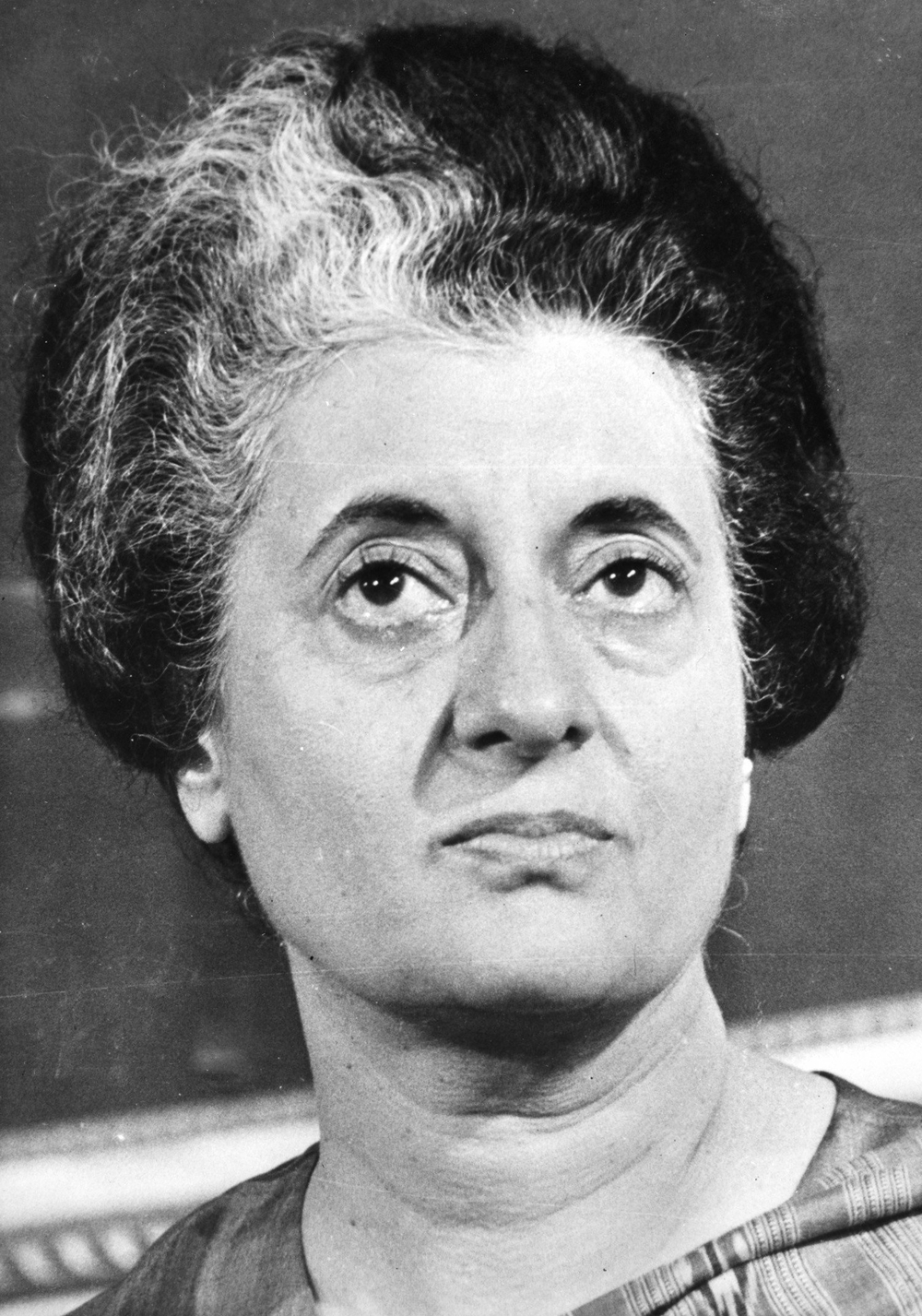
During this period in India, Prime Minister Indira Gandhi declared a state of emergency, citing internal disturbances as the reason for the decision. The declaration came after a series of events, including a high court ruling against her election and the opposition's calls for her resignation. The Emergency led to the suspension of civil liberties, with the government imposing censorship and arresting opposition leaders, activists, and journalists.
The period saw an increase in authoritarian rule, with the Prime Minister's government taking strong measures to maintain control. Political opponents faced suppression, and dissent was swiftly quashed. The press was heavily censored, and constitutional rights were suspended, leading to widespread criticism both domestically and internationally.
While the government argued that the Emergency was necessary to maintain law and order, many viewed it as a gross abuse of power. The period was marked by widespread human rights violations, including arbitrary arrests, forced sterilizations, and reports of torture in detention centers.
The Emergency had a lasting impact on India's political landscape, leading to a shift in public perception towards authoritarianism. The period also highlighted the fragility of democracy and the importance of upholding constitutional rights. Following widespread protests and pressure, the Emergency was eventually lifted, and new elections were held, resulting in the Prime Minister's ouster from power.
#India #StateOfEmergency #Authoritarianism #CivilLiberties #PoliticalSuppression #HumanRightsViolations
View details1974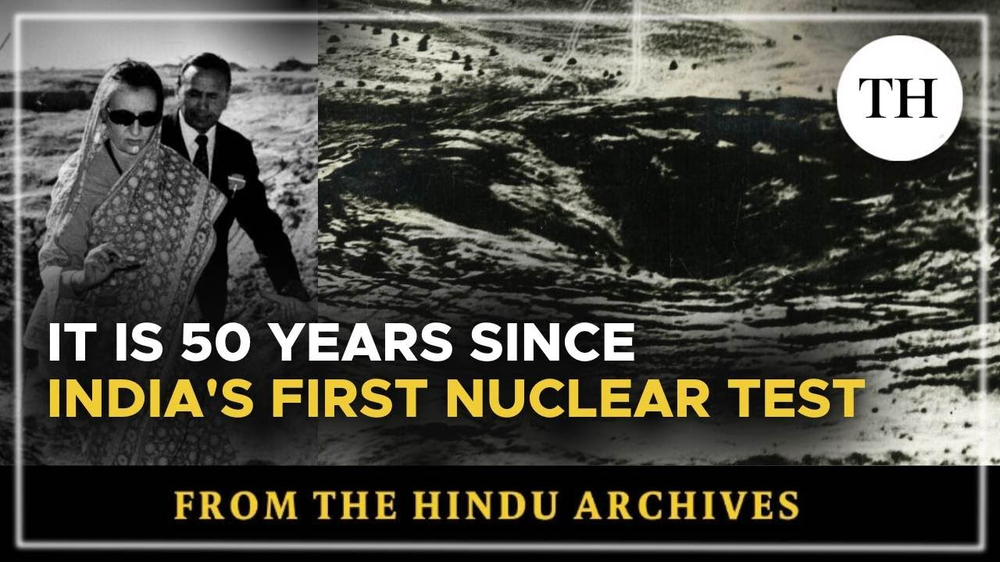
In 1974, India conducted its first successful underground nuclear test, joining the group of countries with nuclear capabilities. The test, code-named 'Smiling Buddha,' took place at the Pokhran Test Range in the desert region of Rajasthan. This event marked a significant milestone in India's nuclear program.
The decision to conduct the test was driven by concerns over security and the perceived need for deterrence against potential threats. It was also seen as a demonstration of India's scientific and technological capabilities on the global stage.
The test had immediate repercussions in the international community, with countries expressing various reactions ranging from concern to condemnation. The United States and other nations called for restraint and non-proliferation efforts in the wake of the test. However, India defended its actions as a matter of national security and sovereignty.
Domestically, the test was met with a sense of pride and patriotism among many Indians. It was seen as a symbol of India's progress and a sign of its ability to assert itself as a major player in global politics.
The underground nuclear test by India had long-term implications for regional security dynamics, particularly in South Asia. It prompted neighboring countries, such as Pakistan, to accelerate their own nuclear weapons development programs, leading to a nuclear arms race in the region.
In conclusion, India's first underground nuclear test in 1974, known as 'Smiling Buddha,' had far-reaching consequences both at home and abroad. It showcased India's nuclear capabilities and sparked debates and concerns about nuclear proliferation and regional security.
#India #NuclearTest #Pokhran #SouthAsia #GlobalSecurity
View details1971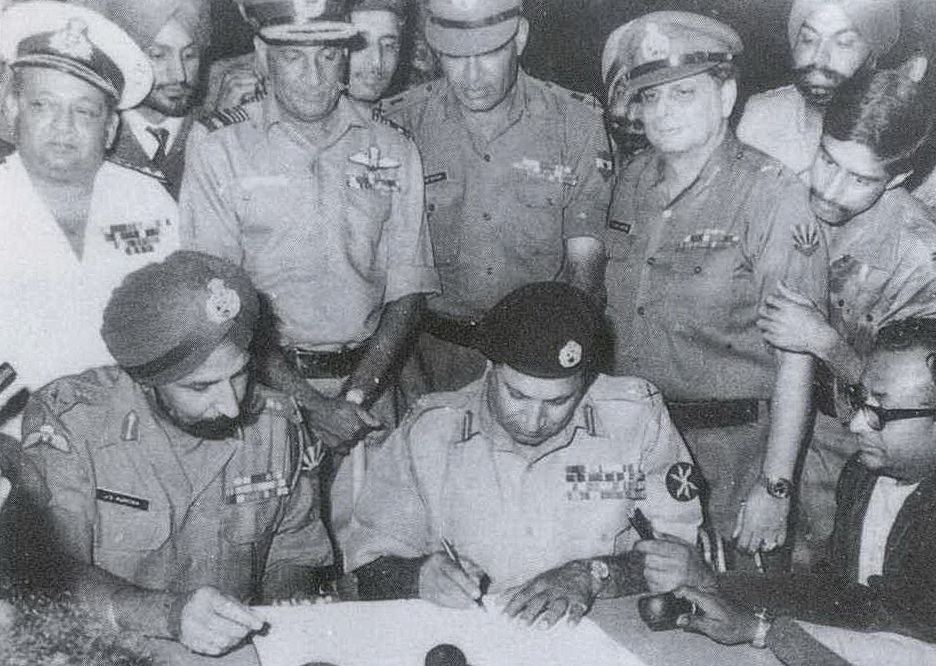
In 1971, the Indo-Pakistani War erupted, resulting in the eventual liberation of Bangladesh. The conflict stemmed from longstanding political and cultural tensions between East and West Pakistan. The people of East Pakistan, later known as Bangladesh, felt marginalized and oppressed by the central government in West Pakistan. The calls for autonomy and self-governance led to a violent crackdown by the Pakistani military in East Pakistan, triggering a humanitarian crisis.
India, in support of the Bangladeshi independence movement, intervened in the conflict by providing military assistance to the Mukti Bahini, the Bangladeshi freedom fighters. The Indian armed forces launched a strategic offensive against Pakistan, leading to a decisive victory. The Pakistani forces surrendered, resulting in the emergence of an independent Bangladesh.
The liberation of Bangladesh had profound implications for the region. It marked a significant shift in power dynamics in South Asia and reshaped the geopolitical landscape. The war also highlighted the importance of self-determination and the right to sovereignty for all nations.
The Indo-Pakistani War and the subsequent liberation of Bangladesh remain a pivotal moment in the history of the Indian subcontinent, symbolizing the triumph of freedom over oppression and the resilience of the human spirit in the face of adversity. It stands as a testament to the sacrifices made by those who fought for the independence and sovereignty of Bangladesh.
#IndoPakistaniWar #LiberationOfBangladesh #GeopoliticalShift #SelfDetermination #TriumphOfFreedom
View details1969
In 1969, the Indian government decided to nationalize major banks as part of its efforts to bring about substantial changes in the country's banking sector. The move was prompted by the need to address issues related to economic disparities, enhance financial inclusion, and promote overall economic growth.
Prior to nationalization, the banking industry in India was dominated by private and foreign banks, which primarily catered to the needs of the urban population and big businesses. This left a significant portion of the population in rural areas and small businesses underserved in terms of access to banking services.
The nationalization of major banks aimed to expand the reach of banking services to rural and underprivileged sections of society, boost the agriculture and small-scale industrial sectors, and mobilize savings for productive investments. It also sought to ensure stability in the banking system and prevent concentration of economic power in the hands of a few.
Following nationalization, the Indian government gained control over 14 major private banks, accounting for around 85% of the banking sector's assets. This resulted in a significant shift in the ownership and management of these institutions, with the government playing a more active role in setting policies and directing lending priorities. The move led to an increase in the number of bank branches in rural and semi-urban areas, expanded credit facilities for small borrowers, and fostered a culture of savings among the masses.
Overall, the nationalization of major banks in India in 1969 had a profound impact on the banking sector, paving the way for inclusive growth, financial empowerment, and economic development. It laid the foundation for a more equitable and robust banking system that continues to play a vital role in driving India's economic progress.
#BankingRevolution #FinancialInclusion #EconomicDevelopment
View details