
India

The Land of Diversity and Vibrant Culture.
Related Lives

Academy Awards
The Oscars

Burundi
The Land of a Thousand Hills

Nobel Prize in Literature
Inspiring through literature

Rugby World Cup
International Rournament in Rugby

Comoros
A Blend of Cultures, Natural Beauty, and Challenges

Tanzania
African Serenade


Prime Minister of the United Kingdom
The Head of Government

1443
In the conflict between Rana Kumbha of Mewar and Mahmud Khalji, the Battle of Mandalgarh stands out as a crucial turning point. Rana Kumbha, a formidable ruler known for his military prowess, faced Mahmud Khalji, the Sultan of Malwa, who sought to expand his territorial control. The battleground was set around Mandalgarh, a strategic fort located in present-day Rajasthan, India.
The clash between these two powers was intense and marked by fierce combat, with both sides displaying valor and tactical acumen. Rana Kumbha's forces, well-trained and fiercely loyal, managed to outmaneuver Mahmud Khalji's army, inflicting heavy casualties and ultimately securing victory. The outcome of the battle reaffirmed Rana Kumbha's authority in the region and dealt a significant blow to Mahmud Khalji's ambitions of territorial expansion.
The repercussions of this battle were far-reaching. Rana Kumbha's triumph bolstered the prestige of the Mewar kingdom and solidified its dominance in the face of external threats. The defeat suffered by Mahmud Khalji served as a stark reminder of the limitations of his power and the resilience of regional forces. The Battle of Mandalgarh thus played a pivotal role in shaping the political landscape of the time, influencing alliances, rivalries, and power dynamics in the region.
This historic event underscores the importance of military strength, strategic acumen, and leadership in shaping the course of history. It serves as a testament to the resilience and determination of the rulers and warriors who fought bravely on the battlefield, leaving an indelible mark on the annals of Indian history.
#RanaKumbha #BattleofMandalgarh #Mewar #MahmudKhalji #IndianHistory
View details1437
During the Battle of Sarangpur, Rana Kumbha of Mewar and Rao Ranmal Rathore of Marwar accomplished a remarkable feat by defeating and capturing Mahmud Khalji, the Sultan of the Malwa Sultanate. The intense battle resulted in a significant victory for the Rajput forces, showcasing their military prowess and strategic acumen.
The conflict arose due to Mahmud Khalji's ambitions to expand his influence into the territories of Mewar and Marwar, leading to a clash with the formidable Rajput rulers. Rana Kumbha and Rao Ranmal Rathore, both renowned for their courage and leadership, formed a formidable alliance to defend their kingdoms against the threat posed by the Malwa Sultanate.
The battle itself was fierce and bloody, characterized by tactical maneuvers and intense combat. The Rajput warriors, known for their expertise in warfare, displayed exceptional skill and bravery on the battlefield. Through superior tactics and coordinated efforts, Rana Kumbha and Rao Ranmal successfully outmaneuvered Mahmud Khalji's forces, culminating in his defeat and capture.
The capture of Mahmud Khalji had far-reaching implications for the region, signifying a pivotal moment in the power dynamics of medieval India. The defeat of the Sultan of the Malwa Sultanate at the hands of the Rajput rulers not only safeguarded the territorial integrity of Mewar and Marwar but also solidified the reputation of Rana Kumbha and Rao Ranmal as formidable leaders.
This historic event underscores the resilience and martial prowess of the Rajputana kingdoms, highlighting their ability to thwart external threats and preserve their sovereignty. The Battle of Sarangpur stands as a testament to the valor and strategic sagacity of Rana Kumbha, Rao Ranmal Rathore, and their gallant warriors.
#RanaKumbha #RaoRanmalRathore #MahmudKhalji #BattleofSarangpur #Rajputana #MedievalIndia
View details1401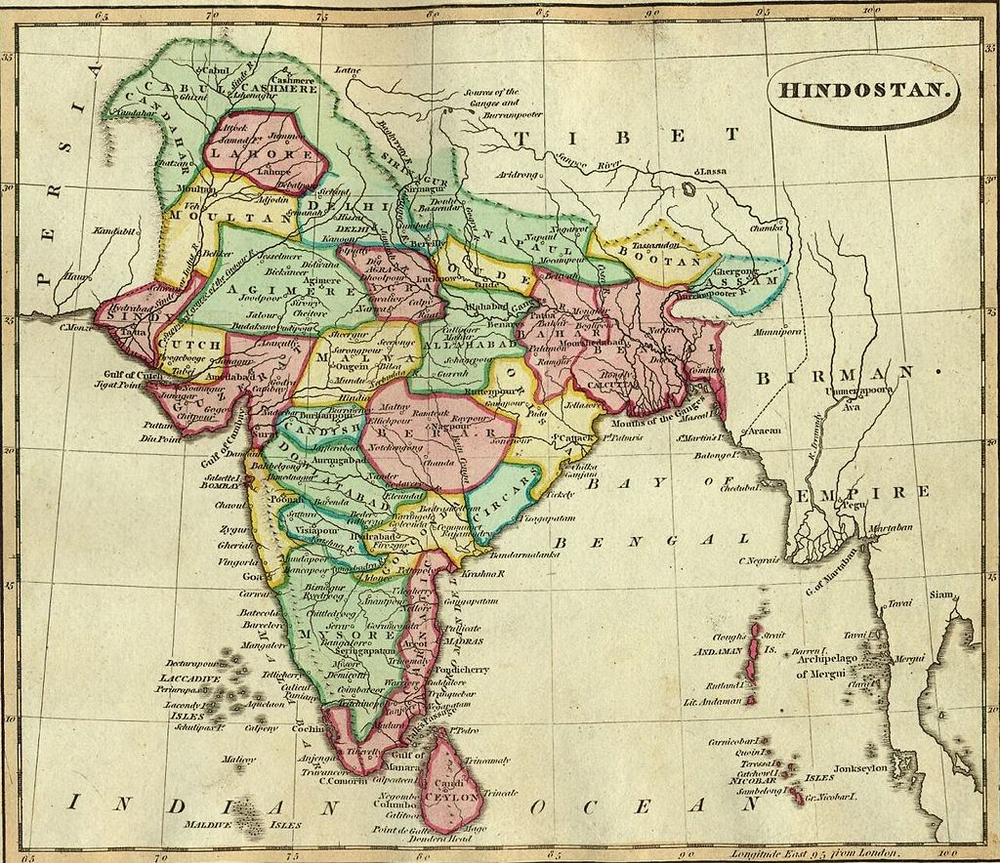
Dilawar Khan, a former governor under the Delhi Sultanate, established the Malwa Sultanate in present-day northern India. This move marked a significant shift in the political landscape of the region. The Malwa Sultanate emerged as an independent state following the disintegration of the once-powerful Delhi Sultanate.
Under the rule of Dilawar Khan, the Malwa Sultanate prospered, with the region experiencing economic growth and cultural development. The new Sultanate became known for its vibrant art and architecture, including the construction of mosques and palaces that still stand as a testament to the rich heritage of the era.
The establishment of the Malwa Sultanate had a lasting impact on the history of northern India. It paved the way for a period of relative stability and prosperity in the region, as well as influencing the political dynamics of the surrounding kingdoms and empires.
Dilawar Khan's rule was characterized by his efficient administration and promotion of trade and commerce, which further boosted the Sultanate's economy. He also fostered a sense of cultural and religious tolerance, allowing different communities to coexist harmoniously within his realm.
Overall, the establishment of the Malwa Sultanate under Dilawar Khan's leadership was a turning point in the history of northern India. It reshaped the political landscape of the region, ushered in a period of cultural and economic growth, and left a lasting legacy that is still remembered to this day. #MalwaSultanate #NorthernIndia #DilawarKhan
View details1398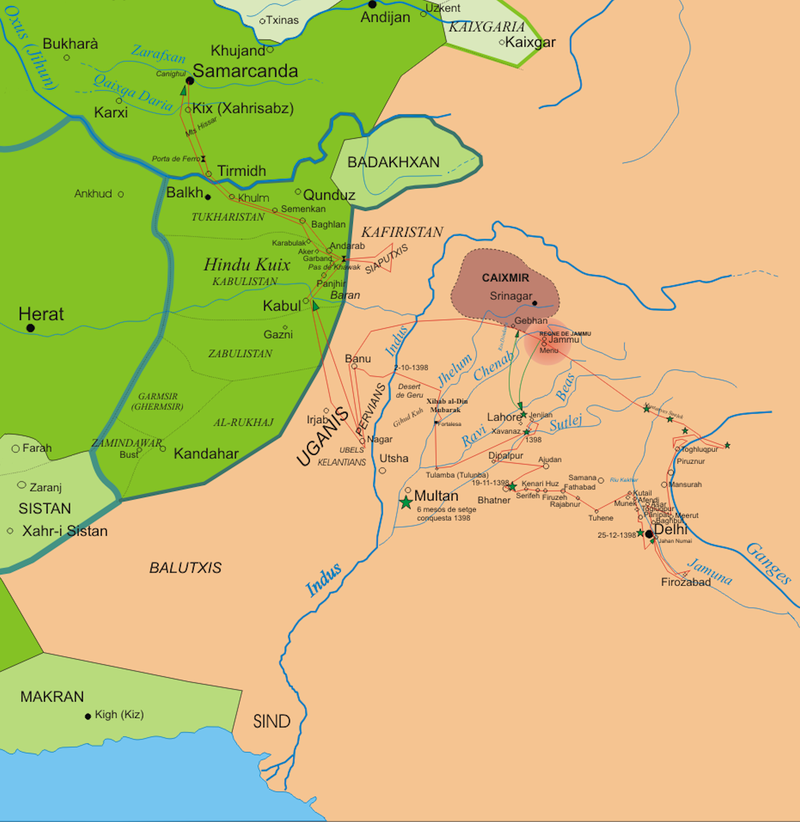
During the invasion of Timur {Tamerlane} in India and the sack of Delhi, the powerful Turko-Mongol conqueror Timur led his armies into the wealthy city of Delhi, then ruled by Sultan Mahmud Tughlaq of the Tughlaq dynasty. Timur's invasion was brutal, leading to widespread devastation and loss of life. The city of Delhi was ransacked, with countless treasures looted, buildings destroyed, and citizens massacred.
The invasion of Timur into India was marked by fierce battles, with Timur's army using superior tactics and military strength to overcome the defenders of Delhi. The Sultan Mahmud Tughlaq was defeated, and the city fell under Timur's control. The sack of Delhi left a deep scar on the region, as the inhabitants suffered greatly in the aftermath of the invasion.
The impact of Timur's invasion of India and the sack of Delhi was significant. It marked the end of the Tughlaq dynasty's rule in Delhi and led to a power vacuum in the region. The invasion also had long-lasting effects on the economy and culture of Delhi, as the city struggled to recover from the destruction and looting. Timur's invasion of India highlighted the brutal nature of warfare during that time and the devastating consequences it could have on civilian populations.
#Timur #InvasionOfIndia #SackOfDelhi #TughlaqDynasty #WarfareInHistory
View details1347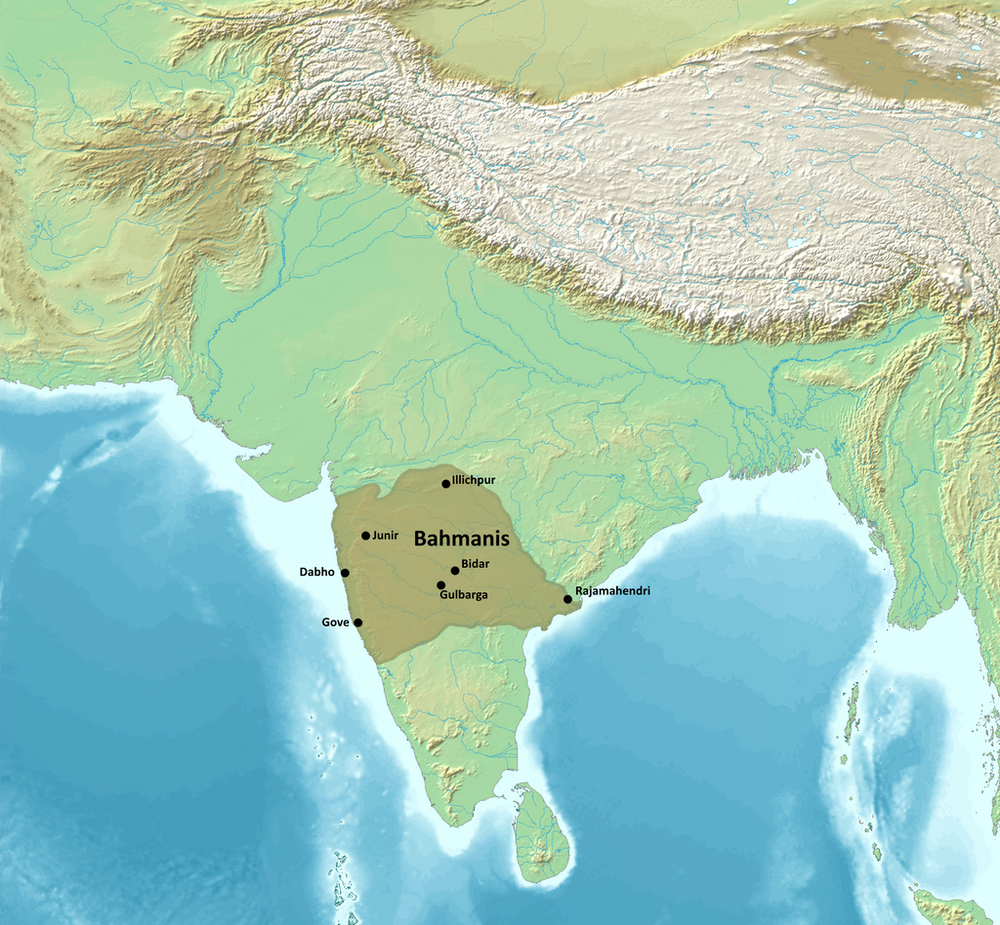
During the 14th century, the disintegration of the Delhi Sultanate led to the emergence of the Bahmani Sultanate in Deccan, India. This new sultanate was established by Ala-ud-Din Hasan Bahman Shah, a noble of the Delhi Sultanate who declared his independence after the fall of the Tughlaq dynasty. The Bahmani Sultanate encompassed parts of present-day Karnataka, Maharashtra, and Telangana.
The establishment of the Bahmani Sultanate marked a significant shift in the political landscape of Deccan. It brought stability to the region after years of turmoil caused by the disintegration of the Delhi Sultanate. The sultanate was known for its administrative reforms, promotion of Persian culture, and patronage of art and literature. It also played a crucial role in trade and commerce, facilitating cultural exchange and economic growth.
Under the rule of the Bahmani Sultanate, Deccan experienced a period of relative peace and prosperity. The sultans of Bahmani encouraged the construction of impressive monuments, mosques, and madrasas, contributing to the architectural heritage of the region. The sultanate also saw the flourishing of Sufism, which had a significant influence on the religious and social fabric of the society.
The Bahmani Sultanate lasted for over 150 years before it eventually split into five smaller sultanates known as the Deccan Sultanates. These successor states continued to play a prominent role in the history of Deccan and India as a whole. The Bahmani Sultanate's legacy can still be seen today in the cultural, architectural, and literary achievements of the region.
#BahmaniSultanate #Deccan #PoliticalShift #CulturalExchange #ArchitecturalHeritage #Sufism #AdministrativeReforms
View details1336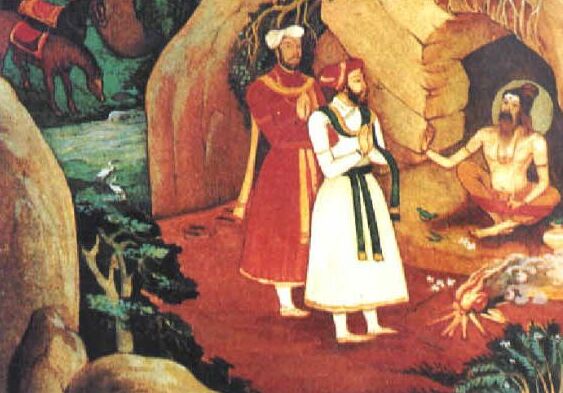
In the early 14th century, two brothers, Harihara and Bukka, rose to prominence in South India. They were appointed as governors by the rulers of the Kakatiya dynasty. However, in the face of the advancing Delhi Sultanate, they decided to establish their own kingdom. They founded the Vijayanagara Empire, with Harihara becoming the first king. Their reign marked a turning point in the history of the region.
The Vijayanagara Empire was strategically located, which allowed it to control key trade routes and maintain strong alliances with neighboring states. Its capital, Vijayanagara, became a center of trade, culture, and architecture. The empire adopted a policy of religious tolerance, attracting people from all walks of life. This led to a flourishing of art, literature, and architecture.
Under the rule of Harihara and Bukka, the empire expanded its territories through a combination of diplomacy and military conquests. They defeated the Sultanate of Madurai and the Bahmani Sultanate, establishing Vijayanagara as a dominant power in South India. The empire reached its peak under subsequent rulers, becoming one of the largest and most prosperous empires in Indian history.
The establishment of the Vijayanagara Empire by Harihara and Bukka had a lasting impact on the region. It ushered in a period of stability and prosperity, allowing for the development of a distinct South Indian culture. The empire's legacy can be seen in the numerous temples, monuments, and artworks that still stand today, showcasing the architectural and artistic achievements of the time.
Overall, the establishment of the Vijayanagara Empire by Harihara and Bukka was a pivotal moment in the history of India. It shaped the cultural, political, and economic landscape of South India for centuries to come, leaving behind a rich heritage that continues to be celebrated to this day. #VijayanagaraEmpire #HariharaAndBukka #SouthIndianHistory #CulturalHeritage
View details1325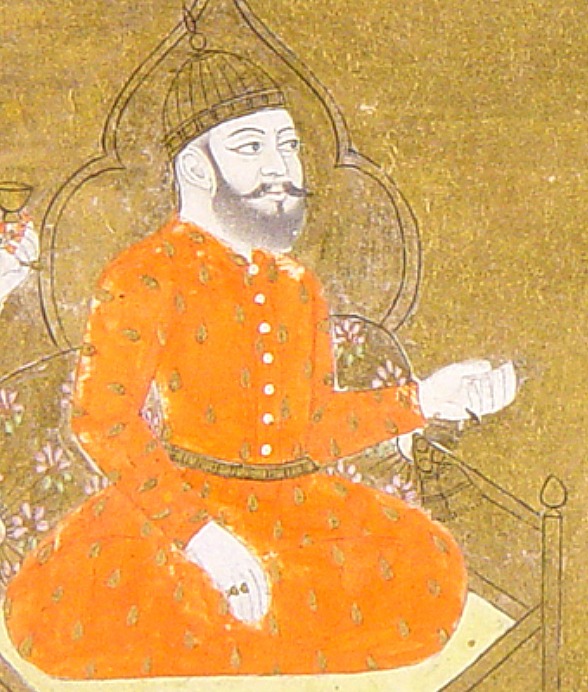
In the grand city of Delhi, the Coronation of Mohammad bin Tughlaq unfolded, marking a pivotal moment in the history of the Delhi Sultanate. Mohammad ascended to the throne following the reign of his father, Ghiyas ud-Din Tughlaq. His rule was characterized by ambitious reforms and significant administrative changes.
Known for his intelligence and passion for knowledge, Mohammad bin Tughlaq was a scholar and a visionary. He possessed a keen interest in various branches of knowledge, such as logic, philosophy, and the sciences. This intellectual inclination influenced his approach to governance, leading to innovative policies that aimed to improve the efficiency of the administration.
One of Mohammad's most notable reforms was the introduction of token currency in the empire. This ambitious monetary experiment aimed to resolve economic issues but faced significant challenges and ultimately led to widespread confusion and economic instability among the populace. Despite his good intentions, this decision had far-reaching consequences for the empire's economy.
Furthermore, Mohammad bin Tughlaq's ambitious military campaigns and administrative policies strained the resources of the empire. His attempts to expand the territorial boundaries of the Delhi Sultanate were met with mixed results, leading to both successes and failures on the battlefield.
The Coronation of Mohammad bin Tughlaq marked the beginning of a complex and eventful reign that left a lasting impact on the Delhi Sultanate. His rule was characterized by a combination of intellectual curiosity, administrative reforms, military campaigns, and economic experiments. While his reign was marked by challenges and controversies, Mohammad bin Tughlaq's legacy endures as a significant chapter in the history of medieval India.
#MohammadbinTughlaq #DelhiSultanate #MedievalIndia #HistoricalReforms
View details1296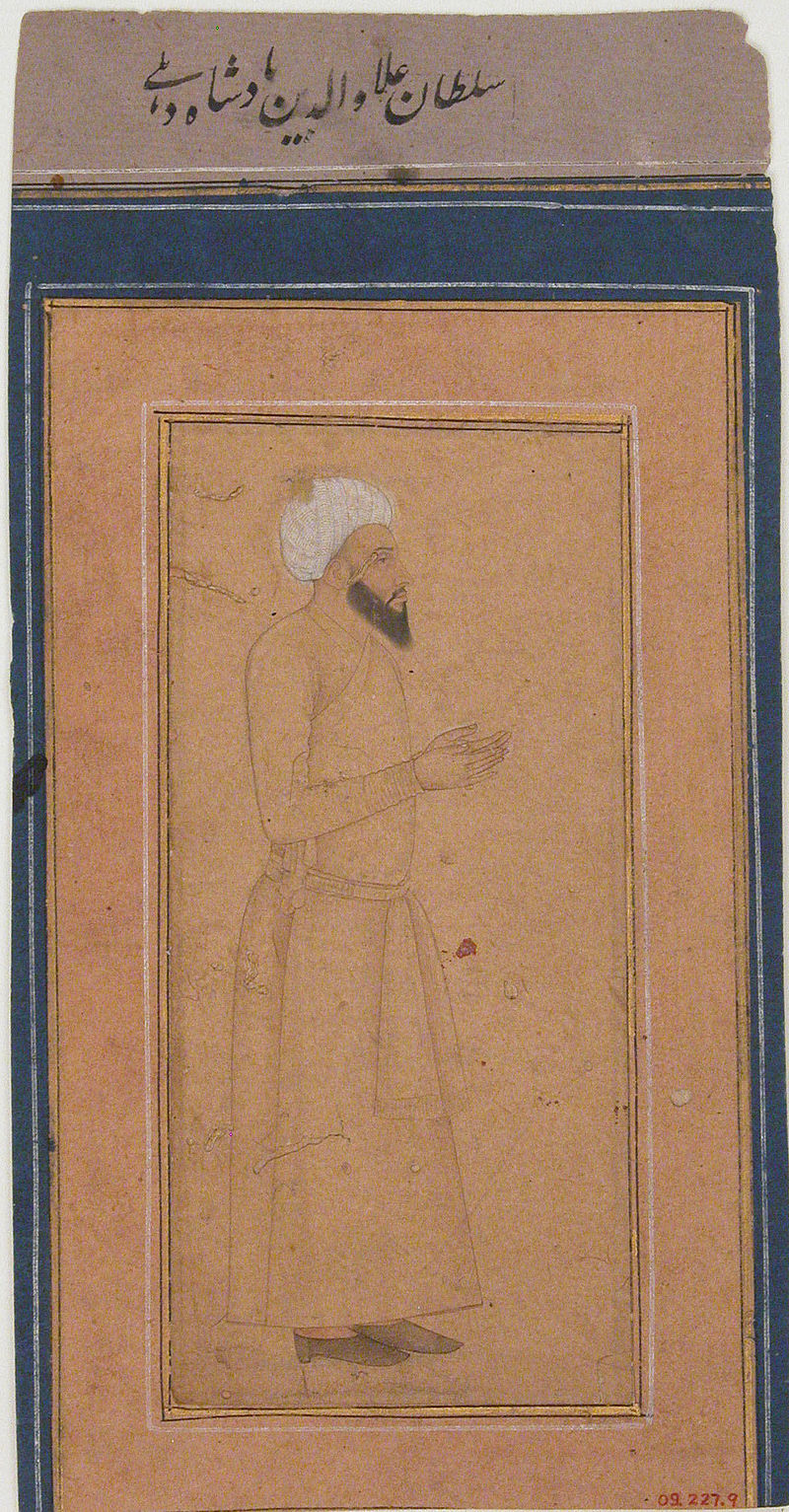
Alauddin Khilji's ascension to the throne of the Delhi Sultanate marked a pivotal moment in Indian history. Born as Ali Gurshasp, he was a trusted general under the rule of Jalaluddin Khilji, his predecessor. Over time, Alauddin Khilji's ambition and military acumen distinguished him as a formidable leader within the sultanate. His strategic capabilities in expanding the empire's territories and securing its borders were evident in his successful campaigns against the Mongols and other invaders.
Upon ascending to power, Alauddin Khilji initiated several administrative and military reforms that significantly strengthened the Delhi Sultanate. His centralization of authority, reorganization of the army, and introduction of market regulations showcased his authoritarian rule aimed at maintaining control and consolidating power. Alauddin Khilji's policies, such as price controls and agrarian reforms, were controversial yet effective in promoting economic stability and social order within the empire.
Under his leadership, the Delhi Sultanate reached its zenith of territorial expansion, extending from the Deccan Plateau in the south to modern-day Afghanistan in the northwest. Alauddin Khilji's military campaigns not only secured the empire's borders but also enhanced its prestige and influence in the region.
Moreover, his reign witnessed cultural and architectural advancements, most notably the construction of the iconic Alai Darwaza, a grand gateway to the Qutub Minar complex in Delhi.
Alauddin Khilji's legacy as a strong and authoritarian ruler who expanded the Delhi Sultanate's influence and power endures in Indian history. His strategic reforms and military conquests laid the foundation for a period of prosperity and stability within the empire, shaping the trajectory of medieval India for years to come.
#AlauddinKhilji #DelhiSultanate #MilitaryConquests #AdministrativeReforms #IndianHistory
View details1290
The Battle of Satalmer marked a crucial turning point in the power struggle between the Delhi Sultanate and the Southern Indian kingdoms. The conflict arose due to the expansionist ambitions of the Delhi Sultanate under Alauddin Khalji, seeking to extend its control over the rich Deccan region. On the other side, the Southern Indian kingdoms, led by the Yadava dynasty of Devagiri, were determined to defend their sovereignty.
The battlefield at Satalmer witnessed a fierce clash between the two forces, with intricate tactics and skilled warfare employed on both sides. The Delhi Sultanate's superior military prowess was evident, utilizing advanced weaponry and strategic formations. However, the Southern Indian kingdoms displayed resilience and courage, fighting fiercely to protect their lands and traditions.
The outcome of the Battle of Satalmer was a decisive victory for the Delhi Sultanate, solidifying their control over the Deccan region. This triumph further empowered the Sultanate's authority in Southern India, allowing for the imposition of their administrative and political systems in the newly conquered territories. The defeated Southern Indian kingdoms faced significant losses, including territorial concessions and tribute payments to the Delhi Sultanate.
Ultimately, the Battle of Satalmer reshaped the political landscape of India, marking the beginning of an era of increased north-south interactions and the dominance of the Delhi Sultanate in the Deccan region. The legacy of this conflict endured in the form of cultural exchanges, architectural influences, and administrative reforms that shaped the historical narrative of medieval India.
#DelhiSultanate #SouthernIndianKingdoms #DeccanRegion #PoliticalPowerStruggle #MedievalIndia #BattlefieldTactics
View details1267
In 1267, Chakradhar Swami established the Mahanubhava philosophy. He was a revered saint who introduced a unique spiritual movement in India. The Mahanubhava philosophy emphasized a personal relationship with the divine and sought to transcend social barriers, welcoming individuals from all backgrounds.
Chakradhar Swami's teachings resonated strongly with the masses, attracting followers who were drawn to the simplicity and inclusivity of his message. The philosophy gained popularity across different strata of society, offering solace and spiritual guidance to a diverse range of people. As a result, the Mahanubhava philosophy spread rapidly, establishing a strong foothold in various regions of India.
One of the key principles of the Mahanubhava philosophy was the belief in the inherent divinity of all beings. Chakradhar Swami advocated for the practice of compassion, kindness, and selflessness, encouraging his followers to cultivate a deep sense of spiritual awareness in their daily lives. This emphasis on inner transformation and personal growth contributed to the philosophy's enduring appeal and influence.
The Mahanubhava philosophy also incorporated elements of bhakti (devotion) and a deep reverence for the spiritual lineage of saints and sages. Followers of this philosophy engaged in communal prayer gatherings, hymn chanting, and other devotional practices to deepen their connection with the divine.
Overall, the establishment of the Mahanubhava philosophy by Chakradhar Swami marked a significant milestone in the spiritual landscape of India. His teachings continue to inspire countless individuals to seek meaning and purpose in their lives, fostering a sense of unity and harmony among diverse communities.
#ChakradharSwami #MahanubhavaPhilosophy #SpiritualMovement #Inclusivity #DivineConnection #Bhakti #India #SantTradition
View details1257
The Kamrup kingdom, under the rule of Sandhya, achieved a decisive victory by defeating and executing Malik Ikhtiyaruddin Yuzbak, the Mamluk Governor of Bengal. This event marked a significant shift in power dynamics in the region. Following Yuzbak's demise, his territories were divided between the Kamrup kingdom and Narasimhadeva I of the Eastern Ganga Empire.
Prior to the confrontation, the Kamrup kingdom had been steadily expanding its influence, seeking to assert its authority over neighboring regions. Yuzbak, who governed Bengal on behalf of the Delhi Sultanate, posed a threat to the Kamrup kingdom's ambitions. The battle between Sandhya's forces and Yuzbak's troops culminated in a decisive victory for the Kamrup kingdom, resulting in the death of Yuzbak.
The defeat and subsequent execution of Yuzbak had far-reaching consequences. It not only solidified Sandhya's position as a powerful ruler in the region but also allowed the Kamrup kingdom to annex a portion of Yuzbak's former domains. The remaining territories were claimed by Narasimhadeva I of the Eastern Ganga Empire, further reshaping the political landscape of the time.
The outcome of this event underscored the importance of military strength and strategic alliances in the medieval Indian subcontinent. It also highlighted the complex interplay between regional powers vying for control over valuable territories. The division of Yuzbak's domains between the Kamrup kingdom and the Eastern Ganga Empire served as a testament to the competitive nature of political governance during that era.
#KamrupKingdom #Sandhya #MalikIkhtiyaruddinYuzbak #EasternGangaEmpire #MedievalIndia #PowerStruggle
View details1250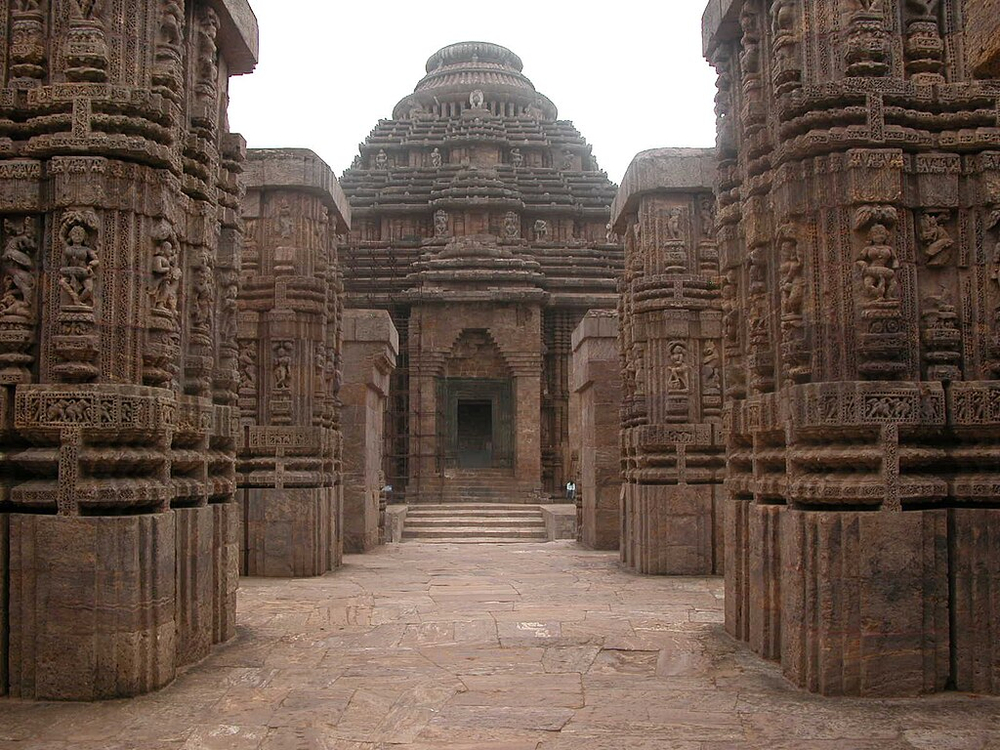
In 1250, the Konark Sun Temple was completed under the patronage of King Narasingha Deva I of the Eastern Ganga Dynasty in India. This magnificent temple is dedicated to the Hindu sun god, Surya, and is renowned for its architectural grandeur and artistic beauty.
The Konark Sun Temple is a symbol of Odisha's rich cultural heritage and architectural prowess. Designed in the form of a colossal chariot with 12 pairs of intricately carved wheels, the temple is a masterpiece of Kalinga architecture. The temple complex also features exquisite stone carvings, depicting scenes from everyday life, mythological stories, and celestial beings.
The completion of the Konark Sun Temple was a significant event that showcased the wealth and power of the Eastern Ganga Dynasty. It served as a center for religious worship and cultural activities, attracting pilgrims and artists from far and wide. The temple was not only a place of reverence but also a testament to the artistic and engineering skills of the people of that era.
The Konark Sun Temple remains a popular tourist destination and a UNESCO World Heritage Site, drawing visitors from around the globe to marvel at its architectural splendor and historical significance. The temple continues to inspire awe and admiration for its intricate craftsmanship and timeless beauty, reflecting India's artistic and cultural heritage.
#KonarkSunTemple #NarasinghaDevaI #OdishaArchitecture #UNESCOHeritage #IndianCulture
View details1236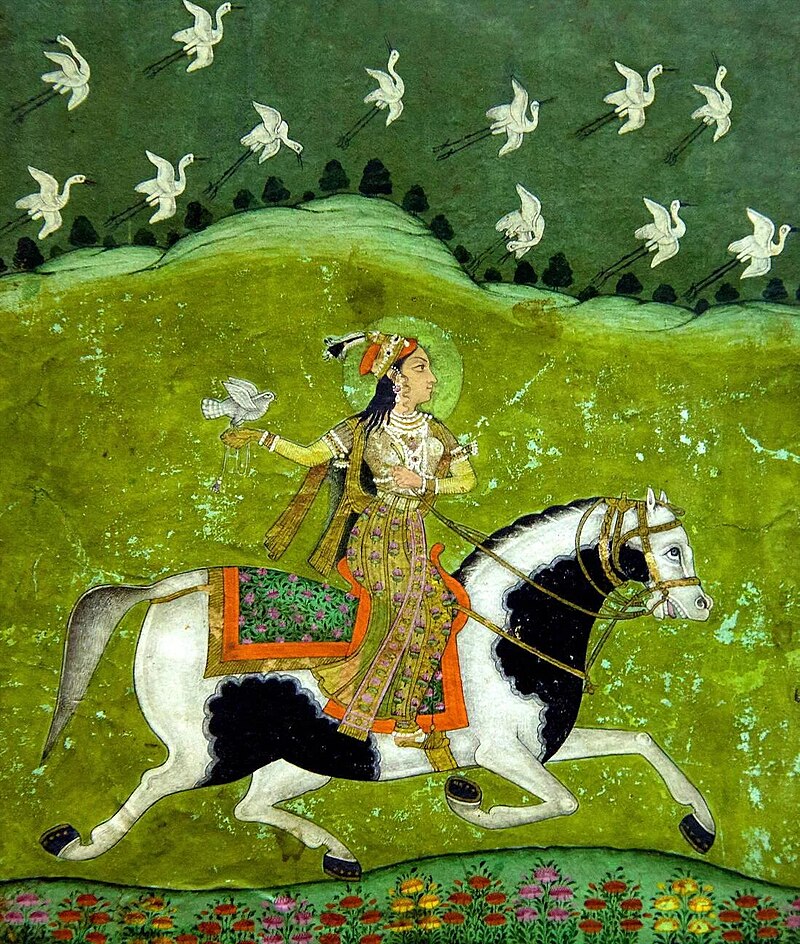
Razia Sultana made history as the first and only female ruler of the Delhi Sultanate. Born into royalty, she received training in statecraft and warfare alongside her male siblings, preparing her for leadership. After the death of her father, the Sultan, she ascended to power, facing backlash from nobles opposed to her rule due to her gender.
Despite these challenges, Razia proved to be a capable and just ruler. She focused on administrative reforms, promoting religious tolerance, and strengthening the economy. Razia's reign was marked by stability and prosperity, earning her popularity among the common people. However, her gender continued to be a point of contention for the conservative factions within the court.
Razia's leadership was cut short by a rebellion led by Turkish nobles who were against being ruled by a woman. She was captured and ultimately killed, bringing her groundbreaking reign to a tragic end. Although her time as ruler was brief, Razia's legacy as a pioneering female monarch in a predominantly male-dominated society continues to inspire generations.
Her accession to the throne challenged societal norms and paved the way for future generations of women leaders in India. Razia's story serves as a reminder of the importance of equality and representation in positions of power. Her courage and determination in the face of adversity have left an indelible mark on history, making her a symbol of resilience and empowerment for women worldwide.
#RaziaSultana #DelhiSultanate #FemaleEmpowerment #HistoricalLegacy #GenderEquality #IndiaHistory
View detailsNarasingha Deva I, the ruler of the Eastern Ganga dynasty in present-day Odisha, took a bold step by launching attacks against the Turko-Afghan rulers of the Mamluk dynasty in Bengal, who had captured Bihar and Bengal. The Mamluk dynasty, under the rule of the Turko-Afghan rulers, posed a significant threat to the Eastern Ganga dynasty's territorial integrity.
Despite facing initial challenges, Narasingha Deva I's strategic maneuvers and military prowess allowed him not only to repulse the attacks from the Mamluk dynasty but also to push them back to the Padma River in present-day Bangladesh. This marked a significant victory for Narasingha Deva I and his kingdom, as they successfully defended their lands and expanded their influence into the territories that were once under the control of their adversaries.
The outcome of the conflict had far-reaching implications for the political landscape of the region. It solidified Narasingha Deva I's reputation as a formidable ruler and military leader, capable of holding his own against external threats. Additionally, by pushing the Turko-Afghan rulers of the Mamluk dynasty back to the Padma River, Narasingha Deva I effectively secured his borders and ensured the stability and security of his kingdom.
The event highlighted the importance of strategic decision-making and military strength in maintaining power and influence during a time of political turmoil and conflict. Narasingha Deva I's successful campaign against the Mamluk dynasty demonstrated his ability to defend his kingdom and assert his authority in the face of formidable opponents, securing a significant victory for the Eastern Ganga dynasty.
#NarasinghaDevaI #EasternGangaDynasty #MamlukDynasty #Bengal #PadmaRiver #Odisha #India #MilitaryHistory #MedievalIndia
View details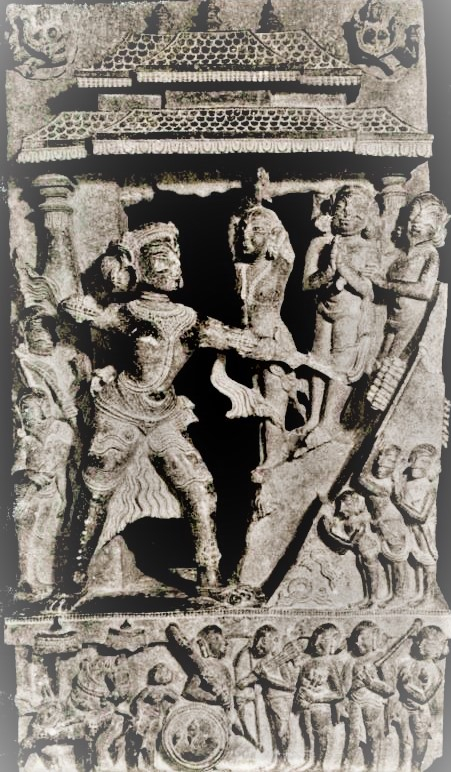
1226
Raja Prithu of Assam successfully defended his kingdom against the invading forces of Ghiyas ud din Balban, the ninth sultan of the Mamluk dynasty of Delhi. The sultan sought to expand his empire into the northeastern regions of India, including Assam, to increase his dominion.
Raja Prithu, known for his strategic prowess and skilled army, was well prepared for the invasion. He utilized the rugged terrain and dense forests of Assam to his advantage, employing guerrilla warfare tactics to confound and weaken the superior forces of Balban. The Assamese army, familiar with the local terrain, launched surprise attacks and inflicted heavy casualties on the invading army.
Despite facing a larger and better-equipped force, Raja Prithu's leadership and the resilience of his troops proved pivotal in repulsing the invader. The sultan's forces, unaccustomed to the challenges posed by the unfamiliar landscape and fierce resistance, struggled to make headway against the determined defenders.
The unsuccessful invasion by Ghiyas ud din Balban marked a significant victory for Raja Prithu and the people of Assam. It not only preserved the independence and sovereignty of the kingdom but also demonstrated the effectiveness of local knowledge and defensive strategies in thwarting external threats. The outcome of the conflict bolstered the reputation of Raja Prithu as a formidable ruler who safeguarded his realm against foreign aggression.
The event of Raja Prithu repulsing the invading forces of Ghiyas ud din Balban in Assam underscores the importance of tactical acumen, knowledge of the terrain, and the resolve of defending forces in safeguarding territorial integrity. #AssamHistory #RajaPrithu #MamlukDynasty #DelhiSultanate
View details1211
Anangabhima Deva III of the Eastern Ganga dynasty, ruling in present-day Odisha, led his forces to repel invasions by Ghiyāth ad-Dīn ʿIwaz Khalji, the ruler of Bengal. This military confrontation marked a pivotal moment in the history of the region.
The Eastern Ganga dynasty had been a prominent power in eastern India, known for its administrative capabilities and military prowess. Ghiyāth ad-Dīn ʿIwaz Khalji, seeking to expand his territory, launched aggressive campaigns into Odisha. However, Anangabhima Deva III stood resilient in the face of these incursions, displaying strategic acumen and courage on the battlefield.
The clashes between the two rulers were intense, with both sides putting up fierce resistance. Despite being faced with a formidable opponent, Anangabhima Deva III's leadership and the loyalty of his troops enabled them to fend off the invaders. The Eastern Ganga dynasty's victory in defending their land bolstered their reputation and solidified their position as a force to be reckoned with in the region.
The outcome of this conflict had far-reaching implications for the political landscape of eastern India. Anangabhima Deva III's successful defense against Ghiyāth ad-Dīn ʿIwaz Khalji's forces not only preserved the Eastern Ganga dynasty's sovereignty but also served as a deterrent to future aggressors. It showcased the military strength and resilience of the Odishan kingdom under Anangabhima Deva III's rule.
This event underscores the significance of decisive leadership and military preparedness in safeguarding territorial integrity. It also highlights the historical importance of regional powers asserting their autonomy against external threats. The legacy of Anangabhima Deva III's victory over Ghiyāth ad-Dīn ʿIwaz Khalji continues to resonate as a testament to the valor and resilience of the Eastern Ganga dynasty.
#EasternGangaDynasty #AnangabhimaDevaIII #OdishaHistory #MilitaryConfrontation #RegionalPower #IndianHistory
View details1206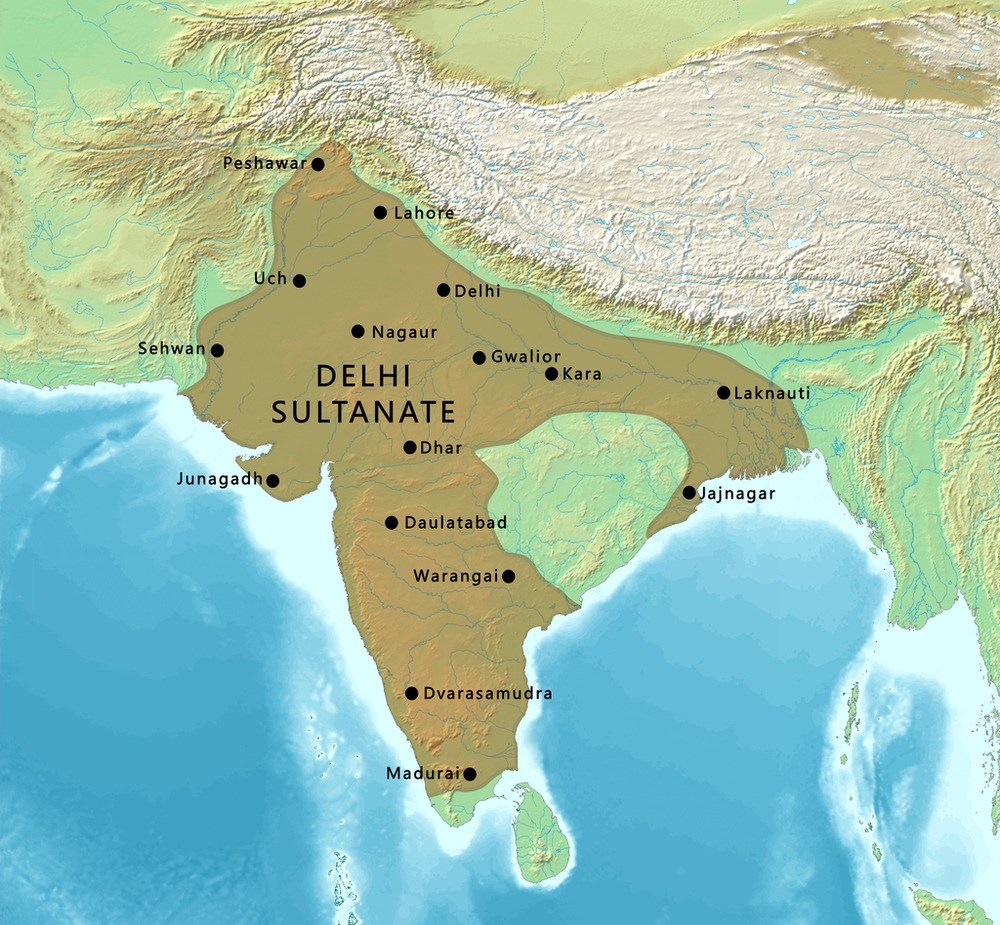
In June 1206, Qutb-ud-din Aibak established the Delhi Sultanate after defeating the Chahamana Rajputs. The Chahamanas, also known as the Chauhans, ruled over the region for centuries before facing defeat at the hands of Aibak. With this pivotal event, Aibak laid the foundation for one of the most influential Islamic empires in the Indian subcontinent.
The establishment of the Delhi Sultanate signaled a significant shift in power dynamics in northern India. Aibak, a former slave of Muhammad of Ghor, ascended to power and became the first Sultan of Delhi, marking the beginning of the Slave Dynasty. His rule ushered in a new era of Islamic governance in the region, with Delhi emerging as a central hub for political and cultural activities.
Under the Delhi Sultanate, a series of military campaigns were launched to expand the empire's territorial reach. Aibak's successors continued to consolidate and expand the Sultanate, marking their authority through the construction of monumental structures like the Qutub Minar in Delhi. The Sultanate's influence extended across northern India, leaving a lasting impact on the region's history and culture.
The defeat of the Chahamana Rajputs by Aibak was a turning point that paved the way for the dominance of Islamic rulers in northern India for centuries to come. The Delhi Sultanate became a melting pot of diverse cultures, languages, and traditions, shaping the socio-political landscape of the region.
Today, the legacy of the Delhi Sultanate endures in India's rich tapestry of history. The establishment of the Sultanate by Qutb-ud-din Aibak after the defeat of the Chahamana Rajputs remains a crucial chapter in the annals of Indian history.
#DelhiSultanate #QutbUdDinAibak #ChahamanaRajputs #IslamicEmpire #IndianHistory
View details1199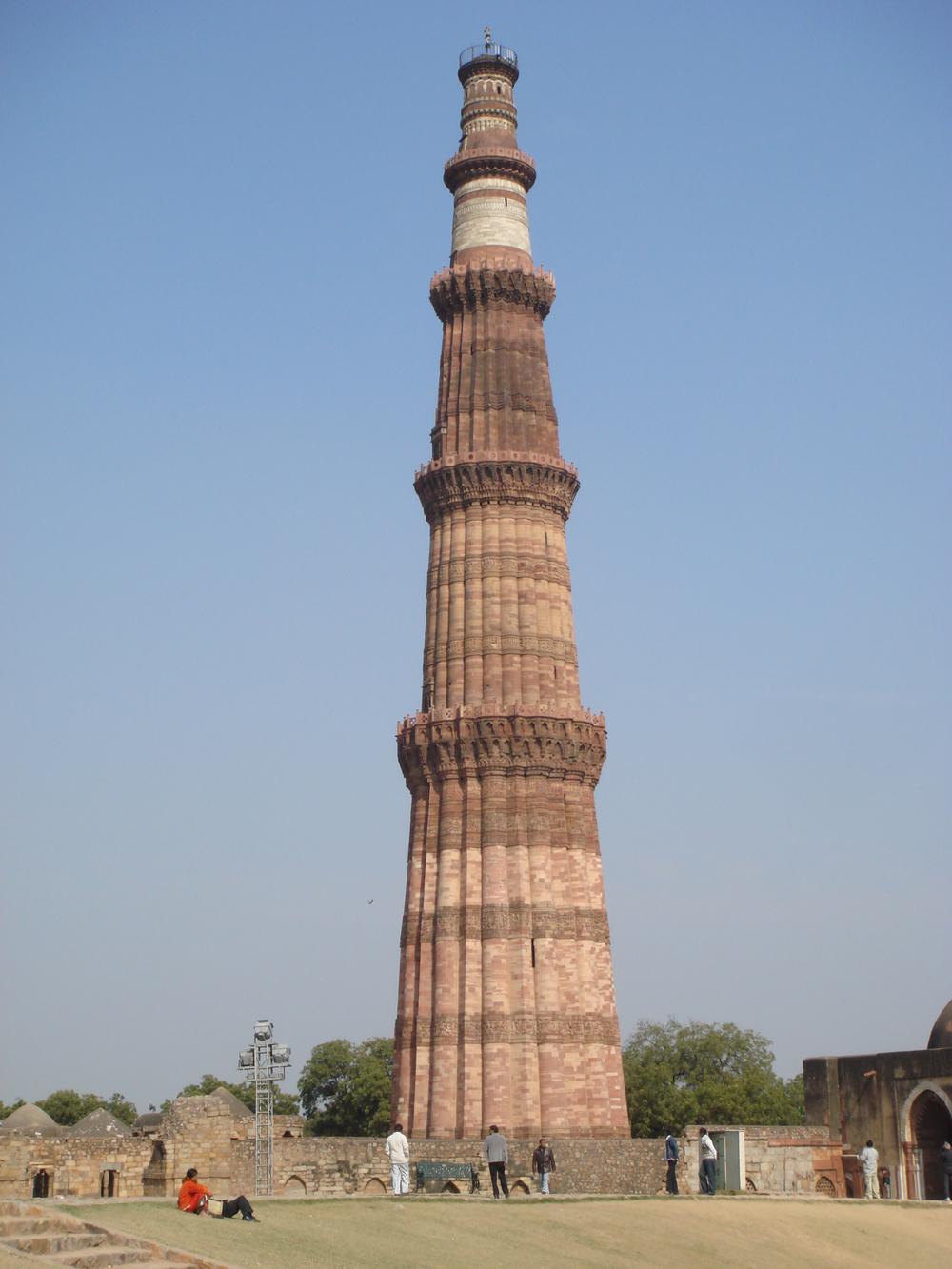
During the medieval period, in the city of Delhi, the construction of the iconic Qutub Minar began. Built by Qutb-ud-din Aibak, the first ruler of the Delhi Sultanate, this masterpiece is known for its intricately carved sandstone walls and towering height of over 240 feet.
Qutub Minar's construction symbolizes the beginning of the Muslim rule in India and the establishment of a new architectural style blending Islamic and Indian elements. It served as a commemoration of victory, with inscriptions in Arabic paying tribute to the triumph of Aibak over Hindu rulers. The tower also acted as a minaret to the Quwwat-ul-Islam Mosque, calling the faithful to prayer.
This architectural marvel faced challenges during its construction, with various rulers adding their touches over the centuries. Subsequent earthquakes damaged the structure, leading to repairs and alterations under different dynasties. Despite these adversities, Qutub Minar stands as a testament to the skill and craftsmanship of the artisans who brought it to life.
Today, Qutub Minar is a UNESCO World Heritage Site, drawing visitors from around the globe to marvel at its beauty and historical significance. It stands as a reminder of India's rich cultural heritage and the architectural feats accomplished during the medieval era.
#QutubMinar #DelhiHistory #MedievalArchitecture
View details1194
During the 12th century, Muhammad of Ghor, a powerful ruler from Afghanistan, invaded the Indian subcontinent leading to significant consequences in the region. His conquest was fueled by a desire to expand his empire and gain control over the lucrative trade routes that passed through India.
The invasion of Muhammad of Ghor had a profound impact on the Indian subcontinent. It marked the beginning of Islamic rule in the region and led to the establishment of the Delhi Sultanate. The sultanate brought about major changes in the political, social, and cultural landscape of India, shaping its history for centuries to come. It also paved the way for subsequent Muslim rulers to exert their influence in the region.
One of the most significant outcomes of Muhammad of Ghor's invasion was the introduction of Islamic architecture and art forms in India. The construction of mosques, mausoleums, and forts became prominent features of the landscape, blending Persian and Indian styles to create a unique Indo-Islamic architectural tradition that still resonates in the country today.
The invasion also had far-reaching consequences for the Hindu population of India. Many Hindu temples were destroyed or repurposed to build Islamic structures, leading to a shift in religious practices and beliefs. The Muslim rulers imposed their own administrative systems and taxation policies, altering the governance structure of the region.
Overall, the invasion of Muhammad of Ghor into the Indian subcontinent was a pivotal moment in the history of India, shaping its future trajectory and leaving a lasting legacy that is still visible in its diverse cultural heritage today. #MuhammadofGhor #DelhiSultanate #IndoIslamicArchitecture
View detailsIn the early years of his reign, Iltutmish found his rule in the Delhi Sultanate threatened by the Gahadvala king, Govindachandra, who sought to expand his territory. The two clashed in the epic Battle of Chandawar, a pivotal moment in Indian history.
The Gahadvala dynasty had been a dominant force in northern India for years, with Govindachandra proving to be a formidable adversary. However, Iltutmish's army, well-trained and disciplined, met the Gahadvala forces head-on. The battle was fierce, with both sides displaying valor and skill in combat.
In the end, Iltutmish emerged victorious, dealing a significant blow to Govindachandra and the Gahadvala kingdom. The defeat marked a turning point in the balance of power in northern India, solidifying Iltutmish's control over the region and establishing the Delhi Sultanate as a force to be reckoned with.
The aftermath of the Battle of Chandawar saw Iltutmish further consolidating his rule, expanding the influence of the Delhi Sultanate and paving the way for future conquests. The defeat of Govindachandra cemented Iltutmish's reputation as a strong and capable ruler, earning him respect and admiration from his subjects.
Overall, the Battle of Chandawar was a critical event in Indian history, shaping the political landscape of the time and leaving a lasting impact on the region. It showcased the military prowess of Iltutmish and the Delhi Sultanate, setting the stage for their continued dominance in the years to come.
#BattleofChandawar #Iltutmish #Govindachandra #DelhiSultanate #Gahadvala #IndianHistory
View details1192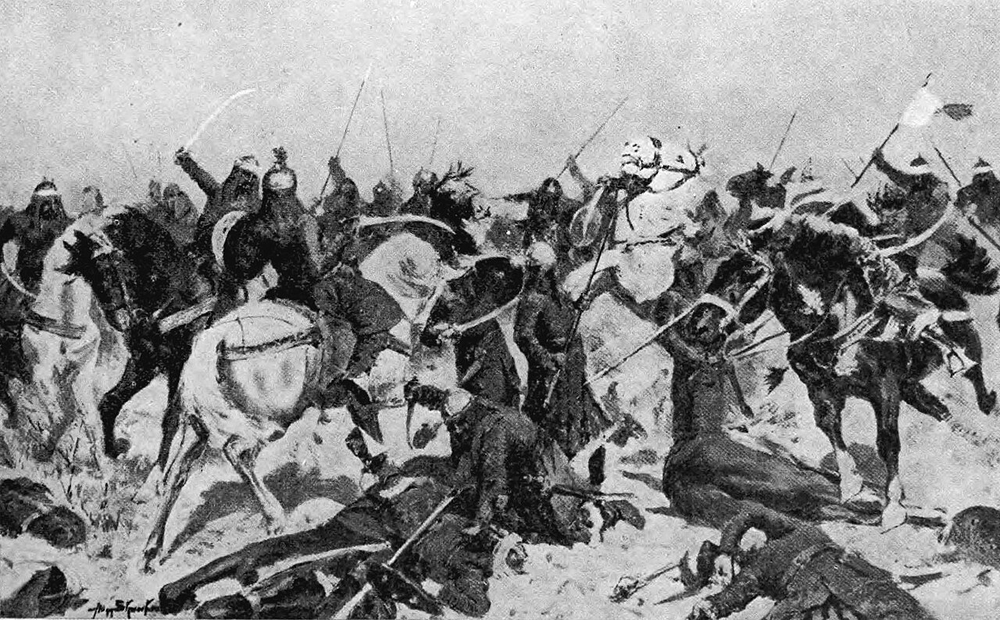
In the Second Battle of Tarain, the Ghurid Empire clashed with the Chahamanas of Shakambhari. The pivotal battle resulted in the defeat of the Chahamanas, marking a significant shift in power dynamics within the region.
The Chahamanas, also known as the Chauhans, were a Rajput dynasty that ruled over parts of present-day Rajasthan and northern India. They faced a formidable opponent in the Ghurid Empire, under the leadership of Muhammad of Ghor. The Ghurids were expanding their empire and had set their sights on conquering the territories held by the Chahamanas.
The battle took place near Tarain, a strategic location in present-day Haryana, India. The Ghurid forces, known for their advanced military tactics and cavalry, gained the upper hand during the fierce conflict. The Chahamanas, despite being valiant fighters, were unable to withstand the relentless attacks of the Ghurid army.
Following their defeat at the Second Battle of Tarain, the Chahamanas suffered significant losses, both in terms of territory and prestige. The Ghurid Empire established itself as a dominant force in northern India, paving the way for further expansion and consolidation of their rule in the region.
The outcome of the Second Battle of Tarain had far-reaching consequences for the political landscape of medieval India. It signaled the decline of the Chahamana dynasty and the ascendancy of the Ghurid Empire in northern India. The Ghurids continued to exert their influence in the region, shaping the course of history for years to come.
#SecondBattleofTarain #GhuridEmpire #ChahamanasofShakambhari #MedievalIndia #RajputDynasty #MuhammadofGhor #GhuridExpansion #PoliticalShifts
View details1191
In the historical narrative of India, the First Battle of Tarain marked a significant clash between the Ghaznavid Empire and the Chahamanas of Shakambhari. This epic battle unfolded due to territorial ambitions and power struggles prevalent in the region during that era.
The Ghaznavid Empire, under the rule of Sultan Shahabuddin Ghori, sought to expand their dominion by challenging the authority of the Chahamanas of Shakambhari, led by Prithviraj Chauhan. The Chahamanas, a prominent Rajput dynasty, aimed to defend their stronghold and thwart Ghori's advances into their territory.
As the two forces converged on the battlefield at Tarain, the clash was fierce and intense. Led by skilled commanders, both sides displayed tactical prowess and military strength. However, in a decisive turn of events, the Ghaznavid forces emerged victorious, dealing a significant blow to the Chahamanas and altering the power dynamics in the region.
The aftermath of the First Battle of Tarain had far-reaching consequences. The Ghaznavids solidified their control over the conquered territories, establishing a firm foothold in northern India. Meanwhile, the Chahamanas faced a period of upheaval and fragmentation, grappling with the repercussions of their defeat.
The clash at Tarain reverberated throughout the annals of Indian history, shaping the trajectory of dynastic rivalries and territorial expansions in the medieval period. It stands as a poignant reminder of the complexities and conflicts that characterized the geopolitical landscape of India during that era.
#FirstBattleofTarain #GhaznavidEmpire #ChahamanasofShakambhari #MedievalIndia #DynasticClash #RajputDynasty
View details1163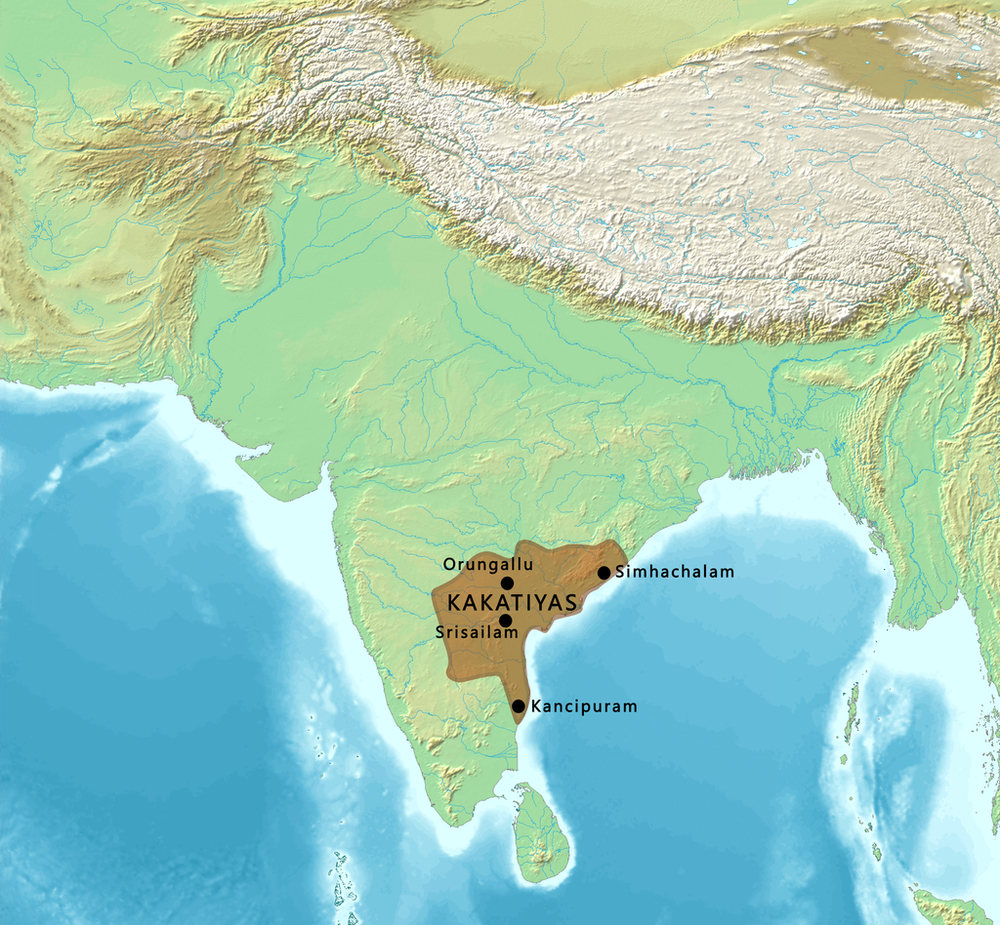
In the 12th century, the Kakatiya dynasty emerged in South India, establishing its rule over a vast region encompassing present-day Telangana and Andhra Pradesh. The dynasty was founded by a chieftain named Prola II, who declared independence from the Western Chalukya Empire. The Kakatiyas expanded their influence through strategic military campaigns and diplomatic alliances, eventually becoming a prominent power in the Deccan Plateau.
Under the leadership of rulers like Rudradeva and Ganapati, the Kakatiya dynasty reached its zenith, fostering a flourishing cultural and economic environment. They constructed impressive fortresses, temples, and irrigation projects that showcased their architectural and engineering prowess. The Kakatiya rulers were known for their patronage of Hindu arts and culture, with contributions to literature, sculpture, and dance.
The establishment of the Kakatiya dynasty had a lasting impact on the region, leading to a period of stability and prosperity. Trade flourished, connecting South India to distant lands through lucrative maritime routes. The Kakatiya administration was known for its efficient governance, with systems in place for revenue collection, justice, and infrastructure development.
However, the decline of the Kakatiya dynasty began in the late 13th century due to invasions by the Delhi Sultanate. Despite putting up a valiant resistance, the Kakatiyas eventually succumbed to the onslaught, marking the end of their rule in the early 14th century. Their legacy, though, endured through the cultural and architectural heritage they left behind, which continues to be revered today.
The establishment of the Kakatiya dynasty stands as a testament to the rich history and cultural diversity of South India. It embodies the spirit of resilience, innovation, and artistic patronage that defined the medieval period in the region. #KakatiyaDynasty #SouthIndiaHistory #CulturalHeritage
View details1120
The event of Vikramaditya VI ushering in the Vikrama Chalukya era marked a significant chapter in the history of the Kalyani Chalukyas. Taking place in the 12th century, this period witnessed the peak of the Kalyani Chalukya power under the reign of Vikramaditya VI. As he ascended the throne, Vikramaditya VI initiated a new era known as the Vikrama Chalukya era, which symbolized a shift in the political landscape of India.
During this time, the Kalyani Chalukyas consolidated their control over a vast empire in the Deccan region, with their kingdom extending from present-day Karnataka to parts of Maharashtra and Andhra Pradesh. Vikramaditya VI's reign was characterized by territorial expansion, architectural patronage, and diplomatic alliances with other regional powers.
Under his rule, the Kalyani Chalukyas experienced a period of cultural and economic prosperity, with advancements in architecture, literature, and trade. The construction of intricate temples such as the Mahadeva Temple at Itagi and the Kasivisvesvara Temple at Lakkundi showcased the architectural brilliance of the Chalukyan dynasty.
Vikramaditya VI's diplomatic prowess was evident in his strategic alliances with the Hoysalas, Eastern Chalukyas, and Cholas, which helped maintain stability and peace in the region. These alliances also facilitated cultural exchange and trade, contributing to the overall development of the Deccan region.
The Vikrama Chalukya era under Vikramaditya VI's rule left a lasting impact on the history of India, shaping the political and cultural landscape of the Deccan region for centuries to come. The legacy of the Kalyani Chalukyas, with their architectural wonders and diplomatic achievements, continues to be celebrated and studied by historians and enthusiasts alike.
#KalyaniChalukyas #VikramadityaVI #VikramaChalukyaEra #DeccanRegion #CulturalProsperity #DiplomaticAlliances
View details1025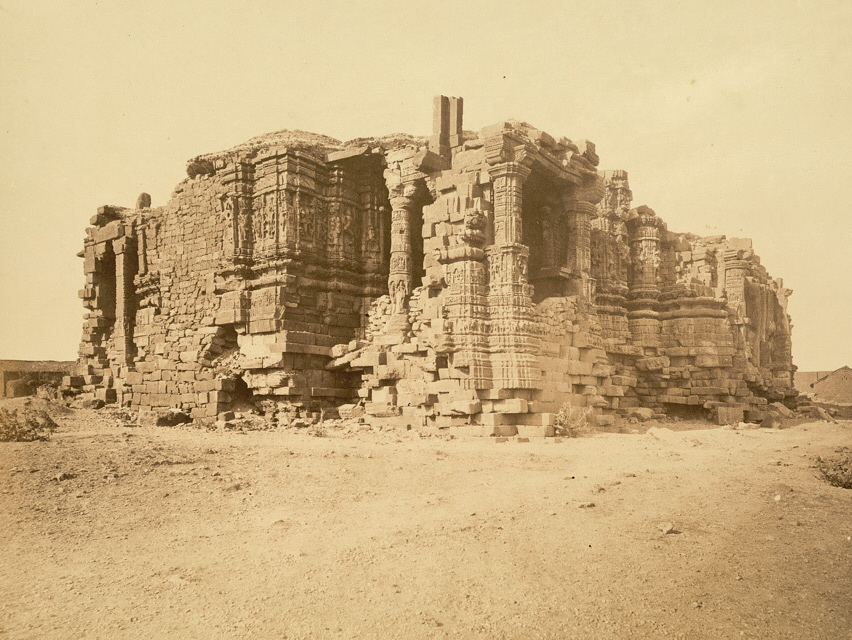
Mahmud of Ghazni, a powerful ruler from Afghanistan, conducted a series of ruthless raids on the revered Somnath temple in India. The temple, located in the present-day state of Gujarat, was known for its immense wealth and treasures accumulated over centuries.
Mahmud's repeated invasions of the temple were driven by his desire for plunder and riches. The raids were brutal, resulting in widespread destruction of the temple complex and the looting of its treasures. The riches taken by Mahmud included gold, silver, precious stones, and other valuable artifacts that had been offered by devotees over generations.
The raids on the Somnath temple not only led to the loss of valuable treasures but also had a significant impact on the local population. The plundering of the temple's wealth caused economic hardship for the region and left a deep sense of devastation among the devotees who held the temple in high reverence.
Despite facing resistance from local rulers and communities, Mahmud of Ghazni's military prowess and ruthlessness enabled him to successfully carry out multiple raids on the Somnath temple. His actions left a lasting mark on the history of India and the Somnath temple, symbolizing the religious and cultural conflicts of the time.
The raids conducted by Mahmud of Ghazni on the Somnath temple serve as a reminder of the tumultuous history of India, highlighting the impact of foreign invasions on the country's rich cultural heritage and religious institutions. The event underscores the challenges faced by ancient Indian temples and the resilience of the people in preserving their traditions and heritage despite such adversities.
#MahmudOfGhazni #SomnathTemple #Plunder #CulturalHeritage #ForeignInvasion #Devastation #Resilience
View details1014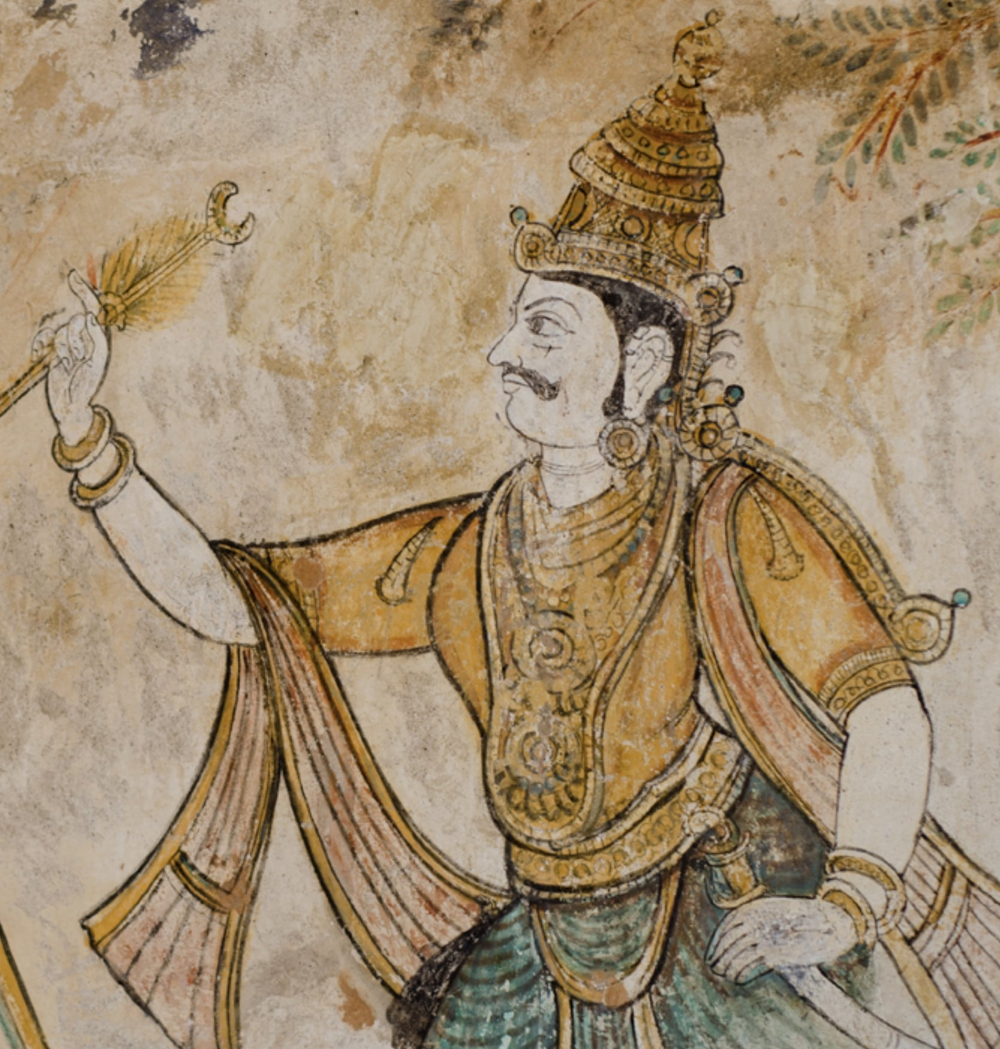
Rajaraja Chola, a prominent ruler of the Chola dynasty, expanded his empire by adding the Lakshadweep and Maldives islands. This strategic move allowed the Chola empire to strengthen its maritime power, control key trade routes, and enhance its influence in the Indian Ocean region.
The acquisition of the Lakshadweep and Maldives islands provided the Cholas with valuable resources such as coconuts, fish, and other maritime goods. Additionally, these islands served as important naval bases and trading posts, further boosting the empire's economic prosperity. The Cholas were able to establish a strong naval presence in the region, facilitating trade with neighboring kingdoms and enhancing their dominance over the seas.
The incorporation of the Lakshadweep and Maldives islands into the Chola empire also had significant cultural and political implications. The Chola rule brought about socio-economic development, architectural advancements, and cultural exchanges with the inhabitants of these islands. The Cholas promoted the spread of Hinduism and the Tamil language, leaving a lasting impact on the cultural landscape of the region.
Overall, Rajaraja Chola's conquest of the Lakshadweep and Maldives islands was a pivotal moment in the history of the Chola dynasty. It not only expanded the territorial boundaries of the empire but also solidified its position as a major maritime power in the Indian Ocean. The legacy of this event continues to be felt in the cultural, economic, and political realms of the region to this day.
#CholaEmpireExpansion #MaritimePower #CulturalExchange #TradeRoutes
View details1003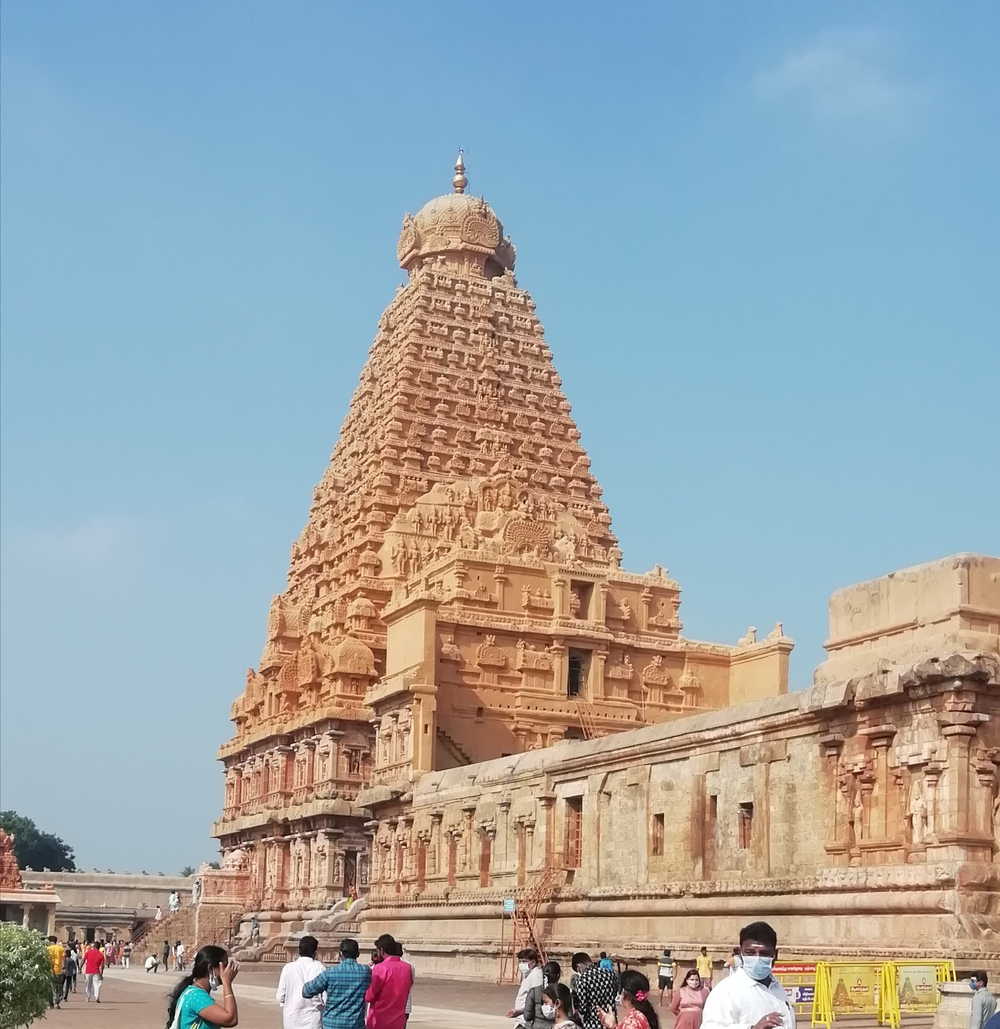
In ancient India, the Brihadisvara Temple was constructed in Thanjavur by Raja Raja Chola I, a renowned monarch of the Chola dynasty. This architectural marvel is a testament to the artistic and engineering skills of the period. The temple was dedicated to the Hindu deity Shiva and served as a hub for religious and cultural activities.
Raja Raja Chola I commissioned the construction of the Brihadisvara Temple to showcase his power and devotion to Shiva. The temple complex features a towering vimana, or temple tower, that stands as a symbol of Chola's grandeur and architectural prowess. Intricate carvings, frescoes, and sculptures adorned the walls, depicting stories from Hindu mythology.
The completion of the Brihadisvara Temple marked a significant milestone in the cultural and religious landscape of southern India. It became a center of religious pilgrimage and attracted devotees and artisans from far and wide. The temple also served as a beacon of Chola's political and religious authority, solidifying their position as prominent rulers in the region.
The Brihadisvara Temple's architectural style, known as Dravidian architecture, continues to influence temple construction in South India to this day. Its innovative use of granite and intricate sculptural details set a standard for future temple builders. The temple complex was not only a place of worship but also a site for artistic expression and cultural exchange.
Overall, the construction of the Brihadisvara Temple by Raja Raja Chola I was a pivotal moment in Indian history, showcasing the blend of art, religion, and power during the Chola dynasty's reign. The temple stands as a lasting legacy to the rich cultural heritage of ancient India.
#BrihadisvaraTemple #RajaRajaCholaI #Thanjavur #CholaDynasty #DravidianArchitecture #CulturalHeritage
View details1001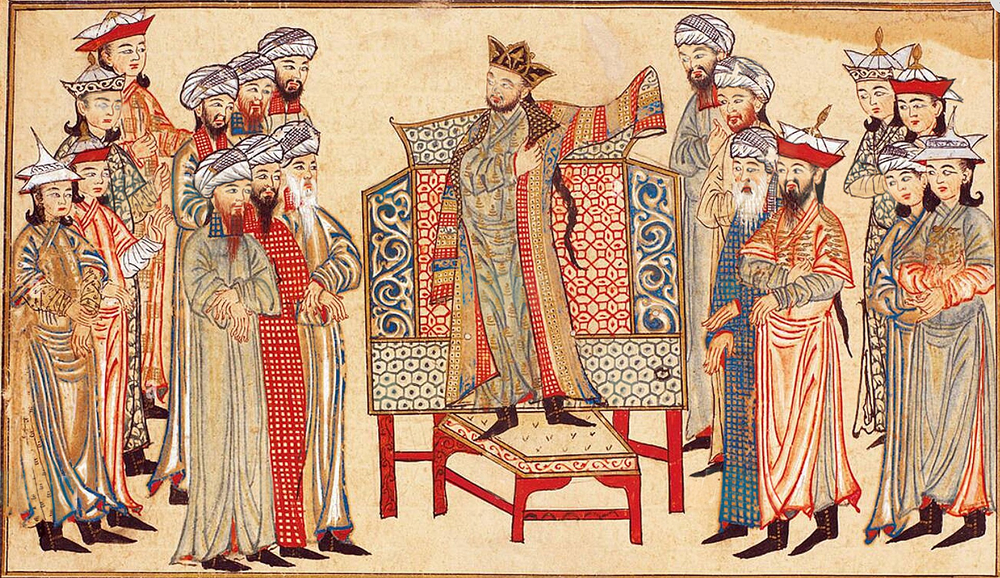
Mahmud of Ghazni, a powerful ruler from the Ghaznavid dynasty, led an invasion into India, targeting the prosperous city of Multan. The city, known for its wealth and strategic location, was a prime target for Mahmud's expansionist ambitions.
Mahmud's invasion of Multan was part of his larger campaigns to plunder and establish control over territories in the Indian subcontinent. His military prowess and ambition drove him to launch multiple raids into India, amassing immense wealth and power through the looting of cities like Multan.
The sack of Multan had a profound impact on the region. The city suffered widespread destruction, its riches plundered, and its cultural heritage ravaged. The invasion sent shockwaves through the Indian subcontinent, signaling Mahmud's strength and ruthlessness to neighboring rulers and kingdoms.
The aftermath of Mahmud's invasion of Multan reverberated for years to come. It served as a stark reminder of the vulnerability of wealthy cities in the face of ambitious conquerors. The event also solidified Mahmud's reputation as a formidable military leader and solidified his hold over parts of India.
The invasion of Multan by Mahmud of Ghazni highlights the brutal realities of medieval conquests and the enduring impact of such campaigns on the regions they targeted. It underscores the complex history of power struggles and territorial expansion that characterized interactions between different kingdoms and empires in the Indian subcontinent.
#MahmudofGhazni #MultanInvasion #IndianHistory #MedievalConquests
View details0935
In 935 CE, Chandrapur University was established by Srichandra, a ruler of the Chandra dynasty. The university was a pivotal institution during ancient India, attracting scholars and students from far and wide to study a wide array of subjects, including astronomy, mathematics, medicine, and philosophy.
Srichandra's vision for the university was to create a center of learning and knowledge that would rival some of the greatest educational institutions of the time. The university quickly gained a reputation for its exceptional faculty and rigorous academic standards, becoming a renowned hub for intellectual and cultural exchange.
With its strategic location in the heart of the Chandra dynasty, Chandrapur University played a crucial role in shaping the intellectual landscape of the region, producing numerous scholars and thinkers who made significant contributions to various fields. The university also served as a catalyst for the development of art, literature, and architecture, influencing the cultural heritage of the surrounding areas.
The establishment of Chandrapur University marked a milestone in the history of education in ancient India, setting a precedent for the pursuit of knowledge and academic excellence. Its legacy endured for centuries, shaping the academic traditions and intellectual pursuits of future generations. The university's impact was felt not only within the Chandra dynasty but also beyond, as its influence spread to neighboring kingdoms and regions.
Today, Chandrapur University stands as a monument to the rich intellectual heritage of ancient India, embodying the spirit of scholarship and innovation that defined the era. Its founding by Srichandra, a visionary ruler of the Chandra dynasty, remains a testament to the enduring legacy of education and learning.
#ChandrapurUniversity #ChandraDynasty #AncientIndia #IntellectualHeritage
View details0800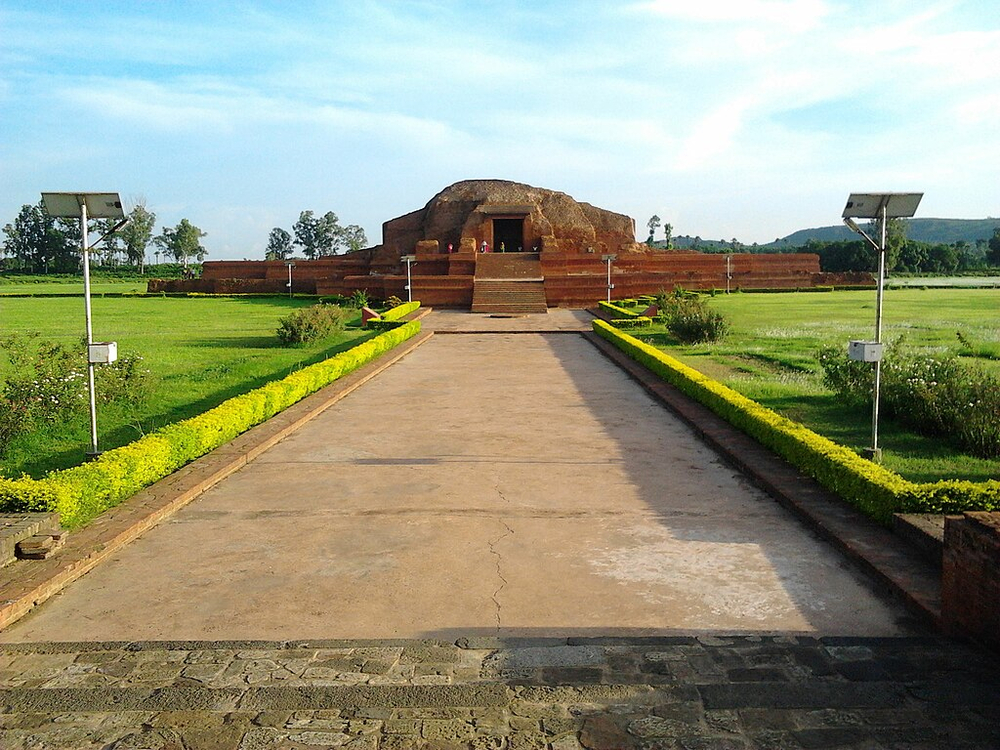
In the early 9th century, the Pala emperor Dharmapala established Vikramashila University in present-day Bhagalpur district in Bihar. The university quickly gained prominence as a center for learning, attracting scholars and students from far and wide.
Vikramashila University was dedicated to the study of Buddhism and was renowned for its curriculum on Buddhist philosophy, logic, tantrism, and teachings. The university housed thousands of students and teachers within its sprawling campus, fostering a vibrant academic environment.
As a hub of Buddhist learning, Vikramashila University played a crucial role in the dissemination of Buddhist teachings across India and beyond. It became a revered institution, producing renowned scholars and preserving important Buddhist texts.
The establishment of Vikramashila University marked a significant development in the history of education in India. It symbolized the flourishing intellectual and cultural landscape during the Pala Empire, showcasing the patrons' support for education and scholarship.
The impact of Vikramashila University extended beyond its walls, influencing the spread of Buddhist thought and shaping religious discourse in the region. The university's legacy endured long after its founding, with its teachings continuing to resonate with followers of Buddhism.
Today, the remnants of Vikramashila University stand as a testament to its glorious past, attracting historians, archaeologists, and tourists interested in exploring India's rich cultural heritage.
#VikramashilaUniversity #PalaEmpire #BuddhistScholarship #IndianEducation #CulturalHeritage
View details